 跳到内容
跳到内容 
The first real test of a smart tent OEM roadmap doesn’t happen in a factory conference room. It happens six weeks later, when a container lands in Long Beach and a warehouse associate slices open carton 17 of 200. The pre-production sample had everything: tight seam sealing, the right LED color temperature, and a battery pack that held its charge through a demo campout. The bulk production? Different story. That $50,000 order—the one with FOB pricing that penciled out beautifully on the spreadsheet—just turned into a stack of warranty claims because the mass production ran a few stitches looser and switched to a lower-grade waterproofing tape without a word. The sample approval stage did its job. The quality tolerance between sample and bulk did not.
This gap is where most first-time importers bleed margin, not on the per-unit cost. A factory that builds a perfect prototype under tight supervision but shifts to a noisier line for bulk production will deliver variations you can’t catch from a desk. That’s why the smart tent OEM process needs to lock down more than a spec sheet. It needs a verifiable handoff from the sample team to the production team, and a clear, numeric tolerance on every functional element—from the waterproof rating of the flysheet to the lumen drop in the LED strip over a 72-hour cycle. Without that, you’re buying a lottery ticket, not inventory.
Here’s a benchmark worth writing down before your next supplier call: insist on a pre-shipment inspection sampling plan that uses an AQL of 2.5 for critical defects, with a third-party inspector pulling cartons at random from the finished production. If the factory pushes back and offers only their own in-house check, walk away. That single number has saved more first-year brands than any line-item price negotiation ever did.
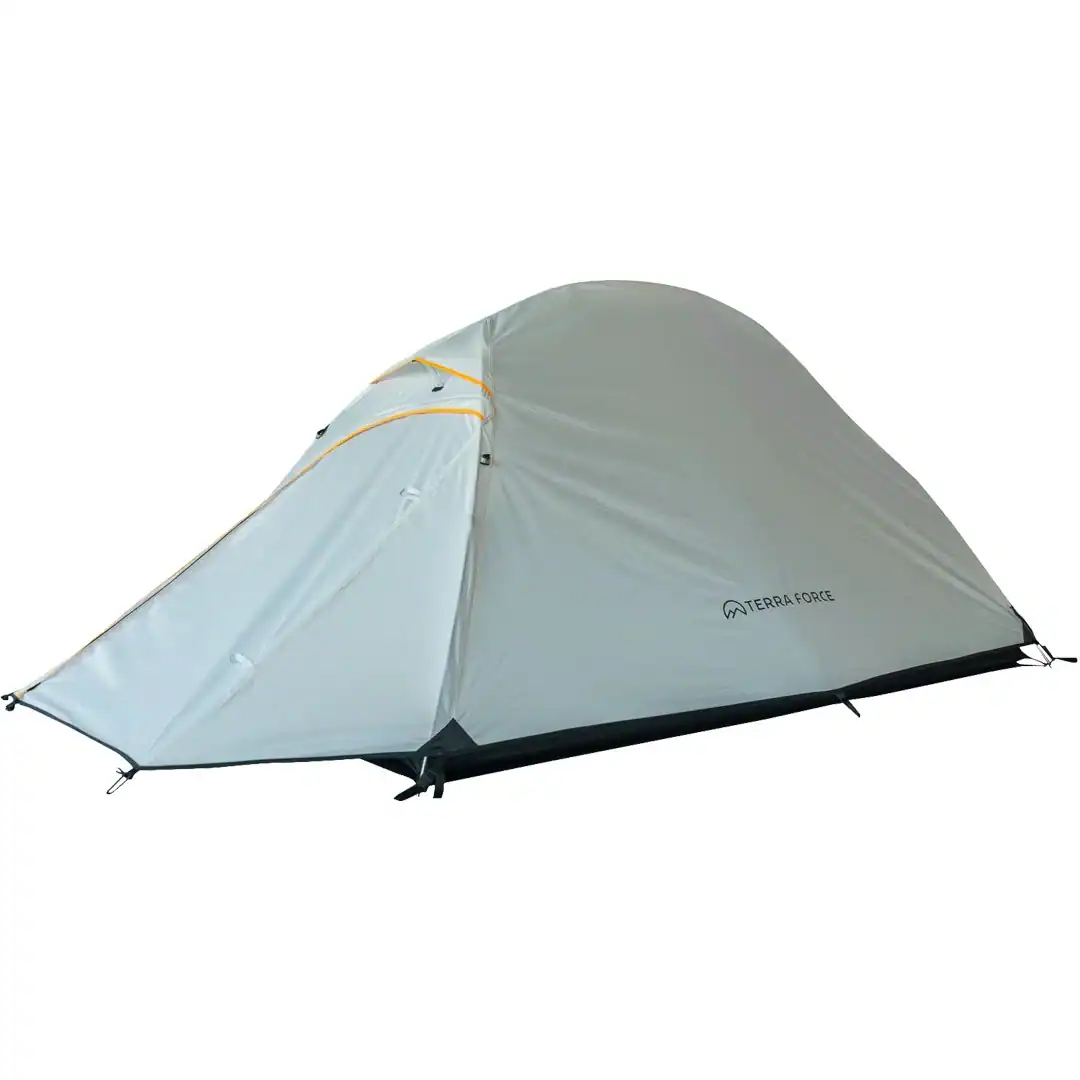
Phase 1: Design and Sample Approval
A pre-production sample approved without a locked spec sheet is a gamble, not an approval.
The invoice says 2,000 smart tents. The container arrived on time. Your warehouse team unloads the first pallet, pulls one out, and the fabric feels thinner than the sample you approved six weeks ago. The stitching isn’t taped. The LED light module rattles inside the pole hub because the tolerance was never written down. You paid $52,750 for a product that doesn’t match the prototype—and you have no document to prove what ‘match’ means.
This is not a factory problem. It’s a demand collection failure. When an e‑commerce entrepreneur says, ‘I want a smart tent like this one but with my logo,’ the factory order clerk hears a green light to use the cheapest available fabric grade, a generic USB hub, and whatever thread color is loaded on the line that day. If your spec sheet is a mood board, your mass production run is a lottery ticket.
The OEM process does not start with a deposit. It starts with a technical package that removes all ambiguity before the first yard of fabric is cut. For a smart tent, that means you need to nail down at minimum five non‑negotiable categories.
-
- Tent body fabric: Specify the exact material (e.g., 190T polyester taffeta, 210D Oxford), coating (PU 2000mm, silicone, or black‑out layer), and any flame‑retardant certification (CPAI‑84). Attach a Pantone code for dyed fabric, not ‘light green.’.
- Frame and hub system: Define tube diameter (e.g., 7.9mm fiberglass vs. 7001 aluminium), connector material (ABS vs. nylon), and the insertion depth for pole ends. Smart tent hubs that house wiring need internal channel dimensions.
- Smart module specifications: List the LED strip type (SMD 2835, 5050), lumen output, IP rating for the control box, battery capacity (mAh), charging input (USB‑C 5V/2A), and any app‑control protocol. Attach technical drawings for the module housing and cable routing.
- Quality tolerance and test standards: State acceptable defects per hundred units (AQL level, e.g., 2.5 for major), seam strength (minimum 10 N/cm), and water column height after a 24‑hour hydrostatic test. For electronics, require a 72‑hour continuous burn‑in test with no flickering.
- Packaging and labeling requirements: Even at the design stage, tell the factory what the retail box must withstand (e.g., a 1.2‑meter drop test). This prevents a sample approval that later fails because the packaging design snags the tent fabric or crushes the LED strip.
Most first‑time buyers skip the written spec and send a competitor link with the message, ‘Make this, but better.’ That’s exactly how you end up with a $50K shipment that’s 3 centimeters shorter in pitch—because the factory grabbed a different frame jig. A proper tech spec also gives you leverage on FOB pricing: when you control the BOM down to the accessory list, you prevent hidden cost‑cutting and make sample approval a genuine checkpoint, not a handshake.
Smart tent OEM isn’t magic. It’s engineering documentation dressed up as sourcing. Write down the wire gauge, the zipper brand, the stuff‑sack material, and the reflective trim width before you pay for a sample. If the supplier can’t execute against a clear spec in Phase 1, they won’t suddenly learn how in mass production.
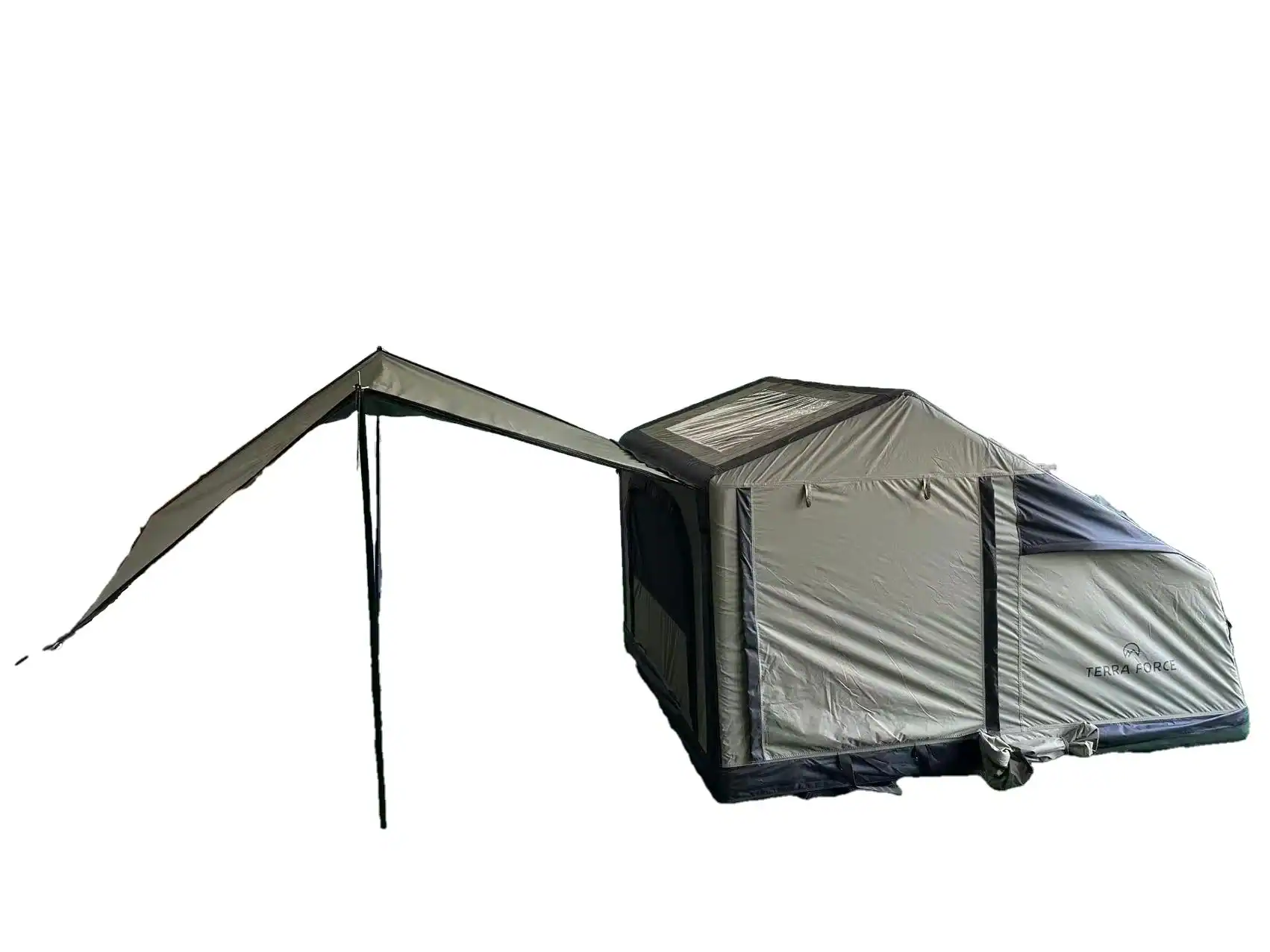
Phase 2: Production Agreement and Material Sourcing
A 30-day lead time on paper means nothing if your smart tent’s custom PCB hasn’t been sourced.
I’ve seen an e-commerce brand lose a $50,000 investment because they assumed a manufacturer’s standard 30-day lead time applied to a product with custom electronics. It didn’t. The production agreement isn’t a formality; it’s the legal and operational boundary that separates a seamless launch from a cash-burning delay. The two variables that will dictate your unit cost and delivery window more than anything else are your negotiated lead time and your realistic Minimum Order Quantity. Fumble either, and you’re either overstocked with dead inventory or missing your peak sales window entirely.
For a smart tent, the 30–45 day production window is a baseline for standard models using existing, unmodified electronic modules. The moment you introduce a custom PCB board, a new sensor configuration, or load a proprietary firmware image, you must add 15–25 days to that baseline. Material sourcing is the silent bottleneck. Lithium battery packs require UN38.3 certification documentation before shipping, and integrated LED driver chips from Shenzhen don’t function on the same lead time as Oxford fabric rolls. Your agreement needs to enumerate milestone dates for each functional component—structural frames, fabric shells, and electronic assemblies—not just the final ship date.
-
- MOQ Reality Check: OEM smart tent production often requires a split-MOQ structure. The structural MOQ (tent body) can be as low as 100 units because fabric cutting tables don’t care about volume. But the electronics PCB assembly MOQ typically starts at 500 units in a standard stencil setup. The factory network here negotiates a blended MOQ—say, 300 units—to align both materials streams from the start.
- The Contract Anchor: Secure the FOB pricing breakdown by component, not just a blended unit cost. If battery prices spike mid-production, a component-level contract lets you renegotiate or source separately without voiding the agreement on the fabric portions. Your deposit is tied to concrete work—30% upfront only after the engineering samples for the electronics are signed off and the final fabric swatches are locked.
The real leverage in these negotiations comes from understanding quality tolerance. You don’t need a 0.02mm stitching variance specification on a fabric panel—you’ll pay a premium for precision that doesn’t add value. But you should absolutely specify a tolerance on the waterproof zipper’s pull tab force (< 15 Newtons) and the LED driver output consistency (±5%). Smart tent failures happen at the interface between mechanical and electronic assemblies. Get the material data sheets for every electronic sub-component, not just the tent body fabric. That’s the document set your logistics provider needs for a clean customs entry, and it’s the line item that protects your deposit if components arrive DoA.
| Phase 2: Production Agreement and Material Sourcing | ||
|---|---|---|
| Аспект | Standard Terms / Specification | Implication for Your Brand |
| Минимальное количество заказа (MOQ) | As low as 50–100 pieces for select items; typically 300–1,000 pieces for standard models. Flexible for bulk orders. | Test new smart tent designs with minimal upfront inventory risk. |
| Срок производства | Standard 30–45 days, depending on complexity, quantity, and customization level. | Enables predictable launch calendars and just-in-time planning for peak seasons. |
| Payment Terms | 30% deposit to start production, 70% balance before shipment (for new clients or orders >US$3,000). Negotiable for repeat clients. | Aligns major payment with verified product readiness, protecting cash flow. |
| Material Sourcing & Quality | Outdoor-grade fabrics (Oxford, Polyester, Nylon) with durable coatings; sourced through ISO 9001:2015 certified partners. | Guarantees weather resistance and longevity, reducing returns and building brand trust. |
| Customization Scope | Pantone-matched dyeing, multiple printing methods, custom-molded parts, and fully branded packaging. | Delivers a unique, design-forward smart tent that differentiates your online store. |
Phase 3: Quality Control and Packaging
Inline QC isn’t optional—it’s the difference between catching a stitching flaw at 500 units and 5,000.
Here’s a scenario that has been observed to destroy a launch. An e-commerce brand received their first 1,000-unit smart tent shipment. The pre-production sample was flawless—tight seams, clean LED channel routing, zero light bleed through the fly. But four weeks after the container landed and units started shipping to customers,
Phase 3 is where your sample approval work either pays off or falls apart. The quality tolerance you agreed on during prototyping now gets enforced across every single unit. For smart tents, this means checking more than just fabric. You’re validating PCB solder joints on LED strips, battery compartment seals, Bluetooth module pairing consistency, and the strain relief on wiring harnesses where fabric panels flex. A standard tent QC checklist won’t cut it. You need a product-specific inspection protocol that covers electronics ingress protection, not just seam tape adhesion.
On the packaging side, most first-time importers think about the retail box last. That’s backwards. Your packaging design is your first physical touchpoint with a customer, and for smart tents, it’s also protective engineering. A tent with integrated wiring and control modules can’t be crammed into a standard polybag. You need die-cut foam inserts that isolate the power bank pocket and LED strips from the folded pole set. One brand I worked with skipped this step and lost 12% of their first shipment to crushed battery housings—entirely preventable with a 15-cent foam spacer.
-
- ценообразование FOB impact: Custom packaging with foam inserts, branded inner boxes, and full-color outer cartons typically adds $1.80-$3.50 per unit to FOB pricing. Factor this into your landed cost before finalizing your retail price.
- Label compliance: Each box needs country-specific care labels, FCC/CE marks for electronics, and washing instructions for fabric components. Missing labels trigger customs holds and Amazon listing suspensions.
- Quality tolerance sampling: Use AQL 2.5 for major defects like non-functional LEDs or seam failures. For minor cosmetic issues, AQL 4.0 is standard. Anything stricter on electronics drives up unit cost faster than most new brands can absorb.
Sourcing through a partner with ISO 9001:2015-certified factories means quality control documentation exists at every gate—incoming fabric inspection, in-line stitching audits, and final assembly checks. You should request these reports, not just the pre-shipment summary. The 17 core strategic factories in the network produce across categories from roof top tents to camping lights, which means the QC team understands crossover failure points: the same waterproofing standards apply whether it’s a tent fly or a backpack rain cover.
Before you wire the 70% balance payment, ask yourself three questions about this phase. First, have you physically held a mass production sample—not the prototype—with final packaging? Second, does your QC report include a dedicated electronics function test, or only fabric and frame checks? Third, is your packaging drop-tested at carton level? A box that survives your warehouse shelf doesn’t necessarily survive a FedEx conveyor belt in December.
Phase 4: Pre-Shipment Inspection and Global Logistics
Pre-shipment inspection is your last chance to catch a batch-wide defect.
A buyer I worked with in Brisbane thought he had nailed his smart tent launch. The pre-production sample was flawless—clean stitching, smooth zippers, correct 210D oxford floor. He approved the sample, paid the 30% deposit, and waited. But when the container landed and his warehouse team unloaded the cartons, it was a different story. The zippers jammed after three cycles, the floor fabric wasn’t the approved 210D but a thinner 150D substitute, and the printed logo had already started peeling. The factory argued the goods still met ‘commercial quality’ and hid behind a generic QC report. That $50,000 order ended up as liquidated stock on a discount site. The lesson? What happens between sample approval and container loading is invisible unless you have a предотгрузочную инспекцию protocol with teeth.
In the Kelyland process, inspection isn’t a final checkbox to clear the shipment—it’s a continuous layer that runs alongside production and hardens at the pre-shipment stage. Every smart tent order goes through a three-step inspection flow: an inline check during sewing and frame assembly, a finished-goods inspection when 80% of the order is packed, and a final pre-shipment random sampling. The sampling follows the standard ISO 2859-1 AQL 2.5 for general attributes, but for load-bearing components and electronics—things like frame tension, LED strips, and waterproof seams—internal protocol tightens the criteria. The factory team pulls at least 10% of cartons from the finished batch, opens them, and re-checks against the sealed approval sample. Inspection reports are supplied with photos and defect logs; clients get them before the balance payment is due.
-
- Fabric & Coating Adhesion: Cross-check floor fabric weight (e.g., 210D vs 150D) and PU/Silicone coating adhesion per the approved spec. A quick tear test on a seam catches substitution.
- Frame & Pole Integrity: For smart tents using fiberglass or aluminium poles, we test flex cycles and joint fittings. Even one cracked ferrule can spike returns on Amazon.
- Electronics & Sensors: LED lights, IoT modules, and battery packs get a power-on cycle test and a visual check for soldering quality. No data sheet alone replaces a powered inspection.
- Packaging Accuracy: Carton markings, barcodes, and inner labels are verified against the client’s FNSKU or retail packaging spec. A single mislabelled carton can cause a full FBA rejection.
Once the inspection is signed off, the conversation shifts to logistics. New e-commerce importers often overlook the risk embedded in global freight. A reliable partner manages all export paperwork—commercial invoice, packing list, certificate of origin—and provides guidance through destination customs clearance. FOB pricing is transparent: you pay the product cost plus local charges to the port of loading, and the freight forwarder handles sea or air transit under your own contract. Standard production runs of 30-45 days mean that with ocean freight to the US West Coast, you’re looking at roughly 60-75 days from finalising the order to receiving inventory at your 3PL. For new brands launching for a seasonal window, that timeline is not flexible—it’s mandatory.
Here’s the industry benchmark you should jot down: any supplier who cannot provide a dated inspection report with unpacked carton photos at least 24 hours before vessel cut-off is not ready for your business. In this network, failure to meet that standard halts the shipment. That’s not being difficult; it’s standard operating procedure in a professional OEM smart tent manufacturing relationship.
Заключение
Skipping a single gate—like sample approval or the final pre-shipment inspection—can turn a $50,000 smart tent order into unsellable stock. A 30‑day production срок выполнения suddenly becomes a 90‑day recovery timeline, and your peak camping season evaporates while you fight chargebacks. When quality tolerance isn’t locked down and FOB pricing gets decoupled from actual factory output, you don’t just lose margin—you lose the launch window you built your private label around.
Часто задаваемые вопросы
What’s the MOQ for smart tent orders?
MOQs start at 50-100 pieces for flexible production, but electronics-heavy smart tents often require 300-1,000 pieces due to custom PCB and material setup. Confirm your exact threshold only after the spec sheet. Confirm MOQ after finalizing your spec sheet and customization scope.
How long does smart tent production really take?
Standard lead time is 30-45 days, but custom components like PCBs or unique coatings add weeks. Always build in a buffer for material sourcing and pre-production sample approval before starting the. Lock lead times only after design and material sourcing are confirmed.
How is quality control handled?
Inline QC at multiple production stages catches stitching and electronic faults early, not just at the end. ISO 9001:2015-certified factories provide stage-by-stage reports on request. Request inline QC reports at pre-defined milestones, not just pre-shipment.
Do you handle shipping and customs paperwork?
Yes, all export documentation, customs guidance, and freight coordination are managed in-house. Real-time tracking is standard, but incoterms must be clarified upfront to avoid port delays. Agree on incoterms early to avoid last-minute surprises at the port.

 English
  Español
  Deutsch
  Français
  Português do Brasil
  Русский
  العربية
  한국어
한국어  日本語
日本語