 تخطي إلى المحتوى
تكلفة التصنيع الأصلي مقابل التصميم الأصلي هي أول نقطة تفتيش يجب على المشترين تأمينها قبل الموافقة على المورد أو الميزانية أو موعد الإنتاج. لحظة الاكتشاف تأتي عندما تصل الحاوية إلى مستودعك، لا عند بوابة المصنع. أذكر مدير علامة تجارية فتح 500 حقيبة نوم تحمل علامته التجارية في منشأته في شيكاغو بعد ثلاثة أشهر من تقديم الطلب — كان القماش مختلفًا عن العينة التي وافق عليها. كان عدد الخيوط أقل بـ20، والطلاء أرق، والسحابات تعلق بالغلاف. كان ذلك طلبًا بقيمة 50,000 دولار عالقًا في نزاع حول الموافقة على العينة مقابل تناسق الإنتاج الضخم، دون بند واضح في العقد لتلك الفجوة تحديدًا. لقد اختار مسار التصنيع الأصلي لتوفير تكاليف الأدوات المبدئية، بافتراض أن التصميم الأساسي مثبت. بدا سعر FOB نظيفًا على الورق، لكن التكلفة الحقيقية ظهرت لاحقًا، مدفونة في مشكلات تفاوت الجودة التي لم يوثقها أحد.
هذا هو النوع من السيناريوهات الذي يفصل بين قرار توريد جيد ودرس باهظ الثمن. سؤال تكلفة التصنيع الأصلي مقابل التصميم الأصلي لا يتعلق فقط بسعر الوحدة أو استثمار الأدوات — بل يتعلق بفهم أين توجد المتغيرات الخفية وكيف تتراكم عبر عدة طلبات. العديد من المقالات المنافسة ستخبرك أن التصميم الأصلي أرخص للأحجام المنخفضة، وهم محقون على السطح. لكنها نادرًا ما توضح ما يحدث عندما تشغل دفعة ثانية أو ثالثة، ويقوم المصنع بتعديل مصادر المواد لحماية هامش ربحه. عندها يظهر مقارنة التكلفة الحقيقية، ليس من العرض الأولي بل من سلوك سلسلة التوريد المتأصل في كل نموذج. بعد إدارة عمليات تدقيق الموردين عبر عشرات البلدان، رأيت نفس النمط يتكرر: العلامات التجارية التي تتخطى تحليل التكلفة الإجمالية لإطفاء الأدوات تنتهي بدفع 15-20% إضافية لكل وحدة بحلول الوقت الذي تصل فيه إلى 1,000 قطعة. الجواب ليس تلقائيًا نموذجًا واحدًا على الآخر — بل يتعلق بمعرفة أي الرافعات تسحبها في طلب العرض وأي قدرات المصنع يجب التحقق منها مبكرًا. شريك مثل Kelyland Outdoors، الذي يمتلك شبكة من 17 مصنعًا أساسيًا معتمدًا بنظام ISO 9001:2015 وقدرة على بدء بعض عناصر التصميم الأصلي من 50-100 وحدة، يبني تلك المرونة في العملية من اليوم الأول. الهدف هو القضاء على المفاجأة عندما يفتح باب الحاوية.
لماذا يفشل معظم توريد معدات التخييم: مصائد التكلفة الخفية.
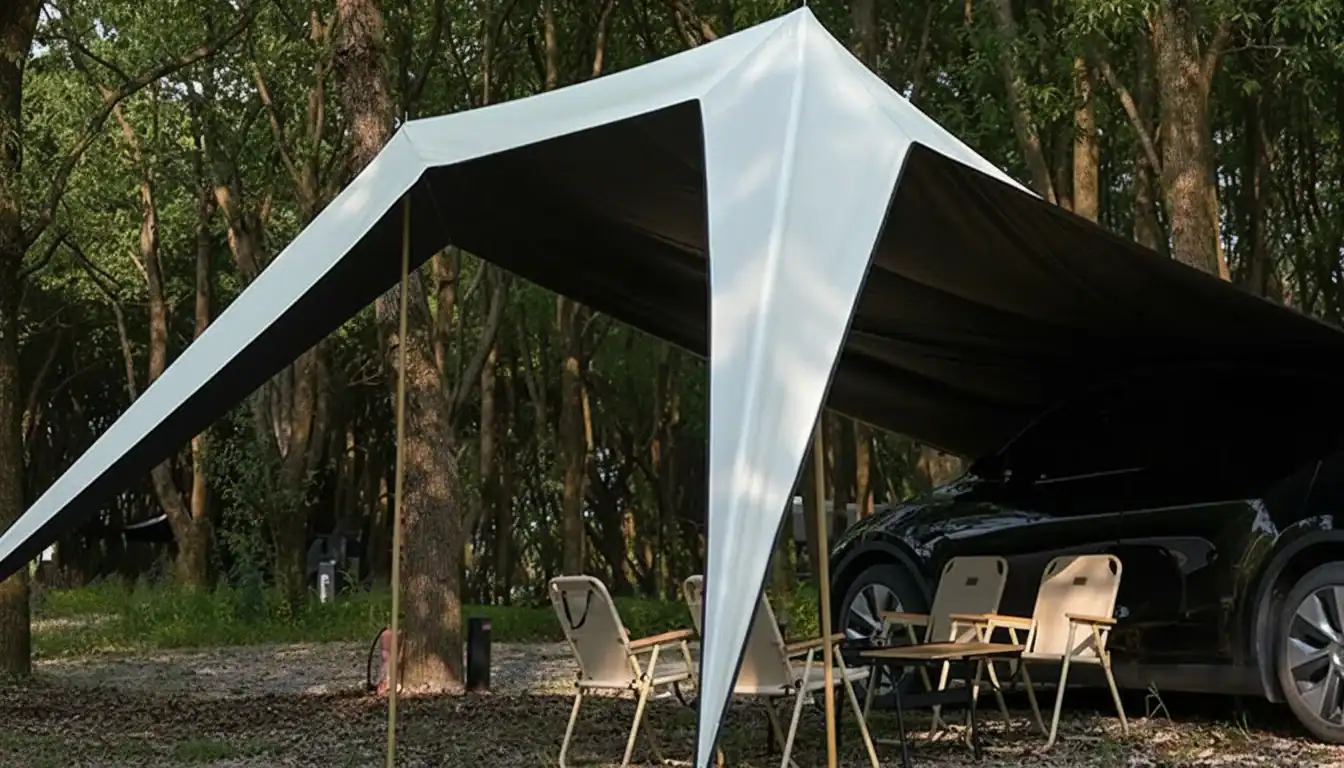
تحليل التكلفة الحقيقي للتصنيع الأصلي مقابل التصميم الأصلي في 2026
عادةً ما يبدأ تضخم الميزانية بالهندسة غير المتكررة (NRE). قالب إطار خيمة مخصص يكلف 8,000–15,000 دولار. جهاز لحام كرسي يكلف 3,000–6,000 دولار. ثم تواجه جولات العينات — من 2 إلى 4 تكرارات بتكلفة 200–800 دولار لكل منها. اختبار الامتثال يضيف 1,000–5,000 دولار لكل وحدة حفظ مخزون حسب السوق المستهدف (CE لأوروبا، CPSIA للولايات المتحدة). تصميم التغليف؟ 500–2,000 دولار إضافية إذا كنت بحاجة إلى صناديق وبطاقات معلّقة ذات علامة تجارية. معظم طلبات العروض تدمج هذه في سعر الوحدة فقط إذا طلبت — وإلا فإنها تصل كفواتير منفصلة بعد الطلب الأول.
الأدوات (القوالب/أجهزة اللحام):.
-
- عادةً 5,000–20,000 دولار لكل جزء مخصص. لا تُطفأ في سعر الوحدة إلا إذا تفاوضت عليها مسبقًا. جولات العينات:.
- الترجمة إلى العربية مكتملة. تكلفة كل جولة تتراوح بين $200 و$800. غالبًا ما تتطلب مشاريع التصنيع الأصلي 2-4 مراجعات قبل الموافقة النهائية.
- اختبار الامتثال: يمكن أن تكلف شهادات CE وREACH وCPSIA أو CA Prop 65 ما بين $1000 و$5000 لكل وحدة SKU. تجاهل ذلك يعني توقف الشحنات في الجمارك.
- تصميم التغليف: التغليف المخصص مع رسومات العلامة التجارية تتراوح رسوم الإعداد فيه بين $500 و$2000. تفرض بعض المصانع بندًا منفصلًا بعنوان ‘إعداد الأعمال الفنية’.
المفاضلة بين الملكية الفكرية والتكلفة هي المكان الذي يخطئ فيه معظم مديري العلامات التجارية. مع التصنيع الأصلي، أنت تملك التصميم والقوالب، لكنك تتحمل التكلفة الأولية ومخاطر تلبية الحد الأدنى لكميات الطلب. مع التصنيع حسب التصميم، يمتلك المصنع التصميم - تتجنب تكلفة القوالب لكنك تفقد التفرد. ما لا تذكره معظم الأدلة: أسعار الوحدة في التصنيع حسب التصميم تتضمن بالفعل هامش ربح بنسبة 3-5% لتغطية مخاطر التصميم للمصنع. بعد استهلاك تكاليف قوالب التصنيع الأصلي على ثلاث طلبات، تنخفض تكلفة الوحدة بنسبة 15-30% مقارنة بالتصنيع حسب التصميم. أيضًا، يمكنك التفاوض على إتاوات إعادة استخدام القوالب - بعض المصانع ترخص قوالب التصنيع الأصلي الخاصة بك لمنتجات غير منافسة، مما يحول التكلفة الغارقة إلى مصدر دخل.
| فئة التكلفة | المأزق الخفي | تأثير التكلفة النموذجية | استراتيجية التخفيف من المخاطر |
|---|---|---|---|
| تطوير القوالب والعفن | التكلفة المعلنة للقوالب لا تشمل عمر القالب أو الاستهلاك؛ إعادة القولبة غير المتوقعة بسبب تغييرات التصميم. | $5000-$20000 لكل قالب؛ إعادة التصميم تضيف 30-50% أخرى. | اطلب الاستهلاك عبر طلبات متعددة؛ وافق على التصميم قبل قطع القالب. |
| تكرارات العينات | جولات متعددة من العينات يتم حساب رسومها لكل تكرار؛ لا استرداد للرسوم عند الطلب بالجملة. | $200-$800 لكل جولة؛ 2-4 جولات شائعة للتصنيع الأصلي. | حدد مواصفات واضحة ومعايير الموافقة على العينات؛ تفاوض على سياسة الاسترداد مقدمًا. |
| الامتثال والاختبار | يغفل الموردون اختبارات CE أو CPSIA أو REACH من عرض السعر؛ يُضاف لاحقًا كأمر تغيير. | $1,000–$5,000 لكل وحدة تخزين SKU حسب السوق. | طلب تفصيل كامل لتكلفة الامتثال في طلب عرض السعر RFQ؛ استخدم شركاء معتمدين وفق ISO 9001. |
| ترقيات المواد | يعتمد عرض السعر الأساسي على قماش منخفض الجودة (مثل 190T مقابل 210T)؛ الرسوم الإضافية للمواصفات المطلوبة غير شفافة. | زيادة في تكلفة الوحدة بنسبة 15–25% بعد استبدال المواد. | حدد في العقد عدد الخيوط الدقيق (Denier) والطلاء والوزن؛ اطلب تسعيرًا متدرجًا حسب المادة. |
| الملكية الفكرية وتصميم الملكية | تُعاد استخدام تصاميم ODM عبر العملاء؛ حقوق أدوات OEM غير مضمونة تعاقديًا. | فقدان الحصرية؛ رسوم إتاوات مستقبلية أو نسخ من المنافسين. | التفاوض على نقل الملكية الفكرية أو شرط الاستخدام الحصري؛ توثيق ملكية القوالب في الاتفاقية. |
التصنيع الأصلي مقابل التصميم الأصلي مقابل التصنيع المشترك: أي نموذج استعانة بمصادر خارجية يناسب علامتك التجارية؟
تتجاهل معظم أدلة التوريد إطفاء تكاليف القوالب – وهنا تكمن التوفيرات الحقيقية للمشترين المتكررين.
القوالب هي أول بند يميز OEM عن ODM. بالنسبة لقالب هيكل خيمة مخصص، توقع $8,000 إلى $15,000. أما ركيزة لحام الكرسي فتكلف $3,000 إلى $6,000. تتجنب ODM ذلك تمامًا باستخدام قوالب موجودة – بدون استثمار مقدم في القوالب. لكن هذا التوفير له ثمن: أسعار الوحدة في ODM تتضمن هامش ربح بنسبة 3–5% لتغطية مخاطر التصميم في المصنع، وهو ما يغفله معظم مديري العلامات التجارية عند مقارنة العروض جنبًا إلى جنب.
-
- نطاق تكاليف قوالب OEM: من 5,000 دولار إلى 20,000 دولار لقوالب الخيام أو الأثاث، حسب التعقيد وعدد التجاويف.
- علاوة سعر الوحدة للتصنيع حسب التصميم الأصلي (ODM): عند كميات الطلب التي تتجاوز 1,000 وحدة، تكون تكلفة الوحدة للتصنيع حسب التصميم الأصلي (ODM) أعلى بنسبة 10–20% من التصنيع حسب المعدات الأصلية (OEM) بعد سداد تكاليف القوالب، وذلك لأن المصنع يوزع تكاليف التصميم وصيانة القوالب على كل قطعة.
- تكاليف العينات: تتراوح تكلفة كل جولة نموذج أولي بين 200 دولار و800 دولار. قد يحتاج التصنيع حسب المعدات الأصلية (OEM) إلى 2–4 جولات قبل الموافقة. بينما يحتاج التصنيع حسب التصميم الأصلي (ODM) عادةً إلى 1–2 جولة، ولكن قد تُطبق رسوم إعداد العلامة التجارية (500–2,000 دولار).
- حدود الحد الأدنى لكمية الطلب (MOQ): بالنسبة لبعض منتجات ODM المختارة، يمكن أن يكون الحد الأدنى لكمية الطلب منخفضًا إلى 50-100 وحدة. تتطلب مشاريع OEM المخصصة عادةً 300-1,000 وحدة. توفر شبكة Kelyland المكونة من 17 مصنعًا حاصلًا على شهادة ISO 9001 مرونة في إطفاء تكاليف القوالب عبر طلبات متعددة، مما يقلل التأثير لكل وحدة للعملاء المتكررين.
إحدى أدوات التفاوض المخفية: تسمح لك بعض المصانع بترخيص قوالب OEM الخاصة بك لهم لمنتجات غير منافسة، مما يولد دخلًا من الإتاوات يعوض صافي التكلفة. تتجاهل معظم المقالات هذا لأنها تعالج القوالب كمصروف لمرة واحدة. عمليًا، إذا خططت لثلاث عمليات إنتاج على مدى 18 شهرًا، تنخفض تكلفة القالب لكل دورة بمقدار الثلث — وتقلب التكلفة الإجمالية للملكية المعادلة بين OEM وODM لصالح OEM بشكل حاسم.
| مكون التكلفة | الشركة المصنعة للمعدات الأصلية (2026) | الشركة المصنعة للتصميم الأصلي (2026) | رؤى |
|---|---|---|---|
| القوالب والقالبات | $5,000 – $20,000 (مخصصة) | $0 (قوالب موجودة) | إطفاء تكاليف القوالب عبر طلبات متعددة. تقدم Kelyland شروط دفع مرنة للعملاء المتكررين. |
| سعر الوحدة (لكل وحدة) | $35 – $55 (بعد القوالب) | $45 – $65 (يشمل هامش مخاطر التصميم) | عند أكثر من 1,000 وحدة، يصبح OEM أرخص بنسبة 10-20% لكل قطعة. سعر وحدة ODM أعلى بسبب إطفاء البحث والتطوير. |
| عينات الجولات | $200 – $800 لكل جولة (2-4 جولات) | $200 – $800 لكل جولة (1-2 جولات) | غالبًا ما يتطلب التصنيع الأصلي (OEM) تكرارات أكثر. تقوم Kelyland برد رسوم العينات على الطلبات المجمعة المؤكدة. |
| اختبار الامتثال | $1,000 – $5,000 لكل وحدة SKU | $1,000 – $5,000 لكل وحدة SKU | يتطلب كلا النموذجين CE وCPSIA. تقوم Kelyland بالتحقق المسبق من شهادات المصانع لتقليل الاختبارات المكررة. |
| الحد الأدنى لكمية الطلب | 300 – 1,000 وحدة | 50 – 100 وحدة | يتيح التصنيع حسب التصميم (ODM) تشغيل دفعات تجريبية بحجم صغير. تساعد مرونة الحد الأدنى لكميات الطلب (MOQs) من Kelyland في التحقق من طلب السوق. |
| المهلة الزمنية للوصول إلى السوق | 90 – 150 يومًا | 45 – 90 يومًا | يتضمن التصنيع الأصلي (OEM) مرحلة التصميم والقوالب. التصنيع حسب التصميم (ODM) أسرع لإطلاق المنتجات الموسمية. |
كيفية توريد التصنيع الأصلي/التصميم الأصلي دون مفاجآت رسوم خفية
يمنحك التصنيع الأصلي (OEM) التحكم في الملكية الفكرية وتكلفة أقل للوحدة عند الإنتاج الضخم؛ بينما يوصلك التصنيع حسب التصميم (ODM) إلى السوق بشكل أسرع دون أي مخاطر في القوالب.
النماذج الثلاثة—التصنيع الأصلي (OEM)، والتصنيع حسب التصميم (ODM)، والتصنيع المشترك للتصميم (JDM)—تقع على نطاق بين التحكم والسرعة. يحدد اختيارك استثمار القوالب، والوقت اللازم للوصول إلى السوق، ومن يملك التصميم. إليك كيفية تفصيلها للمعدات الخارجية.
-
- ملكية الملكية الفكرية: OEM: أنت تملك التصميم. ODM: المصنع يملك التصميم. JDM: مشتركة — أنت تساهم بالمواصفات، والمصنع يهندس الباقي.
- التكلفة المبدئية: OEM: 5000–20000 دولار للأدوات (قوالب الخيام، تركيبات الكراسي). ODM: 0 دولار للأدوات. JDM: 2000–8000 دولار للهندسة المشتركة.
- وقت الوصول إلى السوق: ODM: 30–45 يوماً من الموافقة على العينة. OEM: 90–150 يوماً تشمل الأدوات والنماذج الأولية. JDM: 60–120 يوماً.
- مستوى التخصيص: OEM: تحكم كامل في وزن النسيج، سمك الطلاء، سبيكة الإطار. ODM: محدود بخيارات كتالوج المصنع (مثل اختيار من 4 ألوان، نوعي أقمشة). JDM: عالي — أنت تحدد أهداف الأداء، والمصنع يحل كيفية تحقيقها.
- سعر الوحدة (1000+ قطعة): OEM: أرخص بنسبة 15–30% من ODM بعد استهلاك الأدوات. ODM: أغلى بنسبة 10–20% لأن المصنع يشمل تكاليف التصميم. JDM: بين OEM وODM، حسب شروط الحصرية.
اختر OEM لمنتجك الرئيسي — مثلاً خيمة قابلة للنصب بآلية محور خاصة. قالب الـ12000 دولار يسترد على 3000 وحدة، وتمنع المنافسين. اختر ODM لوحدات السلع الأساسية مثل مقاعد التخييم أو الفوانيس البسيطة حيث سرعة الوصول للرفوف أهم من التفرد. مع شبكة Kelyland، الحد الأدنى لكميات الطلب ODM يبدأ من 50–100 قطعة، مثالي للتشغيل التجريبي تحت تسعير منتجات التخييم تحت العلامة الخاصة.
تتوافق أنماط JDM مع الهجين: أنت تعلم أنك بحاجة إلى كيس نوم بمزيج حشو معين للأسواق الباردة ولكنك تفتقر إلى البحث والتطوير الداخلي. توفر المواصفات والسعر المستهدف؛ يقوم المصنع ببناء النموذج الأولي. يجب كتابة بند الملكية الفكرية المشتركة مسبقًا — عادةً تحصل على الحصرية لمدة 18 شهرًا، ثم يمكن للمصنع عرضه في أماكن أخرى. تفاوض على إتاوات إعادة استخدام القوالب إذا كنت تخطط لعدة مواسم.
فخ داخلي واحد: غالبًا ما يشمل تسعير الوحدات في ODM هامشًا بنسبة 3–5% لـ “مخاطر التصميم” الذي تتجاهله عروض OEM. اطلب دائمًا تفصيلًا خطيًا للبنود. إذا تجاوز حجم طلبك 1000 وحدة سنويًا، فاحسب التكلفة الإجمالية بما في ذلك استهلاك الأدوات على مدى ثلاث سنوات — دائمًا ما يكون ODM أكثر تكلفة. استخدم حاسبة سعر الوحدة لكرسي التخييم من OEM للمقارنة بحجم الطلب الفعلي الخاص بك.
أعلام حمراء: عندما تخرج تكاليف التصنيع الأصلي/التصميم الأصلي عن السيطرة
معظم مفاجآت الرسوم تأتي من مراجعات العينات والأدوات غير المستهلكة.
يقع مديرو العلامات التجارية غالبًا ضحية لتكاليف لا تظهر في العرض الأولي: جولات مراجعة العينات بتكلفة $200–$800 لكل منها، قوالب الأدوات التي تحتاج إلى استبدال بعد عدد محدد من الحقن، اختبار الامتثال لكل SKU ($1,000–$5,000 لـ CE أو CPSIA)، و تصميم العبوات الرسوم. تتراكم هذه التكاليف بسرعة. عليك أن تطلب بشكل صريح تفصيلًا كاملًا للتكاليف قبل توقيع أي اتفاقية.
-
- استهلاك الأدوات: اسأل عن عدد الحقن الإنتاجية التي صُمم القالب لتحملها وما إذا كان يمكن توزيع تكلفة الأدوات على الطلبات المتكررة. قالب عمود خيمة بتكلفة $12,000 يدوم 20,000 حقنة يضيف $0.60 لكل وحدة – ولكن فقط إذا كنت تخطط لتشغيل دفعات متعددة.
- سياسة استرداد رسوم العينة: بعض الموردين يستردون رسوم العينة عند تأكيد الطلب بالجملة. والبعض الآخر لا يفعل. وضح هذا مقدمًا لتجنب دفع $800 مقابل نموذج أولي لا يدخل الإنتاج أبدًا.
- سعر الوحدة عند 3 مستويات حجم: اطلب التسعير عند 300 و500 و1000 وحدة. إذا تجاوز التباين 20%، اسأل عن السبب. غالبًا ما يرتبط الفاصل بين المستويات بشراء المواد – يمكنك التفاوض عن طريق الالتزام المسبق بحجم معين.
- تكلفة تصميم التغليف: يمكن أن يضيف التغليف المخصص (الملصقات، الباركود، بطاقات التعليق) $500–$2,000 في رسوم الإعداد. احصل على تفصيل منفصل لهذا حتى لا يُدفن في سعر الوحدة.
- تكلفة اختبار الامتثال لكل SKU: تكلفة اختبار CE وREACH وCPSIA أو CA Prop 65 هي $1,000–$5,000 لكل SKU. تمرر العديد من المصانع هذه التكلفة إليك كبند مفاجئ. اطلب حدًا أقصى متفق عليه مسبقًا.
الشراكة مع خدمة توريد مخصصة تقضي على معظم هذه المفاجآت. في Kelyland Outdoors، نقدم جداول تكاليف شفافة تفصل استهلاك الأدوات ورسوم العينات وتكاليف الامتثال قبل أن تلتزم بفلس واحد. من خلال شبكتنا المكونة من 17 مصنعًا حاصلاً على شهادة ISO 9001:2015، يمكننا تقديم الحد الأدنى لكميات الطلب (MOQs) منخفضة تصل إلى 50–100 وحدة لعناصر ODM محددة ومهل زمنية قياسية تتراوح بين 30–45 يومًا. كما نقوم بالتفاوض مسبقًا على رسوم إعادة استخدام القالب – مما يعني أنه إذا استثمرت في أدوات OEM، يمكنك ترخيص ذلك القالب مرة أخرى للمصنع لمنتجات غير منافسة، مما يقلل من صافي تكلفتك عبر عدة مواسم. هذا توفير لا يعلم معظم مدراء العلامات التجارية بوجوده.
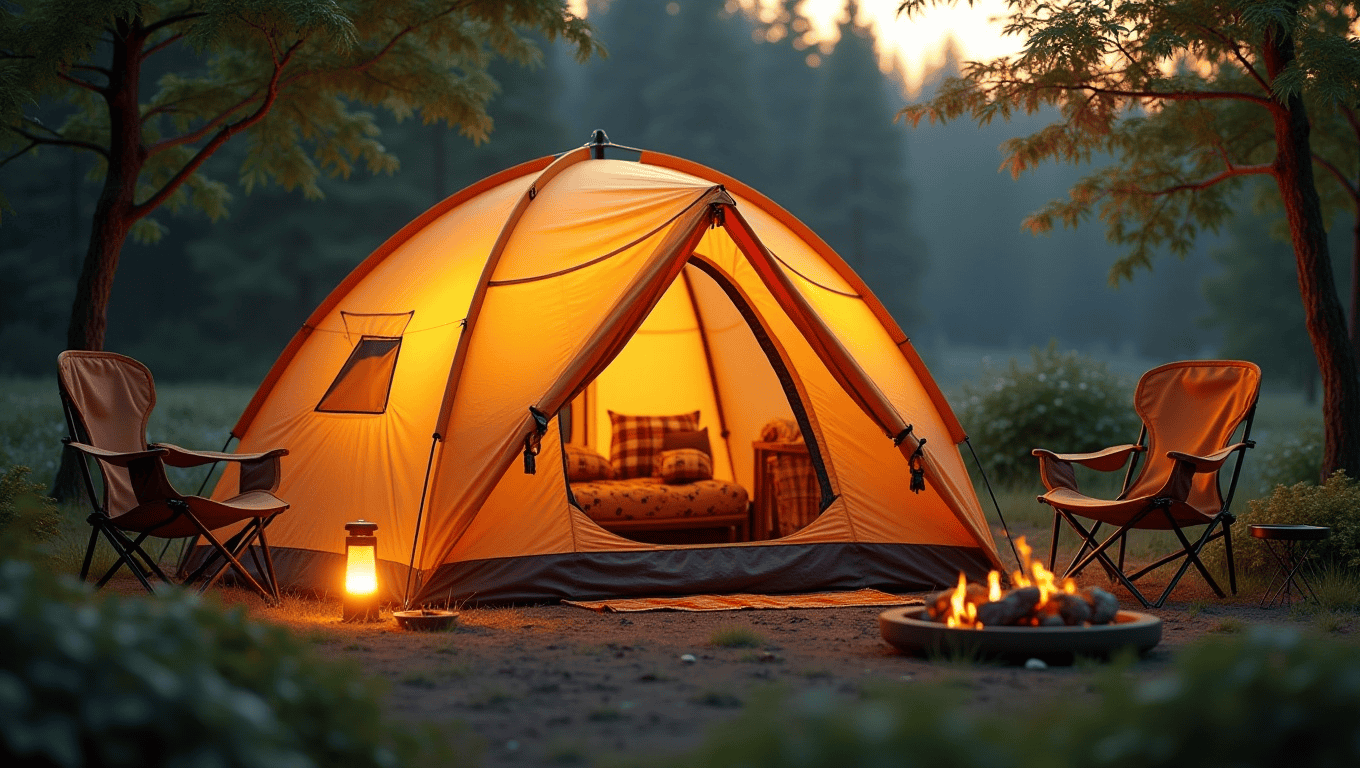
يكتشف معظم مديري العلامات التجارية تكاليف الأدوات الخفية فقط بعد توقيع أمر الشراء.
“رسوم إدارة” غامضة تتجاوز 5% من قيمة الطلب تشير إلى خطر تصاعد التكاليف.
يكتشف معظم مديري العلامات التجارية تجاوزات التكاليف فقط بعد قطع الأدوات والموافقة على العينات. يخفي مشروع OEM النموذجي $5,000–$20,000 في تكاليف القوالب، و$200–$800 لكل جولة عينة، و$1,000–$5,000 في اختبار الامتثال لكل وحدة SKU. يبدو ODM أرخص مقدمًا لأن الأدوات مجانية، لكن أسعار الوحدات تحمل هامشًا مدمجًا بنسبة 3–5% لمخاطر التصميم لا تظهره عروض OEM. الفخ الحقيقي؟ لا يتضمن أي من العروض تكلفة إعادة العمل عند استبدال المواد بما يقل عن المواصفات.
-
- رسوم إدارية غامضة: إذا كان العرض يدرج ‘رسوم إدارية’ تزيد عن 5% من إجمالي قيمة الطلب، فهذه علامة حمراء. غالبًا لا تغطي شيئًا محددًا وتخفي هوامش يجب أن تكون في سعر الوحدة.
- أدوات منفصلة دون استهلاك: العروض التي تدرج تكلفة الأدوات كبند لمرة واحدة - دون تقديم استهلاك عبر الطلبات المتكررة - تجبرك على تحمل التكلفة الكاملة مقدمًا. المورد القادر على توزيع تكلفة الأدوات على 3-4 دفعات يشير إلى نية شراكة طويلة الأجل.
- تقلبات سعر الوحدة تزيد عن 20% بين مستويات الكمية الأدنى للطلب (MOQ): سعر 500 وحدة الذي يكون أعلى بنسبة 30% لكل قطعة من سعر 1,000 وحدة قد يبدو طبيعيًا، لكن الفارق يجب أن يضيق إلى أقل من 15% بمجرد دفع تكاليف الأدوات. اطلب أسعار الوحدات عند ثلاث مستويات: 300 و500 و1,000 وحدة.
- عدم تفصيل درجات المواد: التحويل من بوليستر 210T إلى 190T يوفر للمورد حوالي $0.30–$0.50 لكل خيمة. إذا لم يحدد العرض كثافة النسيج (Denier)، أو سمك الطلاء (PU مقابل السيليكون)، أو درجة سبائك الإطار، فأنت تدفع ثمن مواصفات غير معروفة قد تفشل عند البيع بالتجزئة.
لتجنب الرسوم الزائدة، تعامل مع طلب عرض الأسعار (RFQ) كعقد. اطلب تفصيلًا كاملاً للتكاليف غير المتكررة (NRE): تكلفة القالب لكل قالب (مع عمر اللقطة المتوقع)، وسياسة استرداد رسوم العينة (بعض المصانع تستردها عند الطلب بالجملة)، ورسوم اختبار الامتثال مفصلة حسب معيار الاختبار (CE، CPSIA, REACH). ثم اطلب من المورد توثيق درجات المواد كتابيًا. شبكتنا المكونة من 17 مصنعًا معتمدًا وفق ISO 9001:2015 توفر كشوف التكاليف الشفافة وتقارير التفتيش قبل الشحن مع أدلة مصورة - لا بنود مخفية.
| علامة حمراء | ما الذي تبحث عنه | كيفية تجنبه |
|---|---|---|
| ‘رسوم إدارية’ غامضة’ | نسبة مئوية تزيد عن 5% من إجمالي قيمة الطلب، غالبًا ما تكون مدفونة في التفاصيل الدقيقة. | اطلب تفصيلًا كاملًا للتكاليف وحدد أي رسوم إدارية أو خدمة بنسبة 5%. |
| تكلفة القوالب المذكورة دون خيارات استهلاك | يتم عرض تكاليف القوالب/القوالب كمبلغ إجمالي لمرة واحدة دون عرض توزيعها عبر عدة طلبات. | تفاوض على استهلاك تكاليف القوالب خلال أول 2-3 دورات إنتاج لتقليل العبء المقدم. |
| تفاوت سعر الوحدة >20% عبر مستويات الحد الأدنى للكمية | ينخفض سعر الوحدة بشكل حاد عند الانتقال من 500 إلى 1000 وحدة، مما يشير إلى تضخم أسعار الطلبات الصغيرة. | ضع معايير لتكاليف الوحدة عند ثلاثة مستويات حجم (مثل 500 و1000 و5000) واطلب صيغ شفافة للتسعير. |
| لا تفصيل لرسوم ترقية درجة المواد | يجمع المورد جميع خيارات المواد في سعر واحد دون تفصيل الترقيات (مثل بوليستر 210T مقابل 190T). | أصر على تسعير بند لكل درجة مادة وخيار طلاء قبل الموافقة على العينة. |
الخاتمة
يعود الاختيار بين OEM وODM إلى ثلاثة متغيرات: تكاليف القوالب المقدمة، سعر الوحدة، وحجم الطلب. يتطلب OEM استثمارًا أوليًا أكبر ولكنه يوفر تكاليف وحدة أقل بمجرد تجاوز نقطة التعادل. يوفر ODM وصولًا أسرع إلى السوق بدون رسوم قوالب، لكنك تدفع علاوة تتراوح بين 10-20% لكل قطعة وتتنازل عن ملكية التصميم. هذه المقايضة نادرة في طلب واحد - بل تتضاعف عبر عمليات التكرار.
إليك رقم يجب تدوينه لاتصال المورد القادم: بالنسبة للمعدات الخارجية مثل الخيام أو الكراسي، فإن حجم التعادل الذي يصبح فيه التصنيع الأصلي (OEM) أرخص من التصميم الأصلي (ODM) يتراوح عادة بين 600 و800 وحدة. دون هذه العتبة، يفوز ODM بالتكلفة الإجمالية. وفوقها، يحقق OEM اقتصاديات أفضل على المدى الطويل. راجع خارطة منتجك مقابل هذا المعيار، ثم اطلع على مجموعة خيام Kelyland — نحن نقدم كلاً من الهندسة المخصصة OEM وإعادة العلامة التجارية ODM مع جداول تكلفة شفافة، دون رسوم خفية.
الأسئلة الشائعة
ما الفرق بين OEM وODM؟
يعني OEM أنك تقدم التصميم وتدفع مقابل الأدوات المخصصة، وبالتالي تمتلك الملكية الفكرية وتحصل على تكلفة أقل لكل وحدة عند الإنتاج الكبير. يستخدم ODM التصميمات الحالية للشركة المصنعة. اختر OEM للتحكم الكامل، وODM للسرعة والتكلفة المبدئية المنخفضة.
أيهما أرخص، التصنيع الأصلي (OEM) أم التصميم الأصلي (ODM)؟
التصنيع الأصلي للتصميم (ODM) أرخص مقدمًا لعدم وجود تكاليف أدوات، لكن أسعار الوحدة عادةً ما تكون أعلى بنسبة 10–20٪. بينما يمكن أن يكون التصنيع الأصلي للمعدات (OEM) أرخص بنسبة 15–30٪ لكل وحدة على نطاق واسع بعد تجهيز الأدوات. قدّر التكلفة الإجمالية على مدى دورة الإنتاج الكاملة، وليس فقط الطلب الأول.
ما هي التكاليف الأولية لمعدات التخييم الأصلية (OEM)؟
التكاليف الأولية للشركة المصنعة للمعدات الأصلية (OEM) تشمل الأدوات مثل قوالب أعمدة الخيام ($8k–$15k) وأجهزة تثبيت إطارات الكراسي ($3k–$6k)، بالإضافة إلى 2–4 جولات نماذج أولية بتكلفة $200–$800 لكل منها. كما تضاف تكاليف اختبار الامتثال (CE, REACH) وتصميم التغليف. خصص ميزانية قدرها $10k–$25k كتكاليف غير متكررة (NRE) لمشروع نموذجي لخيمة أو كرسي مخصص.
كم من الوقت يستغرق ODM للوصول إلى السوق؟
يتجاوز ODM مرحلة الأدوات والبحث والتطوير المخصص، لذلك فهو يتناسب عادة مع المهلة الزمنية القياسية للإنتاج لدى Kelyland والتي تتراوح بين 30 و45 يومًا. قد تضيف الموافقة على العينة وإعداد العلامة التجارية ($500–$2k) أسبوعًا إلى أسبوعين، لكن الإجمالي. خطط لمدة 6–8 أسابيع من الطلب إلى الشحن لمعظم معدات التخييم ODM.
هل يمكنني امتلاك الملكية الفكرية في ترتيب التصنيع حسب التصميم الأصلي (ODM)؟
لا، في نموذج التصنيع الأصلي (ODM) القياسي، يمتلك المصنع التصميم — وتحصل فقط على ترخيص لبيعه. يمكنك التفاوض على حقوق حصرية أو دفع ثمن تعديلات طفيفة عليه. إذا كانت الملكية الفكرية (IP) حاسمة، فاستخدم نموذج التصنيع التعاقدي (OEM)؛ للخطوط الموسمية السريعة، غالبًا ما يمكن التفاوض على حصرية ODM.

 English
  Español
  Deutsch
  Français
  Português do Brasil
  Русский
  العربية
  한국어
한국어  日本語
日本語