 تخطي إلى المحتوى
مراقبة جودة كراسي التخييم هي نقطة التفتيش الأولى التي يجب على المشترين تثبيتها قبل الموافقة على المورد أو الميزانية أو فترة الإنتاج. ضع كرسيي تخييم جنبًا إلى جنب على أرضية متجر بالتجزئة. يبدوان متطابقين — نفس الشكل، نفس لون القماش، نفس الإطار المطلي بمسحوق الطلاء. أحدهما يكلف $29.99 والآخر $39.99. تلك الفجوة البالغة عشرة دولارات ليست حشو هامش أو ترميز علامة تجارية. إنها تشتري لك سمك جدار أنبوب الإطار 1.2mm بدلاً من 1.0mm، وخطة أخذ عينات AQL 2.5 بدلاً من فحص بصري سريع، واختبار التصاق متقاطع يحافظ على سلامة الطلاء حتى موسمه الثالث على الرف.
لقد رأيت ما يحدث عندما يتم تجاهل هذا الفارق. وافق مشترٍ على عينة ما قبل الإنتاج لطلب بقيمة $50K طلب الكراسي القابلة للطي كراسي القمر — القماش مطابق، اللون صحيح، التجميع بدا متينًا. عادت دفعة الإنتاج الضخم بلحامات باردة في ثلاثة من أصل ثمانية مفاصل لكل وحدة ودرزات أكسفورد انفصلت تحت قوة شد 18kg بدلاً من 25kg المحددة. ألقى المورد اللوم على “تباين الدفعات”. السبب الحقيقي هو عدم وجود فحص أثناء العملية بين استلام المواد الخام والتعبئة النهائية.
بروتوكول مراقبة جودة كراسي التخييم السليم لا يحتاج إلى مختبر طرف ثالث أو رحلة إلى جينهوا كل شهر. إنه يحتاج إلى ثماني نقاط تفتيش قابلة للتحقق يمكن لأي مدير فئة دمجها في اتفاقية المورد الخاصة به والتنفيذ وفقًا لها قبل الإفراج عن الشحنة.
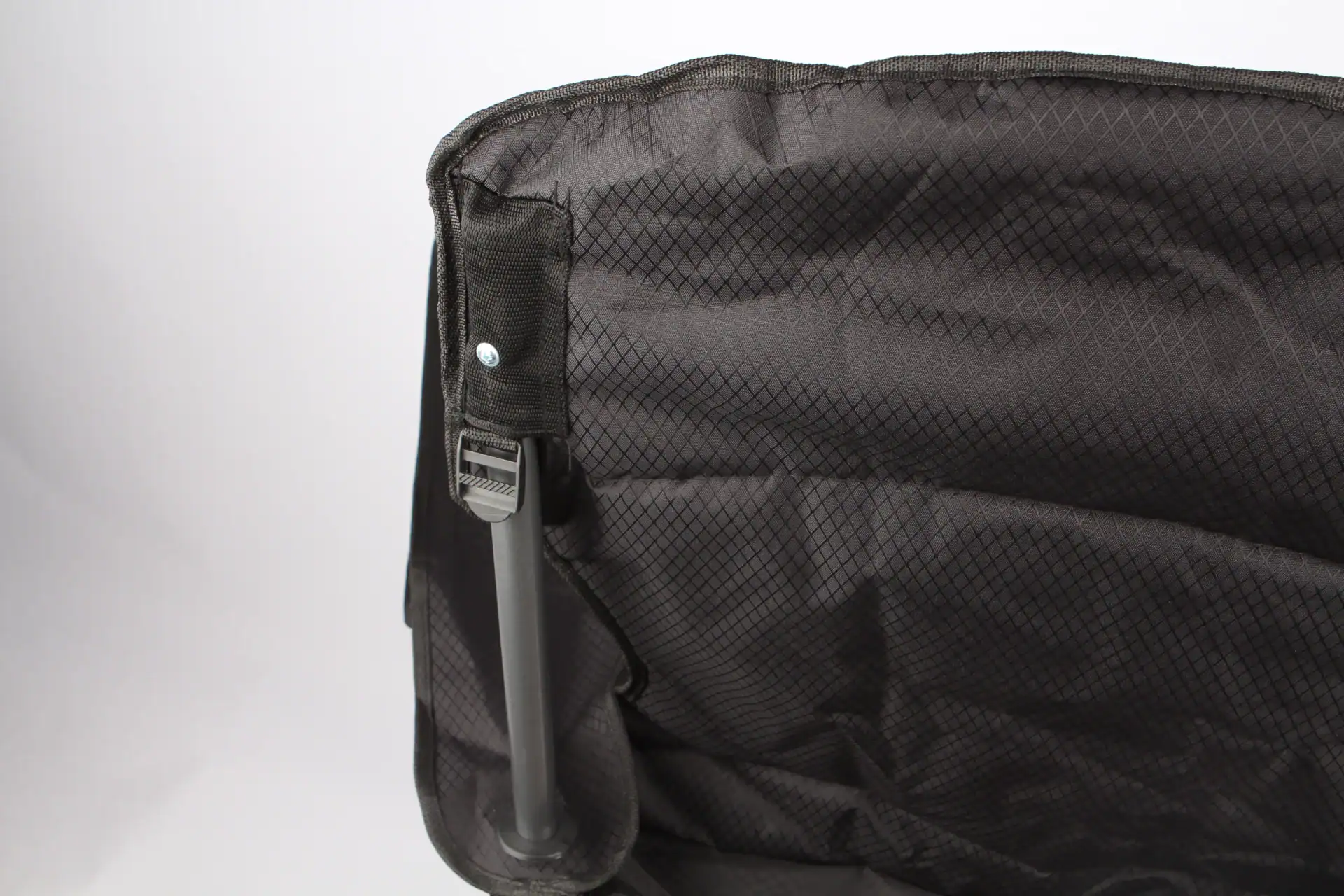
لماذا تحدث أعطال كراسي التخييم في أغلب الأحيان عند وصلات اللحام
A فشل اللحام عند 120kg هو عيب في التصميم.
MIG مقابل TIG: لماذا تحدد طريقة اللحام موثوقية الإطار
معظم كرسي التخييم frames under $35 retail use steel tubes joined by MIG (Metal Inert Gas) welding. It’s fast, forgiving on slightly misaligned parts, and deposits a visible bead of filler metal. The problem is heat control. A MIG welder running too hot creates a wide heat-affected zone that weakens the base tube. Run too cold, and the filler doesn’t fuse properly — you get a cold weld that looks joined but separates under load. Aluminum frames, typically found in chairs over $60 retail, require TIG (Tungsten Inert Gas) welding. TIG uses a non-consumable tungsten electrode and a separate filler rod, giving the operator precise control over heat input. The result is a cleaner, stronger joint with a narrower heat-affected zone. But TIG is slower. A good TIG welder on an aluminum frame produces about 40-50 joints per hour, while a MIG operator on steel can do 80-100. The cost difference is baked into the retail price.
Visual inspection checklist for weld defects
You don’t need a lab to catch the most common weld failures. A focused visual check — done at the pre-shipment inspection stage — catches 80% of the issues that cause field failures. The three defects to flag immediately are cold welds, porosity, and incomplete fusion.
-
- Cold weld (lack of fusion): The filler metal sits on top of the base tube without actually bonding. Look for a smooth, rounded bead that doesn’t blend into the tube surface. A properly fused weld shows a slight transition zone — the bead blends into the tube wall. A cold weld looks like a bead of silicone caulk stuck on metal. Tap it with a metal rod. A cold weld rings hollow. A good weld gives a solid thud.
- Porosity appears as small pinholes or craters in the weld bead, caused by gas trapped in the molten metal. This happens when the shielding gas is disrupted — too much wind in the workshop, a clogged nozzle, or a gas mix that’s off. A porous weld may hold 100kg in a static test but cracks at 50kg under a dynamic load, like someone dropping into the chair. The standard for acceptance under ISO 10042 is fewer than 3 pores per 10mm of weld length, none larger than 1mm.
- Incomplete fusion at the joint root: The weld only bonds to the surface of the tube, not penetrating the full thickness of the joint. This is common on T-joints where the cross tube meets the leg. Inspect the underside of the weld area. If you see a visible gap or a sharp line between the bead and the tube on the back side, the fusion is incomplete. A production batch passing through our core strategic factory network is checked at the first article stage using a cross-section cut — every 50th unit from the initial run gets a sample joint sectioned and etched to verify penetration depth.
A quick field test for weld integrity: select 5 random chairs from the inspection lot. Flip each one upside down on a padded surface. Apply a 70kg dead load (sandbags or water jugs) to the center of the seat frame for 30 seconds. Listen for any cracking or popping sounds. Then repeat the test with a 10kg dynamic load — drop a sandbag from 15cm height onto the seat. If any weld shows visible hairline cracks or the joint separates, the entire production lot should be rejected. Experience with 300+ عمليات تدقيق المصانع يُظهر أن لحامًا فاشلًا واحدًا في عينة من 5 وحدات يرتبط بمعدل عيوب يتراوح بين 12-15٪ في الدفعة الكاملة.
تكلفة تخطي هذا هي دورة إرجاع تتراوح من 6 إلى 8 أسابيع. تصل حاوية بها 2,000 كرسي إلى مستودعك. 300 وحدة بها أعطال في اللحام خلال أول 30 يومًا من الاستخدام في البيع بالتجزئة. تنسق مع المصنع، وتنتظر قطع الغيار، وتدفع تكاليف عمالة إعادة العمل، وتأمل أن مشتري التجزئة لا يشطب رمز SKU الخاص بك. فحص اللحام في المصنع يستغرق 15 دقيقة. دورة إعادة العمل تستغرق 8 أسابيع. اختر الـ 15 دقيقة.
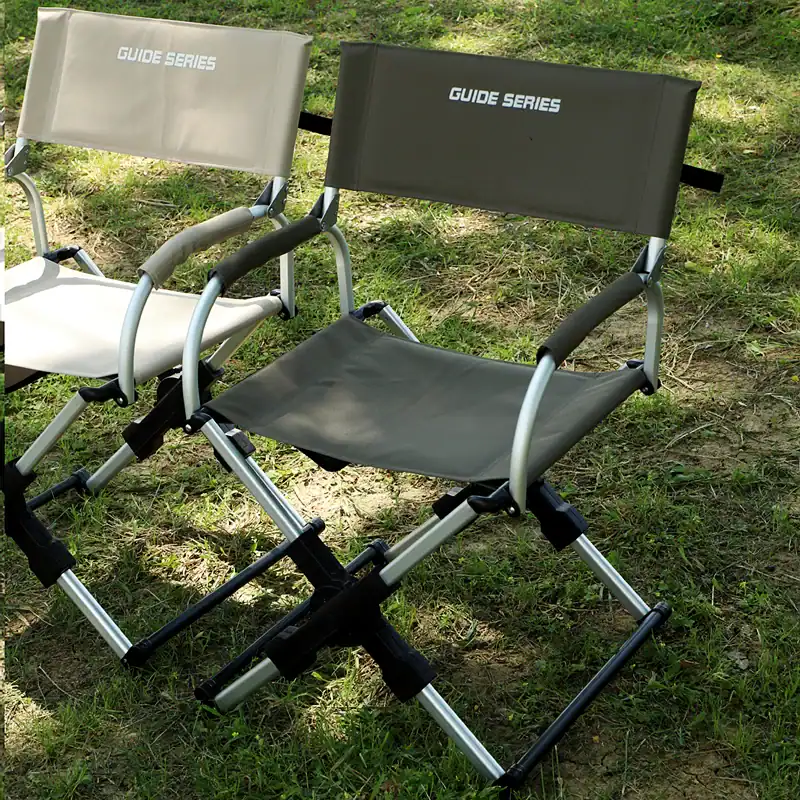
قوة درزات القماش: منطقة شكاوى العملاء #1
فشل الخياطة هو السبب الرئيسي لإرجاع كراسي التخييم.
إذا كنت تتبع أسباب الإرجاع عبر أي منتجات خارجية سلسلة متاجر تجزئة, يتصدر فشل خياطة القماش القائمة. ليس كسر الإطار، ولا الصدأ — بل الخياطة تنقطع حيث تلتقي لوحة المقعد بالتقوية الجانبية. يحدث هذا التمزق لأن تصنيف قوة شد القماش لا يتطابق مع الحمل الفعلي الذي يطبقه الشخص الجالس.
معايير الحد الأدنى لقوة الشد لأكسفورد 600D مقابل 900D
يُقيَّم قماش أكسفورد بالدينير — 600D و900D هما المواصفتان الأكثر شيوعًا في كراسي التخييم. الفرق ليس في السماكة فقط. بل في مقدار قوة الشد التي يمكن أن يتحملها الهيكل المنسوج قبل أن تتمزق الخياطة.
-
-
- الحد الأدنى لقوة الشد لأكسفورد 600D:: المعيار الصناعي للخياطة أحادية الغرزة هو 18-22 كجم لكل بوصة خطية. أقل من ذلك، يحدث الفشل في الكراسي متوسطة الإطار المخصصة لسعة إجمالية تتراوح بين 100-120 كجم.
- الحد الأدنى لقوة الشد لأكسفورد 900D:: توقع 25-30 كجم لكل بوصة خطية بسبب كثافة الخيوط الأعلى والغزل الأثقل. هذا ما تريده في الكراسي شديدة التحمل بتصنيفات حمولة أعلى من 120 كجم.
- الفجوة التي تسبب الإرجاعات:: غالبًا ما تستخدم المصانع ذات الميزانية المحدودة قماش 600D بقوة سحب تبلغ 15 كجم فقط عن طريق تقليل مقياس عد الغرز أو استخدام خيط من درجة أدنى. يبدو القماش متطابقًا في صورة العينة لكنه يفشل بعد ثلاثة أسابيع من الاستخدام.
-
اختبار ميداني بسيط باستخدام ميزان زنبركي
لا تحتاج إلى مختبر لاكتشاف اللحامات الضعيفة. احمل ميزانًا زنبركيًا (ميزان الأمتعة الرقمي يعمل بشكل جيد) أثناء فحص ما قبل الشحن. إليك كيفية إجراء الاختبار في أقل من دقيقتين لكل كرسي.
-
- الخطوة الأولى: ثبت خطاف الميزان على منتصف خط خياطة المقعد حيث يلتقي باللوحة الجانبية — فهنا تبدأ معظم التمزقات.
- الخطوة الثانية: اسحب بثبات حتى تصل إلى 25 كجم. أمسك لمدة خمس ثوانٍ. إذا ثبت التماس دون تشوه مرئي أو انفلات الخيوط، فإنه يجتاز الاختبار.
- الخطوة الثالثة: افحص بعد التحرير. حتى لو ثبت أثناء السحب، ابحث عن ثقوب الغرز المتمددّة أو الخيوط المرتخية التي تشير إلى تلف مجهري.
لماذا هذا الاختبار أهم من وزن القماش وحده
يمكن للمورد أن يسلّمك عينة من قماش أكسفورد 900D الثقيل وما زال يسلّم كراسي بدرزات ضعيفة إذا بخس في كثافة الغرز أو قوة شد الخيوط. اختبار ميزان النابض يكشف هذا التضليل. في كيليند أوت دورز، مصانعنا الاستراتيجية الأساسية في جينهوا تجري هذا الفحص بالضبط على كل دفعة تُعيّن عيناتها تحت مستوى AQL 2.5 العادي وفقًا لمعيار ANSI/ASQ Z1.4‑2008 — ليس لأنه مكلف، بل لأن اكتشاف درز ضعيف واحد قبل الشحن يوفر شهورًا من معالجة المرتجعات واحتكاك تجار التجزئة.
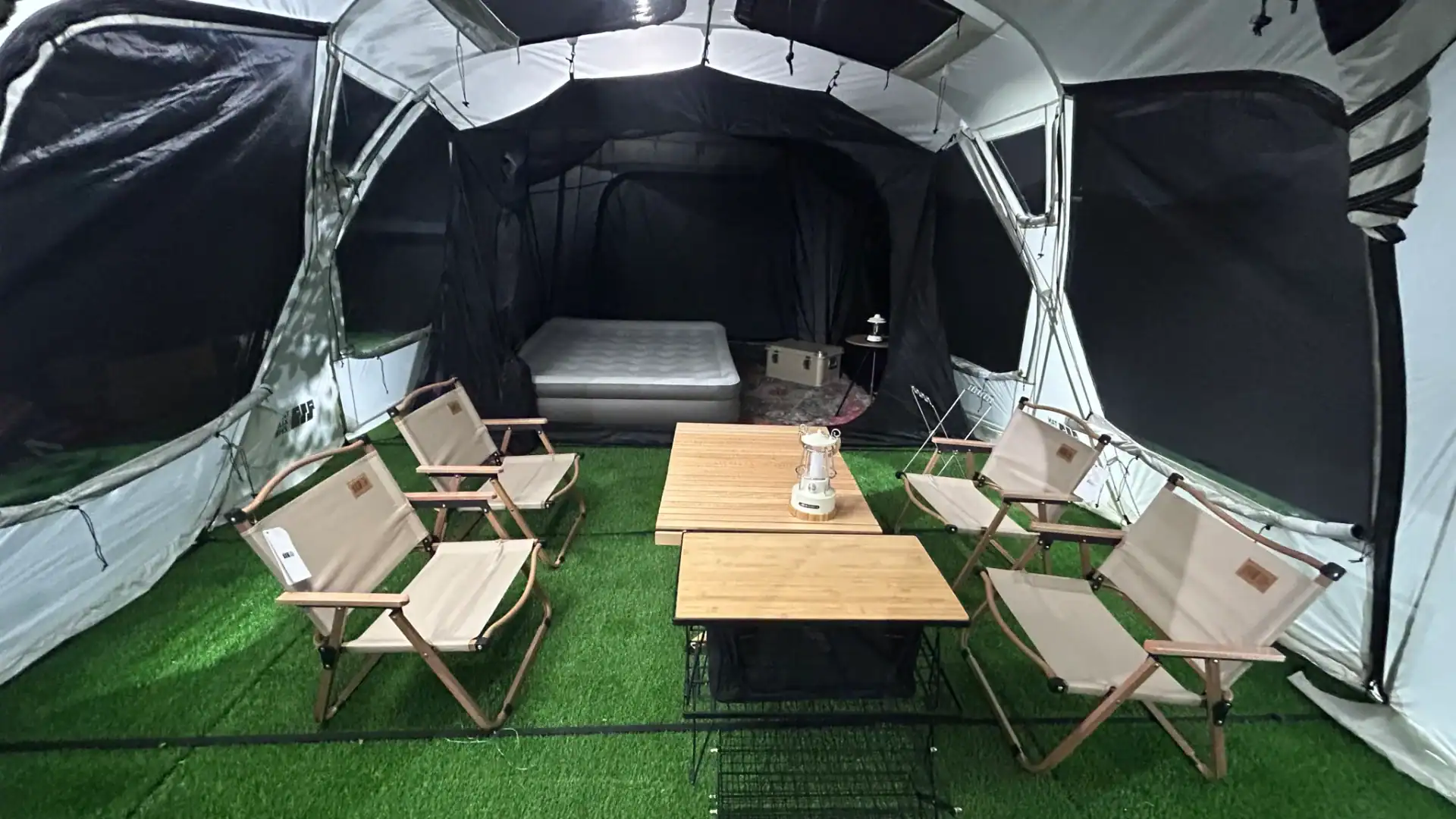
اختبار التصاق طلاء المسحوق: طريقة التقطيع المتقاطع
تصنيف 4B يعني أن الطلاء يظل سليمًا عبر التعامل في المتاجر ودورات التخزين الموسمية.
الطلاء المسحوق يبدو جيدًا على عينة صالة العرض. الاختبار الحقيقي هو ما إذا كان يبقى على الإطار بعد أن تُكدَّس الكراسي وتُشحن ويُجلس عليها لموسم كامل. هنا يأتي دور ASTM D3359 — وهو معيار يقيس مدى التصاق الطلاء بالمعدن تحته. إنه بسيط بما يكفي لاستخدامه في أرضية المصنع لكنه صارم بما يكفي للتنبؤ بالأعطال الميدانية.
كيف يعمل اختبار التقاطع الشبكي
يستخدم المفتش شفرة حادة لرسم ستة خطوط متوازية عبر الطلاء، ثم ستة خطوط أخرى بزاوية 90 درجة. يُنشئ هذا شبكة من 25 مربعًا صغيرًا. يُوضع شريط لاصق حساس للضغط فوق الشبكة ويُسحب بحدة بزاوية 180 درجة. ثم يفحص المفتش مقدار الطلاء الذي أُزيل من النمط الشبكي.
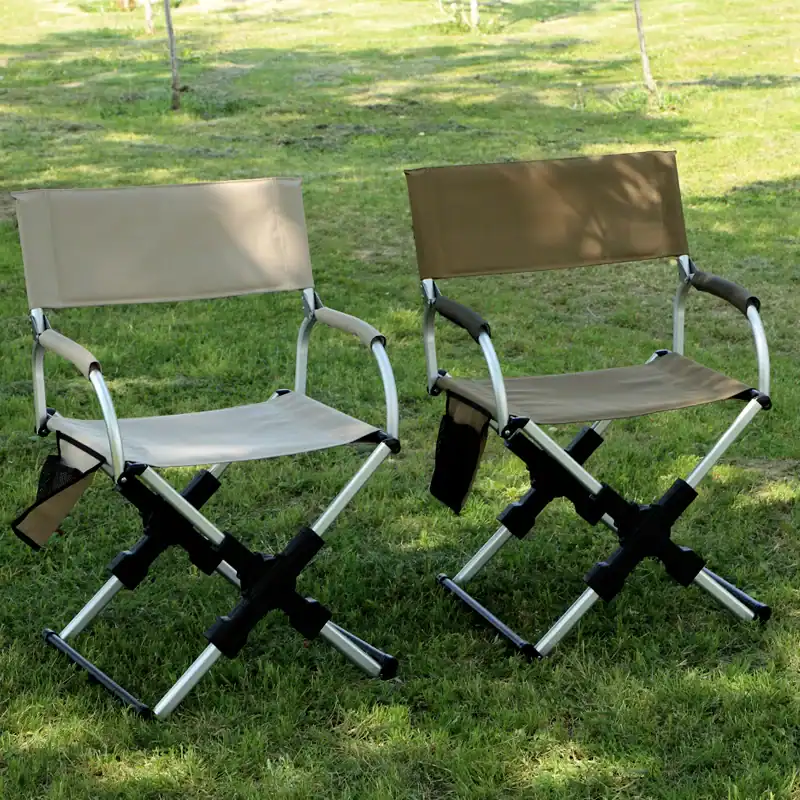
بروتوكول اختبار الحمل لكراسي التخييم
الكرسي الذي يجتاز الاختبار الساكن لكنه يفشل في اختبار الإسقاط الديناميكي سيولّد مرتجعات خلال 60 يومًا.
الاختبار الساكن يكشف عن الزحف. حمل 150 كجم لمدة 30 دقيقة يبدو قاسيًا حتى تدرك أن مخيمًا بوزن 95 كجم مع مبرد ومقلاة من حديد الزهر وكلب يميل إلى جانب واحد يمكن أن يتجاوز ذلك. السؤال الحقيقي ليس ما إذا كان الكرسي يتحمل الوزن، بل ما إذا كان يبقى أي تشوه دائم بعد إزالة الحمل. مصنع الأثاث في جينهوا — الحاصل على شهادة ISO 9001 منذ عام 2011 وينتج 1.5 مليون كرسي وسرير سنويًا — يقيس انحراف الإطار في ثلاث نقاط: العارضة الأمامية، وكتيفة المفصلة الخلفية، ونقطة منتصف سكة المقعد.
الحمل الساكن: ما الذي تقيسه فعليًا
ضع الكرسي على سطح مستوٍ. وزّع 150 كجم بالتساوي على سطح المقعد باستخدام أكياس رمل أو لوح أوزان معاير. حدد موضع الإطار مقابل نقطة ثابتة نقطة مرجعية قبل التحميل. بعد 30 دقيقة، أزل الحمل وقس الانحراف المتبقي باستخدام مقياس تحسس أو قدمة رقمية. الحد المقبول: صفر تشوه دائم عند أي نقطة قياس. إذا عاد الإطار إلى موضعه الأصلي ضمن 0.5 مم، فقد اجتاز الاختبار.
الإسقاط الديناميكي: لماذا يكتشف أعطالًا يفوتها الحمل الساكن
لا يجلس الشخص برفق في كل مرة. بل يتراجع على الكرسي من ارتفاع الوقوف — خاصة بعد نزهة طويلة أو حمل عدة. يكرر الاختبار الديناميكي ذلك بإسقاط كيس رمل (75 كجم) من ارتفاع 15 سم على مركز المقعد. كرر ذلك عشر مرات. افحص بحثًا عن لحامات متشققة أو قضبان عرضية منحنية أو براشيم مفكوكة بعد كل دورة.

فحص إجهاد آلية المفصلة
الكرسي الذي يفشل عند 300 دورة سيفشل قبل نهاية فترة الضمان.
آلية المفصل هي المكوّن الأكثر تعرضًا للدورات على كرسي التخييم القابل للطي. كل حدث فتح وإغلاق يضغط على وصلة المحور، وجسم البرشام، ولسان القفل. الكرسي الذي يُستخدم مرتين يوميًا على مدى موسم تخييم ثلاثة أشهر يتراكم لديه حوالي 180 دورة. هذا يعني أن الحد الأدنى البالغ 500 دورة ليس هدفًا طموحًا — بل هو الحد الأدنى المطلق لمنتج لن يُحدث مطالبات الضمان خلال السنة الأولى.
خط الأساس البالغ 500 دورة
العمل standard across the ISO 9001-certified furniture factories in Jinhua, Zhejiang — where Kelyland’s core chair production partner has been running since 2011 with an annual output of 1.5 million units — is a 500-cycle open/close test with no visible deformation or loss of locking function. The test is done at full articulation: open the chair fully, lock it, apply a 30kg lateral force to the seat, then fold it back. Repeat. If the locking tab shows wear grooves before cycle 500, the batch gets flagged.
Three Failure Modes That Actually Show Up
-
- Pin shearing: The hinge pin is the pivot point. Budget factories use mild steel pins that shear under repeated lateral load. A 5mm diameter 304-grade stainless steel pin is the minimum spec. Anything smaller, and the shear plane will fail before 400 cycles. The factory QC team should be able to show you a micrometer reading of the pin diameter on the incoming material inspection report.
- Rivet loosening: Rivets that are not properly swaged — where the tail does not fully expand against the barrel — will loosen after 200–300 cycles. The symptom is a lateral wobble in the hinge joint. During a pre-shipment inspection, pick up the chair and open it halfway. If the hinge joint has more than 2mm of side-to-side play, the rivet is already failing.
- Locking tab wear: The locking tab is a stamped metal piece that engages with a slot in the hinge bracket. If the tab is stamped from 1.5mm steel instead of 2.0mm, the edge will deform after repeated engagement. The chair will start to collapse when the user leans back. This is the most dangerous نمط الفشل because it happens without warning.
A supplier that cannot produce a cycle test log for the specific batch should be treated as a red flag. Kelyland’s network conducts this test on a statistical sample per AQL 2.5 normal level under ANSI/ASQ Z1.4-2008, and the results are documented in the inspection report. If the factory cannot show you the numbers, assume the test was not done.
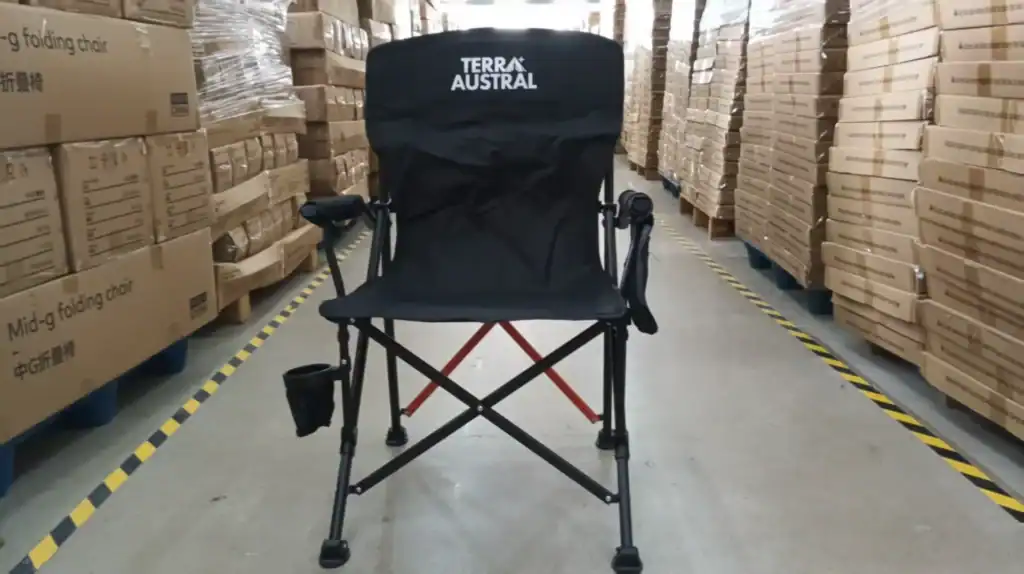
كيفية قراءة تقارير مراقبة الجودة في المصنع قبل الشحن
AQL 2.5 is the minimum acceptable level for camping chair pre-shipment inspections.
Most factory QC reports look official but contain nothing useful. You see a stamped ‘PASSED’ and a signature, but the actual data that matters is missing. For a retail category manager releasing a 3,000-unit camping chair order, the QC report is the last line of defense before the container leaves the port. Learning to read it correctly takes about 10 minutes. Skipping that step costs you chargebacks and damaged retail relationships.
ابدأ بمستوى AQL وحجم العينة
يحدد حد الجودة المقبول (AQL) عدد الوحدات المعيبة المسموح بها في الدفعة. بالنسبة لكراسي التخييم، المعيار الصناعي هو AQL 2.5 بالمستوى العادي، وفقًا لـ ANSI/ASQ Z1.4-2008. وهذا يعني أن دفعة مكونة من 3200 كرسي تتطلب حجم عينة يبلغ 200 وحدة، مع السماح بحد أقصى 10 وحدات معيبة قبل رفض الدفعة بأكملها. إذا أظهر التقرير مستوى AQL مختلفًا — أو الأسوأ، عدم وجود مستوى AQL على الإطلاق — فهذه أول إشارة تحذيرية. تفحص Kelyland Outdoors بمستوى AQL 2.5 العادي في كل دفعة إنتاج عبر شبكة مصانعها المعتمدة وفقًا لمعيار ISO 9001:2015، بما في ذلك كرسي التخييم والسرير القابل للطي المنشأة في جينهوا، تشجيانغ، والتي تنتج منذ عام 2011.
تحقق من أن جدول حجم العينة يطابق حجم الدفعة
يجب أن يتضمن تقرير مراقبة الجودة جدولاً يوضح حجم الدفعة وحجم العينة وأرقام القبول/الرفض. إذا كان حجم الدفعة 5000 وحدة ولكن حجم العينة 20 فقط، فإن المفتش لم يتبع المعيار. يتطلب جدول ANSI/ASQ Z1.4-2008 لمستوى جودة مقبول (AQL) 2.5 للفحص العادي عينة من 200 وحدة لدفعة من 3201 إلى 10000 وحدة. عينة من 20 تغطي فقط مستوى AQL 2.5 للدفعات التي تقل عن 280 وحدة. إذا كانت الأرقام غير متطابقة، فإن الفحص لا معنى له إحصائياً.
تحقق من فئات العيوب وفقًا لورقة المواصفات الخاصة بك
يقسم تقرير مراقبة الجودة السليم العيوب إلى ثلاث فئات: الحرجة والرئيسية والثانوية. العيوب الحرجة (مثل شرخ في لحام الإطار قد يؤدي إلى انهياره تحت الحمل) تعني صفر تحمل — عيب حرج واحد يفشل الدفعة بأكملها. العيوب الرئيسية (مثل تمزق القماش عند الخياطة أو مفصل لا يُقفل) تُحتسب ضمن حد AQL. العيوب الثانوية (مثل خدش صغير على الطلاء المسحوق أو شعار غير محاذى قليلاً) لها حد منفصل، وغالبًا ما يكون أكثر تسامحًا. يجب أن يدرج التقرير كل عيب تم العثور عليه والفئة التي يندرج تحتها والكمية. إذا كان التقرير يقول فقط ‘نجح’ دون سرد العيوب الفعلية التي تم العثور عليها، فإن المفتش لم يقم بالعمل.
العلامات الحمراء التي تقضي على مصداقية التقرير
-
- رقم الدفعة المفقود: تحتاج كل دفعة إنتاج إلى رقم دفعة فريد يمكن تتبعه إلى تاريخ الإنتاج والوردية. بدون ذلك، لا يمكنك عزل المشكلات إذا ظهرت عيوب لاحقًا.
- تقرير غير موقع أو غير مختوم: ختم الفحص من مدير مراقبة الجودة وتوقيع المفتش إلزاميان. إذا كان أي منهما مفقودًا، فإن التقرير غير ملزم قانونيًا ويمكن للمصنع إنكار المسؤولية.
- عبارة ‘نجح’ الغامضة دون قياسات: التقرير الذي يقول ‘اجتاز الإطار الفحص’ لكنه لا يذكر قياس سمك الجدار الفعلي (يجب أن يكون 1.2 مم كحد أدنى) أو طريقة فحص اللحام المستخدمة هو تقرير عديم القيمة. تحتاج إلى أرقام، وليس آراء.
- لا توجد صور للعيوب: يجب تصوير أي عيوب يتم العثور عليها وإرفاقها بالتقرير. إذا ادعى التقرير عدم وجود عيوب ولكنك لاحقًا تكتشف نمطًا من الإخفاقات، فلن يكون لديك دليل يدعم المطالبة.
تقدم Kelyland Outdoors تقارير فحص قبل الشحن تشمل جميع هذه الحقول، مع صور لأي عيوب يتم العثور عليها وختم الفحص الموقع. فريق مراقبة الجودة في مصنع الأثاث في جينهوا يقيس سمك جدار الإطار عند استلام المواد الخام باستخدام ميكرومترات رقمية — قبل أن يبدأ القطع حتى. هذا هو الفرق بين تقرير يحميك وتقرير مجرد قطعة ورق.

الخاتمة
تغطي نقاط الفحص الثماني هذه المجال الذي يفصل بين شحنة توافق عليها وشحنة تولد مبالغ مستردة. فحص اللحام، القماش اختبار الخياطة, ، وبروتوكول التحميل أمور غير قابلة للتفاوض. لكن الفرق الحقيقي بين عملية sourcing احترافية وأخرى هاوية يكمن في التفاصيل النهائية: كيف تتحقق من سماكة جدار أنبوب الإطار قبل بدء الإنتاج حتى.
-
- تحقق من سماكة جدار الإطار عند استلام المواد الخام باستخدام ميكرومتر رقمي.
- قم بإجراء اختبارات شد خياطة القماش بحد أدنى 25 كجم لأقمشة الأكسفورد.
- اشترط فحصًا عاديًا AQL 2.5 وفقًا لمعيار ANSI/ASQ Z1.4-2008 على كل دفعة.
- قم بإجراء اختبار التصاق بتقطيع متقاطع (ASTM D3359) مستهدفًا حدًا أدنى بتقييم ‘4B’.
إذا كان مورّدك الحالي غير قادر على تقديم دليل موثق على هذه الفحوصات — بما في ذلك تقارير مراقبة الجودة الموقعة مع أرقام الدفعات وبيانات القياس — فأنت تحمل مخاطر تخص أرضية مصنعهم، وليس حاوية شحنك. راجع وثائق مراقبة الجودة لدى مورّدك الحالي وفقًا لقائمة التحقق هذه قبل إطلاق طلبك التالي. بالنسبة للمورّدين الذين يستوفون هذه المعايير، يمكنك المضي قدمًا بثقة مع العلم أن المنتج سيتحمل الرحلة وعمر الرف في المتاجر.
الأسئلة الشائعة
كيفية الحصول على عرض سعر لمراقبة جودة كرسي التخييم: 8 نقاط فحص؟
الإجابة الدقيقة تعتمد على مواصفات المنتج, والكمية وإعداد الطلب. النهج الأكثر أمانًا هو تأكيد الشروط التجارية فقط بعد صدور ورقة المتطلبات النهائية. يجب مطابقة الخيار النهائي مع حالة الاستخدام الفعلية وهدف الأداء.
هل يمكنني طلب عينات أولاً؟
تعتمد الإجابة الدقيقة على مواصفات المنتج والكمية وإعداد الطلب. النهج الأكثر أمانًا هو تأكيد الشروط التجارية فقط بعد تثبيت ورقة المتطلبات النهائية. يجب تأكيد توفر العينات وفقًا للمخزون الحالي وخطة الشحن.

 English
  Español
  Deutsch
  Français
  Português do Brasil
  Русский
  العربية
  한국어
한국어  日本語
日本語