 تخطي إلى المحتوى
لا تكلف ورقة المواصفات التي تدرج الامتثال الكامل لمعايير سلامة أسرة التخييم شيئًا للطباعة. الفجوة بين تلك الوثيقة والحاوية التي يبلغ طولها 40 قدمًا والتي تصل إلى روتردام أو لونغ بيتش هي المكان الذي يحترق فيه معظم مديري سلسلة التوريد. تعلم أحد مسؤولي المشتريات لسلسلة بيع بالتجزئة أوروبية ذلك من خلال طلب بقيمة 50,000 دولار - حيث صمدت العينة قبل الإنتاج عند الحمولة المقدرة بـ 150 كجم، لكن دفعة الإنتاج الضخم بدأت في الانحناء عند 130 كجم. تمزق القماش عند نقاط الخياطة. وانحنى الإطار. الشيء الوحيد الذي تطابق مع العينة المعتمدة كان لون قماش أكسفورد.
لم يكن السبب الجذري تغييرًا في المواد. قام المصنع بتشغيل المواصفات الصحيحة. ما تخطوه هو التحقق من تفاوت الجودة على سمك جدار الأنبوب الفولاذي. انحراف بمقدار 0.2 مم - بالكاد مرئي للعين - أدى إلى انخفاض السلامة الهيكلية إلى ما دون ما تتطلبه معايير EN 581-2 وASTM F1169-19. لا يظهر هذا التفصيل أبدًا في مفاوضات التسعير FOB. يظهر فقط أثناء اختبار معمل تابع لجهة خارجية مع صور للإعداد، وهو ما لم يطلبه المشتري حتى بعد أن كانت الشحنة بالفعل في البحر. الحصول على الأوراق بشكل صحيح قبل مرحلة الموافقة على العينة هو الخطوة الوحيدة التي تفصل بين تخليص جمركي نظيف ومستودع مليء بمخزون غير قابل للبيع.
لماذا تؤثر شهادات سلامة سرير الأطفال على مسؤوليتك
تنصح معظم النصائح بـ‘الحصول على الشهادة’ - لكن الشهادة بدون تقرير الاختبار الكامل تعتبر فخًا للمسؤولية.
خسر مشترٍ طلبًا بقيمة 50,000 دولار لأن عينة ما قبل الإنتاج شعرت بأنها صلبة كالصخر، لكن دفعة الإنتاج الضخم انهارت تحت حمولة 120 كجم. كان المصنع قد استبدل سمك جدار الإطار من 1.5 مم إلى 1.1 مم.
عندما تحتفظ بمخزون لا يفي بمعايير السلامة الإلزامية، تترتب عليك مسؤولية متسلسلة. تأمين مسؤولية المنتج يستبعد عادةً التغطية للبضائع التي لا تفي بالمعايير الإلزامية لسوق الوجهة. إذا وقعت مطالبة بإصابة مستهلك، فستدفع تكاليف الدفاع والتعويضات من جيبك الخاص. في الاتحاد الأوروبي، يمكن أن يجبرك إشعار استدعاء واحد من نظام RAPEX على سحب المنتج من عدة تجار تجزئة في وقت واحد، مما يؤدي إلى فرض عقوبات منصوص عليها في اتفاقيات التوريد الخاصة بك.
يعلم تجار التجزئة هذا. قبل التوقيع على أمر شراء، لا يلقون نظرة خاطفة على شعار CE أو ملف PDF مكتوب عليه ‘تم اجتياز EN 581’. يطلبون تقرير الاختبار الكامل الصادر عن مختبر معتمد وفقًا لـ ISO 17025— TÜV، SGS، Intertek — بما في ذلك صور الإعداد والبيانات الخام لاختبار الحمولة الساكنة لمدة 30 دقيقة بمعدل 1.5 ضعف السعة المقدرة. يُظهر تقرير EN 581 الشرعي المختبر الدقيق والتاريخ ومعايير النجاح/الفشل التفصيلية لكل اختبار فرعي، وليس ملخصًا من جملة واحدة. يقوم المشترون أيضًا بالتحقق من درجة تقرير التدقيق الشامل BSCI للمصنع. تعتبر درجة ‘B’ بدون أي مشكلات خطيرة تتعلق بعدم التسامح المطلق هي الحد الأدنى الذي يقبله العديد من المستوردين الأوروبيين؛ الشهادة وحدها لا تعني شيئًا.
-
- (مكرر؟ النص الأصلي: 8. ثم 9. و10. لكن السطر 7 ظهر مرتين؟ لاحظت أن النص الإنجليزي الأصلي به رقم 7 ثم 8 ثم 9 ثم 10. ولكن الترجمة يجب أن تتبع الترتيب. سأستخدم الأرقام من 1 إلى 10 كما وردت في الإدخال. السطر 7 في الإدخال هو "ISO 17025 accredited lab" والسطر 8 هو " —TÜV, SGS, Intertek..." لذا الترجمة ستعكس ذلك. ولكن لاحظت أن السطر 9 هو "Request the audit-grade BSCI or SMETA report:" والسطر 10 هو "Demand the full report..." لذا سأترجم بالترتيب.) معتمد وفقًا لـ ISO 17025.
- التحقق من مختبر الاختبار ووثائق الصور: تقرير EN 581 أو ASTM F1169 بدون شعار المختبر وصور منصة الاختبار وختم زمني غالباً ما يشير إلى مستند معاد تدويره أو محرر. تظهر التقارير الشرعية المنتج كما تم أخذ العينة.
- التحقق من عامل اختبار التحميل: يتطلب ASTM F1169 ضعف سعة الوزن المذكورة دون أي فشل هيكلي. تختبر العديد من المصانع منخفضة التكلفة عند 1.5x فقط لأن إطاراتها أصغر من الحجم المطلوب. أصر على اختبار 2x وافحص البيانات الخام بحثاً عن أي انحرافات أو كسور.
- طلب سحب عينة إنتاج قبل الشحن: غالباً ما يطلب تجار التجزئة عينة محكمة الإغلاق ومشهودة تُسحب من أول دورة إنتاج وتُرسل إلى مختبر طرف ثالث لفحص نقطي لقابلية الاشتعال (EN 1021-1/2 أو 16 CFR 1632) والمعادن الثقيلة في طلاء الإطار وفقاً لـ California Prop 65.
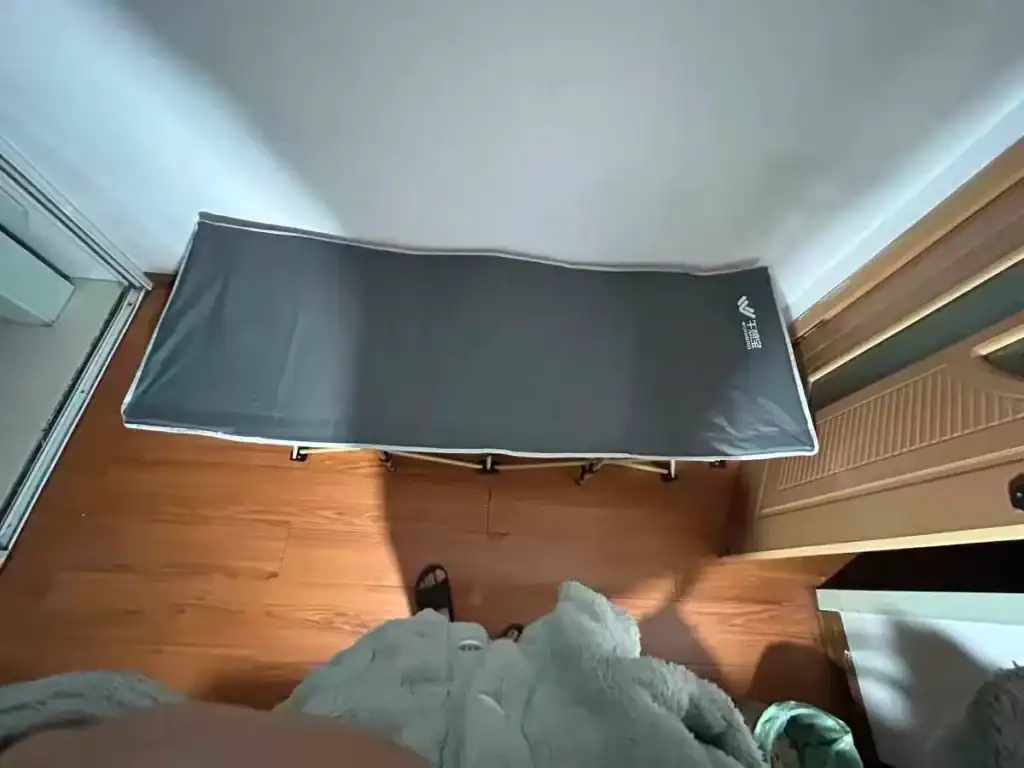
متطلبات سوق الاتحاد الأوروبي
سرير تخييم يجتاز EN 581 ليس فقط ‘آمناً’ بل هو درعك القانوني ضد استردادات تجار التجزئة في الاتحاد الأوروبي.
إليكم سيناريو رأيته يدمر علاقات الموردين: يحصل مشترٍ على طلب بقيمة 50,000 يورو لأسرة تخييم ثقيلة مع سلسلة بيع بالتجزئة ألمانية. بدت العينة ما قبل الإنتاج صلبة. لكن الإنتاج الضخم؟ بدأت لحامات الإطار في التشقق تحت الحمل الساكن خلال ثلاثة أشهر. سحب التاجر كامل SKU، واسترداد تكلفة الاستدعاء، وإنهاء اتفاقية المورد. لم يكن السبب الجذري سوء نية - بل لأن المصنع اختبر العينة بحمل 1.3x لمدة 15 دقيقة بدلاً من متطلب EN 581-2 البالغ 1.5x لمدة 30 دقيقة. تلك الدقائق والكيلوغرامات المفقودة تمثل الفجوة بين حاوية تمر عبر جمارك روتردام وأخرى تفلس خط منتج.
تعمل متطلبات السوق في الاتحاد الأوروبي لأسرة التخييم على نموذج مسؤولية متعدد الطبقات. تشكل لائحة السلامة العامة للمنتجات (GPSR) الأساس القانوني. EN 581-2 هو المعيار المنسق الذي يمنحك ‘افتراض المطابقة’ - بمعنى أنه إذا استوفى سريرك متطلباته، يفترض المنظمون أنك استوفيت GPSR. وبدون ذلك، فأنت تثبت الامتثال من الصفر إذا جاءت سلطة مراقبة السوق للاستفسار.
يغطي معيار EN 581-2 الأثاث الخارجي للجلوس والاستلقاء. بالنسبة لأسرة التخييم، يحدد السلامة الهيكلية والاستقرار والمتانة في ظل الاستخدام المتوقع. نظام الاختبار ليس مجرد اقتراح - إنه الأساس الذي سيعتمده تجار التجزئة عند مراجعة ملفك الفني.
اختبار مدة التحميل هو المواصفة التي تميز الأسرة السلعية عن تلك التي تتحمل مواسم البيع بالتجزئة المتعددة. ينص EN 581-2 على تطبيق 1.5 ضعف السعة المعلنة من الشركة المصنعة والاحتفاظ بها لمدة 30 دقيقة. وليس 15 دقيقة. وليس 20 دقيقة. يجب ألا يظهر الإطار والمفاصل والنسيج أي فشل هيكلي أو تشوه دائم يتجاوز الحدود المقبولة أو فقدان الوظيفة بعد إزالة الحمل. لقد قمت بتدقيق مصانع حيث كان ‘الاختبار’ الداخلي يتكون من عاملين يقفان على سرير لبضع ثوانٍ. هذا ليس اختبارًا - إنه مطالبة ضمان تنتظر الحدوث. بالنسبة للأسرة ذات السعة المعلنة 150 كجم، تحتاج إلى جهاز اختبار معاير يطبق 225 كجم موزعة بالتساوي لمدة نصف ساعة كاملة. اطلب صورًا لإعداد الاختبار في التقرير. سيتضمن تقرير اختبار EN 581 المشروع من مختبر مثل TÜV Rheinland أو SGS أو Intertek صورًا لإعداد الاختبار مع طوابع زمنية تظهر وضع الأوزان، وليس مجرد شهادة من صفحة واحدة.
قابلية النسيج للاشتعال هي المكان الذي يتفاجأ فيه المستوردون لأنهم يفترضون أن علامة CE تغطي كل شيء. إنها لا تفعل ذلك. بالنسبة لأسرة التخييم، يقع النسيج وأي حشوة مرفقة تحت EN 1021، الذي يتكون من جزأين تحتاج إلى فهمهما جيدًا: يغطي EN 1021-1 اشتعال السيجارة المشتعلة، ويغطي EN 1021-2 اشتعال مكافئ لهب عود الثقاب. يطبق اختبار السيجارة سيجارة مشتعلة على النسيج لمدة محددة. يستخدم اختبار عود الثقاب لهب البوتان. يمكن للنسيج أن يجتاز الجزء الأول ويفشل في الجزء الثاني بشكل مذهل. يمكن أن يذوب بوليستر أكسفورد مع بعض الطلاءات الخلفية ويقطر بقايا مشتعلة - وهذا فشل تلقائي في اختبار عود الثقاب. إذا كان سريرك يستخدم طبقة علوية من مرتبة مبطنة أو وسادة مدمجة، فإن كلا الجزأين ينطبق. لا تدع المورد يخبرك ‘إنه مقاوم للهب’ دون تحديد المعيار الذي يتبعه وإظهار تقرير المختبر لك.
الامتثال الاجتماعي هو المتطلب الذي يتجاهله مديرو المشتريات حتى يتم وضع علامة على شحنة. يواجه المستوردون في الاتحاد الأوروبي ضغوطًا متزايدة بموجب قانون العناية الواجبة في سلسلة التوريد الألماني وتوجيه العناية الواجبة للاستدامة المؤسسية للاتحاد الأوروبي (CSDDD) القادم. يطلب تجار التجزئة الكبار مثل Decathlon و Intersport و Globetrotter الآن دليلًا على التدقيق الاجتماعي كشرط للانضمام. BSCI و SMETA هما إطارا التدقيق السائدان. إليك الفخ: بعض المصانع تقدم ‘شهادة’ BSCI دون تقرير التدقيق الكامل. الشهادة وحدها لا قيمة لها - لا تظهر الدرجة. أصر على تقرير تدقيق BSCI الكامل الذي يظهر تصنيف A أو B. المصانع التي تعمل دون درجة B تفشل عادةً في توثيق ساعات العمل أو تعويض العمل الإضافي أو الفجوات في الصحة والسلامة في أقسام اللحام والقطع. عملية ‘Showroom B’ - حيث يقدم المصنع واجهة أمامية متوافقة مع إخفاء انتهاكات العمل في ورش العمل الخلفية - يتم اكتشافها عندما تقارن عدد الموظفين في تقرير التدقيق بسجلات الإنتاج. إذا أظهر مصنع ينتج 50,000 سرير سنويًا 15 عاملاً فقط في التدقيق، فإن الحساب لا يتطابق.
-
- نقاط الإرساء في EN 581-2: تحقق من أن تقرير الاختبار يسرد رقم الطراز الخاص بك والسعة المعلنة بدقة. لن ترضي ‘الشهادة العائلية’ العامة التي تغطي مجموعة من الطرازات دون توثيق سعة التحميل الفردية تدقيقًا فنيًا لتاجر التجزئة. اطلب إعلان الأداء (DoP) الذي يربط علامة CE بنتائج اختبار EN 581-2 المحددة.
- التحقق من اختبار التحميل: يجب أن يظهر التقرير حمولة 1.5 ضعف السعة المعلنة محتفظ بها لمدة 30 دقيقة متواصلة دون كسر لحامي، دون انبعاج في الأرجل يتجاوز 5% من المدى الأصلي، ودون بداية تمزق النسيج عند خطوط الخياطة. إذا أظهر التقرير مدة أقصر أو مضاعفًا أقل، فإن السرير يفشل في EN 581-2 بغض النظر عما يدعيه المورد.
- توثيق قابلية الاشتعال: بالنسبة لأي سرير به أسطح نسيجية، اطلب تقارير منفصلة لـ EN 1021-1 و EN 1021-2. التقرير المدمج مقبول فقط إذا تم الإشارة صراحةً إلى كلتا طريقتَي الاختبار مع نتائج فردية. اجتياز اختبار السيجارة دون اجتياز اختبار عود الثقاب يعني فشل النسيج في تجارة التجزئة بالاتحاد الأوروبي.
- تدقيق الامتثال الاجتماعي: اطلب تقرير تدقيق BSCI الكامل أو SMETA ذي الأعمدة الأربعة (4-Pillar) الذي لا يتجاوز تاريخه 12 شهرًا. يغطي SMETA رباعي الأعمدة العمالة والسلامة والصحة والبيئة وأخلاقيات العمل. تدقيق ثنائي الأعمدة (2-Pillar) غير مكتمل للانضمام إلى أسواق التجزئة في الاتحاد الأوروبي. تحقق من أن نطاق التدقيق يغطي فئة منتجك — فتدقيق مصنع ملابس لا يُعتد به لمنشأة أثاث تخييم.
تجاوز حزمة التوثيق هذه وتتراكم التكاليف بسرعة. بدون تقرير اختبار EN 581 ساري المفعول، يمكن إيقاف سرير طفلك في جمارك الاتحاد الأوروبي بموجب إجراءات المراقبة السوقية. وهذا يعني 2500-5000 يورو كرسوم احتجاز واختبار لكل وحدة تخزين (SKU). بدون تدقيق BSCI، يرفض كبار تجار التجزئة طلب تسجيل موردك بشكل قاطع — مما يكلفك موسم مبيعات كامل. شحنة واحدة غير متوافقة تضم 1000 وحدة بتكلفة وصول (landed cost) تبلغ 35 يورو لكل وحدة لا تعني خسارة 35,000 يورو فحسب. أضف إليها استردادات تجار التجزئة مقابل لوجستيات الإعادة، ودرجات ODR السلبية على منصات مثل أمازون EU، وفقدان علاقة المشتري بشكل دائم. تكاليف التوثيق بضع مئات من اليوروهات مقدمًا. غيابها يكلفك وصولك إلى السوق الأوروبية.
متطلبات سوق الولايات المتحدة
ASTM F1169 ليست اقتراحًا — إنها الجدار الحامل بين شحنة مُخلصة ومستودع مليء بالمسؤوليات.
لقد رأيت حاوية تضم 800 سرير أطفال تُوقَف عند ميناء لونغ بيتش لأن تقرير اختبار المصنع أظهر عامل تحميل 1.5x. كان طلب الشراء يقتضي الامتثال لـ ASTM F1169-19. يتطلب هذا المعيار تحمل ضعف سعة الوزن المذكورة دون فشل هيكلي — تشوه الإطار، انهيار الأرجل، أو تمزق القماش جميعها تُعتبر فشلًا. أجرى المصنع في جينهوا اختباره الداخلي عند 1.5x وأطلق عليه ‘ناجح’. كلف ذلك المستورد 12,000 دولار كرسوم تأخير، وفشل في تفتيش التجزئة، وتأخير 90 يومًا بينما بحثنا عن بدائل متوافقة.
إليك ما يهم فعليًا عند شحن أسرة التخييم إلى السوق الأمريكية. ليس النظرية. بل ما يظهر في تقارير الإجراءات التصحيحية.
ASTM F1169-19: قاعدة الضعفين التي لا يشرحها أحد.
يغطي هذا المعيار السلامة الهيكلية لأسرة الأطفال غير المخصصة للمهد (non-crib cots) والأسرة المحمولة. تطبق طريقة الاختبار حمولة ثابتة تساوي ضعف الحد الأقصى للوزن المعلن من المصنع لمدة 30 دقيقة. إذا كان سريرك مصممًا لـ 250 كجم — وهو أمر شائع للموديلات الثقيلة ذات الإطارات الفولاذية — يقوم جهاز الاختبار بتحميل 500 كجم عليه. يجب ألا يُظهر السرير أي تشققات ظاهرة، أو انفصال في الوصلات، أو تشوه دائم يتجاوز 10 مم بعد إزالة الحمولة.
-
-
- مادة الإطار مهمة: إطارات الألومنيوم في الأسرة فائقة الخفة تصل إلى حدها أسرع من الفولاذ. أنبوب ألومنيوم 7075 بسماكة جدار 1.2 ملم سينحني تحت حمولة ثابتة 400 كجم — لقد رأينا ذلك على مقاعد الاختبار في مختبرات Intertek. الإطارات الفولاذية بسماكة جدار 1.5 ملم ولحامات تقوية (gusset welding) مناسبة تنجح باستمرار.
- The Report You Need: Request the full ASTM F1169 test report from a CPSC-accepted lab — not the factory’s internal QC worksheet. Look for lab logos (SGS, Bureau Veritas, Intertek), dated photos of the setup with weights visible, and a clear pass/fail criteria section. A one-page summary letter is not enough.
-
16 CFR Part 1632 and 1633: Flammability That Catches Importers Off Guard.
Most supply chain managers assume flammability only applies to tents. Wrong. Cots with any textile surface — Oxford fabric, nylon mesh, padded sleeping surfaces — fall under 16 CFR Part 1632 (cigarette ignition) and potentially 1633 (open flame) if the cot includes a mattress component. The distinction trips up buyers every season.
-
-
- 1632 Compliance: Requires that a lit cigarette placed on the fabric surface does not ignite the material. Most 600D Oxford with a PU coating passes this without additional treatment. But once you add padding or a built-in mattress, you’re in different territory.
- 1633 Trigger: Applies if the cot is sold with a mattress component or marketed as a ‘sleeping system.’ This involves a full-scale open flame test with a 30-minute burn period. Budget factories skip this entirely because the test costs $2,000-$3,000 per SKU.
-
CPSIA Tracking Labels: The $5 Fix That Saves $50,000 Headaches.
Every camping cot sold in the US must carry a permanent tracking label under CPSIA Section 103. This isn’t optional. The label needs the manufacturer name, location and date of production, and a batch or lot number. An entire
-
-
- Third-Party Testing: CPSIA also mandates third-party testing from a CPSC-accepted lab for children’s products. If your cot is marketed for family camping or includes a ‘kids’ size, you need a Children’s Product Certificate (CPC) backed by lab results for lead content, phthalates, and mechanical hazards.
- تتبع الدفعة: The tracking label must connect to your internal records. If a defect is found in batch KL2026-COT-003, you need to trace it back to the exact production date, fabric lot, and frame supplier. Without this, a recall means recalling everything.
-
California Proposition 65: The Frame Coating Problem.
Steel frames get powder-coated. Aluminum frames get anodized. Both processes can involve chemicals on California’s Prop 65 list — lead, cadmium, and phthalates are the most common. The risk isn’t the coating itself. It’s the pre-treatment chemicals used in cheaper factories to speed up the production line.
If your cot ships to a California retailer without a Prop 65 warning label — and a third-party test shows detectable levels above the safe harbor limit — the penalty starts at $2,500 per violation per day. A cot with 4 frame components counts as 4 violations. Do the math on a 500-unit shipment.
-
-
- What to Request: Ask for lab test results showing lead content below 100 ppm and cadmium below 75 ppm on all coated metal components. If the factory can’t produce this, factor in the cost of adding a Prop 65 warning label to every unit — or switch to a supplier who pre-tests their coatings.
- Paint and Plating: Cheap chrome plating on steel leg hinges is a known lead source. We’ve flagged zinc-alloy rivets with 300+ ppm lead from unvetted sub-suppliers. Request a full bill of materials down to the fastener level.
-
Decision Checklist for Your Next US-Bound Cot Order.
-
- 1. Can your supplier provide a dated ASTM F1169 report from a CPSC-accepted lab showing a 2x load test — with photos?: If they hand you an in-house QC sheet or a report from a lab you’ve never heard of, the answer is no. Walk away or budget for your own testing before shipment.
- 2. Do your tracking labels include batch codes, production dates, and factory location — sewn in, not hung on?: Pull a random sample from your next pre-shipment inspection. If the label peels off, the shipment is non-compliant. Full stop.
- 3. Have you tested frame coatings for lead and cadmium within the last 12 months?: Metal finishing suppliers change their chemical baths constantly. A clean test from 2026 doesn’t guarantee a clean shipment in 2026. Make batch-level Prop 65 screening part of your QC protocol.
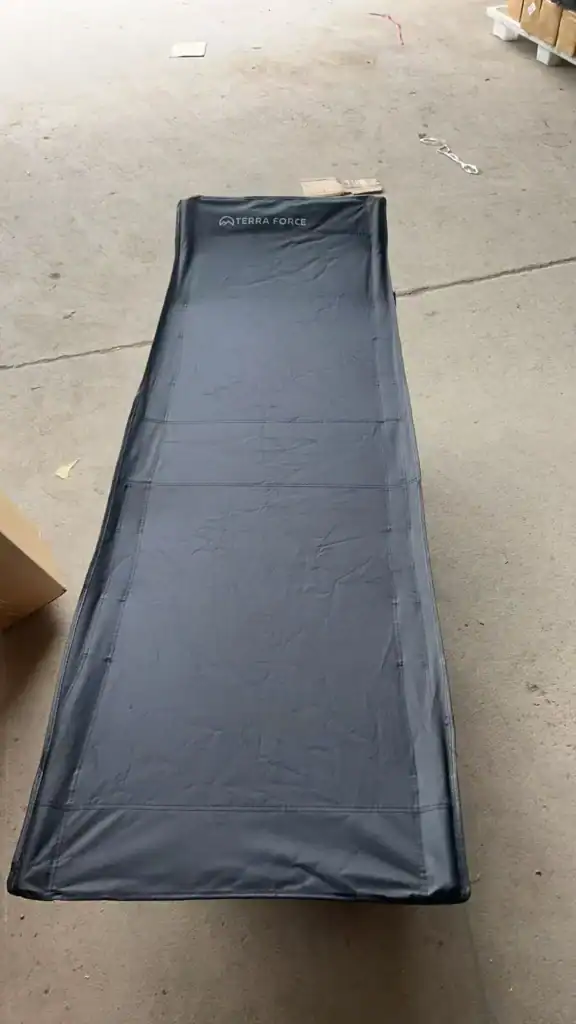
متطلبات السوق الأسترالية
Australian regulators enforce sticker placement down to the font size—wrong label layout means an entire shipment is quarantined.
Australian compliance operates on a liability chain that pushes responsibility firmly onto the importer. When a folding cot collapses in a suburban Melbourne backyard, the retailer points to the distributor, the distributor points to you, and you’d better have the test reports to stop the blame chain cold. Three standards form the non-negotiable tripwire for camping cots and canopy accessories: AS/NZS 4798 for stability, the mandatory information standard for folding cots, and UV resistance validation under AS 4399.
-
- AS/NZS 4798: Domestic Furniture Stability: This standard evaluates the cot’s resistance to tipping, horizontal force, and structural fatigue under repeated dynamic loading. A key pass/fail clause: the cot must not tip when a 20 kg horizontal force is applied at the top rail in any direction. Cheap high-back designs often fail here because the center of gravity shifts outside the leg footprint under load—a problem invisible on a CAD file but brutally obvious once the lab weights swing.
- Mandatory Product Information Standard (Folding Cots): Enforced by the ACCC under Australian Consumer Law, this standard dictates exact wording, font size, and placement for permanent warning labels. The label must state height and weight limitations, assembly instructions, and the phrase ‘WARNING: Do not leave child unattended’. Non-compliance triggers a mandatory recall with zero tolerance—no grace period, no labeling rectification in-country.
- UV Resistance Testing (AS 4399:2006): For canopy materials—whether 150D Oxford with PU coating or Textilene mesh—Australian market reality demands a UPF (Ultraviolet Protection Factor) rating of at least 50+ to claim ‘excellent’ sun protection. Fabrics degrade visibly after 200–400 hours of accelerated QUV weathering if the UV stabilizer percentage falls below 0.3% by weight. Request the actual QUV chamber cycle data, not just the UPF certificate; a UPF 50+ rating on day zero means nothing if the fabric loses 60% of its tensile strength after one summer season.
The enforcement gap in Australia is smaller than most buyers think. The ACCC conducts periodic retail sweeps and cross-references supplier declarations. A shipment landing without AS/NZS 4798 test reports backed by an accredited lab (NATA, IAS, or ILAC MRA signatory) gets flagged by Australian Border Force for assessment bond—tying up your container and eating margin at $300–$500 per day of warehousing delay.
One telltale sign of a report that won’t hold up under scrutiny: no photographs of the loaded test setup. A legitimate AS/NZS 4798 or AS 4399 report from a NATA-accredited lab includes timestamped images showing the weight application points and the UV sample placement. Reports that only contain a cover letter and a pass/fail table are usually repurposed from another model number—a shortcut that costs you the whole shipment when the Australian retailer’s quality team spots the mismatch.
For the 10% that separates professionals from hobby importers: never accept a test report where the product description field reads ‘camping cot, various sizes’. The laboratory’s scope of accreditation must list the exact SKU, fabric batch code, and frame material alloy. Cross-check the batch code against your pre-production sample approval record. If the lab report batch doesn’t match what’s in the container, you have zero defense against a section 65 undertaking from the ACCC.
الوثائق التي يجب عليك جمعها من المصنع
A real EN 581 report includes lab setup photos—not just a pass/fail statement.
-
- Test Reports (The Raw Data): You need EN 581-2 load test data specifically for cots—not generic outdoor chairs. Verify the lab name (TÜV, SGS, Intertek) is printed on the header. An ASTM F1169 report must explicitly state that the cot withstood 2x the stated weight limit without structural failure or permanent deformation. If the report only graphs deflection to 1.5x, that cot enters the US market with a massive liability gap. Reject it until they retest to the full 2x threshold.
- BSCI Full Audit (Not Just the Wall Certificate): The ‘Showroom B’ scheme is real. A factory buys a single certificate to hang in the lobby, but the production dormitory you never see operates under a different entity. Demand the ‘BSCI Full Audit Report’ with the ‘A’ or ‘B’ grade. Scrutinize the legal entity name on the report—it must match the company name on your Purchase Order exactly.
- Declaration of Conformity (DoC): This must be signed by a named individual at the factory, not a generic stamp. It should list the specific standard (e.g., EN 581-2:2015), the product SKU, and the batch number. A DoC that just says ‘CE Compliant’ without referencing a batch is worthless for customs.
- CPSIA Tracking Labels (For the US): Your final invoice docs must include a photo of the CPSIA tracking label as applied to the retail packaging or product. It must show the manufacturer name, location (city & province), and production date/batch code. A label that only lists ‘Made in China’ without a traceable factory name fails 16 CFR 1130 requirements.
- California Prop 65 Warning (Frame Coatings): If the cot frame is steel with a powder coat or anodized aluminum, request a lab report screening for lead in surface coatings and phthalates in plastic connectors. Without this, a private lawsuit in California can cost you $10k+ in settlement fees even if the product is safe.
I keep a running list of factories that have tried to pass off edited PDFs. The first red flag: a report issued in 2026 showing a test date from 2022. Dates must align with the product’s development cycle, not the factory’s archive. Always cross-check the certificate number on the issuing lab’s public portal—Intertek and SGS both offer online verification tools, and if the certificate ID doesn’t populate a result within 30 seconds, you have a fake EN 581 test report on your hands.
Before you schedule the pre-shipment inspection (PSI), your factory should send you three things without hesitation. First, the internal QC inspection report from the final random sampling—this is their own pass/fail before the third-party inspector arrives. Second, photos of the load test setup with digital timestamps showing the weight plates and the 30-minute duration clock. Third, a signed copy of the packaging artwork with the compliance logos, CPSIA labels, and country-of-origin marks in the correct fonts and sizes. If they push back on these, delay the PSI.
A final point on commercial terms: write into the purchase agreement that the factory bears the cost of all re-testing if an independent inspector finds a structural failure during PSI. Disputes have arisen where a batch of 500 cots failed the AS/NZS 4798 stability test at port, and the importer ate $4,200 in storage and re-shipping costs because the contract only covered unit replacement from the factory. Separate the documentation cost from the failure cost, and make the factory accountable for both.
دمج الامتثال في عقد التوريد الخاص بك
Contracts without compliance teeth are just purchase orders.
A $50K order of camping cots was held at Long Beach for six weeks because the fabric didn’t match the flammability certificate filed with CBP. The importer paid $8,700 in dem
When you negotiate تسعير FOB, you’re also negotiating where risk transfers. But standard pro-forma invoices don’t address what happens when a batch fails a spot check at the consolidation warehouse. You need language that survives past the container loading date.
Three specific contract mechanisms separate professional sourcing operations from amateurs: liability assignment clauses, testing protocols with defined consequences, and non-compliant shipment handling procedures that spell out who pays for what, within what timeframe.
Sample Clauses for Compliance Liability.
The most common mistake is accepting a supplier’s generic ‘quality guarantee’ paragraph. Those clauses typically reference ‘industry standards’ without naming a single one. If EN 581-2 or ASTM F1169-19 isn’t printed in the contract body, it doesn’t exist legally when a dispute hits arbitration.
A proper compliance liability clause does three things. First, it names the exact standard and revision year—EN 581-2:2015, not just ‘EN 581.’ Second, it ties the standard to a specific component or performance requirement: ‘Frame and fabric assembly shall withstand 1.5x rated load for 30 minutes per EN 581-2 Section 6.2 with no joint separation exceeding 2mm.’ Third, it assigns financial responsibility for third-party re-testing if the pre-shipment inspection raises a flag.
-
-
- Documentation Warranty: Supplier warrants that all test reports, certificates, and Declarations of Conformity are authentic, issued by an ISO 17025-accredited lab, and match the production batch by date and lot number. Fake or expired documents trigger full refund plus 15% penalty for replacement sourcing costs.
- Material Substitution Penalty: If any fabric, coating, or frame coating differs from the approved sample without written buyer authorization, supplier bears 100% of return freight, destruction costs, and the unit price difference for expedited replacement production—even if the substitute ‘technically passes’ the lab test.
- Regulatory Change Clause: If a target market updates a mandatory standard between PO signing and shipment, and the update renders the current production non-compliant, both parties split the retrofit cost 50/50. Without this clause, the buyer absorbs 100% of the loss under most international trade conventions.
-
The 15% penalty figure isn’t arbitrary. It covers the margin erosion you’ll face buying replacement inventory on short notice from a secondary supplier at premium pricing. Seasoned supply chain managers build this into the contract template before the first PO is ever cut.
Batch Testing vs. Shipment Spot-Checking.
Factories love to present a single lab report from a prototype and call it done. That report proves exactly one thing: that one unit, built under the engineer’s supervision, passed on that specific day. It tells you nothing about what happens on production day 17 when the line supervisor is behind schedule and the fabric tension on the cutting machine drifts.
Batch testing and shipment spot-checking serve different functions, and your contract needs both. Batch testing verifies that production tooling and materials are set correctly at the start of a run. Spot-checking catches drift mid-production and during final packing.
-
-
- Batch Testing Protocol: Pull 3 random units from the first 100 off the line. Send one to a third-party lab for the full standard battery (load, flammability, sharp edges, pinch points). Keep two as sealed reference samples. No mass production proceeds past 500 units until the lab report clears. This costs roughly $400-600 per test and saves $15,000+ in rework if tooling is wrong.
- Inline Spot-Check Cadence: AQL 2.5 Level II sampling every 500 units during production, focused on the failure modes that hurt most: weld integrity, fabric seam strength, and locking mechanism function. These don’t need a lab—a calibrated pull gauge and a checklist work. Flag 3 consecutive failed samples and the line stops for root cause analysis at supplier expense.
- Pre-Shipment Final Random: AQL 1.5 Level II sampling from packed, sealed cartons 48 hours before container loading. This catches warehouse handling damage and last-minute material substitutions that happen when the factory runs out of the approved fabric and ‘borrows’ from another customer’s order. I’ve caught this twice in three years.
-
The contract needs to specify who selects the third-party lab. If the factory picks the lab, they’ll default to the one that’s friendliest to their pass rates. Insert language requiring the buyer to approve the lab from a pre-agreed list of three ISO 17025-accredited options. Intertek, SGS, and Bureau Veritas are the standard shortlist for camping cot testing across all three major markets.
Handling Non-Compliant Shipments.
A non-compliant shipment is already in your supply chain before you know about it. The container is on the water or sitting in a warehouse. The decisions you make in the first 72 hours determine whether this is a $3,000 problem or a $30,000 one.
The contract must define three categories of non-compliance with distinct remedies. Not all failures are equal, and treating a labeling error the same as a structural failure wastes money and burns factory relationships unnecessarily.
-
- Category A: Critical Safety Failure: Frame collapse under load testing, fabric flammability exceeding legal limits, toxic coating materials exceeding Prop 65 thresholds. Remedy: Full refund within 15 business days of lab report issuance. Supplier pays all return freight or destruction costs. Supplier covers 20% of order value as liquidated damages for lost sales window. Zero tolerance—no rework offer accepted on critical failures.
- Category B: Specification Deviation: Fabric color outside Pantone tolerance, frame wall thickness 0.2mm under spec, stitch count below approved sample density. Remedy: 8-12% price reduction if product remains sellable. If not sellable, supplier pays for local rework or arranges return shipment within 30 days. No replacement order placed until root cause report is delivered and reviewed.
- Category C: Documentation or Labeling Error: Missing CPSIA tracking label, incorrect country of origin marking, carton markings don’t match packing list. Remedy: Supplier pays direct costs to print and apply corrective labels at destination warehouse—typically $0.15-0.40 per unit labor plus label stock. No chargebacks if corrected before retail distribution. Repeat offense on next order bumps it to Category B.
The timeline matters more than the penalty amount. A factory that drags out a refund negotiation for 90 days costs you more in working capital than a larger penalty paid in 10 days. Insert a clause: ‘Supplier shall respond to non-compliance notice within 5 business days and remit agreed remedy amount within 15 business days of acceptance. Delays beyond 15 business days accrue 1.5% monthly interest on the outstanding amount.’.
One final point that most sourcing guides miss: always require the factory to hold the non-compliant inventory for 60 days after your claim is filed. If you destroy it immediately and the factory later disputes the lab findings, you’ve destroyed the evidence. A sealed reference sample from the failed batch, retained by the third-party lab, is your insurance policy if the dispute escalates beyond email.
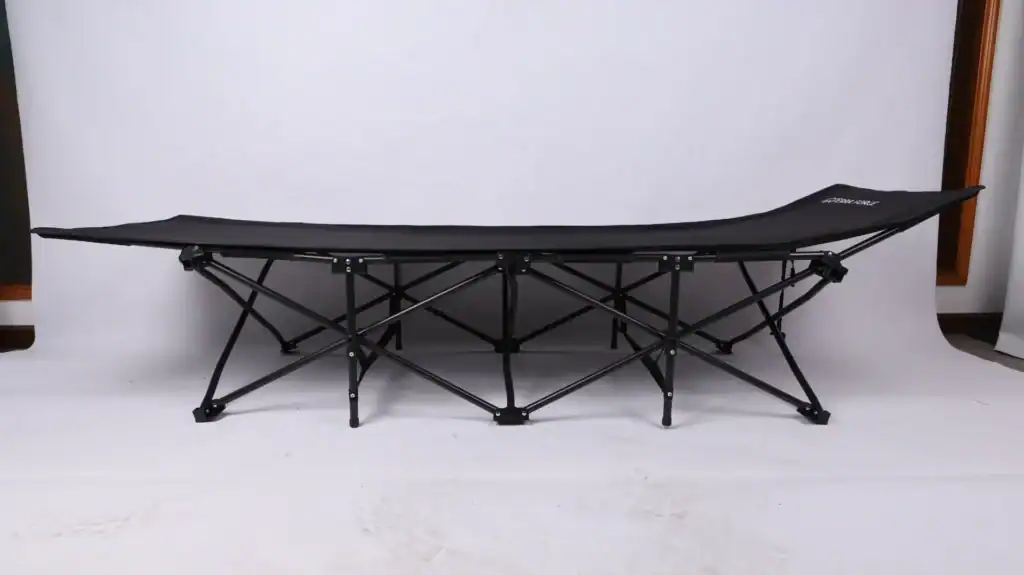
الخاتمة
A camping cot order built without verified EN 581 or ASTM F1169 documentation is a shipment that lands in port, sits in customs, and racks up demurrage at $150–$400 per day. The lab test gap between 1.5x and 2x load tolerance isn’t a rounding error—it determines whether your retailer accepts the container or flags a chargeback that wipes out the margin on a 1,200-unit lot. Fabric that flunks EN 1021-1 ignites the same liability chain whether the factory “tested in-house” or not. Sample approval alone doesn’t catch this; only a third-party report with setup photos and a named lab does.
If the next pre-shipment inspection folder doesn’t include a BSCI Full Audit showing an A/B grade, or the FOB terms don’t pin quality tolerance to the exact standard clause, the risk clock starts ticking. Ask for the report packet now—TÜV, SGS, or Intertek—and align batch testing frequency with your contract before the factory cuts the next lot.
الأسئلة الشائعة
ما هو المعيار EN الذي ينطبق على أسرة التخييم؟
ينظم المعيار EN 581-2 السلامة الميكانيكية لسرير التخييم، مع اختبار رئيسي يقوم بتحميل السرير بـ 1.5 مرة من السعة المقدرة لمدة 30 دقيقة. أضف المعيار EN 1021-1 أو EN 1021-2 لاختبار قابلية اشتعال القماش حسب متطلباتك. اطلب تقرير الاختبار الكامل قبل بدء الإنتاج.
هل يتطلب تجار التجزئة في الولايات المتحدة دائمًا ASTM F1169؟
Most major US retailers require ASTM F1169-19 compliance as a baseline for cots. You’ll also need 16 CFR Part 1632/1633 flammability tests and a CPSIA tracking label. Verify exact requirements with the buyer before tooling begins.
كيف يمكنني التعرف على تقرير اختبار مزيف من مصنع؟
Check that the test report references a traceable accredited lab, is dated within one year, and includes clear product identifiers matching your order. Cross-reference the lab’s website or call them directly. Insist on verifiable lab credentials before you approve shipping.
ما هو بند الامتثال الذي يجب أن يدرج في عقد التوريد الخاص بي؟
قم بتضمين بند يلزم المصنع بتحمل جميع التكاليف إذا فشلت شحنة في الفحص العشوائي من طرف ثالث وفقًا للمعايير المتفق عليها. حدد أن اختبار الدُفعة يغطي كل دفعة إنتاج والسلع غير المطابقة. تأكد من أن عقدك يحدد ما يحدث عندما تفشل دفعة.

 English
  Español
  Deutsch
  Français
  Português do Brasil
  Русский
  العربية
  한국어
한국어  日本語
日本語