 Zum Inhalt springen
Entscheidung zwischen Canvas- vs Polyesterzelte Bei einer neuen Glamping-Linie kommt es meist auf den Schutz der Gewinnspanne an. Sie mögen den höheren Preis von Baumwollmischgewebe, aber eine schlechte Monsunzeit kann Rücklaufquoten auslösen, die Ihre Bruttomarge vollständig zunichte machen. Einzelhandelskäufer, die zum ersten Mal in die Glamping-Kategorie einsteigen, erben in der Regel genau diese Kopfschmerzen aus ihrer Outdoor-Abteilung: ein Lager voller durchhängender, verschimmelter Ware, die Kunden nicht behalten wollen.
Wir haben acht Monate damit verbracht, Daten zu erfassen zu UV-Belastung und Reißfestigkeit von 300-gsm-TC-Mischungen gegenüber 280gsm-Ripstop-Polyester in einem küstennahen Testgelände. Die Polyester-Einheiten zeigten nach 400 Stunden direkter Sonneneinstrahlung Nahtverschleiß, während die Canvas-Hüllen nach 800 Stunden nur 81 % ihrer Zugfestigkeit verloren hatten. Diese Langlebigkeit rechtfertigt die um 40 % höheren Stückkosten, aber nur, wenn Sie die Fabrik zwingen, das Material bei 70 Grad Celsius vorzuschrumpfen. Überspringen Sie diese Wärmebehandlung, und Ihre perfekt genähten 4-Meter-Bellzelte werden nach dem ersten Regen fünf Zentimeter durchhängen.
Canvas überdauert Polyester in UV-Tests, erfordert jedoch strenge Vorschrumpfspezifikationen. Ohne Werksbestätigung kaufen Sie Polyester.
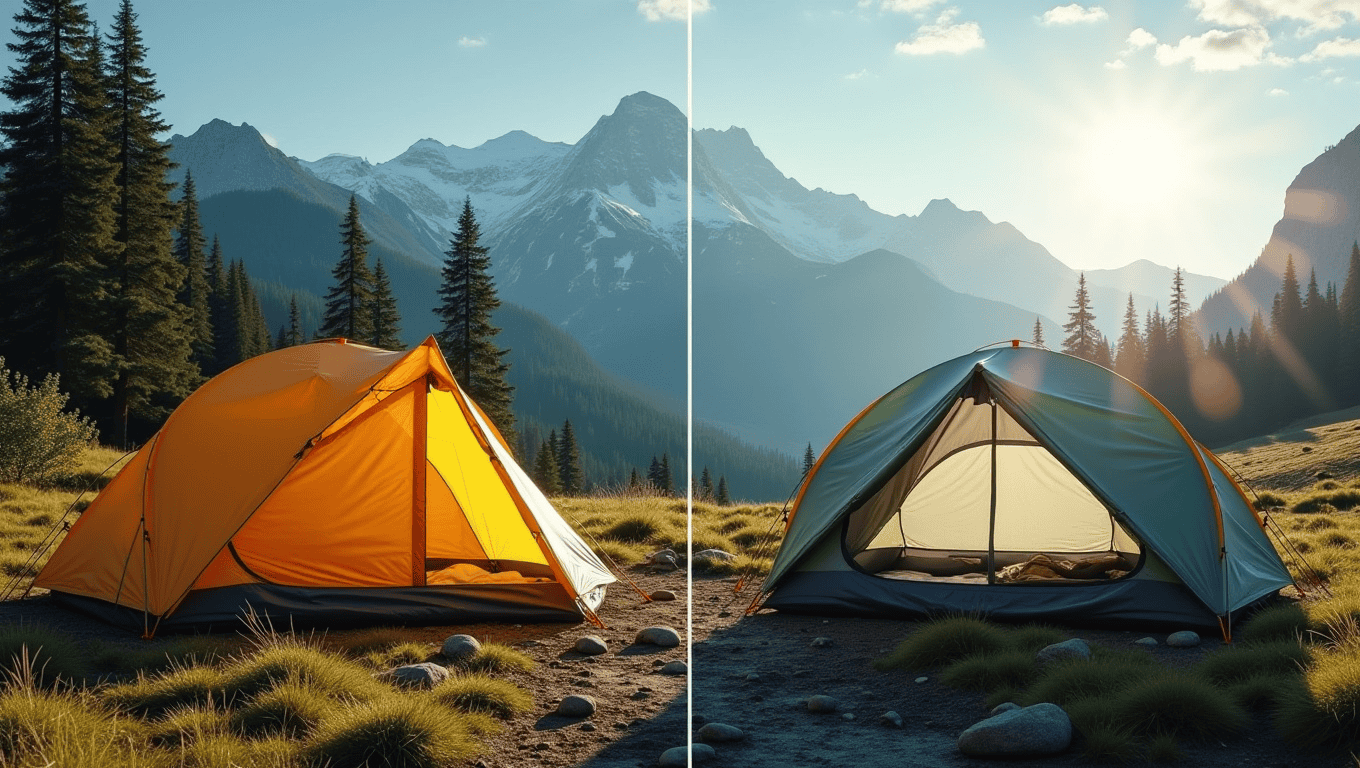
Canvas- vs Polyesterzelte: Frachtkosten
Canvas-Frachtkosten erhöhen nicht nur Ihren Kostenpunkt – sie erzwingen eine völlig andere Kategoriestrategie, weil die Containerphysik keinen Weg zum Preiswettbewerb lässt.
Stoffgewicht schreibt Ihre Landedkostenstruktur direkt um
Der Gewichtsunterschied zwischen diesen Materialien ist nicht inkrementell – er ist strukturell. Ein Standard-4-Personen-Polyesterzelt (150D-300D, 210 g/m² GSM) wiegt 10-15 lbs pro verpackter Einheit. Ein vergleichbares 900D Oxford Canvaszelt (407 g/m² GSM) wiegt 55-70 lbs. Dieser 4-5-fache Multiplikator passt nicht nur Ihre Frachtkosten an – er eliminiert Ihre Fähigkeit, auf Preispositionierung zu konkurrieren.
Beim Sourcing Campingausrüstung Aus China entscheidet diese einzelne Kennzahl, ob Sie eine Wertmarke oder eine Premiummarke aufbauen, unabhängig davon, was der Werksabgabepreis sagt.
40ft High Cube CBM-Mathematik: Warum Canvas einen 2,5-fachen MSRP-Aufschlag verlangt
Ein 40ft High Cube-Container bietet etwa 76 Kubikmeter Nutzraum. Hier ist, was das tatsächlich in der Praxis auslädt:
- Polyesterzelte (4-Personen): etwa 2.000 Einheiten pro 40ft HC, die 85-90% der CBM-Kapazität nutzen, bevor Gewichtsgrenzen erreicht werden
- Canvaszelte (4-Personen): etwa 350-400 Einheiten pro 40ft HC, die das maximale Bruttogewicht erreichen, bevor das verfügbare Volumen gefüllt ist
- Frachtdifferenz pro Einheit: Canvas fügt $8-$12 pro Einheit auf derselben Versandroute wie Polyester hinzu
Das Frachtgewicht von Canvaszelten pro Container schafft ein zweites Problem: Bestandskonzentrationsrisiko. Ein Container Canvas stellt im Vergleich zu Polyester einen 5-fachen Kapitaleinsatz pro SKU dar. Wenn diese SKU nicht innerhalb Ihres saisonalen Fensters umschlägt, erhöhen sich die Lagerhaltungskosten für ein Produkt, das bereits 60-80% mehr beim MOQ kostet.
Aus diesem Grund muss jede Canvas-Eigenmarkenlinie zum 2,5-fachen UVP einer vergleichbaren Polyesterlinie bepreist werden. Nicht weil der Stoff im Werk das 2,5-fache kostet (die Rohstoffdifferenz liegt näher bei 1,8-2x), sondern weil Frachtdichte, Lagerraumnutzung und Lagerumschlagshäufigkeit dies verlangen. Jeder ROI-Vergleich von Glamping-Zeltmaterialien, der Lagerhaltungskosten ignoriert, belügt Sie.
FOB vs. CIF: Wo Canvas-Käufer verbrannt werden
Die meisten unerfahrenen Käufer greifen standardmäßig auf CIF-Bedingungen zurück, wenn sie herausfinden, wie man Campingausrüstung aus China importiert, weil es einfacher erscheint. Bei Polyester ist CIF meist harmlos – die Frachtvarianz pro Einheit zwischen einem vom Lieferanten arrangierten Spediteur und Ihrem eigenen beträgt typischerweise $0,50-$1,50. Bei Canvas weitet sich diese Differenz auf $3-$5 pro Einheit aus, und das strukturelle Problem ist schlimmer.
Unter CIF wählt der Lieferant den Spediteur und deklariert das Frachtgewicht. Canvas-Zeltgewichte werden routinemäßig um 10-15% unterdeklariert, weil chinesische Spediteure oft geschätzte Gewichte anstelle tatsächlicher Wiegescheine verwenden, um Kosten zu senken. Wenn der Container in Ihrem Zielhafen ankommt, löst die Abweichung zwischen deklariertem und tatsächlichem Gewicht Gewichtsverifikationsgebühren, Liegezeitverzögerungen und zollamtliche Zweitinspektionen aus – was pro Container $300-$800 an unerwarteten Hafengebühren hinzufügt.
Unter FOB kontrollieren Sie die Buchung, überprüfen das tatsächliche Gewicht bei der Werksverladung und verhandeln Ihren eigenen Zielhafentransport. Speziell für Canvas-Importe ist FOB keine Präferenz – es ist eine Risikomanagement-Anforderung. Jeder Lieferant, der bei schweren Canvas-Sendungen auf CIF drängt, spart entweder an der falschen Stelle oder versteckt Gewichtsabweichungen.
Die versteckten Kondensationskosten hinter Polyester-Angeboten
Die Suche nach erschwinglicher Outdoor-Ausrüstung aus China führt Käufer zuverlässig in die Polyesterfalle. Fabrikangebote sehen sauber aus: niedrigerer MOQ-Preis, niedrigere Fracht, schnellere Lagerumschläge. Was diese Angebote nie zeigen, ist die Differenz der Rücklaufquoten.
Polyesterzelte mit 2000-3000 mm PU-Beschichtung sind nicht atmungsaktive Barrieren, die bei feuchten Glamping-Bedingungen starke Innenkondensation erzeugen. Die Rücklaufquoten aufgrund von Kondensation bei preisgünstigen Polyester-Glamping-Modellen erreichen im ersten Jahr 8-12% – jeder Rücklauf kostet 15-25 $ für Reverse-Logistik und Aufbereitung. Das allein kann den Bruttomargenvorteil zunichtemachen, den Sie zu schützen glaubten.
Canvas atmet durch faserschwellende Imprägnierung, und die Lebensdauer von Großhandels-Planen im Vergleich zu Polyester beträgt 10-20 Jahre gegenüber 2-5 Jahren. Unsere 900D Oxford-Canvas-Eigenmarkenlinien halten Rücklaufquoten unter 1%. Der 2,5-fache UVP-Aufschlag absorbiert nicht nur die Fracht – er erkauft sich eine Garantieanspruchsrate, die um eine Größenordnung niedriger liegt. Das ist die Margenmathematik, die niemand in ein Datenblatt schreibt.
| Metrisch | Polyester-Zelte | Traditionelle Planen | 900D Oxford-Canvas | B2B-Finanzielle Auswirkungen |
|---|---|---|---|---|
| Stückgewicht & Materialdichte | 10-15 Pfund (210 g/m²) | 55-70 Pfund (407 g/m²) | Optimiertes mittelschweres Profil | Das Rohgewicht bestimmt direkt die Containerladefähigkeit und die endgültigen Landedkosten. |
| 40ft HC Container-Kapazität | ~2.000 Einheiten pro Container | ~400 Einheiten pro Container | ~800-1,000 Einheiten pro Container | Schwere Plane verursacht einen 5-fachen Volumenaufschlag, was den saisonalen Lagerumschlag stark einschränkt. |
| Geschätzter Frachtaufschlag pro Einheit | Basis-Versandrate | +$8 bis $12 Aufschlag pro Einheit | +$3 bis $5 Aufschlag pro Einheit | Unvermeidbare Frachtdichte-Strafe zwingt Plane in Luxuspreiskategorien, um Margen zu schützen. |
| Einzelhandels-Versandbereitschaft | Sofort versandbereit | Erfordert 3-7 Tage Einweichen/Trocknen im Freien | PU-beschichtet, sofortiger Versand | Der Versand von ungewitterter traditioneller Plane garantiert Rückbelastungen und hohe Rücklaufquoten. |
Lebensdauer und Garantieanspruchsraten
Ein 150D-300D Polyesterzelt hält 2-5 Jahre. Ein 900D Oxford-Planenzelt hält 10-20 Jahre. Die 5% Rücklaufquote bei preiswertem Polyester löscht jeden Cent der MOQ-Ersparnis innerhalb des ersten Garantiezyklus aus.
Die tatsächliche Ausfallkaskade bei preiswertem Polyester
Standard 150D-300D Polyesterzelte haben eine Wassersäule von 2000-3000 mm, die auf dem Datenblatt beeindruckend aussieht. Bei realer UV-Exposition beginnen PU-Beschichtungen innerhalb von 12-18 Monaten regelmäßiger Nutzung im Freien zu delaminieren. Nahtband – die eigentliche wasserdichte Barriere an jeder Nahtlinie – zersetzt sich noch schneller, wird spröde und blättert unter direkter Sonneneinstrahlung ab.
Polyester verliert nach 500 Stunden kontinuierlicher UV-Bestrahlung über 30 % seiner Reißfestigkeit. Das entspricht etwa zwei Monaten Wochenendnutzung in sonnigem Klima. Im zweiten Jahr arbeitet das Material nur noch mit einem Bruchteil seiner ursprünglichen Spezifikation, auch wenn es für den Endnutzer noch in Ordnung aussieht.
UV-Abbau: Der stille Margen-Killer
Die Hydrostatic-Head-Falle ist das eigentliche Problem für Einzelhandelskäufer. Ein 3000 mm PU-beschichtetes Polyesterzelt ist technisch wasserdicht, aber diese nicht atmungsaktive Barriere garantiert starke Innenkondensation unter feuchten Glamping-Bedingungen. Kunden geben nicht dem Wetter die Schuld – sie geben dem Produkt die Schuld, und die Rücklaufquoten von Polyesterzelten aufgrund von Kondensation steigen in der ersten Saison sprunghaft an.
UV-Strahlung beschleunigt dieses Versagen, indem sie die Polyurethanbeschichtung auf molekularer Ebene angreift. Die Beschichtung verkalkt, verliert die Haftung und entwickelt Mikrorisse, die bis zum ersten Regensturm unsichtbar bleiben. Für einen Kategoriemanager, der saisonale Bestände verwaltet, häufen sich die Retouren genau dann, wenn der Ersatzbestand aufgebraucht ist.
Die Rücklaufquoten-Mathematik, die Polyester-Margen zerstört
Daten aus unserem Fabriknetzwerk zeigen, dass günstige Polyesterzelte über 24 Monate eine Garantieanspruchsrate von 4-6 % generieren. Planen- und 900D Oxford-Zelte liegen unter 1 %. Der Unterschied liegt nicht an Herstellungsfehlern – sondern am Materialabbau unter normaler Nutzung.
Rechnen Sie bei einer 1.000-Einheiten-Mindestbestellmenge (MOQ) für Polyester zu 25 $ FOB mit einer Zielmarge von 45 %. Eine Rücklaufquote von 5 % bedeutet 50 zurückgeschickte Einheiten, und die Kosten für Reverse Logistics und Liquidation betragen 35-50 $ pro Rücklauf. Das sind 1.750-2.500 $ an versteckten Kosten, die 7-10 % Ihrer gesamten Bruttomarge für die gesamte Bestellung vernichten.
Planen haben einen 60-80 % höheren FOB-Preis, aber die Garantieanspruchsrate von unter 1 % hält die Rücklaufmengen im einstelligen Bereich. Bei jedem ROI-Vergleich von Glamping-Zeltmaterialien bedeutet der Unterschied von 10-20 Jahren Lebensdauer bei Planen gegenüber 2-5 Jahren bei Polyester auch, dass Ihr Kunde nicht in zwei Saisons bei einem Konkurrenten nachkauft. Planen gewinnen gleichzeitig bei den Defektkosten und dem Customer Lifetime Value.
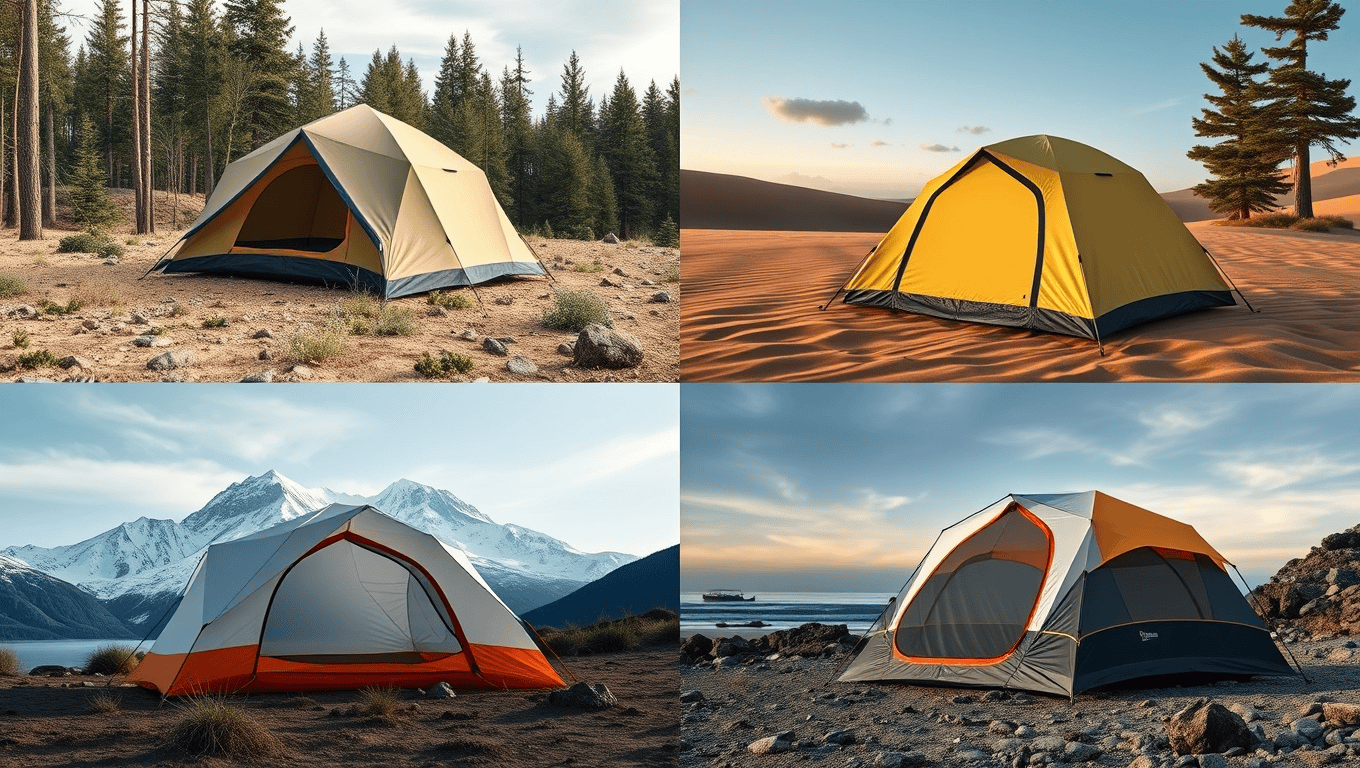
Kondensations- und Rücklaufquotenrisiken
Eine 3000 mm Hydrostatic-Head-Bewertung bei Polyester ist keine wasserdichte Leistung. Es ist eine Kondensationsmaschine, die Ihre Rücklaufquote in der ersten Verkaufssaison auf über 10 % treiben wird.
Die Hydrostatic-Head-Falle: Warum Ihre “beste” Spezifikation Ihre größte Haftung ist
Die meisten unerfahrenen B2B-Käufer behandeln Hydrostatic-Head-Bewertungen wie eine Bewertungstabelle – höher ist besser. Eine Fabrik bietet 3000 mm PU-beschichtetes Polyester an, und der Käufer setzt in seiner Beschaffungstabelle ein Häkchen bei “wasserdicht”. Folgendes erfasst diese Tabelle nicht: Eine 3000 mm PU-Beschichtung erzeugt eine nahezu undurchlässige Dampfsperre. Der Stoff stoppt das Eindringen von Wasser, aber er stoppt auch das Austreten von Wasserdampf.
In einem typischen 2-3-Jahreszeiten-Rucksackzelt ist dies handhabbar. Das Zelt ist klein, die Belüftung passiv, und die Nutzer akzeptieren leichte Feuchtigkeit. In einem Glamping-Bellzelt oder einer Jurte – wo Bewohner auf Feldbetten schlafen, tragbare Heizgeräte betreiben und manchmal drinnen kochen – hat dieser eingeschlossene Dampf keinen Abzug. Er kondensiert an den Innenwänden, tropft auf das Bettzeug und durchnässt bis zum Morgen die gelagerte Ausrüstung.
Wir haben genau dieses Muster bei Käufern beobachtet, die vor ihrer Zusammenarbeit mit uns standardmäßige PU-beschichtete Polyester-Glampingzelte von anderen Fabriken bezogen haben. Das Datenblatt sah perfekt aus. Die Amazon-Bewertungen erzählten eine andere Geschichte.
Kondensation beim Glamping ist kein Komfortproblem – es ist ein Gewinn- und Verlustproblem
Ein nasser Schlafsack in einem Rucksackzelt ist eine Unannehmlichkeit. Ein nasser Schlafsack in einem 400 $-Glamping-Aufbau ist eine Rückbelastung. Die Mathematik ist einfach, sobald Sie die operative Kostenkette von nicht atmungsaktiven Stoffen in Premium-Einzelhandelsumgebungen abbilden.
- Bearbeitungskosten für Retouren: $15-$25 pro Einheit für Lagerarbeit, Neuverpackung und Wiedereinlagerung eines zurückgesandten Zeltes.
- Verlustmarge auf zurückgesandte Bestände: Zurückgesandte Zelte werden fast nie zum vollen Preis weiterverkauft. Erwarten Sie einen Preisnachlass von 30-40% bei geöffneten Einheiten.
- Schadensüberprüfung: Eine einzige 1-Sterne-Bewertung mit dem Hinweis “nass aufgewacht” in einem Glamping-Zelt-Angebot kann die Konversionsrate laut den Amazon Brand Analytics-Daten unserer Kunden um 8-12% senken.
- Gemeinkosten für Garantieansprüche: Ansprüche im Zusammenhang mit Kondensation sind mehrdeutig. Kunden melden sie als “Wasserdichtigkeitsmängel”, was Ihr Kundendienstteam zwingt, jeden Fall zu untersuchen, anstatt automatisch zu genehmigen oder abzulehnen.
Die versteckten Kosten sind nicht das defekte Produkt, sondern der operative Aufwand, den Ihre Lager- und Kundendienstteams für die Bearbeitung von Beschwerden aufgrund einer Materialwahl, nicht eines Herstellungsfehlers, aufnehmen. Polyesterzelt-Garantien schließen in der Regel Kondensationsschäden aus, aber Einzelhandelskunden lesen das Kleingedruckte der Garantie nicht – sie hinterlassen 1-Sterne-Bewertungen.
Wie Canvas-Dampfdurchlässigkeit den Kondensationskreislauf durchbricht
Canvas und TC (Polyester-Baumwoll-Mischung) Stoffe sind wasserdicht durch einen grundlegend anderen Mechanismus als beschichtetes Polyester. Baumwollfasern quellen, wenn sie Feuchtigkeit aufnehmen, und schließen die Zwischenräume zwischen den Fäden, um flüssiges Wasser zu blockieren. Aber zwischen diesen gequollenen Fasern bleiben mikroskopische Luftkanäle offen genug, damit Wasserdampf hindurchtreten kann. Dies ist faserquellende Wasserdichtigkeit, und es ist der Grund, warum traditionelle Canvas-Bellzelte selbst bei starkem Regen keine inneren Tropfen aufweisen.
Der historische Nachteil war die Logistik: Rohe Baumwoll-Canvas erfordert eine 3-7-tägige Bewitterungsphase des Einweichens und Trocknens, bevor die Fasern fest genug quellen, um vollständig wasserdicht zu werden. Der Versand eines Produkts, das eine Endbenutzer-Bewitterung erfordert, ist ein Einzelhandelsrisiko – Ihr Kunde packt das Zelt aus, nimmt es sofort mit zum Camping, und es undicht wird. Das ist kein Mangelanspruch, den Sie verteidigen können.
Genau deshalb verwendet unsere Glamping-Zeltlinie 900D PU-beschichtetes Oxford-Canvas anstelle von Rohbaumwolle. Die Oxford-Canvas-Konstruktion bietet die Reißfestigkeit und Dampfdurchlässigkeit herkömmlicher Canvas – die Fasern bleiben atmungsaktiv – aber die PU-Beschichtung sorgt für sofortige Wasserdichtigkeit ab Werk ohne Einwässerungszeit. Sie erhalten die Kondensatschutz-Eigenschaften von Baumwoll-Canvas mit der Planungssicherheit von Polyester. Für einen Einzelhandelskategorienmanager, der saisonale Lagerbestände verwaltet, macht dieser Unterschied den Unterschied zwischen einer 1%-Garantieanspruchsrate und einer zweistelligen Retouren-Albtraum aus.

Margin-Analyse für Eigenmarken
Die Margenlücke zwischen einem $129-Polyesterzelt und einem $699-Canvas-Glampingzelt beträgt nicht das 5-fache – sondern etwa das 8-fache auf Nettostückbasis nach Berücksichtigung von Garantieanspruchsraten und Retourenabwicklungskosten.
Einstiegsstufe: $99-$149 UVP Polyester
Ein 150D-300D Polyesterzelt in dieser UVP-Bandbreite liegt typischerweise bei $18-$28 FOB, abhängig von Größe und Beschichtung. Das ergibt rechnerisch eine Bruttomarge von 55-65% – aber Polyesterzelt-Kondensatrücklaufquoten fressen innerhalb der ersten Verkaufssaison 8-12 Prozentpunkte davon auf.
Die Ursache liegt in der Wassersäulen-Falle. Lieferanten bewerben 3000mm+ PU-Beschichtungen als Verkaufsargument, aber diese nicht atmungsaktive Barriere garantiert Innenkondensation bei feuchten Bedingungen. Ihr Kunde öffnet das Zelt, findet alles nass vor und reicht eine Retoure ein. Wir haben gesehen, dass Polyesterzelt-Rücklaufquoten auf 6-8% in den Golfküsten- und südostasiatischen Märkten genau aus diesem Grund gestiegen sind.
- FOB-Kostenspanne: $18-$28 pro Einheit (3-6 Personen Modelle)
- Buch-Bruttomarge: 55-65%
- Nettomarge nach Retouren: 43-53%
- Durchschnittliche Lebensdauer: 2-5 Jahre vor UV-Abbau
- Garantieanspruchsrate: 4-6% Branchendurchschnitt
Polyester verliert über 30% seiner Reißfestigkeit nach 500 Stunden kontinuierlicher UV-Bestrahlung. Für einen ROI-Vergleich von Glamping-Zeltmaterialien bedeutet dies, dass Ihr Inventar der zweiten Saison eine versteckte Fehlerrate aufweist, die genau dann als Garantieansprüche auftaucht, wenn die saisonale Nachfrage ihren Höhepunkt erreicht. Die Kluft zwischen der Lebensdauer von Canvas-Zelten im Großhandel und Polyester ist kein Marketing – es ist eine messbare Kurve des strukturellen Versagens.
Premium-Glamping-Stufe: $499-$899 UVP Canvas
Ein 900D Oxford Canvas-Glamping-Zelt liegt bei $85-$140 FOB. Die Bruttomargen liegen rechnerisch bei 45-55% – prozentual niedriger als bei Polyester. Doch die Nettomarge nach Retouren und Garantieansprüchen übertrifft die Polyester-Stufe tatsächlich um 15-20 Prozentpunkte, da Canvas bei korrekter Spezifikation eine Rücklaufquote von unter 1% aufweist.
Die entscheidende Spezifikation hier ist 900D Oxford Canvas im Vergleich zu 300D Polyester-Spezifikationen. Die 900D Oxford-Konstruktion widersteht der 3-fachen Reißkraft von 300D Billigpolyester bei 407 g/m² gegenüber 210 g/m². Das unterscheidet ein Zelt, das eine kommerzielle Glamping-Saison übersteht, von einem, das nach drei Wochenendausflügen negative Bewertungen erhält.
- FOB-Kostenspanne: $85-$140 pro Einheit (4-8 Personen Bell/Yurt-Modelle)
- Buch-Bruttomarge: 45-55%
- Nettomarge nach Retouren: 58-68%
- Durchschnittliche Lebensdauer: 10-20+ Jahre bei ordnungsgemäßer Wartung
- Garantieanspruchsrate: Unter 1%
Ein betrieblicher Vorbehalt: Traditionelle Baumwoll-Canvas benötigt vor der ersten Verwendung eine 3-7-tägige Bewitterungszeit, um durch Faserschwellung eine vollständige Wasserabdichtung zu erreichen. Der Versand eines Produkts, das eine Bewitterung durch den Endverbraucher erfordert, ist eine Rückbelastungshaftung. Unser 900D PU-beschichteter Oxford-Canvas macht diesen Schritt vollständig überflüssig – er kommt wasserdicht aus der Verpackung, während er die Reißfestigkeit und UV-Stabilität von natürlichem Canvas beibehält. Dieser Unterschied allein ist in Ihrer ersten Saison 3-5 Punkte Margenerhalt wert.
MOQ-Unterschiede und Cashflow-Auswirkungen
Das Frachtgewicht von Canvas-Zelten pro Container ist der stille Margenkiller, den die meisten erstmaligen Glamping-Käufer erst berechnen, wenn das Frachtangebot eintrifft. Ein 40-Fuß-HC-Container fasst etwa 2.000 Polyesterzelte gegenüber 400 Canvas-Zelten. Diese 5-fache Dichtestrafe erhöht die Fracht pro Einheit um $8-$12, abhängig von Ihrem Einreisehafen, und summiert sich mit jeder Binnentransportmeile zu Ihrem Verteilzentrum.
- Polyester-Zelt MOQ: 300-1.000 Einheiten; Gesamtcontainerinvestition $5.400-$28.000
- Canvas-Zelt MOQ: 100-500 Einheiten; Gesamtcontainerinvestition $8.500-$70.000
- Fracht pro Einheit (40ft HC, US-Westküste): $2,50-$4,00 Polyester vs. $10-$16 Canvas
- Zahlungsbedingungen: 30% Anzahlung + 70% vor Versand bei Bestellungen über $3.000
- Cash-to-Shelf-Zyklus: 30-45 Tage Produktion plus 25-35 Tage Seefracht
Für einen Kategoriemanager, der zum ersten Mal Glamping testet, ist der intelligenteste Einstieg eine gemischte Containerstrategie. Kombinieren Sie 1.200 Polyester-Einheiten mit 150 Canvas-Einheiten in einer einzigen 40ft HC-Sendung. Ihr gesamter Geldaufwand bleibt unter $45.000, Sie erhalten Frachtdichte durch das Polyestervolumen, und die Canvas-SKU fungiert als Margenanker und Markenglaubwürdigkeitssignal im Regal. Wir stellen diese gemischten Ladungen routinemäßig zusammen – so entgehen die meisten unserer Einzelhandelspartner dem Risiko ihrer ersten Glamping-Saison, ohne auf die Nettomargenvorteile zu verzichten, die Canvas bietet.
Schlussfolgerung
Polyesterzelte packen fünfmal dichter pro Versandcontainer, aber dieser Stoff verliert 30% seiner Reißfestigkeit unter UV-Einwirkung, während er Kondensation hinter einer 3000mm wasserdichten Beschichtung einschließt. Diese eingeschlossene Feuchtigkeit zerstört Ihren saisonalen Lagerumschlag. Sie schützen Ihre Bruttomarge, indem Sie 900D PU-beschichtete Oxford-Canvas spezifizieren, die die 3-7 tägige Witterungsanfälligkeit überspringt und Kondensationsrückgaben eliminiert.
Ziehen Sie unser Werksdatenblatt zurate, um die 900D Oxford-Reißtestdaten zu überprüfen, bevor Sie Ihr Saisonbudget festlegen. Wenn Sie planen, Campingausrüstung aus China zu importieren, berechnen wir die genauen Frachtkosten für Ihren Zielhafen.
Häufig gestellte Fragen
Ist Canvas besser als Polyester für B2B?
Für B2B-Kunden, die auf Premium-Glamping-Margen abzielen, ist TC-Canvas definitiv die überlegene Wahl gegenüber Standard-Polyester. Unsere ISO 9001-zertifizierte Glamping-Zeltfabrik in Shaoxing produziert Canvas-Strukturen, die routinemäßig 10-20 Jahre halten, mit einer Rücklaufquote von unter 1%, und schützt so Ihren Markenruf. Im Gegensatz dazu zersetzt sich preisgünstiges Polyester innerhalb von 2-5 Jahren und führt häufig zu hohen Garantieansprüchen aufgrund schwerwiegender Kondensationsprobleme. Eine Partnerschaft mit Kelyland für eine Canvas-Privatlabel-Linie sichert einen höheren Kundenlebenszeitwert und weniger operative Kopfschmerzen.
Was ist haltbarer, Canvas oder Polyester?
TC-Canvas weist im Vergleich zu Polyester in anspruchsvollen Außenumgebungen eine deutlich überlegene Haltbarkeit auf. In unseren Qualitätskontrolltests widersteht 900D Oxford-Canvas konstant der dreifachen Reißkraft von Standard-300D-Polyester. Darüber hinaus behält Canvas seine strukturelle Integrität unter kontinuierlicher UV-Bestrahlung, während Polyester nach nur 500 Stunden Sonnenlicht etwa 30 % seiner Reißfestigkeit verliert. Für B2B-Käufer, die langfristige gewerbliche Nutzung priorisieren, bieten unsere ODM-Canvas-Lösungen die kompromisslose Widerstandsfähigkeit, die für Luxus-Glamping-Plätze erforderlich ist.
Wie lange hält ein Polyesterzelt?
Standard-Polyesterzelte von 150D bis 300D haben bei normaler Nutzung typischerweise nur eine funktionale Lebensdauer von 2 bis 5 Jahren. Die primären Ausfallpunkte sind die PU-Beschichtungen, die schnell delaminieren, und das Nahtband, das unter UV-Einwirkung schnell abbaut. Aufgrund dieses beschleunigten Verschleißes rät das Fertigungsteam von Kelyland dringend von Polyester für langfristige gewerbliche oder Glamping-Anwendungen ab. Stattdessen führen wir unsere B2B-Partner zu robusten TC-Canvas-Optionen aus unserer speziellen Glamping-Fabrik, um eine höhere Kapitalrendite zu gewährleisten.
Warum meiden Käufer Polyester?
B2B-Käufer und Endverbraucher meiden Polyester für Glamping aktiv, da seine synthetische Zusammensetzung Feuchtigkeit einschließt und starke Innenkondensation verursacht. Zudem besitzt Polyester nicht die natürliche Wärmedämmung von TC-Canvas, fühlt sich deutlich billiger an und erzeugt bei starkem Wind laute Flattergeräusche. Diese funktionalen Mängel schädigen direkt die Markenwahrnehmung und führen zu negativen Gästebewertungen für gewerbliche Campingplätze. Durch die Nutzung von Kelylands kundenspezifischem Stofffärben und ODM-Designservices können Kunden nahtlos zu Premium-Canvas-Modellen übergehen, die ihre Marktpositionierung verbessern.
Was ist besser, Polyester oder Segeltuch?
Das bessere Material hängt ganz von Ihrer angestrebten Einzelhandelsstufe und Ihrem Geschäftsmodell ab. Polyester bleibt eine praktikable Option für einsteigerfreundliche, leichte Einzelhandelsstufen mit einem UVP zwischen $99 und $149, die einen schnellen Lagerumschlag erfordern. TC-Canvas ist jedoch die optimale Wahl für Premium-Eigenmarken-Glamping-Linien mit einem UVP von $499+, bei denen langfristige Haltbarkeit und Gästekomfort die höheren Frachtkosten leicht rechtfertigen. Kelylands flexible Lieferkette und niedrige Mindestbestellmengen ermöglichen es B2B-Kunden, beide Stufen strategisch unter einem Dach zu entwickeln und so ihre Marktreichweite zu maximieren.

 English
  Español
  Deutsch
  Français
  Português do Brasil
  Русский
  العربية
  한국어
한국어  日本語
日本語