 Zum Inhalt springen
“Was ist also die eigentliche Lösung für das Schweißnahtversagen bei Luftmatratzen-Lecks?”, fragt der Category Manager und legt eine entleerte Probe auf den Tisch. Der Lieferant zuckt mit den Schultern. Verspricht besseren Kleber. Diese Antwort erklärt, warum die letzte Bestellung über $50,000 in Retouren endete: Die Vorserienprobe fühlte sich richtig an, aber die Serienproduktion nicht. Das Leck kam nicht von einem Einstich. Es kam von Schweißnähten, die mit bloßem Auge gut aussahen und unter Luftdruck versagten.
Unter der FOB-Preis, jeder Cent des Pflichtenhefts wird verhandelt. Die Mustergenehmigung umfasst Beflockung, Materialstärke und einen schnellen Inflationstest. Sie umfasst selten die internen Balken-zu-Deckblatt-Schweißnähte – diejenigen, die die Matratze zusammenhalten, wenn jemand um 2 Uhr morgens umkippt. Daten aus Produktionsaudits beziffern 70% der Feldausfälle auf genau diese Verbindungsstelle. Eine Fehlausrichtung von 0,2 mm in der Schweißverbindung ist für die Sichtprüfung unsichtbar und unter Last völlig unverzeihlich.
Die Lösung für Luftmatratzen-Lecks ist kein stärkeres Reparaturset. Es ist eine Sourcing-Entscheidung. Käufer, die dokumentierte Berstdruck-Testergebnisse verlangen, chargespezifische Schweißprotokolle, und eine klare Qualitätstoleranz-Erklärung von ihrer Fabrik reduzieren Garantieansprüche drastisch. Das schützt die 35%-Marge, an der Sie gemessen werden. Die fünf unten aufgeführten Schweißfehler sind diejenigen, die in Retourenberichten auftauchen, nicht in Fabrikhallen. Wenn man sie kennt, verhindert man, dass dieses Gespräch zweimal stattfindet.
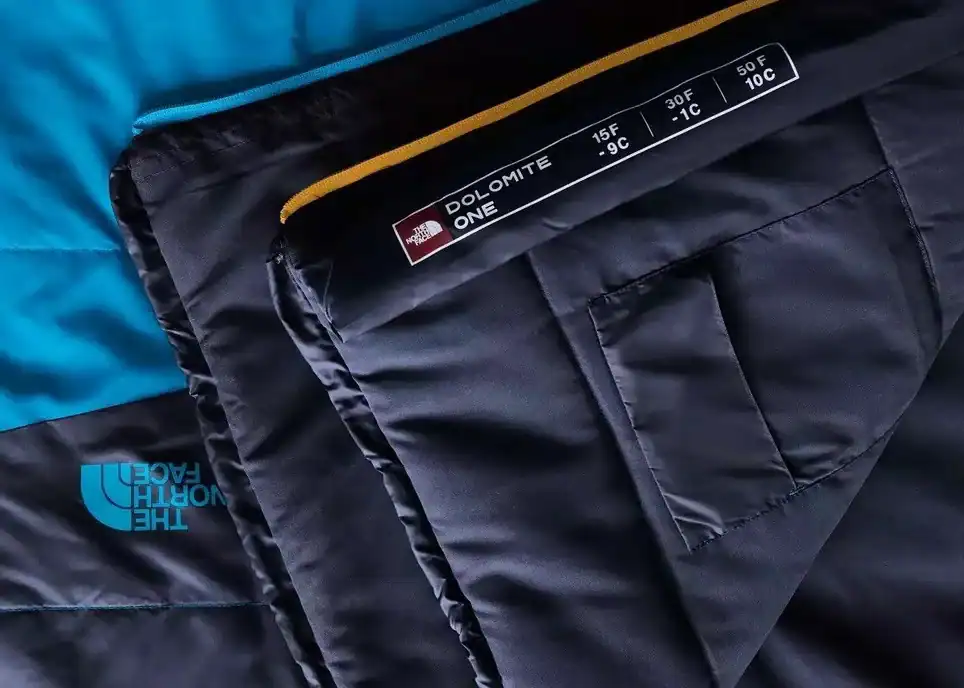
Versteckte Schweißfehler, die Ihre Luftmatratzen-SKUs ruinieren
70% der Feldausfälle von Luftmatratzen lassen sich auf interne Balkenschweißnähte zurückführen, nicht auf Oberflächenstiche.
Warum Oberflächenstiche eine Ablenkung beim Sourcing sind
Verbraucher-Flickanleitungen stellen jedes Luftmatratzen-Leck als Einstich dar. Diese Darstellung ist eine Ablenkung beim Sourcing. Daten aus Feldretouren erzählen eine andere Geschichte: 70% der Ausfälle stammen von internen Balken-zu-Deckblatt-Schweißnähten. Ein Category Manager, der nur die Einstichfestigkeit prüft, inspiziert die falsche Schicht. Das Leck, das Ihren Kunden erreicht, wurde in der Fabrik konstruiert, nicht durch einen Stein auf dem Campingplatz verursacht.
Anatomie einer internen Balken-zu-Deckblatt-Schweißnaht
Die I-Träger- oder Spulenstruktur einer Luftmatratze wird unter Hitze und Druck mit dem beflockten Deckblatt verbunden. Diese versteckte Verbindungsstelle bewältigt jeden Aufblaszyklus und jede Lastverlagerung. Eine Fehlausrichtung von 0,2 mm bei der Platzierung des Trägers kann eine frühe Delaminierung auslösen, die für die visuelle Qualitätskontrolle unsichtbar ist. Dies ist das Versagen der internen Balken-zu-Deckblatt-Schweißnaht, das die meisten Käufer nie sehen, weil es zwischen den Schichten liegt.
Die Fabrikhalle zählt mehr als das Musterstück. Kelylands wichtigster Luftmatratzen-Partner in Xiangyang produziert 2.500.000 Einheiten pro Jahr auf ISO-9001-zertifizierten Hochfrequenzschweißlinien. In dieser Größenordnung kann das Werk die Ergebnisse von Balkenverbindungstests dokumentieren, weil es den Schweißprozess direkt steuert. Ein Handelsunternehmen kann diesen Nachweis nicht erbringen, da es niemals die Maschineneinstellungen berührt.
Der Berstdrucktest, den Ihre Fabrik durchführen sollte
Ein Berstdrucktest an Balkennähten deckt den Defekt auf, bevor Sie einen Container buchen. Blasen Sie zufällig ausgewählte Produktionseinheiten auf 2,0 psi auf und halten Sie den Druck 24 Stunden. Wenn an einer Schweißverbindung Mikrobläschen auftreten, ist die Naht fehlerhaft. Dieses Ergebnis sagt Feldrückgaben Wochen vor dem Versand voraus.
Der Containertransport fügt eine weitere Risikoebene hinzu. Temperaturschwankungen von Tag zu Nacht von 30°C auf 5°C verstärken Mikrolecks in schlecht geschweißten Nähten um 30%. Ein statischer Inflationstest bei Raumtemperatur übersieht dies. Nur eine Chargenprüfung unter simulierter Temperaturvariation kann dies erkennen, bevor Ihre SKU in die Regale kommt.
-
- Druckschwelle: Verlangen Sie 2,0 psi über 24 Stunden ohne Mikrobläschenbildung an den Balken-Folien-Verbindungen.
- Zugfestigkeits-Basislinie: Eine Nahtzugfestigkeit unter 10 N/mm² deutet auf schwaches Schweißen hin; schlechte Produktionslinien liegen bei etwa 6 N/mm².
- Materialtoleranz: Die optimale PVC-Dicke für langlebige Nähte beträgt 0,40–0,45 mm mit einer Toleranz von ±0,05 mm. Verlangen Sie eine vollständige Dickenkartierung der Folie, nicht nur eine Nennspezifikation.
- Kalibrierungsprotokoll: Eine Abweichung von 2°C bei der HF-Schweißtemperatur kann die Haltbarkeit der Naht um 15% verringern. Fragen Sie nach dem chargespezifischen Temperaturprotokoll.
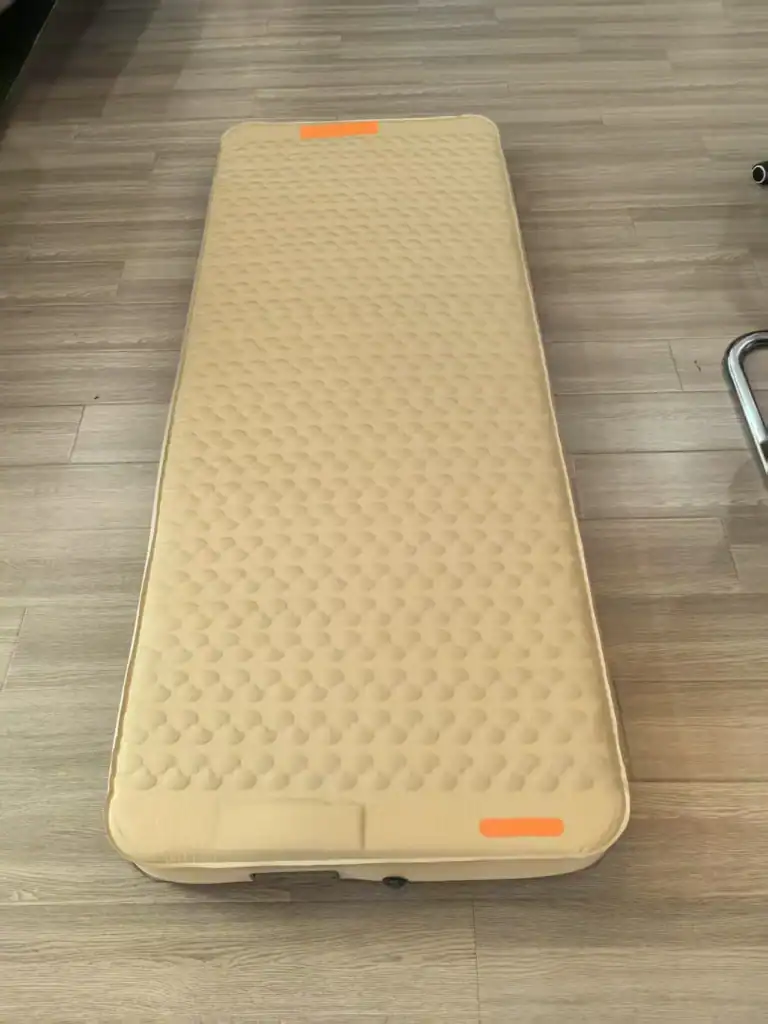
Die tatsächlichen Kosten von Schweißnaht-Lecks in einem Private-Label-Programm
Ein Schweißleck ist kein Produktfehler.
Eine leckende Matratze trifft die Gewinn- und Verlustrechnung doppelt: einmal, wenn der Kunde sie zurückgibt, und erneut, wenn der Händler die SKU auslistet. Jede Rückgabe kostet allein $5–$8 für Reverse Logistics, plus $2 pro Einheit an Rückbelastungen und geschädigtem Markenwert. Bei der für nicht zertifizierte Fabriken typischen Rückgabequote von 12% kann diese versteckte Steuer die gesamte Bruttomarge einer Bestellung über 10.000 Einheiten aufzehren.
Garantieansprüche: Die versteckte Steuer von $8/Stück
-
- Retourenlogistik: $5–$8 pro zurückgesendeter Matratze für Fracht, Prüfung und Wiedereinlagerung – bevor irgendeine Kundenerstattung erfolgt.
- Markenschaden: $2 pro Einheit durch Rückbelastungen, negative Bewertungen und verlorene Folgekäufe.
- Regalflächenrisiko: Einzelhändler listen SKUs aus, die eine Retourenquote von 3% überschreiten, in der Regel innerhalb von zwei Quartalen.
ISO-konforme Werke arbeiten näher an 2% Retouren aufgrund von Nahtfehlern. Dieser Unterschied zwischen 12% und 2% ist kein Qualitätsproblem. Es ist ein Lieferantenauswahlproblem. Entweder kontrolliert das Werk seine Hochfrequenzschweißparameter oder nicht, und die Retourendaten zeigen dies innerhalb einer Saison auf.
Saisonalität verstärkt den Schaden
Eine fehlerhafte Charge, die im Winter entdeckt wird, ist schmerzhaft. Derselbe Fehler, der im Juni entdeckt wird, ist eine Katastrophe. Hochsaison-Retouren treffen in Ihrem Verkaufsfenster mit der höchsten Geschwindigkeit ein, wenn die Ersatzproduktion 30–45 Tage dauert und sich der Schaden am Verkaufsrang täglich verstärkt. Eine Welle von Bewertungen während eines Prime-Day-Events kann eine SKU für den Rest des Jahres vergraben.
Containerschifffahrt wirkt als weiterer Verstärker. Temperaturschwankungen von 30°C am Tag auf 5°C in der Nacht belasten marginale Träger-Blech-Schweißnähte und verwandeln Mikroablösungen in langsame Lecks. Eine Matratze, die im Werk die Prüfung bestanden hat, kann in Ihrem Lager beim 2.0-psi-24-Stunden-Bersttest durchfallen. Das ist ein stiller Ausfalltreiber, den keine Fotos oder Hochglanzprospekte erfassen.
Wie ein einziges Werksaudit 20% des Beschaffungsbudgets des nächsten Jahres einspart
Ein Schweißaudit vor Produktionsbeginn kostet ein paar hundert Dollar für Muster und Prüfzeit. Der Ausfall, den es verhindert, kostet $5–$8 pro Retoure, multipliziert mit den Hunderten von Einheiten, die ausgefallen wären. Diese Lücke bewegt regelmäßig ein Beschaffungsbudget um 20%. Das Audit ist die günstigste Versicherung, die ein Kategoriemanager kaufen kann.
Kelylands Kern-Luftmatratzenfabrik in Xiangyang produziert 2.5 Millionen Einheiten pro Jahr auf ISO-9001-zertifizierten Hochfrequenzschweißlinien. Ein Käufer, der das chargenspezifische Berstdruckprotokoll anfordert, erhält dokumentierte Trägerverbindungsprüfergebnisse von kalibrierter HF-Schweißausrüstung. Die meisten Handelsunternehmen können diese Datei nicht vorlegen. Genau diese fehlende Dokumentation ist der Punkt, an dem die 20% verloren gehen.
| Kostentreiber | KPI / Kennzahl | Finanzielle Auswirkungen | Geschäftliche Konsequenz |
|---|---|---|---|
| Retoure / Retourenlogistik | $5–$8 pro Einheit + $2 Markenschaden | Bis zu $10 pro retournierter Einheit | Margenerosion zerstört die Rentabilität von Eigenmarken |
| Garantie-Reklamationsquote | 15% Anstieg der Rücksendungen im 2. Quartal | Rückbuchungen + Wiedereinlagerungsgebühren | SKU-Durchverkaufsquote fällt unter das Lieferanten-Scorecard-Ziel |
| Regalfläche / Delisting-Risiko | Rücklaufquote über 3%-Schwelle | Umsatzverlust durch eingestellte SKU | Auslistung innerhalb von zwei Quartalen; Wettbewerber erhält Platzierung |
| Qualitätslücke im Werk | 12% Fehlerquote ohne Zertifizierung vs. 2% ISO-konform | Rücklaufquoten-Differenz von 10 Prozentpunkten | Nicht zertifizierte Lieferanten setzen die Marke wiederkehrenden Garantieansprüchen aus |
| Schweißnaht-Audit vor Produktionsbeginn | 500-Dollar-Auditkosten | Vermeidet 20.000 US-Dollar an Rücksendungen | Spart ~20 % des Beschaffungsbudgets des nächsten Jahres; sichert Zustimmung |
PVC-Schweißnormen vs. reale Haltbarkeit
Eine Temperaturabweichung von 2 °C bei der Schweißtemperatur reduziert die Nahtfestigkeit um 15 % – die meisten Qualitätskontrollpläne prüfen das nie.
Eine nominale PVC-Folie von 0,40 mm ist keine einzelne Zahl. Mit einer Qualitätstoleranz von ±0,05 mm kann das Material an der Schweißzone bei 0,35 mm ankommen. Dort beginnen Nadelstichlöcher. Hochfrequenzschweißen erhitzt das PVC von innen nach außen; wenn die Folie an der Verbindung zwischen Balken und Deckfolie dünn ist, entsteht die Verbindung mit weniger Material und versagt unter Druck.
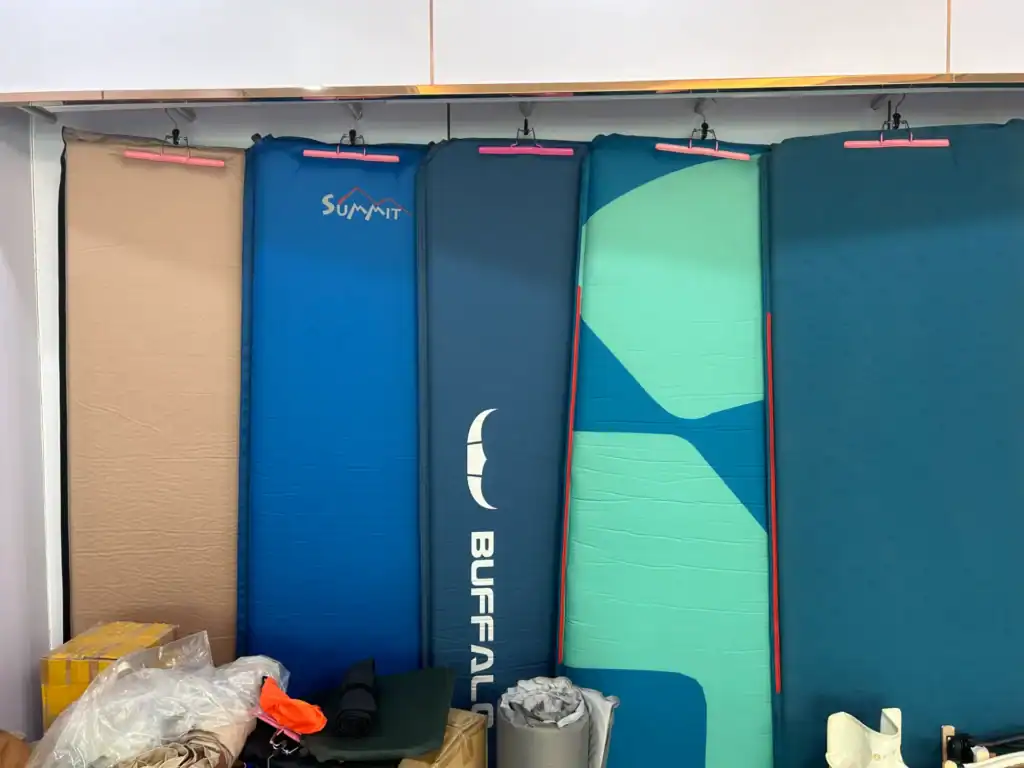
Kalibrierung des Hochfrequenzschweißens: Der 0,1-mm-Unterschied
HF-Schweißen hängt von drei Variablen ab: Temperatur, Druck und Verweilzeit. Eine Abweichung von 2 °C bei der Schweißtemperatur reduziert die Haltbarkeit der Naht um 15 %. Der Unterschied zwischen einer haltbaren Naht und einer Garantierücksendung ist oft eine Ausrichtungsverschiebung von 0,1 mm an der Elektrode. Der Balkensteg muss exakt auf der Schweißlinie der Deckfolie aufliegen. Bei einer Abweichung von einem Zehntelmillimeter sieht die Schweißnaht gut aus, delaminiert aber nach einigen Aufblaszyklen.
Hier wird Werksaudits sind wichtig. Kelyland Outdoors betreibt seine Luftmatratzenproduktion über eine nach ISO 9001 zertifizierte Hochfrequenzschweißlinie in Xiangyang mit einer Jahresproduktion von 2.500.000 Einheiten. In ihren Qualitätskontrollprotokollen werden Schweißtemperatur und Verweilzeit für jede Charge erfasst. Fordern Sie diese Protokolle von jedem Lieferanten an, bevor Sie Muster genehmigen. Wenn sie zögern, behandeln Sie das als Warnsignal.
Materialdickentoleranzen über “0,40 mm” hinaus”
Für haltbare Luftmatratzennähte beträgt die optimale PVC-Dicke 0,40–0,45 mm mit einer Toleranz von ±0,05 mm. Das entspricht einem Minimum von 0,35 mm an der dünnsten Stelle. Ein Lieferant, der exakt “0,40 mm” angibt, ohne eine Dickenkartierung vorzunehmen, managt kein Risiko; er hofft, dass Sie nicht prüfen. Fordern Sie eine Messschieber-Überprüfung über die gesamte Folie, nicht nur an der Kante. Ein Abfall von 0,05 mm an einer Schweißlinie reicht aus, um Mikrolecks zu erzeugen, die erst nach wochenlanger Nutzung auftreten.
Vergleich von Werksprüfberichten: Was anzufordern ist
Prüfberichte sind nur nützlich, wenn sie die richtige Versagensart testen. Eine Kratzprüfung der Beflockung oder eine visuelle Nahtprüfung erkennt eine schwache interne Schweißung zwischen Balken und Deckfolie nicht. Verlangen Sie Folgendes, bevor Sie eine Serienproduktion genehmigen. Wenn Sie FOB-Preise vergleichen, nehmen Sie die Schweißvalidierung als Position in die Aufstellung auf; das günstigste Angebot lässt sie oft aus.
-
- Zugfestigkeit der Naht: Fordern Sie ein Minimum von 10 N/mm². Schlechtes Schweißen ergibt etwa 6 N/mm² und versagt unter normalen Aufblaszyklen.
- Berstdruckprüfung: Auf 2,0 psi aufblasen und 24 Stunden halten, ohne dass sich Mikrobläschen an der Verbindung zwischen Träger und oberer Platte bilden.
- Nachweis der Trägerhaftung: Fordern Sie Fotos oder unterschriebene Aufzeichnungen der HF-Schweißkalibrierung für die jeweilige Charge an. Die meisten Handelsunternehmen können diese nicht liefern.

Wie Sie lecksichere Luftmatratzen beschaffen, ohne eine Fabrik zu besuchen
Die Berstdruckprüfung, die Sie überspringen, ist das Leck, das Ihr Kunde findet.
Sie können die Schweißqualität einer Fabrik aus 8.000 km Entfernung beurteilen – wenn Sie die richtigen Dokumente anfordern. Die meisten Feldausfälle beginnen an den inneren Schweißnähten zwischen Träger und oberer Platte, den Verbindungen, die die Stützträger mit den oberen und unteren Platten verbinden. Diese Schweißnähte verbergen sich im Inneren des fertigen Produkts. Eine Oberflächenprüfung kann sie nicht beurteilen, und eine glatte Flockoberfläche verrät Ihnen nichts über die Verbindung darunter.
Das eine Protokoll, das jeder OEM-Käufer verlangen muss
Verlangen Sie ein Schweißintegritätszertifikat, das mit Ihrer Charge verbunden ist, nicht nur eine allgemeine Broschürenseite. Es muss eine Berstdruckprüfung enthalten: auf mindestens 2,0 psi aufblasen und 24 Stunden halten, ohne Bildung von Mikrobläschen. Eine Fabrik mit kalibrierten Hochfrequenz-Schweißanlagen kann dieses Dokument auf Anfrage erstellen. Ein Zwischenhändler ohne Fabrikzugang kann das nicht, und dieses Schweigen ist Ihre Antwort.
Kelylands Hauptwerk für Luftmatratzen in Xiangyang betreibt ISO-9001-zertifizierte Hochfrequenz-Schweißanlagen und produziert 2.500.000 Einheiten pro Jahr. Bei diesem Volumen werden die Ergebnisse der Trägerhaftung protokolliert, da die Linienkalibrierung eine tägliche Anforderung ist. Wenn Ihr Lieferant keine chargespezifischen Testdaten vorlegen kann, kaufen Sie nicht direkt ab Werk – Sie kaufen von jemandem, der hofft, dass die Fabrik es richtig gemacht hat.
Interpretation der Qualitätskontrollunterlagen einer Fabrik
Ein ISO-9001-Inspektionsbericht bedeutet nichts, wenn Sie nicht die richtigen Felder lesen. Prüfen Sie zuerst die AQL-Werte. Kritische Schweißfehler müssen bei AQL 0,01 liegen – Nulltoleranz. Finden Sie dann die Fehlerklassifizierung. Nahtdelamination, Mikrobläschen und Trägerablösung gehören in die kritische Kategorie. Wenn die Fabrik sie als geringfügige Fehler auflistet, ist der Bericht dazu gedacht, die Fabrik zu schützen, nicht Ihre Marge.
Achten Sie auf den Wert der Nahtzugfestigkeit. Langlebige Luftbetten übertreffen 10 N/mm². Schlechte Schweißnähte fallen auf etwa 6 N/mm² ab. Diese Lücke entscheidet, ob eine SKU die Saison übersteht oder vor Ende des zweiten Quartals zurückkommt. Der Bericht sollte auch fotografische Nachweise des Trägerhaftungstests enthalten. Eine Unterschrift ohne Fotos ist Papierkram, kein Beweis.
Mustertests, die das Verhalten im Feldeinsatz vorhersagen
Entnehmen Sie fünf Zufallsproben aus der Charge, nicht das vorab genehmigte Goldmuster. Blasen Sie jede auf den Nenndruck (psi) auf und dokumentieren Sie den Druck sieben Tage lang täglich bei wechselnden Temperaturen. Bei jedem Abfall über 10% disqualifizieren Sie die Fabrik. Dies erfasst Mikrotrennungen in Balkenschweißnähten, die keine Sichtprüfung jemals finden wird.
Wiederholen Sie dann den Zyklus mit Temperaturschwankungen. Containerversand wechselt von 30°C Tagestemperatur zu 5°C Nachtkälte, und diese Schwankung verstärkt Mikrolecks in schlecht geschweißten Nähten um 30%. Die Matratze, die in einem stabilen Ausstellungsraum Luft hält, kann in der ersten Nacht eines Kunden versagen. Simulieren Sie die Versandbedingungen in Ihrem Stichprobentest, bevor Sie sich für einen Container entscheiden.
-
- Berstdruckprotokoll: Mindestens 2,0 psi über 24 Stunden gehalten, ohne jegliche Mikroblasenbildung.
- Zugfestigkeitsbericht: Die Nahtfestigkeit muss 10 N/mm² überschreiten; alles nahe 6 N/mm² ist ein Ausschuss.
- AQL-Klassifizierung: Schweißfehler werden als kritisch bei AQL 0,01 erfasst, nicht als geringfügige Mängel.
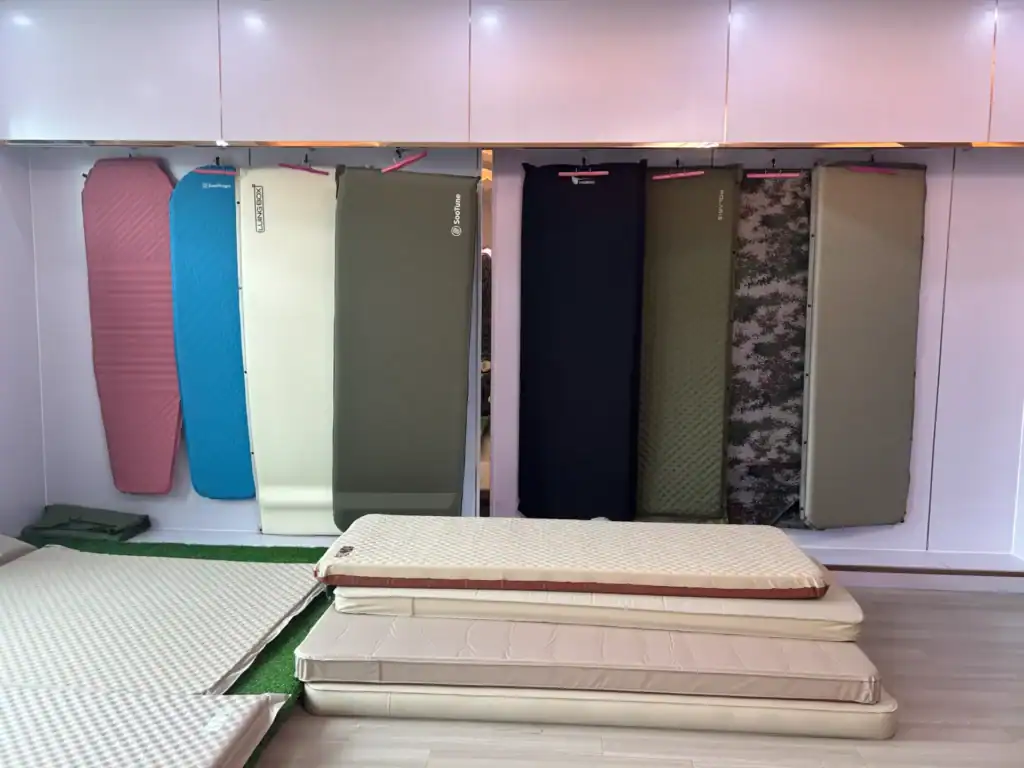
Schlussfolgerung
Die meisten undichten Matratzen hätten die Fabrik nie verlassen dürfen. Innenschweißnähte zwischen Träger und Deckbahn verursachen 70% der Feldausfälle, und kein Reparaturset für Verbraucher kann eine Verbindung reparieren, die nie richtig verschweißt wurde. Bei Retourenlogistik von $5–$8 pro Rücksendung liegt die eigentliche Lösung nicht in der Reparatur, sondern in der Kaufentscheidung.
-
- Führt Ihr Lieferant einen Berstdrucktest durch, der 24 Stunden lang 2,0 psi auf die inneren Trägerschweißnähte hält?
- Zeigt der Nahtzugfestigkeitsbericht der Fabrik für jede Produktionscharge 10 N/mm² oder mehr?
- Schreibt der Lieferant AQL 0,01 für kritische Schweißfehler in den Kaufvertrag?
- Erfasst der Lieferant die PVC-Folienstärke über die gesamte Bahn, anstatt nur einen Nennwert von 0,40 mm anzugeben?
Nehmen Sie diese Fragen in Ihre Lieferantenbewertung auf, bevor Sie die nächste Musterfreigabe erteilen. Eine Fabrik, die bei der Schweißdokumentation zögert, sagt Ihnen etwas, das die Endkontrolle niemals zeigen wird. Wenn Sie einen Referenzpunkt benötigen: Die Luftmatratzenfabrik von Kelyland Outdoors in Xiangyang – ein ISO 9001-zertifiziertes Werk mit einer Jahresproduktion von 2,5 Millionen Einheiten – liefert dokumentierte Trägerverbund-Testergebnisse als Standard-Qualitätsnachweis.
Häufig gestellte Fragen
Welcher Test beweist, dass eine Naht einer Luftmatratze raue Nutzung übersteht?
Ein Berstdrucktest an den inneren Schweißnähten zwischen Träger und Deckblech ist der Beweis, nicht eine visuelle Oberflächenprüfung. Dieser Test simuliert die Belastung, die Feldausfälle verursacht, und erkennt schwache Schweißnähte vor der Produktion. Fordern Sie die Berstdruck-Testdaten an, bevor Sie die Serienproduktion freigeben.
Wie kann ich eine ordentliche Hochfrequenzschweißnaht von einer billigen Klebeverbindung unterscheiden?
Eine Hochfrequenzschweißnaht sieht gleichmäßig aus, weist keine getrockneten Klebelinien auf, und die Klebefläche widersteht dem Ablösen, ohne klebrige Rückstände zu hinterlassen. Billige Klebeverbindungen zeigen oft ungleichmäßige Klebelinien, Klebrigkeit oder lösen sich. Untersuchen Sie einen angeschnittenen Querschnitt der Naht an Ihrem Vorserienmuster.
Warum werden einige PVC-Luftmatratzen erst nach einigen Wochen Nutzung undicht?
Das Leck entsteht, wenn eine innere Schweißnaht allmählich unter wiederholtem Fülldruck versagt, nicht durch eine einmalige Punktion. Diese Art von verzögerter Leckage deutet auf eine schwache Schweißnahtdurchdringung oder Inkonsistenz hin. Testen Sie Proben nach wiederholten Befüllungszyklen, nicht nur bei der ersten Befüllung.
Kann ein Lieferant bei einer Bestellung von 10.000 Einheiten null Leckagen garantieren?
Kein verantwortungsbewusster Lieferant kann bei einer Serie von 10.000 Einheiten Null-Leckagen garantieren, aber ein starker Lieferant wird dokumentierte Schweißprüfungen und einen definierten annehmbaren Qualitätsgrenzwert vorweisen. Ihr Schutz ist: Legen Sie einen klaren AQL für Schweißlecks fest und setzen Sie ihn mit Prüfungen durch Dritte durch.
Welche Dokumentation sollte ich anfordern, bevor ich ein Serienmuster freigebe?
Fordern Sie den Berstdrucktestbericht, die Temperaturprotokolle der Schweißstationen, die Materialspezifikationsblätter und die QC-Checkliste für das freigegebene Muster an. Diese Dokumentation bestätigt, dass die Produktionslinie das Muster reproduzieren kann. Geben Sie das Muster erst frei, wenn diese Unterlagen vorliegen.

 English
  Español
  Deutsch
  Français
  Português do Brasil
  Русский
  العربية
  한국어
한국어  日本語
日本語