 Zum Inhalt springen
5 Fehler bei der Beschaffung von Outdoor-Ausrüstung & wie man sie vermeidet – das ist der erste Prüfpunkt, den Käufer festlegen sollten, bevor sie einen Lieferanten, ein Budget oder einen Produktionsslot genehmigen. Die meisten Fehler bei der Beschaffung von Outdoor-Ausrüstung kündigen sich nicht in der Musterphase an. Sie kommen im Container – wie die 1.200 Campingstühle in einem Lagerhaus in Los Angeles, sechs Wochen nach der Mustergenehmigung. Das Vorserienmuster sah einwandfrei aus: saubere Nähte, solide Schweißnähte, die richtige Stofffarbe. Die Serienproduktion wurde mit versetzten Logos, einer anderen Pulverbeschichtung und Gestellen geliefert, die unter 100 kg Last nachgeben. Diese Bestellung über 50.000 $ wurde zu einem Qualitätsanspruch, und die Hauptsaison ist vorbei.
Fabrikcluster in Zhejiang, Hubei und Guangdong zeigen immer wieder dieselbe Grundursache: Der Käufer hat ein Ergebnis spezifiziert, keinen Prozess. Die Mustergenehmigung sicherte ein Aussehen – nicht die 0,4 mm PVC-Wandstärke im Inneren der Luftmatratze, nicht die 600D-Oxford-Stoffqualität, nicht das Nahtversiegelungsband am Zelt. Wenn eine Fabrik die Materialquellen wechselt, um die Marge zu schützen, driftet die Qualitätstoleranz. Niemand bemerkt es, bis der Container ankommt. FOB-Preise, die im Angebot scharf aussehen, verbergen oft diese Substitutionen.
Für eine E-Commerce-Marke, die auf eine Saison zusteuert, bedeutet diese Lücke tote Lagerbestände, umstrittene Rechnungen und Angebote, die Ein-Stern-Bewertungen zu Nähten und Stabilität sammeln. Das Vermeiden läuft auf fünf Entscheidungen hinaus, die vor der Anzahlungsüberweisung getroffen werden. Der Maßstab, den es zu halten gilt: MOQ-Untergrenzen von 50–100 Stück bei ausgewählten Artikeln, ein Produktionsfenster von 30–45 Tagen und eine Vorversand-Inspektion vor der Freigabe.

Warum die meisten Beschaffungen von Outdoor-Ausrüstung scheitern
Ein Lieferant, der seine Fabrikliste nicht veröffentlicht, ist ein Handelsunternehmen, kein Hersteller.
Die meisten Fehlschläge bei der Beschaffung von Outdoor-Ausrüstung lassen sich auf eine Grundursache zurückführen: Informationsasymmetrie. Ein ausländischer Käufer sieht eine saubere Website, einen reaktionsschnellen Verkäufer und Fotos einer großen Fabrikhalle. Die Realität hinter diesen Fotos ist oft ein Schreibtisch, der sich Hersteller nennt und alles um 15–30 % aufschlägt.
Dieser Aufschlag ist nicht das Schlimmste. Das Schlimmste ist, was zwischen dem Handelsschreibtisch und der eigentlichen Produktionslinie verloren geht. Falsche Materialauswahl, übersehene Individualisierungsdetails und Lieferverzögerungen passieren, wenn niemand auf Käuferseite die tatsächliche Ausrüstung, das Personal und den Inspektionsprozess der Fabrik verifizieren kann.
Die Fehlerkette in der Praxis
Eine Bestellung über 50.000 $ kann in der Mustergenehmigungsphase ins Stocken geraten. Das Vorserienmuster besteht, dann wechselt die Serienproduktion zu einem billigeren Stoff oder einer dünneren Stärke. Der Käufer entdeckt den Unterschied erst, wenn der Container ankommt. Dieser Moment verwandelt Lagerbestände in tote Ware und löst Rückbuchungen aus.
- Materialauswahl: Eine 0,4 mm dicke PVC-Luftmatratzenwand hält für den gelegentlichen Gebrauch; eine 0,6 mm dicke Wand eignet sich für raueren Umgang. Käufer, die keine Wandstärke angeben, erhalten, was die Fabrik auf Lager hat.
- Individualisierungsdetails: Ein falscher Druckplatz, eine falsche Etikettenspezifikation oder eine falsche Reißverschlussfarbe wird zu einem ganzen Container voller Produkt Produkte, die dein Vertriebskanal nicht verkaufen kann.
- Lieferverzögerungen: Handelsunternehmen fügen jedem Zeitplan eine Pufferschicht hinzu. Die Produktion verzögert sich, dann rutscht der Seefrachttermin, und schon ist die Saison vorbei.
Die Lösung ist nicht klügeres Verhandeln. Die Lösung ist die Überprüfung der Fabrik, bevor Sie einen Dollar ausgeben. Das bedeutet, den rechtlichen Fabriknamen, Zertifizierungen, Jahresproduktion und Kundenreferenzen anzufragen. Ein Beschaffungspartner mit 17 zentralen strategischen Fabriken kann die Fabrik benennen, die Zertifizierung vorweisen und den Produktionszeitplan schriftlich festhalten.
Eine zentrale Zeltfabrik in diesem Netzwerk produziert 800.000 Einheiten pro Jahr nach ISO 9001:2015. Eine Luftmatratzenfabrik im selben Netzwerk produziert 2,5 Millionen Einheiten jährlich. Solche veröffentlichten Kapazitäten sind das Gegenmittel gegen das Problem der Scheinfabriken.
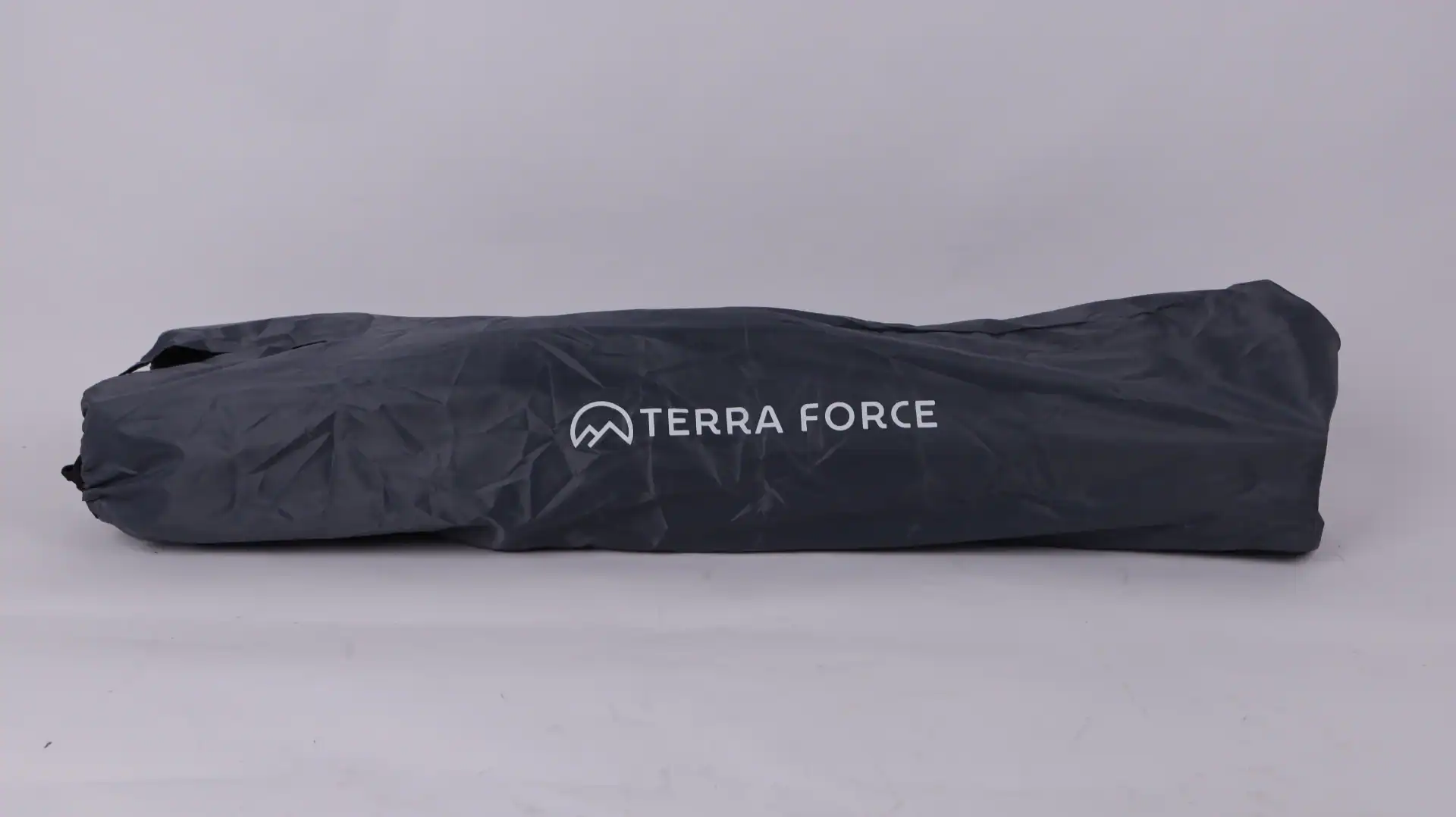
MOQ-Fallen und versteckte Kostenaufschlüsselung
Die angegebene Mindestbestellmenge (MOQ) ist nur die Eröffnungszeile.
Die meisten Käufer jagen der niedrigsten Mindestbestellmenge hinterher, als wäre sie der Endpreis. Das ist sie nicht. Eine Bestellung über 100 Stück kann immer noch Werkzeugkosten für kundenspezifische Formteile, Mindestmengen für Verpackungen, die getrennt vom Produkt gelten, und Musterggebühren umfassen, die erst nach einer Großbestellung entfallen. Die Mindestbestellmenge im Angebot ist die Eröffnungszahl, nicht die Gesamtverpflichtung.
Die tatsächliche Kostenaufschlüsselung hat fünf Ebenen: Muster, Werkzeug, Stückpreis, Fracht und Zoll. Jede Ebene birgt ihre eigene Falle. Die Musterggebühren liegen bei 30–150 $ – vernünftig, aber bestätigen Sie bei der Musterfreigabe, ob diese Gebühr in die Großbestellung einfließt. Kundenspezifische Formen und Werkzeuge amortisieren sich über die Auflage; bei geringen Mengen kann die Amortisierung der Werkzeuge die Marge der Fabrik übersteigen. Bedruckte Verpackungen haben ebenfalls eine eigene Mindestmenge, sodass eine Auflage von 200 Stück 500 Kartons erfordern kann.
Die 5.000-Stück-Falle
Eine Mindestbestellmenge von 5.000 Stück funktioniert nur, wenn der Abverkauf nachgewiesen ist. Wenn Sie sich früh festlegen, zahlen Sie für Lagerung, binden Betriebskapital und verlieren die Fähigkeit, Konstruktionsfehler zu beheben, nachdem die ersten Kundenbewertungen eintreffen. Ein etwas höherer Stückpreis bei einer niedrigeren Mindestbestellmenge ist in der Regel der günstigere Weg. Der Schutz der Marge beginnt mit Kapitalflexibilität, nicht mit dem niedrigsten Stückpreis.
Wo Kelylands Zahlen stehen
Kelylands Netzwerk aus 17 zentralen strategischen Fabriken und über 200 Fertigungspartnern hält die Mindestbestellmengen realistisch. Ausgewählte Artikel beginnen bei 50–100 Stück; Standardmodelle liegen zwischen 300 und 1.000 Stück. Die Produktion dauert 30–45 Tage, mit Zahlung von 30% Anzahlung und 70% vor Versand für Bestellungen über US$3.000. Die Luftmatratzen-Linie stammt aus einer Fabrik, die jährlich 2,5 Millionen Einheiten produziert und über CE-, ETL- und ISO-9001-Zertifizierungen verfügt – kleine Chargen laufen weiterhin auf Industriemaschinen, nicht auf Hobby-Werkzeugen.
- Mustergebühr: 30–150 $; Erstattungsfähigkeit bei der Großbestellung schriftlich bestätigen.
- Werkzeuge und Formen: Einmalige Kosten für kundenspezifische Formen amortisieren sich über die Produktionslaufzeit – bei geringen Stückzahlen können sie die Stückmarge übersteigen.
- der FOB-Preis: FOB schließt Seefracht, Zollabfertigung und Inlandstransport aus. Fragen Sie nach der vollständigen Landekostenprognose.
- Zahlungsbedingungen: Neue Bestellungen über US$3.000: 30% Anzahlung, 70% vor Versand. Wiederholungskunden können verhandeln.
| Kostenkomponente | Typische Erwartung | Kelyland Benchmark | Versteckte Falle, die es zu vermeiden gilt |
|---|---|---|---|
| Mustergebühr | 30–150 $ pro kostenpflichtigem Muster | Bezahlte Muster; Gebühr wird nach Bestätigung der Großbestellung erstattet | “Angebote mit ”kostenlosen Mustern“ verstecken oft überhöhte Versandkosten oder erzwingen eine große Probebestellung |
| MOQ | 300–1.000 Stück Branchenstandard | 50–100 Stück bei ausgewählten Artikeln; Standardmodelle 300–1.000 | Ultra-niedrige Mindestbestellmengen entfallen, sobald Sonderfarben, Formen oder Verpackungen hinzugefügt werden |
| Produktionsvorlaufzeit | 40–60 Tage von der Bestellung bis zum Versand | 30–45 Tage für standardmäßige Sonderanfertigungen | Verspätete Bestellungen erzwingen Luftfracht, was 15–30% der Bruttomarge vernichten kann |
| Zahlungsbedingungen | 30% deposit, 70% before shipment | Same terms for new orders above US$3,000; repeat clients can negotiate | Suppliers demanding 100% upfront or PayPal-only terms create chargeback risk |
| Tooling & Customization | Unquoted tooling and mold fees baked into unit price | Custom injection molding, fabric dyeing, and tooling costs quoted transparently | Low quoted unit price often hides mold, packaging, or labeling surcharges |
| Freight & Customs | 2–4 weeks ocean freight plus clearance | Export paperwork and customs guidance handled end-to-end | Vague Incoterms shift demurrage, duties, and customs delays onto the buyer |
| QC Inspections | Buyer pays for third-party inspection and still faces rejects | 10-step QC process with pre-shipment inspection reports on request | Skipped mid-production QC allows defects to compound across the full batch |
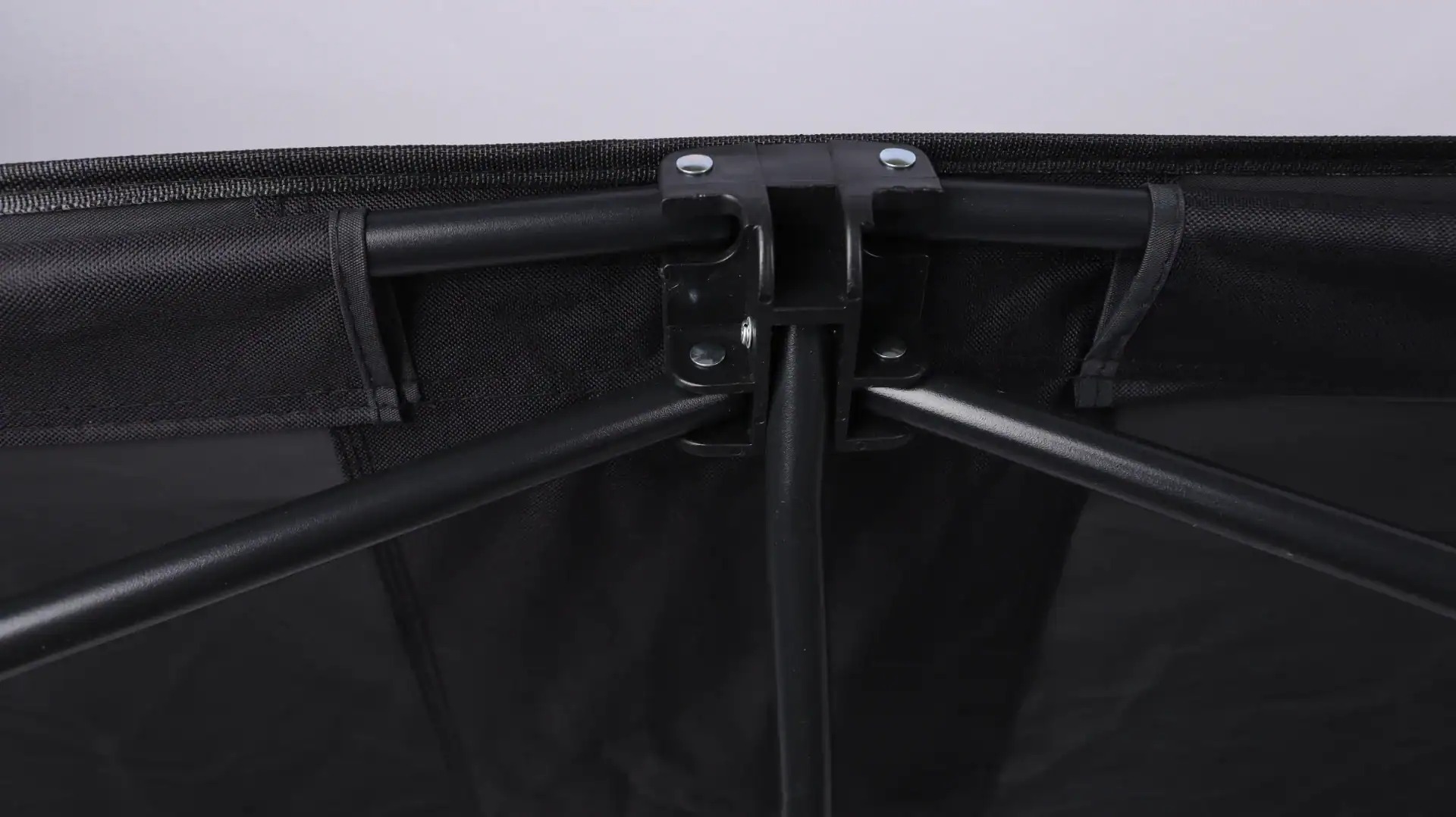
Direktfabrik vs. Handelsunternehmen – Risiken
A trading company quote can hide a 15-30% markup behind factory-direct language.
The core difference is not communication — it’s transparency. A trading company in Hangzhou can quote you a tent made in Ningbo, a camping chair made in Jinhua, and a sleeping bag made in Zhenjiang. You see one supplier, one contact, one invoice. Somewhere in that chain, 15-30% disappears as middleman margin, and you still don’t know which workshop actually stitched your product.
Trading companies do hold one real advantage: responsive communication. They answer within hours, manage the process, and smooth over language gaps. But that convenience comes straight out of your gross margin — the same margin you need to keep above 30% to sustain an Amazon listing. A direct factory relationship keeps that money inside your landed cost, which is exactly what matters when sourcing camping gear from China.
Verify the Factory, Not the Story
Real factories prove their status with three things: current certifications, verifiable production capacity, and client references. Kelyland im Freien works through 17 core strategic factories, most of them ISO 9001:2015 certified. The air mattress plant in Xiangyang produces 2.5 million units per year with CE and ETL marks; the tent factory in Ningbo runs 800,000 units annually. Those numbers survive a follow-up call.
- Zertifizierungen: Request current ISO 9001:2015, CE, or BSCI documents with the factory’s legal entity name, not the sales desk’s name. A certified facility can arrange a live audit; a trading company typically cannot.
- Production capacity: Ask for annual output per product line. Vague answers on capacity usually mean no factory behind the quote. Published figures — 2.5 million air mattresses, 800,000 tents — are only credible when tied to a named facility.
- Client references: Buyers from Ace Hardware and Lucid have publicly endorsed this supply network through multi-year partnerships. Ask any other supplier for the same depth of reference before you commit sample fees.
What Bypassing the Middleman Actually Buys
Sample approval happens on the actual production line, not in a showroom. Pre-shipment inspection covers your batch, not a lookalike. Payment terms run 30% deposit with 70% due before shipment for new orders above US$3,000 — standard, transparent, and negotiated with the production owner. That is the difference between paying for a supply chain and paying for a middleman’s overhead.

QC-Prüfpunkte für Zelte, Luftbetten, Möbel
Check incoming material, check the line mid-run, check finished units before loading.
Pre-production samples are built slowly. Mass production is not. At Kelyland’s tent factory, the line runs 800,000 units per year, and consistency depends on staged inspections, not sample luck.
The Three Inspection Gates
Material check happens before cutting, when wrong fabric can be swapped at the bolt. Mid-production inspection catches stitching and weld defects while corrections are cheap. Pre-shipment inspection is the last chance to reject before container loading.
- Material gate: Verify fabric weight, coating type, and wall thickness against the approved sample. Lock the Pantone reference before cutting.
- Mid-production gate: Check seams, welds, and pump installation from the live line, not the showroom sample.
- Pre-shipment gate: Run the product-specific checklist on finished units. Kelyland’s partner factories follow ISO 9001:2015 and supply inspection reports on request.
- Air mattress: Wall thickness must be 0.4-0.6mm PVC/TPU; measure with a caliper. Built-in pumps need CE/ETL certification. Beam structure — coil, I-beam, or drop-stitch — must match the approved sample.
- Camping cot: Load rating must be 120-250kg depending on frame design. Inspect welds for full fusion; powder coating hides pitting, so check joints visually and tap-test.
- Tent: No water penetration after a 1-hour seam-sealing test. Coating — PU, silicone, or black — must be uniform without pinholes. Pole thickness and material must match the approved spec; an unannounced switch from aluminum to fiberglass changes wind behavior.
Product-Specific Checkpoints

Beschaffungszeitplan: Die Realität der 30–45-Tage-Produktion
Order 10-12 weeks before your season.
Kelyland’s partner factories hold a standard production window of 30-45 days for custom orders. Ocean freight and customs clearance add another 2-4 weeks before inventory lands. That gives you a real 60-75 day door-to-door timeline. Place orders 10-12 weeks before your target season, not when the first pre-orders appear.
What happens inside the 45 days
The production window follows a 10-step sequence: demand collection, design, sample approval, mass production agreement, material sourcing, quality control, packaging design, pre-shipment inspection, global shipping, then post-sale support. Sample approval is where buyers lose the most time. Approve the color, fabric weight, logo placement, and packaging upfront so production can start without clarification loops.
- Musterfreigabe: Lock fabric weight, color, and logo placement before mass production. Revisions after tooling starts add cost and days.
- Material sourcing: Custom fabric dyeing and molded parts require lead time. Confirm material stock early, especially for standard 300-1,000 piece orders.
- Pre-shipment inspection: Final QC before the container ships. Skipping it means defects surface after customs, when replacement costs multiply.
The air freight trap
Rushed orders don’t make the factory faster. They move cargo to air freight. Air freight costs a multiple of ocean freight, and that premium can erase the gross margin you protected during negotiation. The 30-45 day production window exists for a reason: core partner factories run at scale, like the Xiangyang air mattress plant producing 2.5 million units a year. Forcing that schedule doesn’t cut cost — it shifts cost into logistics and rushed QC.
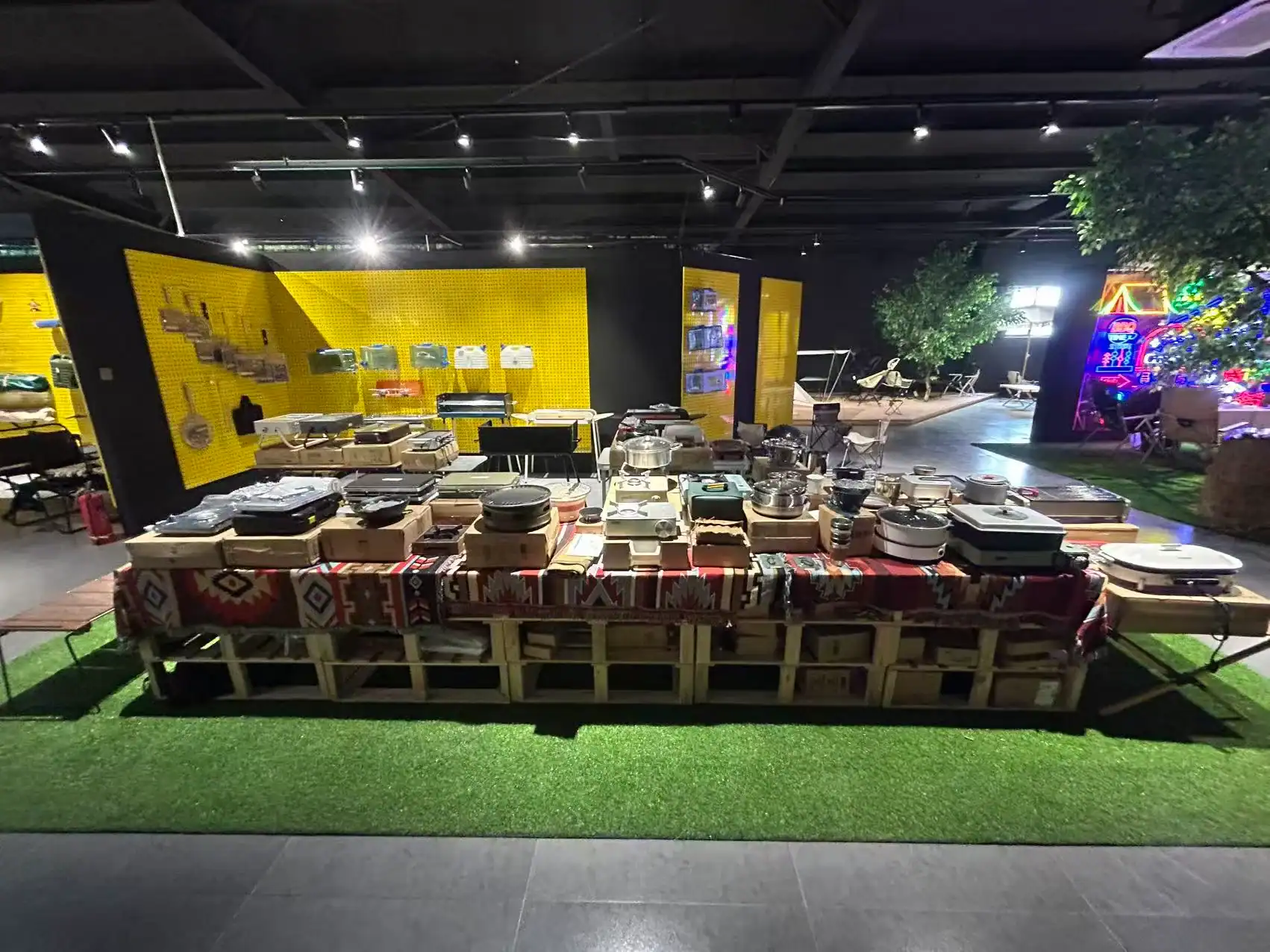
Wie man eine Campingausrüstungsfabrik prüft
Certifications Prove an Audit Happened — Not That Your Order Is Safe
Most buyers ask for certifications and a quote, then call it vetting. Certificates only confirm the factory passed an audit on a specific day. They don’t confirm the air mattress walls in your shipment will match the 0.4mm spec you paid for, or that the tent seams will hold after a season of use. That’s why the vetting process needs to go deeper than a PDF.
Ask for measurable production data. Kelyland’s core air mattress factory holds CE, ETL, and ISO 9001 certifications and produces 2.5 million units per year. A trading company hiding behind factory-direct language usually can’t point to a specific facility with published annual output. If a supplier hesitates to share those numbers, treat it as a red flag.
- ISO 9001: 2015 certification — the baseline for process control. Most of Kelyland’s 17 core strategic factories hold it.
- Product-specific certificates — CE/ETL for air mattress pumps, EN1860 for charcoal grills, LFGB for cookware.
- Annual production capacity — published output per factory, like 2.5M air mattresses or 800K tents per year, filters out middlemen.
Sample Approval and Pre-Shipment Inspection: The Two Gates Buyers Skip
The sample you approve is the reference standard for the entire batch. But a sample alone doesn’t guarantee the production run matches it. That requires two separate controls: a formal sample approval process and a pre-shipment inspection report. Without both, you’re trusting a salesperson’s promise.
For tents, inspect seam sealing and pole thickness. For air mattresses, verify the wall thickness sits within the 0.4-0.6mm PVC/TPU spec. For camping cots, check that the load rating matches the 120-250kg range you specified. The factory side should be able to provide mid-production and pre-shipment inspection reports for every product category.
Packaging design is part of QC, not an afterthought. A custom package that fails in transit destroys your margin and your brand. Confirm the factory can produce retail-ready packaging with accurate labels, washing instructions, and tags — and inspect a pre-production sample before mass production starts.
Payment Terms: 30/70 Is Standard. Asking for More Is a Warning Sign.
For new clients or orders above US$3,000, the industry standard is 30% deposit and 70% due before shipment. That’s exactly what Kelyland offers. Repeat clients can negotiate better terms. If a supplier demands 50% or 100% upfront from a new buyer, they’re either unprepared for your order size or managing cash flow problems.
Vet the factory’s payment flexibility gently. A supplier who won’t discuss terms shows little interest in a long-term relationship. One who locks in 30/70 while offering a clear roadmap to better terms is a partner worth testing with a small order.
Finally, design for your actual end-user, not the gear reviewer’s dream setup. The most common gear-buying mistake is purchasing for the skill level you aspire to, not the one you have. In sourcing, that translates to over-specifying materials — paying for 0.6mm PVC when 0.4mm is enough for your market. That extra spec eats your COGS and misses the retail price point. Match the build to your buyer, not to an award-winning review.
Schlussfolgerung
Skip factory vetting and the 30-45 day production window doesn’t protect you; it locks in the mistake. Approving a pre-production sample that never gets compared against the mass run means the container that lands on day 45 carries defects you already paid for. The $50K order fails because a checkpoint was missing, not because the factory wanted it to fail.
- One core air mattress plant produces 2.5M units per year under CE, ETL, and ISO 9001.
- MOQs start at 50-100 pieces on select items, but custom colors and molds push volumes toward the 300-1,000 piece range.
- Order 10-12 weeks before your season: 30-45 days production plus 2-4 weeks freight and customs.
- Air mattress walls run 0.4-0.6mm; cots rate 120-250kg; verify both at pre-shipment inspection before your deposit converts to cargo.
Start with the category that kills margins first: air mattresses. Compare the published specs — wall thickness, pump certifications, MOQ thresholds, lead time — against your target landed cost, then request a paid sample and run it through the same QC checklist before you approve tooling. Factories with published annual output and certification lists have nowhere to hide. Browse the air mattress product page to see how detailed a direct supplier’s spec sheet should be before sending your next RFQ.
Häufig gestellte Fragen
Was ist der häufigste Fehler beim Kauf von Ausrüstung?
Ausrüstung für das Fähigkeitsniveau kaufen, das man anstrebt, nicht für das, das man hat. Im B2B-Bereich entstehen dadurch übertechnisierte Produkte, die die Einstandskosten erhöhen, ohne den Abverkauf zu verbessern. Spezifizieren Sie für Ihren tatsächlichen Endnutzer, nicht für den Traumkunden.
Was sind häufige Fehler, die Menschen bei der Auswahl von Wanderausrüstung machen?
Taking too much gear, ignoring terrain, and not understanding waterproof or warmth ratings. In sourcing, those same gaps show up as wrong materials and missed spec checks. Match each item to the trail conditions and the user’s experience level.
Warum variieren die Mindestbestellmengen für Campingausrüstung so stark zwischen den Lieferanten?
Mindestbestellmengen hängen von Materialbestand, Werkzeugausstattung und Werkspezialisierung ab. Kelyland kann bei ausgewählten Artikeln 50-100 Stück liefern, während Standardmodelle 300-1.000 Stück umfassen. Fragen Sie, was die Mindestbestellmenge bestimmt, bevor Sie sie nach unten verhandeln.
Welche Zahlungsbedingungen sollte ein neuer Importeur von chinesischen Lieferanten erwarten?
Für Neukunden oder Bestellungen über US$3.000 gelten Standardkonditionen von 30% Anzahlung und 70% vor Versand. Die Konditionen können nach einer Wiederholungsbestellhistorie flexibler werden. Planen Sie das Budget für die Anzahlung ein und schützen Sie den Restbetrag durch Qualitätskontrollen.
Wie früh sollte ich saisonale Campingausrüstung aus China bestellen?
Bestellen Sie 10-12 Wochen vor Ihrer Saison: 30-45 Tage Produktion plus 2-4 Wochen Seefracht. Individualisierung benötigt zusätzliche Zeit, legen Sie daher die Spezifikationen vor der Produktion fest. Rechnen Sie rückwärts von Ihrem Verkaufsdatum und fügen Sie einen Puffer hinzu.

 English
  Español
  Deutsch
  Français
  Português do Brasil
  Русский
  العربية
  한국어
한국어  日本語
日本語