 Zum Inhalt springen
winter inflatable tent storage is the first checkpoint buyers should lock before they approve a supplier, budget, or production slot. Day 1 you place the order for your private-label inflatable tent. Day 14 the pre-production sample arrives, and it looks solid — the TPU coating feels right, the weld lines are clean. Day 45 the container lands at your distribution hub, and by Day 90, after the first cold-weather customer trip, you get a return that reads like a novel: cracked airbeam near the fold line, valve plate split down the middle. That $50K order just turned into a warranty liability.
The failure did not happen because the material was bad at FOB pricing. It happened because nobody on either side of the transaction walked through what happens to PVC airbeams and valve membranes when they hit -20°C and then get stuffed into a damp bag for three months. An audit of enough supplier quality tolerance sheets shows that most winter inflatable tent storage damage is preventable with a ten-minute routine and about two dollars worth of silicone spray. Skip that routine, and you are not just losing one tent — you are funding a replacement cycle that eats into your margin on every unit sold north of the frost line.

Why Winter Kills Inflatable Tents — Materials Under Cold
Most winter tent failures start at -20°C, not -30°C.
PVC airbeam film undergoes a measurable hardness shift below -20°C. At -10°C the material remains flexible enough for normal inflation and folding. Drop to -20°C and the polymer chains tighten — the film stiffens noticeably. Repeated flexing near -30°C concentrates stress along weld lines where two layers fuse into one. That’s where cracks initiate.
TPU-coated fabric behaves differently. TPU maintains flexibility to lower temperatures because its molecular structure resists crystallization longer than PVC. But TPU has a separate weakness: moisture trapped between the coating and the base fabric expands during freeze-thaw cycles and delaminates the bond. A dry TPU beam survives cold better than PVC. A damp TPU beam fails from the inside out.
PVC vs TPU: Cold Hardness Shift
The practical difference shows up in field returns. PVC airbeams returned from winter trips show weld-line fractures at temperatures where TPU beams still inflate without issue. But that advantage narrows if the TPU tent was packed wet or stored with residual moisture inside the beam cavity.
- -10°C behavior: PVC: flexible, safe to pack normally. TPU: fully flexible, no special precautions needed beyond standard drying.
- -20°C behavior: PVC: stiffens noticeably, avoid sharp folds or forced inflation at full pressure. TPU: remains workable, but folded creases begin concentrating stress if tent is compressed under weight.
- -30°C behavior: PVC: weld lines become brittle, high crack risk on inflation or folding. TPU: still softer than PVC but frozen moisture inside coating layers can cause delamination along fold lines.
| Material | PVC | TPU |
|---|---|---|
| Behavior at -10°C | Flexible, safe to pack | Flexible, safe to pack |
| Behavior at -20°C | Stiffens; avoid repeated flexing or folding | Remains flexible; low risk of weld stress |
| Behavior at -30°C | Brittle weld lines; high crack risk on fold or inflation | The 10-Minute Dry-Down Process
The difference between a tent that survives winter and one that gets returned often comes down to what happens in the first 10 minutes after you pack up. Moisture trapped inside beam cavities freezes, expands, and delaminates TPU coatings from the fabric substrate. That damage does not show up during the trip. It shows up when the next customer inflates the tent and finds a bubble or a leak along a weld line. The fix is a repeatable four-step sequence that removes external snow, internal condensation, and valve moisture before storage. Follow it every time you break camp in sub-zero conditions. Step 1: Shake Off Snow and Wipe ZippersStart by shaking the tent aggressively at the seams and zipper tracks. Snow packed into zipper coils melts during transport, then refreezes as ice that wedges the slider teeth apart. Wipe each zipper tape with a dry microfiber cloth to remove meltwater from the fabric edge. Do this before folding — once the tent is compressed, trapped snow becomes an ice block against the inner fly. Step 2: Inflate Beams to 80% and Hang Frost-FreePartial inflation opens the beam cavities so trapped breath vapor can escape. Full pressure stresses cold PVC below -20°C; 80% inflation keeps geometry open without loading weld lines. Hang the tent in a frost-free space for at least two hours. Frost-free means above freezing but below 40°C — extreme heat warps valve plates and weakens TPU weld adhesion faster than cold does. Step 3: Blower Air Through the Beam CavityAfter hanging, use a low-pressure blower on a cool-air setting to push residual moisture out through each valve. Position the nozzle 10-20 cm from the valve opening and run for three to five minutes per beam. Hot air degrades TPU adhesion quickly; high pressure can force moisture deeper into fabric layers rather than evacuating it. (For Step 4 & remaining content, see next section)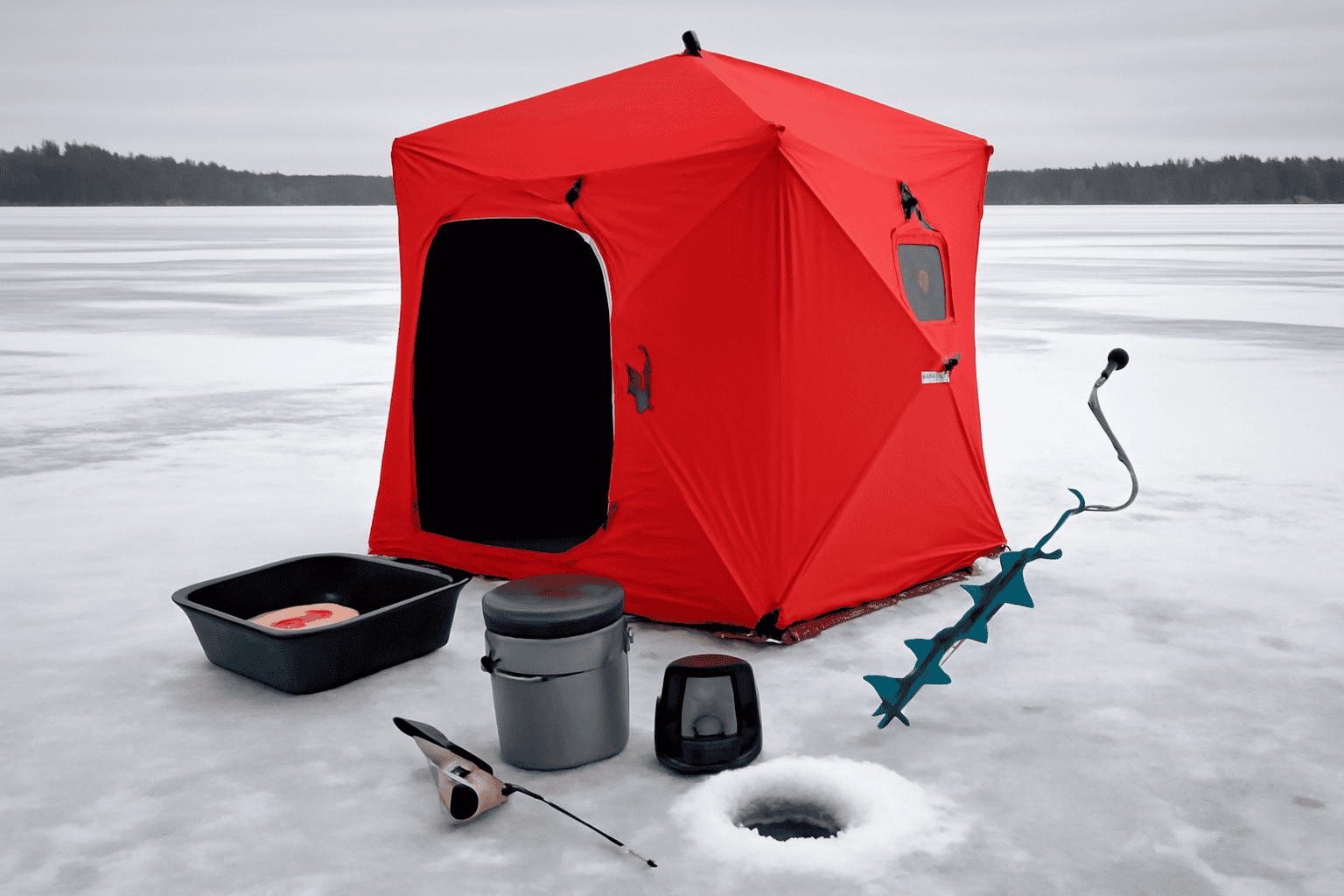 Valve and Zipper Winter Maintenance
Every winter-returned inflatable tent inspected at factory level shares two root causes: a forced-open frozen valve plate or a damp tent packed into a block of ice. The main fabric rarely fails first. Zipper tracks and valve membranes do, because thin films lose flexibility faster below -20°C. A 10-minute dry-down and a $2 silicone spray routine prevent both failure paths. Valve Plate Membrane and Cap CareA frozen valve plate cracks when you force it open. The rubber membrane stiffens faster than the surrounding body, so twisting a frozen cap creates shear stress at the weld point. Warm the cap in your hand or pocket for one minute before turning. If it still resists, stop — forcing it guarantees a cracked plate. Wipe the valve seat and membrane dry after every winter trip. Moisture trapped between the cap and membrane freezes overnight in storage, bonding the rubber to itself. Keep the cap one turn loose during off-season storage so pressure equalizes without stressing the seal. Silicone Spray: Preventing Ice BondingA thin silicone spray film on zipper sliders and valve threads prevents ice from bonding to moving parts. Silicone does not attack TPU coatings or swell rubber seals — petroleum-based grease does both. Apply after every 10 winter trips or before long-term storage.  How to Store Your Winter Inflatable Tent Like a Factory
Warehouse racks at the partner tent factory in Ningbo store inflatable tents flat or loosely rolled. Heavy boxes stacked on a folded tent pinch TPU-coated seams and set permanent creases that concentrate stress below -20°C. The same applies to off-season storage: fold along existing factory creases only, never compress under stacked gear. Loose Fold, No Heavy WeightsMost buyers unknowingly damage their inflatable tents by storing them under camping bins, coolers, or spare furniture. A folded PVC airbeam carrying 30 kg of dead load for three months develops a flattened crease that cannot fully re-inflate. That crease becomes the crack point the next time the beam flexes near -30°C. The fix is simple: store the tent on a shelf or in a dedicated bin with nothing on top. If you must stack, place the tent bag at the top of the pile. Warehouse racks keep tents separated for a reason — weight distribution matters more than most owners realize. Breathable Sack and Separated StorageFactory storage uses woven polyester or cotton sacks instead of sealed plastic bins. Trapped moisture inside a sealed container condenses during temperature swings — exactly how freeze-thaw cycles delaminate TPU coatings from the base fabric. A breathable sack lets residual vapor escape slowly over days. SchlussfolgerungFrost alone rarely destroys a dry inflatable tent. The real damage comes from forcing a frozen valve plate open or packing a damp tent that freezes into a block. A 10-minute dry-down and a $2 silicone maintenance routine prevent the most expensive part failures — far cheaper than replacing cracked airbeams or valve bodies.
Before placing your next replenishment order for private-label inflatable tents, ask your supplier three questions. Does the factory test PVC/TPU airbeam weld integrity at -30°C? Are valve membranes specified for low-temperature flex cycles? What is the documented quality tolerance for zipper ice bonding after storage at -20°C? If the answers are vague, you are carrying the warranty risk. Review Kelyland’s low-temperature airbeam testing and factory-applied anti-ice valve treatment on the product page to see how a certified partner closes those gaps before shipment. Häufig gestellte FragenF: Bei welcher Temperatur bricht ein Luftträger eines aufblasbaren Zeltes? A: PVC-Luftträger versteifen normalerweise unter -20°C; wiederholtes Biegen in der Nähe von -30°C kann Schweißnähte reißen lassen. T?Die genaue Antwort hängt von der Produktspezifikation, der Menge und dem Bestellaufbau ab. Der sicherste Ansatz ist, die Handelsbedingungen erst zu bestätigen, nachdem das endgültige Anforderungsblatt festgelegt ist. |

 English
  Español
  Deutsch
  Français
  Português do Brasil
  Русский
  العربية
  한국어
한국어  日本語
日本語