 跳到内容
跳到内容 
les réclamations au titre de la garantie des tentes gonflables constituent le premier point de contrôle que les acheteurs doivent verrouiller avant d'approuver un fournisseur, un budget ou un créneau de production. Un acheteur a perdu $50 000 sur une commande de tentes gonflables parce que l'échantillon de préproduction maintenait parfaitement la pression pendant deux jours, mais que la production en série utilisait un mélange de TPU différent et une soudure HF plus étroite. Les premières réclamations au titre de la garantie pour fuites lentes sont arrivées sur le bureau de la vente au détail dans les 90 jours suivant le lancement de la saison. Cet écart entre 7. approbation de l’échantillon et la tolérance de qualité de la production en série est à l'origine de la plupart des réclamations au titre de la garantie des tentes gonflables — et il est entièrement évitable avec le bon protocole d'inspection.
Les points de défaillance sont cohérents d'une usine à l'autre : des valves qui ne s'assoient pas correctement après trois cycles de gonflage, des soudures HF qui mesurent moins de 3 mm de large au lieu des 5 mm spécifiés, et des tubes en TPU qui développent des microfissures au niveau du pli de repli. Une inspection finale standard détecte certains de ces défauts, mais pas les fuites lentes qui n'apparaissent qu'après des gonflages et dégonflages répétés. Ce dont vous avez besoin, c'est d'un test de maintien de pression de 24 heures à 4-6 psi sur un échantillon AQL 2,5 prélevé au hasard sur la chaîne d'assemblage — pas seulement sur les produits finis.
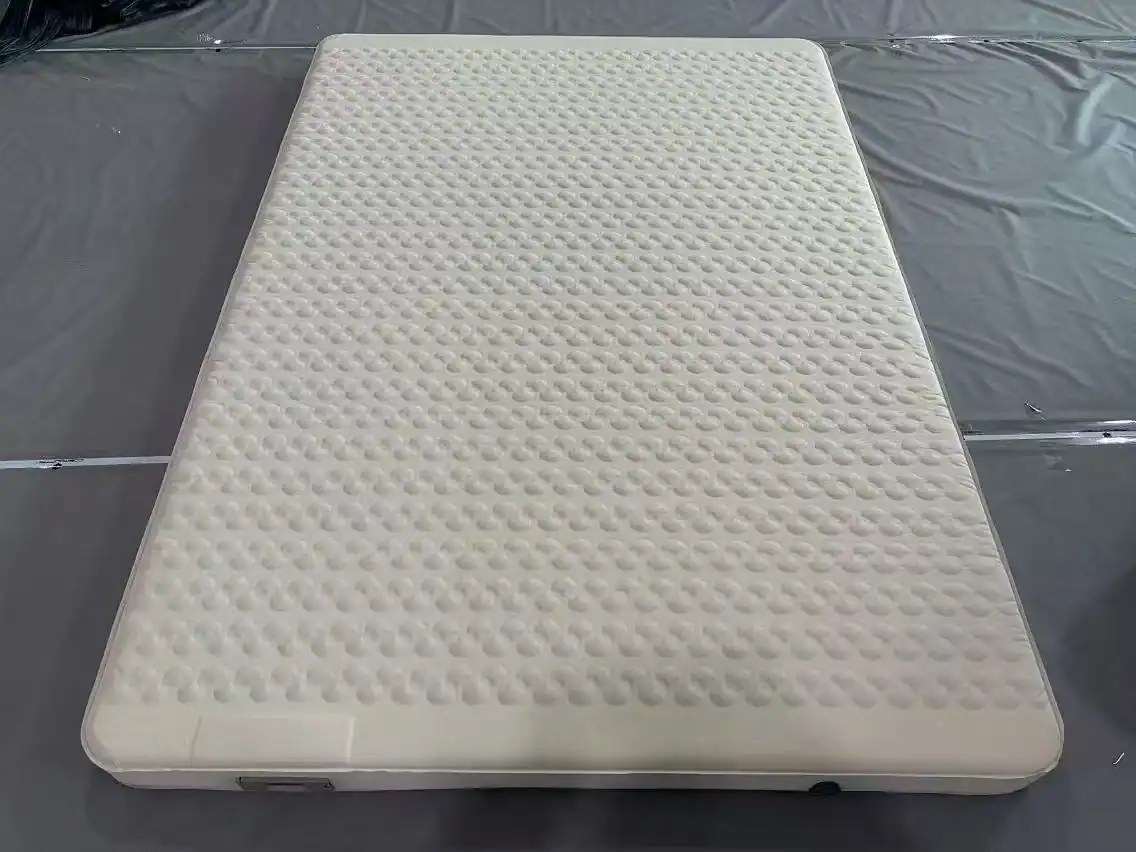
Pourquoi les fuites d'air génèrent des retours de tentes gonflables
Un maintien de pression de 24 heures à 4-6 psi détecte 90%+ des défauts de fuite lente qui apparaissent après des cycles de gonflage répétés.
Les fuites d'air sont la cause la plus importante des réclamations au titre de la garantie sur les tentes gonflables. Pas les arceaux cassés, pas le tissu déchiré — les fuites d'air. Une tente qui se dégonfle pendant la nuit est une tente qui est retournée. Et lorsqu'un acheteur au détail traite ces retours, l'imputation frappe votre marge, pas celle de l'usine.
Points de défaillance : valves, coutures et tubes en TPU
- Fuite au niveau du siège de la valve: La valve unidirectionnelle à laquelle se fixe la pompe est le point de fuite le plus courant. Un espace de 0,3 mm dans le joint du clapet en caoutchouc provoque une chute de pression mesurable en deux heures. Les valves moulées issues d'outillage à faible coût présentent ce défaut à un taux environ trois fois supérieur à celui des boîtiers de valve usinés par CNC.
- Séparation des coutures soudées HF : Les coutures soudées à haute fréquence lient les couches de TPU ou de PVC en appliquant chaleur et pression. La largeur de la couture compte plus que la plupart des acheteurs ne le réalisent. Les données de production internes des usines partenaires de Kelyland Outdoors montrent que les coutures soudées HF d'une largeur de 5 mm ou plus maintiennent une pression soutenue nettement plus longtemps que les soudures étroites de 3 mm. La couture plus étroite concentre les contraintes le long d'une ligne de liaison plus fine — sous des cycles répétés de gonflage-dégonflage, une micro-séparation commence au bord et se propage vers l'intérieur.
- Porosité par piqûres des tubes en TPU : Les tubes en TPU à paroi mince (moins de 0,4 mm) peuvent développer une porosité par piqûres pendant l'extrusion si la teneur en humidité de la matière première n'est pas contrôlée. Ces trous sont invisibles à l'inspection visuelle mais laissent échapper l'air régulièrement sur 6 à 12 heures.
Tendances saisonnières des retours et rétrofacturations des détaillants
“Les retours de ” saison de camping » arrivent en deux vagues. La première vague survient dans les 14 jours suivant l'achat — les acheteurs montent la tente une fois, trouvent une fuite, et la rapportent au magasin. La deuxième vague frappe 60 à 90 jours plus tard, après que la tente a été utilisée trois ou quatre week-ends d'affilée.
“La ” détection de fuite lente » se produit rarement lors d'une installation rapide dans le jardin. Elle se manifeste lors du troisième voyage de camping lorsque la famille se réveille avec des poutres affaissées à 3 heures du matin.
“ Réduire les rétrofacturations des tentes gonflables chez les détaillants ” commence par comprendre ce qui les déclenche : un taux de retour supérieur à 81 % sur les tentes gonflables signalera votre compte pour un examen des rétrofacturations fournisseur chez la plupart des grands détaillants d'articles de plein air.
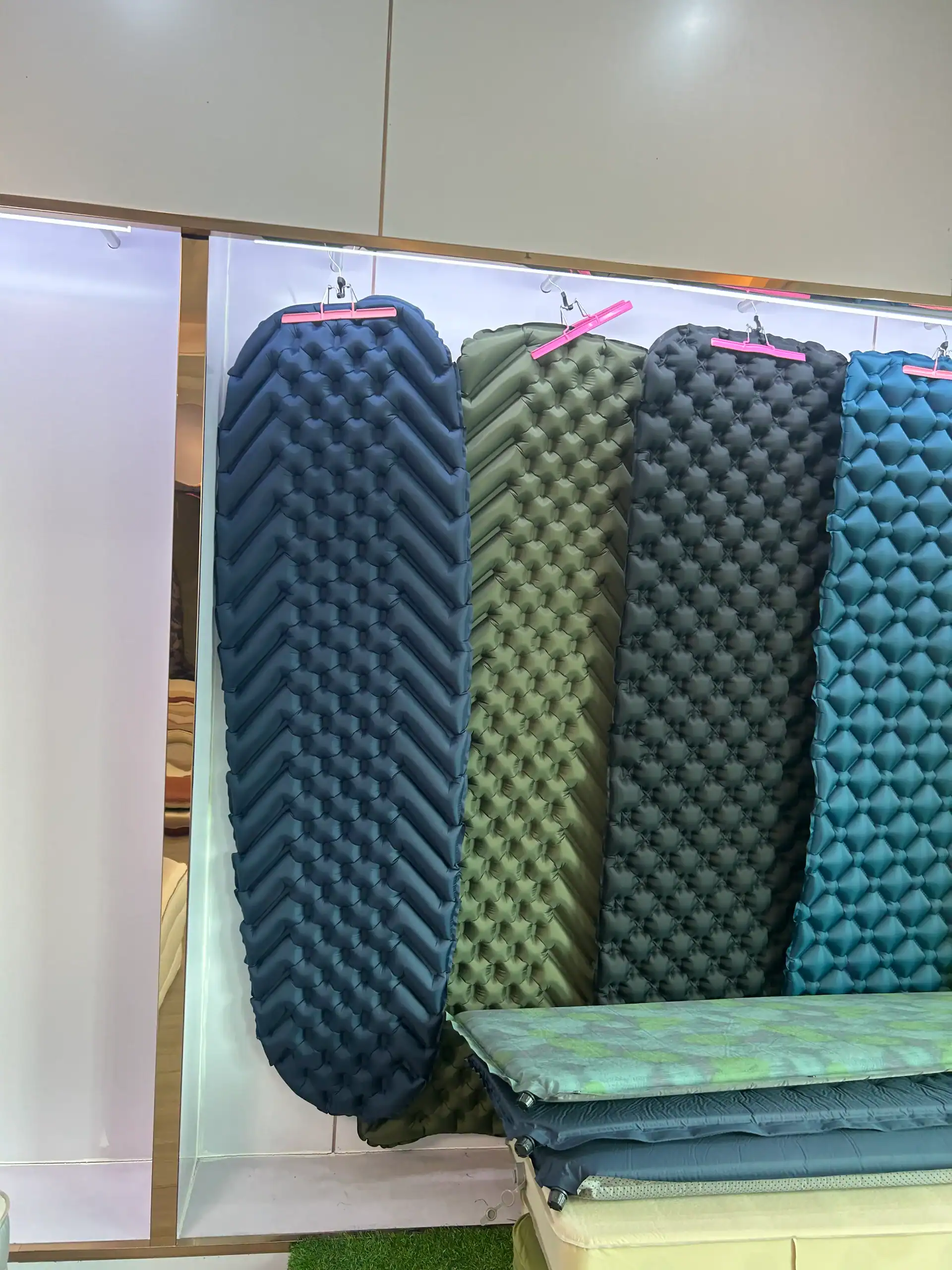
Protocoles de test d'étanchéité avant expédition
Un test de rétention de pression de 24 heures à 4-6 psi détecte plus de 90 % des défauts de fuite lente qui n'apparaissent qu'après des cycles de gonflage répétés.
Spécifications du test de rétention de pression de 24 heures
La plupart des retours de tentes gonflables remontent à une seule cause fondamentale : des fuites d'air qui n'apparaissent pas lors d'un gonflage rapide en usine. Un fournisseur gonfle une poutre, la maintient pendant cinq minutes, et la déclare bonne. Ce test manque les fuites lentes — celles qui perdent 0,5 psi pendant la nuit et laissent un client avec une tente affaissée à 2 heures du matin. La solution est simple sur le papier mais rarement appliquée : un test de rétention de pression de 24 heures dans la plage de pression de travail de 4 à 6 psi.
Voici comment la spécification fonctionne en pratique. L'ensemble de poutres à air est gonflé à sa pression nominale — généralement entre 4 et 6 psi selon le diamètre du tube et le denier du tissu. La valve est scellée, et l'ensemble reste intact pendant 24 heures. La perte acceptable est plafonnée à 10 % de la pression de départ. Une poutre partant de 5 psi doit rester au-dessus de 4,5 psi après le cycle complet. En dessous de ce seuil, une enquête sur les causes profondes est déclenchée : contamination du siège de valve, piqûre dans l'extrusion de TPU, ou fusion incomplète de la soudure HF.
Les données des lignes de production montrent pourquoi cela est important. Les registres internes d'usines de matelas gonflables produisant plus de deux millions d'unités par an indiquent qu'environ une poutre sur douze réussit un test de cinq minutes mais échoue à la dix-huitième heure. Ce sont les unités qui génèrent des réclamations de garantie trois mois plus tard lorsque les campeurs saisonniers sortent leurs tentes du stockage et les trouvent à moitié dégonflées. Un fournisseur qui ne peut pas ou refuse d'effectuer un test de rétention d'une journée entière parie votre marge contre une hausse des retours en fin de saison.
Largeur de la soudure HF et résistance à l'éclatement
Le soudage haute fréquence assemble les couches de TPU ou de PVC en appliquant des ondes radio et une pression pour fusionner le matériau au niveau moléculaire. La largeur de soudure détermine directement la force que le joint peut supporter avant de se rompre. L'expérience industrielle dans de multiples catégories de produits gonflables montre que les soudures de moins de 5 mm échouent sous pression soutenue beaucoup plus souvent que les soudures plus larges.

Liste de contrôle d'inspection QC en usine pour les acheteurs
AQL 2.5 sur les ensembles de poutres d'air détecte les fuites lentes que l'inspection finale manque.
Vous pouvez rédiger les meilleures conditions de garantie du secteur, mais si le produit part avec des fuites d'air non détectées, vous supportez quand même les coûts de retour. La différence entre un taux de garantie gérable et une crise de rétrofacturation dépend souvent de ce qui se passe sur le sol de l'usine avant que le conteneur ne soit scellé. La plupart des acheteurs se fient à une seule inspection avant expédition. Ce n'est pas suffisant pour les tentes gonflables.
Échantillonnage AQL 2.5 sur les ensembles de poutres d'air
La norme de limite de qualité acceptable (AQL) à laquelle la plupart des usines se réfèrent par défaut est de 4,0 pour les défauts critiques. Pour les tentes gonflables, c'est trop permissif. Une fuite lente dans une poutre d'air est une défaillance fonctionnelle — la tente ne restera pas debout pendant une tempête de week-end. Vous devez appliquer AQL 2.5 spécifiquement aux ensembles de poutres d'air, pas seulement à la tente finie.
Voici ce que cela signifie en pratique. Pour un lot de 1 200 pièces, AQL 2.5 exige l'inspection de 125 unités au niveau de sévérité normal. Si plus de 7 unités présentent une perte de pression mesurable pendant une période de maintien définie, tout le lot est rejeté ou trié aux frais de l'usine. Le détail critique : cet échantillonnage doit avoir lieu pendant l'assemblage, pas après l'emballage final.
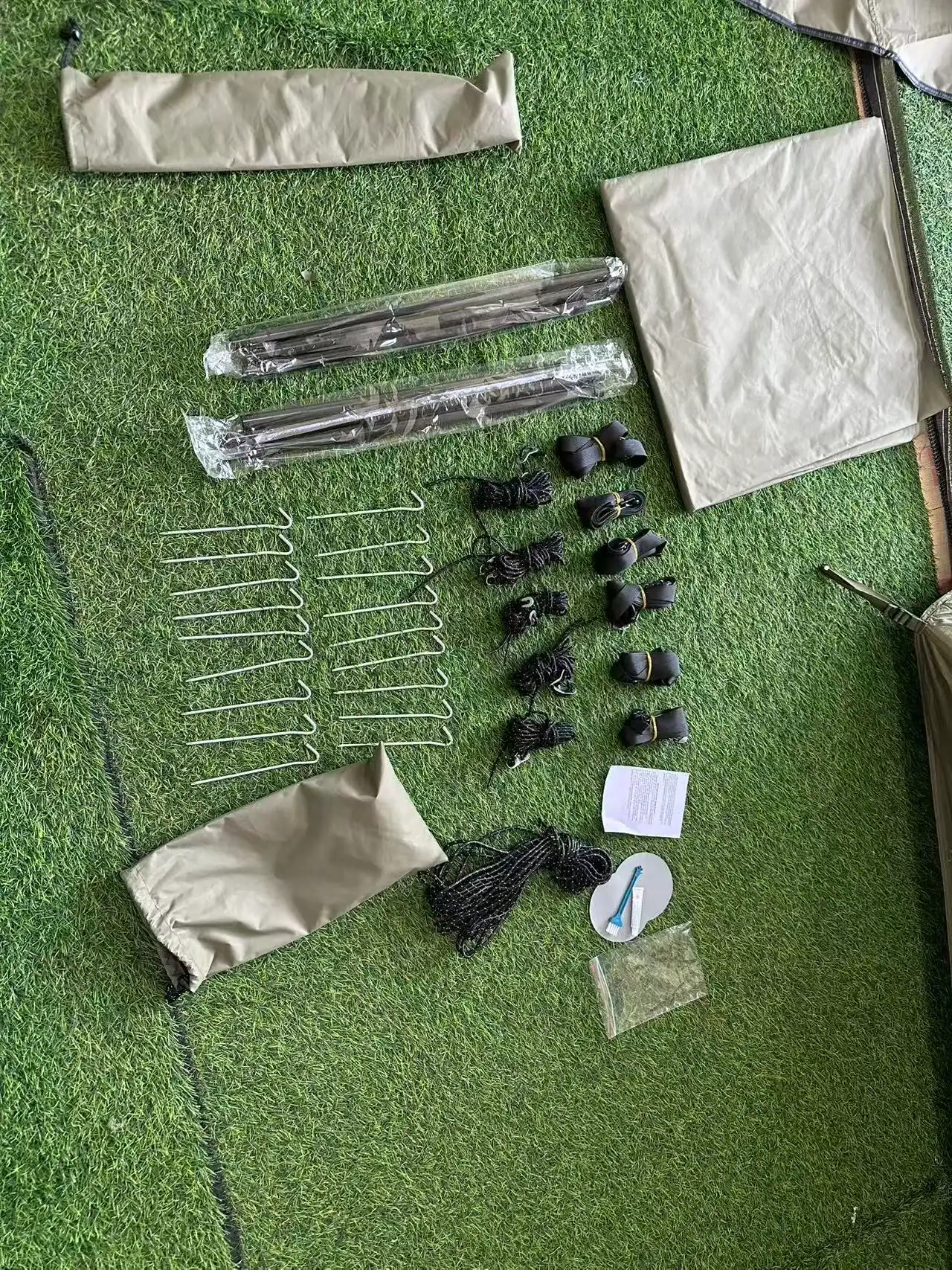
Support de garantie et planification des pièces de rechange
Un kit de réparation avec des vannes de rechange, des patchs en TPU et un manomètre réduit les coûts de retour d'environ 60%.
La différence entre un problème de garantie mineur et un retour complet du produit dépend souvent de ce que vous mettez dans le sac de transport. Un kit de réparation bien conçu transforme un client qui déposerait une réclamation en quelqu'un qui répare en dix minutes et passe à autre chose. Cela préserve votre marge sur l'expédition, le réassort et les rétrofacturations.
Ce qui entre dans un kit de réparation efficace
- Noyaux de vannes et capuchons de rechange : Les défaillances de vannes représentent environ 30% des réclamations de garantie pour fuites d'air des tentes gonflables. Incluez au moins deux ensembles de vannes complets par modèle de tente — le noyau est la pièce qui assure réellement l'étanchéité, et il s'use plus vite que le boîtier.
- Feuilles de patchs en TPU à dos adhésif : Les soudures HF étroites de 3 mm sont plus sujettes au décollement sous une pression soutenue. Un kit de réparation permet à l'utilisateur de renforcer une couture ou de sceller une perforation sans renvoyer l'appareil. Des patchs prédécoupés ronds et rectangulaires de 50x50 mm couvrent la plupart des réparations sur le terrain.
- Petit manomètre (plage de 0 à 10 psi) : La plupart des fuites lentes ne sont jamais détectées car l'utilisateur n'a aucun moyen de mesurer la perte de pression. Un manomètre qui s'adapte à la valve de gonflage lui permet de confirmer si la tente maintient la pression pendant la nuit — ou d'identifier exactement quel boudin perd de l'air.
- Section de tube TPU de remplacement (longueur de 300 mm) : For tents with replaceable air beams, include one pre-welded tube segment per beam size. This covers damage near the floor contact point — the most common abrasion site — without requiring factory-level HF welding equipment.
Handling Slow Leaks in the First 90 Days
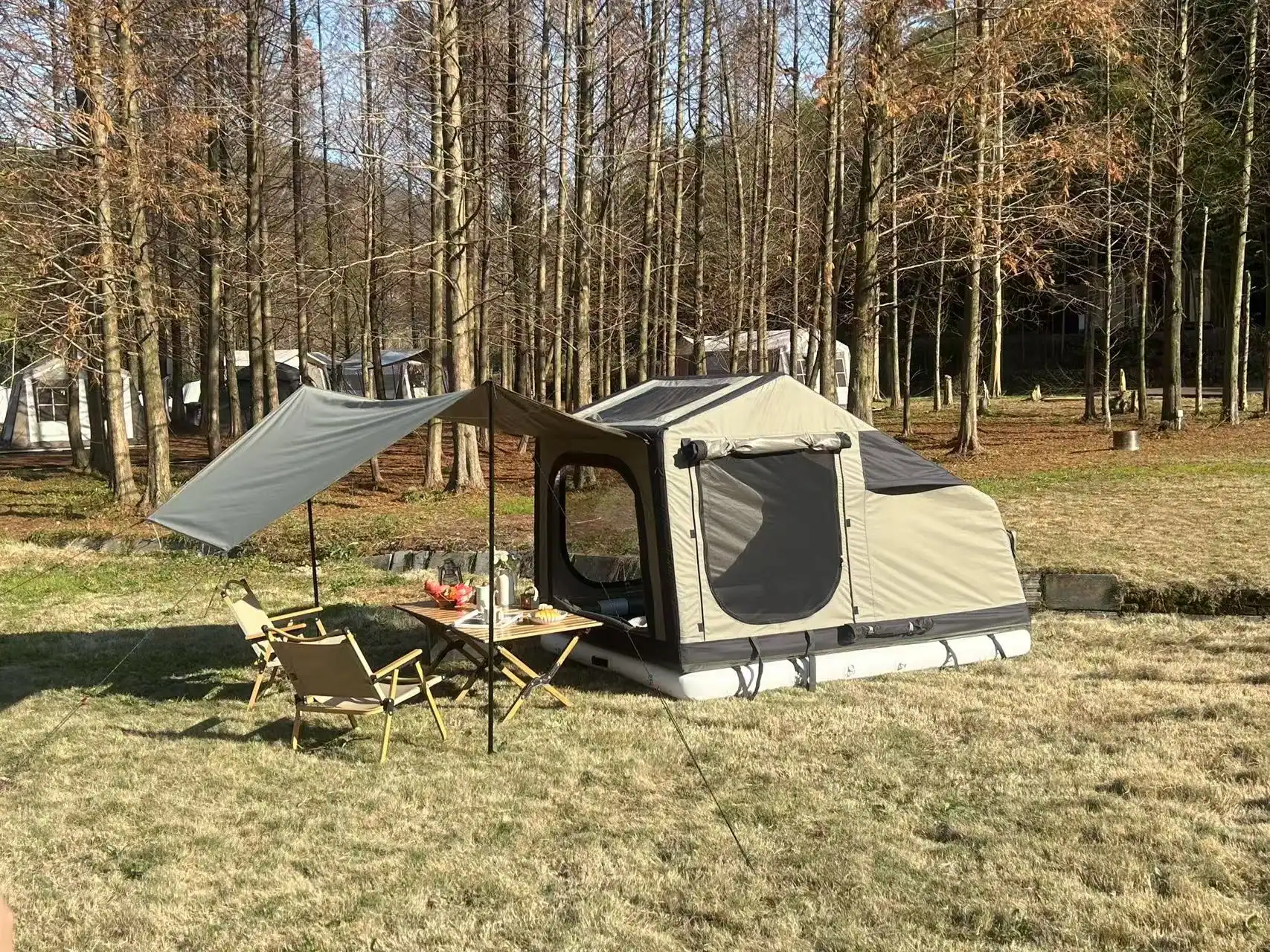
Définir les conditions de garantie avec votre fournisseur
A written warranty clause without a defined testing protocol is just a promise on paper.
Most retail category managers sign off on supplier warranty terms inside the purchase agreement without ever checking whether those terms are actually enforceable. The result is predictable: a slow-leak return in month 8, the supplier blames user error, and the retailer absorbs the chargeback. Setting warranty terms for inflatable tents requires tying every clause to a specific QC checkpoint that both parties can verify independently.
Example Warranty Clauses for Inflatable Tents
The standard one-year structural warranty against manufacturing defects is too vague for inflatable products. Write clauses that reference measurable criteria from the pre-shipment inspection stage.
- Air Beam Integrity Clause: “All TPU air beams must hold 4-6 psi for 24 hours with less than 10% pressure loss at time of factory inspection. Any beam failing this test during the first 12 months of retail use qualifies as a manufacturing defect.” This directly ties the warranty claim back to the 24-hour pressure retention test performed before shipment.
- HF Weld Performance Clause: “HF welded seams must measure a minimum of 5mm width at all joints. Seam separation or leakage originating at any weld point within 18 months constitutes a covered defect.” This eliminates arguments about whether a split seam was caused by over-inflation or poor welding.
- Valve Function Clause: “One-way inflation valves must seal fully after each inflation cycle. Any valve that leaks air audibly or fails to hold pressure after normal use within 12 months will be repaired or replaced at supplier cost.” Valve failures account for roughly one-third of all inflatable tent returns — isolating them in the warranty language prevents disputes.
Negotiating Repair or Replacement Ratios
The ratio matters more than most buyers realize. A common trap: agreeing to “replace defective units” without defining what happens when only one air beam fails in an otherwise functional tent. Replacing an entire tent for a single beam leak doubles your logistics cost and kills margin on that order.
Push for a tiered structure. First year: full replacement of any unit with a confirmed manufacturing defect, with the supplier covering return freight and issuing an RMA within 5 business days. Second year: repair kits sent at supplier cost, including pre-cut TPU patches, spare valves, and adhesive — no return required unless three or more beams fail simultaneously. This keeps your after-sales costs predictable and avoids flooding your warehouse with returned tents that need partial repairs.
Target a maximum annual defect rate of 2% before triggering corrective action from the supplier. Anything above that should require root cause analysis shared with your team within 14 days, plus process adjustments before the next production run. The factories in Kelyland Outdoors’ network, most operating under ISO 9001:2015 certification, already track this data internally — asking for it in your contract simply formalizes what competent suppliers already measure.
Conclusion
The difference between a manageable warranty cost and a chargeback crisis often comes down to what happens before the container leaves the dock. A 24-hour pressure retention test at 4-6 psi catches the slow leaks that only surface after three inflation cycles. HF welding seams at 5mm width or greater hold up under sustained pressure in a way that narrow welds don’t.
- Demand a 24-hour pressure retention test at 4-6 psi on every production batch.
- Préciser HF welding seam width of at least 5mm for all air beam assemblies.
- Run NQA 2.5 inspection on the assembly line, not just at final inspection.
- Negotiate repair kit contents and replacement ratios into the supplier agreement.
The final detail that separates professionals from amateurs is how you handle the first ninety days after delivery. A pre-agreed slow leak detection protocol and a stocked spare parts plan can cut your per-unit return cost by half before a single customer complaint arrives. Review your current inflatable tent supplier’s QC documentation against these benchmarks, or browse Kelyland Outdoors’ product specifications to see how a factory network with ISO-certified partners approaches air beam quality control.
Questions fréquemment posées
Qu'est-ce qui cause la plupart des fuites sur les tentes gonflables ?
La plupart des fuites proviennent de défaillances de vannes, de la séparation des soudures ou de micro-perforations dans le tube en TPU. Ces défauts apparaissent souvent après des cycles de gonflage répétés, et non lors de la configuration initiale. Concentrez le contrôle qualité sur les vannes et les soudures par haute fréquence (HF).
Quel est le test d'étanchéité standard pour les tentes gonflables ?
Un test de rétention de pression de 24 heures à 4-6 psi détecte plus de 90 % des défauts de fuite lente. Ce test doit être effectué sur chaque lot de production avant l'expédition. Exigez ce test dans votre liste de contrôle d'inspection.
Quel niveau AQL devrais-je utiliser pour l'inspection des poutres gonflables ?
Utilisez AQL 2.5 pour l'échantillonnage des ensembles de poutres d'air lors de l'inspection finale. Ce niveau détecte les fuites lentes qui échappent aux contrôles visuels standard. Spécifiez AQL 2.5 dans votre contrat fournisseur.
Que doit inclure une trousse de réparation sous garantie ?
Une trousse de réparation devrait inclure des rustines en TPU, de la colle et un outil de remplacement de valve. Inclure ces articles réduit les coûts de retour en permettant des réparations sur place pour les fuites lentes. Négociez le contenu de la trousse avec votre fournisseur en amont.
Comment négocier les conditions de garantie avec un fournisseur ?
Négociez un ratio de réparation ou de remplacement pour les défauts au cours des 90 premiers jours, généralement de 2 à 3% de la valeur de la commande. Ancrez les conditions aux résultats des tests avant expédition pour limiter votre responsabilité. Obtenez par écrit les clauses de garantie avant la production.

 English
  Español
  Deutsch
  Français
  Português do Brasil
  Русский
  العربية
  한국어
한국어  日本語
日本語