 跳到内容

If your inflatable tent return rate has climbed past what your margin can absorb, there’s one question worth asking behind closed doors: why did the pre-production sample hold air all weekend while the $50,000 production run leaked by the second campout? The standard supplier answer — handling damage or user error — is usually wrong. The real gap sits between sample approval and the quality tolerance of the mass production line.
For inflatable tents, roughly 67% of sourcing complaints trace back to material and welding defects. When those two areas fail, the seams delaminate under pressure, the coating peels, and the valve seat leaks. That’s why the fix isn’t a cheaper bill of materials — it’s a QC protocol that catches those specific failures before a container leaves the factory. The supplier who cuts your return rate offers the lowest total cost, not necessarily the lowest FOB pricing.
The process change that moves the needle is simple: run a 24-hour pressure-drop test on every air beam, not just one pre-production sample. That single step caught leak failures before shipping and cut one retail line’s return rate from 8.6% to 2.1% — a 75% reduction. The case below shows the material upgrade that made it stick, and the supplier QC checklist that keeps it repeatable.
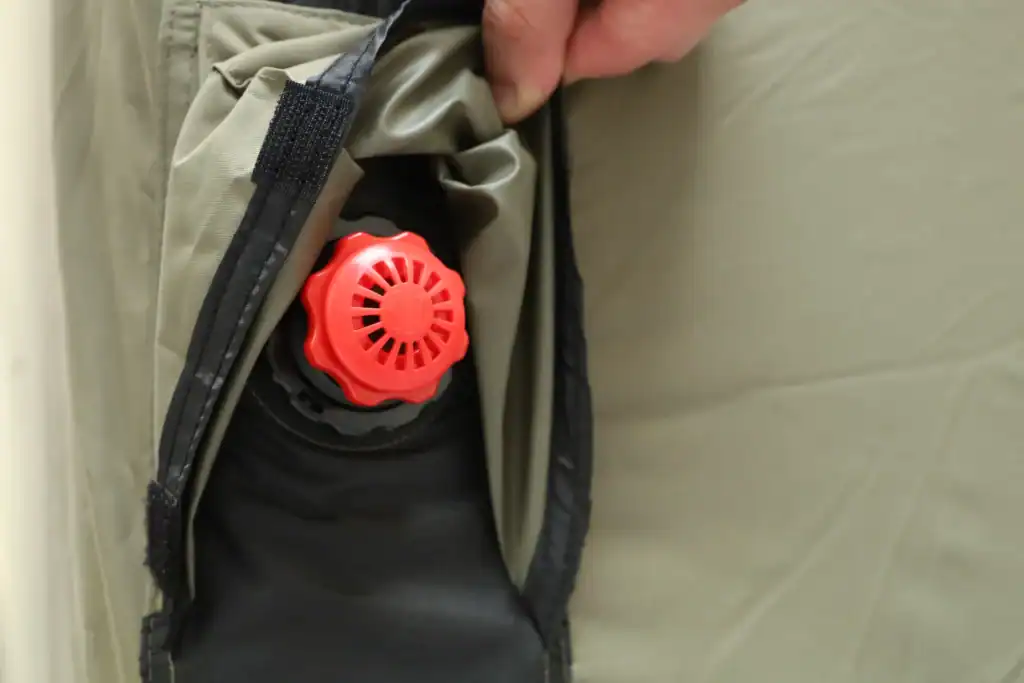
Background: Retailer Facing Rising Returns on Inflatable Tents
A 75% return-rate cut started with the exact same problem every retailer hits: inflated product promises meeting an under-spec supply chain.
A mid-sized outdoor retailer had been selling inflatable tents for two seasons. The line covered family dome tents and glamping-style shelters priced for weekend campers in North America and Europe. Target users were families with children, which meant the tent had to be simple to inflate, hold air overnight, and survive a stray branch or a dropped chair without collapsing.
The concept was right. Sales volume grew steadily as inflatable tents became a practical alternative to pole-based models. The problem was operational. The retailer was absorbing return costs, shipping damage claims, and negative reviews that started to drag down the category’s overall margin.
Return rate before changes
The return rate for the inflatable tent line ran at 8.6% across the first season. That is well above the typical outdoor gear single-digit threshold and roughly double what most retailers consider acceptable for large seasonal items. Most returned units were not buyers changing their minds. The tents came back with leaks, failed air beams, or coating damage that appeared after a handful of uses.
サプライチェーン管理担当者にとって、8.6%という数字はコストのすべてではありませんでした。返品ごとに輸送費、検収、再入荷手続き、 refurbishment の判断が発生します。季節性のあるテントの場合は、これらの単位の多くが再販できず廃棄される結果となりました。カテゴリは成長を続けていたものの、返品率はひそかに売上増加の意義を削ぐマージンを侵食していたのです。
Problem: What Was Actually Failing
インフレータブルテントの調達に関する苦情の67%は、デザインではなく素材または溶接の欠陥に起因します。
小売業者の品質チームが8.6%の返品率を欠陥カテゴリ別に分析したところ、3つの主要な故障モードが浮上しました。これらは偶然の故障ではなく、すべて工場検収時点で捕捉すべきだった生産変数に起因していました。失敗の原因はテントのデザインそのものではなく、承認されたサンプルと量産品の間に存在したギャップにありました。
エアビームのシーム破損
エアビームはインフレータブルテントの構造骨格であり、通常、TPUまたはPVCチューブ素材をRF溶接や熱風溶接で成形して作られます。長い生産ラインで溶接温度や圧力が変動すると、分子結合が不完全に形成されます。ビームは工場検査時には空気を保持できますが、繰り返しの膨張サイクル後に劣化し始めます。ISO 9001:2015認証取得の生産ラインでは、溶接の繰り返し精度がシームの故障率を制御することから、バッチごとに溶接パラメータを厳密に記録しています。
Fabric Coating Delamination
2つ目の故障クラスターはキャノピーと床面を対象としました。元の仕様は150 g/m² オックスフォードポリエステルのコーティング使用を定めていましたが、 PUコーティング。UV曝露と湿気によってコーティングが基材から剥離し、テント壁を通じた目に見える剥がれと水漏れが発生しました。顧客はデラミネーションを明確な製造欠陥と見なしました。根本原因はテント組立ラインではなく、生地メーカーにおけるラミネート工程にありました。
inflationバルブのリーク
3つ目の故障モードは、inflatorバルブ周辺の缓慢な空気漏れでした。バルブフランジはビーム壁に接着され、テントにおいて最も高い応力が掛かる接合部となります。フランジの座りが悪いと gradual に漏れ、テントが一夜明けて沈んでしまうほどです。朝2時に崩壊しつつあるテントで目覚めた顧客は、旅行が終わるまで待ちません。返品は数日以内にとどまり、その購入者は再注文しないでしょう。
3つすべての故障モードに共通する根本原因がありました。それは、サンプル承認段階では不可視であり、繰り返し使用後に顕在化することです。漏れ検出には、簡易膨張チェックではなく24時間圧力低下試験が必要です。コーティングの接着力には、視覚検査ではなくピール試験が必要です。このギャップを埋めるためには、素材のアップグレードと、すべての生産ロットに対する異なるQCプロトコルが求められます。
Solution: Material Upgrade and Supplier Process Changes
24時間圧力低下試験は、顧客がテントを膨らす前に漏れ故障を捕捉しました。
解決策は素材の現実から始まりました。150 g/m² オックスフォードは耐久性の標準ではなく、コスト削減のための妥協案です。床面では繰り返し設営による摩耗が生じ、コーティングはUVによる熱滞留で劣化します。アップグレードされた仕様では、床面とキャノピー両方に650 g/m² PVCターポリンを使用しています。これは材料重量で約4倍に相当し、合成樹脂加工された表面は地面摩擦や雨に対してはるかに優れた耐性を発揮します。
PVCターポリン床面とキャノピー
家庭向けテントを小売で販売する場合、床面は最も過酷な条件に晒されます。尖ったゴミ、砂利、繰り返し折叠——軽量オックスフォードはこれらすべてに耐えられません。PVCターポリンはこの摩耗に耐え、防水性能をより長く維持します。キャノピーも恩恵を受け、重厚なPVCは水を保水性コーティングで吸収させるのではなく、撥水します。浙江省寧波にある当社の主力テント工場では、ISO 9001生産管理のもとでこの素材仕様を実践しています。
強化溶接済み0.7mm TPUエアビーム
Air beam seam failures rarely start as punctures. The weld line gives way after repeated inflation cycles, especially when the material is too thin. 0.7mm TPU gives the weld more material to grip, and the reinforced weld pass increases the bonding surface. That combination prevents the slow leaks customers report after a season of weekend use.
24-Hour Air Retention Test on Every Beam
The most effective change was also the simplest to miss. The supplier added a 24-hour pressure-drop test to 100% of the air beams. Each beam inflates to working pressure, sits for 24 hours, and gets checked for pressure loss. Anything that fails the tolerance is pulled before final assembly. Leak failures get caught at the factory gate instead of in a customer’s yard.
-
- 材料: 150 g/m² Oxford replaced with 650 g/m² PVC tarpaulin for floor and canopy.
- Air beams: Switched to 0.7mm TPU with reinforced welds to extend seam fatigue life.
- QC protocol: 24-hour pressure-drop test added to 100% of production beams.
The sourcing lesson: 67% of inflatable tent complaints trace back to material or welding defects. That matches the failure pattern here. Fabric and welds were the problem, so material and QC upgrades delivered the largest return. Spending on accessories or packaging would not have moved the return rate.
| Change Area | Before | その後 | 主なメリット |
|---|---|---|---|
| Floor & Canopy Fabric | 150 g/m² Oxford fabric | 650 g/m² PVC tarpaulin | Eliminates coating delamination and floor punctures; far higher tear and weather resistance |
| Air Beam Construction | Standard thin-wall TPU/PVC beams with basic welds | 0.7mm TPU with reinforced welds | Prevents air beam seam failures; maintains structural integrity under repeated inflation cycles |
| Quality Control Protocol | Visual inspection and random sample testing | 24-hour air retention pressure-drop test on every batch | Catches valve and weld leaks before shipping, reducing consumer-facing failures at the source |
結果
From 8.6% returns to 2.1% — the category went from a margin leak to a profit driver in one season.
The headline result — 8.6% returns down to 2.1% — is a 75% reduction in inflatable tent returns. That shift moved the line from a margin drag to a growth product. The mechanism was simple: the supplier added a 24-hour pressure-drop test on every air beam, catching leak failures before shipping rather than after the end consumer inflated the tent at a campsite.
Return Rate: 8.6% → 2.1%
-
- Return rate: Dropped from 8.6% to 2.1% — a 75% reduction in claims within one sales season.
- Primary failure source: Material and welding defects account for roughly two-thirds of inflatable tent sourcing complaints. The 24-hour retention test targets both.
- Cost shift: Leak detection moved from the end consumer to pre-shipment, eliminating the most expensive failure moment in the supply chain.
The same QC structure that produced these results is standard practice at Kelyland Outdoors’ partner factories — a network that includes dedicated tent production in Ningbo with 800,000 units of annual capacity and ISO 9001:2015 certification. Inspections run at every production stage, with reports available on request.
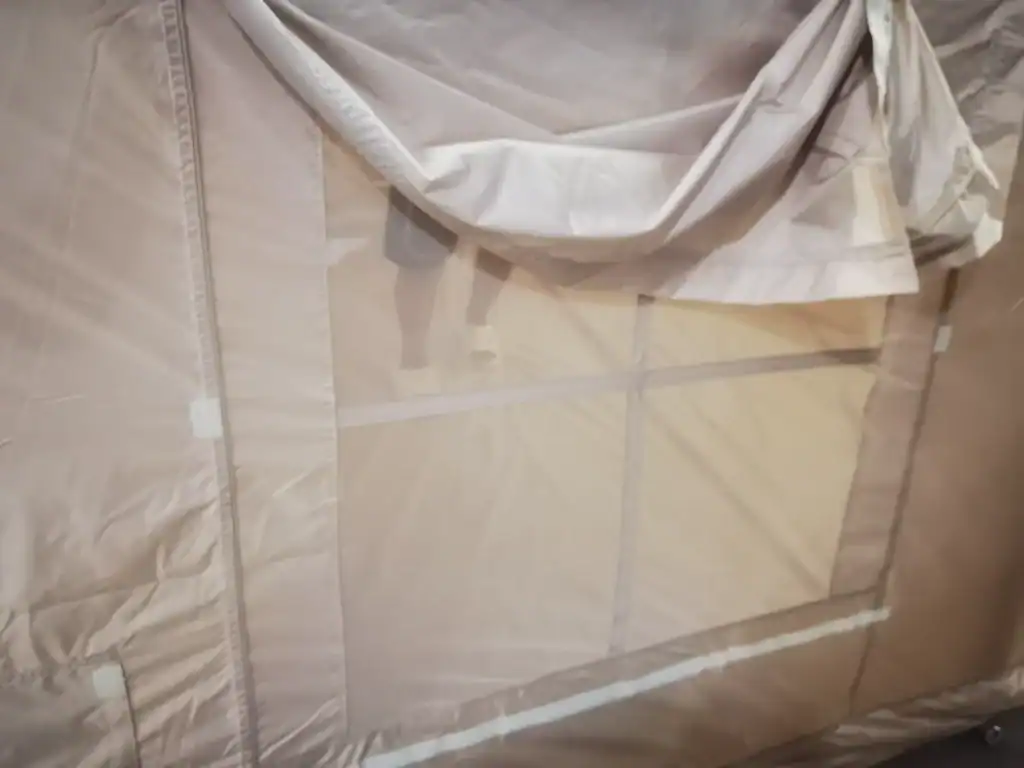
Net Promoter Score Improvement
NPSが返品率を伴走した。空気保持の問題が苦情の主流ではなくなると、顧客との対話が変わる ― 一夜で空気抜けてからの返金要求から、セットアップや収納への質問へと。それはサポート負担が軽くなることであり、NPSと購入後のレビュースコアの両方に表れる。
再発注ボリュームへの影響
利益率の数式が再発注を動かした。8.6%の返品率ではカテゴリ貢献度が十分に希薄化し、購買委員会にとってそのラインは僅かのように見えた。一方、2.1%では買い手は次シーズンのより大規模な発注にコミットし、アップグレードされた仕様を確定した。3%未満の返品率は内部対話をリスク管理から規模計画へと変える。
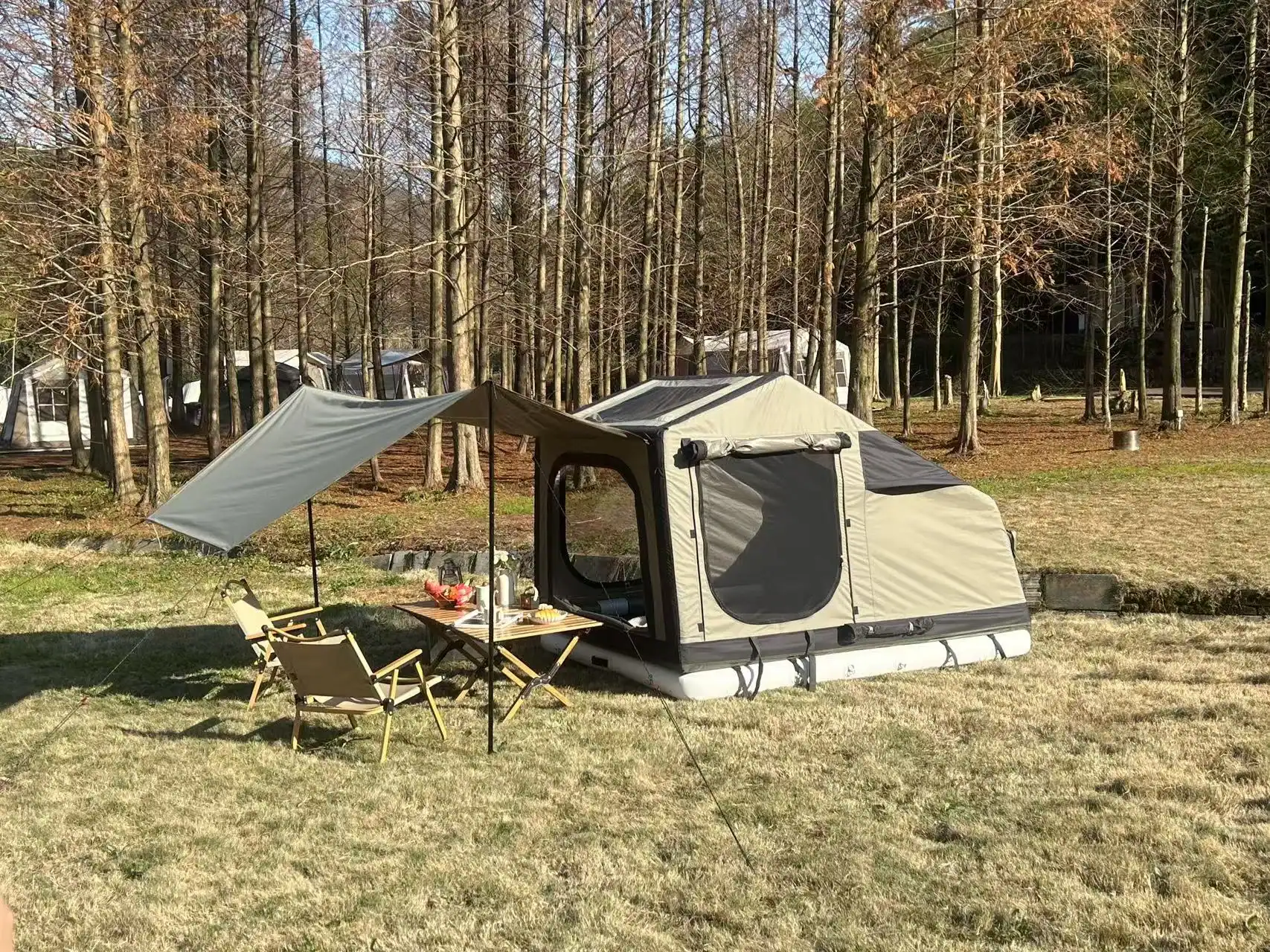
Lessons for Importers and Supply Chain Teams
すべてのビームに対する24時間減圧テストにより、インフレータブルテントの返品率は8.6%から2.1%に削減される。
インフレータブルテントのコスト構造は、返品リスクがどこにあるかを明確に示す。典型的なBOMでは、45%が材料、30%が溶接、25%がアクセサリに充てられる。見積もりが市場水準を大きく下回る場合、コスト削減はほぼ必ず最初の2項目で行われる。
安価なフィルムや低デニールの生地は単位あたり僅かな節約となるが、コーティングのはがれやシームの故障を生む。バルブやファスナーなどのアクセサリは目に見え、テストしやすい。材料の品質と溶接の完全性は、買い手がテントに空気を充填するまで見えないままであり、それがまさに失敗が発生するタイミングである。
サンプル承認は生産承認ではない
A 量産前サンプル 熟練技術者による手組み立てで、通常は1日かけて行われる。生産ラインの製品は高速溶接機から毎日決められた目標量で送り出される。この二つの現実は、元々の8.6%という返品率を生んだ要因である。サンプル承認は設計意図を確認するものであり、生産の一貫性を確認するものではない。
このギャップを埋めた改善策は、製造されるすべてのビームに対する24時間空気保持テストだった。各ビームは加圧され、24時間保持された後、減圧がチェックされる。顧客の庭で見つかるはずの漏れは、工場で見つかった。
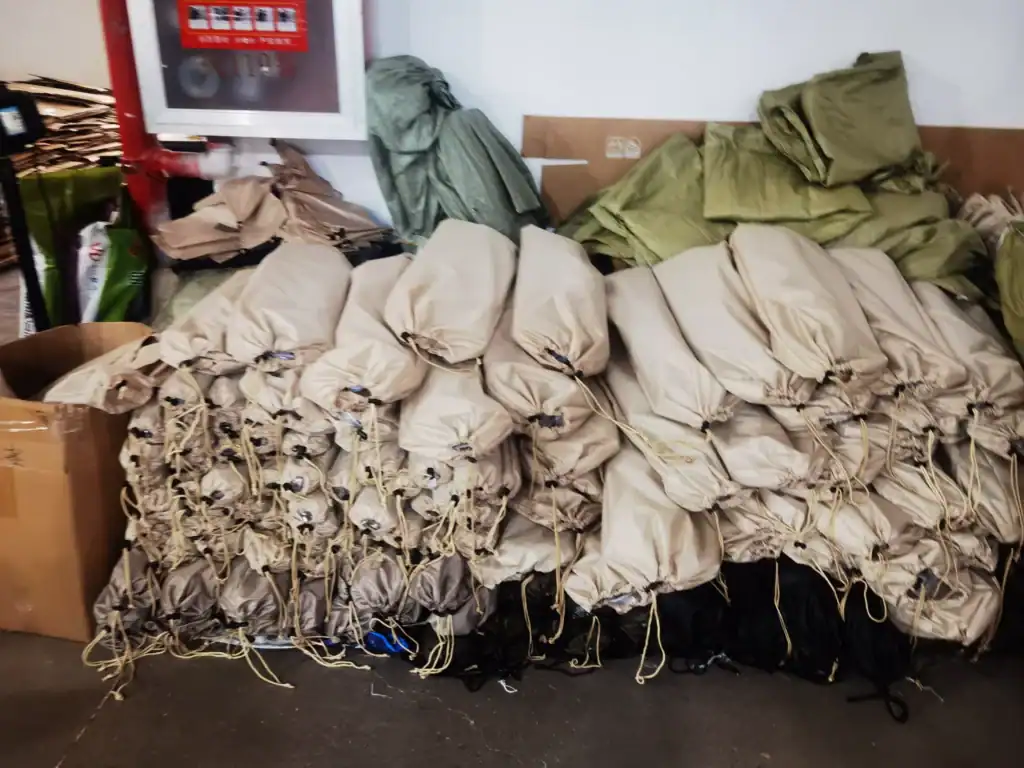
inspection予算はリスクがある場所に投じる
インフレータブルテントの調達苦情のうち67%が材料または溶接の欠陥にさかのぼる。これは配分が明白であることを意味する:あらゆる工程に同じ予算を薄くばらすのではなく、入荷時に材料を、溶接後にビームを検査する。
-
- 材料入荷時: 裁断前に仕様書に対し生地の重量とコーティング厚さを検証する。バッチ証明書は、誰かが実際にそれらをチェックした場合にのみ意味を持つ。
- Post-weld: Run the 24-hour pressure-drop test on a sample from every beam batch. Random sampling misses intermittent failures.
- 最終監査: Inspect one unit per carton, not one per container, when the order exceeds 1,000 pieces.
ISO 9001:2015 partner factories run inspections at every production stage and provide reports on request. Use that reporting layer to confirm the 24-hour test was actually performed for each batch. If the supplier cannot produce the pressure-drop log, treat the test as not done.
How to Run a Similar Material Upgrade Project
A material upgrade alone won’t lower the inflatable tent return rate.
Step 1: Baseline your current return reasons
Pull return data from the last 12-18 months and sort by failure mode. For inflatable tents, 67% of sourcing complaints trace back to material or welding defects, so valve leaks and packaging damage rarely justify a full material change. That baseline split decides whether you spend the budget on heavier fabric or on weld process controls.
Set a threshold: if seam or coating failures account for most returns, proceed to the upgrade. If not, fix the actual cause first.
Step 2: Define material and test specifications
Write exact material specs before contacting suppliers. Using 150 g/m² Oxford fabric for a floor that gets packed wet is a common mistake; 650 g/m² PVC tarpaulin offers far better abrasion and water resistance. For the air beams, switch to 0.7mm TPU with reinforced welds, and specify a maximum pressure drop over 24 hours.
-
- Floor/canopy: 650 g/m² PVC tarpaulin with coated finish.
- Air beam: 0.7mm TPU, reinforced weld seams.
- QC gate: 24-hour air retention test on every beam before packing.
Step 3: Run a pilot batch before full production
A single sample tent can hide production variables. Run a pilot batch of at least 50-100 pieces, the MOQ threshold some Kelyland Outdoors lines use, and have the partner factory follow the same welding temperature and QC steps as mass production. ISO 9001:2015 certified plants will document those settings and provide inspection reports at each stage.
Step 4: Track after-sales data for one season
Compare return rates after the season. The 24-hour pressure-drop test catches leak failures before shipping, so the first noticeable drop should appear in seam and leak returns. Track three months after the last shipment, not immediately after delivery, to give users time to set the tent up in the field.
| ステップ | Core Actions | Quality Control Focus | Success Metric |
|---|---|---|---|
| Step 1: Baseline Your Current Return Reasons | Audit return data, warranty claims, and customer feedback; categorize failures by seam, coating, and valve defects. | Prioritize material and welding defects, which drive 67% of inflatable tent sourcing complaints. | Accurate baseline return rate and ranked root-cause list |
| Step 2: Define Material & Test Specifications | Upgrade to 650 g/m² PVC tarpaulin for floor and canopy; switch air beams to 0.7mm TPU with reinforced welds. | Add a 24-hour air retention pressure-drop test on every beam before shipping. | Finalized spec sheet; production line matches approved samples |
| Step 3: Run a Pilot Batch Before Full Production | Produce a pilot lot on the exact production line and tooling; compare output against approved samples. | Inspect weld seams, valve seating, and fabric coating adhesion at each production stage. | Pilot defect rate below 2%; sample-to-production consistency confirmed |
| Step 4: Track After-Sales Data for One Season | Monitor return rate, Net Promoter Score, and reorder volume across a full retail season. | Require monthly supplier reporting and corrective-action follow-ups for any defect trend. | Return rate reduced from 8.6% to 2.1%; higher NPS and repeat order volume |
結論
An 8.6% return rate on inflatable tents was draining margin long before complaints reached the category desk. The fix required upgrading to 650 g/m² PVC tarpaulin for the floor and canopy, switching air beams to 0.7mm TPU, and running a 24-hour pressure-drop test on every batch. That combination treated the two root causes — material and welding defects — and cut the return rate to 2.1%.
- Return rate dropped from 8.6% to 2.1% after the material and QC upgrade.
よくある質問
What causes high inflatable tent return rates?
Most returns trace to air beam seam failures, fabric coating delamination, and valve leaks at the inflation point. Material and welding defects account for 67% of sourcing complaints, so fix those before redesigning the. Start by logging return reasons per failure mode.
How did Kelyland cut inflatable tent returns?
ケーススタディ:650g/m²PVCターポリン、0.7mmTPUエアビームへ移行し、全ロットに24時間気密性品質検査を導入した結果、TP3Tあたり8.61であったコストが2.1%まで削減されました。鍵となるのは、これらの素材と品質管理の改善を貴ラインにも適用することです。.
What QC should be added for inflatable tents?
Add a 24-hour air retention test to every batch and inspect welds at each production stage. That catches valve and seam leaks before customers inflate the tent, which is where most returns start. Hold the pilot batch to the same test standard.
インフレータブルテントの返品を減らすために効果的な素材は何ですか?
Switching to 650 g/m² PVC tarpaulin for floor and canopy and 0.7mm TPU air beams with reinforced welds directly reduces returns. Budget about 45% of cost to materials and 30% to welding to. Confirm material spec matches production, not just the sample.
How can a retailer start a material upgrade project?
まず返品理由のベースラインを設定し、素材とテスト仕様を定義してパイロットバッチを製造し、そのシーズンのアフターセールスデータを追跡してください。検査頻度が重要ですので、サンプル品質は生産ラインの品質と一致させる必要があります。全量生産に先立ってパイロットバッチから始めましょう。

 English
 Español
 Deutsch
 Français
 Português do Brasil
 Русский
 العربية
 한국어
 日本語