 跳到内容
跳到内容 
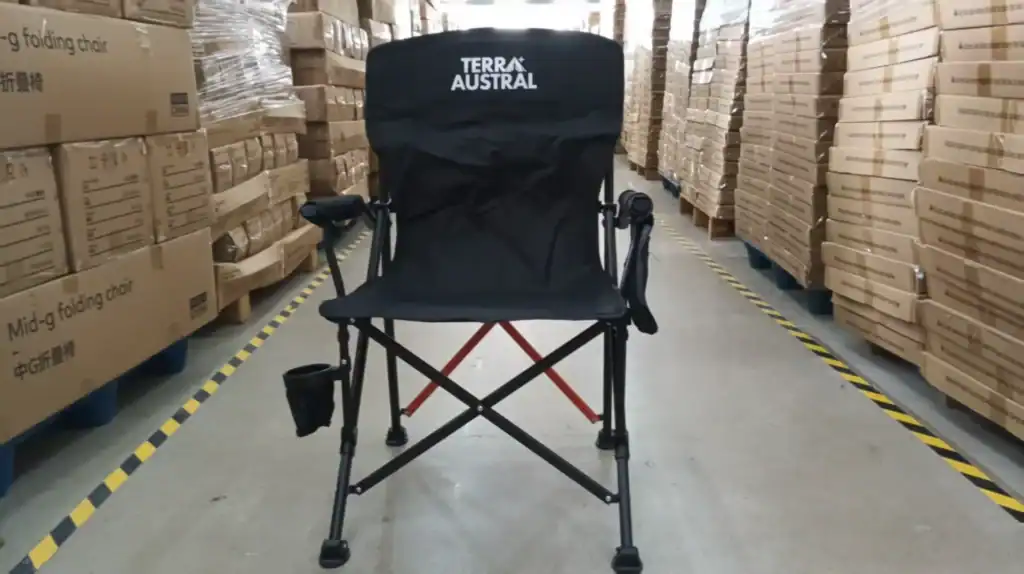
The warehouse in Rotterdam was quiet that morning—until the pallets of private-label camping gear packaging started getting unwrapped. A $50,000 order, 2,000 folding camp chairs. The pre-production sample had passed with clean stitching and a crisp logo on the carry bag. But when the mass production landed, the hang tags were blurry, the wash labels mixed fiber content across two languages, and the box printing didn’t match the brand’s PMS color. Three retail buyers canceled shelf reservations within a week. The entire shipment sat at FOB Rotterdam while the brand manager calculated a loss that went well beyond unit cost—reprints, air‑freight for replacement tags, and a lost season of trust with stockists who had already penciled in the product.
Packaging isn’t decoration. It’s the first physical proof of your quality tolerance. When a carry bag’s screen print rubs off at the first campsite or a label disintegrates in wet weather, the return rate eats your margin. Order value doesn’t protect you. A $75,000 batch of camping tents was rejected by a European distributor a few years back because the instruction manual’s cover art looked like a photocopy from a 2005 inkjet. That’s not a manufacturing defect; it’s a branding failure that started at the sample approval stage. Blending the right printing method—digital for detail, thermal transfer for durability—with the right label substrate—woven fabric for blankets, rubber for hard goods—isn’t optional. It’s part of the manufacturing cost, and it needs to be locked in before you confirm FOB条件. Skip the パッケージデザイン step, and in three months the product is back in a warehouse, unsalable, while the reprint eats into the next order’s margin.
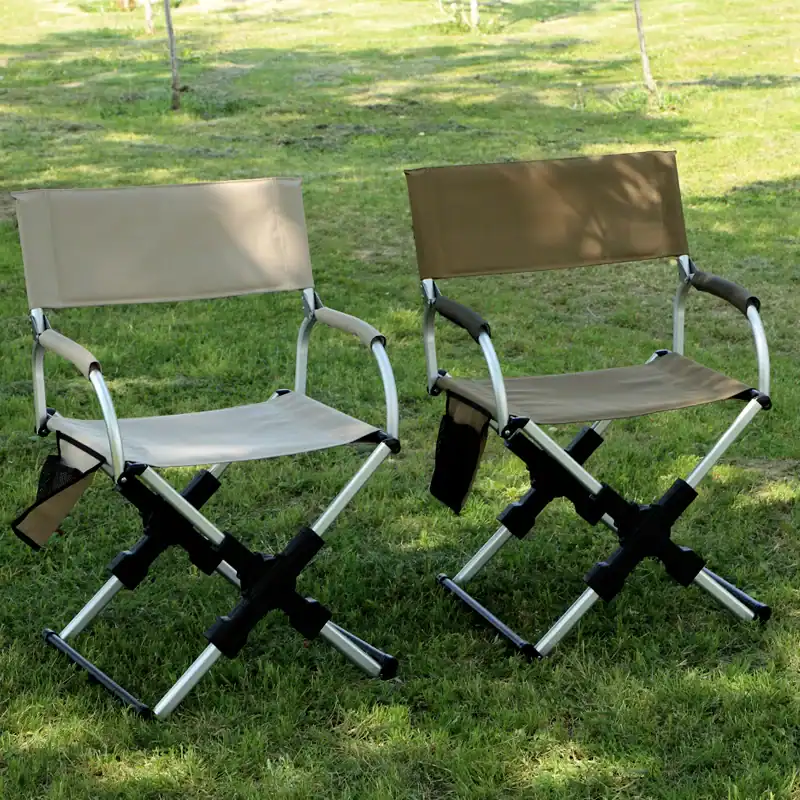
What Can Be Customized on a Camping Product
Most guides say start with product specs.
I’ve seen a brand manager order 2,000 custom chairs, loving the pre-production sample. Then the mass production run arrived with fabric a shade off and the logo peeling after one weekend. The root cause? The sample approval didn’t lock down the exact dye lot and printing adhesion standard for the carry bag fabric. In private-label camping gear, you customize the full visual and tactile identity, not just a logo on a stock item.
Here’s what you can actually spec—and what most buyers miss until quality tolerance issues eat into their FOB pricing advantage.
-
- Fabric Dyeing & Printing: テントや家具のファブリックは、スウォッチ帳から選ぶだけでなく、正確なPantone番号に染め上げることができます。印刷オプションには、フラットパネルに大胆なグラフィックを施すシルクスクリーン印刷、バックパックに写真のような精細さを実現するデジタル転写、ワゴン側面のような摩耗の激しい部分に適した熱転写があります。また、テントのフライシートに安全警告を別ラベルなしで直接製品内部に印刷することも可能です。.
- あらゆる場所へのロゴ: ロゴの配置は胸元のタグだけにとどまりません。椅子のアームレスト、テーブル天板の縁、ワゴンの車輪、さらにはジッパープルにまであなたのマークを入れることができます。高級感を出すには、織りラベル、型押しレザー、またはラバーパッチをお選びください。ショルダーストラップや荷重がかかる部分に刺繍されたロゴは、シルクスクリーン印刷版よりも長持ちし、数回のキャンプ場での開梱後にはがれることもありません。.
- 多言語対応洗濯ラベル&カスタムハングタグ: EUで販売するアウトドアギアには、多言語対応の洗濯ラベルが必要です。ケアタグは最大5言語までカスタマイズでき、ブランドのカラースキームに合わせることができます。キャンプ用品店用のハングタグは湿気に耐える必要があります。合成紙や樹脂コーティングされたカードストックなど、防水性のあるラベル素材を指定しないと、雨のデモンストレーションの日にタグがパルプのようになってしまいます。.
- キャリーバッグ&外装パッケージ: テントやチェアが入っているキャリーバッグは、後付けのものではありません。すべてのキャンプサイトにおけるブランドの看板です。ファブリックの染色をカスタマイズし、フルブリードデザインを印刷し、メッシュウィンドウ、コンプレッションストラップ、さらにはブランド入り修理キット用のポケットを追加することもできます。キャリーバッグに加えて、外装箱も指定可能です:SKUバーコード入りのプライベートラベルボックス印刷、Amazon FBA準拠の寸法、小売店のフック掛けに対応したシェルフレディなミシン目加工などです。.
- マニュアル&保証書: あなたのロゴ、安全アイコン、ブランド動画へのQRコードを含む複数ページのマニュアルを同梱してください。紙の種類と製本は、パッケージ全体の美観に合わせて選択できます。.
重要なのは、製品プロトタイプだけでなく、完全なパッケージの量産前サンプルを承認することです。私は、上質なテントが、すぐに潰れてしまう箱に入って出荷され、棚でのインパクトを台無しにしているのを見たことがあります。Kelyland Outdoorsのように、10段階のサービスのステップ7としてパッケージデザインを持つ調達パートナーと協力すれば、量産が始まる前に、デジタルプルーフと組み立て済みパッケージの実物サンプルを受け取れます。ハングタグのフォントサイズが3フィート先から読めないことに気づくのは、まさにその時です。.
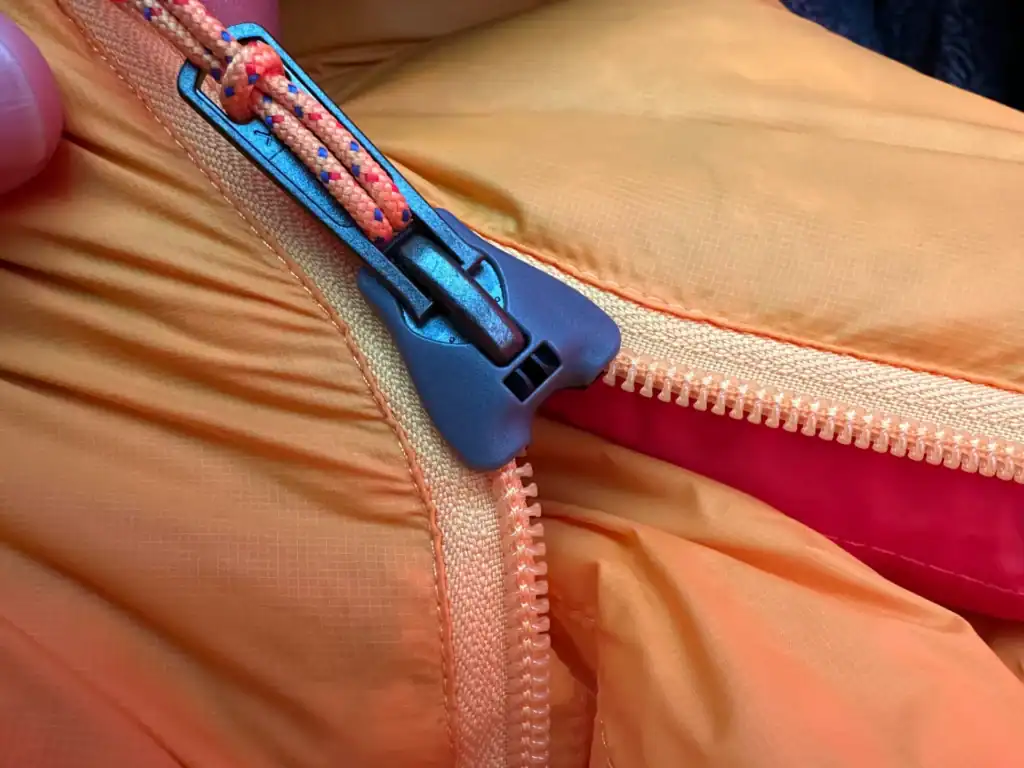
Materials and Printing Methods That Travel Well
仕様書はコンテナ内の結露を考慮していません。.
ほとんどのブランドマネージャーは、ロゴの配置と色合わせに数週間を費やした後、名刺を注文するのと同じ感覚でラベル素材を選びます。キャンプ用品はコンテナ内に20〜35日間置かれ、日々の温度変化で汗をかきます。紙ベースのタグは湿った寝袋のシェルから湿気を吸収し、インクはにじみ、開梱体験はカビの斑点のあるブランディングを届けることになります。基材はデザインファイルよりも重要です。.
寝袋、テント、バックパックに縫い付けられるラベルには、織りポリエステルダマスクがベンチマークです。商業洗濯を50回繰り返しても鮮明に読め、縫い目に沿ってほつれることもありません。ナイロンタフタラベルは約40%安価ですが、繰り返しの梱包と開梱で角が丸まります。サテンは寝袋ライナーなど肌に触れる用途には柔らかいですが、日焼け止めの残留物でシミになりやすいです。ラバー&シリコーンラベル(PVCフリーTPU)は、クーラーボックス、ドライバッグ、折りたたみワゴンのハンドルで人気を集めています。浸水や直射日光にさらされてもひび割れしないからです。.
-
- 織りポリエステルダマスク: 縫い付け用途向けの最高耐久性。細かい文字をにじみなく保持し、商業用洗濯にも対応。.
- TPU/シリコーンゴムラベル: ハードグッズ、クーラー、濡れる環境にさらされる製品向けのUV安定性と防水性。3Dエンボスロゴは摩耗に耐えます。.
- コーティング加工タイベックハングタグ: 引き裂き耐性と耐湿性に優れ、濡れた状態で保管されるテントやタープにはラミネートカードストックよりも適しています。.
印刷方法の選択は基材の選択に従うものであり、その逆ではありません。シルクスクリーンはナイロンやポリエステルの表面に厚いインク層を載せるため、ファブリックの伸縮が想定されるスタッフサックやキャリーバッグの大胆なロゴの標準的な方法です。インクは繊維に浸透するのではなく繊維の上に乗るため、耐摩耗性は完全に硬化時間とインク配合に依存します。600Dオックスフォードワゴン生地に適切に硬化されたシルクスクリーン印刷は、マーチンデール試験で1,000回以上の摩擦サイクルに耐えるはずです。安価な1液型インクは200回でフレーク状になり始めます。.
熱転写印刷はポリエステル糸に直接転写されるため、繰り返しの洗濯後も判読性を維持する必要があるケアラベルや多言語洗濯表示に好まれる方法です。風合いの硬さを追加しないため寝袋ライナーには重要であり、圧縮スタッフサック内で隣接するファブリックに転写されることもありません。デジタル印刷はテント用キャリーバッグの複雑なブランドマークのフォトリアルなグラデーションを処理でき、版代なしでパントン一致の小ロットを可能にしますが、単価がシルクスクリーンを下回るのは概ね500枚未満の場合のみです。刺繍はバックパックやキャンプチェアのブランディングを高めますが、ステッチフィールドの背面に3〜5ミリメートルの剛性を追加します。承認前にバッキング素材のサンプルを要求してください。40番手のポリエステル糸は、アウトドアギアのディテール解像度と耐摩耗性のバランスを取ります。.
出荷時の積み重ね、湿度、小売店での取り扱いにさらされるパッケージ部品については、カードストックインサートの最低基材重量を350gsm、PVCまたはTPUハングタグの最低厚さを0.6mmに設定してください。より薄い素材はバンド締めの圧縮で反りが生じ、顧客がブランディングを見る前に流通センターで不合格となります。.
| 方法/素材 | 基材適合性 | アウトドア耐久性 | 理想的な使用例 |
|---|---|---|---|
| シルクスクリーン印刷 | ポリエステル、オックスフォード、ナイロン、PVC、金属 | 高 – UV褪色と摩耗に耐性 | カスタムキャンプチェア、テント、ワゴン生地、調理器具のブランディング |
| デジタル印刷 | ポリエステル、ナイロン、キャンバス(キャリーバッグ、バックパック) | 中程度~高程度 – フルカラーのディテール、保護コーティングが最適 | バックパックのパネルやテントのキャリーバッグに施される複雑なロゴグラフィックス |
| 熱転写 | オックスフォード、ポリエステル、ナイロン、EVA、ハードクーラー | 高程度 – シャープなエッジ、柔軟なフィルム、防水性の接着 | キャンプ家具のラベル、寝袋のロゴ、Amazon対応パッケージ |
| 刺繍 | キャンバス、ヘビーオックスフォード、パッド入りパネル(寝袋、ハンモック) | 優れている – 糸は湿気、日光、繰り返しの折りたたみに耐える | グランピングテントや高級寝袋用のプレミアムブランドバッジ |
| 織りラベル | 布製品、キャリーバッグ、バックパックに縫い付けられる | 非常に高い – ポリエステル/ナイロン糸はほつれや色あせに耐性がある | 多言語対応の洗濯ラベル、アウトドア家具のブランドフラッグ |
| ラバー/PVCタグ | テントの角、バックパックのデイジーチェーン、ワゴンのハンドル | 極めて高い – 完全防水、低温でも柔軟、, UV安定性 | ハイキングパック、折りたたみワゴン、ヘビーデューティーギア用の3Dブランドロゴ |
| レザー(フェイク)パッチ | キャンバス、コーデュラ、ワックスドコットン、高級キャンプバッグ | 中程度 – 審美性のある質感で、たまに使うギアに最適 | プレミアム 店頭陳列対応パッケージ, 、ギフトボックス入りキャンプ用調理セット |
Why Packaging Matters for Retail and E-commerce
あなたのパッケージは飾りではない。これまであなたのことを知らない買い手に、製品の第一印象となる品質シグナルなのだ。.
小売のキャンプ用品店は視覚的な戦場である。ある調査によると、 消費者行動 では、ほとんどの買い物客が棚を一瞥してから3〜7秒以内にどの製品を手に取るかを決めるという。あなたの箱、ハングタグ、またはキャリーバッグが、隣の競合製品よりも速く「本格的なアウトドアブランド」を伝えられなければ、あなたは負ける。これは派手な色の問題ではない。素材の重み、腕を伸ばした距離で読める活字、そして蛍光灯の下で40時間を経ても色あせない仕上げの問題だ。私は、ヨーロッパのブランドが、ハングタグが店内の湿気で2週間で反ってしまい、小売業者に棚から撤去されたことで、28,000ユーロ相当のシーズン注文を失うのを目撃したことがある。.
店頭陳列対応パッケージ(SRP)には、ロゴ以上のものが求められる。折りたたみワゴンやグランピング用テントのようなかさばる商品には、中身を保護しながら製品または迫力のあるヒーローショットを見せる、積み重ね可能な型抜きボックスが必要だ。トレッキングポールやキャンプライトのようにフックに掛ける商品には、厚いチップボードにマットラミネート加工を施したカスタムハングタグが、これは100円ショップの衝動買いではないと手に伝える。ここでコストを削りたくなるだろう。しかし、それをするな。物理的なタッチポイント——テクスチャーのあるラベル、箱のマグネット開閉——が、無名ブランドの同等品に比べて15〜20%のプレミアムを買い手が支払う意思を固定するのだ。.
-
- ブランドシグナルを増幅させる: キャリーバッグや収納パックの外側に、織りラベル、ラバー加工のパッチ、エンボス加工のレザーバッジなどの触感のある素材を使用する。これらの素材は単にあなたの名前を印刷するだけではない。ジッパーに触れる前に耐久性を伝えるのだ。小売店の棚では、折りたたみチェアバッグに付いたレザーのリストストラップやシリコンロゴパッチが、より安価なポリ印刷の競合製品の視覚的ノイズを打ち破る。.
- 期待値を設定することで返品を減らす: 箱の外側に、パッケージ済みの製品寸法と、明確で高解像度の写真を印刷する。顧客が店の通路でパッケージを確認し、中のテントやマットレスが表示されているものと一致すると確信できると、返品は測定可能なほど減少する。これは、無言のセールスアシスタントとして機能するパッケージだ。.
電子商取引では、ルールは完全に変わる。Amazon FBAのパッケージング要件は交渉の余地がない。3方向からの125ポンド落下テストに合格しない箱や、48時間の振動シミュレーションに耐えられない箱はフラグが立てられ、それは貯蔵料金の雪崩が起きるのを待っているようなものだ。開梱体験は、今や顧客と過ごす唯一の物理的な瞬間である。キャンプ用エアマットレスが、無地の茶色い箱ではなくブランド入りのビニール袋で届けば、すぐに思いやりを感じさせる。内部には、型抜きされたフォームインサート、シンプルな感謝カード、そして縫い目にさりげなく縫い付けられた多言語対応の洗濯ラベル——これらは飾りではない。これらこそが、完璧に機能する製品を「プレミアムに感じなかった」という理由だけで顧客が返品するのを防ぐのであり、その価格は149ドルだ。.
相関関係は直接的である。より良いパッケージデザインは、FOB価格と、持続可能なブランドを構築するために必要な小売マークアップとの間のギャップを埋める。私が新しいブランドマネージャーによく見かける隠れたコストの一つは、初回生産後に汎用の白い箱で出荷したためにパッケージを後から作り直すことだ。それを後で修正するには、何千枚ものユニットを再印刷し、次の注文サイクルを30〜45日遅らせ、貴重な販売シーズンを失うことになる。サンプル承認の段階でパッケージを正しく仕上げること。その 量産前サンプル 承認には、製品だけでなく、完成したパッケージ済みサンプルを含めなければならない。それ未満なら、あなたはブランドの第一印象を賭けていることになる。.
このステップを省略すると、計算はすぐに厄介になります。もしあなたの汎用パッケージングがわずか3%高い返品率を引き起こす場合 返品率 1,000ユニットの中級キャンプ用品の注文、例えば小売価格$89の折りたたみコットであれば、約$2,670の直接損失に加えて倉庫廃棄費用が発生し、無駄になる物流は言うまでもありません。さらに悪いことに、それらの返品はネガティブレビューにつながり、今後6〜9か月のコンバージョン率を壊します。ユニットあたり追加で$0.60〜$1.50を専門的なパッケージングに費やすことはコストではなく、再構築には手が届かない評判に対する、カートンあたりラテ1杯未満の保険なのです。.
Coordinating Packaging with Your Manufacturer
店内陳列対応パッケージの色ずれは、誰かが実物サンプルのステップを省略したために発生します。.
カスタムキャンプテント用キャリーバッグ2,000個の生産でデジタル校正を承認したブランドマネージャーを覚えています。CMYKファイルは完璧に見えました。実物サンプルが届くと、ロゴは3mmずれ、オレンジは茶色に近く見えました。工場はそれでも印刷しました。その$12,000の失敗は、アートワーク仕様の固定と量産前サンプルの承認という2つのシンプルなプロセス管理で回避できたはずです。.
プライベートブランドのキャンプ用品パッケージングのアートワーク提出は、JPEG添付のメールではなく、規律ある引き継ぎに従う必要があります。フォントをアウトライン化し、Pantoneカラー参照を含めたベクターファイル(Adobe Illustrator(.ai)またはPDF)を送ってください。600Dオックスフォードのキャリーバッグや織りラベルのような生地の場合、ファイルにはスクリーン値だけでなく、素材のスウォッチ参照として生地のベースカラーを指定する必要があります。そうしないと、ダークグレーのバッグ上のスカイブルーのロゴが、ほとんど見えないぼやけたものになりかねません。.
-
- ファイルチェックリスト:: 1:1スケールのダイライン、塗り足し領域、カラーコールアウト(CMYK近似ではなくPantoneコード)、フォントファイル、そしてテクスチャー素材のための実物参照スウォッチを提供してください。.
- 印刷方法の連携:: PVCエアマットレスバッグへのシルクスクリーン印刷は、リップストップナイロンへのデジタル熱転写よりも太い線幅が必要です。デザインを確定する前に印刷可否チェックを依頼してください。.
- サンプル承認プロトコル:: 必ず、その注文を生産する同じ生産ラインから量産前サンプルを依頼してください。デジタル校正はレイアウト確認のみです。実物サンプルは、色の正確さ、曲面へのラベル配置、耐久性を確認できます。—印刷面を引っかいたり、濡れた布でこすったり、折り曲げたりしてください。インクが剥がれる場合、防水ラベル仕様を満たしていません。.
10ステップの調達プロセスにおいて、パッケージングサンプルの段階はデザインの直後、量産合意の前に位置します。有料のサンプル費用は、多くの場合大口注文に対して払い戻し可能で、洗濯表示が読めない、ロゴが汚れたといった商品がコンテナ一杯に届くのを防ぐ最も安価な保険です。パートナー工場の内部標準は、印刷のみの変更でサンプル対応3日、革やラバーのハングタグのような新しい素材の組み合わせで5〜7日です。いったん承認すると、そのサンプルは 品質許容度 生産全体の参照基準となります。合意した許容範囲を超えるもの、通常は色のDelta E 2.0を超えるものは、出荷前検査で不合格となります。.
Amazon FBAに出荷する場合は、もう1つ層を追加してください。パッケージはISTA 3A落下試験に合格する必要があります。ポリ袋の中で潰れて届いた美しい箱は、ネガティブレビューを意味します。サプライヤーに、パッケージングサンプルと一緒に出荷試験用サンプルを含めてもらい、コミットする前に陳列効果と物流対応の両方を評価できるようにしてください。パッケージは顧客が最初に触れるものです。テントのキャリーバッグのジッパーが引っかかれば、ブランドの信頼性も一緒に引っかかります。—中身のテントがどんなに良くてもです。パッケージデザインの適切なサンプル承認を省略すると、500張りのテントが再ラベル待ちで3週間倉庫に眠ることになりかねません。その遅延は、厳しいFOB価格で築いた利益を消し去ります。印刷ロゴの色許容度が一度も確定されなかったために、$50kの注文が firesale と化すのを私は見てきました。—再印刷が届いた頃には、販売シーズンは終わっていたのです。.
結論
The packaging is the first thing a customer touches. If the zipper of your tent’s carry bag snags, the brand’s credibility snags with it—no matter how good the tent inside is. Skipping a proper sample approval for your packaging design can mean a batch of 500 tents sits in a warehouse for 3 weeks waiting for re-labeling. That delay erases the margin you built with a tight FOB price. I’ve watched a $50k order turn into a fire-sale simply because the color tolerance on the printed logo was never locked in—by the time the reprint arrived, the selling season was over.
次の一手:製品プロトタイプと一緒にハードパッケージのサンプルを依頼しましょう。それを湿度、圧縮、取り扱いを含む完全な輸送サイクルでテストしてください。現在の調達パートナーがパッケージを別個の土壇場のタスクとして扱うなら、サンプル承認と品質管理のステップに最初から組み込むパートナーを見つけてください。次のPOを発行する前に、パッケージの仕様書が製品のものと同じくらい詳細であることを確認してください。.
よくある質問
キャンプ用品のパッケージで何をカスタマイズできますか?
ハングタグ、ケアラベル、取扱説明書、内袋、外側の小売用ボックスをカスタマイズできます。テントや椅子用のキャリーバッグは、多くの場合、ブランドパッケージを兼ねており、それを排除します。顧客が最初に目にするアイテムから始めましょう—通常はハングタグまたはキャリーバッグです。.
海運輸送と湿気に耐えるラベル素材はどれですか?
ポリプロピレンやビニールなどの合成素材は、紙よりもはるかに湿気や摩耗に耐性があります。UV耐性のオーバーラミネートと組み合わせると、コンテナの結露が数週間続いても判読可能な状態が保たれます。必ず、過酷な取り扱い試験を経たラベルサンプルを要求してください。.
パッケージ用のアートワークを提出してサンプルを入手するにはどうすればよいですか?
ベクターファイル(AIまたはPDF)を、アウトライン化されたフォントとパントーンカラーコードとともに送ってください。その後、工場は量産前サンプルを製作し、量産前に色、配置、フィット感を確認できます。量産前サンプルを絶対に省略しないでください——それはミスを発見する最後のチャンスです。.
Amazon FBAにとって、パッケージデザインは重要ですか?
はい。Amazonでは、厳格な落下試験に合格し、過剰梱包の追加料金を回避し、スキャン可能なバーコードを表示する梱包が求められます。最初からFBAストレスフリー基準を満たすように梱包を設計してください。.
製品用キャリーバッグは小売用パッケージを兼ねることはできますか?
もちろんです。多くのテント、椅子、マットは、保護と販売時点のパッケージを兼ねたカスタム印刷の持ち運び用バッグを使用しています。持ち運び用バッグのブランディングは早めに指定してください。それが印刷方法とレイアウトを決定します。.

 English
  Español
  Deutsch
  Français
  Português do Brasil
  Русский
  العربية
  한국어
한국어  日本語
日本語