 跳到内容
跳到内容 
どの調達ガイドもポリエステルとナイロンのテントの選択を同じように説明している。家族向けキャンプにはポリエステルを指定し、ウルトラライトSKUにはナイロンを取っておき、重量削減のコストとして30%のFOBプレミアムを受け入れる。そのアドバイスはラインレビューのスライドには十分きれいだ。また、昨年はバイヤーが$50,000を失った。プリプロダクションサンプルがチェックリストのすべての品質許容範囲(耐水圧、引裂強度、ステッチ数)を通過したが、量産ロットが1–2%に達したためだ。 シームテープの手直し率 ナイロンの弾性が動的張力下でホットメルト接着剤を引き裂いたが、静的ラボテストではそれを再現できない。欠陥プレミアムは初日からFOB単価に織り込まれており、見積書には見えず、小売りの消化率は11ポイント低下し、返品窓口がその余波を処理した。.
実際のコスト差はメートル単価から始まるわけではない。68Dポリエステルタフタが$0.90〜$1.20、20Dナイロンリップストップが$1.50〜$2.20である。それは、色の批次が2,000メートル未満のときに工場が見積書に埋め込むものから始まる。ポリエステルの染色では発生しない、1メートルあたり最大$0.15の隠れたナイロン追加料金だ。さらにナイロンは重量比で4倍の水を吸収するため、同じ耐水圧を達成するにはより重いPUコーティングが必要になり、コーティングのライン項目にさらに5〜8%が加わる。$300のナイロンバックパッキングテントは、スペックシート上では40%の利益率に見えても、10.5%の従価税が上流のすべての隠れたコストを増幅させると、実際には28%の利益率になる。どこを見ればよいか分かれば、計算は変わる。.
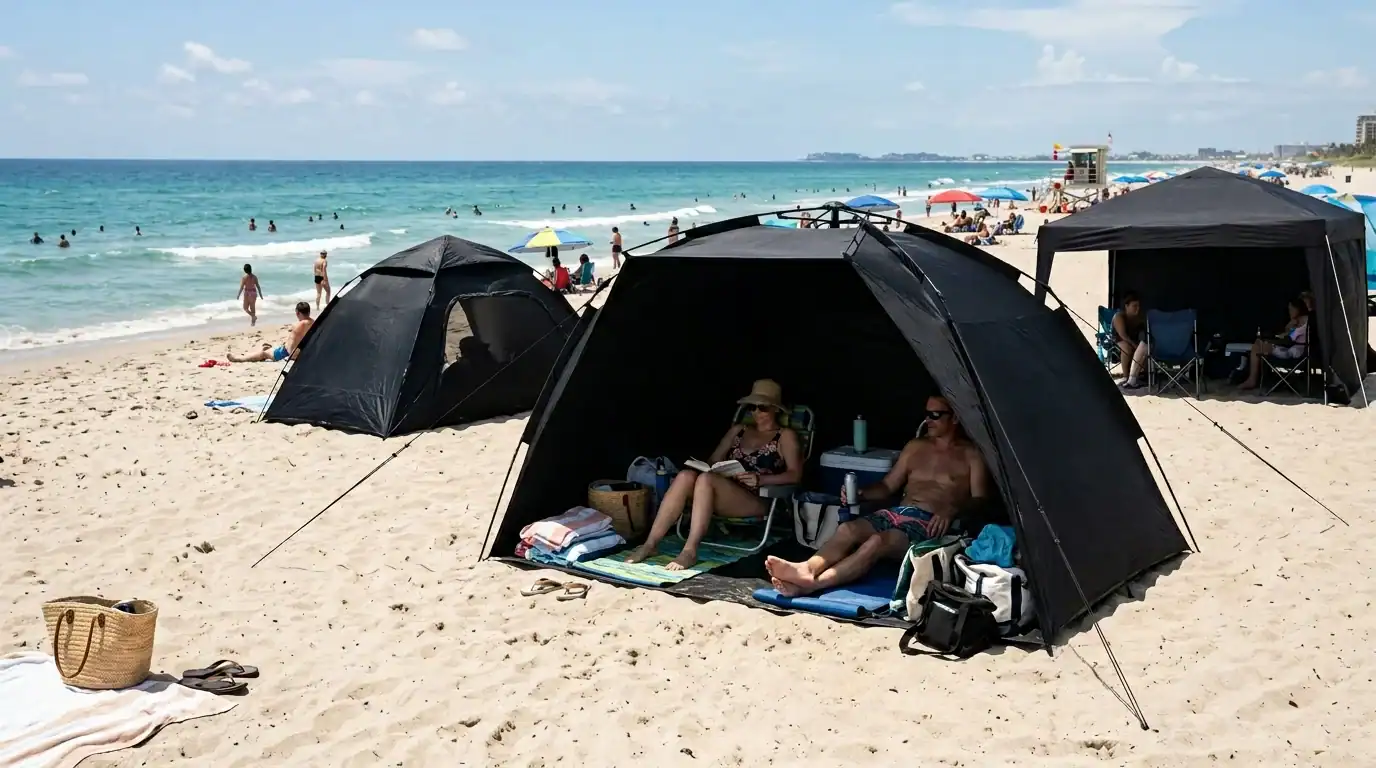
生地原材料価格:ナイロン vs ポリエステル
ナイロンの見積書には、1メートルあたり最大$0.15の工場ロット追加料金が隠されている。ポリエステルのロットにはない。.
卸売生地レベルでは、コスト差が大きく響く。. 68Dポリエステルタフタ テントフライ用は、次の間で取引される 1メートルあたり$0.90〜$1.20; ;同等重量の 20D ナイロンリップストップ ロットは 1メートルあたり$1.50〜$2.20. その20〜40%の差は一時的な供給不足ではありません。これは、ナイロンのエネルギー集約的な重合プロセスと、ポリエステルより60%小さい供給基盤を反映しています。中国は世界のテント生地生産の70%を占めていますが、ナイロン生産能力はより少数の工場に集中しており、それらの工場に価格決定力を与えています。.
生地の歩留まりがその差をさらに明確にします。ポリエステルは密度がわずかに低く、耳端の廃棄が少ないため、1キログラムあたりの有効平方メートルが多くなります。約12m²の生地を使用する標準的な3人用ドームテントの場合、原材料費の差だけで 1ユニットあたり3〜5ドル. になります。 5,000ユニットの発注, では、 15,000〜25,000ドル が一針も縫う前に節約されます。これは、アクセサリーライン全体の資金調達や、予期しない関税引き上げを吸収するのに十分な金額です。.
注意すべきは ナイロン見積もりに埋め込まれた最小工場ロット追加料金 です。カラーバッチが2,000メートル未満の場合(季節ごとの最小発注数量では一般的)、一部の工場では 1メートルあたり0.15ドル を「小ロット」ペナルティとして追加します。ポリエステルの染色準備はより短く安価であるため、この追加料金が発生することはほとんどありません。染色ロット費用の項目別明細を要求してください。サプライヤーがそれを提供しない場合は、追加料金がすでに生地価格に組み込まれていると想定してください。.
ナイロンの弾性も製造コストを押し上げます。ホットメルトシームテーピング中、生地の伸縮により 1〜2%高い手直し率 ポリエステルの寸法安定性と比較すると。その不良プレミアムはFOB見積もりには項目化されておらず、単価に組み込まれています。工場の内部手直し率ログを要求してください。ナイロンテントを1%超の手直し率で下降傾向なく稼働させている工場は、静かにあなたの利益を侵食しています。.
| 比較指標 | ポリエステル(68D) | ナイロン(20D) | ビジネスへの影響 |
|---|---|---|---|
| 卸売生地価格(リニアメートルあたり) | $0.90~$1.20 | $1.50~$2.20 | ポリエステルは3人用テント1張りあたり$3~$5の原材料費削減を実現します |
| 染色最小ロットと工場追加料金 | 追加料金なし、小ロット対応可能 | 2,000m未満のロットには$0.15/mまでの隠れた追加料金 | ナイロンの見積もりは、小ロットの色替えで5~10%のコスト増を隠す可能性があります |
| 色ごとの標準最小注文数量(生地工場) | 50~100メートル | 300~500メートル | ポリエステルによる現金支出と在庫リスクの低減 |
| 生地の歩留まりと耳刳り(トリム)廃棄物 | 1kgあたりの歩留まりが高く、トリムロスが少ない | 歩留まりが低く、トリム廃棄物が多い | ポリエステルは工場間接費を1メートルあたり$0.10〜$0.20節約する |
製造コスト要因:人件費、コーティング、構造
縫製スピードとコーティング吸収率は、単価を$1.00以上変動させる可能性があります——これらのライン項目を監査してください。.
原反ファブリック価格は注目を集めますが、製造コスト要因がテントラインが目標GMROIを達成できるかどうかを左右することがよくあります。縫製人件費、コーティング塗布、シーム構造という3つのライン項目は、ポリエステルとナイロンで挙動が異なり、標準的なFOB見積もりにはほとんど現れないマージン漏れを生み出します。.
縫製人件費:ポリエステルの隠れた利点。ポリエステルの剛性により、滑りやすいナイロンよりも10〜15%速く工業用ミシンに送り込むことができます。35分の直接縫製時間を要するテントの場合、中国工場の賃金水準では、このスピード差により1ユニットあたり$0.30〜$0.50を節約できます。5,000ユニットの発注では、その差は$1,500〜$2,500となり、そのまま貴社の最終利益に直結します。.
-
-
- 労働時間差: 同等の構造複雑性において、ポリエステルはナイロンと比較して1ユニットあたり0.30〜0.50米ドルを節約します。.
- 根本原因: ナイロンの弾性が高いため、送り速度を遅くし、オペレーターの位置調整を増やす必要があります。.
- マージンへの影響: $45のFOBテントの場合、$0.40の人件費削減により、小売マークアップ前の粗利益率が約1パーセントポイント向上します。.
-
コーティングと防水加工の経済性。PUコーティングの塗布コストは、基材に関係なく1リニアメーターあたり$0.10〜$0.15ですが、ナイロンは同じ耐水圧を達成するために約5〜8%多くのコーティングを吸収します。これは、ナイロンの繊維が膨潤してより多くの液体を保持するためです。プレミアムナイロンテントによく使用されるシリコーンコーティングは、$0.40〜$0.70/mかかります。素材の現実:ナイロンはポリエステルの4倍の水分を吸収します(4.0% vs 0.4%)。そのため、工場はそれを補うためにコーティングを過剰に塗布せざるを得ません——これはヤードあたりのファブリック価格に埋め込まれた割増料金です。.
-
-
- PUコーティング費用: 0.10〜0.15米ドル/m、基材間で同一ですが、ナイロンではユニットあたりの消費量が多くなります。.
- シリコーンコーティング費用: 0.40〜0.70米ドル/m、通常はナイロンにのみ塗布され、価格差をさらに広げます。.
- 吸水性係数: ナイロンの4.0% vs ポリエステルの0.4%という吸水率の差が、目に見えないコーティング重量とコストの増加を引き起こします。.
-
ホットメルトシームテーピング vs 縫製シーム。防水テントにとってシームテーピングは必須ですが、ナイロンの伸縮性が工場フロアでの問題を生み出します。ホットメルトテープ施工時、ナイロンの弾力性により、寸法安定性に優れるポリエステルと比較して手直し率が1〜2%高くなります。これらの手直しされたパネル——そしてそこから生じるスクラップ——は、請求書に項目として記載されることは決してなく、単価FOB価格に償却されます。サプライヤーを監査する際は、シームテープの不良記録を請求してください。その回答によって、利益率を侵食する隠れた弾力性プレミアムを支払っているかどうかが明らかになります。.
-
- 手直し率: ナイロンはポリエステルよりもホットメルトシームテーピングの手直し率が1〜2%高い。.
- 隠れたコスト: 不良品プレミアムはFOB価格に織り込まれているが、項目別見積書には記載されていない。.
- 監査アクション: サンプル承認時にシームテープの不良記録を請求し、実際の弾力性割増料金を定量化する。.
| 製造要因 | ポリエステルの挙動 | ナイロンの挙動 | コストへの影響 |
|---|---|---|---|
| 縫製工数 | 硬い生地は送りが速く、縫製時間が10〜15%短縮 | 滑りやすく、より遅く精密な取り扱いが必要 | ポリエステルは1ユニットあたり$0.30〜$0.50の直接労務費を節約 |
| PUコーティング吸収 | 目標到達に必要なコーティング吸収量が少ない 静水圧ヘッド | スポンジ状の吸収はより多くのコーティング材を必要とする | ナイロンはユニットあたりのPUコーティングコストが5〜8%高い |
| シリコーンコーティング施工 | エントリー/ミドルクラスのポリエステルテントではほとんど指定されない | ウルトラライトナイロンでは一般的。高い引裂強度に必要 | 1平方メートルあたり$0.40〜$0.70の追加コストとなり、COGSにおけるナイロンの軽量性メリットを打ち消す |
| ホットメルトシームテーピングの手直し | 寸法安定性が高く、テープ不良率が低い | 伸縮性によりテープの剥離が発生。不良率1〜2% | 隠れた手直し費用が最終的なナイロンFOB価格を押し上げる |
大量注文の経済性:最小発注量、輸送、キャッシュフロー
300ユニットのポリエステル注文はFOBコストで$13,500を拘束する。同等のナイロン生産は$22,500を要求する—そしてそれは工場の追加料金が発生する前の話だ。.
なぜ前回のナイロンテント注文は、棚に並ぶ隣のポリエステルSKUよりも40%多くの運転資金を消費したのか?多くのバイヤーは「ナイロンはコストが高い」と片付ける。それは表面的な話だ。本当の答えは、ほとんどのラインレビュースプレッドシートが検査しない3つの場所にある: ミルが設定するMOQ閾値, 運賃対価値比率 高FOB商品にペナルティを課すもの、そして工場の不良率が単価に静かに償却されていくこと。.
MOQギャップから始めましょう。ポリエステルの染色ロットは短く柔軟性があります—ミルは通常、追加料金なしで800メートルの色ロットを生産します。ナイロンミルは異なる方法で運営されています。重合化学は、より長く、より高温で、よりエネルギー集約的な押出成形工程を要求します。そのため、サプライヤーがナイロンテントに500ユニットのMOQを提示し、ポリエステルには300ユニットを提示する場合、彼らはわがままを言っているのではありません。彼らはミルの制約をそのまま伝えているのです。運転資本への影響は即座に現れます:$45のFOB単価でのナイロンテント500ユニットは、1箱でも船に積まれる前に$22,500を拘束します。一方、ポリエステル300ユニットでは$13,500です。12のSKUを担当するカテゴリーマネージャーにとって、SKUあたりの$9,000の差は、追加のオープン・トゥ・バイとして100,000以上を消費することになります—その資本は、30〜45日の生産期間に25〜35日の海上輸送を加えた期間、凍結されたままになります。.
-
-
- ポリエステルのMOQ実態: 標準的なミルランは色ごとに300ユニットを受け入れます。染色工程は短いバッチにも対応します。なぜならポリエステル繊維は低温で速いサイクルタイムで染色されるからです。800リニアメートルを超える色数量には、隠れた最小ロット追加料金は適用されません。.
- ナイロンの最小発注量の現実: 工場は通常、500ユニットの下限を設けています。色のバッチが2,000メートル未満になる場合(3〜4色の初回生産注文では一般的)には、最大$0.15/メートルの最小ミルラン追加料金が生地見積もりに組み込まれます。ほとんどの工場見積もりはこれを項目別に表示しません。単にFOB単価を$1.50–$2.00引き上げるだけです。.
- キャッシュフローへの影響: $200,000のシーズン用テントのオープン・トゥ・バイを運用するバイヤーは、ポリエステル注文を6〜8 SKUに分散でき、売れ筋を再注文する余裕があります。同じ予算をナイロンに使うと、品揃えは4〜5 SKUに制限され、再注文の余裕はありません。売り抜けリスクは分散ではなく集中します。.
-
次に運賃が計算に入ります。ナイロンテントは軽量で圧縮性が高く、20Dナイロンバックパッキングテントは、同等の68Dポリエステルドームテントの容積のおよそ60%にまで小さく梱包できます。これにより、容積ベースでユニットあたりの海上運賃が15–20%削減されます。しかし、ここに落とし穴があります:HTS 6306.22に基づく米国輸入関税は10.5%の従価税で、重量ではなく請求書金額の直接のパーセンテージです。FOB $55のナイロンテントには$5.78の関税がかかります。FOB $38のポリエステルテントには$3.99の関税がかかります。2,000ユニットのコンテナ全体で計算すると、ナイロン出荷には追加で$3,580の関税コストがかかり、運賃削減分をほぼ帳消しにします。すべての調達マネージャーは、FOB価値、関税、運賃を3つの独立した予算項目ではなく、相互に依存する3つの変数として計算する総陸揚げコストモデルを維持すべきです。.
-
-
- 海上運賃: ナイロンテントは、梱包容積が小さく重量が軽いため、ユニットあたりの運賃を15–20%節約できます。約1,800張りのバックパッキングテントを積載する40HQコンテナの場合、容積の大きいポリエステル同等品と比較して、総運賃で$1,200–$1,800の節約になります。.
- 従価税の増幅効果: 関税はFOB請求書金額に基づいて計算されるため、ナイロンのユニットコストが高いと、比例して大きな関税支払いが発生します。10.5%の場合、製品が通関する前に関税項目だけで小売業者の目標マージンの2〜3パーセントポイントを消費する可能性があります。.
- 損益分岐点の計算: FOB $52のナイロンテントは、FOB $38のポリエステルテントと比較して、運賃で$0.90節約できますが、関税で$1.50多くかかります。正味の陸揚げコストペナルティ:ユニットあたり$0.60。5,000ユニットのプログラムでは、これは顧客には決して見えない$3,000のマージン漏れです。.
-
次に、材料廃棄と不良品の手直しを考慮に入れます—工場見積書の誰もラベルを付けない項目です。ポリエステルは縫い針の下でも、またその後の 熱溶融シームテーピング. ナイロンは伸びます。テープ貼付の熱と圧力の下で、ナイロンパネルは1–2%伸長し、位置ずれを引き起こして、再加工パスが必要になったり、最悪の場合パネルが廃棄されたりします。. 工場監査ログ 複数のテント生産ラインにわたって一貫して示されているのは、ナイロンテントはシームテープ工程において内部不良率が1〜2%高いということです。そのコスト——手直し労働と無駄になったテープで1ユニットあたり約0.40〜0.70ドル——は静かにFOB価格に移行します。いかなる見積書も「不良プレミアム」を項目として記載することはありません。しかし、それは存在します。ナイロンテントのサンプル承認を行う際は、工場に直近3回の生産バッチのシームテープ歩留まり率を含めるよう依頼してください。歩留まりが97%未満の場合、あなたは彼らの工程非効率に資金を提供していることになります。.
-
- ポリエステルの不良特性: 熱と張力に対して安定。適切に較正されたラインでは、ホットメルトシームテープの歩留まりは通常98〜99%で推移します。縫製労働は10〜15%節約できます。なぜなら、生地の送りが速く、しわ寄せに強いからです。.
- ナイロンの不良特性: 弾性により、テープ工程での手直しが1〜2%増加します。品質許容水準がAQL 2.5に設定されている場合、ナイロンの生産ロットは検査に合格しながらも、1,000ユニットあたり15〜20パネルを静かに無駄にしている可能性があります——工場はすでにそのパネルをあなたのFOB価格に計上しているのです。.
- 監査テクニック: 生産前検査の際に、裁断室の歩留まりレポートとシームテープの初回合格率を要求してください。BOMに記載されている生地消費量と照合してください。計画値と実際の生地使用量の差が3%を超える場合、注文価格に隠れた無駄が組み込まれていることを示しています。.
このレベルのコスト分析を省略するバイヤーは、ナイロンテントを3シーズン調達し、なぜこのカテゴリーのGMROIがポリエステル部門に劣るのか疑問に思い、最終的にSKUを打ち切るでしょう——そもそも経済性が正しく計算されていなかったのに、製品のせいにするのです。行動しないことのコストは四半期ごとに複利で膨らみます: ミルランの割増料金を再交渉せずにナイロンを再発注するたびに、コンテナあたり1,500〜2,500ドルが流出します。FOB-関税-運賃の三角形をモデル化せずに輸入されるすべての出荷は、回避可能な陸揚げコストとしてさらに3,000〜5,000ドルを失います。年間の購買サイクルで4回の季節納品がある場合、これら3つの変数を監査するバイヤーとしないバイヤーの差は、P&Lに反映されない利益率18,000〜30,000ドルです。それは調達の問題ではありません。それはライン見直しの失敗です。.
結論
68Dポリエステルと20Dナイロンの生地価格差は、すべての見積書に表示されます。見えないのは、コーティングの過剰仕様料金、2,000メートル未満の色ロットに対する最小ロット割増料金、そしてシームテープ不良に対する1〜2%の手直しバッファーがナイロンのFOB価格に組み込まれていることです。200ドルのポリエステルファミリーテントは50%の小売利益率を生み出します。これらの隠れたコストを抱えた300ドルのナイロンバックパッキングテントは、しばしば35〜40%に達するのがやっとです——そしてその差こそ、棚のスペースを得るカテゴリーと在庫回転率を焼き尽くすカテゴリーの違いです。.
このベンチマークを次のサプライヤーとの打ち合わせに持ち込んでください。生地のリニアメーターあたりのコスト、コーティング施工料金、縫製労働を別々に項目ごとの内訳で要求してください——まとめてではなく。ナイロンのユニット総コストをポリエステルのユニット総コストで割ってください。その比率が1.5を超える場合は、小売価格が55%の最低利益率を維持できない限り、ポリエステルに固執してください。そのしきい値を下回れば、ナイロンはウルトラライトセグメントでその価値を発揮します。上回れば、消費者仕様書が正当化しないプレミアムを支払っていることになります。.

よくある質問
テント素材のコストにおいて、20Dと210Tの糸の測定値は何を意味しますか?
20Dはデニール——繊維の太さ——であり、210Tは1平方インチあたりの糸の本数です。デニールが高いと原糸コストが上がり、糸の本数が多いと織りの密度と労働が増加します。不要な仕様にお金を払わないよう、常にDとTを一緒に照合してください。.
ナイロンは、テント用のポリエステルよりも、生地がより薄く感じられるのに、なぜ高価なのでしょうか?
ナイロンの重合はよりエネルギー集約的で、糸の密度が高いため、低いデニールでも1平方メートルあたりのコストはポリエステルを上回ります。さらに、工場はしばしば隠れたコストを上乗せします。ミルレベルの見積もりを要求して、本当の糸の品質にお金を払っているのか、隠れたロット料金にお金を払っているのかを検証してください。.
PUコーティングとシリコーンコーティングでは、ポリエステルまたはナイロンのテントの最終コストはどのように変わりますか?
シリコーンコーティングは、複数回の塗布と硬化が必要なため、PUよりも1平方メートルあたり0.20〜0.40ドル高くなります。ナイロンでは、多くの工場がUV耐性の弱さを隠すためにシリコーンを過剰仕様にし、総コストを膨らませています。コーティングの選択は、耐水性の評価だけでなく、テントのUV曝露に合わせて行い、過払いを避けてください。.
ナイロンとポリエステルではどちらが燃えやすいですか、また、耐火性にはコストがかかりますか?
ナイロンは炎にさらされると溶けて滴りやすく、ポリエステルは本質的に難燃性が高い。認証済みの難燃処理を施すと、どちらの生地にもコストが約$0.10~$0.25/m²上乗せされる(ナイロンを含む)。難燃認証が必要な場合は、ナイロンとポリエステルのマージン比較を最終決定する前に、追加のコーティング費用を考慮に入れること。.
ナイロンの代わりに軽量ポリエステルテントを販売することで、より良い小売マージンを達成できますか?
はい。軽量の68Dポリエステルファミリーテントは50%以上の小売利益率を達成できますが、20Dナイロンバックパッキングテントはそれを超えるのに苦労することがよくあります。FOB価格だけでなく陸揚げコストで利益率モデルを計算し、輸送と関税におけるポリエステルの全面的な優位性を捉えてください。.

 English
  Español
  Deutsch
  Français
  Português do Brasil
  Русский
  العربية
  한국어
한국어  日本語
日本語