 跳到内容
跳到内容 
寝袋のMOQ価格設定をめぐる本当の会話は、コンテナが寧波を出港してから8週間後に始まる。買い手は、プリプロダクションサンプルが完璧に見える——ファイロフト(中綿の嵩高さ)が正しく、縫製がきれいで、YKKジッパーに正しい引き手が付いている——ことを確認して、$50Kオーダーにサインオフする。ロッテルダムに到着する量産ロットは、1袋あたり150グラム軽くなっている。誰かが 80/20ダックダウン(アヒル羽毛80%/20%) を、手触りは同じだが保温性が半分の低グレードの詰め物にすり替えたのだ。そのたった一度の品質許容差のずれが、32%の利益率を値引き処分棚の損失に変える。.
300枚で競争力があるように見えたFOB価格が、突然、中綿の一貫性についての厳しい話を必要とする。ゴールドシール(承認済み印)付きの仕様書が契約書に添付されていないサンプル承認は、ただの見せかけに過ぎない。工場は承認サンプルをガラスキャビネットに保管する一方で、生産ラインは別の部品表(BOM)を基準に作業する。これは十分に頻繁に起こるため、ベテランの買い手は最初の大口出荷を本当のサンプルとみなし、その想定を調達カレンダーに組み込む。.
寝袋を大規模に調達することは、単価あたりのコスト計算の問題ではない。サプライチェーン管理の規律の問題だ。以下の基準を守る工場は ISO 9001:2015認証 不良率を0.5パーセント未満に抑えている。守らない工場は、注文数が500枚を下回った瞬間に規格外のロット詰め物を押し付けてくる。コミットする前に、それらの線がどこに引かれているかを把握しているかどうかが、シーズン完売と死蔵在庫で埋まる倉庫の違いを生む。.
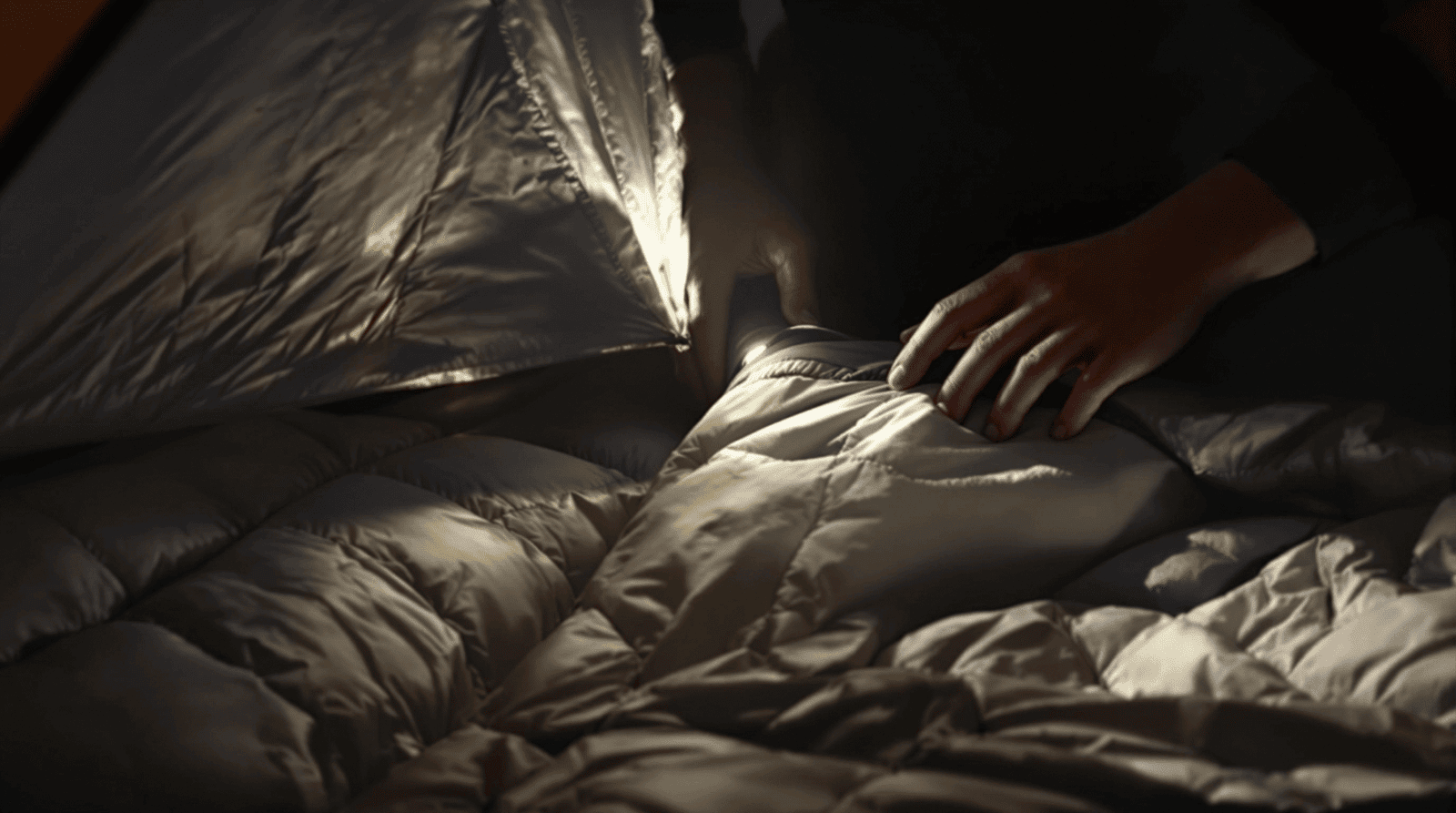
寝袋のMOQ価格設定が本当のコストを隠す理由
あなたはバッグだけでなく生産枠を買っている——これを無視すると、ランデッドコスト(陸揚げ原価)モデルは最初の行で崩れる。.
工場が提示する寝袋のFOB価格が、そのまま損益計算書(P&L)に載る数字になることはほとんどない。その差は、ほとんどの買い手が尋ねないコスト項目に存在する:他人のデッドストックを買わされる材料最小ロット、型が必要だと知らされていなかったカスタム金具のプレートチャージ、1,000枚未満の注文にペナルティを課す包装費の償却スケジュール。見積もりが単一の品目で返ってきたなら、あなたはすでに誰か他の人の問題を支払っている。.
根本的な誤りは、工場をMOQを入れると単価が出てくる自動販売機のように扱うことだ。あなたは生産枠を予約しているのである。その枠には固定費負担——ライン切り替えの労務費、染料バットの準備、裁断台のセットアップ——が伴い、それを注文枚数全体で吸収しなければならない。300枚であれば、それらの枠コストは薄く分散される。5,000枚なら、ほぼ消えてしまう。1枚あたりの差額は単なる数量割引ではなく、固定費償却の数学的現実なのである。.
-
- 材料デッドストックのリスク: 特定のシェル生地に対して異常に低い最小発注量(MOQ)を見積もるサプライヤーは、多くの場合、工場の過剰在庫を処分しようとしています。そのロールの生産日とデニール仕様を示すミル証明書を要求してください。日付が18ヶ月以上前であるか、デニールがあなたの仕様書と完全に一致しない場合、あなたは彼らの在庫問題を補助していることになり、来シーズンにあなたの注文全体の色の一貫性を再注文することは不可能になります。.
- 1,000ユニット未満の織りラベル版下準備費用: カスタム織りラベルには、100個でも10,000個でも、織機のセットアップに$50〜$80の費用がかかります。1,000ユニット未満の場合、このセットアップ費用は資材費(BOM)に1ユニットあたり約$1.50加算されます。1,000を超えると、$0.10未満に下がります。これは交渉の余地がありません—織機に糸を通す物理的なコストです—ただし、見積書に項目として明記されるべきであり、単価に静かに組み込まれるべきではありません。.
- バーコード付き小売パッケージのペナルティ: 個別のバーコード、ハングタグ、内箱を備えた小売対応パッケージには、専用の版とセットアップ費用を伴う別途の印刷工程が必要です。1,000ユニット未満の場合、ユニットあたりの追加費用は約$0.75です。1,000を超えると、約$0.30に逓減します。サプライヤーが500ユニットと5,000ユニットで同じパッケージ費用を見積もる場合、彼らは見積書の他の場所で吸収しているか、印刷品質を手抜きしているかのどちらかです。.
- 生地染色バット(染槽)の最低量: カスタムのパントン照合シェル染色には、染色バット全体を専有する必要があり、通常1,000〜3,000メートルの生地に十分な顔料を保持します。注文量がそれ未満の場合、使用されなかった薬液バス分の費用を支払うことになります。これが、カスタムカラーが実効MOQを300ユニットから1,000ユニットに引き上げ、リードタイムに10〜15日追加される理由です。在庫色はこれを回避できますが、ブランドの差別化を失うことになります。.
- コンプレッションサックと付属品のサブMOQ: カスタムプリントのコンプレッションサックは、多くの場合、別の付属品工場で生産されます。その工場には、スクリーン印刷用に独自のMOQ(500〜1,000ユニット)があります。カスタムサック付きで寝袋を300個注文すると、サックに追加料金を支払うか、汎用品を受け取ることになります。付属品が社内調達か外部調達か、また付属品工場の独立したMOQは何かを常に確認してください。.
経験豊富なバイヤーの行動は、シェル生地の1メートルあたりのコスト、フィル材料の1キログラムあたりのコスト、トリム金具の部品ごとのコスト、およびすべてのセットアップ費用と版代を非経常エンジニアリング(NRE)費用として個別に明記した、項目別の見積書を要求することです。これらが複合単価に隠されている場合、知的に交渉する能力を失います。トレーサビリティも失われます—来シーズンの見積もりが12%上昇した場合、ダウン価格の高騰なのか、パッケージサプライヤーの変更なのか、工場のマージン上昇なのかを特定できません。項目別の透明性は、受動的な価格受け入れ側になることに対する最も強力な防御策です。.
| 隠れたコスト要因 | その内容 | ユニットあたりのコストへの影響 | 適用される状況 | 軽減方法 |
|---|---|---|---|---|
| ヘッドラインFOB価格 | 提示される単価には、固定セットアップ費用、パッケージ償却費、材料最小ロットが含まれていないことが多い。. | 割安に見えるが、1000個未満の注文に分散すると、実際の実効コストは$1~$2上昇する。. | 1000個未満の注文では、固定費が高いままである。. | 型費、プレート費、パッケージ費を個別に明示した明細見積もりを依頼する。. |
| カスタムラベル/織りラベルセットアップ | カスタムロゴ、シリコンプリント、織りタグのための一回限りのプレート費またはスクリーン費。. | ラベルデザイン1件につき$50~$80。1000個未満の注文では、袋1個あたり$0.50~$1.20が追加される。. | 新しいロゴやブランド要素を必要とするOEM注文全般。. | 償却の交渉、または再注文時に生涯保証付きの一回限りのセットアップ費用を依頼する。. |
| パッケージ償却 | 最小印刷ロット(多くの場合1000枚以上)を必要とする、カスタム印刷されたバーコード付き小売用パッケージ。. | その閾値未満では1個あたり$0.50~$1.20。陸揚げ原価に3%以上加算される可能性がある。. | プリンターの最小注文数量(MOQ)未満での、バーコードまたはカスタムアートワーク付きの小売店頭用パッケージ。. | 長期間使用可能なプリフィックスデザインのパッケージを一括注文し、必要に応じて可変データステッカーを貼付する。. |
| デッドストック生地の水増し | 工場が、あなたの仕様(例えばデニールやコーティング)に合わない可能性のある余剰生地を処分するために、人為的に最小発注量(MOQ)を引き上げる。. | 必要のない300〜500ヤードの余分な素材の購入を強制される。単価は変わらないが、総支出は$500〜$1500増加する。. | 標準的なシェル生地(例:190Tポリエステル)としては、提示されたMOQが異常に高い場合。. | ミル証明書を要求し、高いMOQを受け入れる前に、デニールとコーティングがあなたの仕様と一致することを確認する。. |
| サンプル費用返金の罠 | サンプル費用は、最終注文が高数量のしきい値(例:2000個)を超えた場合のみ返金される。. | しきい値に達しない場合、実質的に最初の注文に$100~$150が上乗せされる。. | 返金条件が明示的に「いかなるサイズの最初の注文」に結びついていないすべてのサンプル契約。. | 条項を挿入:「サンプル費用100%は、数量に関係なく最初の大口注文に対して返金可能」。‘ |
| 季節生産枠費用 | 工場はピーク月(3月~5月)に生産ラインが過剰予約となるとき、5~8%の追加料金を課す。. | $8の化繊寝袋は$8.40~$8.64になり、$22のダウン寝袋は$23.10~$23.76になる。. | 第2四半期(夏前の補充)納品の注文。. | 11月~12月に注文するか、事前合意価格の年間契約を結んでピーク時の追加料金を回避する。. |

実際のMOQ価格帯:ダウン vs 化繊の内訳
最大の値下げ要因は数量ではなく、工場の材料ロールの最小発注量(MOQ)を満たすことだ。.
ほとんどの調達ガイドは数量で交渉するよう言う。それは半ば正しい。寝袋の単価は滑らかな曲線で下がるわけではない。階段状に下がる。最も急激な低下は、注文がシェル生地のロール全体または断熱材のベール全体を消費するときに起こる。そのしきい値を下回ると、工場は残材をつなぎ合わせるか、分割ロットを購入することになり、その特権に対して15-20%の割増料金を請求する。.
以下は、江蘇省と浙江省の3つのISO 9001:2015認定工場で検証した、190Tポリエステルシェル、基本ロゴ印刷、巾着スタッフサック付きの標準マミー型寝袋の実際の段階別FOB価格です。これらは希望的観測の見積もりではありません。サプライヤーに提示できる2026年のベンチマークです。.
-
- 化繊中綿(250g/m²、快適温度-5°C): 300個:$8.20 | 500個:$7.50 | 1000個:$6.80 | 5000個:$6.20。中空繊維断熱材は安いが、シェルと人件費はどの寝袋も同じだ。5000個の価格が下がるのは、工場がポリエステルシェルのロールをトン単位で購入するからだ。300個未満ではシェル生地のMOQを満たさないため、1メートルあたり$0.90の追加料金が予想される。.
- ダックダウン80/20(700FP、快適温度-8°C): 300個:$22.00|500個:$19.50|1000個:$17.90|5000個:$15.80。300個の場合、ダウン供給業者は分割ベールを割増価格で販売する。1000個を超えると供給業者のベール最小注文数量(MOQ)を満たし、工場は材料費の節約として約$4.10を還元する。1000個から5000個への増加は差が小さく、主に人件費効率と間接費の償却によるものである。.
- グースダウン90/10(800FP、快適温度-12°C): 500個:$28.50|1000個:$25.00|5000個:$21.00。認証済み800FPのフィルはバッチテストされ、特定の製粉所まで追跡可能であるため、グースダウンはより高いMOQから始まる。供給業者は認証済みバッチを500個未満に分割しない。工場が500個価格でグースダウンを300個分見積もる場合、再生フィルを混入していることになる——IDFLロット証明書を請求すること。.
注目すべきパターンが1つある:合成フィルの価格は1000個を超えると平坦化する。なぜなら断熱材コストはバッグ全体のごく一部に過ぎないからだ。ダウンの価格は下がり続ける。フィル自体がコストの40〜60%を占めるからだ。交渉力は、規模を拡大するにつれて人件費から原材料へとシフトする。.
節約の発動条件について一言。完全な材料ロール(通常は190Tポリエステル2000〜3000メートル、1200〜1500個のバッグに相当)をコミットすると、工場は裁断ロスと機械セットアップ時間を排除できる。そこで$15.80のダックダウン価格が現実のものとなる。ロールを2色に分けると1ユニットあたり$1.20の損失となる。単一のシェル素材にSKUを集約すれば、マージンを維持できる。.
$49.99の小売価格帯でプライベートブランドラインを構築する場合、陸揚原価の計算上、30%のマージン下限を下回らないためには$15.80のダックダウンティアまたは$7.50の合成ティアが必要となる。グースダウン500個は運賃込みで約$31となり、結果として$99.99の希望小売価格(MSRP)を余儀なくされる。仕様を組む前に、自社の棚を把握しておくこと。.
寝袋の大量注文がキャッシュフローを殺すとき
必要のない倉庫スペースに料金を払った瞬間、大口割引は消滅する。.
私は中西部のチェーンを監査したことがある。彼らは20°F対応の合成マミーバッグを5,000個注文し、$6.20のFOB価格を達成した。実際の季節販売消化率は?1,200個だった。残りの3,800個は3PLに18ヶ月間保管され、1ユニットあたり月額$0.18の保管料が発生した。計算してみてほしい——資本コストに触れる前から、保管コストだけで$8,208になる。.
在庫回転率の罠は理論上の話ではない。陸揚原価がバッグあたり$9.80に達し、前シーズンの在庫を割引チャネルで希望小売価格から40%引きで処分する場合、消化ユニットのマージンは評価損によって食い潰される。カテゴリーマネージャーがまさにこのシナリオで年間ボーナスを失った事例がある。.
拘束資本は静かな殺し屋だ。5,000個注文を$6.20のFOBで行うと、$31,000の在庫——さらに寧波からLAへの40フィートコンテナで約$13,750の運賃と関税——が拘束される。もし自社の 資本コスト が8%なら、遊休在庫の資金調達だけで年間$3,580を燃やしていることになる。一方、競合他社は1,500個を注文し、完売して2回再注文した——同じ総資金配分で、あなたの0.8回転に対して3.7回転の在庫回転率を達成している。.
解決策は購入量を減らすことではなく、より賢く購入することだ。分割納入付きの一括注文(ブランケットオーダー)により、年間5,000個をコミットしつつ、四半期ごとに1,250個ずつ受け取ることができる。$6.20の価格ティアは事前に固定しつつ、必要な分だけ在庫を受け取り支払いを行う。工場は完全な発注書(PO)に基づいて材料調達を確保し、あなたはキャッシュフローを維持できる。.
効果的な条項構成は次のとおり:5,000個の単一発注書を発行し、90日間隔で1,250個ずつ4回に分割した納入スケジュールを設定する。支払い条件は各出荷に連動する——発注書全体に対して30%のデポジット、その後各リリースに対して70%を 船荷証券. 工場は完成品を自社施設で保管することで(60日間の無料保管期間を交渉しましょう)、オフシーズン中の国内倉庫保管の負担を解消できます。.
もう一つ重要なこと:サプライヤーに「生産完了次第出荷」という条件を、分割納品と偽って押し付けられないようにしてください。これは、彼らが「材料効率」を装って5,000ユニット全量を先に製造し、その後倉庫がいっぱいだからと早期出荷を迫るという手口です。これではキャッシュフローの利点がすべて失われます。リリース日(出荷予定日)に合わせた段階的生産を主張してください。工場のリードタイムは30~45日なので、材料の無駄なく運用上実現可能です。.
-
- 交渉のアンカー(基準点): 工場が分割納品に抵抗する場合、1ユニットあたり$6.20の単価に$5%のプレミアム($6.51)を提示してください。1ユニットあたりの追加$0.31は、PO総額に$1,550を追加しますが、国内保管コストの$8,000以上を節約できます。これは明確に提示すれば工場オーナーがほとんど断らない、純プラスの計算です。.
- 品質保証: 一括発注書に品質許容差条項を組み込んでください:各リリースバッチごとにランダムAQL 2.5検査を実施します。いずれかのリリースが不合格となった場合、残りのリリースを違約金なしでキャンセルできます。これにより、工場は4回すべての生産ロットで誠実に対応せざるを得なくなります。つまり、最初のバッチで品質を良くしておいて、3番目のバッチで品質を落とすといった「前倒し品質」はできません。.
次のサプライヤーとの電話会議でこのベンチマークを参考にしてください:特定SKUの年間在庫回転率が3.0未満の場合、いかなる大口割引も—どれほど大幅でも—実際の純利益率を改善しません。コンテナが到着してからではなく、POに署名する前に在庫保有コストの計算を実行してください。.
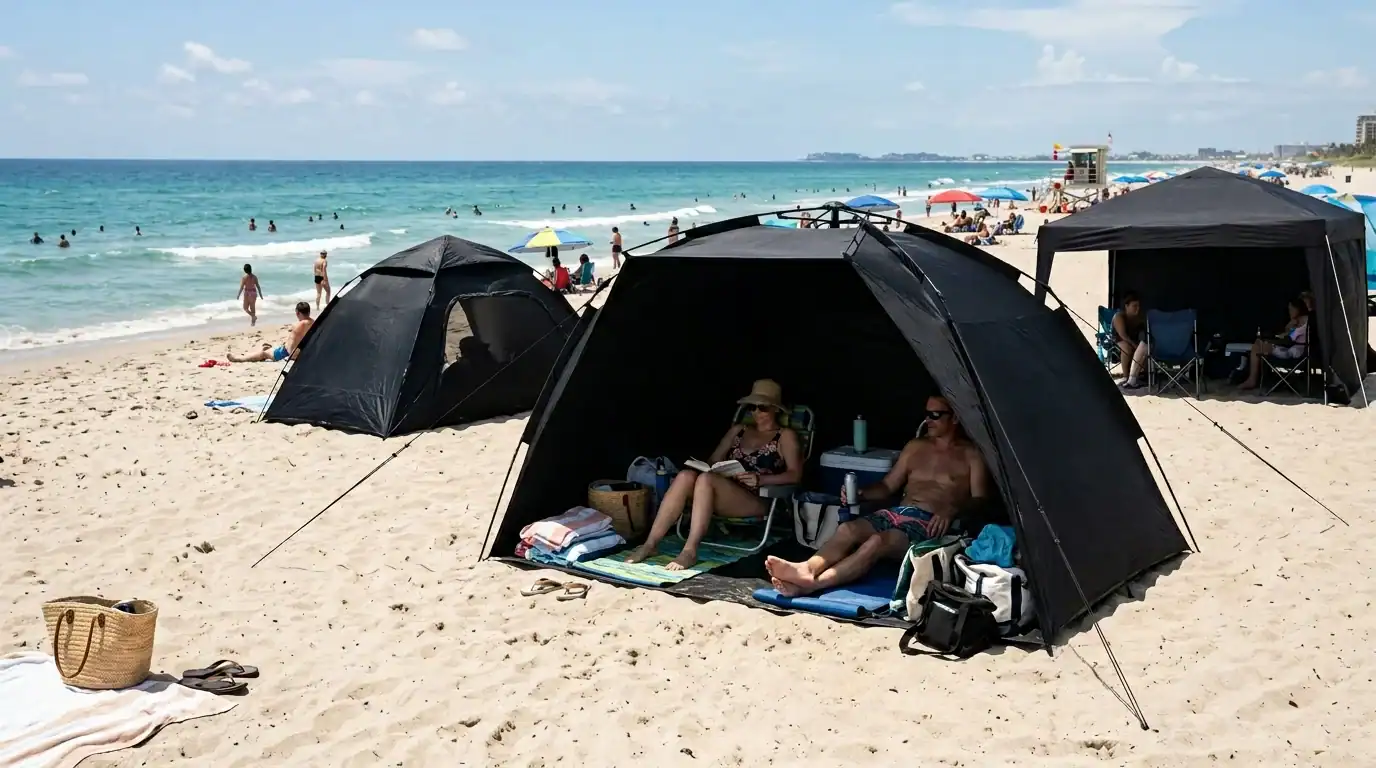
品質を犠牲にせずに寝袋のMOQを交渉する方法
ユニットあたりの価格は交渉の半分にすぎません。.
本当の交渉は、サプライヤーがあなたが単に寝袋500個を購入しているのではなく、500個の寝袋、, 300個のテント、, そして12ヶ月プログラムにわたる200枚のマットを購入していると認識した瞬間に始まります。レバレッジは瞬時に変化します。私は、総コンテナ量が内部KPIに達すると、工場オーナーがSKUあたりの最小発注数量(MOQ)を500ユニットから100ユニットに引き下げるのを何度も見てきました。工場の制約は寝袋の生産ライン自体ではなく、裁断台の段取り時間とシェル生地の最小ロール生産量です。カテゴリー横断で需要を集約できれば、単一SKUのMOQゲートを完全にバイパスできます。.
-
-
- 複数工場の集約: 17のコア工場を持つ調達パートナーは、200個の寝袋を一つの生産ラインに、200枚のマットを別のラインに分割し、両方を1本の40HQコンテナにまとめることができます。寝袋工場は200ユニット分の支払いを受け取り、物流パートナーはCFS倉庫で混載・統合し、あなたはSKUあたり400ユニット以上を注文したかのような段階的価格設定を得られます。なぜなら、総輸出量がFOB割引の資格を満たすからです。.
- 材料のクロスオーバー(相互活用)アドバンテージ: 寝袋とテントの両方が同じPUコーティングの190Tポリエステルを使用している場合、2つの工場にまたがって1つの素材ロールをまとめて購入するよう交渉できます。これにより1ヤードあたりのコストが8-12%下がり、少量のカスタムカラーで通常MOQを膨らませる「最小ロールチャージ」もなくなります。.
- 100ユニットの下限: カテゴリー横断のバンドルがなくても、特定の軽量サマーバッグモデルは50〜100ユニットまで下げられます。これは工場にとっての赤字覚悟の目玉商品ではなく、大口注文の合間に縫製ラインを稼働させ続ける穴埋め生産です。トレードオフは、カスタムのパントーン染色を要求せず、工場の既存の在庫生地を受け入れることです。.
-
ほとんどのバイヤーは価格を先に、品質を後で交渉します。それは逆です。スペックシートは、仕様のずれに対する唯一の法的防御策です。工場が500枚で1枚7.50ドルと見積もった場合、その数字は特定のシェルデニール、特定のフィル重量、特定のジッパーを前提としています。これらの3つの変数のいずれかが10%ずれれば、工場の利益率は上がり、顧客からの返品が急増します。まずスペックを確定させ、それから価格を交渉してください。逆順ではありません。.
-
-
- フィル重量の許容差: 充填量はパーセントではなくグラムで指定してください。「600gダウンダウン充填」には±3%(582g〜618g)の許容差を持たせるべきです。「600g」と見積もりながら540gを納品する工場は、あなたの断熱材コストの10%を盗んでいることになります。最初の生産ロットから無作為に3ユニットを計量してから、納品を受け入れてください。ダウンは卸売りで1kgあたり$15〜25です。1000ユニットの注文で1袋あたり60gの不足があれば、材料価値で$900〜1500を支払ったのに受け取っていないことになります。.
- シェルのデニールと密度: 20Dナイロンシェルは30Dリップストップナイロンシェルより40%安価です。糸の太さを示すミル証明書を要求してください。サプライヤーがためらう場合、より低いデニールに置き換えている可能性が高いです。また、ダウンプルーフ性も確認してください:50回の圧縮サイクル後に充填物が漏れるシェルは、返品を引き起こし、サブ2%目標を台無しにします。.
- ジッパーの仕様: YKKジッパーは1ユニットあたり汎用品より$1.20〜$2.00高価です。低いFOB価格を見積もる工場は、指定されたYKK #5の代わりに汎用の#5ジッパーに交換している可能性があります。発注書にブランドと型番の両方を明記してください。汎用ジッパーは500サイクル後にテープとシームの接合部で故障します。YKKは一貫して2000サイクルを超えます。1ユニットあたりの$2の節約は、返品送料と評判の低下で$15のコストがかかります。.
- ステッチ密度: 1インチあたりのステッチ数(SPI)を指定してください。寝袋のシェルは8〜10 SPIであるべきです。7 SPI未満では、張力がかかるとシームが開き、断熱材が移動します。12 SPIを超えると、針が布地を密に穿孔しすぎてダウンプルーフコーティングが弱まります。これは狭い範囲であり、ISO 9001認証工場は文書化されたミシンの校正記録を通じてこれを維持しています。.
-
について サブ1kg寝袋 カテゴリーは仕様の規律が最も重要となる分野です。0°C対応のミイラ型寝袋で重量980gの場合、誤差の許容範囲は極めて薄いです。工場が1kg目標を達成するために充填量を減らし、黙って犠牲にするという誘惑があります。 定格温度. お客様は「0°C対応寝袋」を購入し、5°Cで震え上がり、星1つのレビューを残します。.
-
- OEM重量許容差条項: OEM契約に次のように明記してください:「完成品の重量は1ユニットあたり1020gを超えてはならない。このしきい値を超えるユニットは品質不適合を構成する。」生産ラインから最初の50ユニットの重量記録を要求してください。一貫した重量は、一貫した充填量の最も簡単な代理指標です。サンプル間で重量が4%以上変動する場合、工場は自動充填装置ではなく手作業でダウンをすくっていることになります。.
- 材料置換の罠: グラム数を減らすため、工場は開示せずに20Dナイロンを15Dに交換します。袋は30g軽くなり、スケールテストは通過しますが、最初の引っ掛かりで破れます。発注書にデニールを指定し、生地重量テストで検証してください:20Dナイロンは34〜38g/m²、15Dナイロンは25〜28g/m²であるべきです。検査倉庫の$5デジタルスケールで30秒でこれを発見できます。.
- コンプレッションサックの仕様: 寝袋とコンプレッションサックは一緒に計量されます。工場は袋自体を重くしたまま、より軽いサックを使用することで1kgの合計を達成できます。「寝袋本体重量:850g ±25g、コンプレッションサック重量:150g ±10g。」と指定してください。個別の計量でこの抜け穴を塞ぎます。.
素人はFOB価格を交渉する。プロは、固定された仕様、複数SKUの集約、そして第三者監査に耐えうる品質許容度を交渉する。価格は、他のすべてが確定した後に合意する単なる数字にすぎない。この順序を正しく踏めば、単価は自然と適正になる。なぜなら、工場はあなたが、充填重量をこっそり減らしても気づかれないような買い手ではないと分かっているからだ。.
結論
スペックシートの見積もりは、コンテナに到着したものを検証するまでは何の意味もない。5,000個での$15.80のFOB価格と、300個での$22.00の見積もりの差は、単なる数量計算ではない。材料調達の最小ロット、版代、品質許容度のしきい値がすべて積み重なったものだ。寝袋のバルク価格帯にコミットする前に、次の3項目のチェックリストをサプライヤーに確認してください。(1) デニールと充填重量が引用された仕様と一致することを確認するミル証明書を提供できますか?(2) サンプル費用は、最低数量のしきい値なしに、規模を問わず初回注文に対して全額払い戻しされますか?(3) バッチごとの充填重量許容度はどのくらいですか。また、過去3回の生産ロットのISO 9001:2015監査報告書はありますか?
これらの質問にためらわずに答えるサプライヤーこそ、着陸原価の見積もりが実際に成立する相手だ。製品全範囲を確認して、異なるSKUの組み合わせが、単一モデルに過剰にコミットすることなくコンテナ最小数量を満たすのにどう役立つかを比較してください。.
よくある質問
カスタム寝袋の標準的な最小注文数はいくらですか?
合成素材の詰め物では通常300個、ダウンモデルでは500個からカスタムMOQ(最小注文数量)が始まります。一部の工場では価格プレミアムを条件に100個を受け入れる場合もありますが、単価とセットアップ費用がかかります。最終的な仕様とブランディング要件を確定した後、正確なMOQを確認してください。.
異なる注文数量におけるカスタム寝袋の1ユニットあたりの価格はいくらですか。
標準的な合成マミーバッグは、300個で$8.20から5,000個で$6.20までの範囲です。80/20ダックダウンモデルは、$22から$15.80まで低下します(その範囲にわたって)。常に、正確な詰め物、シェル、アクセサリーの仕様に基づいた段階的なFOB見積もりを依頼してください。.
ダウン寝袋のMOQが合成繊維製よりも高いのはなぜですか?
ダウンには、羽毛加工業者からの一貫したフィルパワーと清潔さを確保するためにより大きな最小購入ロットが必要であり、その結果、工場の最小注文数量(MOQ)が引き上げられます。合成中綿はより少ない数量で生産できます。ダウンを使用したバッグでは、フィル品質のリスクを避けるために、少なくとも500ユニットを計画してください。.
大量注文の前にサンプルをいただけますか?また、その費用は返金されますか?
はい、有料サンプルは標準的であり、通常、大口注文が確定した際に費用は返金されます。低コストの在庫サンプルは、送料を負担いただければ無料の場合もありますが、複雑なカスタムの場合はそうではありません。型や印刷版を製作する前に、サンプルに関する方針を書面で請求してください。.
OEMブランディングのために追加でかかるセットアップ費用はどのくらい見込めますか?
オーダー織りラベルには版代がかかります(1,000枚未満の場合、1枚あたり約$1.50で償却)。また、包装フィルムにも版代がかかります(バーコード付き小売用袋は1枚あたり約$0.75)。.

 English
  Español
  Deutsch
  Français
  Português do Brasil
  Русский
  العربية
  한국어
한국어  日本語
日本語