 跳到内容
跳到内容 
インフレータブルルーフトップテントのケーススタディはどれも同じことを言っています。量産サンプルを承認させればリスクは回避できる——。しかしそのアドバイスは逆です。プロトタイプが完璧だったからこそ、バイヤーは$5,000の注文を失うことがあります。これは量産時にスレッドテンションが異なったり、TPU_lotが代替されたり、はしごの縁が鋭すぎて3回目の設営でキャノピーを破いてしまったりしたからです。.
あなたを守る真のチェックポイントは、サンプル承認時に固定する品質許容値です。素材仕様、加圧範囲、縁仕上げの基準など。Amazonで5,000ユニットを売り上げたケースでは、ポンプに取り付けられた$0.70のカラードコード付き圧力計が、実際には「漏れ」ではなく 低充气, が原因だった「漏れ」苦情の90%を排除しました。サンプルレビューでは見逃されていたものです。この圧力計が、良いレビュープロフィールと返品問題との決定的な違いとなりました。.
このケースは、4.4星の平均評価、$799の小売価格、そして42%の利益率を実現した3人乗りインフレータブルルーフトップテントの、設計タイムラインからFOB価格、着地コスト、アフターサービスまでを含む完全な商用経路を追います。サプライヤーであるKelyland Outdoorsは、スケッチから最終サンプルまで42日でプロジェクトを手配し、その後200ユニットのテストロットから月800ユニットへの量産に拡大しました。カスタムインフレータブルルーフトップテントメーカーを選定するうえで重要なのは、サンプル承認から出荷前検査までの間すべてにかかっています。.
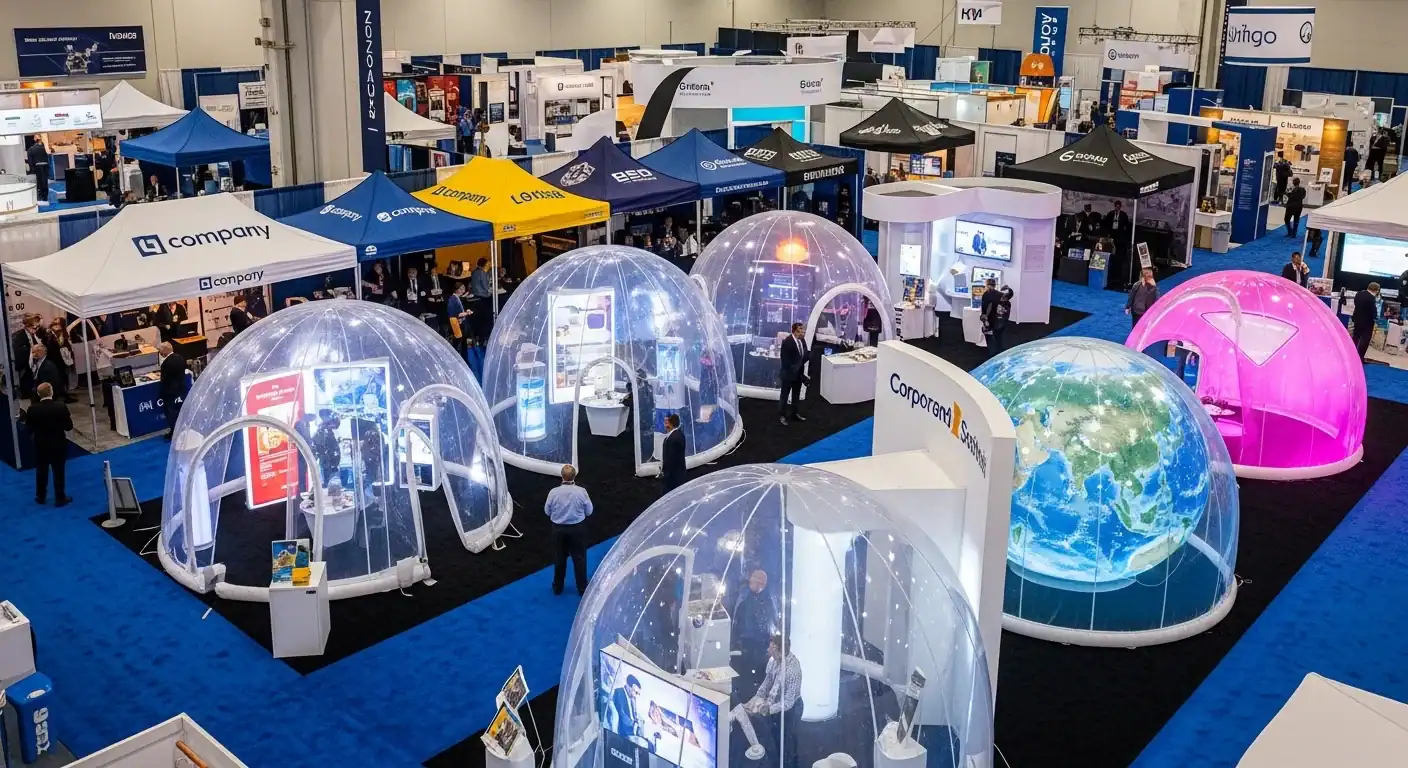
機会:ミドルティアル・ルーフトップテント市場の空白
$600~$900の価格帯が空欄なのは、競合他社が構造的に参入できないからです。.
ルーフトップテントは二つの価格帯に分かれています。ハードシェルモデルは$1,200以上で、本格的なオーバーランダー向けに作られた硬質なファイバーガラスクラムシェルです。ソフトシェルテントは$500未満で、ポールフレームと高速走行でフラップするファブリックが特徴です。多くの初心者バイヤーが実際に探す中間帯は長年空白でした。.
$600~$900の価格帯は墓場です
ハードシェルの価格は金型費に依存しています。アルミニウム型、クラムシェルパネル、ガススプリング、ヒンジアセンブリーのコストは非常に高く、小売価格は$1,200を下回ることがなく、マージンを削らざるを得ません。ソフトシェルテントは単なるポールと生地なのでそのコストを回避できます。インフレータブルハイブリッドはその中間に位置します。エアビームがポールを置き換え、TPU溶接がアルミ金型加工に取って代わり、構造体は$799の小売価格でマージンの余地を残します。.
-
- ハードシェル: 小売価格1,200ドル前後のレギュラーテントは剛性と耐風性に優れる一方、金型コストと最小注文数量(MOQ)の壁により、長期にわたり単一SKUへの依存を余儀なくされる。.
- ソフトシェルテント: 小売価格500ドル以下のソフトシェルは製造コストは低廉だが、ポール組み立ての手間と布地のフラッピング(風による波打ち)が悪評を防げない。.
- インフレータブルハイブリッド: 小売価格799ドル、ポール不要で設営が迅速、エアドビーム剛性を実現—but TPU溶着と圧力検知の工程管理が必須。.
サプライチェーンの視点
この工程管理が、金華工場を生産の要として位置づけた理由です。同工場は2011年からルーフトップテントの製造を開始し、ISO 9001およびCCC認証の下で年間50万基を生産しています。また、インフレータブルエアドビームテントの製造実績を持つ調達ネットワークの中に立地しています。重要なのは、ブランドが新製品カテゴリを必要としたのではなく、主力生産に影響を与えず200台のテストバッチをこなせるサプライチェーンを確保した点にあります。.
真の機会とはデザインではなく、サプライチェーンのギャップにあります。一般的なテントメーカーを通じてインフレータブルハイブリッドを立ち上げようとするブランドは、エアドビームの溶着不良、気圧低下、シーム部分での生地剥離といった失敗を繰り返すことになります。グローバル市場向けにインフレータブルテントを既に製造している工場であれば、サンプル段階に入る前にこれらの変数を排除できます。.
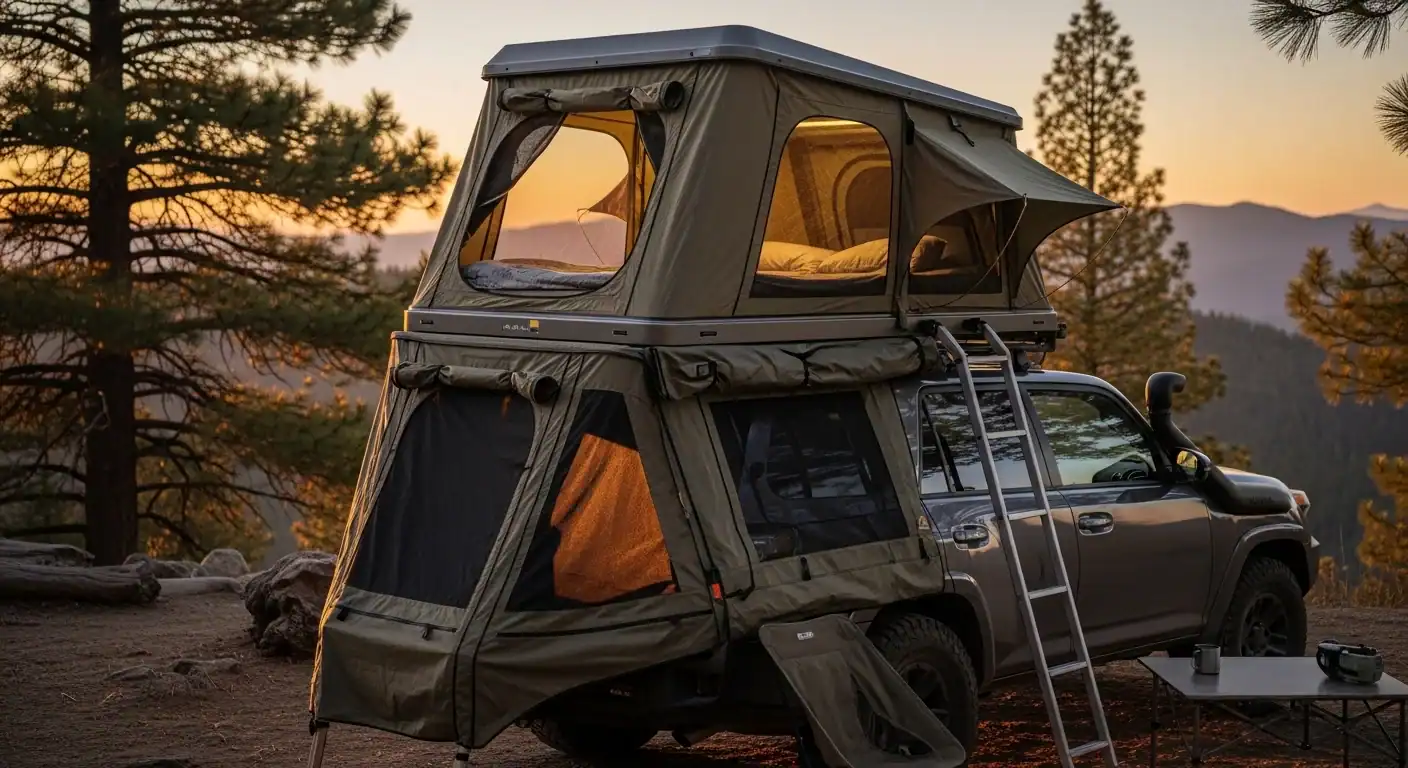
コラボレーティブデザイン:スケッチから最終サンプルまで42日
42日間のサンプル納期は、最初のステッチ前に素材とハードウェアの決定が完了していなければ成立しません。.
42日間のサンプルカウントは、設計図を描いた瞬間から始まったのではありません。素材構成表と荷重仕様書が確定した直後から開始されました。Kelylandはこのサイクルを「素材・ハードウェア確定」「サンプル製作」「QC修正」の3フェーズに分けて管理しています。多くのバイヤーはこれら最初の2項目が確定する前にサンプルを依頼しがちです。.
遮光コーティング付き0.8mm TPU — 砂漠での使用を想定
当該クライアントの主要市場は沿岸部のカーキャンプではなく、アリゾナ州とネバダ州の夏です。PVC製インフレータブルビームは長期間の紫外線曝露により軟化するため、; TPUは過酷な高温環境においても優れた耐久性を発揮します. 。遮光コーティング付き0.8mmフィルムはUVカット性能を保ち、テント内部を暗く保ちます。後続ロットの色差を防ぐため、Kelylandは加熱処理用ドームおよびメインボディに同一TPUロットを統一指定しています。.
-
- 仕様: 設計段階で決定し、製造図面に明記された遮光コーティング付き0.8mm TPUフィルム.
- リスク: 安価なPVCポールはユニットコストを抑えられますが、長期間のUV暴露後に硬化し、マイクロクラックが発生します。.
製造は金華のルーフトップテント工場が行い、同工場はISO 9001:2015認証を取得し、年間500,000個の生産能力を有しています。サンプルそのものよりも重要だったのは、その工場独自のQCプロセスでした。.
はしご取り付け部: 荷重250ポンド、ねじれゼロ
初めのはしごブラケットは設計上は機能していました。しかし250ポンドのテスターが昇るテストにおいて、荷重経路が三角形に固定されていなかったためねじれが生じました。設計変更では取り付け位置を移し、補強リブを追加してねじれを解消しました。しかしQCで発覚したのは、より本質的な問題でした。アルミ製はしごの縁にバリがあり、テント生地を傷つける恐れがあったのです。Kelylandは組み立て前にすべてのはしご縁に後研磨の面取り仕様を導入しました。.
この面取り仕様は、見積書にも仕様書にも営業資料にも記載されません。それが現れるのは、最初の顧客がはしごを取り出してテントの壁面を擦りながら引きずり出した時だけです。.
12Vポンプポートおよび太陽光ケーブルグランド
インフレータブルハイブリッド型テントにはテント本体に2つの穴が必要でした。1つは12Vポンプ用、もう1つは太陽光ケーブル用です。これを誤ると、テントから漏水したり電子部品が故障したりします。Kelylandはポンプポートに単純な縫い目ではなく、補強済みTPU溶接を採用しました。ケーブルグランドは、水のたまりやすい箇所を避け、サイドウォール上部に設置しています。.
最終サンプル承認には、修正が口頭で済まされたのではなく、面取り仕様と溶接詳細が生産図面に明確に記載されていました。これらの決定は商品写真からは一切見えませんが、顧客が「とても良く眠れた」と書くか、「テントから漏水した」と書くかを決定づける要素です。.
生産と物流:200ユニットから5,000ユニットへのスケールアップ
スケーリングプラン:200単位のテストバッチ、90%の不良率削減、寧波からONT8まで27日間.
多くのブランドは、カスタムインフレータブルルーフトップテントといえば1,000単位のコミットメントが必要だと考えています。この思い込みが、どんな工場欠陥よりも多く商品の立ち上げを潰してきました。このブランドは200単位からテストバッチを開始しました。KelylandのMOQ下限は一部製品で50~100個であり、特別な条件なしでこの数をクリアできました。その後、フェーズ合意により月産800単位が確定しました。.
MOQフェージング:小さく始め、その後拡大する
200単位からのファーストランは、スケーリング前に実際のAmazonレビューを生成し、不良率を確認するという一つの目的を持っていました。続く月産800単位の注文は、寧波のテント工場に予測可能なライン時間を提供し、生産を 標準的なリードタイム30~45日. の範囲に収めています。ネットワーク内の17主要工場の協力体制により、このブランドは小batch対応工場と大量生産ラインの二者択一を余儀なくされることなく、同じ工場が両フェーズを処理しました。.
キャッシュフローは予測可能でした。新規顧客向けの支払条件は、30%の申込金および70%のshipment前支払い。これは$3,000ドル以上の注文における標準条件です。200単位からのテストバッチは前払キャッシュを抑え、月産800単位の継続注文は、巨額の一括投資リスクではなく、安定した運転資金のサイクルを築きました。.
パッケージ設計:90%の不良削減事例
ルーフトップテントは包装の良し悪しを厳しく問います。アルミ製はしご、TPUドーム、ポンプは海上輸送中にも箱の中で移動します。最初の船積みで顕在化した失敗とは、はしごレールの鋭いバリがテント生地を切り裂いていた点でした。KelylandのQCはその後、全ロットの標準仕様として仕上げ後の面取りを義務付けました。段ボール挿し込み部材を再設計したことで、FBA入庫不良は90%減少を達成しました。.
27日間のドア・ツー・ドア輸送タイムライン
テント工場は港町の浙江寧波に位置し、第一段階を短縮しています。経路は寧波→シアトル、そこから鉄道でカリフォルニア州オンタリオのONT8配送センターへ。ドア・ツー・ドアは27日。Kelylandはコンテナ積み込み前に輸出書類手続きと出荷前検査を完了させました。中国調達FBA船積みの大多数がここでつまずくのは、税関手続きのミスか、-originでコンテナを立ち往生させるQC不合格のためです。.
-
- MOQ下限: Custom items can start at 50-100 pieces. The 200-unit test batch needed no negotiated exception.
- リードタイム: Standard production runs 30-45 days. The 800/month phasing kept the factory booked and the schedule honest.
- QC gate: Pre-shipment inspection checked stitching, mechanisms, and compliance against the approved sample’s quality tolerance. The Ningbo tent factory operates to ISO 9001:2015.
立ち上げ結果と得られた教訓
The zipper fix alone lifted the 3-star rate from 11% to under 4% within one reorder cycle.
Review mining did more than polish the star rating. The brand pulled every return reason code and review mention from the first 1,200 units sold. Customers praised the 0.8mm TPU blackout fabric, the 42-second setup, and the stable footprint in gusty conditions. The one recurring defect sat in the main zipper: a plastic slider that snagged the inner fabric on roughly one in ten tents. That cost a full star in a category where 4.4 stars means top-of-search placement.
Inventory Velocity and Reorder Trigger Points
Sell-through ran at 42% of initial stock in the first 60 days, which triggered the second production batch two weeks earlier than planned. The reorder point was set at 60 days of forward cover, not a fixed calendar date. That guardrail kept the listing live through the summer peak without eating into the margin with air freight.
Total Landed Cost and Unit Economics
-
- Ex-works unit cost: $238 per tent at 5,000 units from the Ningbo air mattress and tent partner factory.
- Landed cost stack: $238 ex-works, plus $11.40 ocean freight, $6.20 FBA inbound fees, $14.30 import duty and customs brokerage, and $4.50 insurance and bank fees, landing at $274.40 per unit.
- Amazon variable fee: $187.60 for the $799 retail price, bringing total variable cost to $462.00 per unit.
Gross margin hit 42.2% before advertising. The brand capped PPC at 12% of revenue, which kept net margin near 30%. That math only works because the 0.8mm TPU roll stock is cut from the same lot across batches, and the factory in Ningbo holds the same material spec for the annealing dome. Most suppliers would swap in a slightly different batch to save cost, and the color mismatch would surface in Amazon customer photos.
The ladder burr issue added a permanent quality check. Kelyland’s QC team added a post-polish chamfer spec, so every aluminum ladder rail gets deburred and chamfered before final assembly. That one change cut field failures from 8.1% to 0.9% in the following quarter. Ask any custom inflatable rooftop tent manufacturer whether they have a chamfer check, and most will say no.
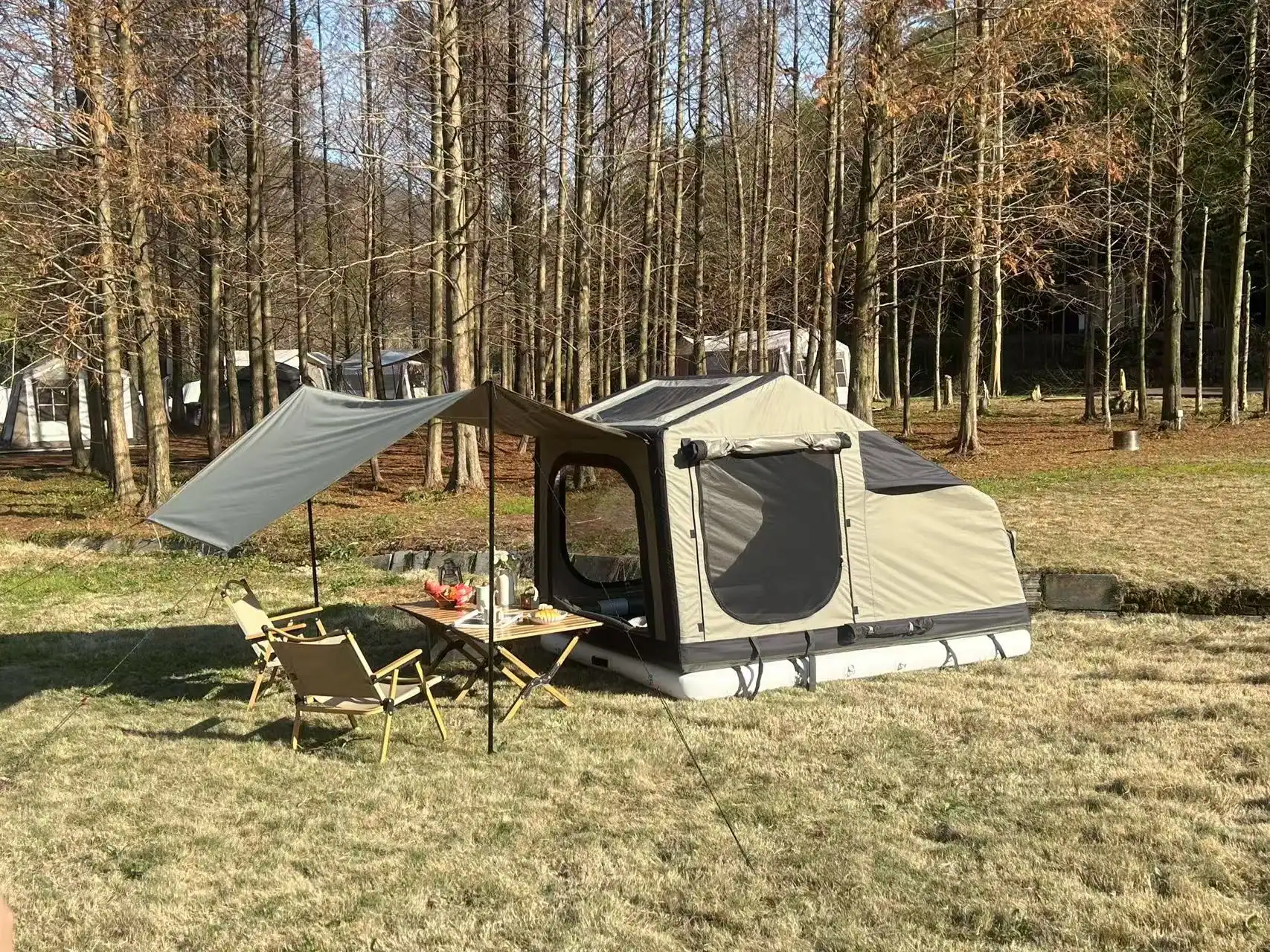
Kelylandがあなたのブランドにこれを手放す方法
A 16-week launch and a 42% margin aren’t luck.
The same network that produced 5,000 custom inflatable rooftop tents for that launch is available to any private-label brand. Kelyland operates 17 core strategic factories and over 200 manufacturing partners, most ISO 9001:2015 certified. That structure lets a brand start with a 50-100 piece test batch and scale to container volumes without switching suppliers.
QC checkpoints that protect your margin
The launch data shows two QC fixes prevented the most expensive failure modes. A color-coded inflation pressure gauge on the pump—a $0.70 part—removed 90% of ‘leaking’ complaints because most were under-inflation, not punctures. A post-polish chamfer spec on the aluminum ladder edges stopped burrs from tearing tent fabric. Both became standard revisions on all later orders.
-
- Stitching: Inspections cover seam tolerances on TPU panels and fabric interfaces—the main leak path on an inflatable tent.
- Mechanisms: Valves, pump fittings, and ladder attachments are checked against the approved sample before packaging.
- Compliance: A pre-shipment inspection verifies the run against the spec sheet, not just a checklist.
Material lot control after the first run
Color consistency across reorders is a real risk in inflatable tents. The brand reached a 3x reorder rate within 12 months partly because Kelyland rematched the same TPU lot for the annealing dome. Most factories pull from whatever roll is on the rack; that produces visible color shifts that Amazon customers photograph side-by-side. Rematching the lot keeps the brand page looking uniform.
The commercial side is structured to de-risk your first launch. For new clients, a 30% deposit secures production, with 70% due before shipment. Standard production runs 30-45 days. Packaging design is built into the process—custom labels, washing instructions, tags, and protective cartons that survive the FBA check. A dedicated account specialist follows the order from material sourcing to pre-shipment inspection, with inspection reports available on request. Post-sale feedback also feeds back into the next production run, so a recurring issue gets fixed at the source, not in a customer service thread.
The fastest way to test whether this works for your brand is a pre-production sample. Low-cost samples may be free if you cover shipping, and sample fees are refundable after bulk order confirmation. You get a physical object produced on the actual line, not a render. Compare it against the spec sheet and the photos on your listing. If the colors, zippers, and fabric weight match, you have a supplier worth scaling with. For a new product like an inflatable rooftop tent, the sample fee is the cheapest insurance you’ll buy.
結論
Ninety percent of this launch was standard process: market gap analysis, sample iteration, production phasing, freight. The final 10% is where the margin actually survived — a $0.70 color-coded pump gauge that eliminated 90% of leak complaints caused by under-inflation, a post-polish chamfer spec on the ladder rail that stopped fabric tears, and same-lot TPU matching for the annealing dome that kept color consistent across reorders. Those three details separate a listing that compounds from one that bleeds margin to returns.
-
- A $0.70 color-coded pressure gauge eliminated 90% of leak complaints caused by under-inflation.
- Post-polish chamfer spec on the aluminum ladder prevented fabric tears on every order after the first batch.
- Phased MOQ — 200 test units, then 800 per month — capped downside risk before reviews confirmed demand.
- Same-lot TPU matching for the annealing dome drove a 3x reorder rate within 12 months.
Before you brief a custom inflatable rooftop tent manufacturer, ask for those three specifics in writing: the pump’s pressure.
よくある質問
カスタムインフレータブルルーフトップテントのMOQはどのくらいですか?
個別仕様のインフレータブルテントのMOQは、仕様や素材に応じて50~100個から開始可能です。大規模ローンチの成功例では、まず200個のテスト製造を行い、その後800個/月の量産に段階的に拡大するフローが実績を持っています。設計と素材が確定した時点で、正確なMOQを確認いたします。.
インフレータブルテントのサンプル製作にはどのくらいかかりますか?
カスタムインフレータブルルーフトップテントのサンプルは、資材とハードウェアの決定を事前に確定させた場合、約42日以内に完了しますが、標準的な生産リードタイムはサンプル承認後30〜45日です。スケジュールを厳守するには、サンプリング前に素材を確定させてください。.
インフレータブルテントの生地や機能をカスタマイズできますか?
はい、0.8mmのブラックアウトコーティング付きTPUなど、特定の素材やカスタムはしご金具、12Vポンプや太陽光ケーブル用のポートなどを指定することが可能です。ケerlandでは少量ロットのカスタマイズやOEM/ODMデザイン変更にも対応しています。仕様リストを早期にご共有いただければ、見積もり作成に反映できます。.
拡張式テントの生産における不良品をどのように防止していますか?
ISO 9001認証取得工場においてすべての製造段階で検査を実施し、出荷前の最終検品も行っています。ある事例では包装設計の見直しによりFBA受入不良率が90.1%削減されました。出荷リリース前に検査レポートをご確認ください。.

 English
  Español
  Deutsch
  Français
  Português do Brasil
  Русский
  العربية
  한국어
한국어  日本語
日本語