 跳到内容
跳到内容 
Sleeping bag MOQ pricing is rarely the first thing a category manager focuses on—until the first quote lands and the math doesn’t pencil out. You’ve got a target margin of 42% to 55%, seasonal buy windows that don’t flex, and a supplier telling you their minimum is 500 down-filled マミー型寝袋 at $38 each. That’s $19,000 tied up in one SKU before shipping, duty, and warehousing. The real question isn’t what the MOQ is. It’s whether that number aligns with your cash flow and sell-through rate.
The trap most buyers walk into is treating the stated MOQ as fixed. It’s not. That number is usually built around setup costs—pattern cutting, fabric roll minimums, line changeover time. The factory’s production capacity might allow 300 units, but if you want custom-printed shells, the textile printer sneaks in an extra 500-meter MOQ that nobody mentioned. That’s the hidden lever. A supplier that works with stock shell fabrics and ISO-certified production can often halve the effective minimum without sacrificing quality. That’s the difference between a margin-killing order and one that works for your retail cycle.
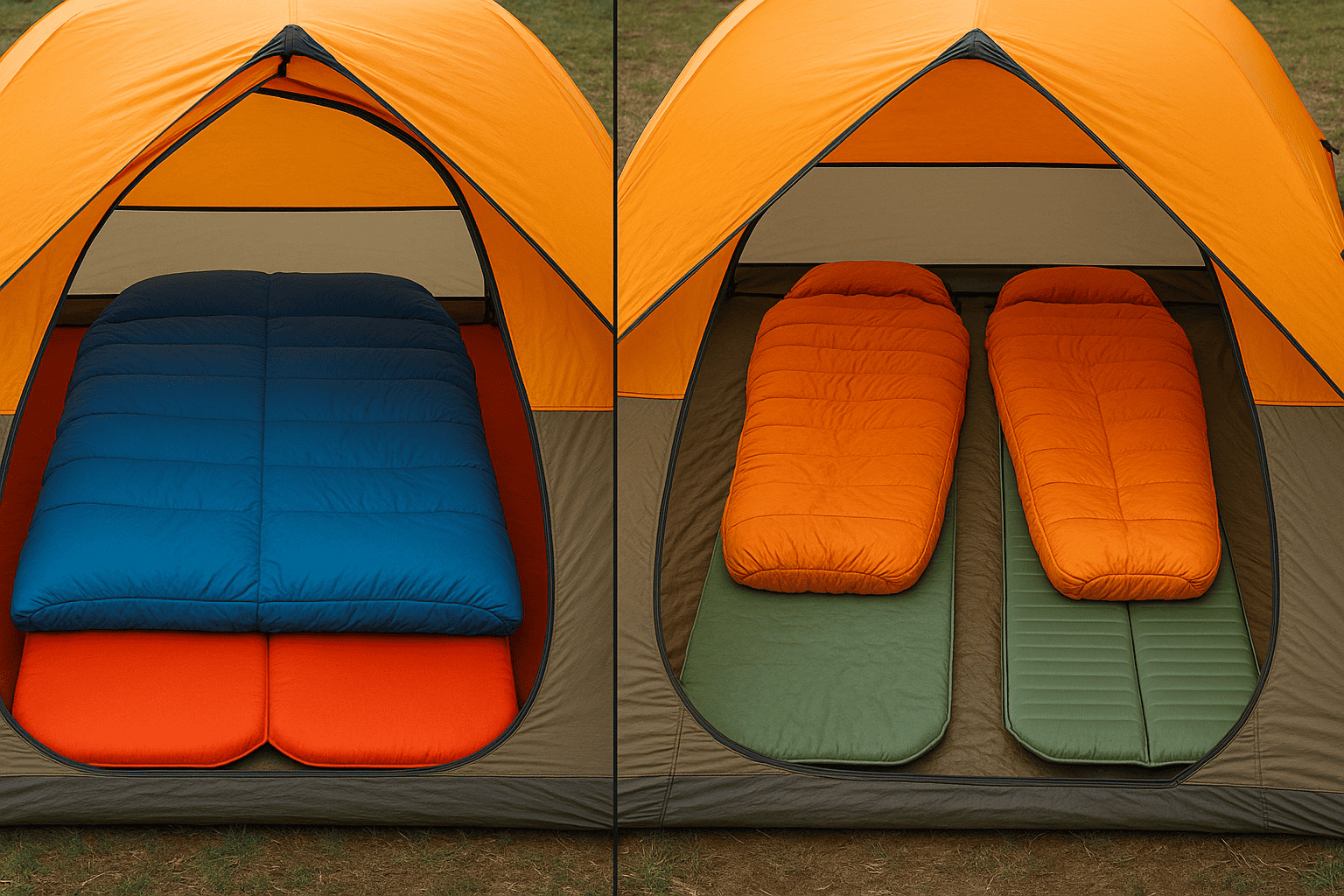
Sleeping Bag MOQ Basics: What Retail Buyers Must Know
Your supplier’s MOQ isn’t their cost floor.
A supplier-stated MOQ is the minimum they’re willing to invoice, not the minimum at which their factory runs efficiently. Most Chinese sleeping bag factories operate on a per-line setup cost of roughly $300–$500 per SKU changeover—covering pattern cutting, thread tension calibration, and insulation filling machine purge. Whether you order 100 bags or 1,000, that setup fee gets amortized across your batch. At 100 units, you’re eating $3–$5 per bag in setup alone. At 1,000 units, that drops to $0.30–$0.50. The MOQ they quote protects them from losing money on changeover; the MOQ you should negotiate aims to spread that cost thin enough to hit your margin target.
The hidden variable is fabric procurement. Custom-printed shell fabrics require a separate mill MOQ—typically 500 to 1,000 linear meters per color. A standard rectangular bag uses about 2.2 meters of fabric. That means a custom print run forces you to buy enough material for roughly 230 to 450 bags before the sewing line even starts. If your supplier quotes an MOQ of 300 bags but you choose a custom Pantone print, your actual production trigger is the fabric order, not the bag order. You can slash this by selecting stock shell fabrics—solid-color nylon or polyester ripstop that the factory already holds on the roll. Many suppliers will halve their stated MOQ if you agree to use stock fabric and accept a 10–15 day lead time extension, because the real bottleneck was never the sewing line—it was the textile printer’s minimum.
For a category manager, the practical consequence is direct: Gross Margin Return on Inventory Investment (GMROI) suffers when MOQ locks cash into slow-moving SKUs. If a 300-bag minimum ties up $4,500 at $15 FOB and you sell through at 50 units per month across two stores, that’s six months of carrying cost eating into your 42–55% target margin. A 100-bag minimum at $18 FOB—using stock fabric—binds only $1,800 and turns in two months. The per-unit cost is higher, but the cash-to-cash cycle is three times faster. For seasonal outdoor gear where sell-through windows are tight (Q2–Q3 for Northern Hemisphere), inventory velocity often beats raw unit price. A supplier who offers a genuine 100-unit entry point on standard fabric, like Kelyland’s sleeping bag program with an ISO 9001:2015 factory producing 1.5 million units annually, allows you to test a new SKU without betting the season on it.
The trap to watch: small factories that quote low MOQs may stitch your bags during overtime or on secondary lines after the main shift, leading to batch variation in stitching tension and fill distribution. Request a pre-production sample sealed by the factory floor manager. Demand ISO 9001:2015 process documentation—specifically the in-process inspection records. A legitimate 100-bag minimum on a controlled production line is a negotiating win. A 100-bag minimum that runs on a Friday night shift is a recall waiting to happen.

Sleeping Bag Material Cost Breakdown: Down vs Synthetic
ダウンフィルは合成繊維より3倍コストがかかるが、RDS認証により1袋あたりさらに$3–5の隠れたコストが追加される。.
どの寝袋の見積もりでも、費目ごとの最大の変動は断熱材です。合成中空繊維フィルは、標準的な長方形バッグの1,000個単位では、FOBで1ユニットあたり$8–15です。この価格は、原材料が石油ベースのポリエステルであり、中国の工場が年間を通じて大規模に生産しているため、安定しています。季節による大幅な価格変動はありません。.
-
- 合成繊維のコスト下限: 300ユニットの場合、1ユニットあたり$12–15を見込んでください。1,000ユニットの場合、ユニットあたりのコストは$8–12に下がります。下限は、断熱材自体ではなく、ファブリックシェルのコストと充填労働によって決まります。.
- ダウンのコスト下限: 600フィルパワーのグースダウンは、1,000ユニットの場合、1ユニットあたり$25–35追加されます。800フィルパワーに上げると、その範囲は1ユニットあたり$35–50+に跳ね上がります。価格差は原材料のダウンの調達に起因します。ダウンは世界市場で取引される商品であり、中国の輸出業者は食肉処理チェーンからの供給に基づいて毎週価格を設定します。.
ここに、多くのカテゴリーマネージャーが見落とすコストの罠があります:RDS(責任あるダウン基準)認証です。サプライヤーは監査およびトレーサビリティ費用をユニット価格に埋め込むことがよくあります。これを別のライン項目として分離すると、認証のために1袋あたり追加で$3–5がかかることがわかります。これはマークアップではなく、第三者監査、サプライチェーン管理の文書化、充填施設での分離保管をカバーするものです。小売チャネルがRDSを要求する場合(欧米の大手量販店の多くが要求します)、認証コストを別の見積もりラインとして依頼し、直接交渉できるようにしてください。.
実際のシナリオ:あるバイヤーは、1,000個の650フィルダウンマミーバッグについて、1ユニットあたり$31の見積もりを受けました。RDS認証(1ユニットあたり$4.50)とカスタムプリント生地のセットアップ(1ユニットあたり$2.10)を分離した後、基本断熱材コストは$24.40でした。この透明性により、バイヤーはフィルグレードを600フィルに引き下げて交渉し、RDSを維持したまま1ユニットあたり$5を節約できました。.
| コスト要因 | 合成繊維(中空繊維) | ダウン(グース/ダック) | 小売マージンの洞察 |
|---|---|---|---|
| 基本FOB価格(ユニットあたり) | $8–$15 | $25–$50+ | 合成繊維はMSRP $30で42–55%のマージンを可能にし、ダウンは同じマージンを確保するにはMSRP $60+が必要です。 |
| MOQ範囲 | 100〜300ユニット | 300〜500ユニット | 合成素材の低いMOQは資金拘束リスクを軽減する。ダウンのMOQは確立された季節ボリュームに適している。 |
| フィルパワーアップグレード(600fp → 800fp) | 該当なし | 1ユニットあたり$3~$7を追加 | プレミアムダウングレードは高い希望小売価格を正当化するが、ボリュームディスカウントを活用しないと利益率が狭まる。 |
| 認証(RDS / 倫理的調達) | $0(認証不要) | 1ユニットあたり$3~$5を追加(多くの場合、隠れている) | 認証費用は別途交渉。フィル価格に含めるとユニットあたりの基準価格が膨らむ。 |
| カスタムプリント / 生地MOQ | 在庫生地はMOQを100ユニットに保つ | カスタムプリントは500〜1,000mの生地MOQを必要とする | 在庫シェルにより実効MOQが半減します。繊維工場の隠れた最小注文数量を避けてキャッシュフローを保護します。 |
| 生産リードタイム | 30–45日 | 30~45日+カスタム充填に10~15日 | ダウンのリードタイムは季節的な在庫切れのリスクがあります。利益を確保するため、注文は60日前に計画してください。 |
| 1,000個での一括割引 | 基準(300個)に対して –12% | 基準(300個)に対して –12% | 段階的価格設定は同様に適用されます。両方の中綿で数量を活用して、平方フィートあたりのドル利益を最大化します。 |
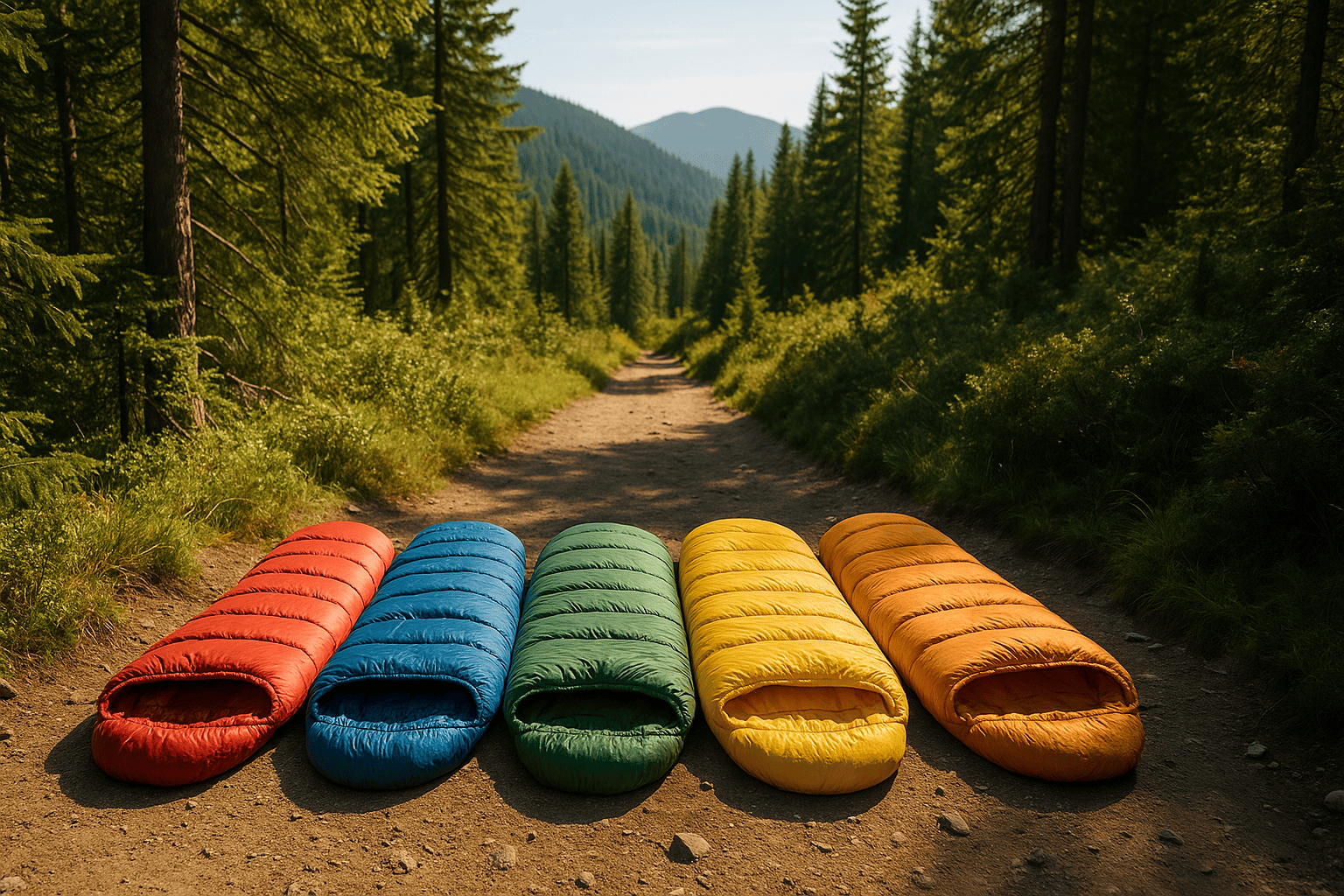
Custom Sleeping Bag Pricing Tiers: How MOQ Affects Per-Unit Cost
1,000個の場合、単価は300個と比較して18〜25%低下します。セットアップ費用が倍増するのではなく吸収されます。.
小売りのカテゴリーマネージャーにとって、最大の交渉レバーはMOQ(最小発注数量)の段階です。どの工場にも固定セットアップ費用(型紙のグレーディング、裁断テーブルのプログラミング、縫製ステーションの設定、包装用型抜き)があり、これらは生産ロット全体に分散されます。100個の場合、これらの固定費は単価の15〜20%を占めます。3,000個の場合、2〜3%に低下します。.
-
- 100〜300個(テストラン): FOB $12〜15(基本的な合成繊維の長方形型寝袋)。工場は既存のシェル生地(在庫ロール)を使用して、織物工場のMOQを回避します。SKUあたりのセットアップ費用:約$300〜500を単価に吸収。リードタイム:30日。.
- 500〜1,000個(小売りの基準): FOB $9〜11(合成繊維)、$28〜35(650FPダウン)。織物工場からの生地の量販割引は500メートル(約700〜800枚分のシェル)で有効になります。単価は300個と比較して12〜15%低下します。標準リードタイムは30〜45日。.
- 3,000個(フルコンテナミックス): FOB $7〜9(合成繊維)、$22〜28(ダウン)。同じシェルデザイン内で2〜3の温度帯や色に分けることができ、新しいセットアップ費用は発生しません。300個の基準と比較して20%の値下げ。リードタイムは通常45日。.
- 5,000個以上(ボリューム契約): FOB $6〜8(合成繊維)、$19〜24(ダウン)。この数量では、工場は生地と中綿素材について別々の契約を交渉します。基準と比較して25%の値下げ。生産ロットは倉庫の混雑を避けるために2〜3か月にわたってずらすことができます。.
ブランド表示方法はセットアップ費用に直接影響します。織りラベルは1袋あたり$0.12〜0.25で、一回限りの型費用が$80〜150かかります。シェル生地へのスクリーンプリントは、別途スクリーンのセットアップ(色ごと、印刷箇所ごとに$40〜60)が必要で、織物工場での生地印刷のMOQ(多くの場合500〜1,000メートル)が義務付けられます。この隠れたMOQは、低数量の場合に1袋あたり$0.50〜0.80追加する可能性があります。転写ラベルと刺繍はその中間です。刺繍はロゴごとに$60〜100のデジタル化費用がかかりますが、織物工場の最低注文はありません。.
| 注文数量 | 合成繊維(FOB/個) | ダウン650FP(FOB/個) | ディスカウント vs 300個ベースライン | 生産ノート |
|---|---|---|---|---|
| 100個 | $12.00–$15.00 | $40.00–$50.00 | +プレミアム(割引なし) | MOQ下限; カスタム生地は10〜15日追加 |
| 300個 | $10.00–$12.00 | $35.00–$40.00 | 基準価格 | 標準MOQ; リードタイム30〜45日 |
| 1,000個 | $8.80–$10.56 | $30.80–$35.20 | –12% | 生地ミルの最低注文量を達成; 大量割引が始まる |
| 3,000個 | $8.00~$9.60 | $28.00~$32.00 | –20% | 専用ライン効率;染料ロットの一貫性 |
| 5,000個 | $7.50~$9.00 | $26.25~$30.00 | –25% | フルコンテナ輸送;セットアップコストの最大限の償却 |

Imported Sleeping Bag Hidden Costs: GST, Duties & Logistics
輸送費と関税はユニットコストに20〜30%上乗せされる可能性がある—交渉前に計算式を把握しておくこと。.
ランディングコストとは、諸費用をすべて含めた後に実際にユニットごとに支払う金額のことである。計算式は以下の通り:FOB価格+海上運賃+保険+関税+GST/VAT+港湾手数料+内陸トラック輸送費。ほとんどのカテゴリーマネージャーはFOB価格のみを交渉する。その誤りにより、コンテナごとに12〜18%のマージンを失っている。.
-
-
- 米国税関関税(HS 9404.30): 寝袋は米国にHTS 9404.30.80として輸入される。非特恵原産地の場合、関税率は従価で3.9%である。アンチダンピング措置は適用されない。サプライヤーが金属部品や組み込み電子機器を含む生地を使用する場合、5.3%の税率を回避するために分類を変更すること。.
- EUの関税とVAT: 寝袋(CNコード9404.30)のEU関税は、一般貿易相手国に対して3.7%である。VATは加盟国によって異なる—ドイツ19%、フランス20%、スウェーデン25%。VATは関税支払い済み価格に上乗せして計算すること。FOB価格のみに上乗せしてはならない。これはユニットあたりの関税支払額を1〜2%過大にする一般的な誤りである。.
- オーストラリアの関税とGST: オーストラリアは以下の条件に基づき5%の関税を適用します HS 9404.30 中国からの輸入品には、最恵国待遇税率が適用されます。そして、(FOB+運賃+保険+関税)の合計に対して10%のGSTが課されます。1個15ドルのFOBバッグに3ドルの送料がかかる場合、 着地コスト GST前の合計は18.90ドルとなり、GSTは1個あたり1.89ドルになります。.
-
海上輸送: 40HQコンテナ 寧波からロサンゼルスまでの輸送費は、時期や運送会社によって約2,500〜5,000ドルかかります。標準的な40HQコンテナには、約1,400〜1,800個の合成繊維製長方形寝袋(圧縮容積)が積載できます。これは1個あたりの運賃が1.80〜3.60ドルに相当します。ピークシーズンの高騰やシャーシ料金を考慮して、スプレッドシートでは1個あたり2.50〜5.00ドルを予算化してください。サプライヤーがKelylandの寝袋工場のように鎮江や紹興にある場合、寧波港までの国内トラック輸送がコンテナ1本あたりさらに60〜120ドル加算されます—バッグ1個あたり約0.07ドルで、これはしばしば見積もりに含まれません。.
-
- RDS認証費用: ダウン寝袋を輸入する場合、責任ある羽毛基準(RDS)認証には、監査費用とトレーサビリティ費用として1個あたり3〜5ドルの隠れたコストがかかります。一部のサプライヤーはこれをフィルコストに織り込んでいます。正確に比較できるよう、別項目として請求してください。FOB 40ドルの800フィルパワーダウン袋には、事前認証済みのミルを使用することで値下げ交渉が可能な4ドルの認証費用が含まれている場合があります。.
- 燻蒸証明書: コンテナ積載に使用する木製パレットには、ISPM-15燻蒸または熱処理が必要です。この証明書がないと、LA/ロングビーチでコンテナが2〜3週間留置され、延滞料として1日あたり150〜300ドルかかる可能性があります。サプライヤーが適合するパレットを提供し、燻蒸スタンプを貼付することを必ず契約書で確認してください。.
| コストカテゴリ | 影響を受ける市場 | 標準税率 | 1個あたりの影響 | 緩和戦略 |
|---|---|---|---|---|
| 関税 (HS 9404.30) | 欧州連合 | CIF価格の3.7% | 1袋あたり$0.30~$1.50 | 特恵原産地またはFTA適格性を確認する |
| 輸入時のVAT / GST | EU(17〜27%)、インド(18%) | 17〜27%(EU);18%(インド) | 1袋あたり$1.44~$9.45 | HSN 9404に正しく分類し、通関業者と協力する |
| 海上運賃(寧波から米国西海岸) | 米国 | 1ユニットあたり$2.50~$5.00 | 1袋あたり$2.50~$5.00 | 3,000ユニット以上でLCL混載またはFCL輸送に統合する |
| ダウン認証(RDS/責任あるダウン) | グローバル(EU、米国、オーストラリア) | 1袋あたり$3~$5(隠れていることが多い) | 1袋あたり$3.00~$5.00 | 認証コストはフィル価格とは別に交渉する |
| カスタムプリント生地のMOQ | すべての輸入市場 | テキスタイルプリント業者で500〜1,000メートル | 実効MOQを200〜400単位増加させる | 在庫の表地を使用して、プリント業者別のMOQを回避する |
| 出荷前検査とサンプリング | すべての輸入市場 | 検査レポート1件につき$50〜$200 | 大量注文に対する差額は無視できる程度 | サプライヤーにISO 9001:2015のQCレポートを要求する |
| 支払条件フロート(30%のデポジット) | すべての新規クライアント | デポジット30%、出荷前に70% | 運転資本を45〜60日間拘束する | $50k超の注文にはLCを交渉するか、分割払いにする |

Negotiating Sleeping Bag MOQ: 4 Tactics for Category Managers
セットアップコストがMOQを左右します—生産ライン能力ではありません。.
どの寝袋サプライヤーのMOQも、セットアップの諸経費に左右されます:型紙裁断、ロール敷き、縫製ジグの段取り、生地工場の最低発注量です。工場の物理的な生産能力が制約になることはほとんどありません。Kelylandのような江蘇省鎮江市にあるISO 9001:2015認証の寝袋工場は、年間150万枚を生産しています—生産ラインは100枚でも1,000枚でも対応可能です。セットアップコストは固定であり、変動するのは材料調達です。ここでカテゴリーマネージャーがレバレッジを発揮できます。.
以下は、1枚あたりの最終利益率を犠牲にすることなく、初期発注量を削減するための4つの戦術です。.
-
- 初期MOQを下げるために発注を段階化する: 段階的リリースを交渉する:合計1,000ユニットを約束しつつ、90日間で300+300+400のトランシェに分けて出荷する。供給元は保証された生産スケジュールが見え、セットアップ費用を全数量で償却できる。あなたはキャッシュフローを解放し、季節性の過剰在庫リスクを減らす。2022年のB2B調査では、68%のバイヤーが新しいOEM/ODMソースを選ぶ際の最重要項目としてMOQの柔軟性を挙げた。段階的な計画は長期的な意図を示し、後半のバッチでは5〜8%の割引を得られることが多い。.
- テキスタイルプリント業者のMOQを避けるために標準シェル生地を使用する: カスタムプリントされたシェル生地は、テキスタイル工場で2つ目のMOQを発生させる。通常、色ごとに500〜1,000メートルで、400〜800個分のバッグに相当する。この見えない最小ロットにより、実際のコミットメントは2〜3倍に膨らむ。代わりに、サプライヤーの在庫から標準的な生地色を選ぶこと(Kelylandは標準ロール幅で、パントン合わせのポリエステルとナイロンリップストップの複数オプションを揃えている)。パターンの独占性は失うが、初期MOQが25〜40%低くなり、10〜15日のプリント待ち行列をスキップできる。.
- 価格柔軟性のためにリードタイム45日を受け入れる: 標準リードタイムは30〜45日です。この期間の45日側にずらすと、工場はあなたの注文を他のバイヤーのより大きなバッチと統合し、セットアップ費用を2つのPOに分散できます。通常、単価あたりの節約は、急ぎの30日間生産と比較して8〜12%になります。合成素材の長方形バッグを1,000ユニット、1ユニット10ドルで注文する場合、P&Lに800〜1,200ドルが戻ることになります。これは、カレンダー上で2週間余計に待つだけで得られる、実質的に無料のマージンです。.
- 工場の最小ロットを満たすために、サイズ/温度グレードをまたいで注文をまとめる: 単一SKUで300ユニットでは、経済的なバッチ閾値に達しない場合があります。2つの 温度バリエーション (例:0°Cマミー型と-10°Cマミー型)、または 子供用バッグ を1つのPOにまとめます。工場は中綿重量の変更だけで同じ生産ラインを稼働させるため、セットアップ費用はほぼ同じです。1,000ユニットのティア割引(ベースラインから1ユニットあたり12%引き)に到達し、在庫分散のために2つのSKUを得られます。Kelylandの工場では、シェルの裁断パターンが同一であるため、これらを同じ生産スケジュールでまとめることができます。変わるのは断熱材の重量だけです。.
これら4つの方法はすべて、同じギャップを利用しています。それは、営業担当者が見積もるMOQと、生産にとって効率的なバッチサイズの違いです。150万個のバッグを生産してきた工場は、この点を誰よりもよく知っています。それを有利に活用しましょう。.

結論
MOQと価格構造を正しく設定することは、1平方フィートあたりのドル利益と在庫回転率に直接影響します。段階的な割引、素材の選択、認証費用や生地プリントの最小ロットなどの隠れたコストを明確に把握することで、粗利益率45%と35%の差が生まれます。このガイドのベンチマークは、サプライヤーの約束を、自分のスプレッドシートで検証できる数字に変えます。.
これらの交渉術を次の発注書に適用してください。そして、Kelylandのカスタマイズ可能な寝袋ライン(予算向けの合成素材から遠征グレードのダウンまで)をご覧ください。柔軟なMOQは100ユニットから対応し、工場はISO 9001:2015認証を取得しています。.
よくある質問
スリーピングバッグの適切な価格はいくらですか?
大口注文の場合、基本合成素材のFOB価格は$8から、標準ダウンでは$20~30程度が妥当であり、フィルパワーや生地によって変動します。MOQの規模とカスタマイズの度合いによって価格が大きく変わるため、MOQと仕様に基づいた段階的な見積もりをご依頼ください。.
How much do sleeping bags cost?
Bulk pricing typically ranges from $8 to $50+ per unit FOB, with down bags costing roughly 3x more than synthetic. A 1,000-unit order can drop per-unit cost 18–25% versus a 300-unit order due. Get a landed cost calculation including shipping and duties.
What is the GST rate of sleeping bags?
GST rates vary by country and product classification, and are not specified in our guide. For example, Australia applies 10% GST on imported camping goods, while other regions may have exemptions. Consult your local tax authority for the applicable rate.
What is a 3 in 1 sleeping bag?
A 3-in-1 sleeping bag typically combines a blanket, a sleeping bag, and a liner in one system, allowing versatile use across seasons. It is not covered in our MOQ pricing guide, but it is. Check product specs for the exact layering system.
Is 4 lbs heavy for a sleeping bag?
4 lbs is moderate for a synthetic rectangular bag, but heavy for a mummy or backpacking bag, where 3 lbs or less is preferred. For car camping or casual use, 4 lbs is perfectly. Compare weight against insulation type and intended use.

 English
  Español
  Deutsch
  Français
  Português do Brasil
  Русский
  العربية
  한국어
한국어  日本語
日本語