 跳到内容

Has a supplier ever told you their folding wagon warranty returns sit at “under 1%” while you’re staring at a $50K PO? Behind closed doors, that’s the number worth interrogating — because most return-rate claims are built on pre-production samples, not the mass production run that actually lands on your shelf.
The buyer who watched a flawless prototype turn into wagons with bent frames and loose wheel hubs at first delivery learned the hard way: sample approval is a starting line, not a finish line. Most category managers negotiate FOB pricing and sign off on a sample, then forget to verify the warranty clauses that determine who pays for the 8% defect rate that shows up in week 11. Those clauses are the safety net.
Retail buyers who source folding wagons for a living keep this checklist short. Request at least 2% free spare parts on the initial PO — wheels, fabric panels, cotter pins — and confirm whether replacement units ship from a domestic warehouse or a factory with a 30-45 day lead time. That distinction separates a seasonal plan from a hope.
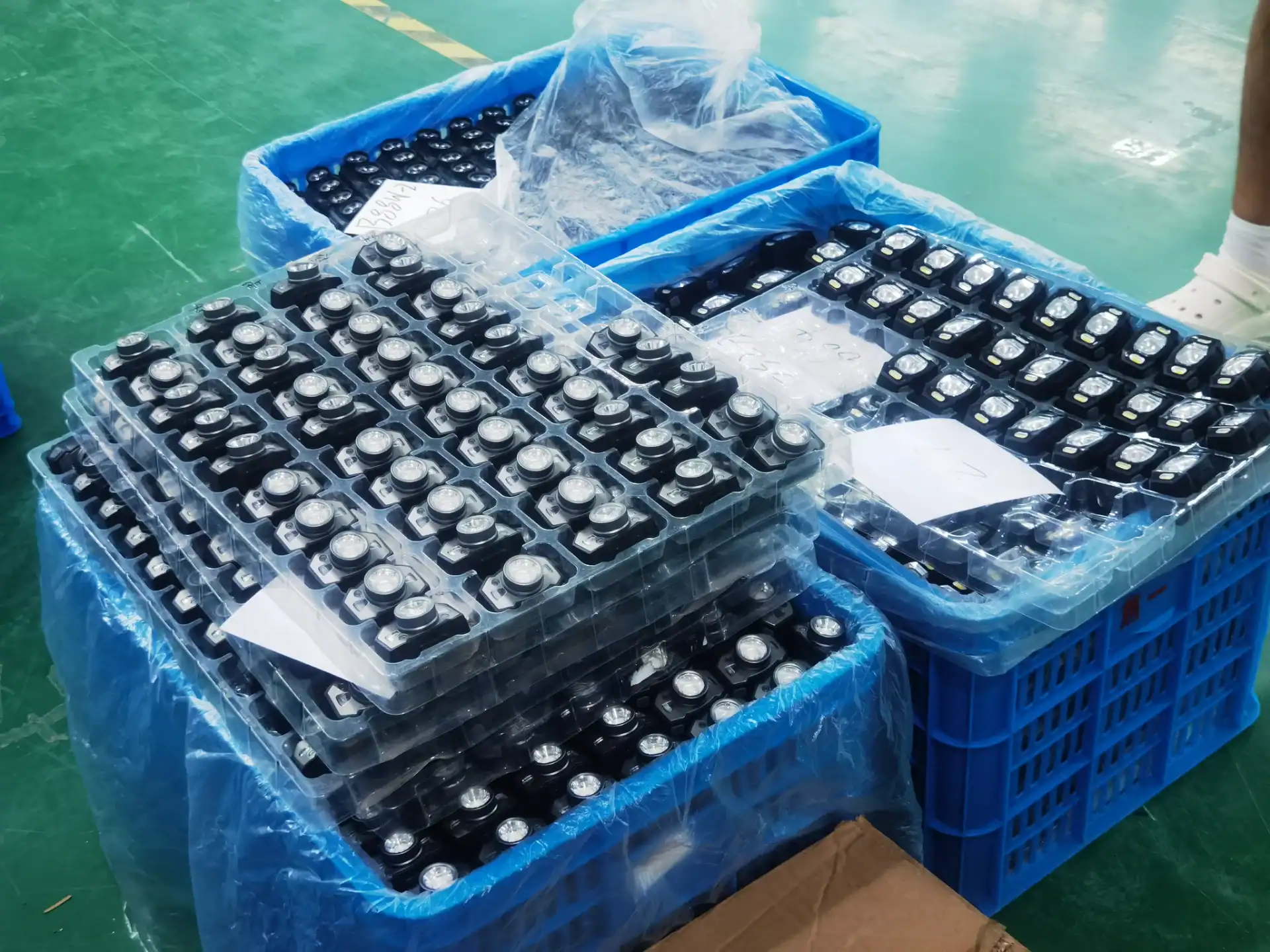
Warranty Terms to Require Before Signing
The frame carries the longest warranty.
Folding wagon warranty terms for retail start before the PO is signed. Your supply agreement determines whether a bad batch becomes a margin disaster or a manageable line item. Generic “1-year warranty” language means nothing — coverage differs completely between a steel frame, a fabric basket, and a set of wheels.
Frame, fabric, and wheel coverage durations
A folding wagon has three wear zones with three different lifespans. The frame is the most expensive component and the one customers expect to last. Insist on coverage that reflects that: 3 years minimum for a powder-coated carbon steel frame, 5 years for aluminum, with language covering welds, hinge points, and locking mechanisms — not just “the frame structure.”.
- フレーム 3-year minimum for powder-coated carbon steel, 5-year for aluminum, covering welds, hinge points, and locking mechanisms. The Kelyland folding wagon partner factory in Jinhua — ISO 9001 and CE-certified with 1 million units of annual output — builds frames in powder-coated carbon steel or aluminum. Keep the material and hinge design named in the warranty sheet so coverage can’t be disputed.
- 生地: 12 months from consumer purchase, covering seam separation, stitching failure, and zipper defects. Specify 600D-900D double-layer Oxford fabric as the baseline so the coverage matches the material actually sewn.
- Wheels: 6-12 months with the tire compound written into the contract. The factory offers PVC, PU, EVA, or TPE wheels. PU and EVA flex under load. Hard PVC cracks on uneven terrain — and that difference shows up in your seasonal return rate.
Exclusions for corrosion, abrasion, and misuse
Exclusions decide whether a warranty has teeth. Corrosion exclusions legitimately cover rust from scratches through the powder coating; deep rust from coating failure should stay covered. Abrasion excludes fabric tears from dragging or scraping sharp objects. Misuse covers exceeding stated load capacity. The retail trap sits inside that last clause: when the box’s load rating exceeds frame capability, every failure becomes a “misuse” claim — and the customer takes the hit.
Return rate data draws the line clearly. Folding wagon return rates stay under 2-3% when frames are mandrel-bent and wheels use PU or EVA tires instead of hard PVC. They spike above 8% when load capacity is overstated on the box. Ask for load test documentation that matches the weight rating you plan to print on 小売用パッケージには、. A supplier who hesitates is telling you something.
One more detail that separates professionals: a 30-45 day production lead time means mid-season replacement orders land after the season ends. Pre-book at least 2% free spare parts — wheels, fabric panels, cotter pins — with the initial PO. That way, quick replacements happen locally while the warranty claim runs its course.
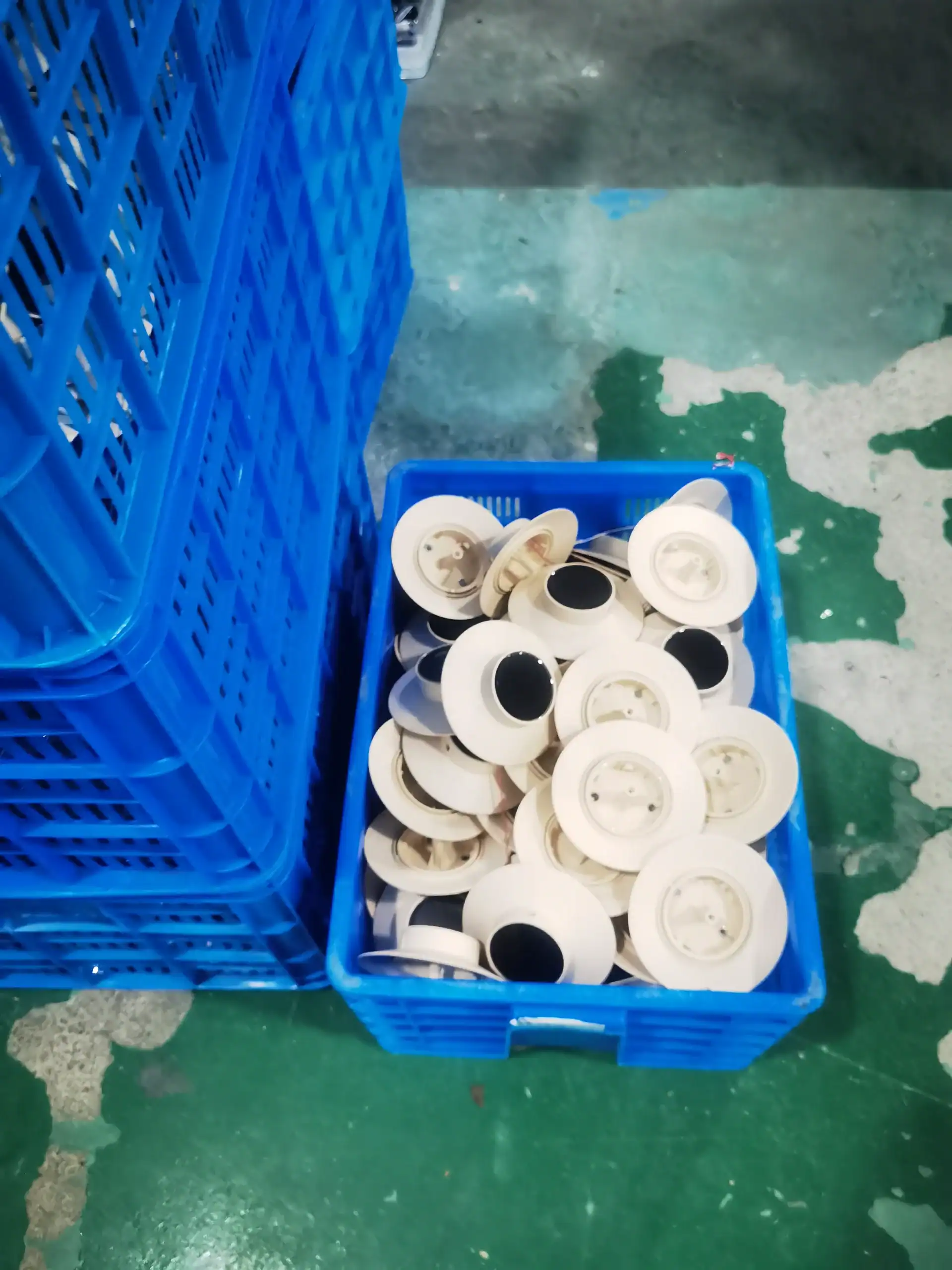
Return Rate Benchmarks by Segment
Healthy folding wagon return rates stay under 2-3%; overstated load capacity can push them above 8%.
Folding wagon return rate benchmarks are not a mystery. In retail, healthy programs hold a return rate under 2-3% when the frame is mandrel-bent and the wheels use PU or EVA tires. The same category can spike above 8% when the load capacity printed on the box exceeds what the frame can actually carry.
Defect Rates by Folding Wagon Segment
Single-fold wagons are the safest segment because the frame is one continuous bent tube. Multi-fold models add hinge points, and each hinge is a candidate for breakage on rough terrain. Double-decker and extended wagons add height and fabric surface, which moves the defect profile from frame failure to fabric seam tears and wheel hub damage.
- Retail benchmark: Use 2-3% as the folding wagon return rate benchmark for standard single-fold and extended models. Insist the supplier accepts this threshold in the quality agreement.
- Wheel material: Hard PVC tires are the first component to fail under summer heat and trail debris. PU or EVA tires keep the cart moving, and a metal hub with a through-axle beats a plastic clip-on hub.
Seasonal Return Spikes and Inspection Points
The spike window is the first 60 days of summer. Customers actually load the wagon to the number printed on the box, then hit a curb or a gravel path. If the frame flexes or the baseboard tears, the unit comes back. The problem is not random bad luck; it is a spec mismatch between the rated capacity and the real build.
Inspect at the sample stage. Load the wagon to the printed capacity and drag it over a curb. Check whether the baseboard is PP or MDF; both are in the Kelyland spec, and PP holds up better in wet conditions. Ask for the tire material in writing. The difference between PU and PVC is not visible on the carton.
The folding wagon factory Kelyland uses in Jinhua produces 1,000,000 units a year and holds CE and ISO 9001 certifications. That gives you a starting point, not a blank check. The production spec includes 600D-900D double-layer Oxford fabric, a powder-coated carbon steel or aluminum frame, and PP or MDF baseboards. Confirm those exact materials in your PO, then inspect the finished batch before it ships.
For high-volume retail programs, track seasonal return rate by model variant. If one color or one feature set climbs past 3%, pull the remaining stock from stores before the return wave expands.
After-Sales Support Setup
A 30-45 day lead time means mid-season replacement orders arrive after the season ends.
The folding wagon warranty conversation usually stops at the frame. It shouldn’t. The parts that fail first — wheels, fabric panels, cotter pins — are the ones that decide whether a return becomes a lost customer or a quick fix. Any supplier can promise after-sales support. Few keep actual spare parts inventory for the models you ordered.
Spare Parts Kits: The 2% Rule
Request at least 2% free spare parts — wheels, fabric panels, cotter pins — bundled into the first order. The folding wagon factory in Jinhua, Zhejiang produces one million wagons a year under ISO 9001:2015 and can build spares alongside the main run at near-zero cost. Skip this and every replacement part ships from China. A 30-45 day lead time means mid-season restocks arrive after the season ends.
- Wheels: PU and EVA tires survive rough terrain far better than hard PVC, which cracks under load. Confirm the spare wheel spec matches the production run — same tire compound, same bearing, same axle fit.
- ファブリックパネル: ほとんどのワゴンに使用されている600D〜900Dの二層オックスフォード生地は、激しい使用を一シーズン続けると角の縫い目で裂けることがあります。サービスデスクが実際に必要とするのは、一般的な生地のロールではなく、あらかじめカットされた交換用パネルです。.
- コッターピンとアクスル: 最も安価な部品が、最も多くの保証請求を引き起こします。折れたピンや曲がったアクスルは、ワゴン全体を使用不能にします。サプライヤーの倉庫ではなく、自社の倉庫にこれらの在庫を置くことで、解決までの時間を数週間から数日に短縮できます。.
応答SLAと苦情処理
発注書(PO)の前に、応答SLAを文書化してください。実用的な基準は、最初の受領確認は24〜48時間、診断は5営業日、交換部品の発送は10営業日以内です。Kelyland Outdoorsでアフターサポートを管理するサービススペシャリストのような専任のアフターサービス担当者がいれば、それが実現可能になります。担当者の名前と文書化されたフローがなければ、すべての請求は交渉ごとになります。.
苦情処理の流れ自体は次のようにすべきです:顧客の写真またはビデオの証拠 → 小売業者が請求を記録 → サプライヤーが生産仕様に照らして診断を確認 → 交換部品または交換ユニットを発送。ほとんどのプログラムを頓挫させるのは診断のステップです。サプライヤーにそのバッチのQC記録がなく、交換部品の在庫もなく、そのモデルの実績もない場合、$8のホイールは$40の返品ラベルになります。.
Final Checklist Before Issuing the PO
発注書に署名する前に、2つの書類の流れが、折りたたみワゴンのシーズンがきれいに終わるか、返品ラベルの山で終わるかを左右します。1つ目はサンプル承認記録です。2つ目は保証とスペアパーツの計画です。どちらも今なら安く修正でき、後から作り出すのは高くつきます。.
サンプル承認記録とQCレポート
承認されたサンプルが法的な基準です。量産品に異なるホイールタイプや薄い生地が使われていた場合、署名済みサンプルだけがあなたの唯一の証拠となります。正式な署名を省略した小売バイヤーは、責任を認めないサプライヤーと議論することになりがちです。.
- 署名済みサンプルまたはメールでの確認: Pantoneカラーコード、生地の重量(例:600Dオックスフォード)、フレーム素材、ホイールタイプ(PUまたはEVA対ハードPVC)を含めます。.
- 生産途中および最終検査レポート: 工場が溶接箇所、ホイールのトルク、縫製の完全性を文書化していることを確認します。Kelyland Outdoorsのパートナー工場(金華)は、ISO 9001:2015に基づいてこれらのチェックを実施しており、最終検査シートを共有できます。.
- 材料証明書: 原材料がサンプル仕様と一致していることを確認する。箱に200kgと記載されているが0.5mmの鋼材を使用しているワゴンはすぐに故障し、返品につながる。.
- 保証期間: フレームには3年間、ファブリックとホイールには1年間を確保する。これは高品質のマンドレルベンドフレームとPUホイールにとって現実的である。.
- 免責事項: 塩風による腐食、重い荷物を引きずることによる摩耗、および誤用が免責されることを確認する。そうでなければ、顧客の過失に対して支払うことになる。.
- スペアパーツキット: ご注文金額の少なくとも2%を無料スペア(ホイール、ファブリックパネル、コッターピン)として要求する。生産リードタイムが30〜45日の場合、シーズン中の交換注文では販売期間に間に合わない。今すぐスペアを予約しておくこと。.
- アフターサービスSLA: 24時間以内に応答し、72時間以内に交換部品を発送するという書面によるコミットメントを得る。これをためらうサプライヤーは何かを隠している。.
保証書類とスペアパーツ在庫
折りたたみワゴンは予測可能な場所で壊れる:ホイール、ファブリックの縫い目、そして ヒンジ部分. 。保証書類とスペアパーツボックスがなければ、返品された商品はすべて迅速な交換ではなく全額返金になる。.
もう一つ書き留めるべきベンチマーク:フレームがマンドレルベンドでホイールがPUまたはEVAの場合、返品率は2〜3%未満に保たれる。サプライヤーが箱に記載された耐荷重を誇張している場合、その数字が8%を超えると予想される。印刷する前に試験報告書で耐荷重を確認すること。.
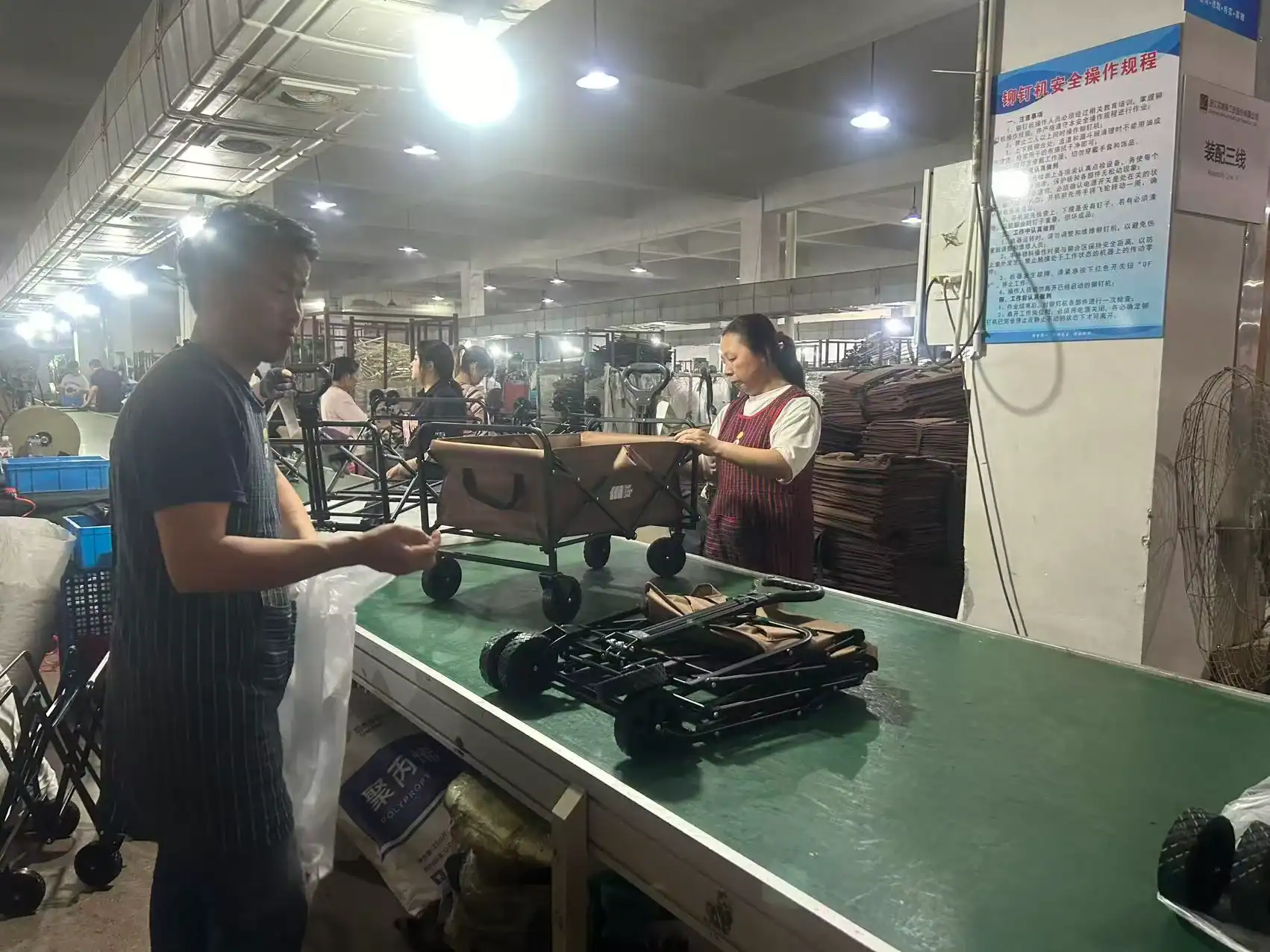
Post-Sale Continuous Improvement
返品データが来季の利益率を改善できるのは、工場が仕様確定前にそのデータを確認した場合だけです。.
ほとんどの小売返品システムは、レジで理由コードを取得します。折りたたみワゴンの場合、そのコードはほぼ役に立ちません。顧客が「不良品」とマークすると、商品は処分ルートに回されますが、実際の故障——ホイールハブのひび割れ、フレームチューブの曲がり、600Dオックスフォード生地の破れ——は、工場が対処できる形で記録されることはありません。このステップを飛ばすカテゴリーマネージャーは、翌シーズンも同じ故障を再発注することになります。.
レジコードが取得できない情報
- 物理的な故障モード: フレームの曲がり、ホイールハブのひび割れ、生地の破れ、ヒンジの詰まり。保証書のQRコードにより、店舗スタッフは商品が店舗から出る前に故障を写真撮影しタグ付けできます。.
- 使用状況: 荷物が箱に記載の50~200kgの定格を超えていませんでしたか? 荷物を載せたままワゴンを折りたたみましたか? 返品フォームに簡単な「どのように壊れたか」欄があれば、保証に関する紛争はなくなります。.
- ホイールの故障: 仕様をPVCからPUまたはEVAタイヤに変更します。これは工場が金型変更なしで対応できる材料変更であり、最も一般的な現場での苦情を削減します。.
- 生地の破れ: 600Dから900Dの二重層オックスフォードに変更するか、角のステッチパターンを補強してください。どちらも、提携工場がすでに実施している文書化された変更です。.
- スペアパーツのバッファ: 初回注文には、少なくとも2%の無料スペアパーツ(ホイール、ファブリックパネル、割りピン)を要求してください。リードタイムが30〜45日あるため、シーズン中に再入荷を待つことはできません。.
工場側は、次の仕様が確定する前にこのデータを必要とします。Kelylandの折りたたみワゴン提携工場(金華)は、CEおよびISO 9001認証を取得した年間100万台の生産ラインを有し、標準的な生産期間は30~45日です。不良が発生した後に発注したシーズン中の補充注文は、シーズンが終わるまで届きません。.
データを来季の仕様変更につなげる
小売における折りたたみワゴンの返品率は、フレームがマンドレルベンド加工され、ホイールが以下の素材を使用している場合、通常2~3%未満に留まります。 PUまたはEVAタイヤ 硬質PVCの代わりです。返品率が8%を超えて急増する場合、その原因はほとんどの場合、箱に記載された積載容量の過大表示です。これは仕様の修正であり、サプライヤーへの罰則条項ではありません。.
次の仕様確定日の前に保証レビューを予定してください。工場に写真と数量を含む不良の内訳を送り、書面による是正計画を求めてください。具体的な修正(補強されたヒンジ、異なるホイールコンパウンド、改訂された荷重ステッカー)で応じたサプライヤーは、マージンを支払う価値があります。言い訳で応じたサプライヤーは、FOBでの価格差よりも返品コストがかさむでしょう。.
結論
フォールディングワーゲン 保証返品 顧客が箱を開けるずっと前から利益のリスクは潜んでいます。真の意味でのデューデリジェンスは発注書(PO)段階で行われます:コンポーネントごとの保証範囲、現実的な返品率のベンチマーク、スペアパーツの在庫、そしてアフターセールス対応のSLAです。これらを文書で証明できないサプライヤーは、見積もりの価格優位性よりも、最初のシーズンでずっと多くのコストをあなたに請求することになります。.
- フォールディングワーゲンの返品率は、マンドレル弯曲フレームとPUまたはEVAタイヤを採用することで2〜3%以下に抑えられます。.
- パッケージに記載された過大評価された荷重容量は、季節的な返品率を8%以上に押し上げる可能性があります。.
- 初期の発注書(PO)と同時に、ホイール、生地パネル、コッターピンなど、無償のスペアパーツを少なくとも2〜3%.Requestしてください。.
- 生産リードタイムが30〜45日である場合、シーズン中の交換に対応するために事前にスペアパーツを確保しておくことが不可欠です。.
次の発注書(PO)を発行する前に、このチェックリストからフォールディングワーゲンの保証条件と返品率ベンチマークを取り出し、現在手元にある契約書と比較してください。フレームとホイールの保証期間、無償スペアパーツの割合、そして営業トークではなく書面でのアフターセールスSLAを確認しましょう。文書化された工場QCプロセスと、そのサポート条件をどのように構築しているかを見るために、Kelyland Outdoorsのフォールディングワーゲン調達リソースをご覧ください。.
よくある質問
折りたたみワゴンにはどのような保証条件を求めるべきですか?
フレーム、ファブリック、ホイールについて別々の補償を要求し、フレームには最も長い期間を設定する。腐食、摩耗、過負荷による誤用などの免責事項を明記し、欠陥リスクを小売マージンではなくサプライヤーが負担するようにする。補償内容の表を注文書に含める。.
折りたたみワゴンにとって正常な返品率はどのくらいですか?
健全な折りたたみワゴンの返品率は2〜3%未満に留めるべきです。過大表示された耐荷重は一般的な引き金となるため、コミットする前に定格容量をフレームとホイールの構造と照合してください。まず実際の負荷テストに対して仕様を監査してください。.
What after-sales support should a wagon supplier provide?
You need a spare parts kit covering replacement wheels, fabric panels, and frame connectors. Because lead time is 30-45 days, pre-stock parts before peak season or mid-season replacements arrive late. Agree on response SLAs before signing.
What should I check before issuing a wagon PO?
発注書(PO)の前にサンプル承認記録、QC検査報告書、保証書類が確定されていることを確認してください。返品が新批次の生産待ちにならないよう、スペアパーツの在庫がすでに利用可能であることを検証します。QC報告書と部品の在庫条件を明確化します。.
How do I use wagon returns data for next season?
単一の返品率ではなく、フレーム、ホイール、生地、ブレーキなどコンポーネント別に現場での失敗を追跡します。そのデータを次のシーズンの仕様書および出荷前検査チェックリストにフィードバックし、再発欠陥を阻止します。このレビューを季節ごとのラインナップ計画に取り入れます。.

 English
 Español
 Deutsch
 Français
 Português do Brasil
 Русский
 العربية
 한국어
 日本語