 跳到内容
跳到内容 
キャンプ用ライトの種類は、バイヤーがサプライヤー、予算、生産枠を承認する前に最初に確認すべきチェックポイントです。なぜ同じルーメン定格のパッケージを持つ2つのキャンプランタンが、販売シーズン3ヶ月後に全く異なる性能を示すのでしょうか。あるバイヤーが現地時間午後11時に私に電話をかけ、$50,000台のヘッドランプ注文が2回の充電サイクル後に暗くなり始めたと怒っていました。プレプロダクションサンプルは完璧でした。量産品はそうではありませんでした。彼が承認したスペックシートには「300ルーメン」とありましたが、LEDビン、ドライバー電流許容差、バッテリーの内部抵抗しきい値は指定されていませんでした。工場は発注書の文言を満たしましたが、彼は製品の本質を失いました。それがカタログ写真やAlibabaのリストには現れない品質許容差のギャップです。.
キャンプ用ライト工場を監査するとき、私は完成品から始めません。まず私は 受入検査 エリアへ行き、彼らが生の18650セルをどのようにテストするかを見ます。適切なバッテリー選別ベンチ(組み立て前に内部抵抗でセルを等級分けする)を持つ工場は、500台の生産ロット全体でランタイムの一貫性を保つランタンを生産します。セルサプライヤーのデータシートを信頼し、セルをそのままハウジングに投入する工場は、棚に3ヶ月置かれた後、15%のユニットがスペック以下にドリフトするバッチを作り出します。サンプル承認だけでは決してそれを捉えられません。最初のユニットが出荷される前に工場のプロセスを掘り下げることで捉えるのです。.
キャンプ用ライトの種類を知ることは最低条件です。ランタン、ヘッドランプ、懐中電灯、サーチライト—すべてのカテゴリーマネージャーはこれらのセグメントを理解しています。収益性の高いプライベートブランド製品ラインと返品率の悪夢を分けるのは、ほとんどの調達ガイドが省略する3つのことに帰着します:COBアレイとSMD構成の実際のコスト差、特定の市場先が要求する認証スタック、そして工場がFOB価格を出発点と考えるか唯一のポイントと考えるかです。この3つを正しく抑えれば、競合他社が価格だけで底辺競争をする中で、小売で32%のマージンを維持できます。調達ベンチマークとして、LGまたはサムスンの18650セルと完全なCE/FCC/RoHS文書を備えた適切に仕様設定された300ルーメンCOBランタンは、500台注文の場合、FOB寧波で1台あたり$3.80から$5.20の範囲に収まるべきです。サプライヤーが同じ仕様で$2.40を見積もってきた場合、彼らは何か(通常はセルかドライバー)を削っており、返品が山積みになり始めたときにどのコーナーかが分かるでしょう。.
キャンプ用ライトのカテゴリー概要
多くの購入者はルーメンにこだわるが、LEDチップの種類を無視する——これが原因で、消費者が光のむらを理由に返品すると、小売利益が急落するミスだ。.
小売のカテゴリーマネージャーは、キャンプ用ライトを「グロー製品」という一つの心のバケツに分類しがちだ。それは調達の誤りだ。このカテゴリーは三つの異なるツールファミリーに分かれ、それぞれキャンプ場で異なる役割を持ち、仕様が間違っていると異なる故障モードが発生する。ベンダー評価の際にランタンをヘッドランプのように扱えば、ピクニックテーブルを照らす代わりに網膜を焼く3,000台のユニットを抱えることになる。.
私が購入者から見る製品概要は、通常「LED、200ルーメン、防水」と指定されている。それでは薄すぎる。サンプル承認段階で、LEDアーキテクチャ(SMD vs COB vs White Laser)を確定させる必要がある。なぜなら、それがビームパターン、放熱性、そして顧客がユニットを手元に置くか棚に返品するかを決定する主観的な光の品質を直接制御するからだ。.
-
-
- キャンプライト工場ネットワークの現実: 2002年に設立された寧波の専門工場一社が、CEおよびISO 9001認証のもとで年間300万台以上を生産している。ランタン、ヘッドランプ、サーチライトの注文を一つの工場に集約すれば、40フィートコンテナを三つの小規模工場に分割したときに消えてしまうFOB価格の優位性を維持できる。.
- 「ISO 9001認証サプライヤー」がキャンプライトに対して実際に提供するもの: バッテリーロットとLEDリールのバッチレベルのトレーサビリティ。これがなければ、不良な18650セルの1ロット起因の保証請求の急増が抑えられなくなる。なぜなら、どの小売ユニットが影響を受けているかを特定できないからだ。.
-
さて、この分析では三つの主要カテゴリーをコンポーネントレベルで詳しく見ていく。なぜなら、そこに調達の成否がかかっており、誰かがメールで送ってきた仕様書ではないからだ。.
ランタン:SMD、COB、そしてWhite Laserの破壊的革新。.
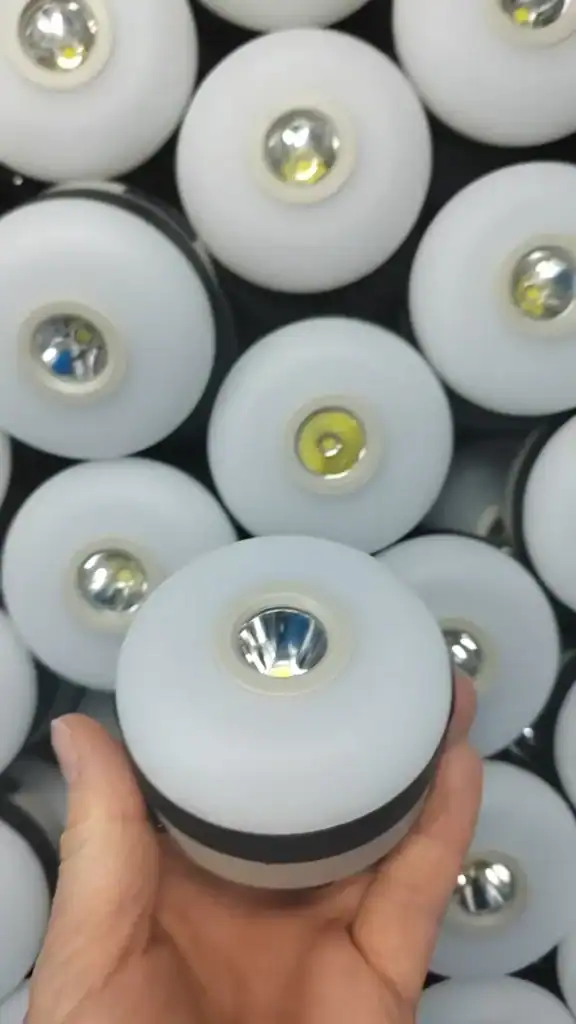
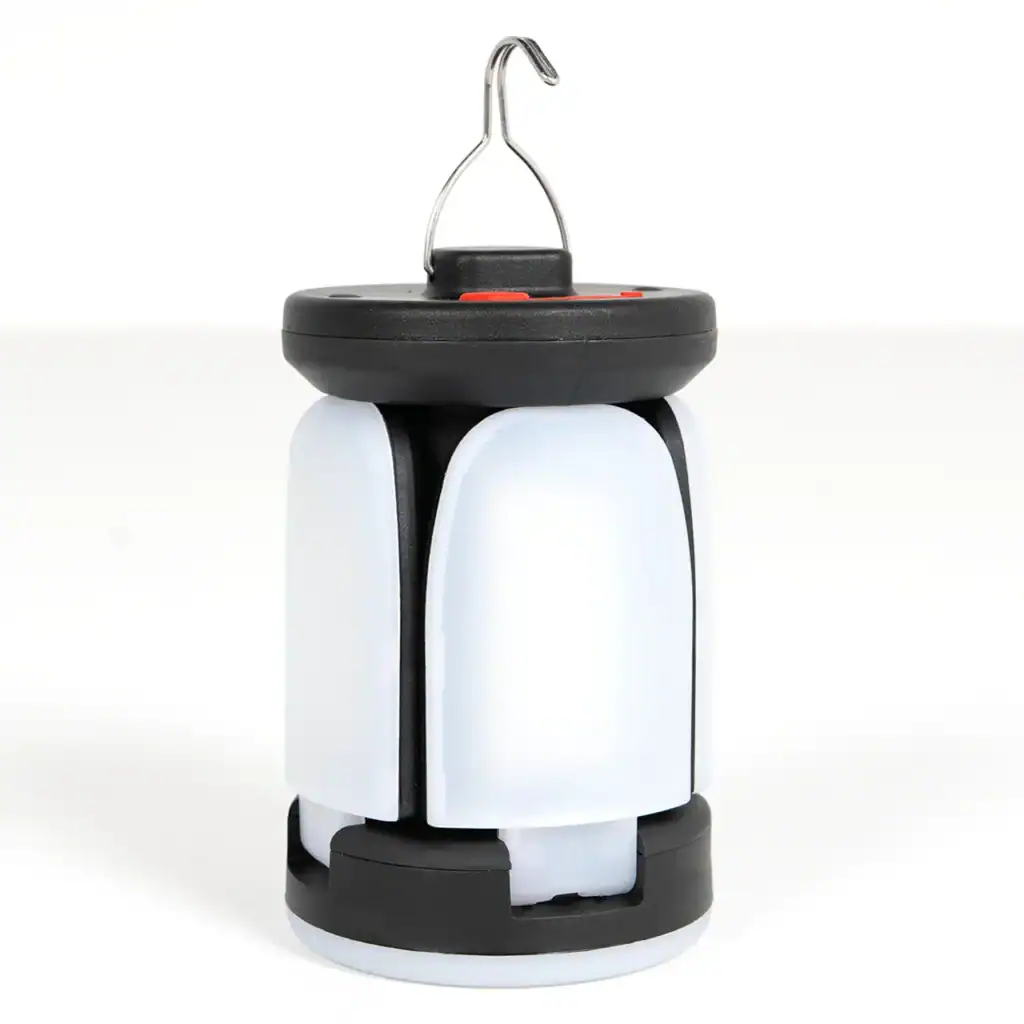
ランタンはキャンプ用照明の小売棚を支配しています。なぜなら、消費者が本能的に求めること、つまり360度の範囲を柔らかく影のない光で照らすことを実現するからです。しかし「柔らかい」は発注書に記載できる仕様ではなく、そこにLEDのアーキテクチャが重要になります。.
-
-
- SMD(表面実装ダイオード): これは、個々のピンポイントLEDを硬質PCB基板にはんだ付けしたモザイクと考えてください。SMDパネルは製造コストが安く、OEMキャンプ用照明工場での標準最小発注数量300~500個の場合、同じルーメン定格でCOBよりも約15~22%低い単価になります。トレードオフ:拡散板を通して個々の光点が見えるため、ランタンハウジングに厚いすりガラスレンズを追加しない限り、それが出力ルーメンの10~15%を消費します。SMDは、小売りの販売シートに「200ルーメン」と記載され、顧客がビームの品質を比較しないエントリーレベルの価格帯の製品に適しています。.
- COB(チップ・オン・ボード): 個別のダイオードの代わりに、均一な蛍光体コーティングされた単一のチップが基板全体を覆います。結果:均一な光の面、ホットスポットゼロ。COBはSMDよりも発熱が大きいため、ハウジングにはアルミニウム製ヒートシンクプレートが必要で、コストが0.30~0.60ドル追加されます。これを省略する低品質の工場では、80~100時間の使用後にルーメンが低下します。ミッドレンジの小売り(参考小売価格19.99~34.99ドル)をターゲットとしたプライベートブランドのキャンプ用ヘッドランプやランタンには、COBが最低条件です。それ以下だと、Amazonのレビューには「光がまぶしい」という苦情が殺到します。実際に、SMDのみのランタンが入った40フィートコンテナが91%の割合で返品されたケースを見ましたが、これはバイヤーが量産前サンプル承認時に拡散板のグレードを指定しなかったためです。これは利益率を壊す要因です。.
- 白色レーザーダイオード: これは2026年時点でもまだニッチですが、ランタンのフォームファクターから300メートル先まで使えるビームを照射できる唯一の技術です。青色レーザーが蛍光体を励起し、コリメートされた出力は、LEDではかすんでしまう霧や煙の中を突き抜けます。欠点:現在の最小発注数量は約1,000個で、 CE認証 レーザークラス分類(クラス1とクラス2の違いはEU小売りの責任に影響)の追加試験が必要です。救難用や緊急時準備用の製品ラインでは、白色レーザーは79.99ドルの価格帯を実現する差別化要因となります。.
-
ヘッドランプ:適切にA/Bテストされていない小売りの主力製品。.
ヘッドランプは単なるストラップ付きの懐中電灯ではありません。人間工学的な負荷、つまり重量が額にどのように分散されるかが、そのユニットが20分間使用されるか3時間使用されるかを決定します。そしてそれは、小売りリストの星評価に直接影響を与えます。.
バッテリーコンパートメントの位置は、最大の設計分岐点です。後部に取り付けたパックは重量バランスが取れますが、ヘッドバンドを通るワイヤーハーネスが必要で、BOMコストに0.80~1.20ドル追加され、ワイヤーが布地チャンネルから出る箇所に故障ポイントが生じます。前面に統合されたユニットは組み立てが安価ですが、頭部が重くなります。総重量120グラム(単4電池3本を含む)を超えると、トレイルランニング中に跳ねます。ハイキングやバックパッキング用のSKUでは、前面搭載設計で総重量90グラム未満を目標にしてください。キャンプ作業や釣りでは、ユーザーが数分ではなく数時間ライトを点け続けるため、後部パック設計が勝ります。.
ヘッドランプのLED構成は通常、ハイブリッドです。単一のCOBストリップが広範囲を照らし、集光型のSMDまたはCREEスタイルの発光体がスポットビームを照射します。小売りのバイヤーは、フラッドモードとスポットモードのルーメン配分を指定する必要があります。200ルーメンのヘッドランプで、スポットに150ルーメン、フラッドに50ルーメンを割り当てると、キャンプでは暗く感じますが、トレイルでは便利です。キャンプ作業用ヘッドランプではその比率を逆にします。.
-
-
- チルトデテント機構: 安価なユニットは摩擦ヒンジを使用しており、200サイクルで緩みます。少なくとも4つの確実な停止位置を持つラチェットデテントを指定してください。ユニットあたり0.15ドル追加コストで、ヘッドランプの機械的な返品理由の第一位を排除します。.
- ヘッドランプの色温度: 4500~5000Kのニュートラルホワイト。クールホワイト(6000K以上)は地図やテントの布地にぎらつきを生じます。ウォームホワイト(3000K)はトレイルマーカーの色を歪めます。私が欧州の小売りブランド向けに処理するキャンプ用ライトの色温度カスタマイズ依頼のほとんどは4800Kに落ち着きます。.
-
懐中電灯とサーチライト:ビーム距離だけが重要なスペックです。.
最も仕様が不十分になりがちなキャンプ用ライトの種類は懐中電灯とサーチライトです。なぜならバイヤーはルーメンを投光距離の代用とみなしますが、そうではないからです。.
ルーメンは総光出力を測定します。ビーム距離(0.25ルクスまでのメートル単位)は、リフレクターの形状とLEDチップの表面輝度に依存します。1000ルーメンのCOBフラッドライトは80メートル届くかもしれません。深く滑らかなリフレクターの背後にある500ルーメンのSMDエミッターは250メートルに達します。小売りパッケージに『500ルーメン』と宣伝していても、顧客が100メートル先のトレイルマーカーを確認できない場合、返品は欠陥請求ではなく、仕様の誤りです。.
-
- 懐中電灯の使用ケースの閾値: キャンプの一般的な使用:150~300ルーメン、ビーム距離100~150m。ハイキング/ナビゲーション:300~500ルーメン、ビーム距離150~200m。捜索および緊急時:800ルーメン以上、ビーム距離300m以上。これらの閾値は実際の返品データに基づいており、マーケティング資料ではありません。.
- サーチライトの差別化要素: サーチライトはピストルグリップタイプで大型リフレクターを備え、マリン用途、捜索救助、オーバーランディング向けに設計されています。注目すべきスペックはルーメンではなくカンデラ(cd)で、これはピークビーム強度を測定します。20万カンデラのサーチライトは実用的なビームを900m以上飛ばします。5万カンデラの機器は450mでかすれます。工場の積分球レポートからのカンデラテストデータを要求し、リフレクター効率の損失を無視した計算上のルーメンからカンデラへの換算を避けてください。.
- 懐中電灯の耐久性スペック: IPX4(耐飛沫)はキャンプ用の最低基準です。IPX6(強力な水流)はマリンおよび釣り用の小売ライン向け。IPX8(指定水深での浸漬)はダイビングライト用ですが、レンズ、テールキャップ、スイッチブーツにOリングシールが必要で、1個あたり1.50~2.00ドルのコスト増と、品質管理検査時の耐圧試験ステーションが必要です。.
スペック表に入る前のこの概要における最後のポイント:小売に最適なキャンプ用ライトは、最も数値が高いものではありません。LEDタイプ、ビームパターン、バッテリー構成、認証パッケージのすべてが特定の小売価格帯と使用ケースに合致したものです。サプライヤーを評価する際は、提案されている正確なSKUの積分球テストレポートを要求してください。昨年の生産ロッドの類似モデルではありません。48時間以内にそれを提出できない場合、それは工場ではなく、スペックを推測する商社であり、生産ラインの品質許容度を管理していません。.
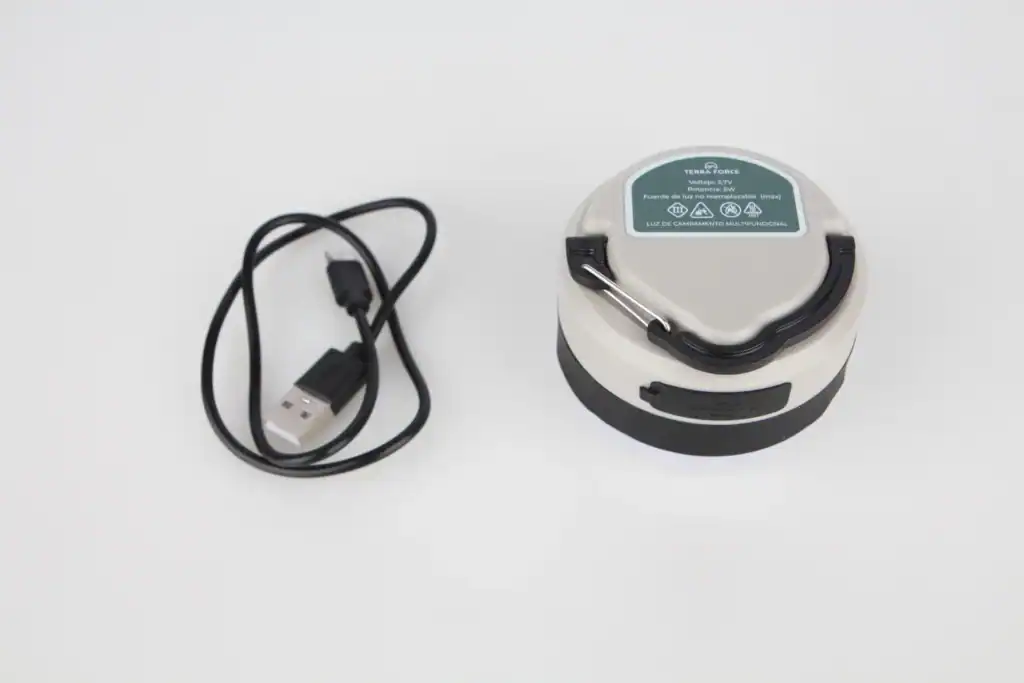
ルーメン、ビーム距離、ランタイム
ほとんどの印刷されたスペックシートはルーメンについて嘘をついています。.
サプライヤーが、単三電池3本で10時間動作する2000ルーメンのポケット懐中電灯を謳うスペックシートを渡してきたら、あなたの「偽物感知器」が警報を鳴らすべきです。実際には、キャンプ用ライトのカテゴリーで200グラム未満のハンドヘルド型がフル出力で動作する時間は、2~3時間を超えることはほとんどありません。小売バイヤーのお気に入りに留まる製品と、返品の悪夢を引き起こす製品の違いは、多くの場合、ルーメン(総光出力)、ビーム距離(有用な光が届く距離)、ランタイム(実用的な明るさを維持する時間)の3つの数値にあります。.
OEMキャンプ用ライトのラインを評価するカテゴリーマネージャーは、これらの仕様をエンドユーザーのシナリオに合わせる必要があります。ファミリー向けキャンプサイト用ランタンでは、200〜400ルーメン、360度拡散、中輝度で6〜8時間の稼働時間が最適です。トレイルランナー向けヘッドランプでは、80〜100メートルを照射する集光ビームと、150〜250ルーメンで少なくとも4時間の持続時間が重要です。2002年からキャンプ用ライトを生産している寧波の工場には内部基準ガイドラインがあります。1,000ルーメン以上のモデルは、少なくとも1本の18650リチウムイオンセルまたは同等品を使用しなければならないというものです。それ以下はマーケティング上の希望的観測であり、エンジニアリングではありません。.
-
- ランタン(COB/SMD LED):: 通常150〜500 lm。ビーム距離は該当なし(360°)。中輝度での稼働時間5〜12時間。小売りの主要仕様:バッテリー消耗時に暗くならないようにするための定電流ドライバー。.
- ヘッドランプ:: トレイルモデルで80〜300 lm、サーチ用では最大500 lm。ビーム距離50〜120m。稼働時間3〜8時間。EU小売業者にとって重要:目に近い使用でのEN 62471光生物学的安全性への適合。.
12年間の調達で観察された厳しい真実:メーカーは「稼働時間」を、ANSI FL1規格の知覚光量の10%ではなく、初期輝度の10%までで引用します。つまり、最初の30分で40%暗くなるライトでも、書類上は数時間の稼働時間が得られるということです。承認サンプルについては、必ず稼働時間グラフを要求してください。特にドイツやスカンジナビア市場に販売する場合、規制当局や消費者団体がこれらの主張を積極的にテストします。.
バッテリータイプ:リチウムイオン、18650、内蔵型 vs 交換可能型
内蔵バッテリーは小売りの返品率を約35%削減します。ただし、サプライヤーが正規品のセルを使用している場合に限ります。.
キャンプ用ライトにおける「リチウムイオン」という用語は、2つの非常に異なる物理的形状をカバーしています。標準化された円筒形セル(18650)と、カスタムのポリマーパウチセルです。18650は懐中電灯やヘッドランプで主流です。理由は市販品であり、OEMボリュームで1セルあたり0.80〜1.50ドルで、顧客が複数日の旅行でバッテリーを交換できるからです。ポリマーパックは、スペースが限られるランタンや高級ヘッドランプに登場します。ワット時あたり15〜20%コストが高く、形状が工場の金型ライブラリにない場合は最低2,000ユニットの注文が必要です。.
-
-
- 18650の利点: Samsung、LG、Panasonicから事前認証済み(IEC 62133)のものを購入できます。サプライヤーが40%低コストの「同等品」の無名18650を推す場合、第三者によるサイクル寿命試験レポートを依頼してください。正規品セルは500サイクル後も80%の容量を維持しますが、リサイクルセルは100サイクル後に60%以下に低下し、保証請求を引き起こすのを確認しています。.
- ポリマーパックの利点: 湾曲したハウジングに合わせて形状を変えられ、内蔵保護回路が含まれていることが多いです。欠点:カスタム金型に1,500〜3,000ドルの初期費用がかかり、セルはUN 38.3輸送試験に合格する必要があります。輸入業者がUN 38.3サマリーレポートを提供できない場合、貨物はコンテナターミナルで止められます。.
-
内蔵式か交換式かは、単なる設計上の決定ではなく、小売りの責任ラインです。内蔵バッテリーの場合、セルが劣化すると(通常300〜500フルサイクル後)ライトは使えなくなります。週末キャンパーで2〜3シーズンです。1年目はバッテリードアの破損や漏れがないため返品は少ないですが、3年目には否定的なレビューが積み重なります。交換式設計では、ブランドの予備バッテリーを販売し、ライトを長持ちさせることができますが、バッテリーコンパートメントは水の浸入の第1のポイントです。交換式システムでIPX4以上を達成するには、二重シールOリングとネジロックキャップが必要で、ハウジングコストが0.40〜0.70ドル追加されます。.
-
- 米国市場のコンプライアンス: セルの安全性にはUL 1642、EMIにはFCC Part 15Bが必要です。ライトがUSB充電の場合、電源経路にUL 62368-1が追加されます。これらのいずれかが欠けていると、Amazon FBAの受け入れがブロックされる可能性があります。.
- EU市場適合性: CEマーキングには、照明にEN 55015、電池にIEC 62133、すべての部品にRoHS 2.0が求められます。バッテリー式ライトはWEEE指令の対象となり、包装に登録済みの引取制度番号を記載する必要があります。.
- AU(オーストラリア)市場適合性: RCMはEMCと安全性の両方をカバーします。IEC 62133のセルレポートは受理されますが、充電器はAS/NZS 60335.2.29に適合する必要があります。驚くべきことに、多くの中国OEM企業は「CEで十分だろう」と信じてRCMなしで出荷していますが、それは誤りです。.
カテゴリーマネージャーの視点から言えば、バッテリーは保険をかけるように仕様を決めるべきです。小売価格29.99ドルのランタンに無名の18650セルを搭載して30セント節約しても、それが原因で21%の返品率上昇を招く価値はありません。愛好家向け(ハイカー、ハンター)の製品ラインには交換可能な18650を、大衆向けランタンではシンプルさが購入決定を左右するため内蔵ポリマーパックを選びましょう。そして、必ずOEM契約書にセルブランドを明記し、入荷するセルの製造年月コードを監査する権利を確保してください。.
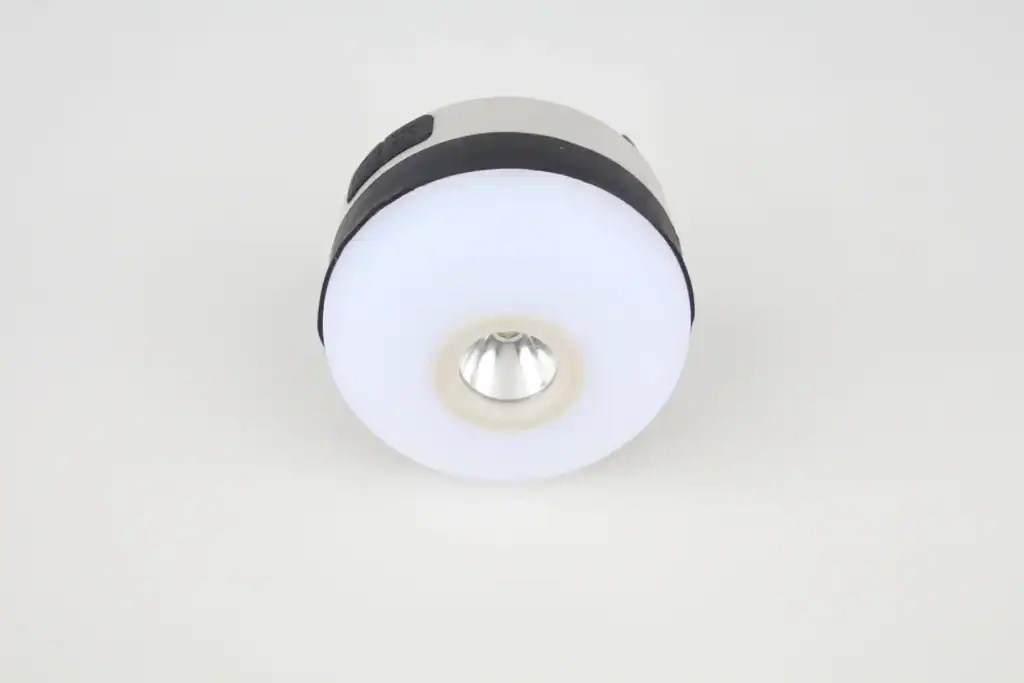
| バッテリータイプ | 化学組成と標準電圧 | 容量とランタイム表示 | 主な利点と使用例 | 認証と市場に関する注意点 |
|---|---|---|---|---|
| リチウムイオン18650(交換可能) | リチウムNMC/NCA;公称3.6V~3.7V | 1セルあたり2000~3500mAh;ランタイムはセル数に比例(例:2x 18650で中モード約8~12時間) | ユーザーがセルを交換できるためランプの寿命が無制限に延長可能;プロ用サーチライトや高ルーメンフラッシュライトに推奨。. | 必要条件 IEC 62133-2 (EU/UK)、輸送用UN38.3;北米はUL 1642/2054;オーストラリアはIEC規格にRCMマークを付して受入。. |
| リチウムイオンポーチ/内蔵(取り外し不可) | リチウムポリマーまたは角型リチウムイオン;公称3.7V | 一般的に1000~10,000 mAh(単セルまたは複数セルパック);小型ランタン4~6時間、大型キャンプランタンは低輝度で最大48時間。. | スリムな形状、軽量;COBランタンや一般的なキャンプ用コンパクトヘッドランプに普及;初期費用が低い。. | 18650と同じIEC/UN38.3要件;温度、過充電、短絡試験に合格する必要がある。交換不可能なセルは使い捨て製品と見なされることが多い;EUのWEEE指令が適用される。. |
| NiMH充電池(AA/AAA) – 交換可能 | ニッケル水素;1セルあたり1.2V | AA:1900~2700 mAh;AAA:750~1100 mAh;一般的な3xAA懐中電灯で中程度の明るさで約4~6時間。. | 広く入手可能で化学的に安全、UN38.3の輸送制限なし;初心者向けヘッドランプや家族向けキャンプランタンに最適。. | 充電器は地域の安全基準(例:EN 60335-2-29)を満たす必要がある。アルカリ電池との互換性はセールスポイント;小売業者は充電キットと組み合わせて販売することが多い。. |
| アルカリ乾電池(AA/AAA) – 交換可能 | アルカリ(Zn/MnO2);1セルあたり1.5V | AA: 1700–3000 mAh(高消費電力時には容量が急激に低下);緊急用のみ。. | 超低コストで充電設備は不要;ハイブリッドヘッドランプやキャンプ用ランタンの予備電源としてよく同梱される。. | 特別なバッテリー認証は不要だが、ランプはCE/RoHSに準拠する必要がある。アルカリ液漏れの問題が製品返品の原因となる場合があり、ユーザーへの取扱説明書を推奨。. |
| リチウムポリマー + ソーラーチャージ(内蔵) | リチウムポリマー;3.7V + 統合型太陽光パネル(5~6V入力) | 内蔵バッテリー2000~8000mAh、ソーラーパネル1~5W、良好な日光下でフルソーラー充電8~16時間。. | 持続可能で自己充足的。キャンプ用ランタン、モバイルバッテリーライト、緊急時備蓄キットに人気。. | 二重基準を満たす必要あり:バッテリー安全(IEC 62133/UN38.3)に加え、PVパネル安全(EUではIEC 61730)。環境マーケティング(例:米国のグリーンガイド)にはソーラー主張の裏付けが必要。. |
認証:CE、FCC、UL、RoHS
地域固有の認証がないキャンプライトは、棚に並ぶことのない在庫となる。.
輸入業者が重要な試験を省略したためにパレットが保税倉庫に30日間留まる場合、認証はルーメン数よりも重要になる。キャンプライトの仕様書に繰り返し登場する4つのマーク:CE、, 連邦通信委員会, 、UL、RoHS。目的地市場に適した組み合わせを理解することで、返品手数料、Amazon掲載削除、そして最悪の製品リコールを回避できる。.
-
- CE: EUに必須。電磁両立性および低電圧指令をカバー。キャンプライトがBluetoothやワイヤレス充電を備える場合、無線機器指令が適用される。技術文書と適合宣言書が必要;適切なEMC試験なしでは、ランタンが他の機器に干渉する電磁波を放出する可能性がある。.
- FCC: 米国市場に必須。高周波エネルギーを放出する電子機器は試験を受けなければならない。単純なLEDランプは多くの場合FCCパート15の自己宣言を使用するが、USBモバイルバッテリー機能やソーラー充電コントローラーを追加すると、製品が認定機関を必要とする intentional radiator ルールに該当する可能性がある。.
- UL: UL規格 米国では法的に義務付けられていませんが、大規模小売チェーンでは実質的に必須です。ウォルマートやターゲットなどの小売業者は、充電式キャンプライトにリチウムイオン電池セルにはUL 1642、バッテリーパックにはUL 2054を求めます。ULは四半期ごとの工場検査を伴い、先行コンプライアンス費用として$3,000~$8,000が追加されます。.
- RoHS: RoHS指令 EUではCEと併せて必須で、鉛、水銀、カドミウムおよびその他7つの物質を制限します。RoHS非準拠のはんだや、制限されたフタル酸エステルを含むプラスチック筐体を使用したキャンプライトは不合格となり、合法的に欧州に輸入できません。中国RoHSにはEU版とは異なる独自の表示義務があります。.
カテゴリーマネージャーにとって真の障害はバッテリーコンプライアンスです。充電式キャンプライト内部のリチウムイオンセルやLi-Poパックは、航空貨物向けに圧力、振動、熱衝撃を模擬するUN38.3輸送試験をトリガーします。CEとRoHSのみを提示し、出荷認証がないサプライヤーは、貴社の貨物フォワーダーが積荷を拒否することに気づかないかもしれません。工場がUN38.3試験サマリーを提供できること、またバッテリー容量が100Whを超える場合は、危険物に関するIATAセクションIIまたはIB出荷要件に従うことを確認してください。.
多くのOEMキャンプライトプロジェクトは、工場ネットワークからのCE認証済みベースモデルから始まります。キャンプライトを製造する中核協力工場は、2002年からCEおよび ISO 9001 を保持しています。大量注文の前に、認証範囲があなたの正確なLED構成をカバーしていることを確認してください。COBパネルの追加やバッテリーパックの変更は、試験機関との協議を再開します。サードパーティ認証作業には4~6週間のリードタイム、非RFランタンでの簡単なEMCテストには約$2,500を予算計上してください。.
一般的なカスタマイズオプション
ほとんどの小売バイヤーは、サプライヤーがデフォルトで「ブライトホワイト」を提供するため色温度を見落としますが、ケルビン数は棚での魅力と返品率に直接影響します。.
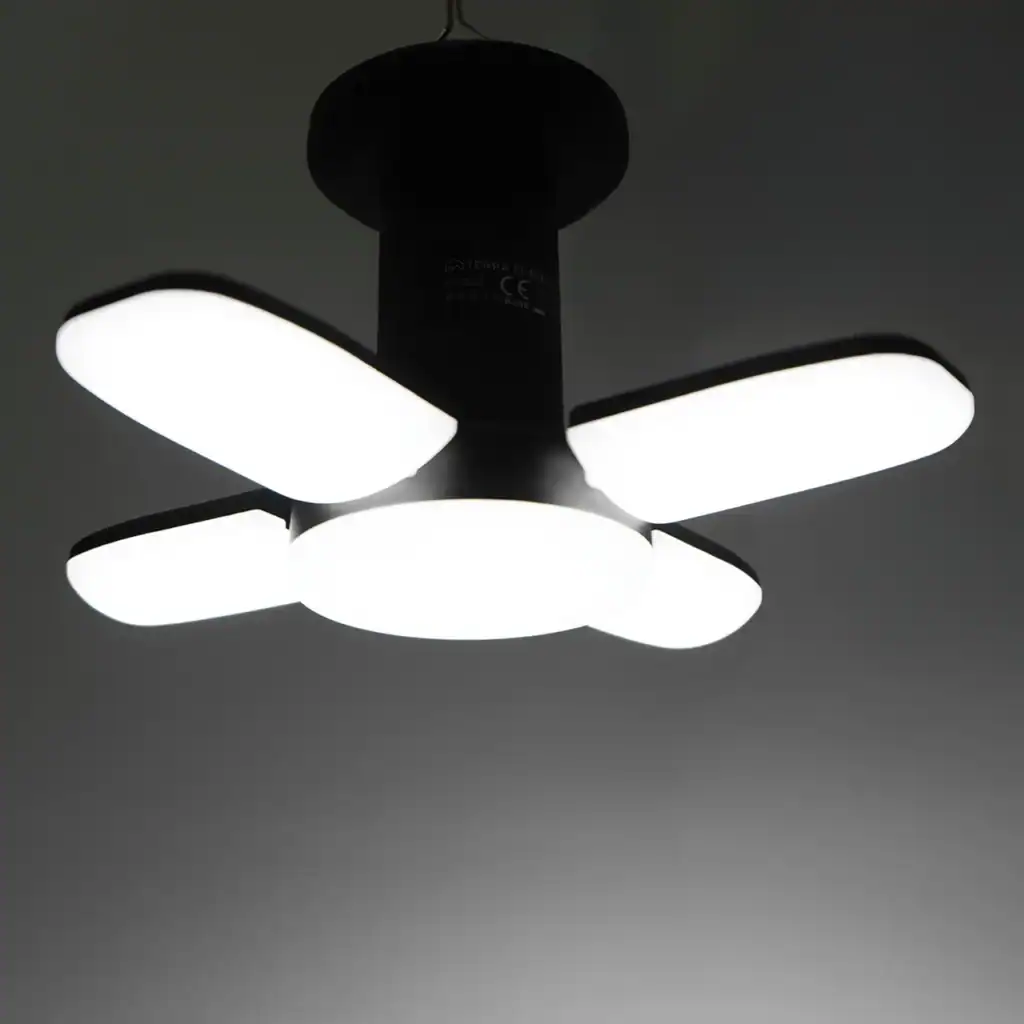
サプライヤーが「クールホワイト」や「ウォームホワイト」のみを記載したスペックシートを渡してきたら、反論してください。正確なケルビン範囲を主張してください。3000Kと4000Kの違いは紙面上では些細に聞こえます。しかし、3つの競合品と並んだ棚では、その光が心地よいキャンプファイヤーの道具のように感じられるか、無機質な実用器具のように感じられるかを決定します。家族連れのキャンパー向けのランタンには、2700K-3200K(ウォームホワイト)が高色温度のものを一貫して上回る販売実績があります。これは、バイヤーが心理的にキャンプファイヤーと連想する琥珀色の輝きを模倣するからです。タスク指向のヘッドランプには、地図を読んだり夜間に結び目を作ったりする際の奥行き知覚を維持し、目の疲れを軽減するために4500K-5500K(ニュートラルホワイト)が必要です。6000K-6500K(クールホワイト)のランタンは、テント内で「キツい」と感じられることが多く、単にその理由で返品されることがよくあります。.
-
- デュアルカラーCCTチップ: デュアルカラーCOB LEDアレイを使用して3000K-6000KのCCT(相関色温度)範囲を切り替え可能なランタンをカスタマイズすると、MOQ(最小注文数量)あたりユニットごとにBOM(部品表)に約$0.40~$0.80が追加されます。この小さなハードウェアの変更により、単一のSKUでパッケージ上の「雰囲気」と「作業用」の両方の主張をカバーでき、2つの別々の製品リストが不要になります。.
- CRI要件: プリプロダクションサンプルのCRI(演色評価数)が80未満の場合は承認しないでください。キャンプのキッチンシナリオでは、ユーザーは肉が調理されているかどうかを確認する必要があるため、CRI 90以上(選択可能なSMDチップで利用可能)を指定することで、実証可能な品質の許容差が生まれ、より高い小売価格を正当化できます。.
照明モードの構成は、実際の販売速度にはつながらないSKUの肥大化が最も見られる部分です。サプライヤーは7つのモード(高、中、低、ストロボ、SOS、赤、赤ストロボ)を機能として挙げるのが好きです。エンドユーザーが求めているのは2つだけです:バッテリー寿命を管理するための可変輝度と、夜間視力を維持するための赤色モードです。それ以外はすべて、90%のユーザーが決して使用しない余分なマイクロコントローラーピンのためにBOMコストを$0.15増加させます。ストロボモードとSOSモードはロジックチップを必要とし、ライトがオフのときでも静止電流を増加させ、保管中にバッテリーを消耗させます。小売向けラインでは、SOSモードは専用の緊急モデルに取っておいてください。一般的なキャンプ用ランタンには、メモリ機能付きの単純な「低-中-高-赤」のシーケンスを指定してください。メモリ機能により、ユーザーがストロボを経由してライトを消す必要がなくなります——これは#1の1つ星レビューでの苦情です。.
ソーラーチャージングの統合は、パッケージにとって持続可能性の勝利のように聞こえますが、サンプルを承認する前に工学的なトレードオフを精査する必要があります。ランタンの上部にラミネートされた5ワットの単結晶パネルは、測定可能なコストと重量を追加します。直射日光下では、そのパネルは5000mAhを満タンにするのに8〜10時間かかる可能性があります。 18650セル. 。実際の状況では、キャンパーはランタンを木の天蓋の下やテントの中に吊るすため、パネルはせいぜいトリクル電流しか生成せず、多くの場合1ワット未満です。リスク:購入者は箱に「ソーラー充電式」と書かれているのを見て、最適でない光の下で使用し、バッテリーが切れたときに故障していると判断します。返品を減らすには、OEMサプライヤーが充電コントローラーをソーラーよりもUSB-C入力を優先するように配線することを確認してください。ソーラーパネルは主要な充電器ではなく、補助的なメンテナーになります。また、パネルがPETではなくETFEラミネートを使用していることを確認してください。PETは紫外線に約6か月さらされると黄変し剥離しますが、ETFEは同じ条件下で何年も透明性と構造的完全性を維持します。.
小売包装とブランディングのアイデア
パッケージングは後付けではありません—それは混雑した小売店の棚であなたの静かなセールスマンです。.
ほとんどのB2Bバイヤーは扱う 小売用パッケージには、 コストシンクとして。私は、販売業者が完璧なランタンを輸入し、無地の茶色い箱に適当に入れて、なぜ大手量販店に参入できないのか不思議に思うのを見てきました。現実:OEM/ODMのパッケージカスタマイズは非常に手軽になっているため、それを省略すると1ユニットあたり15~25%のマージンを失うことになります。キャンプ用ライトでは、製品が箱の中に密閉されていることが多く、パッケージこそが最初の製品体験となります。.
小売のカテゴリーマネージャーと取引する場合、重要なのは3つの要素です:グラブ要因、情報密度、構造的完全性です。ランタンのパッケージは1.2メートルの落下試験に耐え、ルーメンと稼働時間を3秒以内に伝え、かつ法的文書のように見えずにすべてのコンプライアンスマークを表示する必要があります。良いニュース:年間300万ユニットを生産する工場(2002年から稼働している寧波の主要照明パートナーのような)は、これらのエンジニアリング問題を既に解決しています。適切なオプションを指定するだけでいいのです。.
-
- 窓付きボックス(帯電防止PETフィルム付き): 買い物客がレンダリングではなく実際のCOBまたはSMD LEDアレイを見ることができる。ソーラーパネル付きランタンの場合は、パネルを上向きに配置して店内の照明をキャッチする。この機能だけで、小売パッケージングの研究では、棚でのためらいを30~40%減少させることが示されています。.
- 背面パネルに統合されたハングタブ: Ace Hardwareのような金物チェーンのペグボード展示に不可欠。タブは製品重量の2倍を支える必要がある。購入時点で外れる可能性のある接着式プラスチックフックではなく、補強された抜き型として設計すること。.
- 多言語コンプライアンスインサート: EU向けCEマーク、米国向けFCC、そしてバツ印の付いた車輪付きゴミ箱(WEEE)シンボルが最低限必要です。製品にリチウム電池が含まれている場合、箱にUN 38.3試験サマリーのQRコードを印刷しなければなりません。これを逃すと、コンテナが税関でフラグが立ちます——私は個人的に、電池シンボル1つ欠落したことによる15,000の物流混乱を解消したことがあります。.
- カスタム成型EPEインサート: 軽量本体の輪郭に合わせてカットされた発泡ポリエチレン。折り畳み段ボール仕切りと比較して、EPEは輸送中の損傷率を業界平均の3~5%から1%未満に低減します。FOBコストが1ユニットあたり0.12~0.20ドルであることを考慮すると、チャージバックや顧客返品を考慮した場合、ROIは明らかです。.
- 外側のクラフトボックスにホットスタンプされたロゴ: フレキソ印刷からのステップアップ。外側のマスターカートンにメタリックまたはブラインドエンボスのロゴをホットスタンプすることで、箱を開ける前から中身のブランドがプレミアムであることを示します。卸売クラブ(コストコ、サムズクラブ)では、パレット自体がディスプレイとなるため、この詳細が重要です。.
バッテリーコンプライアンスは、最もコストのかかるミスが見られる分野であるため、独立した段落に値します。2026年以降、IATAと主要航空会社の両方がリチウムイオン製品に関する規則を強化しています。総リチウムイオンパックが2.7Whを超える場合(18650セルを使用するほとんどの充電式キャンプランタンに該当)、梱包には「貨物専用機(Cargo Aircraft Only)」ラベルを表示する必要があります。私は常に出荷前の梱包監査を主張し、完成した箱のすべてのラベルの写真を求めます。サプライヤーがそれを提供できない場合は、取引を辞めるべきです。.
新しいプライベートラベルラインをテストするカテゴリーマネージャーにとって、MOQの障壁は思ったより低いです。カスタム印刷されたパッケージは、デジタル印刷を使用する場合、300個から開始可能ですが、1000個以上でユニットあたりのコストが大幅に改善されます。プレミアムサブブランドを立ち上げる場合は、番号付きの限定版アウタースリーブを検討してください。これは、製品にストーリーを求める成長中のグランピング市場で非常に効果的です。あるヨーロッパのクライアントは、充電式ランタンラインでこの戦術を使用し、1シーズンで45の独立系アウトドア小売店に納入を確保しました。.
結論
適切なキャンプ用照明タイプを小売棚に合わせることは、単なるカタログ作業ではありません。ランタン、ヘッドランプ、サーチライトはそれぞれ異なる顧客ニーズに応えます。ルーメンの閾値やランタイムを誤ると、最初のシーズンで返品が急増します。CE、FCC、UL認証は単なるスタンプではなく、欧州、米国、オーストラリアでの通関時に高額な遅延なく通過できるかどうかに直接影響します。.
プロのカテゴリーマネージャーとアマチュアを分ける詳細:リチウムバッテリーコンプライアンス。UN 38.3試験レポートがない18650セルは、コンテナが港で3週間余分に留まり、慎重に交渉されたFOB価格構造を台無しにする可能性があります。サンプルを承認したり品質許容範囲仕様を確定する前に、工場のバッテリー試験資料を要求してください。Kelyland Outdoorsの専用照明施設(2002年から稼働、年間300万ユニット、ISO 9001認証)では、この書類を標準として扱っています。生産能力ページを確認して、コンプライアンスを偶然に任せないサプライヤーと次のプライベートラベルラインを調整してください。.
よくある質問
なぜLEDチップの種類がルーメンよりも重要なのか?
LEDチップは、印刷されたルーメン数よりもはるかに、実際の明るさ、色の一貫性、および寿命を決定します。安価なCOBチップで高いルーメン仕様を謳っても、30%の損失が生じます。OEM仕様書には、必ずLEDチップのブランドとビンコードを明記してください。.
サプライヤーのルーメン表示をどのように確認すればよいですか?
ほとんどの仕様書は、ハウジングやドライバーでは決して達成できない理論上のLED最大値を使用して、ルーメンを20~40%水増ししています。ISO規格に基づく積分球試験報告書を要求してください。出荷前に実際の初回ロットから作成された測光試験報告書を求めましょう。.
内蔵バッテリーと交換可能バッテリー、どちらを選ぶべきですか?
内蔵リチウムイオンバッテリーは現場でのユーザーミスを減らし、適切な過充電防止機能を備えたグレードAセルをサプライヤーが使用している場合に限り、小売返品率を最大35%削減します。バッテリー設計を対象の小売価格帯およびアフターサービスモデルに合わせてください。.
米国とEUで必須となる認証はどれですか?
CE(EMC+LVD)はEU市場での法的要件です。FCCは米国での意図的な放射器に義務付けられています。ULまたはETL認証は法的に必須ではありませんが、多くの主要小売業者が好みます。金型製作を開始する前に、流通業者の正確な安全マーク要件を確認してください。.

 English
  Español
  Deutsch
  Français
  Português do Brasil
  Русский
  العربية
  한국어
한국어  日本語
日本語