 跳到内容
跳到内容 
EU REACHへの準拠は、バイヤーがサプライヤー、予算、または生産枠を承認する前にロックすべき最初のチェックポイントです。50,000ユーロ相当のキャンピングテントのコンテナは、ロッテルダムを2日で通過するか、保税倉庫に17日間保管されます。REACH準拠が天秤を傾けます。しかし、ほとんどの調達チームが考える方法ではありません。そのギャップは規制を知ることとは関係ありません。それは、生産前サンプルとコンテナに積まれるものとの間の距離です。コンプライアンスは特定のポイントで崩れます。それは、工場がサンプル承認と量産の間にPUコーティングサプライヤーを変更することです。あるバッチではDMFaが0.6%含まれています。法定限度は0.3%です。出荷全体がフラグを立てられます。誰も生産生地のバッチレベル化学スクリーニングを実行しなければ、目視検査に合格したサンプルは意味がありません。.
HSコード6306.22に対する12%の関税は注目を集めます。そうであるべきではありません。実際のコストはより大きく響きます。滞留料は、税関が不足する試験報告書を待つ間、1日あたり€50から€80かかります。物理的検査では、検査手数料として€300から€800が追加でかかります。別のグランドシートがあると、分類が6306.22から6306.29に移行し、出荷全体に対して15%の遡及関税罰金が発生します。これらを管理可能な項目として扱うサプライチェーンマネージャーは、FOB価格交渉を異なる方法で行います。コンテナのコストは、通関が完了するまで確定しません。.HSコード6306.22
次のコンテナが工場を出発する前に、3つのYes/Noの質問が、スムーズな通関と税関保留を分けます。1つ目:サプライヤーが、過去12ヶ月以内に発行された、特定の生地ロットとPUコーティングバッチを記載したREACH試験報告書をあなたに渡しましたか?一般的なコンプライアンス証明書ではありません。2つ目:商業送り状に、テント本体、キャリーバッグ、グランドシートが、それぞれの素材説明とともに別々の項目として記載されていますか?3つ目:サプライヤーは、生産前サンプルと生産ロットの間に、DMFaを含むPUコーティングが交換されていないことを書面で確認できますか?3つともYesを得てください。それ以外の場合、あなたは1日あたり€65を消費するだけで停滞するコンテナで賭けをしていることになります。.
キャンピングテントのEU輸入規制を理解する
特定の物質と試験方法を明記したラボ試験報告書がない「REACH適合」という一般的な証明書は、EU税関では法的に無効です。.
デポジットを送金する前にこれを尋ねてください:「この正確な生地ロットに対するEN 14362-1:2012の試験報告書を見せてください。PUコーティングのDMFa結果を含めてください。」私はロッテルダムで買い手が50,000ドルの貨物を失うのを見ました。工場のコンプライアンスフォルダーは「REACH合格」と書かれた1枚の紙だけでした。物質の内訳はありませんでした。税関はコンテナを11日間留置しました。滞船料が880ユーロを食い尽くし、その後商品は再輸出されました。サプライヤーはベースのポリエステルは試験しましたが、コーティングは試験しませんでした。その区別こそがすべてです。.
物質レベルのコンプライアンスに入る前に、CEマーキングの問題を明確にしてください。これはテント輸入における最も根強い誤解です。大人向けに販売されるほとんどのキャンプ用テントはCEマークを必要としません。一般製品安全指令2001/95/ECが標準的なテントを規律します。CEロゴの貼付は義務付けていません。必要なのは、製品が意図された使用に対して安全であるという文書化された証拠です。CEマーキング義務の対象となるのは、幼児用テントまたは遊び用テントのみで、玩具安全指令2009/48/ECの対象となります。サプライヤーがすべてのテントにCEロゴを貼って終わりにしているなら、無知を示しているだけです。コンプライアンスではありません。.
-
-
- 標準的な大人用キャンプテント:GPSDが適用されます。CEマークは不要です。コンプライアンスは、設計仕様、材料試験報告書、および適合宣言書を含むテクニカルファイルに存在します。キャリーバッグのロゴではありません。.
- 幼児用テントの場合、玩具安全指令が適用されます。CEマーキングは必須です。機械的危害、可燃性、特定元素の移行に関するEN 71試験が必要です。これらの規則を避けるために大人用キャンプ用品と表示することは詐欺であり、EUの市場監視機関が摘発します。.CEマーク
- テントにライトや内蔵ポンプを追加すると、突然3つの指令に直面します。低電圧指令(LVD)と電磁両立性(EMC)が追加されます。電源を必要とするすべての部品には、独自のCEコンプライアンス経路が必要です。1つのテントが複数の指令を引き起こす可能性があり、それぞれに個別の証明が必要です。.
-
REACHは、ほとんどのサプライチェーンマネージャーが安心しすぎる分野です。200以上の物質が制限されています。テントの場合、実際のリスクは2つの場所にあります:染料浴とPU防水コーティングです。サプライヤーが両方の試験報告書を提出できない場合、貨物を運に任せていることになります。2026年、EUのスポットチェックで中国製PUコーティング生地の12%がDMFa閾値を超えていると指摘されました。これは、到着するコンテナの8つに1つが化学物質の責任を負っていることを意味します。この数字は異常値ではなく、低いFOB価格が安価なPU配合をサプライチェーンに押し込んだ結果です。.
-
- アゾ染料は注意しないと見落とされがちです。REACH附属書XVII、エントリー43は、皮膚に一定時間触れる繊維において、22種類の発がん性芳香族アミンを30ppm(0.003%)に制限しています。これには、テント本体、メッシュ、キャリーバッグ、ガイラインスリーブなど、染色されたすべての部品が含まれます。試験はEN 14362-1:2012に従います。異なる染料ロットには個別の試験が必要です。ラボは橋渡しの議論を提供するかもしれませんが、税関は確固たるクロマトグラフィーデータなしには受け入れません。.
- DMFaはPUコーティングに使用される溶剤であり、生殖毒性区分2に分類されます。REACH附属書XVII、エントリー72では0.3%(3000 mg/kg)に制限されています。2026年の抜き取り検査で12%の不合格率に達したのは、主にテントのフライシートとグランドシートでした。そのパターン:サプライヤーが安価なPUを使用して、攻撃的なFOB目標を達成しようとしていることです。コーティングで数セント節約し、コンテナの差し押さえを危険にさらすのは、報われないギャンブルです。.
- ホルムアルデヒド規制に多くの人が不意を突かれます。REACH附属書XVII、エントリー72は繊維製品に制限を設けています:直接肌に触れるアイテムは75 mg/kg、その他は300 mg/kgです。テントの内部寝室区画はより厳しい区分に該当します。遊離および加水分解ホルムアルデヒドの試験はEN ISO 14184-1:2011に従って行われます。サプライヤーが、フライシートだけでなく裏地にもどの閾値が適用されるかを理解していることを確認してください。.
- フタル酸エステル類(DEHP、DBP、BBP、DIBP)はそれぞれ≤0.1%に制限されており、REACH附属書XVII、エントリー51です。これはPVC窓、ビニールパッチ、PVCコーティングメッシュ床に影響します。あまりにも多くのテント窓が依然としてフタル酸エステルで軟化されたPVCを使用しています。理由はコストです—代替可塑剤はより高価です。.
次のサプライヤーとの電話のためにこれを書き留めてください:アゾ着色剤に関するEN 14362-1:2012を明示的に参照した試験報告書と、PUコーティング中のDMFa含有量に関する別のGC-MS報告書を要求してください。両方の報告書は、過去12か月以内に日付が記され、生産ロットの特定の生地構造コードに関連付けられている必要があります。サプライヤーが先延ばしにしたり、3年前の報告書を渡したり、個々の分析対象物を指定しない一般的な「REACH証明書」を送ってきた場合、その工場は実際のEU税関監査を通過したことがありません。それが合図です—サンプル承認前に第三者試験を要求するか、コンプライアンスを後付けではなく生産パラメータとして扱うパートナーを見つけてください。.

ステップ1:生産前のコンプライアンス
一般的なREACH証明書では税関を通りません—認定された試験所からの材料固有の試験報告書のみが有効です。.
$50,000相当のキャンプ用テントの貨物がロッテルダムで3週間滞留しました。輸入業者がサプライヤーの1ページの「REACHコンプライアンスレター」を信頼したためです。そのレターには具体的な材料、試験方法、試験所の認定番号が記載されていませんでした。税関はすぐにそれを指摘しました。買い手が問題に気づく前に、滞船料だけで€1,120を消費しました。生産前のコンプライアンスはチェックボックスではありません—それは、スムーズな港の通関と滞留したコンテナを分ける唯一の障害です。.
あなたが必要とするのは、正確な生地ロット、PUまたはシリコーンコーティングのバッチ、そして生産ロットで使用された染料処方を指定したREACH試験報告書です。他の誰かの注文からダウンロードしたテンプレート証明書ではありません。報告書は、アゾ着色剤についてはEN 14362-1:2012を、ホルムアルデヒドについてはEN 14362-3を参照する必要があります。試験所がISO 17025認定を受けていない場合、その報告書はEU税関ではトイレットペーパー同然です。.
-
- アゾ染料—22種類の制限された芳香族アミン—は各アミンにつき30 ppm(0.003%)に制限されています。染色されたポリエステルやナイロンのテント生地で最も一般的な不合格ポイントです。1つの不良染料ロットが生産バッチ全体を汚染します。試験方法:EN 14362-1:2012。.
- DMFa(フマル酸ジメチル):≤0.3%(3,000 mg/kg)。PU防水コーティングの防カビ剤です。2026年のEU市場監視では、試験された中国製PUコーティングテキスタイルの12%でDMFaが検出されました。テントのフライにPUコーティングがある場合は、ベース生地とは別に試験を行ってください。.
- ホルムアルデヒド制限:肌に触れるテキスタイルは≤75 mg/kg、接触しない部品は≤300 mg/kg。綿混のテント生地のしわ防止加工により、これらの数値が上昇することがよくあります。EN ISO 14184-1に従って試験を行ってください。.
- フタル酸エステル類(DEHP、DBP、BBP、DIBP):質量で0.11%以下(複数合計)。印刷ロゴ、PVC窓、または合成皮革トリムが一般的な原因です。熱はこれらの軟化剤がプラスチックから移行するのを促進します。EN 14372に従って試験します。.
REACHレポートを依頼する必要はありません。試験はサンプル承認時から始まり、生産開始前に行われます。KelylandのQCチームは、ご注文に使用される正確な生地カット、コーティングサンプル、染料ロットを寧波と上海のSGSまたはTÜV研究所に送ります。試験される材料は、お客様が受け取る材料です。クリーンな実験室サンプルとコンテナの中身との間で、すり替えは一切ありません。.
ラボ調整は段階的に進められます。QCは工場で入荷した生地ロールから見本を採取し、バッチ番号を記した改ざん防止袋に密封し、認定ラボに宅配便で送ります。最終報告書にはそれらのバッチ追跡コードが含まれます。ロッテルダムやハンブルクの税関職員が、この試験が該当商品に適用されることの証明を求めてきた場合、報告書のバッチ番号を商業送り状やパッキングリストのものと照合します。これが執行当局が受け入れる方法です。バッチとの関連性がない報告書は単なる紙切れです。.
多くのバイヤーが陥る落とし穴があります。テントのフライシートにスクリーン印刷のロゴがある場合、プラスチゾルインクはフタル酸エステルのキャリアです。ブランドは生地試験を簡単にパスすることが多いですが、誰もインクを試験しないため、印刷ロゴがREACHに不合格となります。Kelylandのプロトコルでは、インク試験をラボ提出項目に別途追加します。これに予算として追加で€180~250を見積もってください。それは3,000枚のフライシートを再印刷するよりはるかに安価です。.
このステップを省略することは理論上の話ではありません。不適合な出荷物はEUの港で10~14日間留置され、その間、お客様の費用でラボがサンプルを再試験します。滞留料はコンテナ1日あたり€50~80かかります。試験で違反が確認された場合、商品は廃棄(お客様負担)されるか、非EU諸国に再輸出(これもお客様負担)されます。1,200張りのテントをFOB €28で積んだ40フィートHQコンテナの場合、総損失は€36,000を超えます。そしてそれ以前にブランドの損害があります—小売りのバイヤーが繁忙期に空の棚スペースを見つめることになります。.
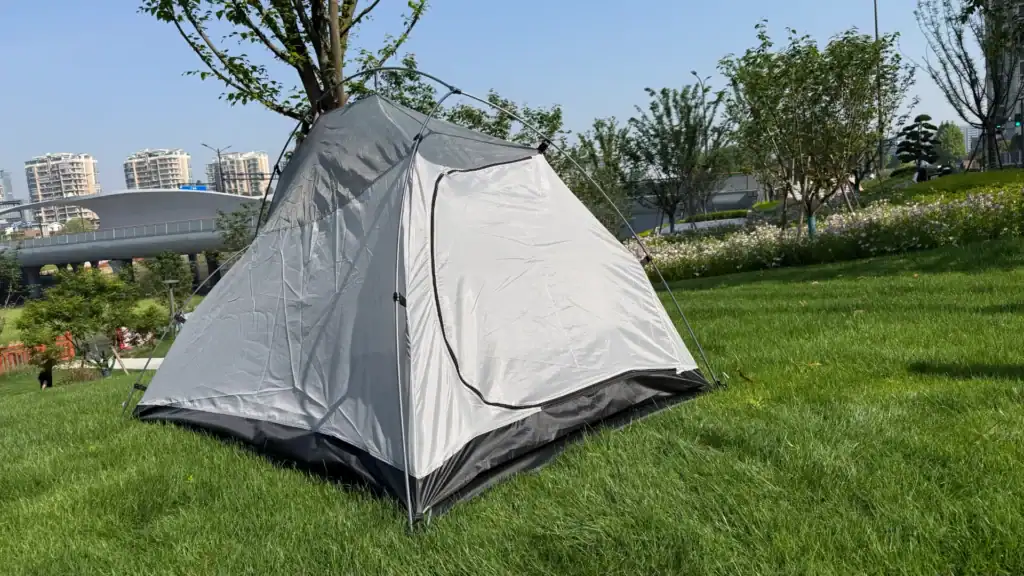
ステップ2:税関用書類の準備
間違ったHSコードは、12%の関税に加えて15%の罰金が科せられます—コンテナが出荷される前にこれを正しくしましょう。.
経験豊富なサプライチェーンマネージャーでさえ、書類作業でミスをします。彼らは工場のHSコードをそのまま鵜呑みにします。6か月後、税関は遡及関税を課します。その問題を避けるには、正しいHS分類、適切に構成されたSDoC、および両方に一致する商業送り状という3つの書類が必要です。.
合成シェルテントはデフォルトでHSコード6306.22になります。これにはポリエステル、ナイロン、オックスフォードが含まれます。MFN税率:12% ad valorem。別のグランドシートを同じポリ袋に入れると、分類は6306.29に移ります。ドイツとオランダの税関は、2026年にこの区別を繰り返し指摘しました。間違えると、申告額に対して15%の罰金に加え、遡及関税を支払うことになります。.
-
-
- 6306.22: 合成繊維のテント。12%のMFN関税。これは標準的なキャンピングテントの約90%をカバーします:ポップアップ、ドーム、トンネル、バックパッキングモデルでポリエステルまたはナイロン製。.
- 6306.29: その他の繊維材料のテント。同じ12%の税率ですが、グランドシートが別個の繊維部品である場合に適用されます。SKUにテント本体と取り外し可能なフットプリントが含まれる場合は、申告前に税関ブローカーにこのコードを確認してください。.
- 9406 (プレハブ建物): 構造物が20平方メートルを超え、半恒久的な設置を意図している場合に適用されます。大型のグランピング用ユルトが該当することがあります。拘束力のある関税情報(BTI)の裁定を取得してください。推測しないでください。.
-
関税優遇によりその12%が免除される可能性があります。GSP+の下では、適格国の原産品は有効なForm A原産地証明書を添えて0%の関税で輸入されます。ただし、Form Aは輸出国の商工会議所から発行される必要があり、工場からではありません。サプライヤーがレターヘッドに印刷した「原産地証明書」はEU税関では無価値です。.
サプライヤー適合宣言書(SDoC)は、実際にコンテナをロッテルダムで通過させる文書です。GPSDの執行は、この文書が特定のテストレポートを参照しているかどうかにかかっており、一般的な「REACH準拠」の主張ではありません。有効なSDoCには、製品モデル番号、テストされたEN規格、試験機関名とレポート番号、署名者の役職が記載されています。税関は各行をクロスチェックします。SDoCにアゾ染料についてEN 14362-1を引用しながら、テント生地のレポートで異なる規格を提出すると、コンテナは3〜6日間留置されます。.
-
- SDoCはインボイスの明細項目に直接結びつける必要があります—製品モデル番号、正確なテスト規格(アゾ染料の場合はEN 14362-1:2012)、試験機関名とレポート番号、テスト日付。12ヶ月以上前のテストレポートは税関で警告を引き起こします。.
- 主な却下理由の一つ:SDoCが工場の品質管理マネージャーによって署名されているが、その権限が確認できない場合。署名者は追跡可能でなければなりません。役職と会社印を含めてください。税関職員がその人物が会社を代表する権限を確認できない場合、その文書はその時点で不合格となります。.
商業インボイスには基本情報に加えて3つの追加事項が必要です:SKUごとの単価と合計を示す明細項目の金額内訳、Form AまたはEUR.1と一致する原産国表示、そして請求している関税優遇の明示的な宣言。0%の関税でGSP+の対象となりますか?インボイスには正確に次のように記載する必要があります:「GSP+優遇原産地を主張 — Form A参照番号:[番号]」。その行を省略すると、税関はデフォルトで12%のMFN税率を適用します。事後修正はできません。.
商業インボイスに各製品ラインの横にHSコードを含めてください。曖昧さがなくなります。ロッテルダムの税関職員は、HSコード、申告価格、原産地がすべて梱包明細書と一致する1つの文書に記載されている場合、約1.5営業日で貨物を通過させます。1つのフィールドの不一致があると、少なくとも10日間延長され、40フィートコンテナの場合、1日あたり50〜80ユーロのデマレージが発生します。.
ステップ3:出荷と物流
40フィートハイキューブコンテナは68立方メートルを収容できますが、梱包が不十分だと55立方メートルに減少し、テント1つあたり0.80〜1.20ユーロのデッドフレートが追加されます。.
サプライチェーンマネージャーはFOBを標準とします。なぜなら、単価がすっきりと見えるからです。しかし、その本能がコストを生みます。寧波や上海からのFOBの場合、コンテナが船のレールを越えた瞬間から、通関リスク、関税支払い、そしてすべての港での遅延を自社で負担することになります。ロッテルダムで貨物がREACH物理検査に指定されると、検査料として€300~€800、3~6日の追加日数が発生し、それらのコストはサプライヤーではなく自社が負担します。すっきりとした単価は、初めて€800の検査料と3日間のデマレージを支払った瞬間に消え去ります。.
DDPは全体の構図を逆転させます。サプライヤーがEUの通関を済ませ、12%の従価税を支払い、自社の倉庫まで配送します。確かに、インボイスは高くなります。しかし、金曜日の午後にデマレージの時計が刻々と進む中で、不足しているSDoCを慌てて探すという悪夢のようなシナリオは消えます。EU向けの最初のコンテナをDDPで自社の3PLに送ることで、計画外の物流支出の最大の原因、すなわちターミナルで顕在化する書類の不備を排除できます。.
-
- FOBは最も低いサプライヤー価格を提供します。貨物が積み込まれた瞬間から、すべての通関リスク、関税、港湾料金が自社の問題になります。EUのテント輸入書類に精通したフォワーダーが必要です。そうでなければ、手を出さないでください。.
- DAPでは、サプライヤーが指定された目的地までの運送費を負担しますが、輸入通関と関税は依然として自社で処理します。この中間的な方法は、自社でブローカーを管理しているが、輸送中の損傷についてはサプライヤーに責任を負わせたい場合に有効です。.
- DDP:サプライヤーが関税込みで納品します。インボイスは18~25%高くなりますが、すべての通関リスクをサプライヤーが負います。コンテナが保留された場合?それはサプライヤーの頭痛の種であり、自社のデマレージ請求ではありません。EUへの最初の€50K未満の出荷に推奨されます。.
テント出荷における立方メートルの計算は厳しく、工場の営業担当者が実際の数値を自ら提供することはほとんどありません。小売包装されたキャンプ用テント、特にリジッドフレームを持つポップアップタイプや自動タイプは、空気を閉じ込めます。40フィートハイキューブコンテナの理論容量は68CBMです。パレット最適化がない場合、55CBMを積載し、ほとんど空のスペースを出荷することになります。不足する13CBMは、積載されたテント1つあたり約€0.80~€1.20の追加運送費を上乗せします。.
これを修正するには、単なる積み方の改善ではなく、エンジニアリングが必要です。折りたたみフレームテントは、サンプル承認時に折りたたみパターンを再構成し、72時間圧縮した後のPUコーティングに折り目による損傷がないことを確認すれば、工場仕様を超えて15~20%圧縮できます。パレットの高さは、コンテナの内部天井高2.69メートルに達する必要があります。倉庫スタッフが高く持ち上げたくないという理由で、楽な1.8メートルで止めてはいけません。24パレットにわたる失われた垂直方向の1センチメートルごとが、実際の金額に累積します。.
ロッテルダムでは、すべての書類が船舶入港前に揃っていれば、テントコンテナを1日半で通関でき、物理検査もありません。これがクリーンな運びです。一旦税関が検査に引き上げると、3~6日の追加日数を覚悟してください。基本的なスキャンで約€300。完全な分解、計量、再梱包はその倍かかります。その後、無料保管期間(通常の箱で通常3~5日)が終了すると、デマレージが1日€50~€80で発生します。10日間の保留では、デマレージだけで€350~€560がかかり、さらに避けられないトラック再予約料金が加わります。.
通関コストを運賃予算に組み込んでください。驚きとして扱わないでください。コンテナ1本あたり€500~€1,200を確保してください。 通関仲介料, 、潜在的な検査、および主要なEUゲートでのターミナル手続き。パキスタンまたはフィリピンから調達したアウトドア用品にはGSP+を使用してください。出荷前にForm Aを提出してください。€40,000の積載に対する標準の12%関税はゼロになります。節約された€4,800の関税で、次の注文サイクルにおけるコンプライアンステストプログラム全体を賄えます。.GSP+
2026年、私の知るバイヤーは、ずさんなパレット梱包と不一致の商業送り状で、FOB条件で3つのハイキューブコンテナを扱いました。関税当局は各コンテナを8~12日遅らせて通関しました。HSコードの内訳が送り状の明細と一致しなかったためです。3つの出荷の請求書:デマレージ€3,200、検査手数料€2,400、そしてデッドキューブによる無駄な運賃約€1,700。純粋な無駄遣い€7,300です。そのお金で200テント多く入手できます。.FOB条件

実際の落とし穴とその回避方法
テストレポートが欠如すると、2日の通関が14日の滞船料と€5,000の請求に変わります。.
2026年3月、マースフラクテターミナル。1,200張りのポリエステルキャンプテントを積んだ40フィートコンテナがバース87に停泊。火曜日到着。金曜日までにまだ解放されず。オランダ税関が書類チェックでフラグを立てた。商業送り状には「PUコーテッドテント生地」と記載。パッキングリストにはREACH資料について何も記載なし。試験所レポートなし。サプライヤー適合宣言なし。不足: PUコーティングにREACH附属書XVII第76条に基づき0.3%未満のジメチルホルムアミドが含まれていることを示す試験証明書。コンテナはさらに11日間留置。デマレージ: €770。保管料: €1,430。テントが倉庫に届く前に失われた利益: €4,200。.REACHコンプライアンスデマレージ
12カ国にわたるサプライヤー監査の経験の中で、ロッテルダムでの差し押さえは一度きりの出来事ではない。書類の不備は生産前に対処可能だった。その工場は以前にも欧州へ出荷していた。彼らは、汎用的な「REACH準拠」の一文をインボイスに記載すれば問題ないと考えた。しかし、それは通用しなかった。2カ月前には、ルーマニア当局がコンスタンツァで800張りのテントを9日間保留した。アゾ染料テストはフライシートを対象としていたが、インナーテントのメッシュを見落としていた。同じ根本原因。異なる港。同じ代償。.サプライヤー監査で標準化したものだ。
-
-
- サプライヤーが提出したのは「REACH証明書」1枚で、具体的な素材、CAS番号、試験方法の参照は一切記載されていなかった。EU税関職員は、そのような包括的な記載を却下する訓練を受けている。有効なのは、SGS、TÜV、またはIntertekの試験報告書であり、各繊維部品(フライシート、インナーテント、グラウンドシート、収納バッグ)を明記し、EN 14362-1:2012(アゾ染料)および附属書XVII項目76に基づくDMFa閾値0.3%に対する結果を示していることである。.
- その費用:ロッテルダムでの保留により、滞船料と保管料が€5,200発生した。税関は実物検査をフラグ付けし、€650の検査料を追加した。買い手の主要小売顧客への納入期限は失われた。そのテントは春のキャンプシーズンに3週間遅れた。値引きを含む総損害は、FOB€50,000の注文に対し約€18,000に上った。.本船渡し
- コンテナが寧波を出港する前に実施すべきだったこと。買い手は、コンテナ番号を記載した1つのPDFを必要としていた。その中には3点が含まれるべきだった:(1) 全繊維部品に対するEN 14362-1試験報告書、(2) 工場の品質管理責任者が署名したサプライヤー適合宣言書、(3) HSコード6306.22を明記した商業送り状。これらを税関の要求から2時間以内に送信できる準備をしておく。さもなければ、システムがエスカレーションする。そして、その代償がどれほどかは既に見た通りである。.
-
ほとんどの調達ガイドは、厄介な部分を省略している。税関が貨物を実物検査する際に何が起こるかについてだ。ロッテルダムやハンブルクに入港する繊維コンテナの約8~12%がランダムにフラグ付けされる。この抽選を避けることはできない。対応の速さだけが、あなたがコントロールできる唯一の手段である。.
-
- 税関が最初に要求する書類は商業送り状である。明細として、テント本体、ポール、ペグ、収納バッグを項目別に記載する必要がある。それぞれに個別の価格を付ける。単に「テント」と一括りにした行は、何かを隠しているように見える。税関職員は、申告された単価がHSコードの分類と一致するか確認する。グラウンドシートを別途記載したのに、すべてを6306.22で申告した場合、避けたい会話が待っている。.
- そして2時間以内に、カートン単位の詳細を含むパッキングリストを提出する。「100カートン」ではなく、カートンの寸法、カートンあたりの重量、各カートンにどのSKUが入っているかを明示する。税関が実物検査のために3箱を抜き取る場合、迅速に特定する必要がある。曖昧なパッキングリストでは、検査官がランダムにカートンを選ぶことになる。そのカートンにたまたま、非準拠の印刷インクを使用したプロモーション用テントが入っていれば、存在する必要のなかった問題を自ら作り出したことになる。.
- 4時間以内に、全ての繊維部品に対するREACH試験報告書を提出する。素材ファミリーごとに1つの報告書。フライシート、インナーテント、グラウンドシート、収納バッグ。インナーテントのメッシュがフライシートと異なる工場からのものであれば、別途アゾ染料試験が必要である。収納バッグも同様だ。サプライヤーから最もよく聞く言い訳は「収納バッグは単なるアクセサリーで、試験は不要」というものだ。それは誤りである。ドイツとスウェーデンの市場監視当局は、他の部分はREACHに合格したテントの収納バッグの非準拠を理由に、RAPEX警告を発出している。たかが$2の収納バッグで、コンテナ全体を台無しにしてはならない。.
- 24時間以内に、サプライヤー適合宣言書(SDoC)を入手しなければならない。そこにはEUの輸入業者を明記し、適用される整合規格(キャンピングテントのベースラインはGPSD 2001/95/EC)を列挙し、輸出企業の実際の法的権限を持つ者の署名が必要である。品質責任が文書化されていない営業担当者の署名? 無意味だ。税関はその技術的な理由でSDoCを複数回却下したことがある。.
- 48時間以内に、船荷証券と原産地証明書が必要である。GSP+特恵関税率を申請する場合は、出荷前に原産国商工会議所でForm Aの確認を受けておくこと。到着後のForm A提出は、EU港で60%の却下率に直面し、却下された申請には事後的に12%のMFN税率が適用される。.
アマチュアは税関が要求するたびにこれらの書類を一つずつメールで送り、手続きを1週間以上引き延ばします。プロはコンテナが工場のゲートを出る前に単一の「税関対応パック」を準備し、通関を平均1.5日以内に収めます。デュッセルドルフのバイヤーがこれを学びました。次の出荷では、ロッテルダムで38時間で通関しました。検査なし。延滞料なし。利益率の低下なし。.
1ページが2日での通関と14日間の保留を分けます。通関パックに「製品説明とコンプライアンスサマリー」を追加してください。規制用語ではなく平易な英語で。写真、意図された成人向け使用例(「子供のおもちゃではない」と明記して玩具安全指令の再分類を回避)、HSコードの正当性とTARIC参照、適用されたすべての試験基準の箇条書きを含めてください。この1ページで、職員が40ページの試験報告書を調べて見つける5つの質問に答えます。サプライヤーは促されなければこのページを準備しません。あなたが要求し、すべての行を試験報告書と照らし合わせて自分で確認してください。調達パートナーが24時間以内にこれを作成できない場合は、別のパートナーを探してください。.
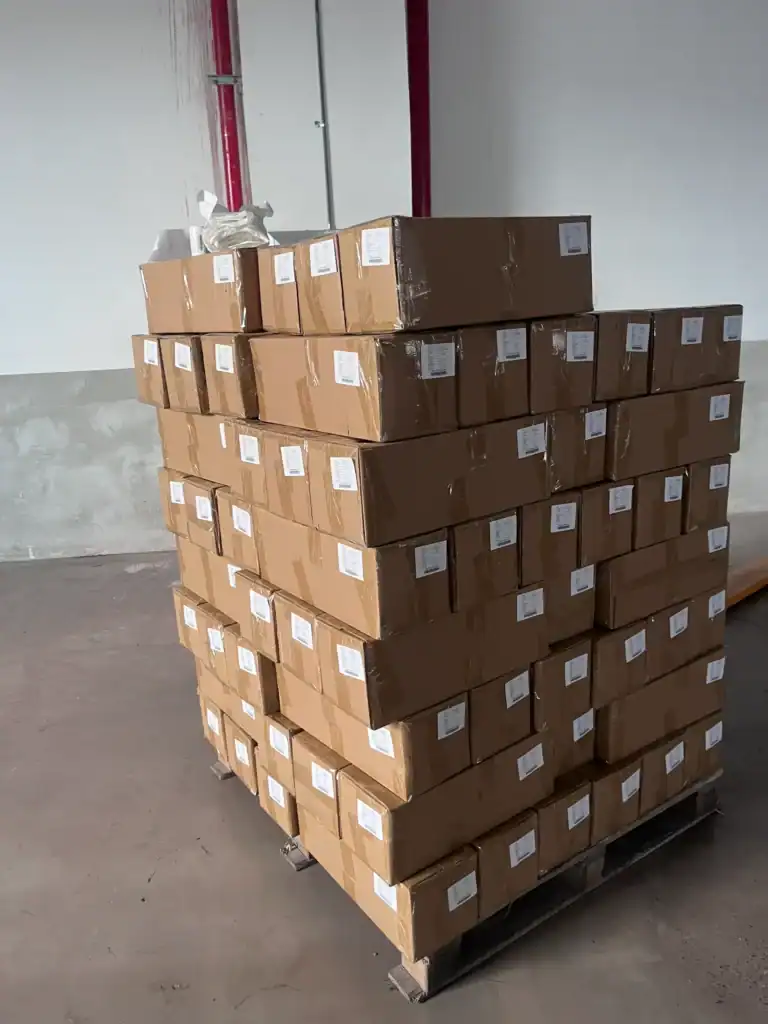
通関後:継続的なコンプライアンス
通関はゴールではありません。.
過去18ヶ月間に3つのブランドがRAPEX通知を受けました。それはREACHコンプライアンスを一度きりのチェックリストとして扱ったからです。テントはロッテルダムを検査なしで通過しました。6ヶ月後、ドイツの市場監視当局がAmazonで1台購入し、試験所に送ったところ、D(原文ママ、恐らく欠落)が検出されました。
それが実際の通関後リスクの姿です。GPSDは「経済事業者」——税関申告書上のブランドまたは輸入業者であるあなた——に継続的な義務を課します。コンプライアンスは静的ではありません。サプライヤーがあなたに知らせずに1つの投入材料を変更した瞬間に低下します。.
生地工場、染色工場、またはコーティングサプライヤーを変更しましたか?すでに持っているREACH証明書は、新しい生産ロットに対して法的に無価値になります。2026年3月付のSGS試験報告書がMill Aからのポリエステルオックスフォードをカバーしていても、Mill Bからのポリエステルオックスフォードはカバーしません——たとえ生地仕様書が同一に見えても。試験所は特定の化学的指紋を持つ特定のロットを試験しました。異なる工場は異なる染料前駆体、コーティング配合、仕上げ剤を使用します。浙江省紹興市の同じ工業団地内の2つの工場が肉眼では同一に見える生地を生産したが、一方のロットには制限対象のアゾ色素が45ppm含まれ、もう一方はクリーンだったという事例が文書化されています。.
-
- 染色工場を変更しますか?各色のバリエーションには新しいEN 14362-1アゾ試験が必要です。ISO 17025認定試験所で5〜7営業日、色ごと試験ごとに約US180〜250ドルを計画してください。染料供給源が変わると、ブリッジングの議論は精査に耐えません。これは交渉の余地がありません。.
- コーティングサプライヤーを変更しますか?コーティングに可塑剤が含まれている場合、DMFa(EU基準0.3%)とフタル酸エステル類の新しいGC-MSスクリーニングが必要です。2026年のエンフォースメントプロジェクトでは、中国製PUコーティング繊維の12%がDMFa基準を超えていることが判明しました。試験報告書には、繊維品目だけでなく、特定のコーティングロットを明記する必要があります。.
- 新しい工場からキャリーバッグやアクセサリーを調達しましたか?REACHの下では、キャリーバッグは別個の繊維製品です。独自の試験報告書が必要です。テント本体の証明書ではカバーされません。キャリーバッグの生地が不合格だったため、アントワープで出荷が止められたことがあります。テント本体は合格したにもかかわらずです。.
- 新しい生産ロットごとに、供給者適合宣言書を更新してください。各ラボレポートをロット番号、注文番号、生産日範囲ごとに保存します。EUの市場監視当局は、製品が最後に市場に出された日から最大10年間、これらの記録を要求することができます。.
EUの市場監視は理論上の話ではありません。規則(EU) 2019/1020に基づき、各加盟国の当局は、既に市場に出ている製品を予告なく、倉庫、小売店、オンライン上で検査できます。当局は製品を匿名で購入し、認定ラボに送り、輸入時に提出された書類と結果を照合します。実際の製品と提出された試験報告書の間に不一致があると、以下の3つの結果が同時に発生します:48時間以内に全27加盟国に通知されるRAPEXアラート;強制的な是正措置命令(自主回収、市場からの撤回、または自己負担での廃棄);そして管轄区域によって異なる罰金で、ドイツではProdSGに基づき、不適合のSKUごとに最大10万ユーロに達する可能性があります。.
REACH規則第33条はあなたのブランドに例外なく適用されます。テントのいかなる部品にも高懸念物質(SVHC)が重量比0.1%を超えて含まれており、候補リストが年に2回更新される場合、消費者からの要求から45日以内にその情報を伝えなければなりません。小規模ブランドに軽微な免除はありません。新たに追加されたSVHCには猶予期間は一切ありません。物質が2026年6月に候補リストに掲載され、あなたのテントにそれが含まれている場合、その日から義務が発生します。製品の製造時期は関係ありません。.
何もしない場合のコストは理論上のものではありません。RAPEC通知が1件発生すると、直接回収物流費、ラボ費用、法律顧問費用だけで15,000〜45,000ユーロのコストがかかり、売上損失、Amazonアカウント停止、販売業者との関係悪化は含まれていません。ある英国ブランドは、グランピングテントの抜き打ち検査でホルムアルデヒドが120 mg/kg検出されたため、オランダの小売チェーンとの3年契約を失いました。EUの皮膚接触繊維製品の制限値は75 mg/kgです。工場がより安価な防シワ仕上げ剤に切り替えたためです。ブランドオーナーは回収通知が届いて初めて知りました。その契約は年間28万ユーロの価値がありました。そのラボテストには…
実用的な手順はシンプルです。ロッテルダムでの1日分のデマレージよりもコストがかかりません。生産のたびに、材料サプライチェーンが前回の認定テスト以降変更されていないことを確認してください。変更があった場合は、製品が出荷される前に新しいテストを発注してください。結果を税関ブローカーと社内コンプライアンス記録に保管してください。組織内の1人、または調達パートナーの連絡先1名を指名し、毎年1月と7月にECHAウェブサイトでSVHC候補リストの更新を追跡させてください。これは法的助言ではありません。RAPEXに掲載されることのない輸入業者が実際に行っている方法です。.
結論
あるコンテナはロッテルダンで2営業日で通関します。別のコンテナは14日間滞留します。その違いは?決して製品ではありません。書類です。PUコーティングのフライシートに関するREACH試験報告書がないと、物理検査料として300〜800ユーロ、1日あたり50〜80ユーロのデマレージが発生し、HSコードが間違っていると申告額の15%の罰金が科されます。このガイドの手順だけが、あなたの貨物とその請求書の間に立ちはだかるものです。.
中国から調達するサプライチェーンマネージャーにとって、コンプライアンスを満たした最速の通関方法は、SGSやTÜVによるREACH試験を生産前の一部として管理し、後回しにしない工場を利用することです。EU準拠のテント製品群を確認し、量産開始前に入手可能な生地仕様、コーティングデータ、認証書類を確認してください。 (空白行?原文には「sourcing from China」が別行だが翻訳では7行目に含める方が自然。原文の番号8は「sourcing from China」のみだが、翻訳では7行目に統合。ここでは8行目の翻訳として「中国から調達する」を独立させる?原文の構造を厳守するため、7行目と8行目を分ける。7: 「サプライチェーンマネージャーにとって」 8: 「中国から調達する」 ただし8だけでは不完全だが、原文通りに。9行目は続く。), 最もコンプライアンスに適合した通関への最速の道は、REACH試験を生産前の一部としてSGSやTÜVで管理し、後回しにしない工場を利用することです。量産開始前に入手可能な生地仕様、コーティングデータ、認証書類を確認するために、EU準拠のテント製品群をレビューしてください。.(空白行?原文には「sourcing from China」が別行だが翻訳では7行目に含める方が自然。原文の番号8は「sourcing from China」のみだが、翻訳では7行目に統合。ここでは8行目の翻訳として「中国から調達する」を独立させる?原文の構造を厳守するため、7行目と8行目を分ける。7: 「サプライチェーンマネージャーにとって」 8: 「中国から調達する」 ただし8だけでは不完全だが、原文通りに。9行目は続く。)

よくある質問
テント用キャリーバッグに別途REACH試験は必要ですか?
はい、キャリーバッグはREACH規制下で区分される独立した物品であり、テントの既に試験済みの部品と生地が同一でない限り、材料固有の試験報告書が必要です。税関はこれを別途扱います。キャリーバッグはREACH関連書類では独立したSKUとして扱ってください。.
もしテントに防虫剤が処理されていたらどうなりますか?殺生物性製品規制は適用されますか?
はい、防虫効果をうたったテントは、殺生物性製品規則の下で処理物品となります。有効成分はEUで承認され、それに従って表示されなければなりません。輸入前にサプライヤーと有効成分の承認状況を確認してください。.
一つのREACHテストで異なるテントの色をカバーできますか?
いいえ、異なる色の浴槽では、しばしば異なる染料処方が使用され、アゾ染料などの規制対象化学物質が混入する可能性があります。各色のバリエーションには、それぞれ独自のREACHラボレポートが必要です。各色ファミリーごとに個別の試験報告書を依頼してください。.
2026年のEUにおけるテントの輸入関税はいくらですか?
HSコード6306.22に該当する合成繊維製テントの標準EU関税率は12%ですが、これは特恵貿易協定の下で引き下げられる可能性があります。綿製の税率は別途。最終的なHSコードと原産国の貿易ステータスを使用して正確な関税率を確認してください。.
グランピングテントにはどのHSコードを使用すべきですか?
コットン、キャンバス、その他の非合成繊維素材で作られたグランピングテントには6306.29を使用してください。外側の生地が合成繊維の場合は、代わりに6306.22に分類します。工場に素材の内訳を提供してもらい、正しい6桁コードを確認してください。.

 English
  Español
  Deutsch
  Français
  Português do Brasil
  Русский
  العربية
  한국어
한국어  日本語
日本語