 跳到内容
跳到内容 
flame retardant pvc fabric certifications is the first checkpoint buyers should lock before they approve a supplier, budget, or production slot. Your supplier sends you a flame retardant PVC fabric certificate for your glamping tent order—so why does the venue fire marshal still flag it at the inspection? That disconnect usually traces back to one thing: the certificate on file doesn’t match the fabric that actually shipped. I’ve seen this happen with a $50K order where the pre-production sample passed, but the mass production run used a different PVC formulation because the mill swapped a plasticizer to hit a lower FOB価格. The certificate was real, just irrelevant.
The five certifications covered here—EN 13501-1 B-s1 d0, NFPA 701, CPAI-84, M2, and REACH compliance—are not interchangeable checkboxes. Each one tests something different: burn spread rate, dripping behavior, smoke density, or chemical content. A European glamping buyer who insists on B-s1 d0 avoids venue refusal entirely. An Amazon US seller can often get away with CPAI-84 at half the testing cost. The trick is knowing which standard applies to your market before you place the order, not after customs flags it.
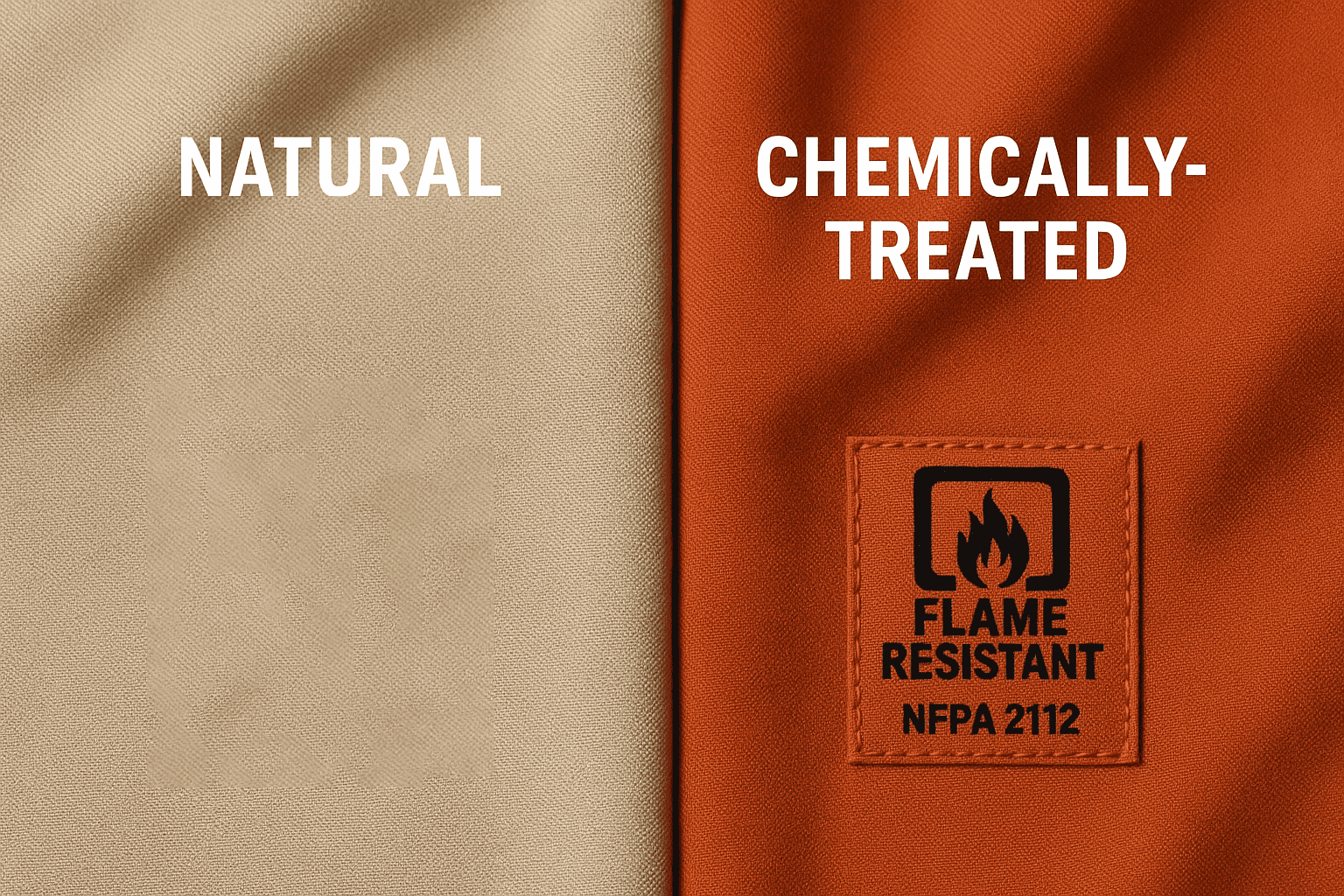
EN 13501-1 and B-s1 d0 Classification
B-s1 d0 is the minimum Euroclass rating for glamping tents at most EU event venues.
A buyer landed a 200-unit order for a French glamping resort. The tents arrived with an EN 13501-1 certificate stamped B-s1 d0. The venue fire marshal still rejected them because the test report referenced a different PVC formulation than the production fabric. That container sat at port for six weeks while the supplier rushed new samples through a lab in Germany.
What the Euroclass rating means for tents
EN 13501-1 classifies building materials by their reaction to fire. For tent fabrics, the relevant classification is B-s1 d0. The ‘B’ means the material has a limited contribution to fire growth. The ‘s1’ indicates smoke production is low — critical for enclosed spaces like bell tents or inflatable event structures where visibility during evacuation matters. The ‘d0’ means no flaming droplets or particles fall off during the burn test.
Most European glamping regulations now require at least B-s1 d0 for tent envelopes larger than 50 square meters. Some countries push harder: France and Germany often demand B-s1 d0 for any rental structure that sleeps guests, regardless of size. If your supplier shows you a C-s2 d0 certificate, that fabric will fail venue inspections in those markets.
Common failing points in PVC fabric samples
PVC fabric passes EN 13501-1 by incorporating flame retardant additives into the polymer matrix or coating layer. The most common failure point is additive migration — over time or under heat during production, the flame retardant compounds can bloom to the surface or degrade, reducing their effectiveness in the actual burn test.
Another frequent issue is coating weight inconsistency. A PVC-coated fabric that tests B-s1 d0 on a sample with 650 g/m² coating may drop to C-s2 d1 on a production roll where the coating averages 580 g/m². The margin between pass and fail is that thin.
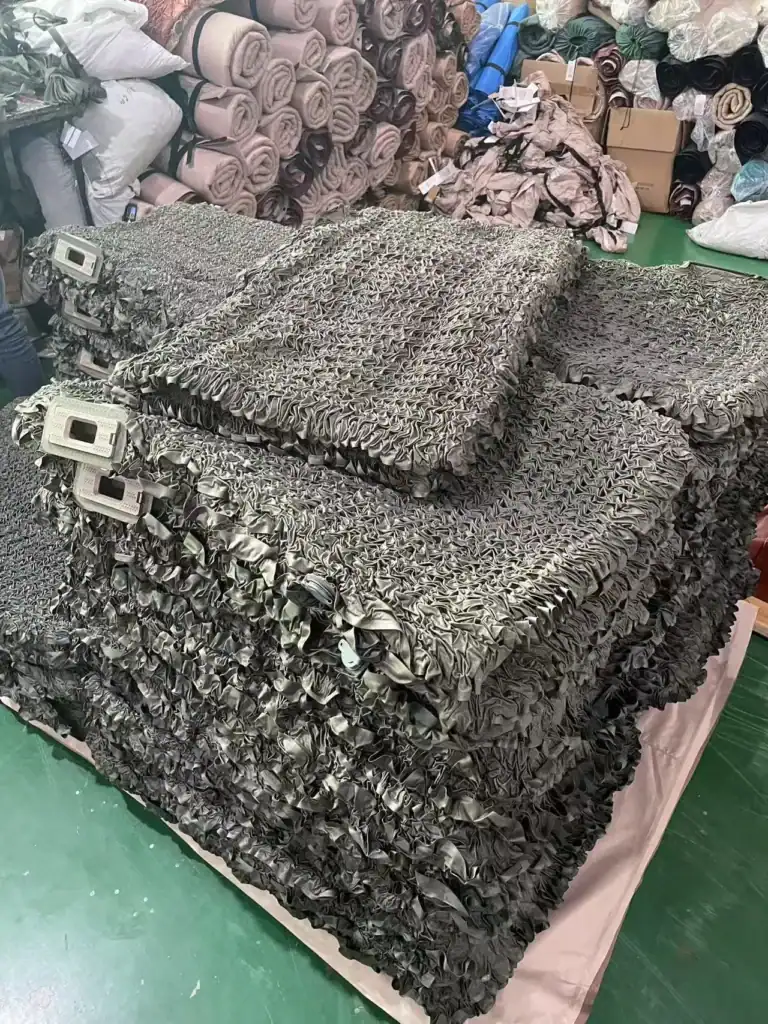
NFPA 701 and M2 Standards
NFPA 701 tests vertical flame spread.
Two US standards dominate fire testing for camping and event tent fabrics: NFPA 701 and NFPA 286 (often referenced as M2 by local building codes). NFPA 701 is the more common benchmark for fabric-only assemblies — it measures how far a flame travels up a vertically suspended sample after a specified ignition period. The pass criteria are straightforward: the flame must not reach the top of the test specimen, and any after-flame must self-extinguish within two seconds. That is it. No smoke measurement, no heat release rate, just vertical flame spread.
Where NFPA 701 is mandatory in the US
Any tent or temporary structure sold through major US retailers like Ace Hardware or used in public assembly spaces must carry NFPA 701 certification. City fire marshals in New York, Chicago, Los Angeles, and most municipalities with adopted International Fire Code (IFC) sections require a valid test report before issuing an event permit. If your glamping tent or inflatable event shelter lands at a venue without that certificate on file, the inspector can shut down the setup on arrival. That means lost revenue and a rescheduled event.
M2 (ASTM E84 / NFPA 286) — what it adds
M2 classification goes beyond NFPA 701 by testing the fabric in a room-corner configuration with an ignition source that simulates a wastebasket fire. The test measures flame spread index, smoke developed index, and total heat release over a ten-minute exposure. For PVC tent fabrics used in large enclosed structures like party tents or exhibition halls, many US venues now require M2 compliance alongside NFPA 701. The practical difference: PVC fabric formulas that pass NFPA 701 do not automatically pass an M2 room-corner test because M2 penalizes heavy smoke generation and rapid lateral flame travel. A fabric with standard plasticizer content may produce enough smoke to fail the optical density limit even if its vertical flame spread looks clean.
CPAI-84 and Other Regional Marks
CPAI-84 is cheaper than B-s1 d0 but won’t pass European venue fire inspections.
CPAI-84 (Canvas Products Association International) is the most common flame resistance standard for camping tents sold in North America. It tests how a fabric sample burns when exposed to a direct flame for 12 seconds, measuring afterflame time, char length, and whether molten drips ignite a cotton indicator placed below. The pass criteria are straightforward: average afterflame time under 4 seconds, char length under 100 mm, and no flaming drips that ignite the cotton.
Where CPAI-84 applies and where it falls short
Amazon US requires CPAI-84 certification for any tent listing claiming flame resistance. Many big-box retailers also mandate it in their vendor compliance manuals. For light-duty glamping tents and family camping shelters sold in North America, CPAI-84 is usually sufficient — and notably cheaper to obtain than a full EN 13501-1 classification. But here’s the trap: CPAI-84 does not test smoke production or burning droplet behavior the same way the European standard does. A fabric that passes CPAI-84 can still fail B-s1 d0 because of smoke density or secondary ignition from falling drips.
European event buyers must insist on B-s1 d0 for inflatable structures used at festivals, weddings, or commercial venues. Venue fire marshals in France, Germany, and the UK routinely refuse entry to tents carrying only CPAI-84 documentation. The gap between the two standards has caused real problems: one German importer had an entire container of glamping tents rejected at a Frankfurt trade fair because the supplier’s certificate was CPAI-84 only.
REACH compliance and phthalate restrictions
REACH (Registration, Evaluation, Authorisation and Restriction of Chemicals) governs chemical substances in products sold into the EU. For PVC tent fabrics, the critical restriction is on phthalate plasticizers — specifically DEHP, DBP, BBP, DIBP — which are commonly used to soften PVC but are classified as reproductive toxins under REACH Annex XVII. A standard PVC recipe with traditional phthalates will fail REACH if the concentration exceeds 0.1% by weight of the plasticized material.
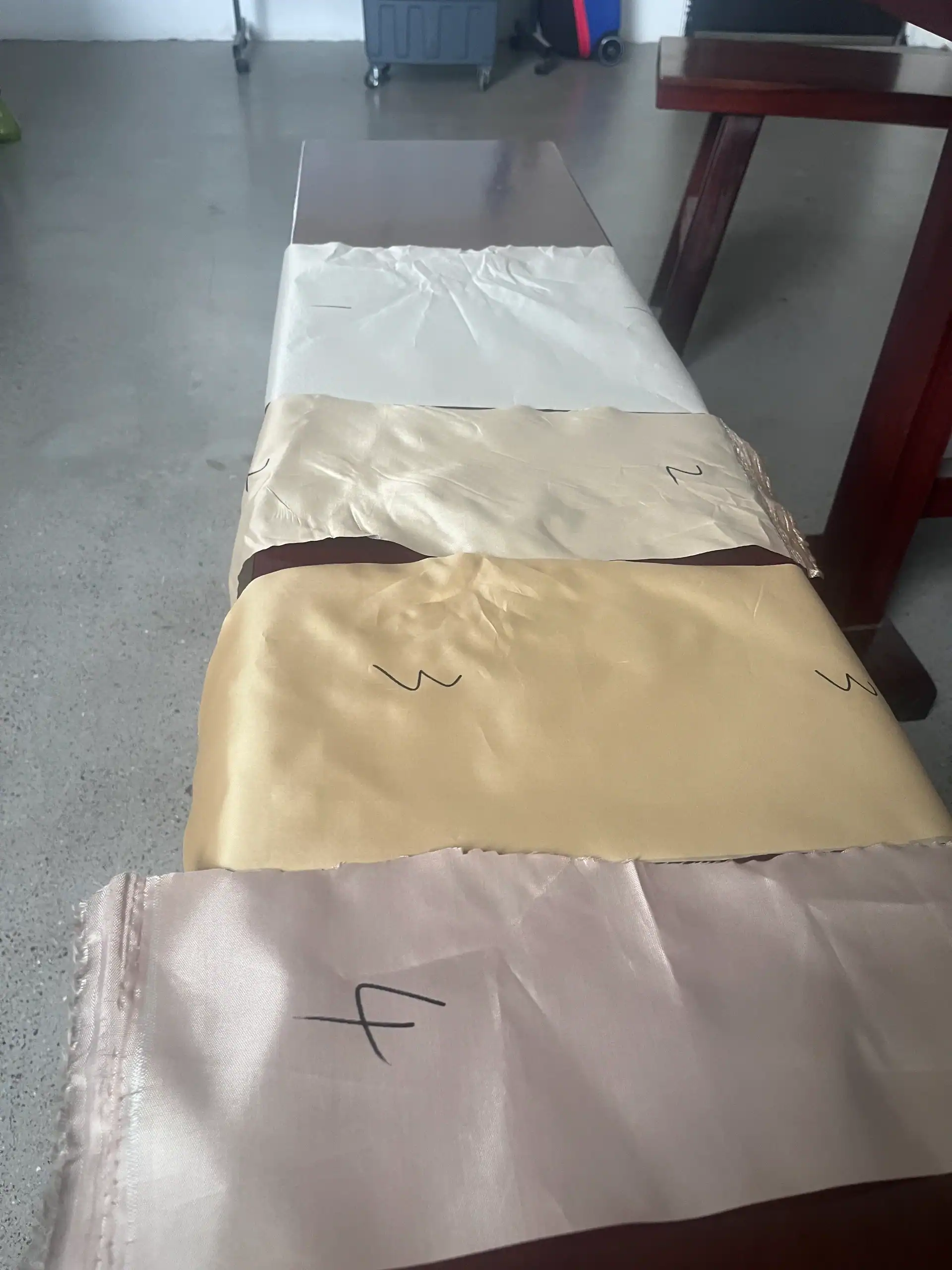
Certification Documentation to Verify Suppliers
A factory self-declaration is worth the paper it’s printed on.
Every supplier in this space can email you a PDF claiming their PVC fabric meetsEN 13501-1 B-s1 d0orNFPA 701. The difference between a genuine certificate and a marketing document comes down to who issued it and whether you can verify the report number with the lab. A factory self-declaration means someone at the factory wrote a letter saying ‘the material passes.’ That carries zero legal weight if a venue fire inspector or customs agent flags your shipment.
Third-Party Test Reports vs Factory Self-Declarations
A legitimate third-party test report comes from an accredited laboratory — SGS, Bureau Veritas, TÜV, Intertek, or a national testing body like China’s CTI. The report lists the specific PVC formula batch number, the test date, the standard applied (EN 13501-1, NFPA 701, CPAI-84), and the pass/fail results for each measured parameter.
- Factory self-declaration: No batch traceability. No independent witness of the burn test. Often uses generic language like ‘meets fire safety requirements’ without citing a specific standard edition.
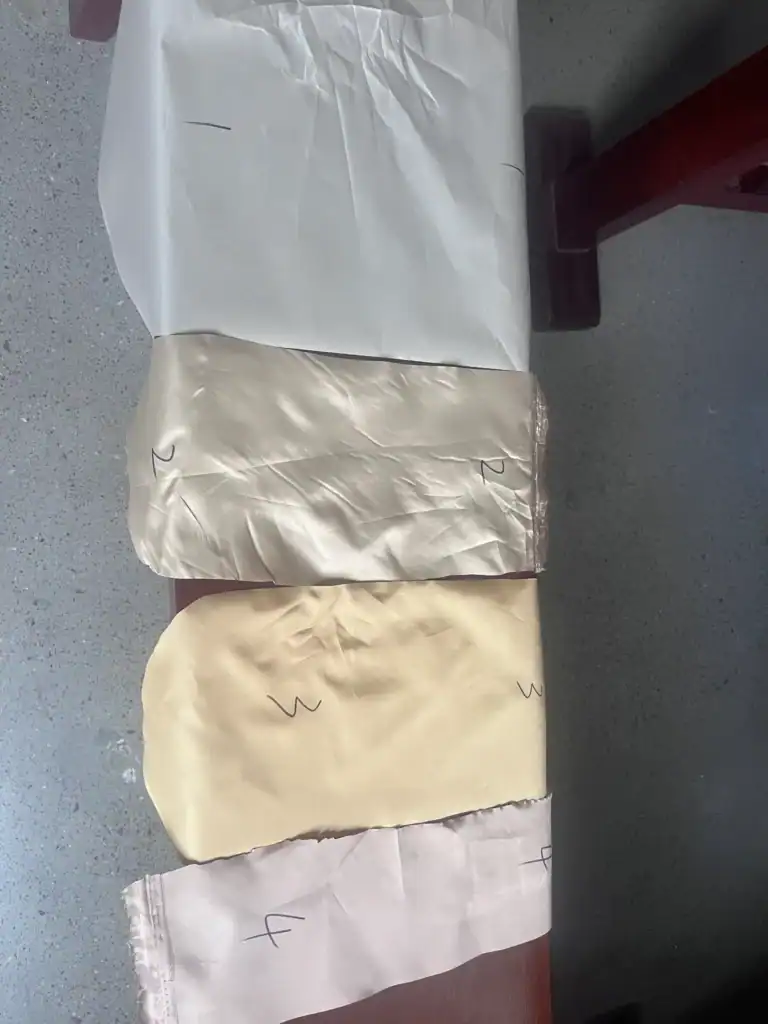
結論
A certificate is only as good as the production batch it covers. Cross-checking the test date and batch number against what ships in your container is the single step that separates a compliant order from a customs hold.
-
- EN 13501-1 B-s1 d0 tent fabric is mandatory for European event venues.
- CPAI-84 certification Amazon US tents is sufficient for light-duty glamping.
- Verify certificates against the issuing lab, not just the factory PDF.
- REACH compliant flame retardant PVC fabric avoids phthalate rejection in Europe.
Before you lock in FOB pricing on your next glamping tent order, run the three-point checklist above against every supplier quote. If your current partner can’t produce a valid third party burn test report PVC tent with matching batch numbers, it’s time to compare suppliers who can. Review how Kelyland Outdoors documents compliance across its tent and tarp production lines to see what a verified certification package looks like.
よくある質問
EU向けのグラミングテントに必要な難燃性認証は何ですか?
欧州のイベント会場では、EN 13501-1に基づく最小B-s1 d0のEuroclass認定が一般的に求められます。この規格は火焰蔓延と煙発生量の両方を試験し、米国基準のみと比較して厳格です。出荷前にテスト報告書でB-s1 d0を取得していることを確認してください。.
NFPA 701とCPAI-84の違いは何ですか?
NFPA 701 tests vertical flame spread for general fabrics, while CPAI-84 is specific to camping tents and measures flame resistance after a 12-second ignition. CPAI-84 is cheaper but won’t. Choose NFPA 701 for US events and CPAI-84 only for non-regulated camping use.
How can I verify a supplier’s flame retardant certificate?
Request a third-party test report from an accredited lab like SGS or Intertek, not just a factory self-declaration. Cross-check the report number on the issuing lab’s website to confirm it. Always validate the report directly with the lab before placing your order.
REACH規格適合性はPVC生地の認証に影響しますか?
はい、REACHはPVC生地中のフタル酸エステルを規制しており、添加剤の交換により難燃性能に影響が出ることがあります。有効なEN 13501-1またはNFPA 701認証と併せて対応する必要があります。サプライヤーに対して、燃焼テストレポートとREACH適合証明書の両方を求めましょう。.

 English
  Español
  Deutsch
  Français
  Português do Brasil
  Русский
  العربية
  한국어
한국어  日本語
日本語