 跳到内容
跳到内容 
なぜ小売りのカテゴリーマネージャーは中国からの輸入をいまだに最安値ゲームとして扱うのか FOB価格, 、大量生産の生地が承認したサンプルと一致しなかった瞬間に、$50,000のキャンピングテントの出荷が利益をすべて失う可能性があるのに?
答えは通常、1平方メートルあたり$0.40から$0.60のコーティング代替にある——210Tリップストップから190Tタフタへの切り替えで、耐水圧が2,000mmから1,000mm未満に低下する。量産前サンプルはすべてのテストに合格する。量産品は合格しない。返品が山積みになる頃には、工場の品質許容度の主張は許容差に関するセミナーになる。それは嘘だ。実際のばらつきは意図的なものだ。.
それを見抜くために、別のサンプル承認チェックリストは必要ない。工場のフロアに立ち、無作為の段ボール箱を切り開き、コーティング密度を自分で確認する。それが季節マージンを守ることと、仕入担当VPにチャージバック急増を説明することの違いだ。以下のステップでは、そうした監視体制を調達プロセスに組み込む方法を説明する。船荷を追って世界を半周する必要はない。.
ステップ1:輸入する正しい製品を選ぶ
テントやワゴンなど、高マージンでコンプライアンス対応済みのカテゴリーを、流行りだがリスクの高いアイテムより優先する。.
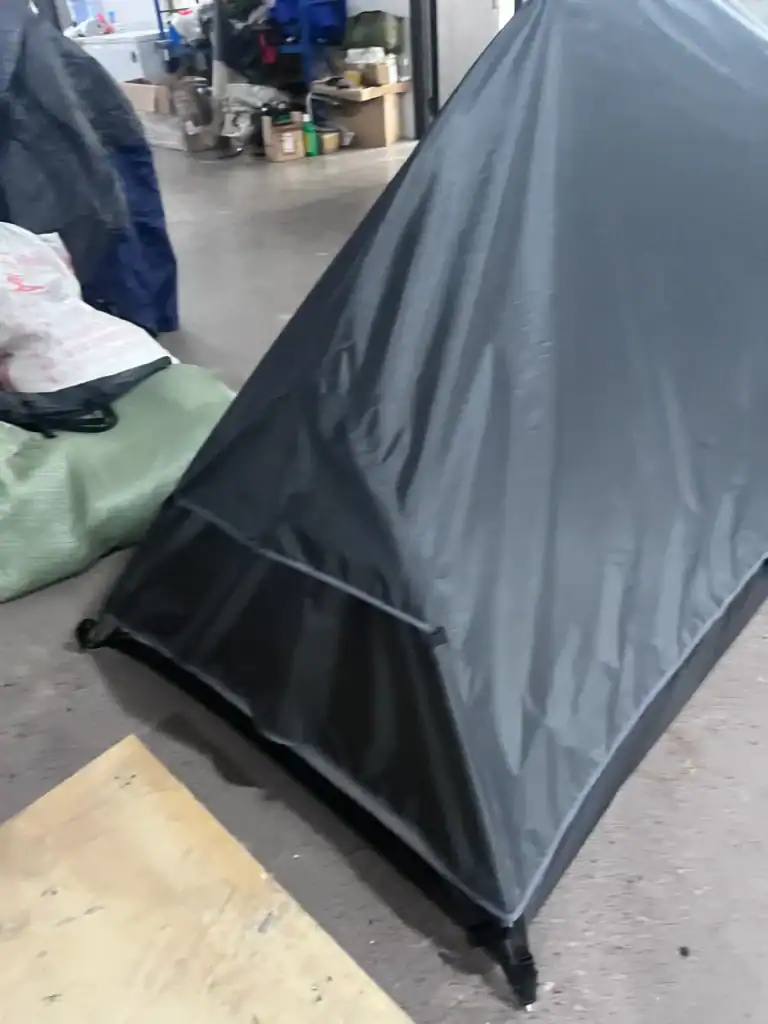
どの記事もバイラルなTikTokガジェットを追うよう言う。それは初心者の考えだ。本当のマージンは、ポップアップテントや折りたたみワゴンのような、季節を超えて需要が続く耐久性のある大量消費財にある。一過性のトレンドではなく、40〜60%の小売マークアップの可能性がある製品に焦点を当てるべきだ。.
あるバイヤーはカスタムテント注文で$50,000を失った。量産前サンプルは合格したが、量産時に安価な生地が使われたからだ。この差異は、工場のインライン監査でのみ明らかになる。カタログの写真を見ているだけでは分からない。コンテナを封緘する前に材料グレードを物理的に検証する調達パートナーが必要だ。.
-
- 高マージンのターゲット:: ポップアップテント、二重壁の折りたたみワゴン、キャンプ用コットは、小売チェーンにとって健全な卸売マージンと安定した需要を提供します。.
- コンプライアンス上の警告事項:: 最初は子供用寝間着や検証されていないリチウム電池を避けてください。複雑なCPSIAまたはUN38.3試験が必要となり、店頭陳列が遅れます。.
- $0.40 コーティングの落とし穴:: 工場は1平方メートルあたり数ペニーを節約するために、210Tリップストップナイロンを190Tタフタに交換することがよくあります。これにより防水性が半分に低下し、ブランドの信頼を損なうことになります。.
ステップ2:輸入権利を理解する
EORIがない場合、コンテナはロッテルダムで3週間留置され、1日あたり$200の滞留料が発生する一方で、小売シーズンは消え去ります。.
私は$50Kのグランピングテント注文がメモリアルデーの販売期間全体を逃すのを目の当たりにしました。買い手がサプライヤーのフォワーダーがすべて処理してくれると思い込んでいたからです。税関は貨物を21日間留置しました。問題は何だったのか? ファイルにEORI番号がなかったのです。キャンプシーズンは書類手続きを待ってはくれません。.
寧波の工場の床面から1つでもテントが出荷される前に、あなたの法人格が輸入国の税関当局に書類上存在している必要があります。これはサプライヤーの問題ではなく、あなた自身の問題です。これを間違えると、競合他社が棚を補充している間に保管料で出血することになります。.
米国向け輸入の場合、基準となるのはIRS発行のEINです。$2,500を超える商業貨物はすべて、CBPフォーム7501にこれが必要です。個人事業主はSSNを使用できますが、小売転売目的で輸入するLLCまたは法人はEINが必要です。IRS.govでオンライン申請してください。システムが即座に生成します。船荷証券が受信トレイに届くまで待ってはいけません。.
EUの買い手はより厳しいスケジュールに直面します。EORI番号は船舶が入港する前に有効化されている必要があります。各加盟国が独自に発行します。第三者サイトではなく、自国の税関ポータルから登録してください。ドイツは3〜5営業日かかります。フランスとイタリアは10日まで延びる可能性があります。私はすべての注文スケジュールにEORI有効化のためだけに2週間のバッファを組み込みます。これがないと、税関は入国申告要約を処理できず、コンテナは港にもよりますが1日あたり€150〜€250の滞留料が発生します。.
カナダでは、輸出入RMアカウントサフィックス付きのCRA事業者番号が必要です。オーストラリアでは、税関クライアントID付きのABNを使用します。英国の輸入者には、GBで始まるEORIと、北アイルランド向け貨物の場合は別途XI-EORIの両方が必要になる可能性があります。各法域には独自の登録ポータルと処理期間があります。中国のサプライヤーとFOB価格やサンプル承認スケジュールを交渉する前に、これを計画に落とし込んでください。.
-
- 米国: EIN (IRS): 即時オンライン発行。$2,500を超える貨物についてはCBP 7501に必要です。毎年の更新は不要です。.
- EU: EORI番号: 処理期間は5〜10営業日。最初に輸入する加盟国が発行。EU全27か国で有効。.
- カナダ:BN + RMアカウント: CRAビジネス番号に輸出入アカウントの接尾辞を付けたもの。CRAマイビジネスアカウントポータルから申請。.
- 英国:GB EORI: Brexit後はEU EORIとは別。HMRCを通じて申請。通常3営業日以内に発行。.
輸入貨物に複数の製品カテゴリが混在する場合、認定通関業者(ブローカー)は必須になります。40フィートコンテナには、HS 6306.22のキャンプ用テント、HS 9404.30の寝袋、HS 9401.79の折りたたみ椅子が入っているかもしれません。各HSコードには異なる関税率、規制チェック、書類要件があります。CBPのACEシステムは、複数ラインの申告をより高いスクリーニング率でフラグ付けします。ブローカーは積載24時間前にISFを事前提出し、ボンド要件を処理し、繊維ベースのアウトドア製品が時々引き起こすFDAやCPSCの保留を管理します。.
ブローカーの真の価値は監査中に発揮されます。CBPがテントの分類に異議を唱えた場合(例えば、グランピングテントを6306.22の関税1%から、綿含有量により6306.29の関税10%に再分類する場合)、ブローカーは裏付けとなるミル証明書と構造仕様書を添えて異議申立書を提出します。ブローカーがいなければ、全貨物に対して10%の罰金を支払い、6〜12ヶ月かかる還付を期待することになります。ブローカー費用はエントリーあたり300〜500ドルです。8万ドルの注文に対する1回の誤分類ペナルティと比較すれば、誤差のようなものです。.
最初の3回の出荷でブローカーをスキップするのは、四半期ごとに規則を更新する規制システムを乗り切る能力に、季節利益を賭けているようなものです。CPSIAの子どもの製品に関する単一の違反でさえ…
ステップ3:調達エージェントを雇う
調達コストとDIYリスクを比較するとき、交渉が下手だと陸揚げコストが通常15〜20%余分に膨らむことを忘れないでください。年間100万ドル以上の輸出を管理するKelyland Outdoorsのような調達エージェントを利用すれば、工場価格を固定でき、不要なMOQマークアップを回避できます。.
ステップ4:潜在的な品質問題を特定する
量産前サンプルは見せ物に過ぎません。.
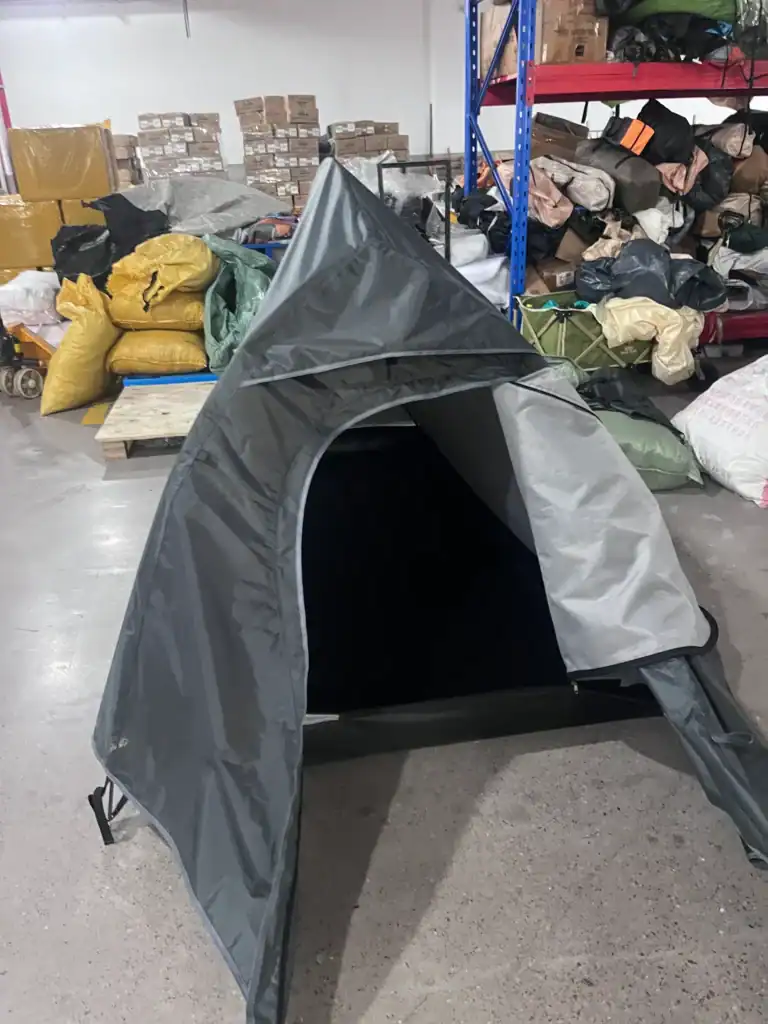
ほとんどの調達ガイドは、サンプルを取得して承認し、工場がそれを大量生産で再現すると信頼するようアドバイスします。そのアドバイスが、中西部の小売業者に先シーズン5万ドルの値下げコストをもたらしました。彼の量産前テントサンプルは2,000mmの耐水圧テストに合格しました。しかし量産ロットは800mmで漏れ始めました。なぜか?工場がPUコーティングされた210Tリップストップを交換したからです。
これは稀な例外ではありません。12か国、数百回の工場監査を通じて、素材のすり替えがアウトドア用品輸入における最も一般的な品質不良であることを記録してきました。これは、金銭的インセンティブが即時的であり、検出の機会が限られているために起こります。工場は生地コーティングのグレードダウンだけで1平方メートルあたり0.40〜0.60ドル節約できます。1ユニットあたり8平方メートルを使用する500ユニットのテント注文では、工場にとって純利益1,600〜2,400ドルになります。そして、あなたにとっては返品とチャージバックのシーズンになります。.
ISO 9001:2015認証工場は 2026年のSGS調査によると、認証サプライヤーは非認証サプライヤーより不良率が30%低いと報告されています。しかし、認証だけでは素材のすり替えを防げません。文書化された品質システムを提供するだけです。生産ラインでの物理的検証が依然として必要です。ここで調達ネットワークが重要です。Kelyland Outdoorsのような17の主要工場を持つパートナーは、年に1回しかPOを発注しない個人バイヤーには強制できない素材のトレーサビリティを要求する交渉力を持っています。.
-
-
- テントのシーム(縫い目)完全性: 加圧したシームサンプルを2,000mmの定格で水中に沈めます。縫い目部分の微小な気泡を探します。4人用テントで1か所のシーム漏れがあれば、そのSKU全体が小売りの品質チェックに不合格となります。.
- 折りたたみワゴンの負荷サイクル: 定格容量の120%まで土のうを積載(定格150kgのワゴンには180kg)。混合砂利と縁石の高さの障害物を100サイクル走行。テスト後にホイールハブベアリング、ファブリック取付部、フレーム溶接部を確認。.
- 寝袋のサーマルマッピング: 寝袋に温度定格の表示がある場合、EN 13537サーマルマネキンテストを実施。「0°C快適」と表示された寝袋が+5°Cでテストされた場合、寒い季節の顧客全員から返品が発生し、ネガティブレビューで出品が台無しになる。.
- チェアフレームの疲労テスト: 100kgの荷重でキャンプ用チェアを5,000回回転させる。リベット箇所、ヒンジ機構、生地の伸びを検査する。3,000回で故障するチェアは、1シーズン以内に顧客のもとで崩壊する。.
- UV促進老化試験: 生地サンプルを200時間のQUV促進耐候試験にさらす。試験前後の引張強度を測定する。オックスフォード生地が引張強度の30%以上を失った場合、UV安定剤がケチられたことを示しており、屋外展示6ヶ月以内に製品は目に見えて劣化する。.
-
コーティングのグレードダウン問題は、肉眼では見えず、完成品の写真からは検出不可能なため、それ自体に注目する価値がある。標準的なアウトドア用品の生地グレードの序列は次の通り:プレミアムオプションとして210Tリップストップナイロン+PUコーティング(目標:耐水圧2,000〜3,000mm)、低予算の代替品として190Tタフタ+軽量PUコーティング(目標:800〜1,200mm)。生地の風合いは似ている。色も合わせられる。重量差は1平方メートルあたり30グラム未満。これを検出できるのは耐水圧テスターだけである。.
これを契約レベルで修正する。購買契約書には正確な生地仕様を明記しなければならない——単なる「防水テントの床」ではなく「210Tリップストップナイロン、PUコーティング最低2,500mm、ミル証明書必須」と。調達エージェントまたは第三者検査機関に、生産開始1日目、5日目、10日目に生産ラインから無作為にサンプル布を切り取るよう要求する。3つのサンプルすべてを SGSやBureau Veritasのような認定試験所に送り、 耐水圧試験を行う。試験費用はサンプル1枚あたり約150ドル。返品されるテント500張りのコストと比較してみよ。.
-
- 生地のすり替え: 210Tリップストップナイロン→190Tタフタ。1平方メートルあたり0.40〜0.60ドル節約。結果:引き裂き強度と耐水圧定格が50%以上低下。.
- コーティング希釈: 指定されたPUコーティング厚0.05mmを0.02mmで施工。1平方メートルあたり0.15ドル節約。結果:梱包サイクル20〜30回でコーティングが剥離する。.
- フレーム肉厚: アルミテントポールの肉厚が0.8mmから0.6mmに削減。ポールセット1組あたり0.80ドル節約。結果:中程度の風荷重でポールが折れる。特にコネクター継ぎ目で発生する。.
- 中綿重量のごまかし: 800gの充填量と表示された寝袋に実際は650gしか入っていない。1袋あたり3〜5ドル節約。結果:温度定格は虚構となり、破壊的ラボ試験でのみ検証可能となる。.
- Zipper Grade Downgrade: YKK #10 swapped for unbranded #8. Saves $0.50 per zipper. Result: Zipper failure within 50 cycles, creating a product that cannot be closed — the #1 visible defect that triggers immediate returns.
Skip this step and the math gets ugly fast. A single returned tent costs $12-18 in reverse logistics, inspection labor, and restocking overhead — before accounting for the lost sale. A 15% return rate on 1,000 units wipes out $12,000-$18,000 in recoverable margin. The category manager who doesn’t fund in-line inspection at $800-$1,200 per production run is effectively betting $18,000 against $1,200. That’s not risk management. That’s negligence dressed up as cost savings.
ステップ5:コンプライアンスを確保する
Compliance paperwork matters more than the product itself when a container sits at port.
I’ve watched a 40’HC container of camping tents accumulate $2,800 in demurrage charges over 8 days because the CPAI-84 flammability certificate listed a testing lab that CBP didn’t have on file. The tents were fine. The paperwork wasn’t. The retail category manager on the other end lost the first two weekends of peak summer season—and with them, roughly 22% of the planned margin on that SKU. This is the game we play. Compliance isn’t a checkbox exercise. It’s the difference between inventory that hits the shelf on schedule and inventory that becomes a warehouse liability.
The three regulatory frameworks that matter for outdoor gear imported from China break down by market. For the US, CPAI-84 governs tent flammability—specifically the rate at which fabric panels burn and whether the material self-extinguishes within a specified timeframe. Prop 65 adds a layer that catches many first-time importers off guard: if any component contains chemicals on California’s list (phthalates in PVC coatings, lead in zipper pulls, certain flame retardants intentionally added to meet CPAI-84), you need a warning label or you face citizen-enforced penalties that start at $2,500 per violation per day. For the EU, CEマーキング under the General Product Safety Directive means your gear must pass applicable EN standards—EN 71 for children’s camping products, EN 1860 for charcoal grills, EN 13537 for sleeping bag temperature ratings. A notified body audit is required for certain categories; do not assume self-declaration covers everything.
-
-
- CPAI-84 Section 6: Applies to all tents sold in the US. Tests both floor and wall fabrics. A common corner-cutting move: the supplier submits the canopy fabric for testing but uses a cheaper, untreated polyethylene floor that fails. Insist the test report explicitly lists every textile component by weight and treatment. Third-party labs acceptable to US retailers include SGS, Bureau Veritas, and Intertek.
- Prop 65 chemical screening: PVC often contains DEHP phthalates above the 0.1% threshold. Powder-coated steel frames can contain lead above 100 ppm. The practical fix isn’t avoiding PVC—it’s specifying phthalate-free formulations in your purchase order and having the factory provide a RoHS/REACH compliance letter per batch. Sample approval should include a chemical screen before mass production begins.
- CEマーキング strategy: Tents sold in the EU require a Declaration of Conformity supported by a technical file. The key mistake is assuming CE is self-declared for everything—gas-powered camp stoves and certain children’s items require Notified Body involvement. Budget $1,500 to $3,000 per SKU for third-party EN testing if the factory doesn’t maintain current certs. Factor this into your FOB pricing model early.
-
梱包のコンプライアンス違反は、製品のコンプライアンス違反よりも早く通関保留を引き起こします。箱を開けなくても証拠が目に見えるからです。ISPM 15は、すべての無垢材包装(パレット、木枠、詰め木)を熱処理または燻蒸処理し、IPPCマークを押すことを義務付けています。米国またはEUの港では、未加工の木材は即座にフラグが立てられます。解決策は単純です。合板、MDF、または目に見えるスタンプ付きの熱処理無垢材を指定することです。ただし、執行は港によって異なります。ロングビーチとロッテルダムは厳格です。折りたたみワゴンの貨物が無垢の松材パレットに載せられていたため、パレットあたり$450、保管5日間の追加費用で燻蒸処理に回されました。.
-
- ISPM 15 検証用写真: コンテナが密閉される前に、調達担当者またはQC検査員に、コンテナ内の異なる位置にある少なくとも5枚のパレットのIPPCスタンプを撮影するよう要求してください。写真記録は口頭での保証に常に勝ります。.
- 原産国表示: 19 CFR 134に基づく米国法は、すべての輸入製品およびその小売用パッケージに、読みやすく永続的な原産国ラベルを付けることを義務付けています。テントや寝袋には縫い付けタグが有効です。湿気で剥がれる粘着ラベルは不適切です。粉体塗装されたフレームのキャンプチェアの場合、屋外での使用に耐える刻印付き金属プレートまたは永続性のある接着ラベルが最低限の実現可能な方法です。.
- 警告ラベルの配置: 米国の小売向けでは、CPAI-84は、すべてのテントに、可燃性リスクと手入れ方法を記載した永続的な警告ラベルを付けることを義務付けています。Prop 65の警告は、該当する場合、製品パッケージまたはハングタグに記載しなければならず、取扱説明書の中に埋め込んではいけません。どちらかのラベルが欠けていると、小売チェーンのコンプライアンス違反ペナルティ規定に応じて、SKUあたり$5,000〜$25,000のチャージバックを直接受けることになります。.
- EU固有の表示: CEマークは製品またはパッケージに表示しなければなりません。洗濯表示と手入れ記号はISO 3758に従う必要があります。パッケージに輸入業者名とEU内の住所を記載してください。これはGPSDの下で必須であり、買い手側でラベル処理を行うFOB出荷に慣れている中国のサプライヤーはしばしば見落とします。.
プロのカテゴリーマネージャーと、苦労して学ぶバイヤーを分ける重要な詳細はこれです。コンプライアンス責任は港で終わりません。キャンプチェアが荷重で崩壊したために消費者が傷害請求を起こした場合、原告側弁護士はすべての試験報告書、すべての設計仕様書、すべての通信記録を召喚します。品質許容水準が、明確な重大欠陥を定義した文書化されたAQL 2.5基準ではなく「見た目が良ければOK」に設定されていた場合、いかなる製品リコール保険も小売関係を救うことはできません。各SKUの完全な技術ファイルを最低10年間保管してください。EU市場監視規則は少なくともデジタルコピーを要求しています。米国の製造物責任法も事実上同じことを要求します。出荷前にコンプライアンス専門家にファイルをレビューしてもらうためにSKUあたり$200を費やしてください。単一のリコール費用と比較すれば、丸め誤差にもなりません。.
ステップ6:商品を分類し、陸揚げ原価を計算する
HSコードが1桁違うだけで、コンテナ全体に10%の罰金が科せられる可能性があります。.
分類を誤ると、関税を払い戻すだけでは済みません。CBP(米国税関国境警備局)が輸入者記録にフラグを立て、今後の出荷を遅延させ、そしてあなたの小売
-
-
- テント(合成繊維): HS 6306.22.9000。米国の通常貿易関係(NTR)に基づき関税0%。ポリエステルまたはナイロンのフライシートを使用したポップアップ型、ドーム型、バックパッキング用テントが対象です。綿のテントは6306.29に該当し、こちらも関税0%です。重要なのは、事前に生地構成シートを提出することです。.
- 寝袋: HS 9404.30.8000。関税1%。CBPは充填材の種類(ダウンか合成繊維か)と外側のシェル素材を確認します。フィルパワー証明書を輸入申告書類に添付して、二次検査を避けてください。.
- キャンプ用椅子: アルミフレームはHS 9401.79.0015、スチールは9401.79.0035。関税1%。椅子にキャノピーやフットレストが付いている場合は、主たる機能で分類してください。過剰な説明はしないでください。.
- 折りたたみワゴン: HS 8716.80.5090。関税3.21%。台車は家具ではありません。過去1年間に、通関業者が台車を椅子や手運搬車として分類した誤分類を3件修正しました。.
- バックパック: HS 4202.92.3120。関税17.6%—アウトドア用品の中でも最高水準です。キャンバスまたは綿製のバックパックは、4202.92.1500に該当すれば6.8%まで引き下げられます。素材構成が税率を左右します。.
-
サプライヤーは、正確な生地デニール、コーティング、組成を明記したミル証明書を提供すべきです。これがない場合、CBPは枠内で最も高い税率の分類を適用します。600台のバックパック注文で、単価22ドルEXWの場合、合成繊維と綿の分類間の10.8ポイントの関税差は、1,400ドルのコスト増となります。.
次に、 ランディングコストの現実. を見てみましょう。2026年第1四半期に寧波からLAまでの40’HCを例にとります。当該レーンのFreightos Balticスポットレートは4,500〜5,000ドルでした。4,800ドルを使用します。貨物価値の0.3%の海上保険料、500ドルの単一輸入ボンド、そしてPOLとPODでのターミナル取扱手数料800ドルを追加します。コンテナ内に単価20ドルのテント500台の場合、これらの費用は関税前で1台あたり12.20ドルの追加コストとなります。.
-
- EXW製品コスト: 10,000ドル(500台×20ドル)。.
- 海運費(40’HC): 4,800ドル、1台あたりに換算すると9.60ドル/台。.
- 保険+ボンド+ターミナル手数料: 合計1,300ドル=2.60ドル/台。.
- 関税(テント@0%): $0.
- 最終ランディング単価: $32.20、つまり EXW より 61% 上。.
その 61% という倍率が、初めて輸入する人を驚かせる。$32.20 の陸揚原価で、希望小売価格の 25〜30% という業界目標を達成しようとすると、小売価格は $108〜$129 になる。カテゴリー分析で $79 の店頭価格を想定していたなら、利益は消える。フォワーダーが請求書を送ってくる前に、PO に署名する前にこのモデルを検証してほしい。.
すべてのカテゴリーマネージャーが覚えておくべき 2 つの関税戦略。第一に、Section 321 のデミニミス輸入:1 人 1 日あたり合計 $800 未満の貨物は、米国に無税で入り、正式な輸入申告を省略できる。サンプル送付、写真用サンプル、小規模なテスト注文にこの制度を使う。1 個 $35 のテントサンプル 10 個なら、税関費用ゼロで通過する。調達パートナーがしきい値以内に収めるために複数の日に分けて出荷することもできる—適切に構成すれば合法的だ。.
第二に、GSP および特恵貿易ルート。中国は一般特恵関税制度の受益国ではないが、GSP 諸国で中国製部品を使って組み立てられた特定のアウトドア製品は、軽減税率の対象となり得る。さらに重要なのは、カナダ向けに輸入する場合、環太平洋パートナーシップに関する包括的及び先進的な協定(CPTPP)により、カナダの輸入者は加盟国から調達した商品について特恵的アクセスを得られる。EU バイヤーの場合、EU・中国間の関税率表は毎年交渉されており、テントや寝具はほぼ無税だが、キャンプ用キッチン用品、折りたたみワゴン、バックパックは小見出しに応じて 2〜12% の税率がかかる。貨物予約の前に、今年度の TARIC コードをオンラインで確認してほしい。.
最後の分類上の落とし穴。製品に木材が含まれる場合—竹部分のあるテントポール、木製肘掛け付きキャンプ家具、梱包用クレート— ISPM 15 熱処理とスタンプが義務付けられている。不適合の木材は、コンテナが検疫にかかるか、自己負担で再輸出される。認定処理木材にはパレットあたり $120 の追加予算を見込み、これは譲れない費用と考える。.
| ライン項目 | HSコード / 仕様 | 税率 / 価格 | 500ユニットの例 | 赤旗 |
|---|---|---|---|---|
| キャンプ用テント(合成繊維) | 6306.22 | 0% 関税(NTR) | EXW $20 × 500 = $10,000 | 6306.29 に誤分類すると 10% の罰金が発生 |
| スリーピングバッグ | 9404.30 | 関税 0~5% | EXW $8 × 500 = $4,000 | 充填タイプ(ダウン vs. 合成繊維)により副分類が変わる |
| キャンプ用折りたたみ椅子 | 9401.79 | 関税 0~5% | EXW $12 × 500 = $6,000 | ASTM F2613-19 安定性認証が必要 |
| 40’HC 海上運賃 | 寧波 → ロサンゼルス/ロングビーチ | $4,500~$5,000 フラット | 1台あたり約$9.00を配分 | 4月~7月のピークシーズンは15~20%増加 |
| 保険 + ボンド + 港湾手数料 | 海上保険 + CBPボンド + THC | 合計で約$1,450 | 1台あたり約$2.90を配分 | 海上保険の未加入=全損リスク |
| 総着地原価 | オールイン、単価あたり | $28.20~$35.00 単価あたり | $14,100~$17,500 合計 | $28未満 = おそらく190Tの生地代替 |
| セクション321 デミニミス | サンプル注文 ≤ $800 | $0 関税 + 正式申告なし | N/A — サンプルのみ | バルクを$800未満の小包に分割する = 監査の引き金 |
結論
$50,000の注文が、210Tリップストップの代わりに210Tタフタで到着した場合、それはサプライヤーのミスではなく、利益を破壊する出来事です。小売バイヤーは今、15%のチャージバック率、中止されたプロモーション、3か月のデッドストックに直面します。その連鎖は、1回のインライン検査をスキップしたことから始まりました。工場現場へのアクセスを持つ調達パートナーは、裁断台が動き出す前に交換を察知します。代替手段は、ダラスの配送センターから返品運賃を交渉することであり、その間にあなたの棚スペースは競合他社に奪われます。.
次の生産ウィンドウが開く前に、品質許容範囲の仕様とサンプル承認プロトコルを確定してください。エアマットレスカテゴリーのページを確認して、Kelyland Outdoorsが文書化されたコーティンググレードとFOB価格でOEMプログラムを構成し、あなたのマージンの余地を残す方法を確認してください。.
よくある質問
What documents do I need to import camping gear from China?
通常、商業送り状、パッキングリスト、船荷証券、原産地証明書が必要です。キャンプ用品の場合は、CE認証やCPSIA準拠などの製品固有のコンプライアンス文書も含めてください。正確なチェックリストは、フォワーダーまたはサプライヤーが準備できます。.
How much does it cost to import outdoor products from China?
The total landed cost includes product price, freight, duties, and compliance testing fees. The biggest variable is freight, which can range from $3,000–$8,000 for a 20ft container from China to the US, depending. Get a door-to-port quote before committing to an order.
Do I need an import license for camping gear?
In most countries, you do not need a specific import license for camping gear, but you do need a customs bond and a registered importer number. For the US. Check with your customs broker if your products fall under any regulated categories.
中国からアメリカへの配送にはどのくらい時間がかかりますか?
中国の主要港から米国西海岸の港までの海上輸送は15〜25日かかり、東海岸ルートは30〜40日かかります。通関と内陸トラック輸送に5〜10日を追加してください。西海岸への配送では、ドアツードアで合計30〜45日を見込んでください。.
テントを輸入する際に税関の遅延を回避するにはどうすればよいですか?
商業送り状に正確なHSコードを記載し、必要な場合はテントが難燃性試験に合格していることを確認してください。共有できる試験所報告書を用いた出荷前検査を行ってください。曖昧な製品説明は避け、常に正しい防炎基準の文書を使用してください。.

 English
  Español
  Deutsch
  Français
  Português do Brasil
  Русский
  العربية
  한국어
한국어  日本語
日本語