 콘텐츠로 건너뛰기
캠핑 의자 품질 관리는 바이어가 공급업체, 예산, 생산 슬롯을 승인하기 전에 반드시 확보해야 할 첫 번째 체크포인트입니다. 소매 매장 바닥에 캠핑 의자 두 개를 나란히 놓아 보세요. 실루엣도 같고, 원단 색상도 같고, 파우더 코팅된 프레임도 동일해 보입니다. 하나는 $29.99, 다른 하나는 $39.99입니다. 그 10달러 차이는 마진 부풀리기나 브랜드 마크업이 아닙니다. 그 차이로 프레임 튜브 벽 두께 1.0mm 대신 1.2mm를, 육안 검사 대신 AQL 2.5 샘플링 플랜을, 그리고 선반 위 3번째 시즌까지 코팅을 유지시켜 주는 크로스해치 접착력 테스트를 얻을 수 있습니다.
저는 그 차이가 무시될 때 어떤 일이 벌어지는지 목격했습니다. 한 바이어가 $50K 접이식 문 체어 주문의 선행 양산 샘플을 승인했습니다 — 원단은 일치했고, 색상은 맞았고, 조립은 견고하게 느껴졌습니다. 양산분은 유닛당 8개 조인트 중 3곳에서 콜드 웰드가 발생했고, 옥스퍼드 심은 사양상의 25kg 대신 18kg의 당김 힘에서 분리되었습니다. 공급업체는 “배치 변동”을 원인으로 돌렸습니다. 실제 원인은 원자재 입고와 최종 포장 사이에 공정 중 검사가 전혀 없었기 때문입니다.
제대로 된 캠핑 의자 품질 관리 프로토콜은 제3자 실험실이나 매달 진화행 비행기가 필요하지 않습니다. 필요한 것은 모든 카테고리 매니저가 공급업체 계약에 포함시키고 선적 출고 전에 실행할 수 있는 8가지 검증 가능한 체크포인트입니다.
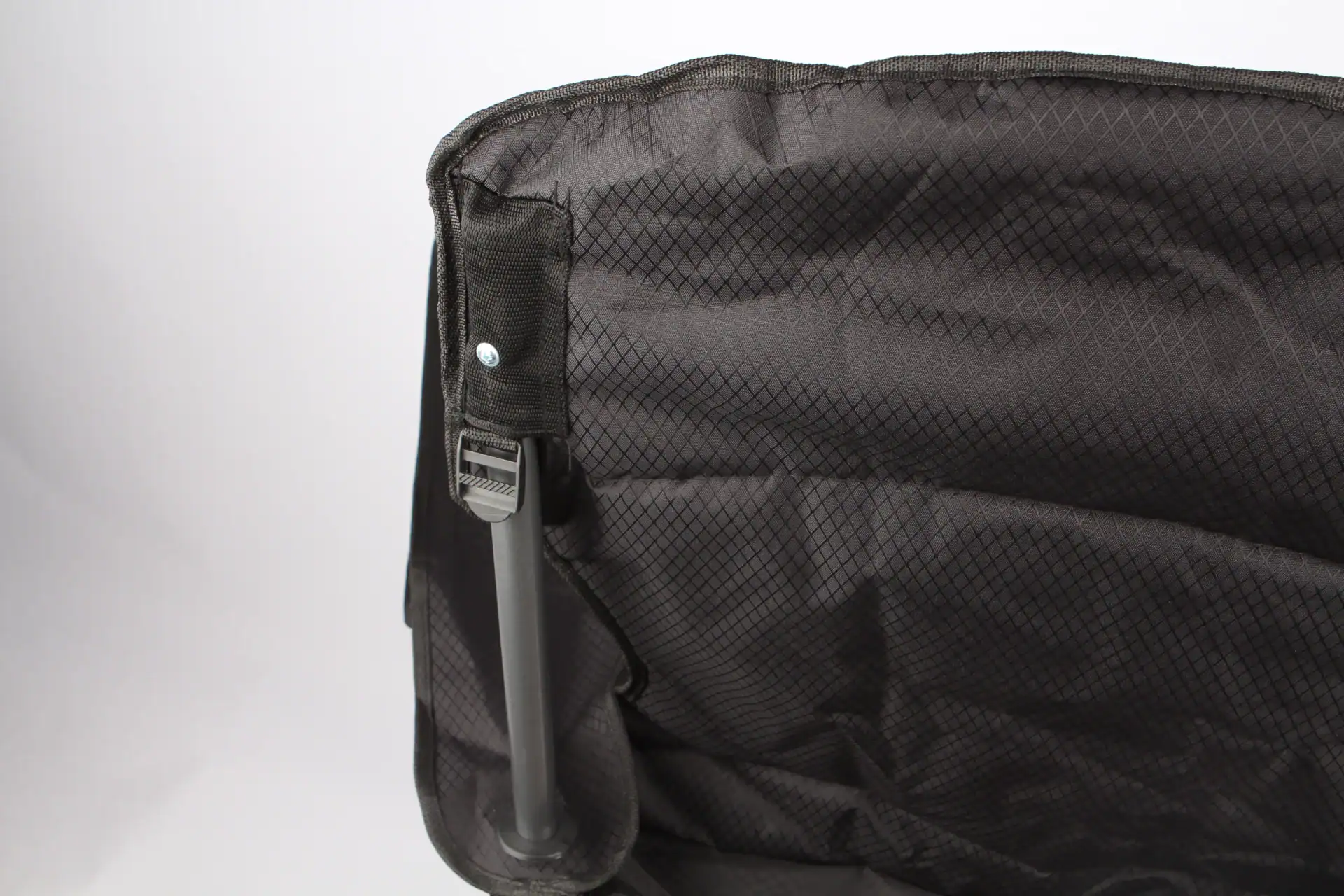
캠핑 의자 고장이 용접 조인트에서 가장 자주 발생하는 이유
A 120kg에서의 용접 실패는 설계 결함입니다.
MIG vs. TIG: 용접 방식이 프레임 신뢰성을 결정하는 이유
대부분 캠핑 의자 $35 소매 기준 미만 프레임은 MIG(금속 불활성 가스) 용접으로 접합된 강관을 사용합니다. 빠르고, 약간 어긋난 부품에 관대하며, 육안으로 보이는 필러 금속 비드가 형성됩니다. 문제는 열 제어입니다. MIG 용접기가 너무 뜨겁게 작동하면 넓은 열 영향부가 생성되어 베이스 튜브를 약화시킵니다. 너무 차갑게 작동하면 필러가 제대로 융합되지 않습니다. 즉, 접합된 것처럼 보이지만 하중을 받으면 분리되는 냉용접이 발생합니다. $60 소매 기준 이상의 의자에서 일반적으로 발견되는 알루미늄 프레임은 TIG(텅스텐 불활성 가스) 용접이 필요합니다. TIG는 소모되지 않는 텅스텐 전극과 별도의 필러 로드를 사용하여 작업자가 열 투입을 정밀하게 제어할 수 있게 합니다. 그 결과 더 깨끗하고 강한 접합부와 더 좁은 열 영향부가 만들어집니다. 하지만 TIG는 더 느립니다. 숙련된 TIG 용접공은 알루미늄 프레임에서 시간당 약 40-50개 접합부를 생산하는 반면, 강철에서 MIG 작업자는 80-100개를 생산할 수 있습니다. 그 비용 차이는 소매 가격에 반영됩니다.
용접 결함에 대한 육안 검사 체크리스트
가장 흔한 용접 파손을 발견하기 위해 실험실이 필요하지 않습니다. 선적 전 검사 단계에서 수행되는 집중적인 육안 검사는 다음을 유발하는 문제의 80%를 찾아냅니다. 현장 파손. 즉시 표시해야 할 세 가지 결함은 냉용접, 기공, 불완전 융합입니다.
-
- 냉용접(융합 부족): 필러 금속이 실제로 접합되지 않고 베이스 튜브 위에 놓여 있습니다. 튜브 표면에 녹아들지 않는 매끄럽고 둥근 비드를 찾으십시오. 제대로 융합된 용접부는 약간의 전이 구간을 보여줍니다. 비드가 튜브 벽으로 녹아듭니다. 냉용접은 금속에 붙은 실리콘 코크 비드처럼 보입니다. 금속 막대로 두드려 보십시오. 냉용접은 텅 빈 소리가 납니다. 양호한 용접부는 단단한 둔탁한 소리를 냅니다.
- 기공은 용융 금속에 갇힌 가스로 인해 용접 비드에 작은 핀홀 또는 크레이터로 나타납니다. 이는 차폐 가스가 중단될 때 발생합니다. 작업장의 너무 강한 바람, 막힌 노즐, 또는 잘못된 가스 혼합과 같은 경우입니다. 다공성 용접부는 정적 테스트에서 100kg을 견딜 수 있지만 누군가 의자에 앉는 것과 같은 동적 하중에서는 50kg에서 균열이 발생할 수 있습니다. ISO에 따른 합격 기준은 10042입니다. 용접 길이 10mm당 기공이 3개 미만이고, 각각 1mm보다 크지 않아야 합니다.
- 접합부 루트에서의 불완전 융합: 용접이 튜브 표면에만 접합되고 접합부 전체 두께를 관통하지 않습니다. 이는 가로 튜브가 다리와 만나는 T-접합부에서 흔합니다. 용접 영역의 밑면을 검사하십시오. 뒷면의 비드와 튜브 사이에 눈에 보이는 틈이나 날카로운 선이 보이면 융합이 불완전한 것입니다. 핵심 전략 공장 네트워크를 통과하는 생산 배치는 첫 번째 제품 단계에서 단면 절단을 사용하여 검사됩니다. 초기 생산분의 50번째 유닛마다 샘플 접합부를 절단하고 에칭하여 침투 깊이를 검증합니다.
용접 무결성에 대한 빠른 현장 테스트: 검사 로트에서 무작위로 의자 5개를 선택합니다. 패딩 처리된 표면에 각각을 거꾸로 뒤집습니다. 시트 프레임 중앙에 70kg의 고정 하중(모래주머니 또는 물통)을 30초간 적용합니다. 균열이나 터지는 소리가 있는지 듣습니다. 그런 다음 10kg의 동적 하중으로 테스트를 반복합니다. 15cm 높이에서 시트 위로 모래주머니를 떨어뜨립니다. 눈에 보이는 미세 균열이 있거나 접합부가 분리되면 전체 생산 로트를 폐기해야 합니다. 300+에서의 경험 5. 불량 테이프가 아니라 불량한 인계입니다. 선행 생산 샘플은 전문가가 160°C 및 0.5 MPa로 보정된 반자동 라인에서 밀봉합니다. 양산은 3개월 동안 재보정되지 않은 기계에서 2교대 작업자로 전환됩니다. 열전대 드리프트로 인해 실제 롤러 온도는 디스플레이에 표시된 160°C가 아닌 128°C입니다. 그 온도에서 TPU 핫멜트 접착 강도는 40% 감소합니다. 솔기는 육안 검사에서는 정상으로 보입니다. 초기 창고 물 튀김 테스트를 통과합니다. 그러나 추운 날씨에 20~30회 피칭 사이클 후 테이프가 박리됩니다. 항상 귀하의 주문을 생산한 교대조의 타임스탬프가 찍힌 온도 보정 로그를 요청하세요. 공장 데모 영상이 아닙니다. 5개 샘플 중 단 한 건의 용접 불량이 전체 배치에서 12-15% 불량률과 상관관계가 있음을 보여줍니다.
이를 건너뛰었을 때의 비용은 6~8주의 반품 사이클입니다. 2,000개의 의자가 담긴 컨테이너가 창고에 도착합니다. 300개 제품에서 소매 사용 후 첫 30일 이내에 용접 불량이 발생합니다. 공장과 협의하고, 교체 부품을 기다리고, 재작업 인건비를 지불하고, 그리고 소매 구매자가 귀하의 SKU를 목록에서 제외하지 않기를 바랍니다. 공장에서 용접 검사는 15분이 걸립니다. 재작업 사이클은 8주가 걸립니다. 15분을 선택하십시오.
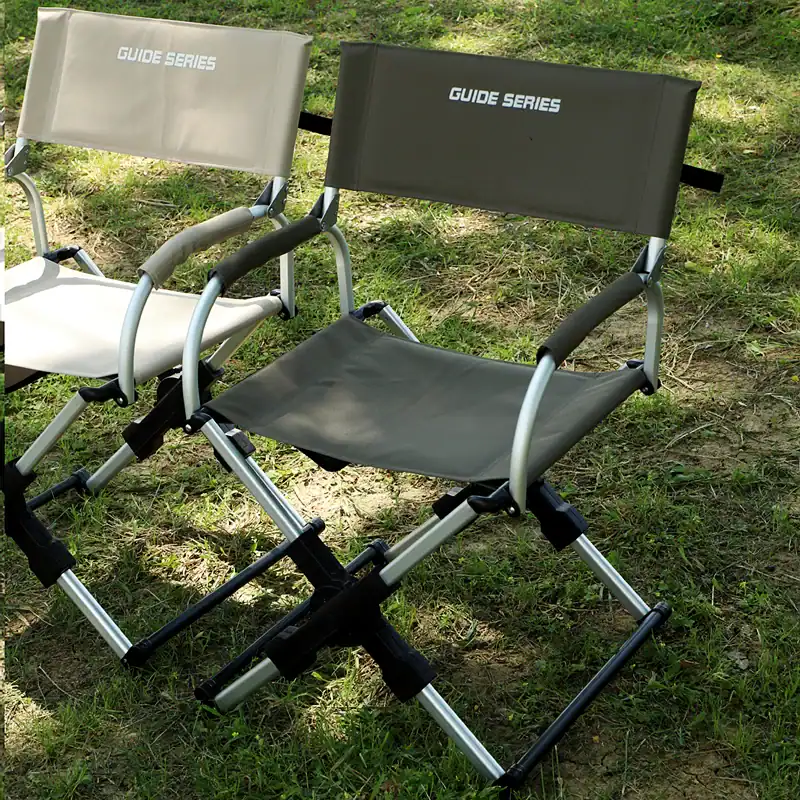
원단 심 강도: #1 고객 불만 사항 영역
이음매 파손은 캠핑 의자 반품의 주요 원인입니다.
야외 어디에서나 반품 사유를 추적하면 소매 체인, 원단 이음매 파손이 목록의 최상위에 있습니다. 프레임 파손도, 녹도 아닙니다 — 좌석 패널이 측면 보강재와 만나는 지점의 재봉선이 끊어집니다. 그 찢어짐은 원단의 인장 강도 등급이 앉은 사람이 실제로 가하는 하중과 일치하지 않기 때문에 발생합니다.
Oxford 600D vs 900D 최소 인장 강도 기준
Oxford 원단은 데니어로 등급이 매겨집니다 — 600D와 900D는 캠핑 의자에서 가장 흔한 두 가지 사양입니다. 차이는 단지 두께만이 아닙니다. 직조 구조가 이음매가 찢어지기 전까지 견딜 수 있는 인장력의 정도입니다.
-
-
- Oxford 600D 최소 인장 강도:: 단일 재봉 이음매에 대한 업계 표준은 인치당 18–22kg입니다. 그 이하에서는 총 하중 100–120kg으로 정격된 중형 프레임 의자에서 불량이 발생합니다.
- Oxford 900D 최소 인장 강도:: 더 높은 실 밀도와 더 무거운 원사로 인해 인치당 25–30kg이 예상됩니다. 이것은 120kg 이상의 하중 등급을 가진 중량물용 의자에 필요한 사양입니다.
- 반품을 유발하는 격차:: 저가 공장에서는 종종 600D 원단을 사용하되 인장 강도를 15kg에 불과하게 줄이거나 스티치 수 더 낮은 등급의 실을 사용합니다. 샘플 사진에서는 원단이 동일해 보이지만 주말 사용 3회 만에 실패합니다.
-
스프링 저울을 이용한 간단한 현장 테스트
약한 봉제선을 잡아내기 위해 실험실이 필요하지 않습니다. 선적 전 검사 중에 스프링 저울(디지털 여행용 저울로 충분함)을 휴대하세요. 의자당 2분 이내에 테스트를 실행하는 방법은 다음과 같습니다.
-
- 1단계: 저울 고리를 좌석 솔기 중앙(측면 패널과 연결되는 부분)에 고정하세요. 대부분의 찢어짐이 이 부분에서 시작됩니다.
- Step two: Pull steadily until you reach 25 kg . Hold for five seconds. If the seam holds without visible distortion or popping threads, it passes.
- Step three: Inspect after release. Even if it held during pull, look for stretched stitch holes or loose threads that indicate micro-damage.
Why This Test Matters More Than Fabric Weight Alone
A supplier can hand you a swatch of heavy 900D Oxford and still deliver chairs with weak seams if they skimp on stitch density or thread tensile strength. The spring-scale test cuts through that smoke screen. At Kelyland Outdoors, our core strategic factories in Jinhua run this exact check on every batch sampled under AQL 2.5 normal level per ANSI/ASQ Z1.4‑2008 — not because it’s expensive, but because catching one weak seam before shipment saves months of return processing and retailer friction.
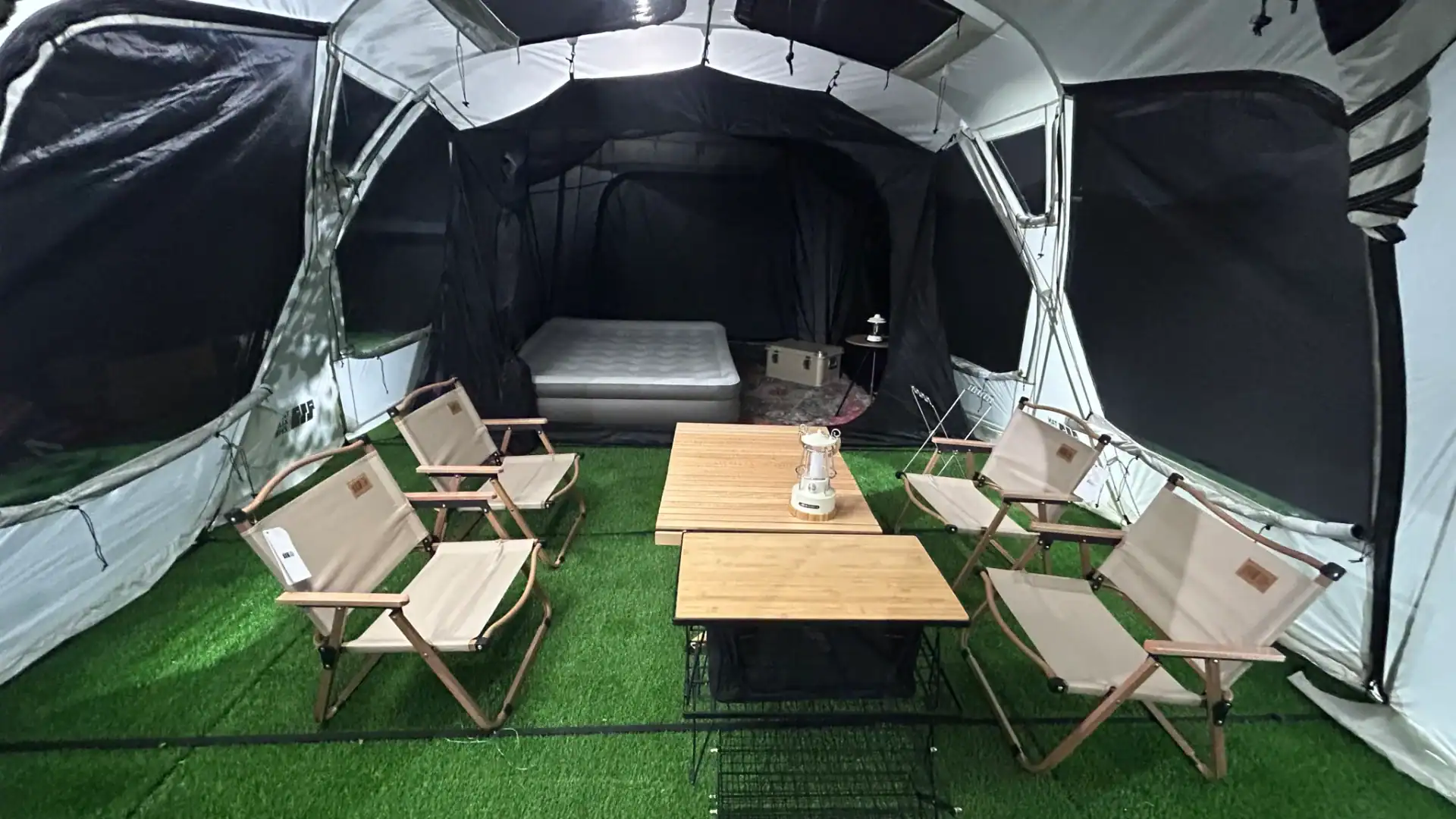
파우더 코팅 접착력 테스트: 크로스해치 방법
A 4B rating means the coating stays intact through retail handling and seasonal storage cycles.
Powder coating looks good on a showroom sample. The real test is whether it stays on the frame after the chair has been stacked, shipped, and sat on for a season. That’s where ASTM D3359 comes in — a standard that measures how well the coating adheres to the metal underneath. It’s simple enough for a factory floor but rigorous enough to predict field failures.
How the Cross-Hatch Test Works
The inspector uses a sharp blade to cut six parallel lines through the coating, then six more at 90 degrees. This creates a grid of 25 small squares. A strip of pressure-sensitive tape is applied over the grid and pulled off sharply at a 180-degree angle. The inspector then examines how much coating was removed from the lattice pattern.
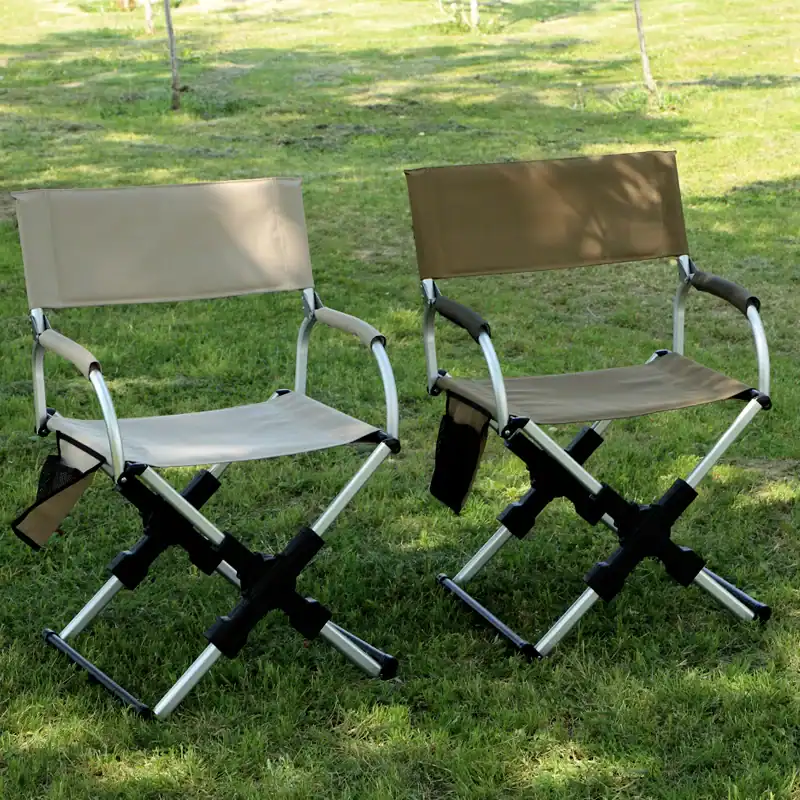
캠핑 의자 하중 테스트 프로토콜
A chair that passes static load but fails dynamic drop will generate returns within 60 days.
The static test reveals creep. A 150kg load applied for 30 minutes sounds aggressive until you realize a 95kg camper plus a cooler, a cast-iron pan, and a dog leaning to one side can exceed that. The real question is not whether the chair holds the weight, but whether any permanent deformation remains after the load is removed. Our Jinhua furniture factory — ISO 9001-certified since 2011 and producing 1.5 million chairs and cots annually — measures frame deflection at three points: the front crossbar, the rear hinge bracket, and the seat rail midpoint.
Static Load: What You Are Actually Measuring
Place the chair on a level surface. Apply 150kg evenly across the seat pan using sandbags or a calibrated weight plate. Mark the frame position against a fixed reference point before loading. After 30 minutes, remove the load and measure residual deflection with a feeler gauge or digital caliper. Acceptable threshold: zero permanent deformation at any measurement point. If the frame springs back to within 0.5mm of its original position, it passed.
Dynamic Drop: Why It Catches Failures Static Load Misses
A person does not sit down gently every time. They drop into the chair from standing height — especially after a long hike or carrying gear. The dynamic test replicates this by dropping a weighted sandbag (75kg) from a height of 15cm onto the seat center. Repeat ten times. Inspect for cracked welds, bent crossbars, or loosened rivets after each cycle.

힌지 메커니즘 피로도 점검
A chair that fails at 300 cycles will fail before the warranty period ends.
The hinge mechanism is the single most cycled component on a folding camping chair. Every open and close event stresses the pin joint, the rivet barrel, and the locking tab. A chair that gets used twice a day over a three-month camping season accumulates roughly 180 cycles. That means a 500-cycle minimum threshold is not a stretch target — it is the absolute floor for a product that will not generate warranty claims within the first year.
The 500-Cycle Baseline
The working standard across the ISO 9001-certified furniture factories in Jinhua, Zhejiang — where Kelyland’s core chair production partner has been running since 2011 with an annual output of 1.5 million units — is a 500-cycle open/close test with no visible deformation or loss of locking function. The test is done at full articulation: open the chair fully, lock it, apply a 30kg lateral force to the seat, then fold it back. Repeat. If the locking tab shows wear grooves before cycle 500, the batch gets flagged.
Three Failure Modes That Actually Show Up
-
- Pin shearing: The hinge pin is the pivot point. Budget factories use mild steel pins that shear under repeated lateral load. A 5mm diameter 304-grade stainless steel pin is the minimum spec. Anything smaller, and the shear plane will fail before 400 cycles. The factory QC team should be able to show you a micrometer reading of the pin diameter on the incoming material inspection report.
- Rivet loosening: Rivets that are not properly swaged — where the tail does not fully expand against the barrel — will loosen after 200–300 cycles. The symptom is a lateral wobble in the hinge joint. During a pre-shipment inspection, pick up the chair and open it halfway. If the hinge joint has more than 2mm of side-to-side play, the rivet is already failing.
- Locking tab wear: The locking tab is a stamped metal piece that engages with a slot in the hinge bracket. If the tab is stamped from 1.5mm steel instead of 2.0mm, the edge will deform after repeated engagement. The chair will start to collapse when the user leans back. This is the most dangerous 침낭을 because it happens without warning.
A supplier that cannot produce a cycle test log for the specific batch should be treated as a red flag. Kelyland’s network conducts this test on a statistical sample per AQL 2.5 normal level under ANSI/ASQ Z1.4-2008, and the results are documented in the inspection report. If the factory cannot show you the numbers, assume the test was not done.
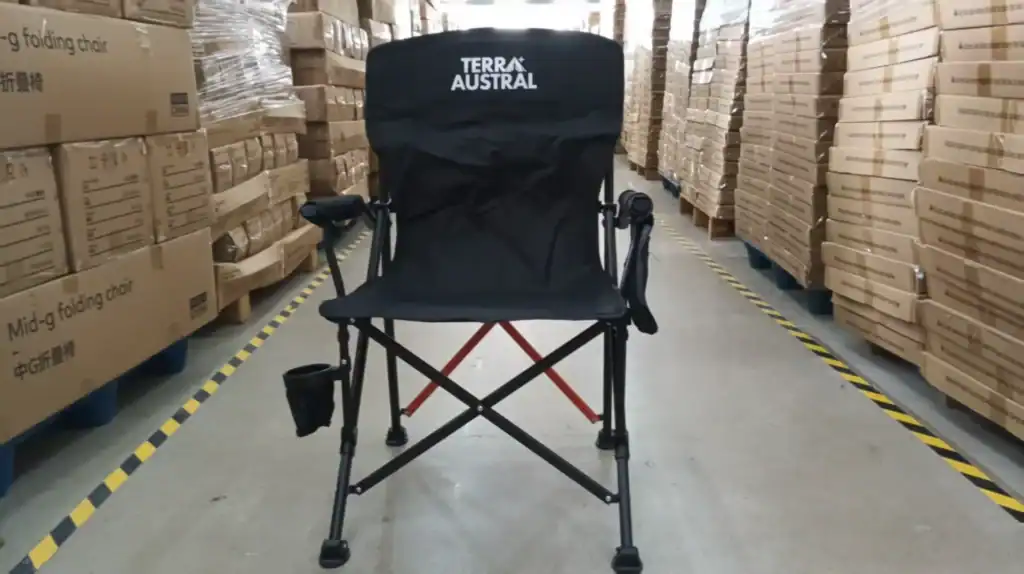
선적 전 공장 QC 보고서 읽는 방법
AQL 2.5 is the minimum acceptable level for camping chair pre-shipment inspections.
Most factory QC reports look official but contain nothing useful. You see a stamped ‘PASSED’ and a signature, but the actual data that matters is missing. For a retail category manager releasing a 3,000-unit camping chair order, the QC report is the last line of defense before the container leaves the port. Learning to read it correctly takes about 10 minutes. Skipping that step costs you chargebacks and damaged retail relationships.
Start with the AQL Level and Sample Size
The Acceptable Quality Limit (AQL) defines how many defective units are allowed in a batch. For camping chairs, the industry standard is AQL 2.5 normal level, per ANSI/ASQ Z1.4-2008. That means a batch of 3,200 chairs requires a sample size of 200 units, with a maximum of 10 defective units allowed before the entire lot is rejected. If the report shows a different AQL level — or worse, no AQL level at all — that’s your first red flag. Kelyland Outdoors inspects at AQL 2.5 normal on every production batch across its network of ISO 9001:2015-certified factories, including the camping chair and cot facility in Jinhua, Zhejiang, which has been producing since 2011.
Verify the Sample Size Table Matches the Lot Size
The QC report should include a table showing the lot size, sample size, and acceptance/rejection numbers. If the lot size is 5,000 units but the sample size is only 20, the inspector didn’t follow the standard. The ANSI/ASQ Z1.4-2008 table for AQL 2.5 normal requires a sample of 200 units for a lot of 3,201-10,000 units. A sample of 20 only covers AQL 2.5 for lots under 280 units. If the numbers don’t match, the inspection is statistically meaningless.
Check Defect Categories Against Your Spec Sheet
A proper QC report breaks defects into three categories: critical, major, and minor. Critical defects (like a frame weld crack that could collapse under load) mean zero tolerance — one critical defect and the entire batch fails. Major defects (like fabric tearing at the seam or a hinge that doesn’t lock) are counted against the AQL limit. Minor defects (like a small scratch on the powder coating or a slightly misaligned logo) have a separate, often more generous limit. The report should list each defect found, which category it falls under, and the quantity. If the report only says ‘passed’ without listing actual defects found, the inspector didn’t do the work.
Red Flags That Kill a Report’s Credibility
-
- Missing lot number: Every production batch needs a unique lot number traceable to the production date and shift. Without it, you can’t isolate problems if defects appear later.
- Unsigned or unstamped report: An inspection stamp from the QC manager and a signature from the inspector are mandatory. If either is missing, the report is not legally binding and the factory can deny responsibility.
- Vague ‘passed’ without measurements: A report that says ‘frame passed inspection’ but doesn’t list the actual wall thickness measurement (should be 1.2mm minimum) or the weld inspection method used is worthless. You need numbers, not opinions.
- No defect photos: Any defects found should be photographed and attached to the report. If the report claims zero defects but you later find a pattern of failures, you have no evidence to support a claim.
Kelyland Outdoors provides pre-shipment inspection reports that include all of these fields, with photos of any defects found and the signed inspection stamp. The QC team at the Jinhua furniture factory measures frame wall thickness at raw material intake using digital micrometers — before cutting even begins. That’s the difference between a report that protects you and one that’s just a piece of paper.

결론
These eight inspection points cover the ground that separates a shipment you approve from one that generates chargebacks. The weld check, fabric seam test, and load protocol are the non-negotiables. But the real difference between a professional sourcing operation and an amateur one lives in the final detail: how you verify the frame tube wall thickness before production even starts.
-
- Verify frame wall thickness at raw material intake with a digital micrometer.
- Conduct fabric seam pull tests to a minimum of 25kg for Oxford fabrics.
- Require AQL 2.5 normal inspection per ANSI/ASQ Z1.4-2008 on every batch.
- Perform a cross-hatch adhesion test (ASTM D3359) targeting a minimum ‘4B’ rating.
If your current supplier can’t provide documented evidence of these checks — including signed QC reports with lot numbers and measurement data — then you’re carrying risk that belongs on their factory floor, not in your container. Review your current supplier’s QC documentation against this checklist before releasing your next order. For suppliers who meet these standards, you can move forward with confidence knowing the product will survive both the journey and the retail shelf life.
자주 묻는 질문
캠핑 의자 품질 관리: 8가지 검사 포인트에 대한 견적을 받는 방법은?
The exact answer depends on the product specification, quantity, and order setup. The safest approach is to confirm the commercial terms only after the final requirement sheet is. The final choice should be matched to the actual use case and performance target.
먼저 샘플을 요청할 수 있을까요?
정확한 답변은 제품 사양, 수량 및 주문 설정에 따라 달라집니다. 가장 안전한 방법은 최종 요구 사항 시트가 확정된 후에만 상업 조건을 확인하는 것입니다. 샘플 가용성은 현재 재고 및 배송 계획에 따라 확인해야 합니다.

 English
  Español
  Deutsch
  Français
  Português do Brasil
  Русский
  العربية
  한국어
한국어  日本語
日本語