 Ir para o conteúdo
Para compradores no atacado de barracas infláveis de camping, a lição mais cara não é o preço unitário. É descobrir, três meses depois de um pedido de $50.000 chegar ao armazém, que a amostra de pré-produção e o embarque em massa vieram de dois planetas diferentes. As vigas não seguram. As costuras parecem mal-acabadas. E a ordem de remoção da FBA já está consumindo sua margem antes mesmo de uma única avaliação de cliente ir ao ar. O problema raramente começa com uma fábrica ruim. Ele começa com um processo de aprovação de amostra que nunca definiu uma tolerância rígida de qualidade para soldagem de costuras ou retenção de ar sob carga.
2026 está reformulando essa dinâmica rapidamente. O segmento de barracas túnel infláveis para 4 a 6 pessoas está explodindo, e os MOQs de fábrica para barracas de ar personalizadas com marca estão caindo para 50 unidades em algumas cadeias de suprimentos chinesas. Com volume, o preço FOB por unidade pode cair de 15 a 20% assim que você ultrapassar o limite de 500 unidades. Essa matemática torna as barracas de camping de marca própria viáveis para empreendedores de e-commerce que teriam sido excluídos há dois anos. Mas barreiras mais baixas também significam que mais compradores pulam o aperto de mão da produção—o momento em que você define benchmarks exatos de ciclo de inflação, limites de vazamento por lote e o tipo de inspeção aleatória no local que separa uma trading company de um fabricante.
Aqui está um número para anotar. Da próxima vez que estiver em uma chamada com um fornecedor, pergunte isto: “Vocês conseguem se comprometer com uma inspeção AQL 2.5 no vazamento das vigas, com uma queda de pressão de no máximo 0,2 psi em 12 horas em uma amostra aleatória de 10% do lote?” Se a resposta vier como uma promessa vaga em vez de um sim ou não, você tem um ponto de negociação que vale mais do que qualquer desconto no preço unitário. Porque em barracas infláveis, o custo real de um pedido fracassado nunca é a cotação FOB. É o pesadelo de 90 dias que se segue a uma amostra que parecia perfeita e a um embarque que ninguém testou.
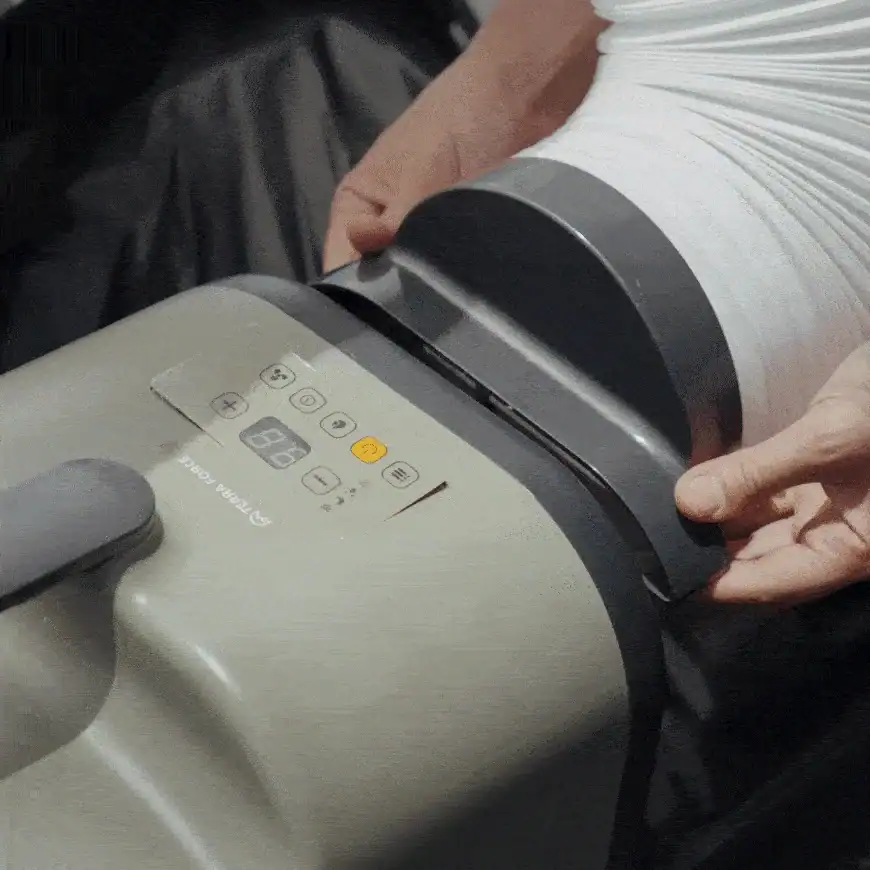
Crescimento do Mercado e Fatores de Demanda
Operadores de aluguel, não influenciadores de glamping, geram o volume de atacado mais previsível.
Cada relatório de tendências dos últimos 18 meses vende glamping como o bilhete de ouro. Tendas de sino no Instagram, yurtas com luzes de cordão, alojamentos de lona a $400 a noite. Fotografa bem. Também distrai compradores B2B de onde o volume real de pedidos está. Um cliente meu — um vendedor da Amazon que vendeu 1.200 unidades de uma tenda túnel para 6 pessoas em 2026 — aprendeu isso da pior forma. Ele apostou sua compra de primavera em uma tenda de ar estilo glamping com quartos blackout e janelas TPU com aparência de madeira. A amostra de pré-produção parecia impecável. A produção em massa saiu com tolerâncias de costura 3mm mais largas que a amostra aprovada, o que gerou uma onda de devoluções por entrada de água. Aquele contêiner de $50.000 consumiu sua margem do trimestre. A lição: tendências sem controle de processo do fornecedor são apenas rodadas caras de roleta.
O acampamento familiar continua sendo a espinha dorsal estrutural da demanda por tendas infláveis. O segmento de tendas túnel para 4-6 pessoas está crescendo mais rápido que qualquer outra categoria inflável — não porque as famílias descobriram o ar livre de repente, mas porque duas mudanças específicas convergiram. Primeiro, famílias que compraram tendas de poste econômicas durante a pandemia agora estão migrando para modelos de colunas de ar que montam em menos de 3 minutos. Segundo, famílias com duas rendas e filhos pequenos querem layouts de vários cômodos com pé-direito — características que os designs infláveis entregam com cerca de 30% menos custo FOB que cabanas equivalentes de estrutura de poste. Quando negocio contratos de fábrica, digo às equipes de compras para separar os SKUs de 4 e 6 pessoas. Eles atendem configurações domésticas diferentes (dois cômodos vs. três) e pontos de preço âncora diferentes na Amazon — aproximadamente $180-$220 FOB para uma túnel de 4 pessoas versus $260-$340 para uma de 6 pessoas com quarto blackout completo.
-
- Acampamento Familiar: Compradores recorrentes migrando de tendas de poste. Motor de volume. Priorize designs de túnel para 4-6 pessoas com montagem abaixo de 5 minutos e interiores com pé-direito. A tolerância de qualidade na selagem de costuras é importante aqui — uma variação de 2mm em relação à amostra aprovada é suficiente para disparar reclamações de garantia em climas úmidos.
- Glamping: Margem alta, volume baixo. Tendas de sino e infláveis estilo yurta comandam prêmios de varejo de 40-60%, mas movem 1/5 das unidades das tendas túnel. Compradores B2B que compram estes devem negociar MOQs a partir de 50 unidades — fábricas chinesas com linhas dedicadas de tendas de ar podem atingir esse mínimo sem sobretaxas de amortização de ferramentas.
- Mercados de Aluguel: O motor negligenciado. Operadores de aluguel não postam no Instagram — eles emitem ordens de compra. Um operador de médio porte com 200 tendas substitui 25-35% do inventário anualmente devido à degradação por UV e fadiga de zíperes. Garanta essas contas e você constrói um fluxo de receita recorrente que o varejo sazonal não consegue igualar. O detalhe: compradores de aluguel exigem tecidos de piso mais pesados (malha PE com mínimo de 0,5mm) e rejeitam embarques inteiros se a variação entre amostra e produção exceder a tolerância de qualidade acordada.
Aqui está o que ninguém lhe conta sobre o canal de aluguel: ele absorve o risco de inventário que os varejistas empurram de volta para as marcas. Quando um comprador de grande varejo superestima a demanda e devolve 800 tendas não vendidas em outubro, seu fluxo de caixa sofre o impacto. Quando um operador de aluguel pede menos em março e precisa de uma reposição de meio de temporada de 60 unidades em junho, você atende a partir do estoque reserva com margem total de atacado. O segmento de aluguel consome produto mais rápido, reclama menos de defeitos cosméticos na bolsa de transporte e valoriza mais um fornecedor que mantém especificação consistente em novos pedidos do que um que envia uma amostra bonita e relaxa na produção em massa. Se sua estratégia de sourcing para 2026 depende inteiramente de perseguir estética de glamping sem construir inventário de grau de aluguel, você está jogando damas enquanto os operadores jogam xadrez com suas contas a receber.
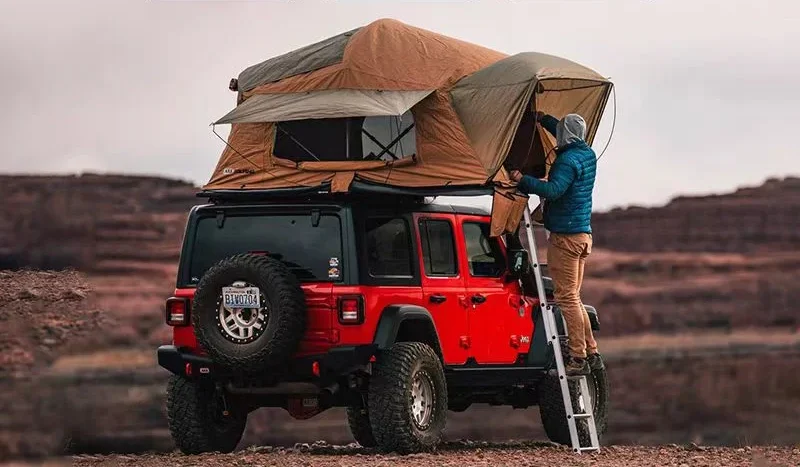
Recursos Mais Vendidos de Barracas Infláveis
O tecido blackout vende a barraca.
Um vendedor iniciante da Amazon que conheço torrou $50.000 em um contêiner de barracas infláveis para 4 pessoas. A amostra de pré-produção tinha quartos blackout impecáveis e LEDs integrados brilhantes. A produção em massa usou um tubo de ar de TPU mais fino que desenvolveu microvazamentos após três montagens. Todo guia de compra diz para priorizar o tecido blackout. De alguém que auditou fábricas de barracas de ar em Zhejiang, esse conselho está invertido. O sistema de inflação—diâmetro do tubo, vedação da válvula, consistência de pressão em todos os tubos—determina se sua taxa de devolução permanece abaixo de 3% ou ultrapassa 15%.
Os layouts de múltiplos cômodos estão impulsionando o segmento de barracas túnel para 4-6 pessoas, a categoria que mais cresce entre as infláveis. Mas ‘múltiplos cômodos’ em uma ficha técnica não significa nada sem perguntar como a divisória é fixada. Fábricas mais baratas usam um único divisor costurado que cede após seis meses. Exija um sistema de divisórias totalmente com zíper ou presilhas que permita aos usuários finais reconfigurar o espaço. No preço FOB, uma barraca túnel para 4 pessoas com dois quartos custa entre $85-$130 por unidade em pedidos de 500 peças, caindo mais 15-20% acima de 1.000 unidades.
-
- Construção do tubo de ar: Tubos de ar de TPU com costuras soldadas superam o PVC em flexibilidade em clima frio. A -10°C, o PVC endurece e corre o risco de rachar na junta. Especifique TPU e solicite um vídeo de teste de flexão a frio durante a aprovação da amostra.
- Revestimento blackout: O efeito blackout vem de um revestimento prateado de PU ou preto aplicado no lado interno do tecido de poliéster ou Oxford. Tecido abaixo de 190 GSM com revestimento blackout ainda deixa passar luz no nível da costura. Insista em Oxford 210D no mínimo com revestimento de dupla passagem.
- Fiação de LED integrada: O ponto de falha mais comum. Muitas fábricas passam fiação sem classificação por canais de tecido sem caixas de junção à prova d'água. Exija conectores classificados IP65 e um chicote de fiação removível para que os clientes possam substituir uma tira com defeito sem devolver a barraca inteira.
Luzes integradas fotografam melhor na Amazon e falham mais rápido em campo. O problema quase nunca é a própria fita de LED—é a porta USB ou o compartimento do pacote de baterias. Uma caixa de plástico padrão sem junta de vedação sofrerá falhas por corrosão dentro de uma estação em climas costeiros ou úmidos. Torne a classificação de impermeabilidade do sistema de luz um ponto de tolerância de qualidade rígido do tipo passa/falha. Se a fábrica não puder fornecer um certificado de teste IPX4 para o invólucro da luz, adquira a iluminação separadamente ou especifique um design removível compatível com o mercado de reposição.
O detalhe que separa profissionais de amadores não está em nenhuma lista de recursos. É a consistência da pressão de inflagem em todas as vigas de ar na produção em massa. Uma amostra de pré-produção é verificada manualmente por um engenheiro. Em uma tiragem de 500 unidades, o terceiro tubo da barraca #247 pode inflar a 2 PSI abaixo da especificação porque a matriz de soldagem térmica se deslocou. Nenhum cliente devolve uma barraca porque o blackout não é escuro o suficiente. Eles a devolvem porque um lado cede às 3 da manhã. Sua especificação de tolerância de qualidade precisa de um teste de inflagem por amostragem aleatória: escolha cinco unidades por cem, infle até a pressão nominal, meça cada viga com um medidor calibrado. Se a variação exceder 0,5 PSI em qualquer viga, rejeite o lote. Essa única linha em seu acordo de produção economiza mais avaliações do que qualquer recurso na embalagem.
| Recurso | Especificação | Vantagem de Mercado | Notas de Fornecimento |
|---|---|---|---|
| Capacidade Mais Vendida | Barracas de Túnel Infláveis para 4-6 Pessoas | Segmento de Crescimento Mais Rápido (Dados de 2026) | Ideal para acampamento familiar e mercados de aluguel de glamping; maior rotatividade na Amazon. |
| Principais Recursos Internos | Layouts de Múltiplos Cômodos e Quartos Blackout | Privacidade aprimorada e qualidade do sono | Revestimento blackout (bloqueio UV superior) é muito solicitado para branding premium; fitas de LED integradas agregam valor adicional. |
| Estrutura e durabilidade | Estruturas de tubos de ar (PVC/TPU) com revestimentos de PU/silicone | Montagem/desmontagem rápida e resistência às intempéries | O material TPU é um upsell diferenciador em relação ao PVC padrão, em tendência para mercados ecologicamente conscientes. |
| Flexibilidade de personalização (OEM/ODM) | Branding completo: tingimento de tecido, logotipos com múltiplas impressões, peças moldadas personalizadas | Diferenciação de marca própria em um mercado concorrido | A Kelyland oferece MOQs baixos a partir de 50 unidades (com marca personalizada), com custos por unidade caindo 15-20% em pedidos acima de 500. |
Inovações em Materiais
A decisão de material que você toma hoje determina sua taxa de retorno daqui a seis meses.
Ao percorrer qualquer fábrica de tendas infláveis em Ningbo, você verá duas linhas de produção distintas: uma operando com PVC padrão, a outra processando pedidos de TPU para marcas europeias. A diferença de preço é real—o TPU custa aproximadamente 2,5 a 3 vezes mais por metro do que o PVC de espessura equivalente. Mas a conversa que a maioria dos compradores de primeira viagem perde não é sobre custo. É sobre taxas de falha por rachadura a frio.
Os tubos infláveis de PVC enrijecem abaixo de 5°C. Frotas inteiras de aluguel no Norte da Europa foram devolvidas após uma única implantação na meia-estação porque os feixes de ar se tornaram quebradiços e rasgaram nas costuras. O TPU mantém a flexibilidade até -25°C. Se o seu mercado-alvo inclui Escócia, Escandinávia ou acampamentos de primavera no Canadá, o PVC é uma garantia esperando para acontecer. Os dados internos de produção da fábrica de colchões de ar de Hubei mostram que o TP
E quanto aos revestimentos? A mudança de 2026 não é em direção a um material mágico—é em direção à eliminação de solventes. Os revestimentos tradicionais de PU dependem de DMF (dimetilformamida), um solvente cujas restrições os reguladores da UE vêm endurecendo desde 2023. Fábricas com visão de futuro agora estão utilizando PU à base de água e revestimentos de silicone em panos de tenda e lona de piso. Esses revestimentos emitem zero VOC durante a cura e passam na conformidade REACH sem as manobras de laboratório exigidas para alternativas à base de solvente.
-
- Tubos de Ar PVC/TPU: A espessura varia de 0,4mm a 0,6mm. Abaixo de 0,4mm, a resistência a perfurações cai drasticamente—sempre solicite uma aprovação de amostra com verificação de espessura por paquímetro antes de aprovar a produção em massa.
- Revestimento de PU à Base de Água: Classificações de coluna d'água de 3.000mm a 5.000mm são alcançáveis. A contrapartida é um tempo de cura 10-15% maior no ciclo de produção, o que adiciona 3-5 dias ao prazo de entrega para tecidos revestidos.
- Revestimento de Silicone Ecológico: Mais leve que o PU, com melhor resistência a UV para tendas de glamping que ficam montadas por semanas. A desvantagem: tecidos revestidos de silicone não podem ser selados nas costuras com fita PU padrão, exigindo vedação de costura específica para silicone que poucas fábricas oferecem.
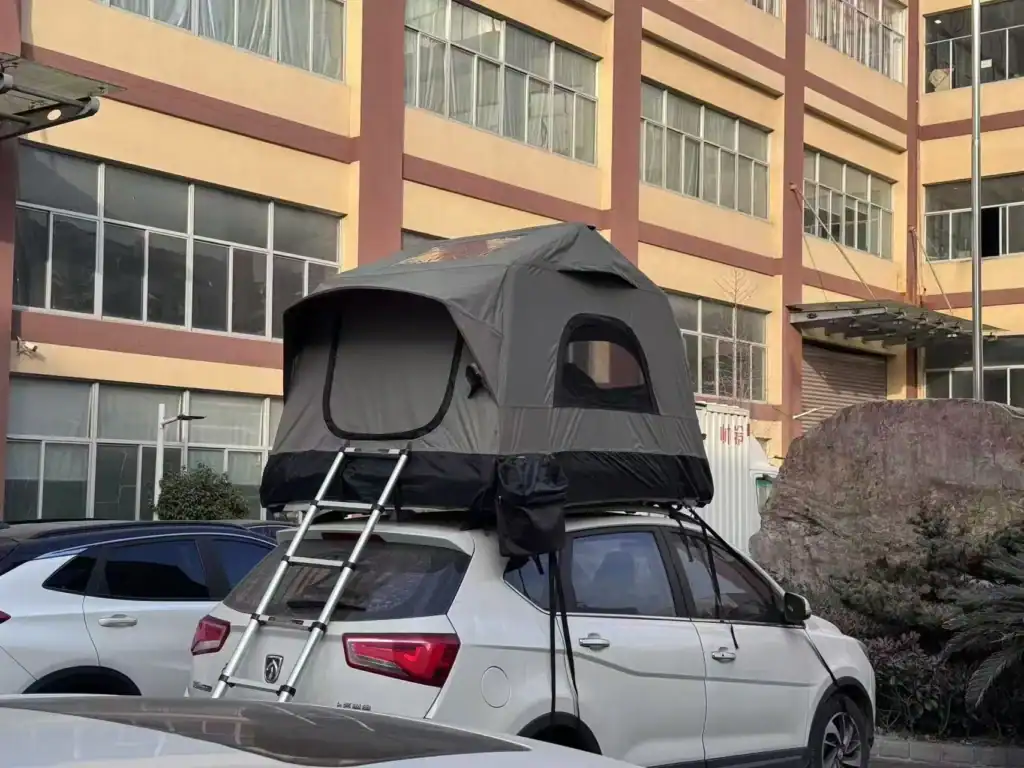
Uma verdade dura que a maioria dos guias de fornecimento não vai te contar: ‘revestimento ecológico’ é o termo mais abusado nas negociações com fábricas atualmente. Metade dos fornecedores que usam esse rótulo estão simplesmente diluindo seu PU padrão com 10-15% de aditivos à base de água e chamando isso de verde. A única coisa que separa um revestimento ecológico genuíno do marketing é um relatório de laboratório terceirizado mostrando teor de VOC abaixo de 50g/L. Peça isso antes de pagar o prêmio de 8-12% que esses revestimentos exigem no preço FOB. Se a fábrica hesitar, vá embora.
| Categoria de Material | Tipo de Material | Key Properties | Aplicação | Benefício de Inovação |
|---|---|---|---|---|
| Viga de Ar e Corpo da Barraca | TPU (poliuretano termoplástico) | Peso mais leve, superior resistência a rachaduras por frio (-40°C), reciclável, sem odores | Tubos de ar premium para barracas infláveis, pisos de barraca de alta qualidade, mochilas impermeáveis | Alternativa mais ecológica ao PVC; redução de 30% no peso para montagem e transporte mais fáceis |
| Viga de Ar e Corpo da Barraca | PVC (cloreto de polivinila) | Custo-benefício, alta resistência à tração, durabilidade comprovada, espessuras resistentes a perfurações de 0,4mm a 0,6mm | Barracas infláveis de entrada ao médio padrão, colchões de ar, pisos de malha revestida | Confiabilidade padrão do setor com custo de material 15-20% menor em comparação ao TPU; ideal para linhas de atacado com orçamento limitado |
| Tecnologia de Revestimento de Tecidos | Revestimentos PU / Silicone / DWR | Impermeável (classificação HH de 3.000 a 5.000mm), respirável, estável a raios UV, aplicação sem solventes | Tratamentos para sobrecapas e coberturas de barracas, cascas externas de mochilas, cascas de sacos de dormir | Revestimentos de silicone aumentam a resistência ao rasgo em 2 a 3 vezes; revestimentos de PU permitem impermeabilização com fita de vedação nas costuras sem plastificantes tóxicos |
| Tecido de Revestimento de Alto Desempenho | Nylon Ripstop / Cordura / Composto de TPU | Excepcional resistência ao rasgo, à prova de abrasão, totalmente impermeável quando laminado com TPU, faixa de peso de 30D-210D | Tendas ultraleves para mochilão, mochilas premium, bolsas de armazenamento seco | A laminação composta de TPU elimina totalmente o vazamento pelas costuras; a Cordura oferece 4x mais resistência à abrasão do que o nylon padrão para durabilidade no mercado de aluguel |
| Armação Estrutural e Isolamento | Fibra de Carbono / Alumínio 7075 / Espuma de PU | Fibra de carbono: 60% mais leve que o aço; alumínio 7075: resistência de grau aeroespacial; espuma de PU: retenção de frio por 24-48h | Armações de tenda com bastões de trekking, mobiliário premium de acampamento, coolers rígidos rotomoldados | Os bastões de fibra de carbono reduzem o peso compactado para menos de 2kg em tendas para 4 pessoas; o isolamento de espuma de PU dobra a retenção de gelo em comparação ao EPS para uso prolongado fora da rede |
Cenário de Preços e MOQ
O MOQ mais baixo é a maneira mais rápida de perder $50K em um pedido que não se parece em nada com sua amostra.
Todo guia de fornecimento diz para você encontrar o MOQ mais baixo. Esse conselho custou a um comprador de primeira viagem $50.000 no ano passado. Ele encomendou 100 tendas infláveis de 4 pessoas com marca personalizada de uma fábrica que concordou
Para tendas infláveis de camping provenientes da China, o cenário de preços FOB em 2026 se divide em três níveis claros que a maioria dos agentes de compras não vai articular de forma tão direta. Uma tenda inflável básica estilo cúpula para 2-3 pessoas, com bomba manual, tecido Oxford de camada única e sem revestimento blackout custa $45-$65 FOB em 300 unidades. Passando para uma tenda túnel para 4-6 pessoas — o segmento de crescimento mais rápido da categoria — com vigas de ar TPU, painéis blackout no dormitório e uma tira de LED integrada, você chega a $85-$130 FOB no mesmo volume. Modelos completos de glamping com layouts de múltiplos cômodos, Revestimento ecológicos, e portas de insuflação de dupla zona empurram $160-$250 FOB. Não são suposições. São números reais do chão de fábrica de operações de tendas baseadas em Zhejiang, produzindo de 300.000 a 800.000 unidades por ano.
A curva de custo por unidade fica interessante — e perigosa — abaixo de 100 unidades. Em 50 unidades, espere um prêmio de 25-35% sobre a linha de base de 300 unidades. Uma tenda de $65 passa a custar $81-$88. Em 100 unidades, o prêmio diminui para 12-18%. Ao ultrapassar 500 unidades, os custos unitários caem 15-20% em relação à linha de base de 300 unidades, que é onde vendedores sérios da Amazon e gestores de marca começam a ver margem real. Mas aqui está a parte que ninguém conta: o custo real não é o preço unitário. É a disposição da fábrica em fazer uma segunda amostra de pré-produção depois que a primeira falha. Pedidos com MOQ baixo de fábricas que normalmente operam com mínimos de 1.000 peças são empurrados para o limite do cronograma de produção. Trabalhos urgentes significam verificações de tolerância de qualidade ignoradas. Se o seu fornecedor não colocar um limite específico de retenção de pressão e um valor de resistência de costura no contrato, caia fora — independentemente de quão atraente o preço FOB pareça.
-
- MOQ de 50 unidades: Prêmio FOB de 25-35% sobre a linha de base de 300 unidades. Melhor para testar no mercado novos SKUs, mas exija protocolo documentado de aprovação de amostra com métricas de tolerância de qualidade aprovado/reprovado antes de assinar.
- 300 unidades MOQ: Ponto ideal de preço por volume no setor. Faixa FOB de $45 a $130, dependendo da classe da barraca. As fábricas tratam isso como uma linha de produção padrão, não como um favor. O controle de qualidade real acontece neste nível.
- 500+ unidades MOQ: Custo por unidade 15 a 20% menor em comparação com 300 unidades. Abre acesso a componentes personalizados de válvulas de ar injetadas e revestimentos de tecido proprietários. É aqui que marcas private-label constroem diferenciação de produto defensável.
Mais uma coisa sobre preços FOB que confunde importadores de primeira viagem: o preço FOB cotado por uma fábrica de Zhejiang ou Hubei inclui o produto, a embalagem de exportação e a entrega no porto — mas não o frete marítimo ou taxas de destino. Em um contêiner 40HQ com aproximadamente 300 a 400 barracas infláveis, o frete marítimo adiciona $3 a $8 por unidade, dependendo da rota e da temporada. Inclua isso no seu custo de chegada antes de comemorar uma cotação FOB baixa de um fornecedor de barracas de acampamento infláveis na China.
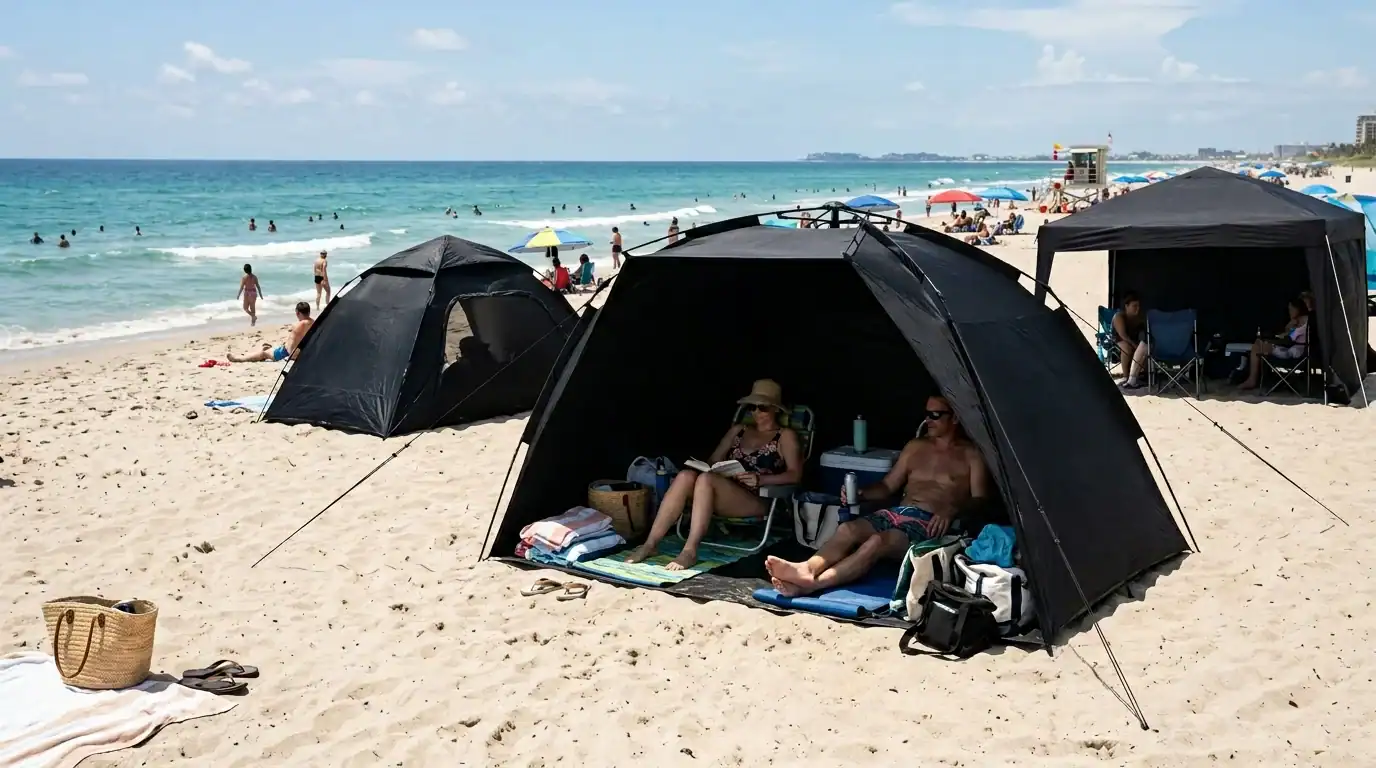
3 Tendências Emergentes para Observar em 2026
A maioria das barracas ‘solares’ de 2026 ainda usa uma ponte de bateria — o painel sozinho não consegue operar a bomba.
Aqui está um cenário de sourcing que se repete a cada temporada: O comprador aprova uma amostra de pré-produção no showroom. A ‘barraca inteligente solar’ infla em 90 segundos via controle por aplicativo, e os módulos modulares se conectam perfeitamente. Três meses depois, o contêiner chega. As unidades de produção levam 4 minutos para inflar. Duas nunca pressurizam completamente. O painel de 5W não consegue acionar a bomba de 36W. Os conectores modulares acumulam uma folga de 6mm ao longo de quatro seções. O módulo Bluetooth — comprado de um subcontratado que a fábrica de barracas nunca auditou — não possui certificação FCC. Três tendências, três pontos de falha, um contêiner.
A inflação alimentada por energia solar em 2026 é um sistema com buffer de bateria, não solar direto. Um pequeno painel fotovoltaico carrega lentamente uma bateria interna de lítio, que então aciona uma bomba de ar DC. O painel sozinho não consegue operar a bomba em tempo real. Para uma barraca túnel de 4 a 6 pessoas — o segmento de atacado que mais cresce — você precisa de no mínimo 4000mAh de capacidade de bateria combinada com uma bomba que consuma no máximo 60W. Ignore o termo de marketing ‘inflação solar’ na ficha técnica e vá direto às especificações elétricas. Se a fábrica não conseguir produzir um gráfico de ciclo de trabalho da bomba, trate a alegação solar como decorativa.
-
- Especificação da bateria: Exija a classificação mAh e a química da célula. A Li-Po lida melhor com o calor interno de 35°C da barraca do que a Li-ion padrão e reduz o risco de inchaço.
- Ciclos da bomba por carga: Pergunte quantas inflagens completas uma carga suporta. Menos de 3 ciclos em uma barraca para 4 pessoas é motivo garantido de devoluções.
- Saída real do painel: Solicite a potência em STC (Standard Test Conditions), não os números ‘de pico’ de marketing. Um painel classificado com 5W sob STC entrega aproximadamente 3,2W em condições reais de campo.
Sistemas modulares de tendas — módulos de dormir, vestíbulos, áreas de armazenamento que se unem por zíper ou clipes — parecem atraentes na página do produto. O risco de compra está no acúmulo de tolerâncias. Quando cada conexão de zíper tem uma variação de ±2mm e o comprador configura quatro módulos, o desalinhamento cumulativo pode chegar a 8mm. Nesse ponto, os zíperes travam, as aberturas vazam e os pedidos de garantia aumentam. Antes de fazer um pedido de tenda modular, especifique uma tolerância de qualidade de ±1mm por ponto de conexão e exija que a fábrica monte a configuração completa de múltiplos módulos durante a inspeção pré-embarque — não apenas unidades individuais. Testar módulos individuais não diz nada sobre como eles realmente se encaixam.
Integração de tenda inteligente — iluminação LED controlada por aplicativo, sensores Bluetooth de temperatura, monitoramento automatizado da pressão de inflação — introduz uma segunda cadeia de suprimentos na sua aquisição. A eletrônica geralmente é subcontratada a um fornecedor de componentes que a fábrica de tendas nunca auditou formalmente.. Se o driver de LED ou o módulo Bluetooth não tiver certificação FCC ou CE, o SKU da tenda fica retido no porto de destino, independentemente da conformidade do tecido e da estrutura. Durante a aprovação da amostra, solicite a BOM (Bill of Materials) eletrônica e os certificados de conformidade para cada componente alimentado separadamente. Um único ‘certificado CE de tenda’ cobre tecido e estrutura — não a PCB, não a bateria, não o módulo sem fio.
Anote este benchmark antes da sua próxima chamada com o fornecedor: um teste contínuo de ciclagem de bomba de 72 horas a 35°C de temperatura ambiente. A bomba deve completar 20 ciclos completos de inflar-desinflar sem superaquecer, e a bateria deve reter pelo menos 80% da capacidade de carga ao final do teste. Se a fábrica não puder produzir essa ficha de dados, o produto não está pronto para produção — não importa quão limpa a amostra parecia no showroom.
Conclusão
Os conjuntos de recursos, especificações de materiais e níveis de preço FOB abordados aqui formam a linha de base. O que separa uma aquisição lucrativa de uma que destrói margens é a cláusula de tolerância de qualidade que você negocia antes que a aprovação da amostra trave. Uma tenda túnel que passa na inspeção visual, mas fica 8% abaixo da especificação de resistência da costura, ainda gera devoluções — e você arca com esse custo.
Bloqueie primeiro a sua ficha de especificações e, em seguida, explore a linha de produtos infláveis para combinar um design ao seu preço-alvo.
Perguntas frequentes
Quais características vendem melhor em 2026?
Tecido de quarto blackout, iluminação LED integrada e layouts de vários cômodos são os recursos mais vendidos que impulsionam pedidos repetidos no atacado.
TPU ou PVC para tendas infláveis?
O TPU oferece peso mais leve, melhor flexibilidade em clima frio e menor taxa de devolução, tornando-o o material de escolha para linhas premium de glamping. O PVC ainda funciona para frotas de aluguel de baixo orçamento onde. Escolha com base no seu orçamento alvo de taxa de devolução, não apenas no custo total.
Qual é o MOQ para atacado?
O MOQ para tendas infláveis normalmente começa em 50–100 unidades para modelos de estoque com personalização leve, enquanto pedidos ODM totalmente personalizados podem exigir 300 unidades ou mais. Negocie os limites após definir sua escolha de material e. Fixe o escopo das especificações antes de fixar o MOQ.
Qual é a faixa de preço FOB típica?
Barracas infláveis básicas para 2–3 pessoas começam em torno de €80–€150 FOB, enquanto designs grandes de glamping com vários cômodos custam €300–€700 FOB, dependendo do material e da carga de recursos. O preço final sempre requer uma fatura confirmada. O preço só é definido após você finalizar a ficha técnica e o número de barracas internas.
Quais são as tendências emergentes de 2026?
Inflação movida a energia solar, quartos modulares de encaixe e integração inteligente de tendas são as três maiores tendências emergentes. Os adotantes iniciais nos mercados de glamping e aluguel premium estão testando essas novidades, mas em escala comercial ampla. Teste um novo recurso de cada vez para evitar o superdimensionamento da sua linha de 2026.

 English
  Español
  Deutsch
  Français
  Português do Brasil
  Русский
  العربية
  한국어
한국어  日本語
日本語