 Ir para o conteúdo
Two tents on a showroom floor can look identical, but the air beam vs pole tents decision explains a 30% cost gap between them. That extra markup isn’t cosmetic. It represents a different bill of materials, a different manufacturing process, and a different approach to field repairs and warranty claims. A buyer who got burned on a $50K order because the pre-production sample didn’t match the mass production run knows exactly why these structural choices deserve scrutiny before sample approval.
From a procurement perspective, the two designs break down in very different places. A pole tent fails at the pole and the pole sleeve stitching; an inflatable tent fails at the seam weld and the valve. That difference dictates how you handle replacement parts, warranty terms, and even packaging strategy.
Air beam construction typically adds 15-30% to manufacturing cost because of TPU tube welding and high-frequency sealing equipment. But the bill of materials for poles and hardware offsets some of that gap at scale. When you compare FOB pricing, make sure the structure is the actual variable—not a fabric upgrade or a looser quality tolerance.
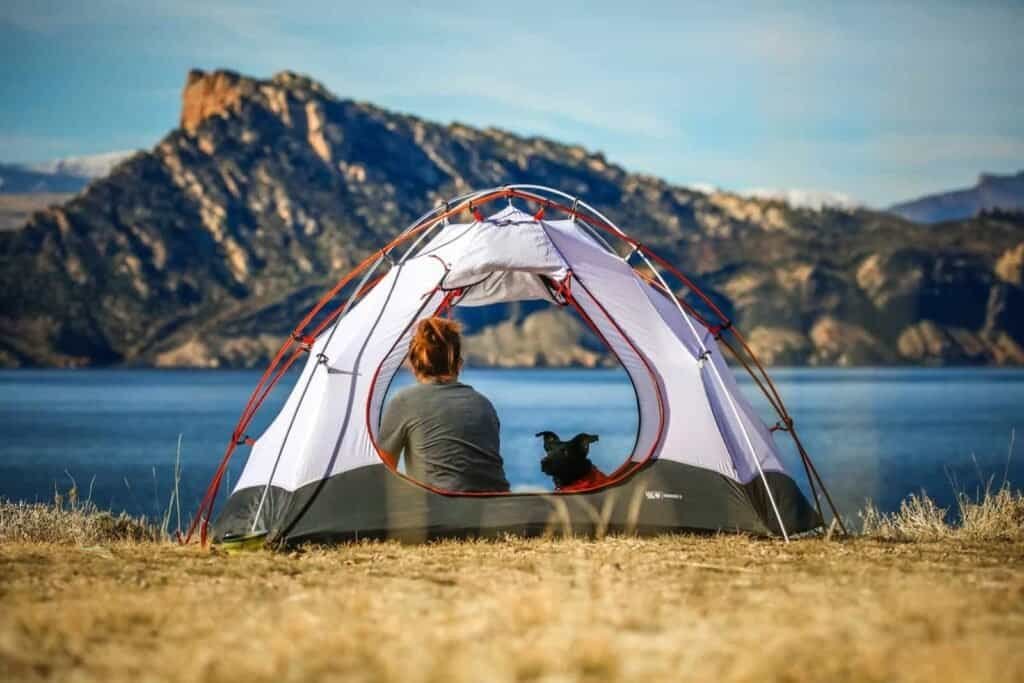
Why the Air Beam vs Pole Debate Matters
The structure choice decides your shipping cost, warranty claims, and how customers rate the tent in the first 10 minutes.
Most tent sourcing checklists look thorough: fabric denier, hydrostatic head, zipper brand, floor thickness. The one line most brand managers skip is the structure itself — air beam or pole. That decision determines how your product packs, where it fails, and which warranty claims you eat. A flawless pre-production sample can still hide problems that surface after 500 units reach retail.
Pole tents collapse into tight bundles because the segments break down and stack beside the fabric. More cartons per container, lower freight per unit. Air beam tents pack flatter but add a pump, and the deflated tube cannot be folded repeatedly at the same crease without stressing the TPU weld. For a brand moving thousands of units a season, that volume difference changes do preço FOB.
-
- Pole tents: Segmented fiberglass or aluminum poles bundle into a short carry case. The usual transit casualty is a pole end punching through the stuff sack — reinforced ends and a rigid base plate solve it.
- Air beam tents: Tubes deflate flat, but the valve housing and pump add bulk. High pallet stacking can put sustained pressure on the folded valve area and deform the seal over time.
Consumer expectations: setup speed vs. repairability
The retail customer forms an opinion in the first five minutes after opening the box. Inflatable tents with a multi-chamber system deploy with one hand and need less grip strength — a real advantage for older campers and casual glampers. Pole tents demand aligning segments and threading sleeves, which invites user error at 8 p.m. in the dark. But when something breaks, repairability flips the decision.
Pole failures are mechanical: a cracked fiberglass segment or a torn pole sleeve. Both are cheap to fix, sometimes on-site. Air beam failures happen at the seam weld or the valve — a patch kit or factory service. Pole tent repair costs stay low; inflatable tent manufacturing cost runs 15-30% higher due to TPU/PVC tube welding and high-frequency sealing equipment. Kelyland’s core network of 17 strategic factories — most ISO 9001:2015 certified — shares weld-test and stitching-inspection reports before you lock in the structure.
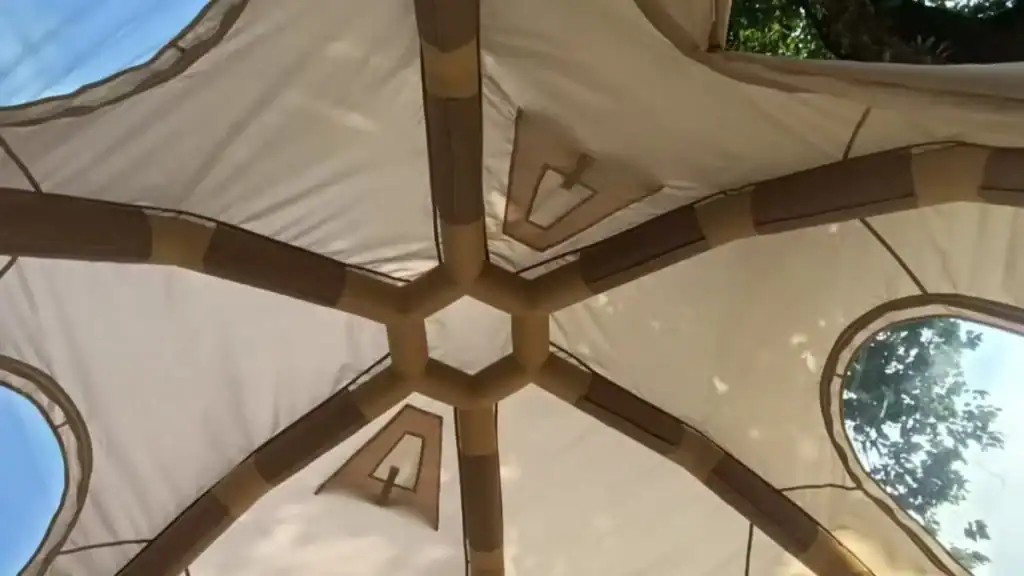
Side-by-Side Comparison
Pole tents win on repairability and cost.
For a brand manager building a private-label tent line, the air beam vs pole decision is not a campground debate. The structure dictates packaging, warranty terms, spare-parts strategy, and which factory can realistically quote the line. Pole tents remain the default for trekking and value-focused ranges; air beam tents justify their higher price where setup speed and wind behavior matter more than packed weight.
Setup time and user error
This is the strongest argument for air beams. A multi-chamber inflation system deploys with one hand and stays upright even if one chamber loses pressure. Older campers and solo users do not have to match poles to sleeves in wind and rain. With pole tents, a snapped pole or a torn sleeve during assembly takes the whole pitch down.
Packed size and weight
Pole tents pack longer and thinner; air beams pack shorter but heavier because the tube material and pump travel with the tent. For backcountry and trekking lines, packed weight kills the air beam option. For car camping and glamping, the shorter packed length often fits trunks better and matters more than the extra kilogram.
Wind resistance and stability
Air beams flex under gusts and return to shape, which gives them a genuine edge in open, exposed campsites. Pole tents transfer wind load directly to the poles and stake points, so a failed pole can collapse a wall or roof panel. Multi-chamber air frames add redundancy: a single puncture does not flatten the entire tent.
Repair and replacement costs
Build your warranty around the right failure point. Pole tents fail at the pole and the pole sleeve stitching; replacement pole sections are cheap to stock and simple for a customer to swap. Inflatable tents fail at the seam weld or valve, and repairing TPU/PVC tubes requires solvent welding or a replacement tube. That is why pole tent repair costs stay low and why air beam spares need a pre-planned inventory.
Manufacturing lead time and customization limits
Air beam tents typically cost 15-30% more to manufacture than equivalent pole tents because of TPU/PVC tube welding and high-frequency sealing equipment. That process also narrows the supplier pool and pushes minimum order requirements higher. Pole tents are built from sleeves, struts, and fiberglass or aluminum poles, so more factories can quote them and custom shapes are easier to draft.
Em Kelyland Outdoors, the core tent factory in Ningbo is ISO 9001:2015 certified and produces 800,000 tents a year, so both construction styles run through the same quality-control system. Standard production lead time is 30-45 days, and while minimums vary by product, some items can start from 50-100 pieces for a small first run.
-
- Choose pole tents if: your line targets backpackers, price-sensitive retailers, or buyers who expect field-repairable gear.
- Choose air beam tents if: your buyers camp with families, value fast setup, and will pay more for a stable structure in open sites.
| Recurso | Air Beam Tent | Pole Tent | Brand Consideration |
|---|---|---|---|
| Setup Time & User Error | 10–20 min with pump; multi-chamber systems deploy safely with one hand | 15–30 min; higher risk of pole misalignment and user-induced breakage | Air beams reduce field complaints and are easier for older campers |
| Packed Size & Weight | Tubes add bulk and weight; requires separate pump or integrated inflation system | Poles and sleeves allow smaller packed volume; generally lighter for equivalent capacity | Pole tents better for trekking lines; air beams suit family and glamping buyers |
| Primary Failure Point | Seam weld and valve assembly are the weakest links | Pole sections and pole sleeve stitching fail most often | Design warranty and spare-part programs around these specific failure modes |
| Repair & Replacement Cost | Replacement air chambers are expensive; field repair requires patches or sealant kits | Replacement poles are inexpensive and widely available; sleeve repair is low-cost | Pole tents reduce after-sales expense; air beams justify premium pricing to cover repair risk |
| Wind Resistance & Stability | Flexible structure absorbs gusts but can deform under sustained high wind | Rigid frame provides predictable shape; poles can bend or snap under extreme load | Match structure to target weather claims and retail marketing promises |
| Custo de fabricação | 15–30% higher than equivalent pole tents due to TPU/PVC tube welding and high-frequency sealing equipment | Lower material conversion cost; fiberglass or aluminum pole BOM offsets scale economics | Air beam premium must be reflected in retail price; pole tents deliver leaner landed cost |
| Manufacturing Lead Time & Customization | Longer production time; custom tube lengths and valve positioning limit design iterations | Standard 30–45 day lead time; simpler to modify pole geometry and sleeve layout | Pole tents offer faster sampling and easier mid-season design updates |
| MOQ Implications | High-frequency welding lines require larger batch runs; MOQs typically start at 300–500 pieces | Some models can start at 50–100 pieces, ideal for testing new private-label SKUs | E-commerce entrepreneurs with limited capital can launch with pole tents first |
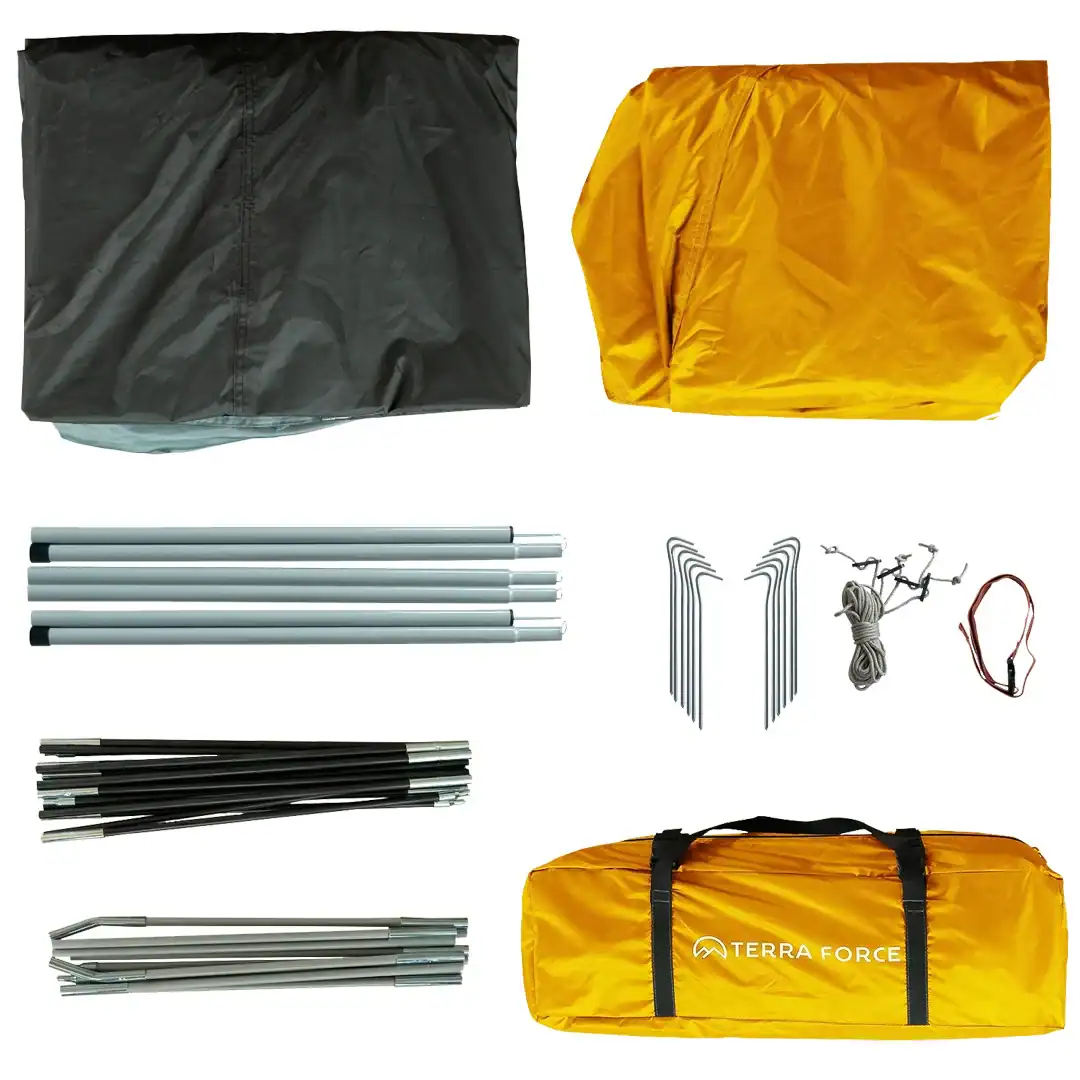
What It Costs to Build Each Type
Air beams cost 15-30% more to manufacture, but pole hardware narrows that gap when volume climbs.
The 15-30% manufacturing premium for air beam tents is real, but it isn’t a reason to walk away. That extra cost lives in specific places: TPU/PVC tube material, high-frequency welding, and valves. Once you see exactly where the money goes, the air beam vs pole decision becomes a positioning question, not a simple price check.
Material costs: air tubes vs. fiberglass and aluminum poles
A pole tent’s frame is a bundle of fiberglass or aluminum segments, shock cord, and pole sleeves sewn into the body. An air beam tent replaces all of that with coated fabric tubes, air valves, and a pump. The tube material and valve hardware cost more per tent, and short runs waste a larger share of the TPU/PVC film roll.
-
-
- Air beam BOM: TPU/PVC coated tube fabric, welded seam construction, valves, pump, and multi-chamber manifold.
- Pole tent BOM: Fiberglass or aluminum segments, shock cord, pole sleeves, clips, and strut hardware.
- Scale effect: Pole hardware stays flat per unit; air beam unit cost drops once high-frequency sealing equipment is amortized over a longer run.
-
Labor: welding vs. sleeves and struts
Welding a TPU tube requires high-frequency sealing equipment and operators who understand heat, pressure, and dwell time. A bad weld won’t show on the first inflation cycle — it fails after repeated use, which turns into warranty claims and replacement-part cost. Sewing pole sleeves and attaching struts is more conventional tent factory work, but it adds assembly steps across the line.
The Ningbo tent factory in Kelyland’s partner network runs 800,000 tents per year under ISO 9001:2015. That throughput matters. Welding lines need consistent volume to stay profitable, so a supplier already running air beam production can quote better unit pricing than one setting up the process for your first order.
MOQ implications for private label brands
Standard production in Kelyland’s network typically runs 300-1,000 pieces, with some items starting at 50-100 pieces when the design is already tooled. Pole tents can realistically enter at the lower end of that band. Air beam programs sit closer to the 300-1,000 piece range because the welding setup and film roll minimums make short runs disproportionately expensive.
-
- Choose air beam if: You’re building a glamping or family line where setup speed and one-hand deployment justify a 15-30% higher landed cost.
- Escolha pólo se: You need a lower entry MOQ, simpler pole tent repair costs for end customers, and a tighter price point for the first run.
| Fator de custo | Air Beam Tent | Pole Tent | Implicação de Fornecimento |
|---|---|---|---|
| Material Costs | TPU/PVC air tubes, high-frequency welded seams, and multi-chamber valves; premium raw materials drive inflatable tent manufacturing cost up 15-30% vs equivalent pole models | Fiberglass or aluminum poles, pole sleeves, hubs, and struts; commodity materials with lower per-unit cost, though pole hardware narrows the gap at scale | TPU tube welding vs fiberglass pole sourcing: air beam favors suppliers with specialized welding lines; pole tents are easier to quote across multiple factories |
| Labor Costs | Requires skilled operators for TPU tube welding and high-frequency sealing equipment; more production hours per unit and tighter quality control thresholds | Standard sewing of pole sleeves, struts, and reinforced stitching; widely available labor keeps assembly cost lower and production faster | Air beam labor content is a hidden cost driver; verify the factory’s weld testing protocol before sampling to avoid batch inconsistency |
| Requisitos de MOQ | Air beam tent MOQ requirements typically start at 300-500 pieces due to dedicated tooling, sealing fixtures, and chamber mold investment | More flexible MOQs; select items can start at 50-100 pieces, making pole tents the lower-risk entry for private label testing | If your brand needs small-batch validation, pole tents offer a faster path; air beam suits established SKUs with committed volume |
| Repair & Replacement | Failure point is the seam weld and valve; repairs require replacement chambers or factory-grade adhesive kits, increasing pole tent repair costs avoidance strategy complexity | Failure point is the pole and pole sleeve stitching; replacement poles and sleeves are low-cost and field-replaceable by end users | Design warranty strategy around structure: multi-chamber air systems for redundancy vs. spare pole sets and reinforced stitching for poles |
| Quality Consistency | Consistency depends on weld integrity, valve sealing, and air retention testing; ISO 9001-certified plants with pressure-test records are essential | Consistency hinges on stitching tolerance, pole wall thickness, and sleeving fit; simpler to inspect with standard factory checkpoints | A private label tent structure comparison should include per-batch inspection checklists, especially for seam welds on air beams and stress points on pole sleeves |
Which Choice Fits Your Brand
Air beam suits glamping and rental; poles still win for trekking.
The right structure depends on who your end customer is and where your margin survives after shipping, returns, and warranty claims. For most private label tent structure comparisons, the deciding factor isn’t setup ease on paper — it’s the failure profile. Air beams and poles fail differently, so your after-sales plan must match the structure you choose.
Family Glamping Brands
Family glamping brands should lean air beam. Multi-chamber inflatable tents set up in minutes with one hand, which matters when the buyer is a couple or family with zero technical patience. The higher inflatable tent manufacturing cost — typically 15-30% more than a pole equivalent — is recoverable at retail because glamping customers pay for comfort and convenience, not packed weight. Kelyland’s glamping tent factory in Shaoxing, Zhejiang produces 300,000 units annually, so capacity for custom branded runs is proven.
-
-
- Best pick: Air beam glamping tents in bell or yurt styles with multi-chamber frame systems.
- Why: One-pump setup eliminates user error and the high perceived value supports a premium price.
- Watch out: Train customers on seam weld and valve care; replacement air tubes must be easy to order.
-
Trekking and Backpacking Brands
Trekking and backpacking brands should stay with poles, at least for now. Air beam systems still can’t match the packed weight or field repairability of a quality aluminum pole set. A broken pole gets splinted with a repair sleeve; a punctured air tube ends the trip unless the hiker carries a spare. The camping tent factory Kelyland partners with in Ningbo builds 800,000 tents per year with frame options from fiberglass to carbon fiber, so pole tent sourcing is well-supported.
-
-
- Best pick: Pole tents with 7075 aluminum or carbon fiber poles for weight-conscious trekking lines.
- Why: Poles pack smaller, are field-repairable, and sleeve stitching is a straightforward QC checkpoint.
- Watch out: Pole sleeve stitching is the first failure point — specify bar-tack reinforcement at every stress point.
-
Event Rental Businesses
Event rental businesses face a different trade-off. Rental tents get assembled and broken down dozens of times per season, so setup speed and consistent pitch geometry directly cut labor costs. Air beams win on speed, but the failure point shifts to the valve and seam weld. Pole tents cost less per unit, yet pole and sleeve wear drives maintenance expense over years of rental cycles. Air beam tent MOQ requirements also tend to run higher because TPU tube welding needs dedicated equipment.
-
- Best pick: Air beam for high-turnover events; pole tents for budget-conscious seasonal rentals.
- Why: Air beams cut setup labor and pitch errors; poles cost less per unit and are easier to repair on-site.
- Watch out: Multi-chamber systems need spare tubes on standby. Check valve quality before committing to a bulk order.
-
- Choose air beam if: Your brand sells comfort-focused family camping or rental fleets where setup speed drives repeat purchases.
- Escolha pólo se: Your line targets trekkers, backpackers, or price-driven seasonal buyers who value repairability, lower unit cost, and manageable pole tent repair costs.
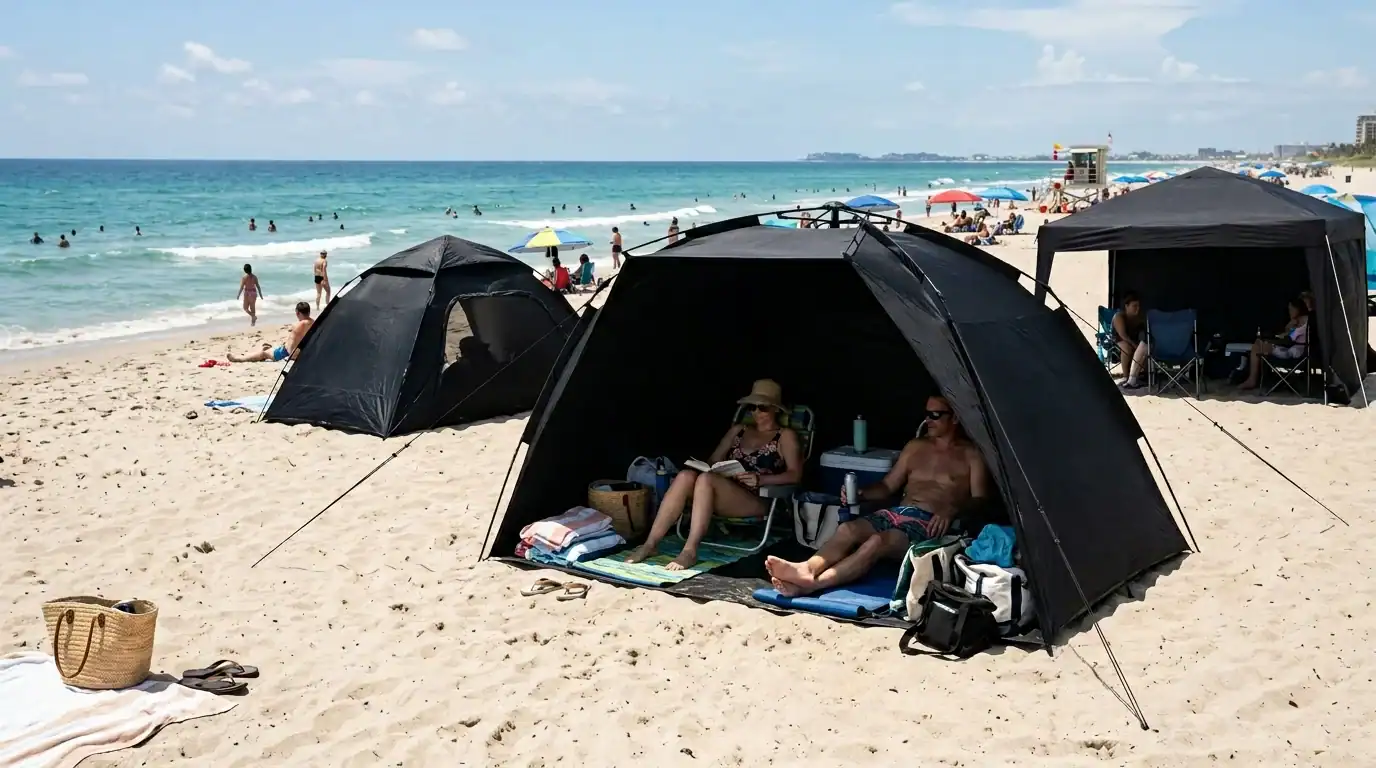
How a One-Stop Supplier Helps with Either Design
The prototype review decides most of the outcome.
The core advantage of a sourcing partner is that the same team manages both structures. For pole tents, the engineering detail sits in pole bends, sleeve reinforcement, and guy-out points. For air beam tents, it sits in tube grade, weld width, and valve placement. Each design needs a different factory skillset, and a partner with dedicated tent factories can switch between them without losing quality.
In-House Prototyping Starts With the Sample
Most failed orders trace back to a prototype approved too early. The internal process at Kelyland Outdoors runs through 10 steps, from demand collection to post-sale support. Sample approval sits between design and mass production. The client reviews a physical prototype, not a rendering. That is the moment to check seam sealing, zipper track alignment, and pole sleeve tension.
For pole tents, the prototype exposes weak points in the pole sleeve stitching. For air beam tents, it exposes weld seams and valve sealing. A multi-chamber air system needs to be inflated and deflated several times during the review to catch material creep. A one-time visual check on a table is not enough.
OEM and ODM Lead to the Same Gate
Kelyland Outdoors treats OEM and ODM as separate lanes. An OEM project starts with your drawings and material spec. An ODM project starts with a brief and the supplier proposes the concept. Both lanes end with the same deliverable: an approved sample that matches mass production.
-
- Rota OEM: The brand controls the spec sheet, fabric selection, and print artwork. The supplier handles engineering documentation, pattern making, and prototype construction.
- Rota ODM: The supplier proposes the full design, then builds a working prototype for a feedback loop. This suits brands that need a faster launch.
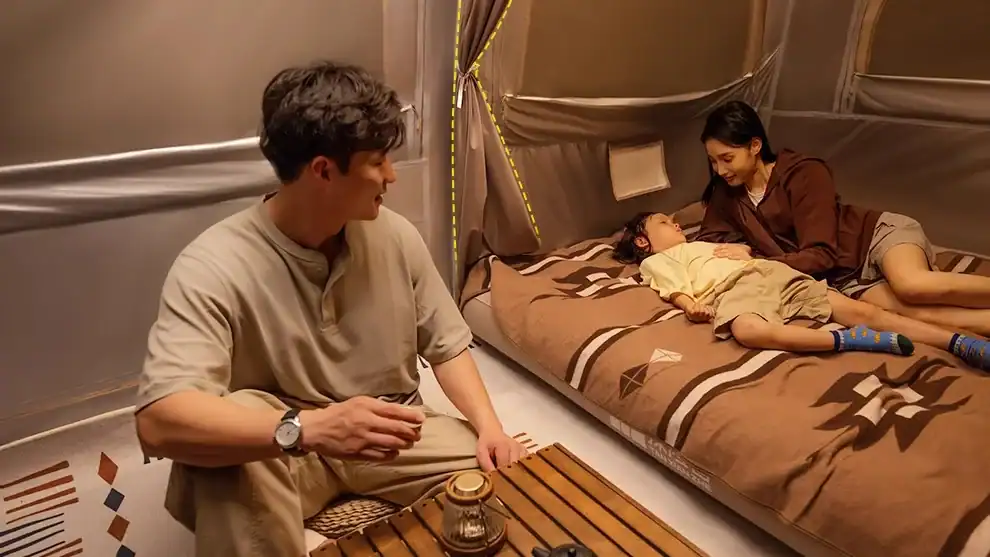
MOQ and Lead Time Realities
MOQ differs by structure. Kelyland Outdoors can start some items at 50-100 pieces, while standard tent models range from 300-1,000 pieces. Air beam tents need more welding labor, so the MOQ floor tends to be higher. Air beam tents also carry a 15-30% higher manufacturing cost than equivalent pole tents. Ask for a cost breakdown at your target volume.
Production lead time for both structures runs 30-45 days, subject to order complexity and quantity. Partner factories hold ISO 9001:2015 certification, and inspections happen at every stage. That matters for air beam tents because a seam weld failure after 50 uses creates warranty claims no brand wants.
The practical difference comes down to failure planning. A pole tent fails at the pole or the sleeve stitching. An air beam tent fails at the seam weld or valve. A sourcing partner should document those failure modes and build replacement-part strategies around them, not around a generic one-year warranty.
Conclusão
The structural decision is really a warranty decision. Pole tents fail at the pole or the pole sleeve stitching; air beam tents fail at the seam weld or the valve. Plan your replacement-part strategy around those points before you lock the spec.
-
- Air beam tents cost 15-30% more to manufacture than comparable pole tents, though pole hardware narrows the gap.
- Pole tent warranties should cover pole and sleeve stitching; inflatable warranties should cover seam welds and valves.
- Multi-chamber air beam tents deploy one-handed, giving retailers a clear reason to price them higher.
- Private label MOQs can start at 50-100 pieces, so test both structures before committing to a full line.
Send your target spec to a sourcing partner with experience in both constructions, and ask for sample approval on the valve and pole hub hardware, not just the tent body. Define the quality tolerance for seam weld alignment and sleeve stitching in writing, and review the camping tent lineup on the Kelyland Outdoors site. That detail is the difference between a line that survives field use and a line that generates returns.
Perguntas frequentes
As tendas com air beam são mais caras do que as tendas com varas?
Sim, as tendas de inflar geralmente custam 15-30% a mais para fabricar do que as tendas com varas. A diferença diminui quando o volume de hardware para varas aumenta, portanto compare a BOM completa na sua quantidade-alvo. Solicite um orçamento da BOM para seu volume alvo antes de decidir.
Qual tipo de tenda é mais fácil de reparar?
As tendas de varas são mais fáceis de reparar porque as varas e as bainhas podem ser substituídas sem equipamentos especializados. Falhas em vigas infláveis geralmente exigem reparos ou substituição dos tubos de TPU/PVC, o que é mais difícil para o usuário final. Considere a reparabilidade em campo ao elaborar seu planejamento de garantia.
How do shipping costs compare for air beam and pole tents?
Air beam tents generally pack smaller and avoid long rigid sections, which can lower dimensional weight and shipping cost. Pole tents bundle into longer packages, so freight depends on how the poles. Ask for packed dimensions and CBM per unit before quoting.
What is the MOQ for custom air beam or pole tents?
MOQ depends on the tent style and customization level; some custom runs can start at 50-100 pieces, while standard models typically need 300-1,000 pieces. Your final spec, printing, and fabric choices will move that number. Confirm MOQ after finalizing your specs.
Which tent structure is better for a glamping brand?
Air beam tents are usually the better fit for family glamping because they pitch faster and leave the interior free of poles. Pole tents are cheaper and more repairable, so weigh setup speed. Let your target user’s setup priority drive the decision.

 English
  Español
  Deutsch
  Français
  Português do Brasil
  Русский
  العربية
  한국어
한국어  日本語
日本語