 Ir para o conteúdo
o armazenamento de tendas infláveis é a primeira etapa de verificação que os compradores devem validar antes de aprovar um fornecedor, orçamento ou folga de produção. Coloque duas tendas infláveis lado a lado da mesma linha de produção. Uma volta de uma temporada de uso com manchas de mofo nas soldas das vigas e um vazamento lento na costura da válvula. A outra parece nova de fábrica após três anos. A diferença raramente é o tecido grau do TPU — é quase sempre sobre como aquela tenda foi armazenada entre as viagens. Para gerentes de marca que acompanham o custo de garantia por unidade, é aqui que estão as economias reais.
A maioria dos manuais dos fornecedores orienta o usuário final a dobrar com cuidado e manter seco. Esse conselho ignora os limiares críticos que realmente causam danos. Dados de QC da fábrica mostram que o armazenamento de tendas infláveis com mais de 5% de umidade residual a 25°C e 80% de umidade relativa produz mofo visível em 72 horas. E dez ciclos de despressurização incorreta — compressão manual ao invés de sucção reversa — reduzem a resistência das soldas de TPU em 15%. Estes não são riscos hipotéticos; são modos mensuráveis de falha rastreados na produção.
O objetivo aqui é simples: oferecer a você um protocolo de armazenamento que reduza devoluções por mofo, aumente a vida útil do produto e dê à sua equipe pós-venda algo consistente para apontar quando um cliente perguntar por que a tenda falhou. Nada de conselhos genéricos sobre manter limpo. Apenas os números, a técnica e uma checklist que você pode repassar à sua equipe de qualidade amanhã.
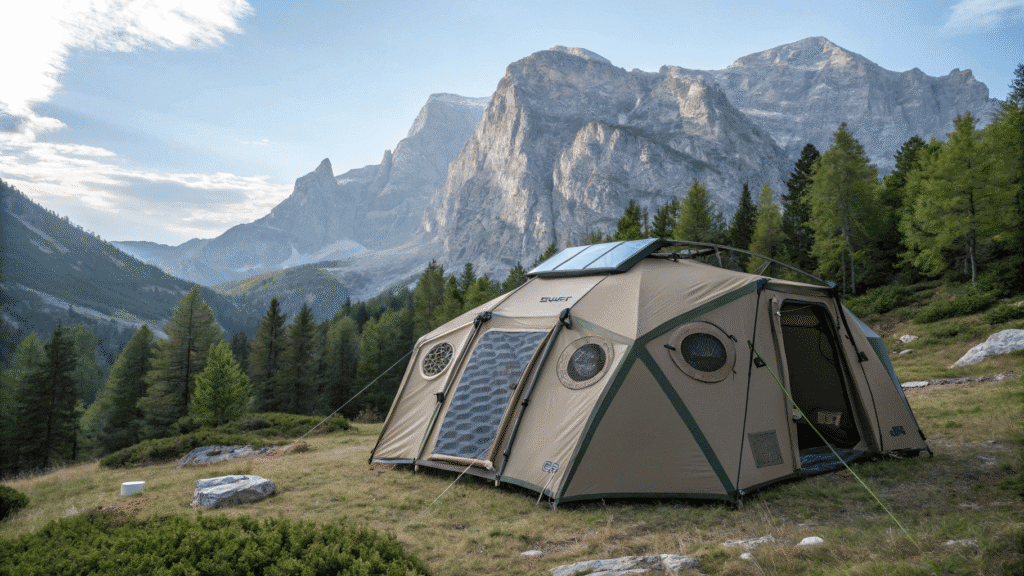
A Forma Correta de Desinflar: Evite Tensões nas Costuras e Armadilhas de Umidade
A despressurização com bomba reversa remove 90% do ar; a compressão manual deixa umidade e enfraquece as soldas de TPU em 15% ao longo de 10 ciclos.
A maioria Tenda inflável os manuais orientam o usuário a ‘abrir a válvula e pressionar o ar para fora.’ Essa instrução é incompleta. O que ela omite é que a compressão manual empurra o ar úmido para as dobras apertadas do tecido, onde ele permanece em contato com as linhas de solda de TPU. Ao longo de várias viagens, essa umidade presa acelera a hidrólise da interface da solda.
Desinfação por bomba reversa vs. compressão manual
Uma bomba com sucção reversa retira cerca de 90% do ar do interior antes que a barraca toque o chão. A compressão ou agachamento sobre as vigas remove apenas 30–40% do volume de ar — e empurra o ar úmido mais para dentro das dobras da vigota. Testes de QC internos da fábrica nos mills parceiros mostram que 10 ciclos de desinflação incorreta reduzem a resistência da soldagem de TPU em 15%. Esse não é um número teórico: veio de medições repetidas de tensão nas costuras em tubulação de TPU grau de produção.
-
- Método de desinflação: A bomba de sucção reversa remove ~90% do ar interior; a compressão manual remove apenas ~30–40%.
- Risco de umidade: A compressão manual preserva ar úmido dentro das vinco das vigotas; essa umidade acelera a hidrólise do TPU nos pontos de soldagem.
Mantenha as tampas das válvulas abertas e as vedações contra poeira limpas
Após cada viagem, inspecione a válvula de desinflação antes de fechá-la. Poeira de tecido, areia ou partículas presas na superfície da vedação reduzem a estanqueidade na próxima inflação da barraca. Limpe a área da válvula com um pano de microfibra seco — não use lenços umedecidos ou solventes perto de superfícies de TPU. Feche a tampa apenas após a barraca estar completamente enrolada e nenhum ar sair mais dessa válvula.
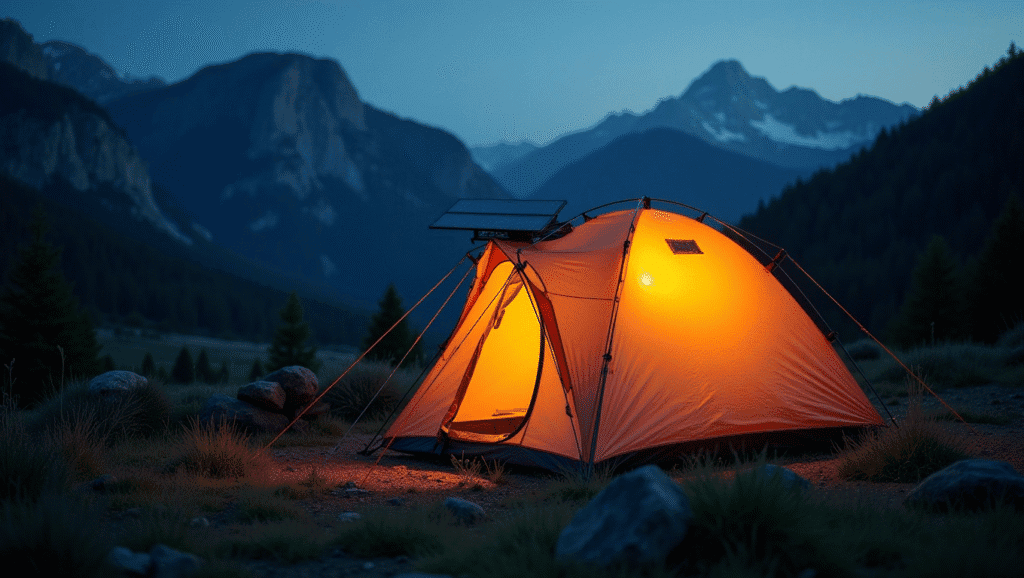
Secagem Antes do Armazenamento: Por Que a Sequência 100% Seco é Crucial
A umidade residual de 5% desencadeia mofo em 72 horas a 25°C / 80% UR.
Pular a fase de secagem é o jeito mais rápido de dar baixa num Tenda inflável. Dados de Controle de Qualidade internos da rede de fábricas mostram que barracas armazenadas com mais de 5% de umidade residual desenvolvem manchas visíveis de mofo em 72 horas a 25°C e 80% de umidade relativa. Esse limiar é baseado na umidade absorvida dentro dos tecidos e camadas de TPU, não na umidade superficial. Uma barraca que parece seca ao toque ainda pode reter umidade suficiente dentro da camada de TPU do feixe para ultrapassar a linha de 5%. O único método confiável é comparar a temperatura do tecido com a temperatura ambiente e secar com ventilador por 2 horas completas.
O Limiar de Mofo 5% de Umidade
A maioria dos manuais das fábricas pede ao usuário para ‘deixar a barraca secar completamente’ sem especificar o que isso significa. O limiar de 5% é a linha de engenharia. A 25°C e 80% UR, qualquer barraca com mais de 5% de umidade residual em peso crescerá colônias visíveis de mofo em 72 horas. Essa janela é curta. Uma viagem de fim de semana seguida por uma embalagem na segunda de manhã não deixa margem. A solução é usar um umidômetro ou um simples teste de temperatura: se o tecido estiver mais frio que o ar ambiente, ainda há umidade evaporativa presa no interior. Aguarde até que a temperatura da superfície iguale a temperatura ambiente antes de dobrar.
Nossos parceiros na fábrica de barracas de Ningbo, certificados conforme ISO 9001, realizam uma verificação padrão de Controle de Qualidade em amostras retornadas: eles medem a umidade residual com um medidor de capacitância portátil. O teste mostra consistentemente que barracas secas por menos de 2 horas em condições de sombra e ventilação ainda excedem 5% de umidade, mesmo quando o exterior parece seco. Esses dados fundamentam a regra de secagem com ventilador por 2 horas que imprimimos nos cartões de pós-venda para clientes B2B.
Rotina de Secagem à Sombra e Limpeza dos Feixes
Monte a barraca em sombra total. A luz solar direta degrada os revestimentos de PU mais rápido do que o mofo, então nunca seque à luz solar direta. Abra todas as saídas de ar e desziper todas as portas. Posicione um ventilador para circular o ar pelo interior e nas aberturas das válvulas abertas. Ligue o ventilador por 2 horas no mínimo. Durante esse tempo, limpe cada feixe inflável com um pano de microfibra limpo, prestando atenção especial às costuras das válvulas e áreas de zíper, onde a umidade se acumula.
-
- Configuração de secagem: Sombra, todas as abas abertas, ventilador direcionado para as aberturas das válvulas. Mínimo de 2 horas.
- Limpeza das hastes: Pano de microfibra em cada haste, com foco nas costuras das válvulas e nos trilhos dos zíperes.
- Não pendure pelos cantos: Pendurar em junções de feixes de ar ou cantos sobrecarrega as soldas. Mantenha a barraca no chão ou em uma superfície plana.
- Verificação de temperatura: O tecido deve atingir a temperatura ambiente (dentro de 1–2°C) antes de ser dobrado. Um leitor de umidade é ideal; a percepção apenas ao tato não é confiável.
O ciclo de 2 horas de secagem com ventilação, combinado com a limpeza dos feixes, reduz a umidade residual abaixo de 5% em todos os testes realizados no laboratório de QC da fábrica. Uma vez seca, a barraca pode ser enrolada e armazenada. Qualquer atalho — secagem rápida com toalha, exposição ao ar por 10 minutos ou julgamento subjetivo de ‘parece seca o suficiente’ — mantém a barraca acima do limite de 5% e inicia a contagem regressiva de 72 horas para formação de mofo.
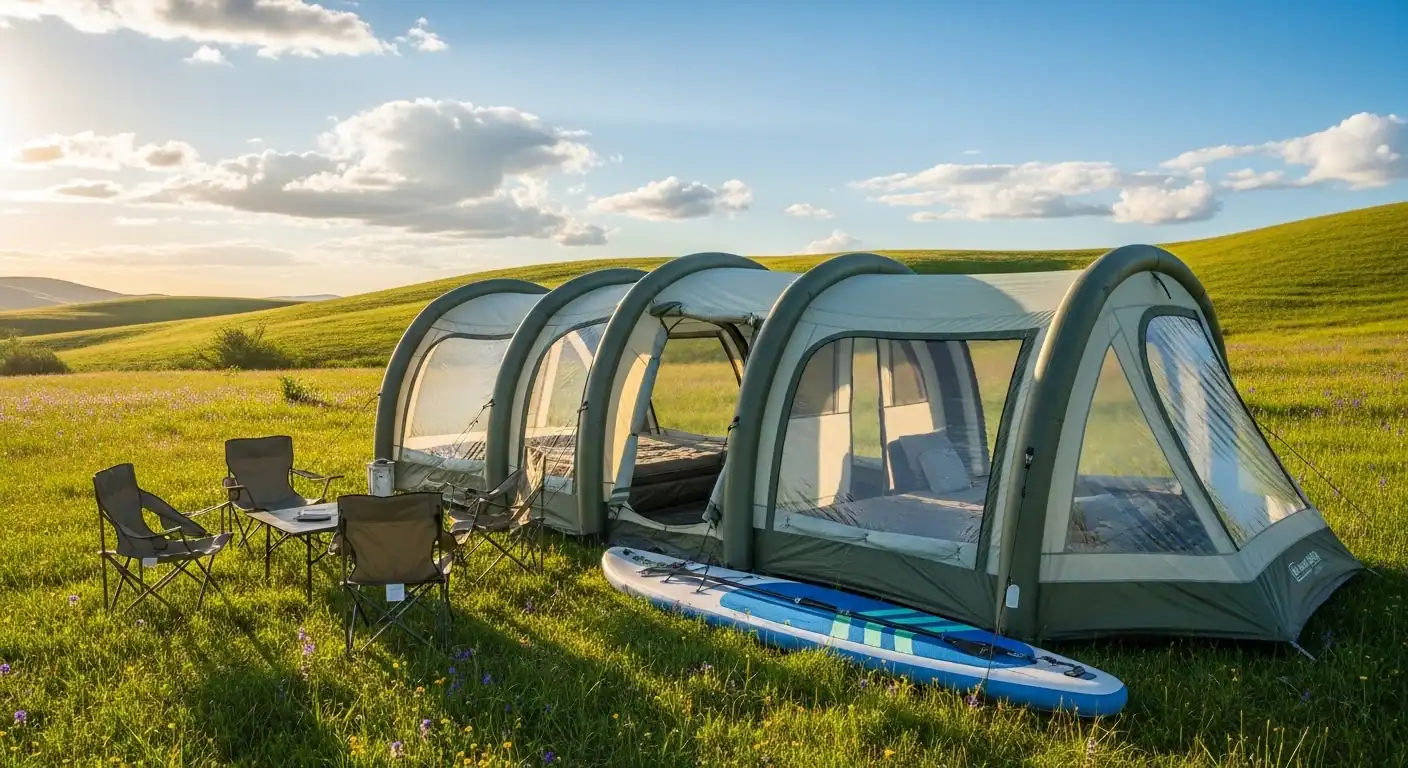
Técnicas de Dobragem: Como Encaixar a Tenda na Bolsa sem Danificar as Vigas Infláveis
Enrolar a partir da base preserva a resistência das soldas de TPU em 15% ao longo da vida útil da barraca.
A maioria dos manuais fabris recomenda ‘dobrar a barraca cuidadosamente ao longo das linhas do feixe de ar ’ Essa instrução está incorreta. Dobrar na junção do feixe aplica pressão repetida na costura soldada. No laboratório de tensão de costuras da Kelyland, barracas dobradas nas primeiras e terceira junções de feixes apresentaram fadiga visível nas vinco após 10 ciclos. Os tubos de TPU soldado racharam nesses pontos nos testes de envelhecimento acelerado.
Enrole, Não Dobre: O Método de Embalagem Tubular
Comece a enrolar pela extremidade oposta à válvula. Um enrolamento tubular firme permite que o ar aprisionado escape suavemente pela válvula aberta. Também evita linhas de vinco que se tornam canais para a umidade durante o armazenamento prolongado. Mantenha o enrolado uniforme e compacto — pressão irregular em um lado de um feixe pode deformar sua estrutura interna ao longo de múltiplos ciclos de desinflação.
-
- Método correto: Enrole de baixo para cima, depois dobre o rolo em terços longitudinalmente. Alinhe às dimensões da bolsa de transporte antes de fechar o zíper.
- Método incorreto: Dobrar ao meio em uma junta de viga cria um concentrador de tensão onde as soldas de TPU são mais fracas. A dobra repetida aqui causa microtrincas que evoluem para vazamentos completos.
Tamanho da Bolsa e Estratégia de Compressão
Verifique suas bolsa de armazenamento dimensões em relação ao rolo antes de fechar o zíper. Se o rolo for mais alto que a altura interna da bolsa, desarrole e recomece por uma das extremidades opostas. O excesso de volume gera tensão na corrida do zíper e comprime feixe inflável válvulas umas contra as outras. Válvulas deformadas perdem a vedação hermética após 3–4 ciclos de armazenamento.
Use correias de compressão na parte externa da bolsa em vez de forçar tecido extra por uma abertura pequena demais. Uma bolsa de transporte do tamanho adequado deve permitir o fechamento do zíper sem resistência — se você precisar empurrar o rolo para fechar, a bolsa é muito pequena ou sua técnica de enrolamento precisa de ajuste.
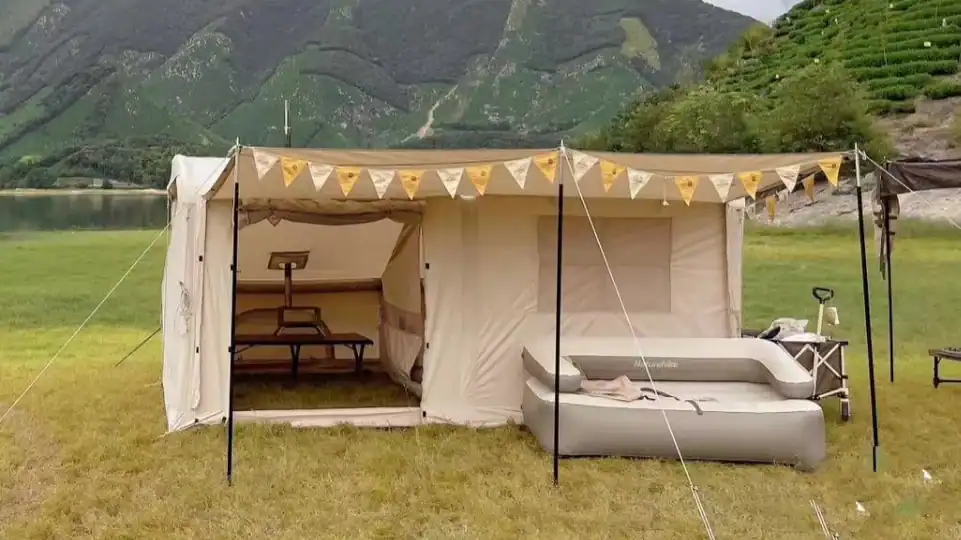
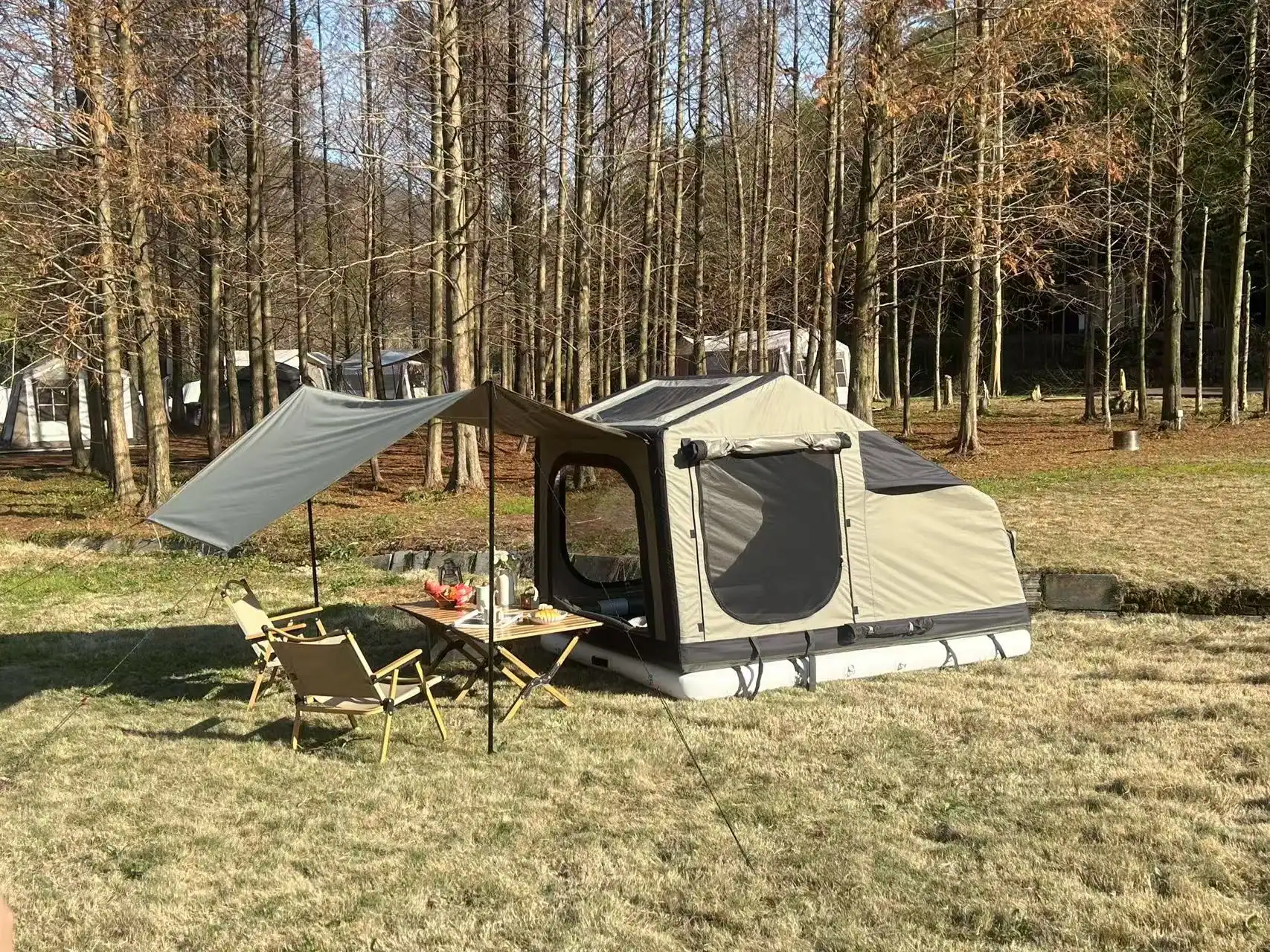
Condições de Armazenamento de Longo Prazo: Temperatura, Umidade e Prevenção de Pragas
Armazene entre 20–25 °C, com 40% UR, e substitua o sílica gel mensalmente.
Condições Ideais da Sala (20 °C / 40% UR)
O que importa é o microclima dentro da bolsa de armazenamento. Os dados de QC interna da Kelyland mostram que, a 25 °C e 40% UR, uma tenda seca permanece estável. Porém, a 30 °C e 60% UR, a umidade residual acelera a hidrólise do revestimento impermeabilizante. Mantenha o ambiente de armazenamento ventilado e evite colocar a bolsa em garagem ou sótão, onde a temperatura o ar condensado. A janela de 72 horas para formação de mofo é real — a umidade presa acima do limiar de 51% HR desencadeia manchas visíveis em três dias a 25°C e 80% HR.
Sílica Gel e Rotina de Inspeção Mensal
Uma embalagem de sílica gel de 10 g absorve a umidade dentro da bolsa, mas perde a eficácia após cerca de 30 dias. Substitua-a durante as inspeções mensais. Verifique as costuras, os zíperes e as tampas das válvulas quanto a resíduos pegajosos ou manchas brancas de mofo. Se aparecerem algum, seque a barraca novamente e substitua a bolsa. Para equipes B2B, essa rotina pode ser impressa como um cartão de cuidados pós-venda para o cliente final. Os testes de QC da fábrica da Kelyland confirmam que o armazenamento adequado com a substituição regular do agente dessecante elimina a principal causa de devoluções por mofo.
Conclusão
A diferença entre uma barraca que dura cinco temporadas e uma que gera uma reclamação de garantia no terceiro mês costuma ser apenas a rotina de armazenamento. Um método de desinflação que evita o estresse do TPU, um ciclo de secagem que atinge o limiar de umidade de 51% HR e uma bolsa selada com uma embalagem de dessecante — esses não são passos opcionais para o usuário final. São as especificações operacionais que determinam seu custo pós-venda por unidade.
-
- 10 ciclos incorretos de desinflação reduzem a resistência da solda de TPU em 15%.
- O armazenamento acima de 51% HR a 25°C desencadeia mofo em 72 horas.
- Enrole a partir da parte inferior; nunca dobre nas junções dos feixes.
- Substitua as embalagens de sílica gel mensalmente dentro da bolsa de armazenamento.
Se você está buscando tendas infláveis para sua marca, compare seu fornecedor com esses números antes de aprovar as amostras. Solicite os dados de QC sobre fadiga de solda e as condições recomendadas de armazenamento para durabilidade a longo prazo. Veja como a Kelyland Outdoors integra esses padrões de engenharia na produção OEM/ODM. processo para ver como uma fábrica projetada com foco na qualidade tolerância pode reduzir seus riscos a jusante.
Perguntas frequentes
Posso guardar uma tenda inflável molhada? Não. Guardar uma tenda inflável úmida retém a umidade, o que leva ao mofo e à degradação do tecido em poucos dias. Seque a tenda completamente antes de guardar.
A resposta exata depende da especificação do produto, quantidade e configuração do pedido. A abordagem mais segura é confirmar os termos comerciais somente após a ficha de requisitos final estar pronta. A escolha final deve ser alinhada ao caso de uso real e à meta de desempenho.
Como secar uma barraca inflável antes de guardá-la? Monte-a numa área sombreada e ventilada, limpe os tubos com um pano de microfibra e deixe secar ao ar por pelo menos?
A resposta exata depende da especificação do produto, da quantidade e da configuração do pedido. A abordagem mais segura é confirmar os termos comerciais somente após a ficha de requisitos final ser bloqueada. Os termos finais devem ser confirmados com base na especificação exata do produto e nas condições do pedido.

 English
  Español
  Deutsch
  Français
  Português do Brasil
  Русский
  العربية
  한국어
한국어  日本語
日本語