 Ir para o conteúdo
Duas barracas em um piso de exposição podem parecer idênticas, mas a decisão entre beams de ar e varetas explica uma diferença de custo de 30% entre elas. Esse markup extra não é cosmético. Ele representa uma lista de materiais diferente, um processo de fabricação diferente e uma abordagem distinta para reparos em campo e reclamações de garantia. Um comprador que já teve problemas em um pedido $50K porque a amostra pré-produção não correspondeu ao lote de produção em massa sabe exatamente por que essas escolhas estruturais merecem análise crítica antes da aprovação da amostra.
Do ponto de vista do procurement, os dois designs falham de maneiras muito diferentes. Uma barraca com vareta falha na vareta e nos costados das bainhas; uma barraca inflável falha na solda das costuras e na válvula. Essa diferença ditam como você lida com peças de reposição, termos de garantia e até mesmo a estratégia de embalagem.
A construção com air beam normalmente adiciona 15-30% ao custo de fabricação devido à soldagem de tubos TPU e equipamentos de selagem por alta frequência. Mas a lista de materiais para varetas e ferragens compensa parte dessa lacuna em grande escala. Ao comparar preços FOB, certifique-se de que a estrutura seja a variável real — não um upgrade de tecido ou uma tolerância de qualidade mais frouxa.
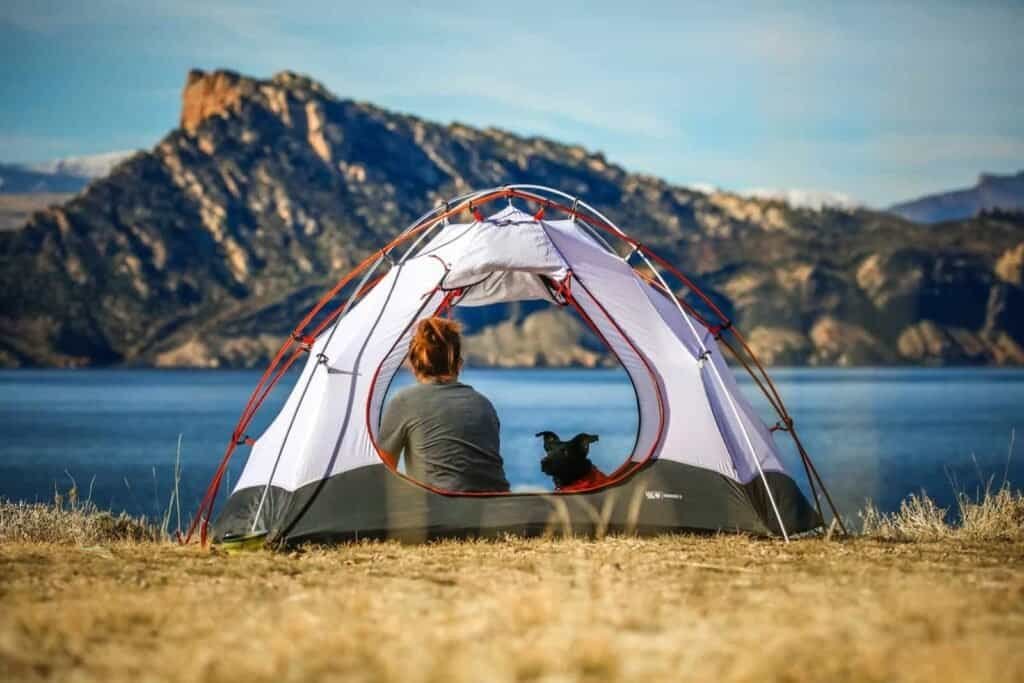
Por que o Debate Air Beam vs Vareta Importa
A escolha da estrutura define seu custo de envio, reclamações de garantia e como os clientes avaliam a barraca nos primeiros 10 minutos.
A maioria das checklists de sourcing de barracas parece completa: denier do tecido, resistência hidrostática, marca do zíper, espessura do piso. A linha que a maioria dos gestores de marca ignora é a estrutura em si — air beam ou vareta. Essa decisão determina como seu produto é embalado, onde falha e quais reclamações de garantia você assume. Uma amostra pré-produção impecável ainda pode esconder problemas que surgem depois que 500 unidades chegam ao varejo.
Barracas com vareta desmontam em pacotes compactos porque os segmentos são divididos e empilhados lado a lado com o tecido. Mais caixas por container, menor frete por unidade. Barracas com air beam embalam mais planas, mas exigem uma bomba, e o tubo deflacionado não pode ser dobrado repetidamente na mesma dobra sem estressar a solda TPU. Para uma marca que movimenta milhares de unidades por temporada, essa diferença de volume altera do preço FOB.
-
- Barracas com vareta: Varetas segmentadas de fibra de vidro ou alumínio se agrupam em uma bolsa de transporte curta. A queixa frequente durante o trânsito é uma ponta de vareta perfurando o saco de transporte — extremidades reforçadas e uma placa rígida na base resolvem isso.
- Barracas com air beam: Os tubos desinflem completamente, mas a caixa da válvula e a bomba acrescentam volume. O empilhamento elevado em paletes pode exercer pressão sustentada na área dobrada da válvula e deformar a vedação ao longo do tempo.
Expectativas do consumidor: velocidade de montagem versus facilidade de reparo
O cliente varejista forma uma opinião nos primeiros cinco minutos após abrir a caixa. Barracas infláveis com sistema de câmaras múltiplas são montadas com uma mão e exigem menos força de preensão — uma vantagem real para acampadores mais velhos e usuários de glamping. Barracas com varetas exigem alinhamento dos segmentos e inserção nas bainhas, o que propicia erros do usuário às 20h, no escuro. Porém, quando algo quebra, a facilidade de reparo inverte a decisão.
Falhas em varetas são mecânicas: segmento de fibra de vidro trincado ou bainha rasgada. Ambos são baratos de reparar, às vezes até no local. Falhas em vigas infláveis ocorrem na solda da costura ou na válvula — requerendo kit de reparo ou serviço da fábrica. Os custos de reparo de barracas com varetas permanecem baixos; o custo de fabricação de barracas infláveis é 15-30% superior devido à soldagem de tubos TPU/PVC e equipamentos de selagem por alta frequência. A rede central da Kelyland, composta por 17 fábricas estratégicas — a maioria certificada ISO 9001:2015 — compartilha relatórios de teste de solda e inspeção de costura antes de você definir a estrutura.
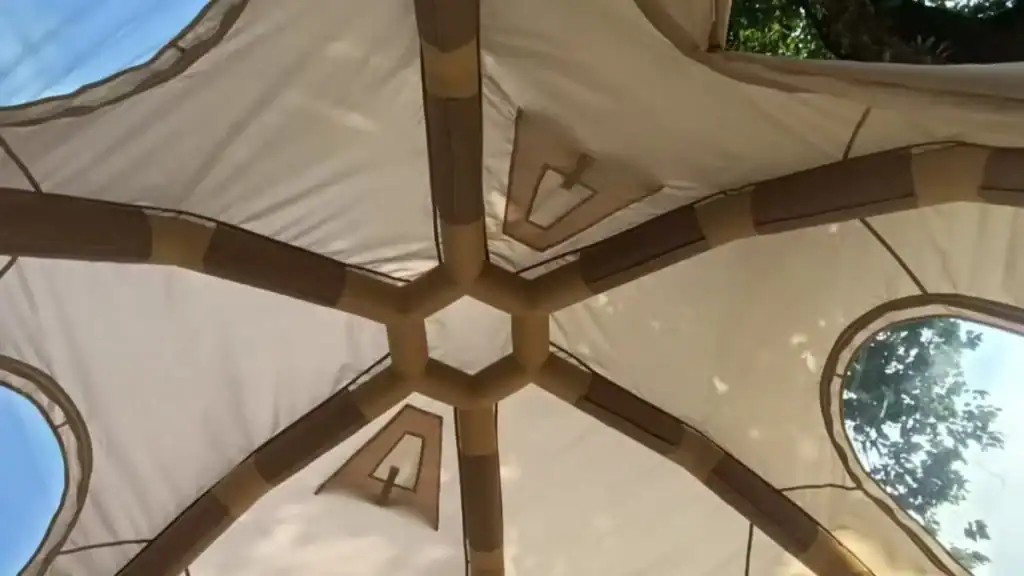
Comparação Lado a Lado
Barracas com varetas vencem em reparabilidade e custo.
Para um gerente de marca que desenvolve uma linha de barracas private label, a escolha entre viga inflável e vareta não é um debate de campground. A estrutura dita a embalagem, os termos de garantia, a estratégia de peças sobressalentes e qual fábrica pode, realisticamente, fazer um orçamento para a linha. Barracas com varetas continuam sendo a opção padrão para linhas de trekking e foco em valor; barracas com vigas infláveis justificam o preço mais alto quando a velocidade de montagem e o comportamento ao vento são mais importantes do que o pesopacked.
Tempo de montagem e erro do usuário
Este é o argumento mais forte a favor das vigas infláveis. Um sistema de inflação de múltiplas câmaras é montado com uma mão e permanece em pé mesmo se uma câmara perder pressão. Acampadores mais velhos e usuários solitários não precisam combinar varetas com bainhas sob vento e chuva. Com barracas de vareta, uma vareta quebrada ou uma bainha rasgada durante a montagem derruba toda a barraca.
Tamanho e peso packed
Barracas com varetas packed ficam mais longas e finas; vigas infláveis packed ficam mais curtas, porém mais pesadas, pois o material do tubo e a bomba acompanham a barraca. Para linhas de backcountry e trekking, o peso packed inviabiliza a opção inflável. Para car camping e glamping, o comprimentopacked mais curto frequentemente cabe melhor no porta-malas e importa mais do que o quilo adicional.
Resistência ao vento e estabilidade
Vigas infláveis flexionam sob rajadas e retornam à forma, o que lhes confere vantagem genuína em acampamentos abertos e expostos. Barracas com varetas transferem a carga do vento diretamente para as varetas e pontos de estaca, de modo que uma vareta comprometida pode colapsar uma parede ou painel do teto. Estruturas infláveis de múltiplas câmaras adicionam redundância: uma perfuração única não derraça a barraca inteira.
Custos de reparo e reposição
Construa sua garantia em torno do ponto de falha adequado. Barracas com varetas falham na vareta e na costura da bainha; seções de vareta de reposição são baratas para manter em estoque e simples para o cliente trocar. Barracas infláveis falham na solda da costura ou na válvula, e o reparo de tubos TPU/PVC requer soldagem por solvente ou substituição do tubo. É por isso que os custos de reparo de barracas com varetas permanecem baixos e por que as peças sobressalentes de vigas infláveis exigem um inventário pré-planejado.
Prazo de fabricação e limites de personalização
As tendas com câmara de ar normalmente custam 15 a 30% a mais para fabricar do que as tendas com varas equivalentes, devido à soldagem dos tubos de TPU/PVC e ao equipamento de selagem por alta frequência. Esse processo também reduz o número de fornecedores disponíveis e eleva os requisitos mínimos de pedido. As tendas com varas são construídas com mangas, hastes e varos de fibra de vidro ou alumínio, por isso mais fábricas conseguem cotá-las e formas personalizadas são mais fáceis de desenvolver.
Em Kelyland Outdoors, a fábrica central de tendas em Ningbo possui certificação ISO 9001:2015 e produz 800.000 tendas por ano, portanto ambos os modelos passam pelo mesmo sistema de controle de qualidade. O prazo padrão de produção é de 30 a 45 dias e, embora os mínimos variem conforme o produto, alguns itens podem começar a partir de 50 a 100 unidades para um primeiro lote pequeno.
-
- Escolha tendas com varas se: sua linha atender a mochileiros, varejistas sensíveis a preço ou compradores que esperam equipamentos reparáveis em campo.
- Escolha tendas com câmara de ar se: seus clientes acampam em família, valorizam instalação rápida e estão dispostos a pagar mais por uma estrutura estável em campos abertos.
| Recurso | Tenda com Câmara de Ar | Pole Tent | Considerações sobre a Marca |
|---|---|---|---|
| Tempo de Instalação & Erro do Usuário | 10–20 min com bomba; sistemas multi câmara são montados com segurança com uma mão | 15–30 min; maior risco de desalinhamento dos varos e quebras causadas pelo usuário | As câmaras de ar reduzem reclamações em campo e são mais fáceis para campers mais antigos |
| Tamanho e Peso Dobrados | Os tubos aumentam volume e peso; requerem bomba separada ou sistema integrado de inflação | Os varos e mangas permitem menor volume dobrado; geralmente mais leves para capacidade equivalente | Tendas de varas são melhores para trilhas; air beams atendem compradores familiares e de glamping |
| Primary Failure Point | Costura soldada e montagem da válvula são os pontos mais frágeis | Seções de vara e costura das bainhas falham com mais frequência | Estruture a garantia e os programas de peças sobresselentes com base nesses modos específicos de falha |
| Custo de Reparo e Substituição | Câmaras de ar de reposição são caras; reparos em campo exigem kits de remendos ou selantes | Varas de reposição são baratas e amplamente disponíveis; o reparo por manga é de baixo custo | Barracas com varas reduzem despesas pós-venda; as vigas de ar justificam preços premium para cobrir o risco de reparo |
| Resistência ao Vento & Estabilidade | Estrutura flexível absorve rajadas, mas pode deformar-se sob vento forte sustentado | Estrutura rígida oferece forma previsível; as varas podem entortar ou quebrar sob carga extrema | Adeque a estrutura às alegações climáticas alvo e às promessas de marketing no varejo |
| Custo de fabricação | 15–30% mais caro que barracas de varas equivalentes devido à soldagem de tubos TPU/PVC e equipamentos de selagem por alta frequência | Menor custo de conversão de material; BOM de varas de fibra de vidro ou alumínio compensa economias de escala | O prêmio das vigas de ar deve ser refletido no preço de varejo; barracas de varas oferecem custo estabelecido mais enxuto |
| Prazo de Fabricação & Personalização | Maior tempo de produção; comprimentos personalizados de tubos e posicionamento de válvulas limitam iterações de design | Prazo padrão de 30–45 dias; mais simples modificar geometria de varas e layout de mangas | Barracas de varas oferecem amostragem mais rápida e atualização de design em meio à temporada mais fácil |
| Impactos do MOQ | As linhas de soldagem de alta frequência exigem lotes maiores; os MOQs tipicamente começam em 300–500 unidades | Alguns modelos podem começar com 50–100 peças, ideais para testar novos SKUs de marca própria | Empreendedores de e-commerce com capital limitado podem lançar primeiro com tendas de haste rígida |
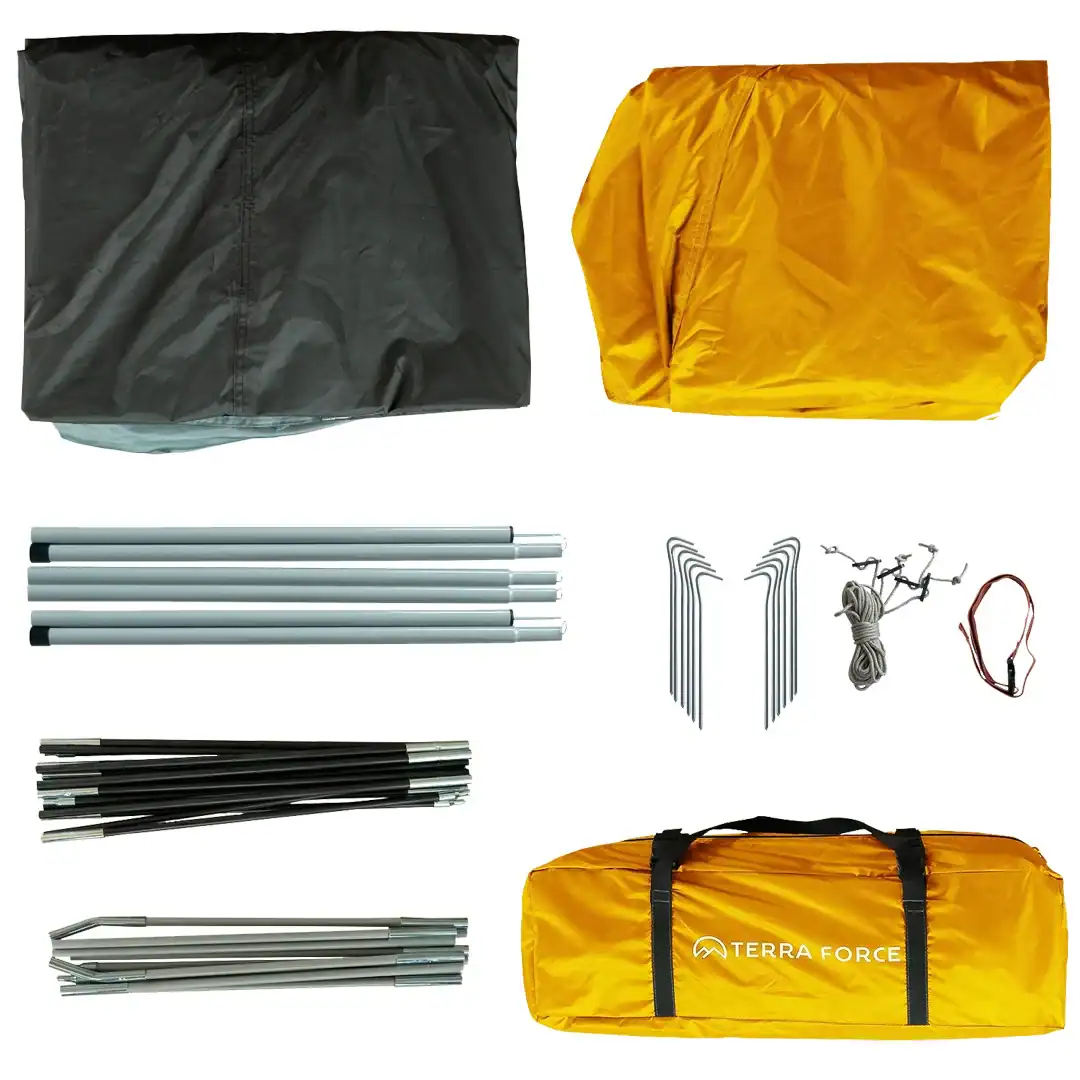
Quanto Custa Construir Cada Tipo
Os air beams custam 15-30% a mais para fabricar, mas a ferragem de hastes reduz essa diferença quando o volume aumenta.
O prêmio de fabricação de 15-30% para tendas air beam é real, mas não é motivo para desistir. Esse custo extra está em lugares específicos: material do tubo TPU/PVC, soldagem de alta frequência e válvulas. Quando você vê exatamente para onde vai o dinheiro, a decisão entre air beam e haste torna-se uma questão de posicionamento, não uma simples verificação de preço.
Custos de material: tubos de ar vs. hastes de fibra de vidro e alumínio
A estrutura de uma tenda de haste é um conjunto de segmentos de fibra de vidro ou alumínio, corda de choque e bainhas de haste costuradas no corpo. Uma tenda air beam substitui tudo isso por tubos de tecido revestido, válvulas de ar e uma bomba. O material do tubo e a ferragem das válvulas custam mais por tenda, e os lotes curtos desperdiçam uma fatia maior do rolo de filme TPU/PVC.
-
-
- Composição (BOM) de tendas air beam: Tecido de tubo revestido TPU/PVC, construção de costura soldada, válvulas, bomba e coletor de múltiplas câmaras.
- Composição (BOM) de tendas de haste: Segmentos de fibra de vidro ou alumínio, corda de choque, bainhas de haste, grampos e ferragens de escora.
- Efeito de escala: A ferragem de hastes se mantém fixa por unidade; o custo unitário do air beam cai quando o equipamento de selagem de alta frequência é amortizado ao longo de uma produção mais longa.
-
Mão de obra: soldagem vs. bainhas e escoras
Soldar um tubo de TPU exige equipamento de selagem de alta frequência e operadores que entendam temperatura, pressão e tempo de retenção. Uma solda ruim não aparece na primeira fase de inflação — ela falha após o uso repetido, o que resulta em reclamações de garantia e custo de peças de reposição. Costurar bainhas de haste e fixar escoras é um trabalho mais convencional de fábrica de tendas, mas adiciona etapas de montagem em toda a linha.
A fábrica de tendas em Ningbo na rede de parceiros da Kelyland produz 800.000 tendas por ano sob certificação ISO 9001:2015. Esse volume é decisivo. Linhas de soldagem precisam de demanda consistente para manter rentabilidade, por isso um fornecedor que já opera com tubos infláveis pode cotar preço unitário mais competitivo do que aquele que está se preparando para sua primeira ordem.
Implicações do MOQ para marcas private label
A produção padrão na rede da Kelyland geralmente opera com 300 a 1.000 peças, e alguns itens começam em 50-100 peças quando o design já possui ferramental pronto. Tendas com varas podem entrar na faixa inferior desse intervalo. Programas com tubo inflável ficam mais próximos de 300-1.000 peças, pois a configuração de soldagem e os mínimos de rolos de filme tornam lotes curtos desproporcionalmente caros.
-
- Escolha tubo inflável quando: Você está construindo uma linha glamping ou familiar, onde velocidade de montagem e implantação com uma mão justificam um custo final 15-30% mais alto.
- Escolha pólo se: Você precisa de um MOQ de entrada mais baixo, custos de reparo mais simples para o cliente final e um ponto de preço mais apertado para a primeira execução.
| Fator de custo | Tenda com Câmara de Ar | Pole Tent | Implicação de Fornecimento |
|---|---|---|---|
| Custos de material | Tubos TPU/PVC, costuras soldadas por alta frequência e válvulas multicompartimento; matérias-primas premium elevam o custo de fabricação de tendas infláveis em 15-30% versus modelos equivalentes com vara | Varas de fibra de vidro ou alumínio, bainhas de vara, cubos e escoras; materiais de mercado com menor custo unitário, embora o hardware de vara reduza a diferença em escala | Soldagem de tubo TPU versus sourcing de vara de fibra de vidro: tubo inflável favorece fornecedores com linhas de soldagem especializadas; tendas com vara são mais fáceis de cotar entre múltiplas fábricas |
| Custos de mão de obra | Requer operadores qualificados para soldagem TPU e equipamentos de selagem por alta frequência; mais horas de produção por unidade e limites mais rigorosos de controle de qualidade | Costura padrão de bainhas de vara, escoras e reforços; mão de obra amplamente disponível mantém o custo de montagem mais baixo e a produção mais rápida | O conteúdo de mão de obra em tubo inflável é um motor de custo oculto; verifique o protocolo de teste de soldagem da fábrica antes da amostragem para evitar inconsistência no lote |
| Requisitos de MOQ | Requisitos de MOQ para tendas com tubo inflável geralmente começam em 300-500 peças devido a ferramental dedicado, dispositivos de selagem e investimento em moldes de compartimento | MOQs mais flexíveis; itens selecionados podem começar com 50-100 peças, tornando as tendas de paus a opção de menor risco para testar sua marca privada | Se sua marca precisa de validação em pequenos lotes, as tendas de paus oferecem um caminho mais rápido; as tendas de feixe de ar são SKUs estabelecidos com volume comprometido |
| Reparação e Substituição | Ponto de falha é a solda da costura e da válvula; reparos exigem câmaras de reposição ou kits de adesivo grau fábrica, aumentando a complexidade da estratégia de evitação de custos de reparo de barraca de pólo | Ponto de falha é a costura do pólo e da bainha do pólo; pólos e bainhas de reposição são de baixo custo e podem ser substituídos em campo pelos usuários finais | Estratégia de garantia de design ao redor da estrutura: sistemas de ar multi-câmara para redundância vs. conjuntos de pólo sobressalentes e costuras reforçadas para pólos |
| Consistência de Qualidade | A consistência depende da integridade da solda, vedação da válvula e testes de retenção de ar; plantas certificadas ISO 9001 com registros de teste de pressão são essenciais | A consistência depende da tolerância de costura, espessura da parede do pólo e ajuste da bainha; mais simples de inspecionar com pontos de verificação padrão de fábrica | Uma comparação de estrutura de barraca de marca privada deve incluir checklists de inspeção por lote, especialmente para soldas de costura em vigas de ar e pontos de tensão em bainhas de pólo |
Qual Escolha se Adequa à Sua Marca
Viga de ar adequa-se a glamping e aluguel; pólos ainda vencem para trekking.
A estrutura certa depende de quem é seu cliente final e onde sua margem sobrevive após frete, devoluções e reivindicações de garantia. Para a maioria das comparações de estrutura de barraca de marca privada, o fator decisivo não é a facilidade de configuração no papel — é o perfil de falha. Vigas de ar e pólos falham de forma diferente, então seu plano pós-venda deve corresponder à estrutura que você escolher.
Marcas de Glamping Familiar
Marcas de glamping familiar devem optar por viga de ar. Barracas infláveis multi-câmara montam em minutos com uma mão, o que importa quando o comprador é um casal ou família com zero paciência técnica. O maior custo de fabricação de barraca inflável — tipicamente 15-30% a mais que um equivalente com pólo — é recuperável no varejo porque clientes de glamping pagam por conforto e conveniência, não pelo peso empacotado. A fábrica de barraca de glamping da Kelyland em Shaoxing, Zhejiang produz 300.000 unidades anualmente, então a capacidade para execuções de marca personalizada é comprovada.
-
-
- Melhoria escolhida: Barracas de glamping com viga de ar em estilos campana ou iurte com sistemas de estrutura multi-câmara.
- Por quê: A configuração com uma única bomba elimina erro do usuário e o alto valor percebido suporta um preço premium.
- Fique atento: Treine os clientes sobre a solda das costuras e a manutenção das válvulas; os tubos de reposição devem ser fáceis de solicitar.
-
Marcas de Trekking e Backpacking
As marcas de trekking e backpacking devem continuar apostando nas varas, pelo menos por enquanto. Os sistemas de feixe pneumático ainda não conseguem igualar o peso compactado nem a capacidade de reparo em campo de um bom conjunto de varas de alumínio. Uma vara quebrada pode ser imobilizada com uma manga de reparo; já um tubo pneumático perfurado encerra a viagem, a menos que o caminhante leve um reserva. A fábrica de barracas camping parceira da Kelyland, localizada em Ningbo, produz 800.000 tendas por ano com opções de estrutura que vão da fibra de vidro à fibra de carbono, garantindo amplo apoio noourcing de tendas com varas.
-
-
- Melhoria escolhida: Tendas com varas de alumínio 7075 ou fibra de carbono para linhas de trekking com foco em redução de peso.
- Por quê: As varas ocupam menos espaço, são reparáveis em campo e a costura das mangas representa um checkpoint de QC direto.
- Fique atento: A costura das mangas das varas é o primeiro ponto de falha — especifique reforço com costura bar-tack em todos os pontos de tensão.
-
Empresas de Locação de Eventos
Empresas de locação de eventos enfrentam um trade-off diferente. Tendas de locação são montadas e desmontadas dezenas de vezes por temporada, então a velocidade de instalação e a geometria consistente da montagem reduzem diretamente os custos de mão de obra. Os feixes pneumáticos vencem em velocidade, mas o ponto de falha migra para a válvula e a solda das costuras. As tendas com varas custam menos por unidade, porém o desgaste das varas e das mangas eleva os gastos com manutenção ao longo dos anos de ciclos de locação. Além disso, os requisitos de MOQ para tendas com feixe pneumático tendem a ser mais elevados, pois a soldagem dos tubos de TPU exige equipamentos dedicados.
-
- Melhoria escolhida: Feixe pneumático para eventos de alta rotatividade; tendas com varas para locações sazonais com foco no custo-benefício.
- Por quê: Os feixes pneumáticos reduzem a mão de obra de instalação e erros de montagem; as varas custam menos por unidade e são mais fáceis de reparar no local.
- Fique atento: Sistemas com múltiplas câmaras precisam ter tubos reserva disponíveis. Verifique a qualidade das válvulas antes de fechar um pedido em grande volume.
-
- Escolha tubo inflável quando: Sua marca vende camping familiar focado em conforto ou frotas de locação, onde a rapidez de montagem impulsiona as recompras.
- Escolha pólo se: Sua linha atende trekker, backpacker ou compradores sazonais sensíveis ao preço, que valorizam a reparabilidade, o menor custo unitário e a custos gerenciáveis de reparo de tendas com varas.
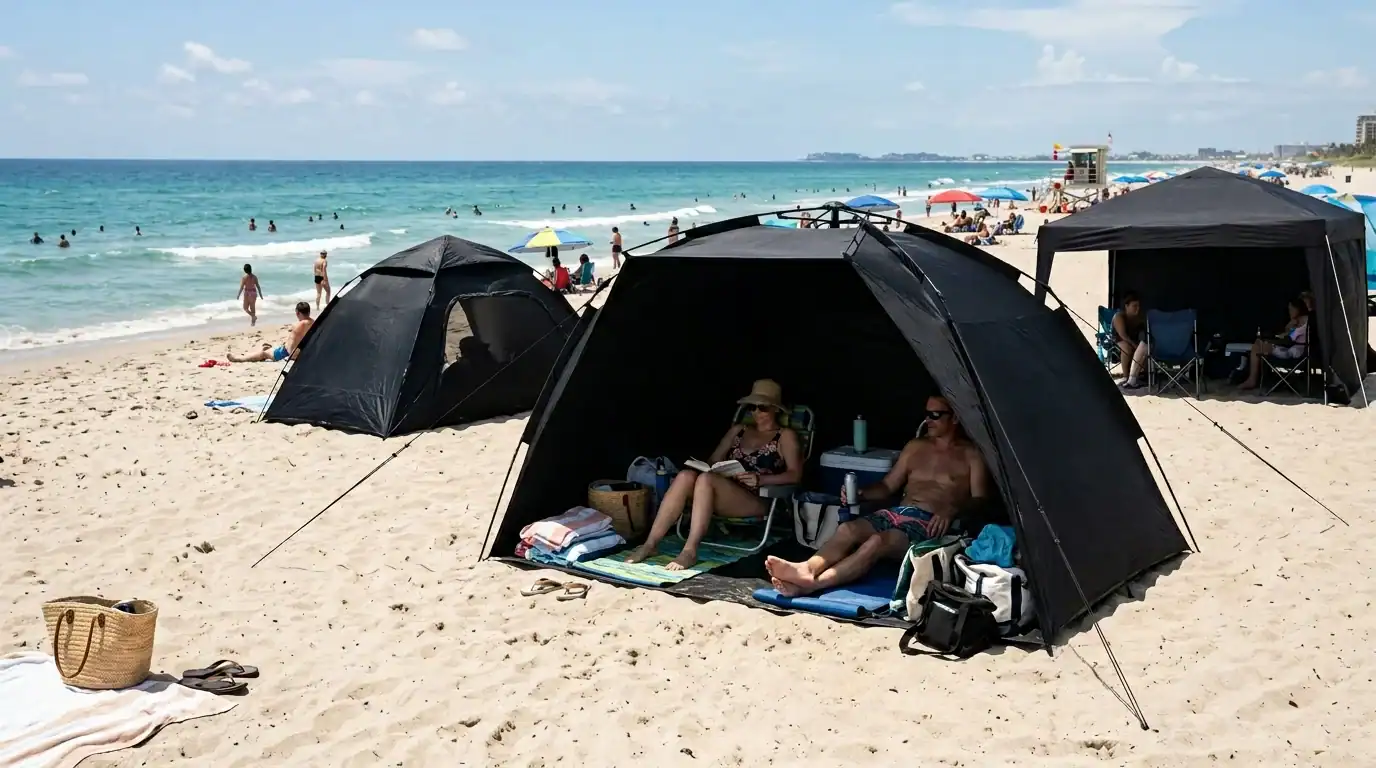
Como um Fornecedor One-Stop Ajuda com Qualquer Design
A revisão do protótipo decide a maior parte do resultado.
A vantagem central de um parceiro de sourcing é que a mesma equipa gerencia ambas as estruturas. Para tendas com hastes, o detalhe de engenharia reside nas curvaturas das hastes, no reforço das passantes e nos pontos de fixação dos cabos. Para tendas com infláveis, reside no tipo de tubo, na largura da solda e na localização das válvulas. Cada design exige um conjunto diferente de competências fabris, e um parceiro com fábricas dedicadas a tendas consegue alternar entre elas sem perder qualidade.
A Prototipagem Interna Começa pela Amostra
A maioria dos pedidos com falha remonta a um protótipo aprovado demasiado cedo. O processo interno da Kelyland Outdoors divide-se em 10 etapas, desde a recolha de necessidades até ao apoio pós-venda. A aprovação da amostra situa-se entre o design e a produção em massa. O cliente analisa um protótipo físico, não uma renderização. É neste momento que se verificam a selagem das costuras, o alinhamento dos cursores e a tensão das passantes das hastes.
Para tendas com hastes, o protótipo revela pontos fracos na costura das passantes. Para tendas com infláveis, revela as soldas das juntas e a estanquicidade das válvulas. Um sistema inflável com múltiplas câmaras deve ser inflado e desinflamado várias vezes durante a análise para detetar a fluência dos materiais. Uma única verificação visual sobre uma mesa não é suficiente.
OEM e ODM Convergem para o Mesmo Ponto
A Kelyland Outdoors trata OEM e ODM como faixas distintas. Um projeto OEM inicia-se com os seus desenhos e especificação de materiais. Um projeto ODM inicia-se com um breve e o fornecedor propõe o conceito. Ambas as faixas terminam com o mesmo entregável: uma amostra aprovada que corresponde à produção em massa.
-
- Rota OEM: A marca controla a folha de especificações, a seleção dos tecidos e a arte final da impressão. O fornecedor gere a documentação de engenharia, o modelismo e a construção do protótipo.
- Rota ODM: O fornecedor propõe o design completo e constrói um protótipo funcional para um ciclo de feedback. Isto adequa-se a marcas que precisam de um lançamento mais rápido.
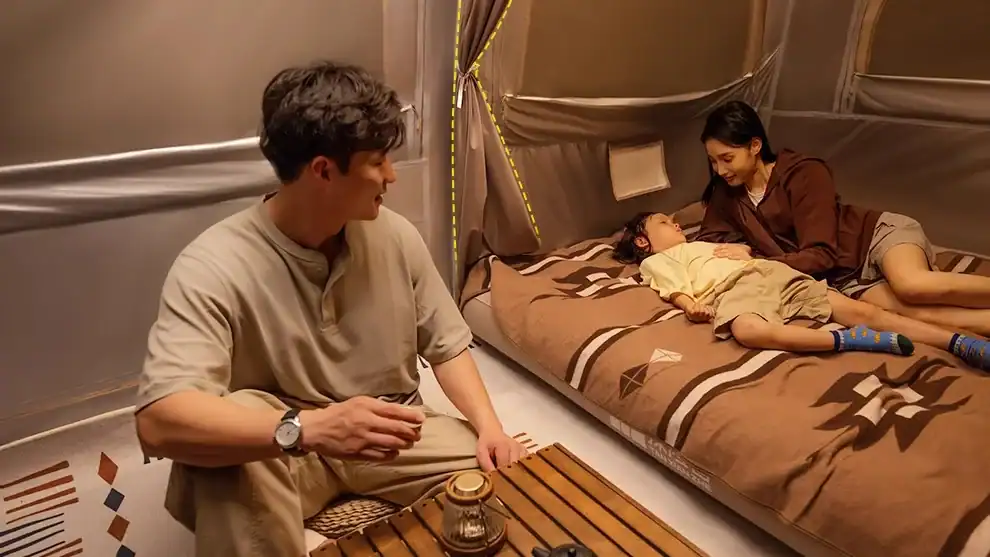
Realidades sobre MOQ e Prazo de Produção
O MOQ varia consoante a estrutura. A Kelyland Outdoors consegue iniciar alguns artigos com 50-100 unidades, enquanto os modelos padrão de tendas variam entre 300-1.000 unidades. As tendas com infláveis exigem mais mão de obra de soldadura, pelo que o MOQ mínimo tende a ser mais elevado. As tendas com infláveis também apresentam um custo de fabrico 15-30% superior face a tendas com hastes equivalentes. Solicite um detalhe de custos para o seu volume alvo.
O prazo de produção para ambas as estruturas oscila entre 30-45 dias, consoante a complexidade e a quantidade do pedido. As fábricas parceiras detêm certificação ISO 9001:2015 e as inspeções ocorrem em todas as etapas. Isto é relevante para tendas com infláveis, dado que uma falha numa solda de junta após 50 utilizações gera reclamações de garantia que nenhuma marca deseja.
A diferença prática resume-se ao planeamento de falhas. Uma tenda com hastes falha na haste ou na costura da passante. Uma tenda com infláveis falha na solda da junta ou na válvula. Um parceiro de sourcing deve documentar esses modos de falha e construir estratégias de peças de reposição em torno deles, e não de uma garantia genérica de um ano.
Conclusão
A decisão estrutural é, na realidade, uma decisão de garantia. As tendas com hastes falham na haste ou na costura da passante; as tendas com infláveis falham na solda da junta ou na válvula. Planeie a sua estratégia de peças de reposição em torno desses pontos antes de travar a especificação.
-
- As tendas com infláveis custam 15-30% mais para fabricar do que as tendas com hastes comparáveis, embora o hardware das hastes reduza esta diferença.
- As garantias de tendas com varas devem cobrir costuras de varas e bainhas; as garantias de tendas infláveis devem cobrir soldas das costuras e válvulas.
- Tendas com vigas de ar multi-câmera são montadas com uma mão, oferecendo aos varejistas um motivo claro para precificá-las com maior margem.
- Os MOQs de marca privada podem começar com 50 a 100 peças, por isso teste ambas as estruturas antes de se comprometer com uma linha completa.
Encaminhe suas especificações-alvo a um parceiro de sourcing com experiência em ambos os modelos e solicite aprovação de amostras das válvulas e dos conectores de varas, não apenas do corpo da tenda. Defina, por escrito, a tolerância de qualidade para alinhamento de soldas nas costuras e costuras das bainhas, e consulte o catálogo de barracas no site da Kelyland Outdoors. Esse detalhe é o que diferencia uma linha que resiste ao uso em campo de uma que gera devoluções.
Perguntas frequentes
As tendas com air beam são mais caras do que as tendas com varas?
Sim, as tendas de inflar geralmente custam 15-30% a mais para fabricar do que as tendas com varas. A diferença diminui quando o volume de hardware para varas aumenta, portanto compare a BOM completa na sua quantidade-alvo. Solicite um orçamento da BOM para seu volume alvo antes de decidir.
Qual tipo de tenda é mais fácil de reparar?
As tendas de varas são mais fáceis de reparar porque as varas e as bainhas podem ser substituídas sem equipamentos especializados. Falhas em vigas infláveis geralmente exigem reparos ou substituição dos tubos de TPU/PVC, o que é mais difícil para o usuário final. Considere a reparabilidade em campo ao elaborar seu planejamento de garantia.
Como os custos de envio se comparam entre tendas com viga inflável e tendas com mastros?
As tendas com airbeam geralmente ocupam menos espaço na embalagem e evitam seções rígidas longas, o que pode reduzir o peso dimensional e o custo de envio. As tendas com hastes se compactam em pacotes mais longos, então o frete depende do comprimento das hastes. Solicite as dimensões compactadas e o volume em metros cúbicos (CBM) por unidade antes de solicitar um orçamento.
Qual é o MOQ para tendas com feixes de ar ou mastros personalizados?
O MOQ depende do estilo da tenda e do nível de personalização; alguns lotes personalizados podem começar a partir de 50-100 unidades, enquanto os modelos padrão geralmente exigem 300-1.000 unidades. Sua especificação final, impressão e escolha de tecido influenciarão esse valor. Confirme o MOQ após definir suas especificações finais.
Qual estrutura de tenda é melhor para uma marca de glamping?
Tendas com vigas de ar geralmente são mais adequadas para glamping familiar, pois são montadas com mais rapidez e não possuem varas internas. As tendas com varas são mais baratas e reparáveis, portanto considere a velocidade de montagem. Deixe que a prioridade de instalação do usuário alvo oriente a decisão.

 English
  Español
  Deutsch
  Français
  Português do Brasil
  Русский
  العربية
  한국어
한국어  日本語
日本語