 Ir para o conteúdo
Dia 45: o container chega a Los Angeles/Long Beach e seu gerente da cadeia de suprimentos recebe a notificação de retenção alfandegária. O processo de envio de barracas infláveis da China parou porque o código HS na fatura comercial constava como produto de PVC genérico, e não como barraca de camping sob o código 6306.22. Essa reclassificação custou mais 3 dias de exame e uma taxa de armazenagem de US$ 1.200 — tudo porque a bomba de ar operada por bateria dentro de cada unidade exigia documentação UN38.3 que ninguém havia preparado.
A diferença entre um desembaraço tranquilo no porto e um atraso dispendioso costuma estar em quão bem seu parceiro fabricante entende os padrões de carregamento dos containers e o tratamento específico de impostos no destino. Um transitário especializado em equipamentos para atividades ao ar livre pode reduzir de 2 a 3 dias os encargos por detenção ajustando desde o início a disposição da carga — barracas infláveis são empacotadas de forma diferente das barracas com estrutura rígida, o que impacta o cálculo de CBM em containers de 20 pés ou 40 pés.
Entendendo o Processo de Envio de Barracas Infláveis
Pular o certificado de fumigação faz seu container ficar retido no porto por 3 semanas — mais taxas de detenção.
Um pedido de barraca inflável não termina quando a última costura é selada. O verdadeiro teste começa quando o container deixa o portão da fábrica. Para gerentes de cadeia de suprimentos, é no trecho entre a conclusão da produção e a entrega no armazém que os custos ocultos se acumulam. Um documento em falta, um código HS incorreto ou um container mal carregado podem eliminar sua margem antes mesmo do produto chegar à prateleira.
Os Cinco Marcos que Você Não Pode Ignorar
Todo embarque de barraca inflável da China passa por cinco etapas distintas. Entender cada uma permite prever atrasos antes que aconteçam.
-
- Inspeção Pré-Embarque na Fábrica: Isso acontece antes de qualquer movimento. A equipe de QC verifica a integridade das costuras, a vedação das válvulas de ar e a funcionalidade da bomba em conformidade com a especificação aprovada da amostra. Na Kelyland Outdoors, as fábricas parceiras seguem protocolos ISO 9001:2015 nesta etapa — qualquer desvio na tolerância das costuras ou na consistência do revestimento do tecido é sinalizado antes do início da embalagem.
- Carregamento e Estiva do Contêiner: Barracas infláveis têm grande volume, mas pouco peso. Um contêiner de 20 pés geralmente comporta de 150 a 250 unidades empacotadas, dependendo do tamanho da barraca e da configuração das hastes. Um 40 pés HC lida com 350–500 unidades. O padrão de estiva é crucial — um despachante aduaneiro especializado em equipamentos para atividades ao ar livre sabe distribuir o peso uniformemente para evitar multas por desbalanço do contêiner no terminal.
- Desembaraço Aduaneiro de Exportação (Lado China): O fornecedor submete a fatura comercial, a lista de embalagem, o conhecimento de embarque e o certificado de origem à alfândega chinesa. Se suas barracas incluírem bombas de ar alimentadas por bateria, a certificação UN38.3 deve acompanhar o embarque — muitos despachantes genéricos ignoram isso e causam uma retenção de 5 dias.
- Trânsito Marítimo e Chegada ao Porto: O tempo de trânsito de Ningbo ou Xangai para Los Angeles é de 18 a 22 dias em média. Para Melbourne são 16–20 dias. Para Roterdã são 28–32 dias. Essas janelas são a linha de base — desvios meteorológicos e congestionamento portuário adicionam variabilidade que você deve incorporar no cálculo de seu estoque de segurança.
- Desembaraço Aduaneiro de Destino: O importador de fato apresenta a documentação de entrada usando o código HS 6306.22 (barracas). As alíquotas de imposto variam: EUA (0% sob certas condições), UE (7.5%), Reino Unido (7.5%), Austrália (5%), Canadá (8%). Estruturas infláveis com alto teor de PVC podem acionar revisões antidumping em alguns mercados — solicite documentação da composição dos materiais à sua fábrica antecipadamente para evitar atrasos de reclassificação.
Por Que Despachantes Especializados Fazem Você Economizar
Um despachante aduaneiro geral trata suas barracas infláveis como qualquer outra caixa de carga. Um despachante que entende equipamentos para atividades ao ar livre sabe que as barracas desinfladas precisam de compactação para reduzir o CBM, que os componentes das bombas exigem rotulagem separada para normas de bateria, e que a consolidação de vários pedidos em um contêiner FCL pode reduzir custos de frete em 20–30%. Pergunte ao seu fornecedor se ele oferece opções de consolidação LCL — muitas fábricas combinarão lotes menores em contêineres compartilhados se você coordenar os prazos.
Escolhendo o Incoterm Adequado
A diferença entre uma cotação EXW e DDP no mesmo contêiner pode variar entre $3.000 e $6.000.
EXW (Ex Works)
O risco é transferido na saída da fábrica. O fornecedor carrega a mercadoria; você organiza tudo a seguir — transporte rodoviário até o porto, despacho de exportação, frete marítimo, desembaraço de importação e entrega final. Para um gerente de cadeia de suprimentos que importa barracas infláveis pela primeira vez, EXW significa que você controla todas as transferências, mas também assume todos os riscos.
O custo oculto aqui é a estadia do contêiner (detention). Se o caminhoneiro chegar atrasado porque a fábrica não estava pronta com a lista de empacotamento, você paga pelo tempo de espera. Se a alfândega de exportação questionar a classificação da sua nomenclatura de origem — as barracas infláveis estão sob a posição 6306.22, mas, se incluírem bombas elétricas, aplica-se a certificação UN38.3 — seu contêiner fica retido enquanto você resolve a documentação.
FOB (Livre a Bordo)
Este é o padrão para a maioria dos pedidos de equipamentos ao ar livre baseados na China, e é o que a Kelyland Outdoors utiliza como referência padrão nas cotações. O fornecedor cuida do transporte interno e do carregamento no navio. O risco passa para você assim que a carga transpõe a amurada do navio.
Para barracas infláveis, o FOB funciona bem porque as fábricas em Ningbo ou Jinhua estão próximas de grandes portos, como o porto de Ningbo-Zhoushan. Você tem uma divisão clara: o fornecedor gerencia a logística da fábrica ao porto (onde possui vantagem junto às transportadoras locais), e você controla o frete marítimo e os custos no destino.
CIF (Custo, Seguro e Frete)
O fornecedor adiciona o frete marítimo e o seguro ao seu preço. Teoricamente, isso parece mais simples — uma cotação cobre mais etapas —, mas introduz um problema de agência. O fornecedor escolhe a transportadora e a rota, optando frequentemente pela opção mais barata em vez da mais confiável.
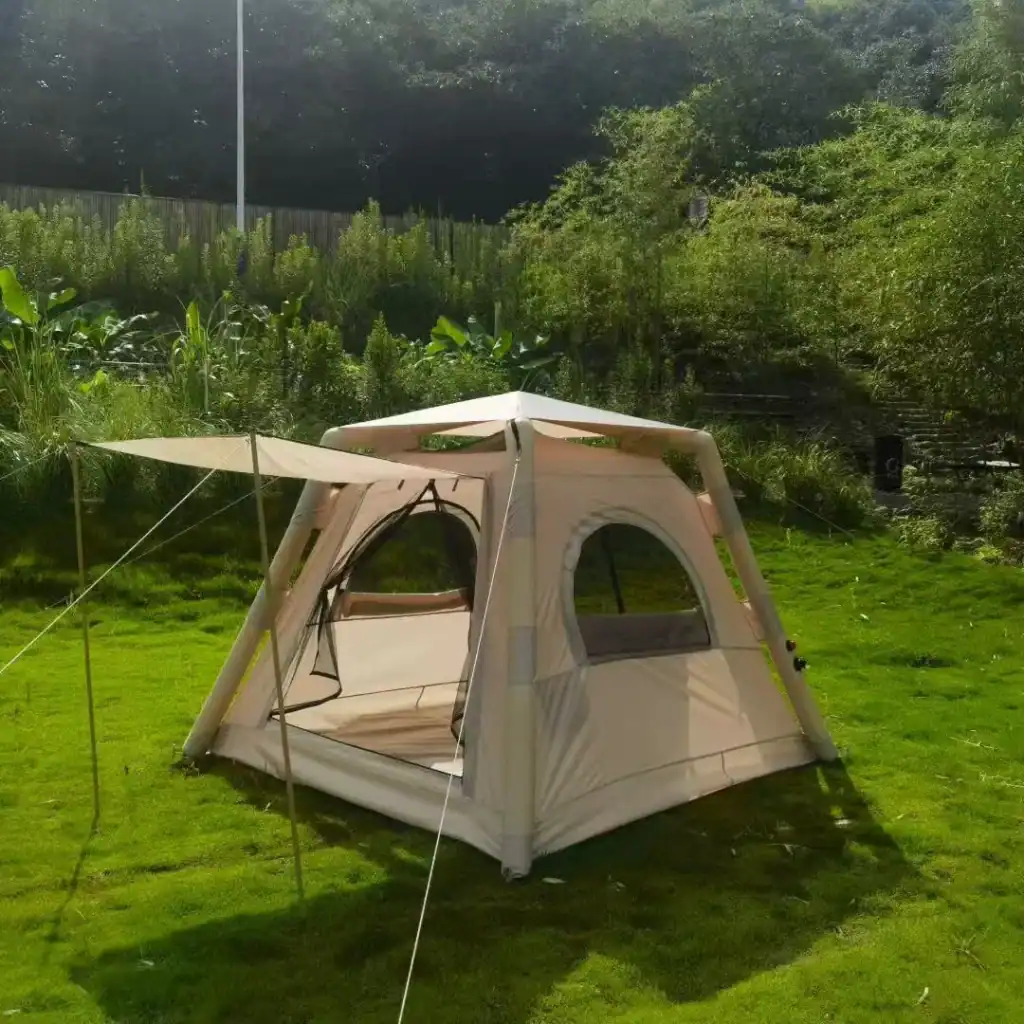
Otimização do Carregamento de Containers
Um contêiner de 40 pés comporta aproximadamente o dobro de unidades de um de 20 pés, mas somente se o padrão de empilhamento estiver correto.
A diferença entre um transporte lucrativo e um oneroso geralmente reside em quantas barracas infláveis cabem em um único contêiner. A maioria dos compradores foca no preço unitário e esquece que o frete é a segunda maior linha de custo. Errar o carregamento faz com que você pague por um contêiner extra ou deixe espaço aéreo pago ocioso.
Quantidade de barracas infláveis por tamanho de contêiner
Um contêiner seco padrão de 20 pés tem ~28 m³ de espaço útil após considerar a folga das portas e a curvatura das paredes. Um contêiner de 40 pés oferece ~58 m³. Para uma barraca inflável típica para 4 pessoas, embalada em mala de transporte com dimensões aproximadas de 60x40x35 cm (0,084 m³), é possível carregar cerca de 300 a 330 unidades em um de 20 pés e 650 a 700 em um de 40 pés. Esses números pressupõem ausência de palete — carga no piso, empilhada em blocos, com as malas orientadas para minimizar espaços vazios.
Barracas infláveis maiores, estilo glamping, com compartimentos separados, alteram completamente esse cálculo. Um modelo para 6 pessoas, com piso integrado e múltiplas câmaras de ar, compacta para cerca de 0,18 m³ por unidade. Isso reduz a capacidade para cerca de 140 unidades por contêiner de 20 pés e 310 por contêiner de 40 pés.
Dimensões de embalagens que comprometem a taxa de aproveitamento
Classificação de Código HS para Barracas Infláveis
Barracas infláveis de PVC podem estar sujeitas a direitos antidumping na UE e nos EUA.
A maioria das autoridades aduaneiras classifica barracas infláveis sob o código SH 6306.22, que abrange “barracas de fibras sintéticas”. Esta é a principal subposição dentro do Capítulo 63 (outras obras de artigos têxteis). O código completo de 10 dígitos varia conforme o destino — por exemplo, 6306.22.9030 para os EUA e 6306.22.00 para a UE —, mas os seis primeiros dígitos permanecem consistentes.
Alíquotas de Imposto de Importação por Destino
As alíquotas variam significativamente entre os mercados. A taxa dos EUA sob a posição 6306.22.9030 é livre para muitos países, incluindo a China, embora os tarifas da Seção 301 sobre produtos chineses acréscimo um custo adicional de 7,51% ao preço de desembaraço. A União Europeia aplica uma alíquota padrão em torno de 8,1% para tendas importadas da China, enquanto o Reino Unido mantém alíquota similar pós-Brexit, cerca de 8,1%. A Austrália oferece entrada livre de impostos na maioria das condições, e o Canadá cobra aproximadamente 8-10%, dependendo da composição específica do tecido.
Riscos de Medida Antidumping para Produtos de PVC
Distinção crucial: se sua tenda inflável usar Tecido revestido de PVC ao contrário do poliéster ou nylon padrão, taxas antidumping podem ser aplicadas na UE e nos EUA em certos produtos de PVC da China. Elas são separadas dos tarifas regulares e podem aumentar significativamente o custo — às vezes ultrapassando 20%. Nem todos os tecidos de tendas em PVC acionam essas medidas; depende do escopo específico do produto de cada pedido.
Documentos Necessários para o Envio
Um documento faltando pode reter seu contêiner no porto por semanas.
Todo embarque de tendas infláveis da China requer um conjunto padrão de documentos. Os quatro principais são a fatura comercial, a lista de empacotamento, o conhecimento de embarque e o certificado de origem. A fatura deve corresponder exatamente ao código HS declarado — uma discrepância na composição do tecido ou no valor unitário gera retenção alfandegária. A lista de empacotamento precisa mostrar as dimensões e o peso de cada caixa; entradas vagas como ‘mercadorias mistas’ são sinalizadas.
Certificados de Inspeção e Fumigação
Um relatório de inspeção pré-embarque de um laboratório terceirizado (como SGS ou Bureau Veritas) nem sempre é obrigatório, mas evita reclamações quando a tolerância de qualidade varia. Se suas tendas infláveis forem embaladas em paletes de madeira, o fornecedor deve fornecer um certificado de fumigação carimbado com o logotipo do IPPC. Embarcar sem isso fará com que o país de destino realize a fumigação por sua conta — além das taxas de detenção.
Certificados Específicos para a UE
Para o mercado europeu, a certificação CE é obrigatória para tendas com bombas integradas ou componentes elétricos. Muitos fornecedores colam um adesivo CE sem o relatório de teste real. Você precisa da Declaração de Conformidade e do arquivo técnico. Para tendas infláveis com bombas a bateria, as baterias devem ter um certificado de teste UN38.3 — um detalhe que pega 60% dos importadores de primeira viagem de surpresa.
A Kelyland Outdoors gerencia toda a documentação de exportação como parte de seu processo padrão. A equipe de logística prepara a fatura comercial, a lista de empacotamento, o conhecimento de embarque e o certificado de origem, e coordena com as fábricas parceiras para fornecer certificados CE/EN para produtos destinados à Europa. Os relatórios de controle de qualidade das fábricas certificadas ISO 9001:2015 estão disponíveis mediante solicitação, abrangendo resistência de costura, espessura de revestimento do tecido e testes de pressão de inflação.
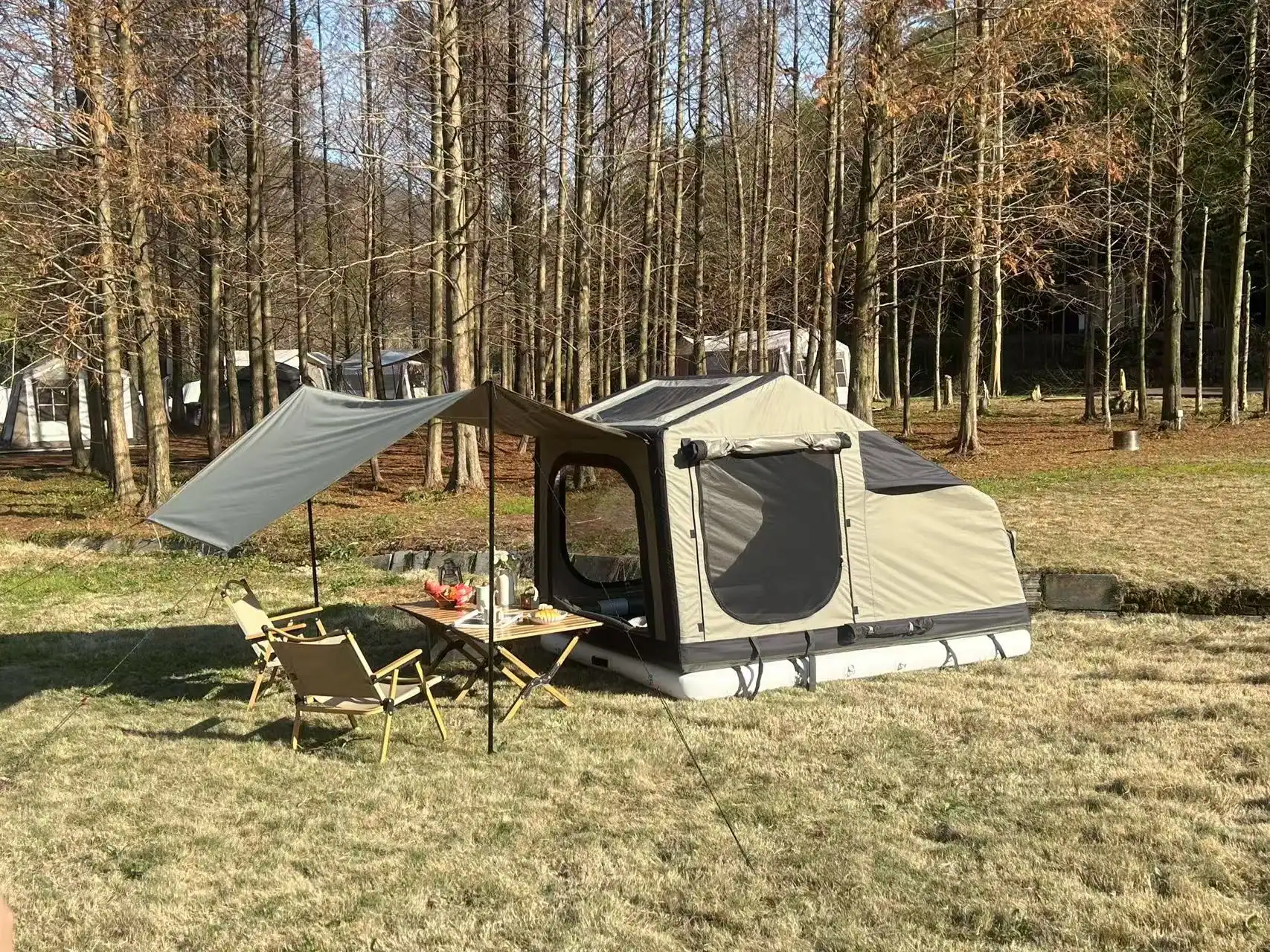
Melhores Práticas para Desembaraço Aduaneiro
Código HS faltando ou incorreto é o #1 motivo pelo qual os contêineres são sinalizados para inspeção.
Um gerente de cadeia de suprimentos de uma grande varejista me disse uma vez que seu contêiner de tendas infláveis ficou no porto de Long Beach por 11 dias porque o despachante usou um código genérico de ‘artigos de camping’ em vez de 6306.22. A diferença? Cerca de $4,200 em taxas de armazenagem e uma data de prateleira perdida.
Erros Comuns que Causam Retenção
-
- Discrepância no código HS: Tendas infláveis estão sob o HS 6306.22 (lona, toldos e sombras). Usar um código genérico 6306.90 ou código diverso de camping aciona revisão manual na maioria dos portos.
- Bombas alimentadas por bateria: Se a sua tenda incluir uma bomba de ar integrada com bateria de lítio, a certificação UN38.3 é obrigatória. Se faltar, a alfândega retém o carregamento inteiro para verificação de materiais perigosos.
- Certificado de fumigação em falta: Paletes de madeira sem carimbo ISPM-15 são rejeitadas nas fronteiras da UE e Austrália. O seu fornecedor deve fornecer um certificado de fumigação emitido dentro dos 21 dias seguintes ao carregamento.
Como lidar com inspeções aleatórias
Inspeções aleatórias acontecem — cerca de 3-5% dos contentores são submetidos a exame físico nos principais portos dos EUA. O segredo está na preparação. Mantenha cópias digitais da fatura comercial, lista de embalagem, conhecimento de embarque, certificado de origem e relatório de inspeção de qualidade acessíveis ao seu corretor em até 2 horas após a notificação. Uma fábrica com certificação ISO 9001:2015 — como as fábricas parceiras da Kelyland Outdoors — pode fornecer registos dos lotes de produção que satisfazem a maioria dos pedidos de documentação na primeira submissão.
Trabalhar com um corretor alfandegário
Um corretor especializado em equipamentos de exterior conhece os subcódigos exatos e as taxas de imposto por destino — EUA (3,71% sob o código 6306.22), UE (6,5%) e Austrália (5%). Ele também sinaliza riscos de antidumping em produtos à base de PVC provenientes da China antes do envio. Solicite ao seu corretor uma revisão prévia de desembaraço da sua lista de embalagem e código HS antes do contentor sair da fábrica.
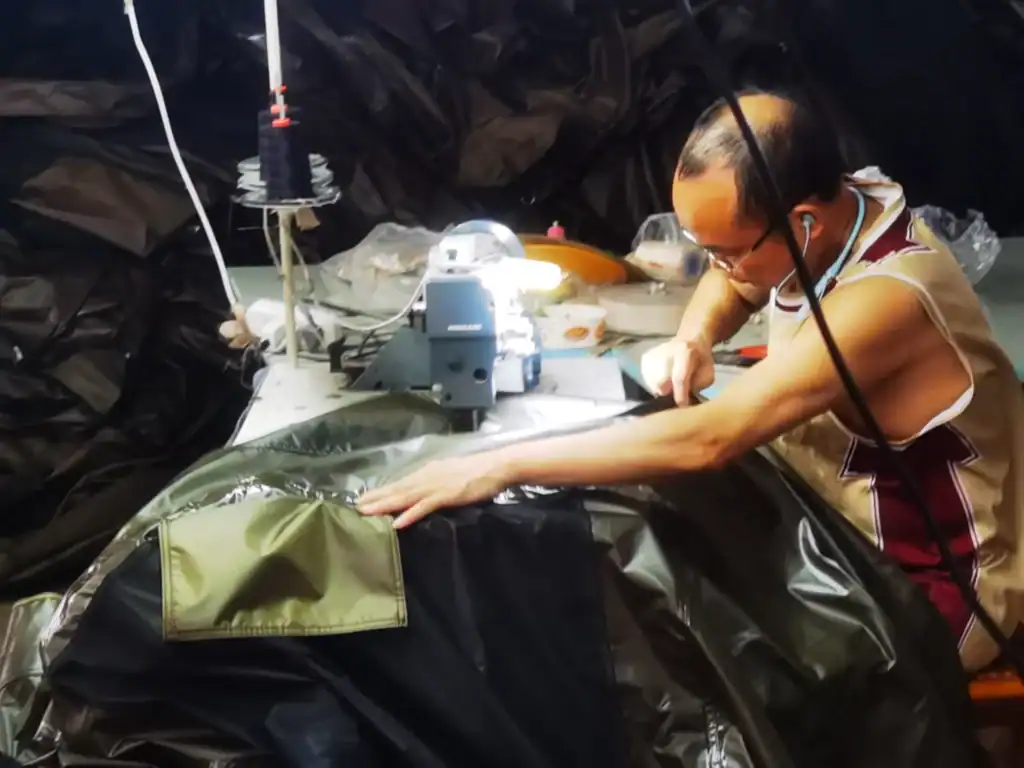
Suporte Logístico da Kelyland Outdoors
Erros na documentação de exportação causam cerca de 40% dos retidos de contentores nos portos de destino.
A maior preocupação de um gestor da cadeia de abastecimento não é a fábrica — é o corretor alfandegário ligar às 16h de uma sexta-feira com um certificado de origem em falta. Para o envio de tendas infláveis da China, esse chamado pode custar entre US$ 200 e US$ 400 em demurrage por dia enquanto o contentor permanece estacionado. A Kelyland Outdoors trata toda a documentação de exportação internamente, o que elimina mais uma variável no cálculo do seu custo total.
Documentação de exportação que preparamos
-
- Fatura comercial e lista de embalagem: Gerado a partir do relatório de inspeção final, com código SH 6306.22 pré-verificado contra a tabela de impostos do seu país de destino.
- Conhecimento de embarque (Bill of Lading) e certificado de origem: Coordenados por nosso centro logístico em Ningbo, Zhejiang — uma importante cidade portuária onde está localizada nossa fábrica principal de tendas e lonas.
- Certificados CE/EN para remessas à UE: As fábricas parceiras possuem certificação ISO 9001:2015 e CE, de modo que os documentos de conformidade estão prontos antes mesmo do término da produção.
- Certificado de fumigação (se necessário): Emitido quando paletes ou caixas de madeira são utilizados. Enviar sem esse documento garante que seu container será flagrado para inspeção — causando atrasos inevitáveis.
Conclusão
A diferença entre um primeiro envio tranquilo e um container retido na alfândega costuma depender dos últimos 10% de preparação — especificamente, de como você declara a bomba operada por bateria e se seu transitário conhece o padrão correto de carga de containers para equipamentos infláveis. Ao acertar esses dois detalhes, você reduz em dias o risco de taxas de detenção.
-
- Verifique se o código HS 6306.22 se aplica, a menos que a tenda inclua uma bomba a bateria, o que exige a certificação UN38.3.
- Um transitário especializado em equipamentos outdoor pode reduzir as taxas de detenção ao aplicar o padrão correto de carregamento do container.
- Consulte as opções de consolidação FCL/LCL para economizar até um terço estimado nos custos de frete.
Antes de fechar contrato com seu parceiro logístico para tendas infláveis sob medida, confirme sua lista de documentação frente aos requisitos do seu mercado de destino — especialmente os certificados CE exigidos para a Europa e quaisquer regras antidumping sobre materiais de PVC. Um fornecedor como a Kelyland Outdoors inclui a documentação de exportação e o suporte alfandegário como parte de seu serviço integrado, permitindo que você foque nos custos finais de desembaraço em vez de correr atrás de certificados. Confira no próprio produto as opções de suporte logístico e veja como eles gerenciam a consolidação porto a porto e o rastreamento em tempo real para pedidos em volume.
Perguntas frequentes
Qual é o MOQ para tendas infláveis?
O MOQ para tendas infláveis personalizadas pode começar a partir de 50-100 unidades para itens específicos, enquanto os modelos padrão geralmente variam de 300 a 1.000 unidades. Essa flexibilidade permite que você teste o mercado antes. Confirme seu MOQ exato após definir seu nível de personalização.
Qual é o prazo de produção?
O prazo padrão de produção é de 30 a 45 dias após a aprovação da amostra. Este cronograma pode variar de acordo com a complexidade do pedido, a quantidade e o nível de personalização. Planeje seu calendário de pedidos em função desta janela de 30 a 45 dias.
Qual termo Incoterm é ideal para importadores iniciantes?
O termo FOB (Free on Board) é o ponto de partida mais comum para importadores de primeira viagem, pois oferece controle sobre os custos de frete enquanto o fornecedor trata da despachante de exportação. Comece com FOB se você tiver um agente de cargas; escolha DDP para uma experiência sem preocupações.
Quantas tendas infláveis cabem em um contêiner?
Um container de 20 pés comporta normalmente entre 150 e 250 tendas infláveis embaladas, dependendo do tamanho e da embalagem; já um container de 40 pés armazena aproximadamente o dobro. A quantidade real varia bastante conforme as características do produto. Solicite um plano de carregamento ao seu fornecedor antes de fechar a quantidade do pedido.
Qual código HS se aplica a tendas infláveis?
O código HS primário para tendas infláveis é 6306.22, que cobre tendas feitas de fibras sintéticas. As alíquotas de imposto variam conforme o destino: aproximadamente 8% para os EUA, chegando a 12% para o destino. Sempre verifique as alíquotas de imposto com um despachante aduaneiro licenciado antes do envio.

 English
  Español
  Deutsch
  Français
  Português do Brasil
  Русский
  العربية
  한국어
한국어  日本語
日本語