
Mistake 1: Relying on Trading-Company Quotes
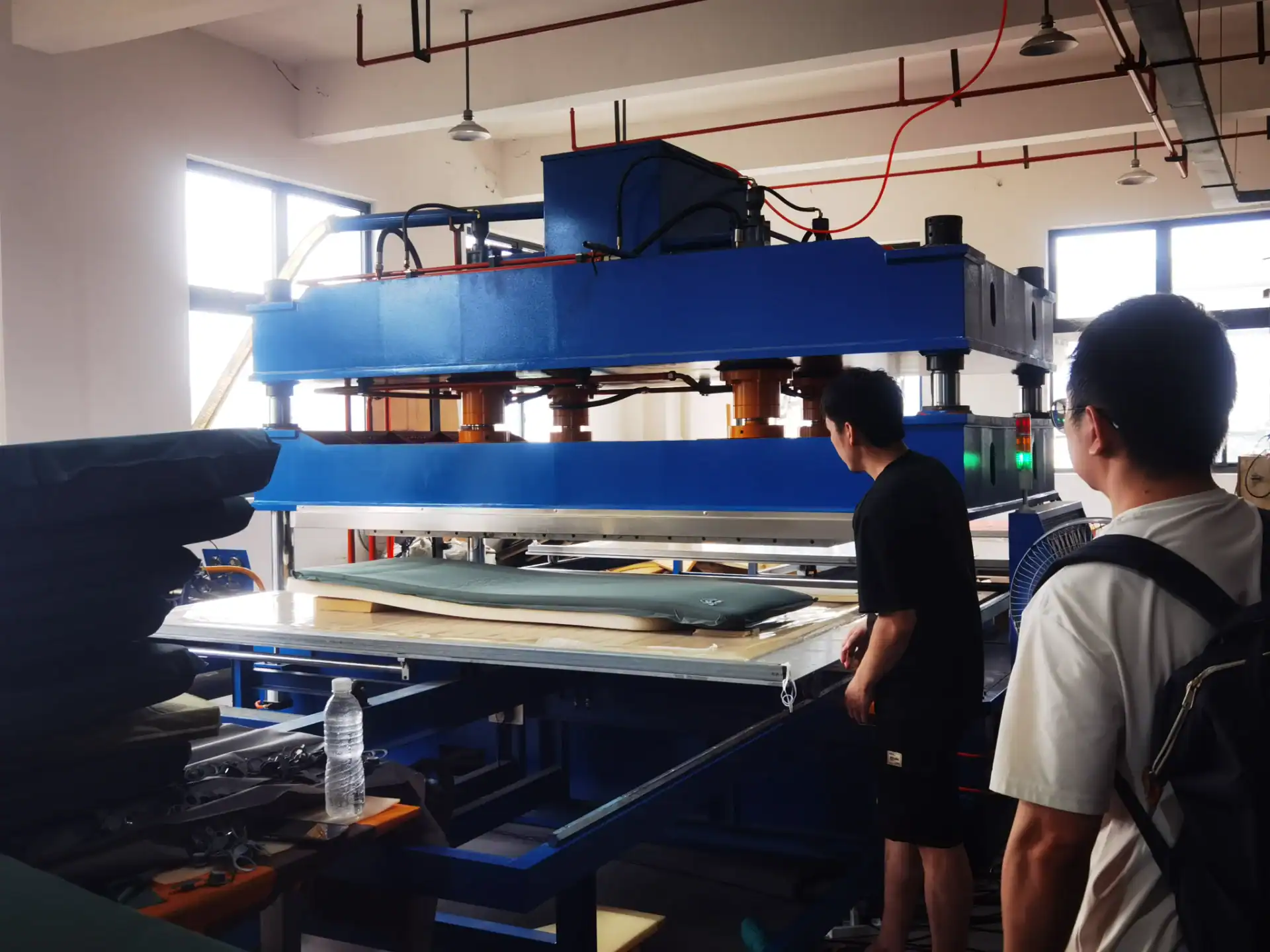
Most camping gear quotes labeled “factory direct” originate from trading companies. These intermediaries insert two middleman layers between the buyer and the production floor. Each layer adds sampling delays, spec confirmation loops, and unit cost before the first container ships.
Direct factory communication changes the negotiation sequence. Buyers receive verified production schedules, material traceability, and QC documentation from the same facility that manufactures the product. Kelyland’s network of 17 core strategic factories and 200+ manufacturing partners, most certified to ISO 9001:2015, supports this direct flow.
Buyers evaluating a new supplier should request factory audit data first. Production capacity, certification status, and export volume indicate whether the supplier controls manufacturing or resells another factory’s output. Buyers can check annual exports of 1 million units and cumulative revenue of $10 million against supplier claims.
Mistake 2: Accepting Rigid MOQ Terms
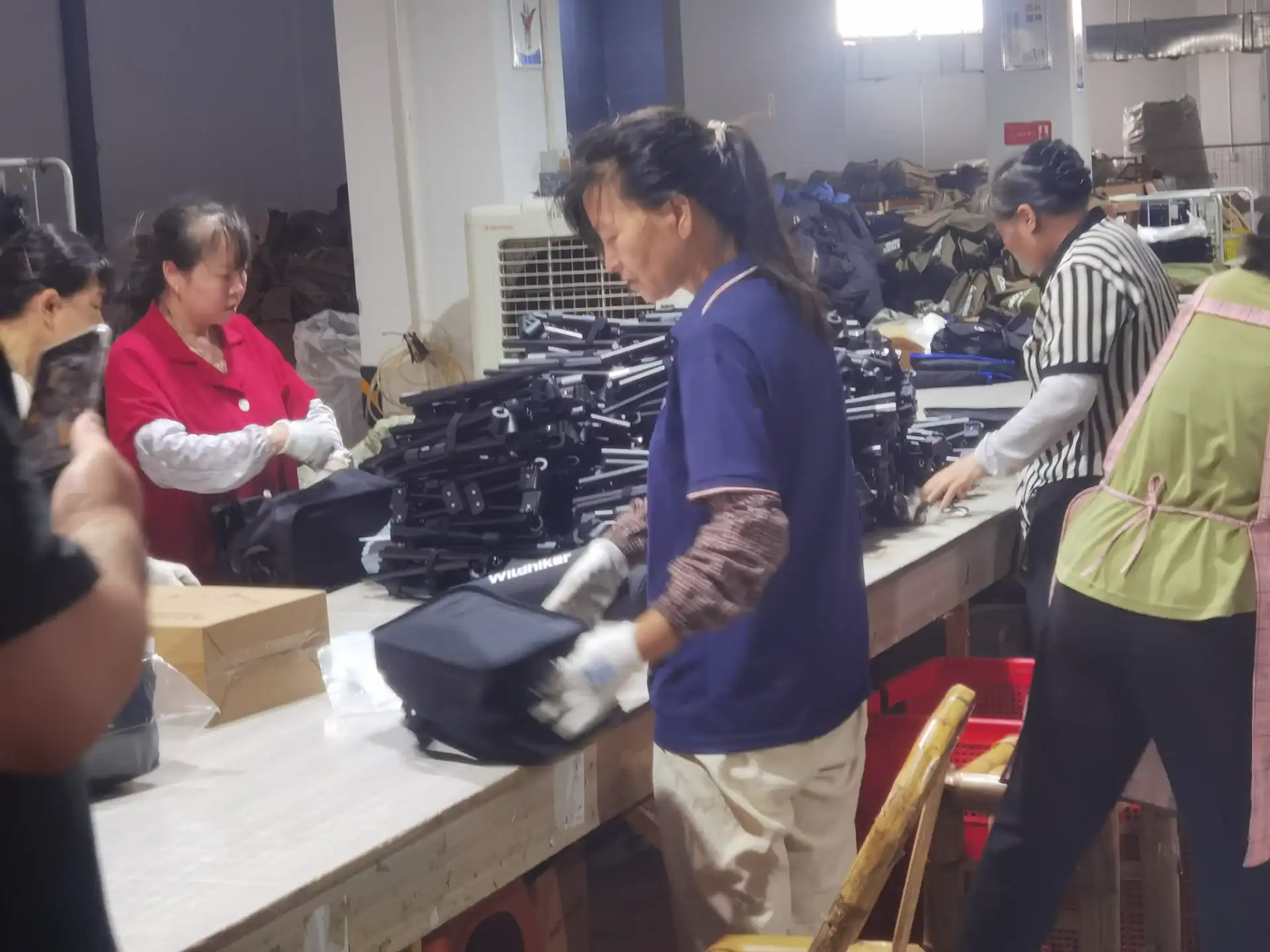
Standard production runs for camping gear require 300 to 1,000 pieces per model. Buyers entering private label for the first time face warehouse costs and cash flow pressure when forced to commit to those volumes. A supplier that can produce select items at 50 to 100 pieces for an initial order reduces that risk.
MOQ terms vary by product category and customization level. Suppliers with flexible factory networks can distribute smaller batches across production lines. Confirm the MOQ per SKU before placing an order, because the number affects payment schedules, storage requirements, and inventory turnover.
Veteran suppliers maintain mold libraries and standard tooling for common product families. Buyers who request full custom molds before validating a standard base model pay for unnecessary prototyping. Custom tooling costs add to the unit price without improving sell-through unless buyers confirm market demand first.
Mistake 3: Skipping Stage-Gated Quality Control
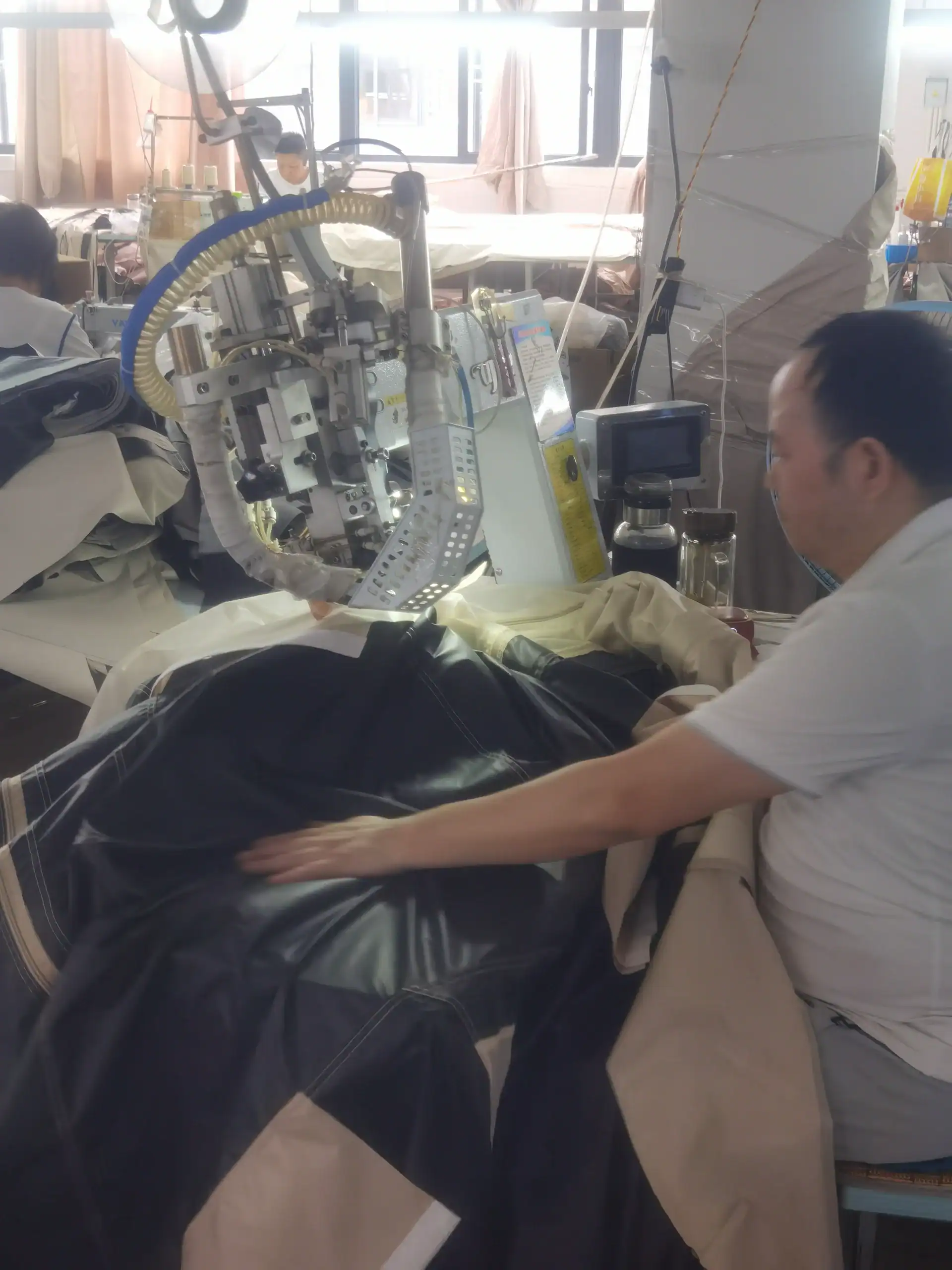
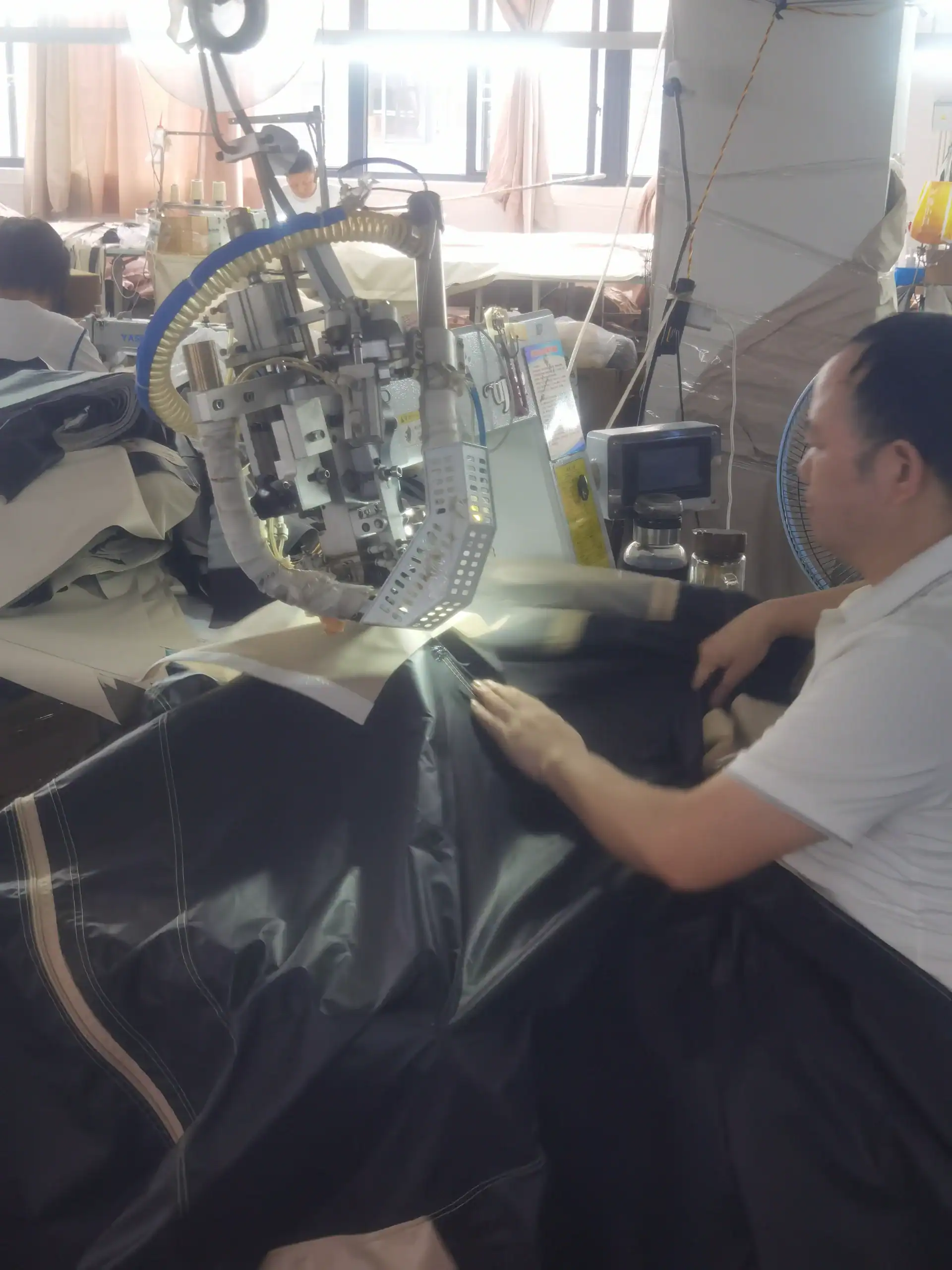
A CE certificate or ISO 9001:2015 registration does not verify outdoor weather performance. Buyers inherit defects from untested fabric coatings, seam tape failures, and punctured floor materials. Stitching quality alone does not determine whether a tent survives a season of field use.
Request coating adhesion, seam-tape peel strength, and puncture-resistance reports for fabric categories before approving production. These tests measure the durability of materials, not the factory’s compliance paperwork. ISO 9001:2015 certification is the baseline for supplier selection, not the final quality check.
Stage-gated QC means inspections at defined production gates. Pre-production sample approval verifies colors, dimensions, and finishing. In-line inspections check stitching and mechanisms during assembly. Предотгрузочная инспекция confirms the finished products match the approved sample. Supplier QC reports should arrive at each gate, with documentation available on request.
Mistake 4: Ignoring Incoterms and Payment Terms
Payment terms affect buyer cash flow. The standard structure for new clients or orders above US$3,000 is a 30% deposit with 70% due before shipment. Repeat clients can negotiate adjusted schedules. Negotiating these terms early prevents surprises at the invoicing stage.
Incoterms define when responsibility transfers from supplier to buyer. Export paperwork, customs guidance, and international freight each add to landed cost. A supplier that handles export documentation and provides customs guidance reduces the risk of clearance delays and penalty fees. Buyers should map these costs into the total landed price before comparing supplier quotes.
Production lead time ranges from 30 to 45 days under standard conditions. Order timing, product complexity, quantity, and customization level alter that window. Buyers targeting seasonal launch windows need production lead time locked into the agreement before sample approval. Supply agreements should state the lead time in writing.

Mistake 5: Paying Hidden Middleman Markups
Trading company quotes include duplicated markups at each resale layer. Direct factory access removes two middleman layers that inflate unit cost before the first container. Buyers comparing supplier quotes need the factory ownership structure visible in the commercial agreement. Middleman structures also delay spec confirmations and sample feedback loops.
Product specifications expose whether a supplier controls production. Air mattresses with PVC or TPU construction, heights from 20 to 63 cm, and 0.4 to 0.6mm puncture-resistant material require precise manufacturing controls. A supplier that cannot document material thickness and coating standards at the factory level passes quality risk to the buyer.
Kelyland’s factory network covers 17 core production facilities across tent, air mattress, sleeping bag, furniture, backpack, and cookware categories. Direct sourcing agreements with these factories transfer cost savings into the buyer’s landed price. Middleman margins disappear from the quote. The network also includes 200+ stable manufacturing partners for scaling.
Factory Data That Lowers Sourcing Risk
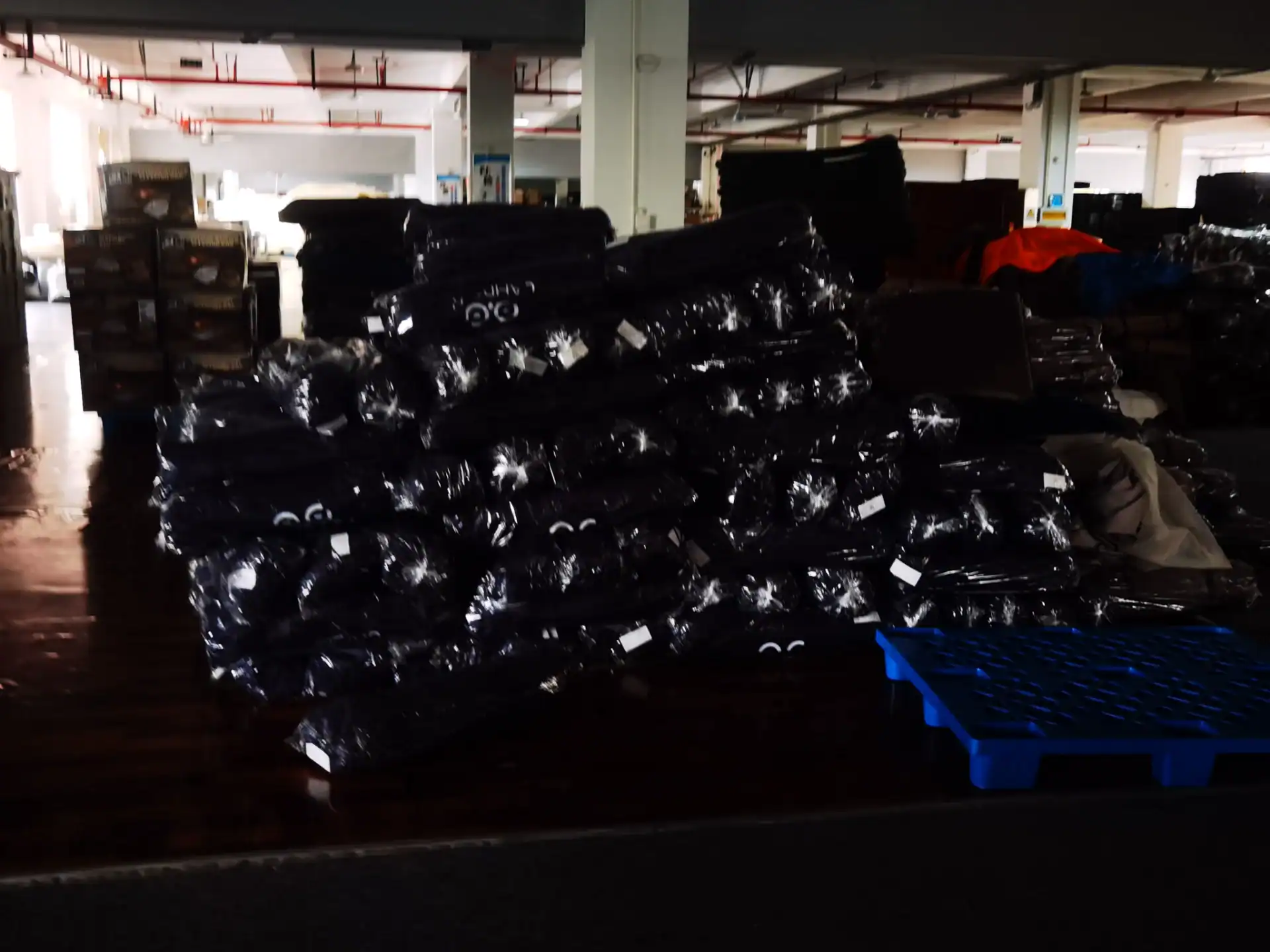
A factory audit checklist for camping gear should include production volume, certification status, and product category specialization. Kelyland’s core factory network includes tent production of 800,000 units per year in Ningbo, air mattress production of 2,500,000 units per year in Xiangyang, and sleeping bag production of 1,500,000 units per year in Zhenjiang.
ISO 9001:2015, CE, and BSCI certifications appear across the factory network. Specific factories hold category-relevant credentials. The glamping tent factory in Shaoxing holds CE and ISO 9001. The air mattress factory in Xiangyang holds CE, ETL, and ISO 9001. These credentials map to the product categories buyers intend to source.
Production capacity data helps buyers match order volume to supplier capability. The folding wagon factory in Jinhua produces 1,000,000 units per year. The camping light factory in Ningbo produces 3,000,000 units per year. These capacity levels support scaling from initial sample orders to full container shipments.
Buyers from Ace Hardware and Lucid have completed private label programs through this network. Their contracts span camping tents, folding wagons, trekking poles, and sleeping bags. Supply chain managers in Europe, Australia, and South Korea report consistent product quality and on-time delivery.
| Commercial Term | Standard Condition |
|---|---|
| MOQ for select items | От 50 до 100 штук |
| MOQ for standard models | 300 to 1,000 pieces |
| Production lead time | 30 to 45 days |
| Payment structure | Депозит 30%, 70% перед отгрузкой |
| Quality standard | ISO 9001:2015 baseline |
Заключение
Buyers who avoid these five mistakes enter production agreements with lower risk. Trading company quotes, rigid MOQs, missing QC gates, unclear payment terms, and hidden markups account for most sourcing failures. Direct factory access with documented capacity data and certification records changes the outcome.
Kelyland’s network of 17 core strategic factories and 200+ manufacturing partners gives buyers access to production data, flexible MOQs, and stage-gated QC. Buyers comparing suppliers should measure quotes against factory capability, not marketing claims.
Часто задаваемые вопросы
Каков минимальный объем заказа для туристического снаряжения под собственной торговой маркой?
Стандартные модели начинаются от 300 до 1000 штук. Гибкие поставщики могут производить отдельные позиции партиями от 50 до 100 штук для первых заказов. Минимальный объём заказа влияет на денежный поток и затраты на хранение, поэтому подтвердите точное количество по каждому SKU перед оформлением. Гибкость первого заказа снижает финансовый риск при проверке нового поставщика.
Как избежать дефектов качества при закупках на китайской фабрике туристического снаряжения?
Требуется одобрение предпроизводственного образца, проведение инспекций в процессе производства для проверки швов и механизмов, а также поэтапные отчеты контроля качества. Сертификация ISO 9001:2015 является базовым требованием. Запросите отчеты об испытаниях на адгезию покрытия и стойкость к проколу для тканей. Эти испытания материалов подтверждают атмосферостойкость, которую сертификаты не охватывают.
Какие условия оплаты защищают покупателей B2B при заказе туристического снаряжения?
For new clients or orders above US$3,000, the standard structure is a 30% deposit with 70% due before shipment. Repeat clients can negotiate adjusted schedules. Payment terms should align with production milestones and inspection approvals. The deposit covers material procurement, and the balance secures shipment.
What production lead time should I expect for OEM camping gear?
Standard production lead time runs 30 to 45 days. Order timing, product complexity, quantity, and customization level alter that window. Buyers targeting seasonal launch windows should lock the lead time into the production agreement before sample approval. Written confirmation prevents disputes at the production stage.
How do I verify a camping gear supplier is a real factory and not a trading company?
Request factory audit data, production capacity statistics, and certification records. Kelyland’s network includes 17 core strategic factories with documented annual production volumes. Confirm the supplier controls manufacturing, not resale. Audit reports should list factory locations, certification numbers, and production lines.

 English
  Español
  Deutsch
  Français
  Português do Brasil
  Русский
  العربية
  한국어
한국어  日本語
日本語