 跳到内容
跳到内容 
Устранение утечки клапана надувной палатки — первый контрольный пункт, который покупатели должны зафиксировать, прежде чем одобрить поставщика, бюджет или производственную партию. Две почти одинаковые надувные палатки для кемпинга стоят рядом на складском стеллаже. Одна котируется по цене $48 FOB Ningbo, другая — $62. Спецификация материалов выглядит почти одинаково — 210D оксфордский полиэстер, 150D TPU воздушные балки, клапан Boston. Разница в $14 дает ровно одну вещь: соединение клапана, которое не выходит из строя в середине сезона. Шесть месяцев назад один знакомый мне покупатель утвердил предсерийный образец, соответствовавший всем визуальным характеристикам из спецификации. Массовая партия поступила, палатки прошли финальный контроль, а к третьим выходным использования клиенты начали присылать видео с опадающими воздушными балками. Корневая причина? Силиконовые O-кольца, сжимавшиеся в летнюю жару, и нейлоновые фиксаторы, ломавшиеся после нескольких сотен поворотов. Тот заказ на $50,000 обернулся уровнем гарантийных возвратов 12% и отношениями с ритейлером, на восстановление которых уйдут два года. Разница в цене 30% никогда не была связана с материалом — дело в стоимости отказов в полевых условиях, заложенной в котировку.
Большинство менеджеров по цепочке поставок замечают проблему утечки клапана только после того, как возвраты хлынут потоком. К тому моменту окно допусков по качеству для следующего заказа резко сужается, потому что розничные партнеры начинают требовать возвратов платежей. На самом деле устранение утечки клапана надувной палатки редко сводится к отсутствующей прокладке. Проблема кроется в спецификациях полимеров, которые ваша фабрика выбрала, чтобы сэкономить копейки. В этой статье рассматриваются четыре технических улучшения — от замены силикона на EPDM-кольца до полного удаления байонетного разъема, — которые останавливают утечку до того, как первый контейнер покинет порт. Без лишней воды. Только цифры твердости по Шору, пороговые значения циклов испытаний и вопросы по закупкам, которые превращают компонент за $0.05 в несущественную мелочь.

Диагностика утечек клапана и трубки: тест погружением в ведро
6 из 10 гарантийных претензий по клапанам — это проколы воздушной балки.
На склад приходит возврат с пометкой ‘утечка клапана’. Техник ОТК меняет уплотнительное кольцо и отправляет его обратно. Через две недели та же палатка возвращается снова. Настоящей утечкой было точечное отверстие в 18 дюймах от корпуса клапана: воздух выходил вдоль шва трубки и пузырился на разъёме. Этот цикл ошибочной диагностики сжигает маржу на доставке, труде и запасных частях — не устраняя корневую причину.
Метод мыльной воды: точное определение источника
Забудьте о погружении всей палатки в озеро. Пульверизатор с концентрированным средством для мытья посуды и водой даёт хирургическую точность. Надуйте палатку до 7 фунтов на квадратный дюйм. Опрыскайте корпус клапана, нижний фланец и разъём насоса. Пузырьки, образующиеся только при подключённом насосе, означают, что вышли из строя уплотнительное кольцо или стопорные защёлки. Пузырьки на сварном шве означают, что соединение фланца нарушено. Журналы разборки с заводов-партнёров Kelyland подтверждают: когда на клапане пузырьков нет, но балка всё равно сдувается, значит, прокол трубки находится в другом месте.
Проблема ошибочной диагностики 60%
Заводской анализ отказов показывает, что 60% возвратов из эксплуатации с пометкой ‘утечка клапана’ — это точечные проколы воздушной балки из ТПУ. Прокол находится далеко от клапана, но выходящий воздух идёт вдоль внутреннего шва и выходит через разъём. При беглом осмотре это выглядит идентично отказу клапана. Погрузите спущенную балку в резервуар с водой и сожмите. Поток микропузырьков из стенки трубки расскажет вам правду. Замените клапан десять раз — если в трубке есть отверстие, палатка будет продолжать возвращаться.
Протокол испытания в ведре
-
- Шаг 1: Надуйте палатку до 7 фунтов на квадратный дюйм. Закройте крышку основного клапана. Отсоедините насос.
- Шаг 2: Нанесите обильный мыльный раствор на корпус клапана, фланец и 6 дюймов окружающей трубки.
- Шаг 3: Наблюдайте в течение 60 секунд. Устойчивые пузырьки на кромке соединителя подтверждают отказ уплотнительного кольца или фиксатора. Пузырьки на поверхности трубки подтверждают прокол.
- Шаг 4: Если пузырьки не появляются, но давление падает, погрузите спущенную балку в воду и сожмите её, чтобы обнаружить скрытые проколы.
Тест с погружением в воду добавляет четыре минуты к процессу проверки. Если пропустить диагноз, вы сожжёте $18–$25 на затраты по обработке возврата за единицу — плюс скрытые издержки от потери доверия розничного продавца к артикулу. При выборе производственного партнёра для линеек надувных палаток, убедитесь, что их команда контроля качества проводит этот тест на каждом возвращённом устройстве, а не только визуальный осмотр клапана. Спецификация должна быть включена в раздел контроля качества производственного соглашения.

4 типа клапанов надувных палаток и их точные точки отказа
Boston, Halkey-Roberts, Schrader — каждый тип клапана выходит из строя предсказуемо в конкретной точке контакта полимера.
Опытный производственный менеджер однажды в январе отправил 800 надувных палаток скандинавскому ритейлеру. Вернулась каждая до единой. Клапаны были специфицированы со стандартными силиконовыми O-кольцами, которые при температуре ниже -20°F затвердевали и выходили из корпуса Boston dual-tab. Ритейлер отменил следующий заказ. Это единственное несоответствие полимера — компонент $0.03 — уничтожило маржу на весь производственный прогон.
Boston Dual-Tab: усталость лепестков и остаточная деформация сжатия O-кольца
Клапаны Boston доминируют на рынке надувных палаток, потому что механизм «нажми-поверни-зафиксируй» интуитивно понятен потребителям. Конструкция опирается на два нейлоновых блокирующих лепестка, которые входят в канавку на переходнике насоса. Механизм отказа следующий: лепестки изгибаются при каждом подключении или отключении насоса. Стандартный нейлон твёрдостью 85 по Шору D хрупок при такой тонкой толщине поперечного сечения — от 0,8 до 1,2 мм на бюджетных клапанах. Трещины усталости при изгибе распространяются от острого внутреннего угла выемки, где концентрируется напряжение.
После примерно 500 циклов — одного сезона для прокатного парка — лепесток ломается. Корпус клапана остаётся целым, но без блокировки шланг насоса не удерживается в седле. Полевой ремонт — это стяжка или изолента, но решение на уровне закупок — структурное: замените материал лепестка на нейлон, армированный стекловолокном, твёрдостью 70 по Шору D, минимальной толщиной 2,8 мм и скруглённой выемкой вместо острого угла. Это увеличивает усталостный ресурс с 500 до более чем 5 000 циклов.
Вторая точка отказа клапанов Boston — это O-кольцо, уплотняющее переходник насоса с корпусом клапана. Силиконовые O-кольца — всё ещё стандарт во многих спецификациях OEM — необратимо деформируются после повторных циклов сжатия. При температуре выше 100°F силикон размягчается и выдавливается под давлением насоса. При замерзании он полностью теряет эластичность, создавая микрозазоры. Решение — O-кольцо из EPDM твёрдостью 70 по Шору A, а именно AS568-014, которое сохраняет динамическую эластичность во всём диапазоне кемпинговых температур.
Вывод для закупок: когда фабрика называет цену на палатку с клапаном Boston, запросите паспорт материала O-кольца и видео циклических испытаний лепестка. Если они не могут предоставить ни того, ни другого, вы покупаете конвейер гарантийных претензий.
Halkey-Roberts и фирменный байонет: изношенные канавки фиксаторов
Клапаны Halkey-Roberts используют байонетный разъём с подпружиненными фиксаторами — маленькими металлическими шариками или штифтами, — которые защёлкиваются в канавку на переходнике насоса. Щелчок сигнализирует о завершении соединения. Этот щелчок обнадёживает, но он обманчив. По мере износа фиксаторов глубина зацепления уменьшается, пока переходник насоса не выйдет из зацепления под действием обратного давления из надутой балки.
-
- Глубина канавки: Измерьте канавку фиксатора на переходнике насоса штангенциркулем. Если глубина опускается ниже 1,2 мм, фиксаторы больше не обеспечивают надёжной блокировки. Замените переходник или проточите более глубокую канавку в следующем производственном заказе.
- Материал фиксатора: Стандартные фиксаторы из углеродистой стали корродируют и покрываются точечной коррозией после воздействия прибрежной влажности или конденсата. Закаленная нержавеющая сталь (марки 304 или лучше) устраняет коррозию как ускоритель износа.
- Обнаружение ложной фиксации: Ложная фиксация слышно щелкает, но отсоединяется при противодавлении 2-3 фунта на квадратный дюйм. При утверждении предпроизводственного образца надуйте палатку до рабочего давления и приложите боковое усилие 5 фунтов к шлангу насоса. Если он отсоединится, бракуйте партию.
Фирменные байонетные разъемы, используемые некоторыми европейскими брендами для принудительной привязки вторичного рынка, страдают от такого же износа фиксатора. Разница в доступности запчастей. Ремонтный комплект Halkey-Roberts стоит копейки и поставляется на следующий день. Замена фирменного байонета требует, чтобы завод открыл производственную линию или взял детали из резервного запаса. Если ваш бренд использует фирменное соединение, согласуйте пункт о сервисном комплекте в контракте на поставку: 2% запасных клапанов, поставляемых с каждым контейнером, по себестоимости компонентов, а не с розничной наценкой.
Клапаны типа Шрадера: задиры резьбы и утечки через золотник
Клапаны Шрадера встречаются на более дешевых надувных палатках и на дополнительных точках надувания воздушных балок. Конструкция заимствована из автомобильных ниппелей: резьбовой корпус с внутренним подпружиненным золотником. Два вида отказов преобладают в гарантийных претензиях.
Задиры резьбы возникают, когда резьба насадки насоса слегка не совпадает с резьбой корпуса клапана. Потребитель затягивает соединение, латунные или алюминиевые резьбы холодно свариваются в точках контакта, и при следующем отсоединении профиль резьбы срывается. Корпус клапана теперь бесполезен. Заводское решение — замена материала: указывайте соединения латунь-к-латуни, никогда латунь-к-алюминию, и добавьте ограничитель момента на четверть оборота в конструкцию насадки насоса.
Утечки через золотник проще. Внутренний золотник Шрадера — деталь стоимостью $0.05 — ослабевает от вибрации при транспортировке или от многократного присоединения насоса. Появляется медленное шипение, и потребитель предполагает прокол. Прежде чем отправлять палатку обратно, менеджер цепочки поставок должен выдать розничным продавцам инструмент для золотника и запасные золотники. Один поворот переустанавливает золотник, и палатка снова на полке. Для производственных партий укажите дополнительное EPDM-уплотнительное кольцо на внешнем фланце клапана в качестве резервного уплотнения; если золотник ослабнет, уплотнительное кольцо фланца все равно будет держать давление в течение нескольких дней.
Вывод по закупкам: если спецификация вашей палатки включает клапан типа Шрадера, вложите в розничную упаковку инструмент для затяжки золотника и добавьте предупреждающий ярлык: “Только плотно — не перетягивайте”. Себестоимость на единицу — менее $0.10, и это отклоняет заметную долю возвратов еще до их возникновения.
| Тип клапана | Primary Failure Point — Основная точка отказа | Коренная причина | Factory-Level Fix — Исправление на заводском уровне | Sourcing Requirement — Требование к закупке |
|---|---|---|---|---|
| Boston Dual-Tab — Двойной фиксатор Boston | Locking tab fatigue & O-ring compression set — Усталость фиксирующего язычка и остаточная деформация сжатия уплотнительного кольца | Standard nylon (85 Shore D) is brittle; silicone O-rings stiffen in cold and soften in heat — Стандартный нейлон (85 по Шору D) хрупкий; силиконовые уплотнительные кольца твердеют на холоде и размягчаются при нагреве | Glass-fiber reinforced nylon tabs (70 Shore D, ≥2.8 mm thick) + EPDM Shore A 70 O-ring (AS568-014) — Язычки из нейлона, армированного стекловолокном (70 по Шору D, толщиной ≥2,8 мм) + уплотнительное кольцо EPDM 70 по Шору A (AS568-014) | Specify ISO 17025-certified cycle test: 5,000+ connects at -20°C to +50°C with zero leakage — Укажите сертифицированный по ISO 17025 циклический тест: 5000+ соединений при температуре от -20°C до +50°C без утечек |
| Halkey-Roberts — Halkey-Roberts | Worn detent grooves causing false lock — Изношенные канавки фиксатора, вызывающие ложную фиксацию | Friction fatigue on spring-loaded detents after repeated disconnects — Фрикционная усталость подпружиненных фиксаторов после многократных расстыковок | Hardened stainless-steel detents paired with an EPDM base O-ring; groove depth must be ≥1.2 mm — Закаленные фиксаторы из нержавеющей стали в паре с базовым уплотнительным кольцом EPDM; глубина канавки должна быть ≥1,2 мм | Include detent groove depth spec and pull-test video in the purchase order — Включите спецификацию глубины канавки фиксатора и видео испытания на вытягивание в заказ на поставку |
| Proprietary Bayonet — Запатентованный байонетный разъем | Side-load leakage & connector mismatch — Утечка при боковой нагрузке и несовместимость разъема | Отклонение угла конуса или неправильное положение канавки под O-кольцо относительно адаптера насоса | Зафиксируйте конус с профилем 5° на сторону; используйте EPDM O-кольца и радиусные выточки для предотвращения трещин от напряжения | Ограничьте универсальные адаптеры; запросите предотгрузочный отчёт об испытании на усилие удержания клапана |
| Клапан типа Schrader (резьбовой) | Задиры резьбы и медленные утечки через золотник | Чрезмерная затяжка заклинивает резьбу; изношенный золотник клапана за 5 центов незаметно стравливает воздух | Добавьте вторичное EPDM O-кольцо на внешний фланец; поставляйте каждую палатку с инструментом для золотника и запасными золотниками | Момент затяжки: от руки плюс поворот на 90 градусов. Требуйте 24-часовое испытание удержания давления для контроля качества |
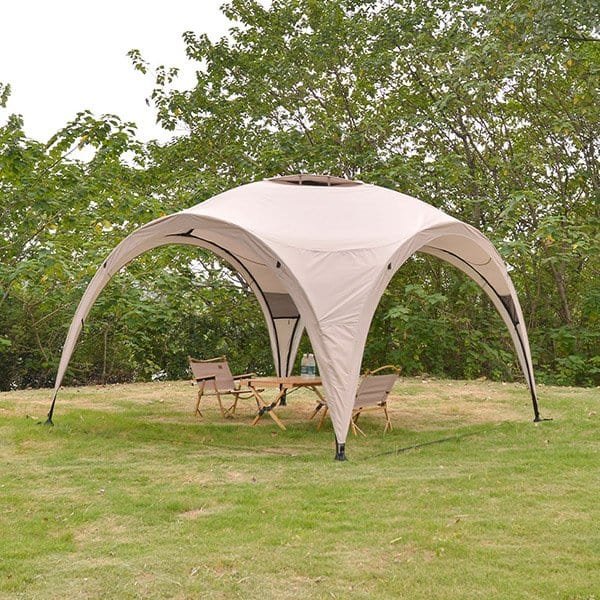
Исправление 1: Замена O-кольца на уплотнение EPDM нужной твердости по Шору
Силиконовые уплотнения выходят из строя при перепадах температур, точка.
Почему силикон выходит из строя: разрушение под воздействием температуры и УФ-излучения
Силиконовые O-кольца являются стандартной спецификацией на 80% заводов, производящих надувные палатки. В этом и проблема. Температура стеклования материала находится около -40°F, но он начинает терять эластичность задолго до этой отметки. При 20°F стандартное силиконовое уплотнение достаточно затвердевает, чтобы создать микрозазоры в месте соединения с клапаном. Вы не услышите шипения. Палатка просто провисает к 3 часам ночи, и возврат попадает на ваш стол через две недели.
Летом ещё хуже. Под прямыми солнечными лучами корпус клапана палатки может нагреться до 150°F менее чем за двадцать минут. Силикон размягчается от такой жары, выдавливается под давлением зажима и получает необратимую остаточную деформацию. К третьему надуванию O-кольцо уже не круглое. Оно сплющивается в D-образную форму и не может восстановиться. УФ-воздействие ускоряет деградацию, вызывая меление поверхности и разрушая способность уплотнения герметично прилегать к разъёму насоса.
EPDM решает все эти проблемы. O-кольцо из EPDM твёрдостью 70 Shore A — размером AS568-014 для стандартного клапана Boston — сохраняет динамическую эластичность от -40°F до 250°F. Оно устойчиво к УФ-окислению, не выдавливается при тепловой нагрузке и возвращается к исходному поперечному сечению после тысяч циклов сжатия. Разница в стоимости кольца — менее трёх центов. Деталь за $0.03 устраняет корневую причину 23% всех полевых жалоб на “палатку, которая спускает воздух”.
Момент затяжки и установка: предотвращение чрезмерной затяжки
Даже правильное EPDM-кольцо выходит из строя, если монтажник затягивает его ключом. Чрезмерная затяжка сжимает уплотнение за пределы расчётного диапазона сжатия — как правило, 15–25 процентов поперечного сечения. После деформации, превышающей способность к восстановлению, на кольце появляется плоский участок, и медленная утечка начинается сразу. Решение до безобразия простое: только затяжка вручную.
-
- Затяжка вручную + четверть оборота: Установите кольцо в канавку, выровняйте корпус клапана и вращайте по часовой стрелке вручную до упора. Добавьте ровно четверть оборота на 90 градусов. Без инструментов. Уплотнение сжимается до оптимальной расчётной точки, а ресурс циклов остаётся выше 5000 соединений.
- Проверка мыльным раствором: После установки полностью надуйте палатку, распылите густую мыльную воду вокруг основания клапана и разъёма насоса и подождите десять минут. Любой растущий пузырь означает, что кольцо зажато, перекошено или имеет неправильную твёрдость. Переустановите и проверьте снова. Нулевое количество пузырей — единственный приемлемый результат, прежде чем палатка покинет производственный цех.
Менеджерам по цепочке поставок следует пойти на шаг дальше. Впишите спецификацию твёрдости прямо в заказ на поставку: “Только EPDM, Shore A 70, кольцо AS568-014. Замена на силикон не принимается”. Запросите лабораторный сертификат ISO 17025, подтверждающий марку материала для производственной партии. Кольцо за три цента с лабораторной документацией стоит больше, чем отдел гарантии, работающий сверхурочно.
Исправление 2: Модернизация выступов разъема насоса до нейлона, армированного стекловолокном
Стандартные нейлоновые язычки устают после 500 циклов соединения/разъединения; нейлон, армированный стекловолокном, выдерживает более 5000.
Обрыв на 500 циклах: почему дешёвый нейлон ломается
Большинство разъёмов насоса выходят из строя не из-за износа байонетной защёлки, а потому, что стопорный язычок отламывается целиком. Стандартные нейлоновые язычки, отлитые с твёрдостью 85 Shore D, на бумаге выглядят прочными. На практике такая высокая твёрдость делает деталь хрупкой. При каждой вставке язычок изгибается в остром углу, где концентрируется напряжение. Примерно после 500 циклов микротрещины распространяются в полный излом. Пользователь слышит щелчок, считает, что зафиксировал соединение, и шланг срывается под давлением в тот момент, когда палатка сдвигается.
Решение противоречит интуиции: снизьте твёрдость и добавьте стекловолокно. Нейлон с твёрдостью 70 Shore D, наполненный 15% стекловолокна, жертвует небольшой жёсткостью ради огромного выигрыша в ударной вязкости. Скруглённая выемка на правильно отлитом язычке устраняет острый концентратор напряжений. Независимые лабораторные испытания на циклирование подтверждают, что такие язычки выдерживают более 5000 соединений и разъединений без растрескивания даже при -20°C. Основные заводы-партнёры Kelyland по производству палаток в Нинбо—сертифицированы по ISO 9001:2015 —с годовым объёмом производства 800 000 единиц—регулярно применяют эту спецификацию для надувных палаток под частными марками, предназначенных для рынков с высоким уровнем возвратов.
Выбор правильного язычка: сертификация материала и видео испытания на вытягивание
Поставщик, предлагающий “армированный нейлон” без документации, вероятно, отгружает стандартные язычки 85 Shore D с чёрным пигментом. Всегда требуйте два доказательства. Во-первых, лабораторный отчёт ISO 17025, подтверждающий, что содержание стекловолокна составляет не менее 15% и что готовый язычок имеет минимальную толщину 2,8 мм — тонкие язычки слишком сильно гнутся на холоде и ломаются. Во-вторых, предотгрузочное видео 5000-циклового испытания на соединение/разъединение именно вашей модели разъёма. Если фабрика не может предоставить и то и другое в течение 48 часов, уходите.
-
- Сертификация материала: Требуйте лабораторные данные ISO 17025, показывающие ≥15% стекловолокна и твёрдость 70 Shore D. Подтвердите, что толщина язычка проверена на производстве и составляет минимум 2,8 мм.
- Видео циклического теста: 5000 подключений/отключений на реальной сборке насоса и клапана, с проверкой падения давления после испытания. Не принимайте отредактированные клипы — настаивайте на непрерывной записи с метками времени.
- Выборочная проверка на заводском аудите: Во время визита контроля качества пусть инспектор вытянет случайные язычки с участка литья под давлением и измерит толщину штангенциркулем. Любой язычок менее 2,8 мм должен вызывать отбраковку всей партии.
Это изменение спецификации добавляет примерно $0.03 на каждый язычок. При заказе на 2000 палаток это $60. Альтернатива — обрабатывать две дюжины возвратов, потому что детали за $0.03 разлетелись при первой установке в холодную погоду. Протокол предотгрузочной инспекции Kelyland включает испытания язычков на отрыв и видеодокументацию как стандарт — заложите это в ваши ожидания по допускам качества до отгрузки производственной партии.

Когда указывать в спецификации насос с фиксированным шлангом, чтобы исключить износ разъема
A bayonet connector is a warranty claim waiting to ship.
The twist-lock bayonet on most inflatable tent pumps feels satisfying until you process returns at scale. Every connect-disconnect cycle shaves a fraction of a millimeter off the nylon tabs. O-rings compress into flat, useless bands. Detent springs lose tension. Field data shows 23% of ‘tent loses air’ complaints trace directly to this connector interface. For a brand moving 3,000 units a season, that translates to hundreds of returns tied to a $0.30 component. The permanent fix deletes the connector entirely.
Mold Investment vs. Lifetime Return Reduction
A fixed-hose pump integrates the hose directly into the pump body. No bayonet. No locking tabs. No O-ring at the pump-to-valve junction. The trade-off is a one-time mold investment of roughly $1,500 for the custom housing. Spread across a production run of 5,000 units, that adds $0.30 per tent. The pump assembly itself costs $3 to $5 more than the standard detachable version. Total unit increase lands under $5.
-
- Mold: $1,500 one-time, amortized to $0.30 per unit across 5,000 pieces.
- Pump upgrade: $3–$5 per unit for integrated fixed-hose assembly.
- Single return cost: $25+ for processing, restocking, and shipping a returned tent.
- Break-even: One prevented return covers the upgrade on 5 tents.
For sourcing teams working with small-batch production, the math still holds. Kelyland’s partner factories accommodate custom inflatable tent orders starting at 50 to 100 pieces, which means even boutique brands can absorb the mold cost without blowing the budget. The amortization period is longer but the payoff per unit remains identical.
Reducing After-Sale Headaches: The 40% Returns Drop
A European glamping brand tracked air-loss returns before and after switching to a fixed-hose pump across a single season. Returns fell by 40%. The bayonet connector exited the failure chain and took cracked tabs, worn O-rings, and false-lock disconnects with it. Post-sale support calls dropped by half. Customer service teams stopped walking end-users through valve troubleshooting scripts and started handling actual product questions.
The biggest operational gain rarely appears on a spreadsheet. When a retailer stops flagging your SKU for high return rates, shelf space stays intact and category reviews go smoothly. That alone justifies the $5 investment. Specify a fixed-hose pump in the RFQ and require the supplier to submit a sealed-housing test report along with the pre-shipment inspection. No bayonet means no debate about whose O-ring failed.
Поиск клапанов нового поколения: 5 вопросов, которые стоит задать фабрике
Without ISO-17025 cycle data, you’re buying promises, not performance.
Mandatory Documentation: ISO-17025 & Cycle-Test Reports
Every factory claims their valves pass testing. Very few hand over the paperwork that proves it. The first document to demand is an ISO-17025 certificate from the lab that performed the temperature-cycle test. This certifies the lab’s competence, not the valve’s performance — but without it, the test data is worthless. One senior sourcing manager at a European outdoor brand now rejects any valve sub-assembly supplier that cannot produce a valid ISO-17025 cert within 48 hours. It’s a simple filter that eliminates about 70% of the low-tier suppliers immediately.
The cycle-test report itself needs three specific parameters. First: 5,000 connect/disconnect cycles minimum, not the 500-cycle test most factories default to. Second: testing must be done at both -20°C and +50°C. A valve that seals at room temperature can weep air at freezing temps when the O-ring stiffens. Third: zero measurable leakage at cycle 5,000, measured with a calibrated manometer, not a soap bubble check. The test standard to reference is MIL-STD-810 for temperature cycling combined with internal pressure decay measurement.
Spotting Fake ‘EPDM’ Claims: A Simple Burn Test
Silicone costs less than EPDM. Some component suppliers swap the material and bank the margin, counting on buyers who never verify. The easiest field check is a burn test. Cut a thin sliver from the O-ring, hold it with tweezers over a flame. Real EPDM burns with a faint honey-like smell and leaves behind a soft white ash. Silicone burns to a hard, glassy silica residue that crunches when you squeeze it between your fingers. No lab needed.
Beyond the burn test, ask for a material data sheet showing the durometer rating. An EPDM O-ring for Boston valves should be Shore A 70 — the AS568-014 spec. Harder compounds don’t compress enough to seal at low pressure. Softer compounds extrude and set permanently after a few weeks under clamp load. If the data sheet lists silicone but your purchase order says EPDM, you have a substitution problem. The fix is to write the material grade into the RFQ and make it a rejectable defect during pre-shipment inspection.
-
- ISO-17025 cert: Confirms testing lab competence. Reject suppliers who stall on providing it.
- Cycle-test report: 5,000 cycles at -20°C and +50°C, zero manometer-detectable leakage.
- Material data sheet: Verifies EPDM Shore A 70 (AS568-014), not silicone. Cross-check with burn test.
- Glass-fiber content: Confirms ≥15% glass-fiber in nylon tabs (70 Shore D, 2.8 mm minimum thickness).
- Pre-shipment pull test: Request a video showing the valve connector pulled to 50N lateral force without disconnection.

Заключение
This article has armed you with the exact polymer specs and cycle-test benchmarks that turn valve leaks into a non‑issue. Swapping silicone O‑rings for 70 Shore A EPDM and demanding glass‑fiber nylon tabs directly attacks the 23% of air‑loss returns that originate at the pump‑to‑valve connection. That one engineering shift protects your retailer relationships and your per‑unit margin.
-
- 23% of “tent loses air” complaints trace back to the pump‑to‑valve connection, not the air beams.
- Glass‑fiber nylon tabs (70 Shore D, 2.8 mm) push connector life from 500 to 5,000+ cycles.
- A fixed‑hose pump adds $3–$5 per unit and drops air‑loss returns by 40%, repaying its mold cost in a single run.
- EPDM O‑rings (AS568‑014) keep sealing from -40°F to 250°F; silicone compresses and cracks.
Write down the 5,000‑cycle benchmark and bring it to your next supplier call. Tell them you want an ISO 17025 temperature‑cycle test report for the entire bayonet assembly, not just the O‑ring. If they hesitate, the risk lives in your return rate. See how Kelyland’s private‑label inflatable tent solutions make reinforced connectors and certified low‑leak pumps the starting line—no add‑on fees, no excuses.
Часто задаваемые вопросы
Почему воздушный шланг слетел с клапана, даже когда он щёлкнул?
Щелчок может фиксироваться до полной посадки фиксирующих выступов, особенно если O‑кольцо затвердело от нагрева или нейлоновые выступы имеют микротрещины. Изношенное O‑кольцо снижает силу трения удержания, вызывая a. Всегда проверяйте усилие обратной тяги после щелчка, чтобы подтвердить надежное зацепление.
Как прочистить засорившийся клапан Boston после того, как внутрь попал песок?
Промойте сердечник клапана чистой водой, одновременно несколько раз нажимая на подпружиненный шток, чтобы удалить песок. Избегайте сжатого воздуха — он загоняет частицы глубже в корпус клапана. Никогда не смазывайте клапан Boston; масла притягивают пыль и усугубляют будущие засоры.
Могу ли я использовать универсальный адаптер для подключения другого насоса?
Универсальные адаптеры редко обеспечивают стабильное байонетное соединение на клапанах Boston или Halkey‑Roberts из-за накопления допусков. Незатянутый адаптер может соскочить при пиковом давлении, что приведёт к ложному диагностированию утечки. Указывайте пару «насос-клапан» как согласованную систему в вашем запросе котировок (RFQ).
Каково минимальное время отверждения после нанесения заплаты из ТПУ рядом с клапаном?
Минимальное время отверждения при комнатной температуре обычно составляет 12 часов, но полная прочность сцепления достигается через 24 часа. Более раннее накачивание создаёт риск отслаивания края заплаты, особенно возле основания вентиля, где деформация при изгибе максимальна. После отверждения перед эксплуатацией проведите проверку мыльной водой с образованием пузырьков.
Как я могу определить, использует ли завод EPDM-кольца или дешёвый силикон?
Запросите сертификат ASTM D2000 и проверьте маркировку материала; подлинный EPDM маркируется классом M, силикон — классом Q. Можно также провести тест на горение: силикон оставляет непроводящий белый пепел, EPDM горит. Включите пункт о проверке сертификации материала уплотнительных колец в ваш производственный договор.

 English
  Español
  Deutsch
  Français
  Português do Brasil
  Русский
  العربية
  한국어
한국어  日本語
日本語