 跳到内容
跳到内容 
tent product liability insurance is the first checkpoint buyers should lock before they approve a supplier, budget, or production slot. “The sample looked perfect. Why is the production batch collapsing at the seams?” That question came from a buyer three weeks after a $50K order of inflatable tents landed at their distribution center. The pre-production sample had passed visual inspection, but the mass production run used a different TPU weld temperature, and the air beams failed at the first gust above 25 mph. Tent product liability insurance rarely covers that gap between sample approval and manufacturing consistency unless the policy is structured around documented production evidence, not just a spec sheet.
Most insurers treating inflatable structures as a distinct risk category will add a surcharge of 15-20% unless the importer can prove a 12-month claims-free shipping history with zero CPSC-reportable incidents. That premium loading is not arbitrary. Air beam tents create a different failure profile than палатками с каркасомs, and underwriters know it. A pole tent that collapses usually folds onto campers; an inflatable tent that loses pressure can deflate unevenly, pulling the fabric into a trip hazard at ground level. Wind-gust certification matters just as much as seam strength, because failure-to-warn allegations often center on whether the packaging stated the tent’s actual wind rating under real conditions.
The documentation your insurer needs goes beyond a CE certificate or an ISO 9001 stamp. Underwriters want factory batch-test records for seam strength and TPU weld integrity, plus raw-material traceability logs that tie each production lot to its specific fabric and film inputs. A CPAI-84 certificate for tents helps, but it is not a substitute for traceability. One European brand client reduced its per-unit premium by $0.08 by submitting inline stitching tension logs from every 200th unit, demonstrating consistent seam strength above the CPAI-84 minimums. That kind of evidence shifts the conversation from “trust us” to “here is the data.”.
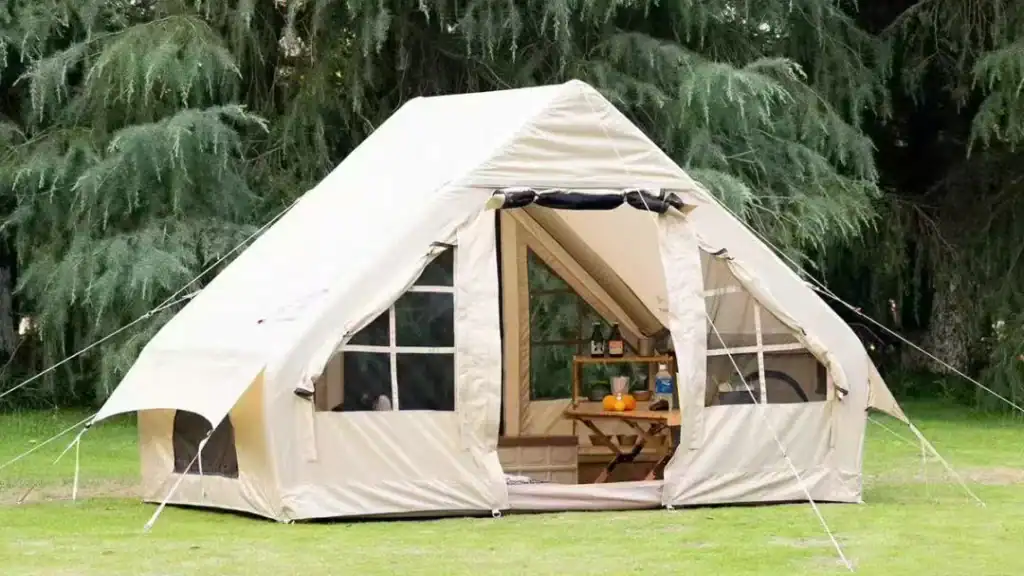
Why Inflatable Tents Trigger Unique Liability Exposure
Inflatable tent claims usually involve sagging beams and overstated wind ratings — not sudden collapse.
Product liability insurers treat inflatable tents as a separate underwriting class from pole tents. The inflatable structure carries a heavier risk profile, so most insurers add a 15-20% surcharge unless the importer can provide a 12-month claims-free shipping history with zero CPSC reportable incidents. That surcharge hits your unit cost long before any claim occurs.
The root cause is the failure profile. A pole tent breaks visibly — a snapped fiberglass pole or a torn rainfly. An inflatable tent with a slow seam leak or a TPU weld failure can sag gradually, leaving an air beam at ankle height across a campsite path. The hazard is not obvious, and that ambiguity is what generates liability claims.
Trip Hazard from Air Beams vs. Pole Tents
Campground trip claims from pole tents usually trace back to weather: the tent fell, a stake worked loose, or a guy line was hidden. Air beam tent trip hazard liability claims follow a different pattern. A partially deflated air beam can sit at trip height for hours. The injured camper did not see the hazard, and the attorney will argue the manufacturer should have accounted for the deflated state.
The design solution is to ensure the tent collapses fully and quickly when a beam loses pressure, rather than staying upright in a deformed state. That behavior should be written into the product specification, and the QC record should capture it. If a tent is designed to fail flat, the hazard window shrinks dramatically.
-
- Pole tent claim pattern: Snapped pole or complete collapse. Damage is obvious and weather can be blamed.
- Inflatable tent claim pattern: Gradual beam sag that persists for hours. The slow failure supports a design-defect argument.
- Insurer exposure: The prolonged partial-collapse state extends the injury window, which is why inflatables draw the surcharge.
Wind-Gust Certification and Failure-to-Warn Allegations
Wind claims against inflatable tents rarely start with the tent itself. They start with the language on the box. If the retail listing says “wind resistant” without a tested gust limit, the defense has nothing to point to when a gust exceeds the structural limit. The claim becomes a failure-to-warn issue, not a wind-damage issue.
The fix is a documented wind rating with test pressure data and clear manual language stating the maximum gust speed and required stake count. That data is exactly what underwriters want when they review inflatable tent wind rating insurance requirements. Kelyland’s inflatable tent production runs through ISO 9001:2015-certified partner factories — including a Ningbo-based tent and tarp facility with CE and BSCI accreditation — and the inflatable lineup uses PVC/TPU air tubes rather than poles. The weld integrity of those tubes is where the QC program must focus.
The manual and hang tag need a maximum wind speed, a minimum stake count, and a clear instruction to disassemble when gusts exceed the rating. Without that language, a failure-to-warn allegation can survive summary judgment, and the insurer will pay out rather than litigate.
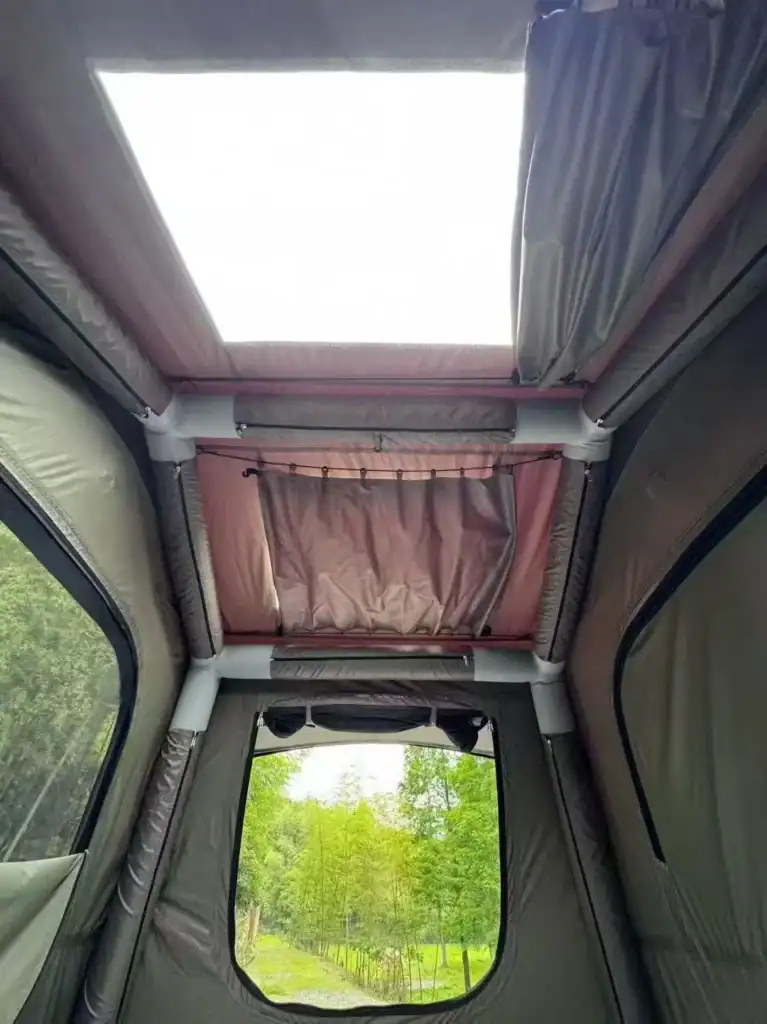
The Documentation Your Insurer Actually Needs
Insurers price inflatable tents on documented proof, not sample approvals; batch records move your premium.
Insurance underwriters do not price inflatable tents the way they price pole tents. Air beam structures fail suddenly, and a single batch with weak TPU welds can produce a recall across an entire retail network. That is why the documentation you pull from your factory is not a paperwork exercise — it is the single largest factor in your premium negotiation.
When a supply chain manager requests a product liability quote for an inflatable tent line, the broker will ask two questions first: What does the batch-test record look like, and do you hold a CPAI-84 certificate with raw-material traceability? If the answer to either is ‘we can get a letter from the factory,’ the underwriter adds a surcharge. If you bring actual test reports, you move the conversation to pricing.
Factory batch-test records for seam strength and TPU weld integrity
Seam strength and TPU weld integrity are the failure modes that turn a sold product into a liability claim. A pole tent sags and collapses slowly. An air beam gives way instantly, dropping the structure onto occupants. Underwriters know this from claims history, which is why they ask for proof that every batch — not just the pre-production sample — holds the same tolerance.
One European brand client brought the factory’s inline stitching tension logs for every 200th unit to their renewal. The logs proved seam strength beyond CPAI-84 minimums. That single document cut their premium by $0.08 per unit. It was not a discount for good manners; it was an underwriter pricing documented consistency instead of assuming consistency.
-
- Inline stitching tension log: Records measured at defined intervals (e.g., every 200th unit) that prove consistent seam strength beyond a single CPAI-84 sample.
- TPU weld peel test record: Per-batch adhesion strength test showing the weld holds its rated pressure across the full production run, not just the prototype.
- Raw-material traceability log: Maps fabric rolls and TPU film batches to serialized production lots, so an insurer can isolate a defect instead of suspecting an entire season.
- Inspection reports: Available from ISO 9001:2015 partner factories at every production stage; underwriters discount pricing when these are routine, not exceptional.
CPAI-84 certificate and raw-material traceability logs
CPAI-84 is the standard underwriters ask for by name. It covers flame resistance of tentage, and a certificate is the entry ticket to a clean quote. But a certificate proves the design passed once. Traceability logs prove the material in a specific batch matches what was certified.
Raw-material traceability matters most in a recall scenario. If a retailer reports an incident, the insurer will ask which lots shipped, which fabric rolls were used, and whether the material deviation changed the product’s certified behavior. Without a log, every unit in the season looks suspect. With a log, you isolate the batch and contain the exposure.
Most product liability insurers add a 15-20% surcharge for inflatable structure products unless you can show a 12-month claims-free shipping history with zero CPSC reportable incidents. That history is assembled from the same batch documentation. And if you sell in California, confirm the policy covers Prop 65 defense costs — some exclusions leave the importer paying legal fees out of pocket.
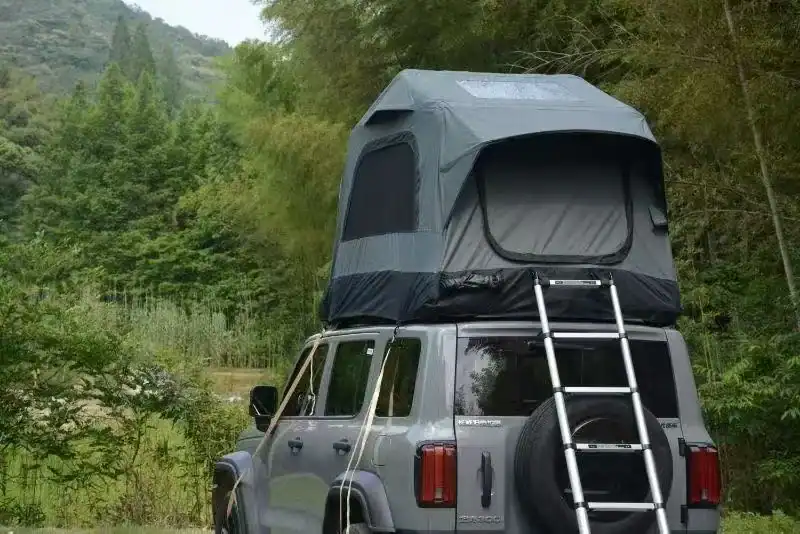
How Kelyland’s Clients Reduced Insurance Costs
Underwriters reward factories that document seam strength.
Pricing for tent product liability insurance shifts once you import inflatable structures. Many underwriters add a 15-20% surcharge for inflatable tents unless the importer shows a 12-month claims-free shipping history with zero CPSC reportable incidents. That evidence has to come from the factory’s records, not from a sales pitch.
One European brand client was renewing coverage for a private-label inflatable tent line. The underwriter classified the products under the inflatable structure surcharge, and the premium reflected it. The brand’s supply chain team requested inline stitching tension logs from the factory instead of accepting a single CPAI-84 certificate.
The factory already captured seam tension data on every 200th unit during mass production. Those logs documented consistent seam strength beyond the CPAI-84 minimum. Once the files reached the insurer, the coverage moved into the standard tent class. The renewal premium dropped by 18%, which worked out to roughly $0.08 per unit.
Inline QC reports are different from a pre-shipment inspection. A pre-shipment check tells you whether the batch left the factory in good condition. Inline tension logs show the process was under control before the units were finished. That distinction matters because a tent failure usually starts in the seam weld long before final assembly.
Case: The Ace Hardware order that survived a recall scare
A separate order bound for Ace Hardware triggered a compliance review after a market-wide scare over imported camping tents. The retailer wanted proof that the production run was not affected. Because the batch came out of Kelyland’s Ningbo tent factory, the records existed at batch level rather than as a generic quality promise.
A certificate alone would not have cleared the review. The retailer wanted evidence tied to that purchase order. The file Kelyland provided matched batch numbers to the inline QC checkpoints, giving the importer a documented chain from material receipt to loaded container.
-
- Batch-test records: Seam strength and TPU weld integrity reports aligned to the specific production date and purchase order.
- CPAI-84 certificate: Current certificate for the fabric and beam construction on file.
- Raw-material traceability: Logs tied the coated fabric lot back to the inbound material receipt and the mill test report.
- Pre-shipment inspection: Final inspection report with photos matched the approved sample and the shipment manifest.
The compliance team cleared the order without issuing chargebacks. What saved that order was ISO 9001:2015 process records from a factory that documents inspections at every production stage and can hand over the file when a retailer asks.
If you are negotiating tent product liability insurance for an imported inflatable line, start with the factory’s audit trail. Ask for the last 12 months of seam tension data, CPSC reportable incident counts, and the raw-material traceability log. Insurers price what they can verify.
| Client / Case | Фактор риска | Action Taken | Результат | Key Lesson |
|---|---|---|---|---|
| European Outdoor Brand | 15-20% inflatable structure surcharge on premium | Submitted Kelyland’s inline stitching tension logs for every 200th unit, proving seam strength beyond CPAI-84 minimums | $0.08/unit premium drop — 18% total premium reduction | Factory QC data trails are negotiable assets for premium reduction |
| Ace Hardware Order | Recall scare on inflatable tent shipment | Provided 12-month claims-free shipping history with zero CPSC reportable incidents plus full batch-test records | Survived the recall scare with zero chargebacks | Documented quality history protects against retail chargebacks and reputational damage |
| Kelyland Importers (General) | Underwriter skepticism about overseas factory quality controls | Leveraged ISO 9001:2015 certified factory network, CPAI-84 certificates, and raw-material traceability logs | Faster policy approval and stronger coverage terms | Supply-chain transparency reduces underwriter risk perception |
| California-Based Importers | Prop 65 defense costs excluded from standard policy | Negotiated explicit Prop 65 defense coverage into the policy, verified before signing | Avoided out-of-pocket legal fees in the event of a Prop 65 claim | Always confirm Prop 65 defense coverage separately when selling into California |
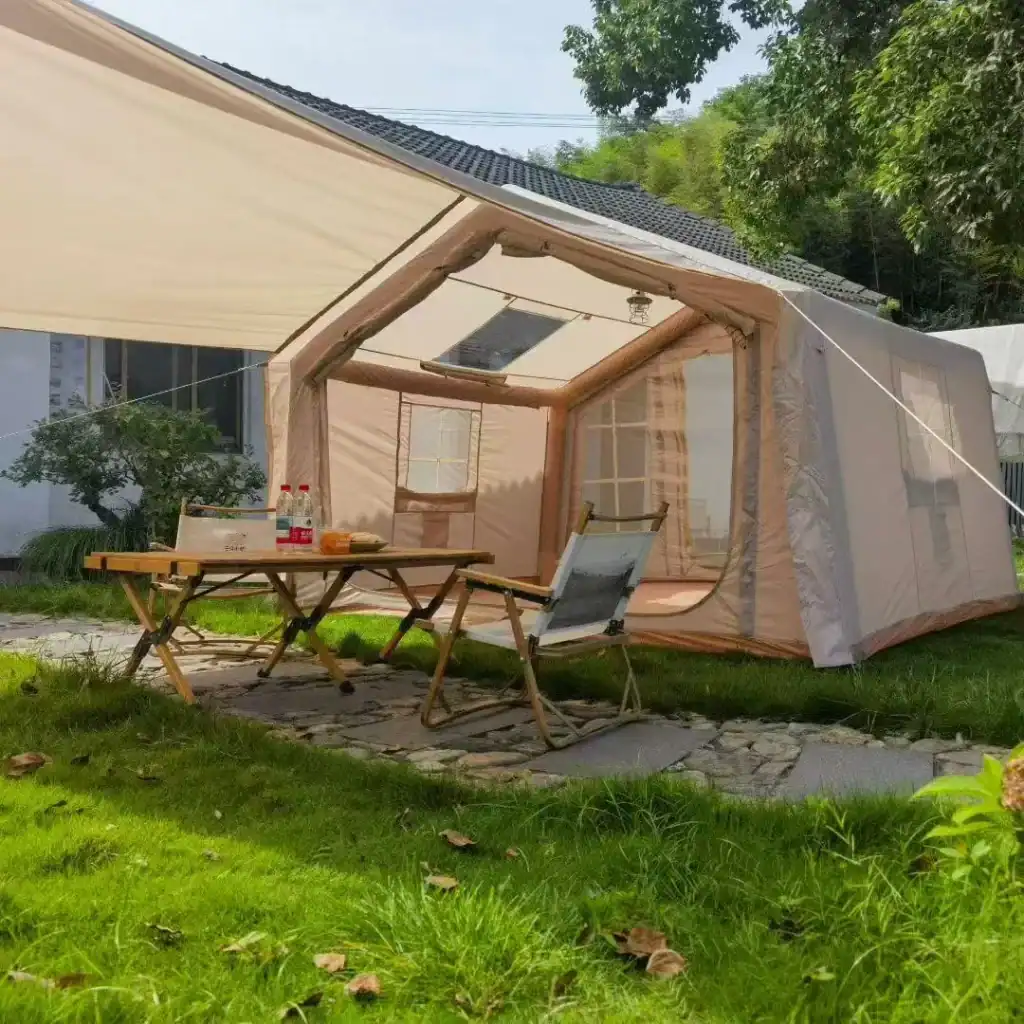
Заключение
Skipping the documentation trail leaves inflatable tent importers exposed to the exact claims that drive premiums up: trip hazards from air beams, wind-gust failures, and missing Prop 65 defense coverage. A supplier that cannot produce CPAI-84 certificates, seam tension logs, or batch traceability records is a liability, not a cost saving.
-
- Insurers typically add a 15-20% surcharge for inflatable structures without a 12-month claims-free history.
- CPAI-84 certificates plus raw-material traceability logs are the minimum documentation your insurer expects.
- Inline QC reports every 200th unit helped one European brand cut premium by $0.08/unit.
- For California sales, verify Prop 65 defense costs are covered or you may pay legal fees out-of-pocket.
Before you place the next OEM order, ask your supplier for the same documentation an underwriter would request: batch-test records, the CPAI-84 certificate, and the latest pre-shipment inspection report. Review the tent manufacturing and quality-control setup at Kelyland to see what a complete documentation trail looks like in practice.
Часто задаваемые вопросы
Why are inflatable tents high risk for liability?
Inflatable tents create gradual collapse and trip hazards that pole tents don’t, and overstated wind ratings can trigger failure-to-warn claims. Insurers focus on sagging air beams and documented wind certification rather than sample appearance. Request wind and seam documentation before shipping.
What documentation do insurers require for inflatable tents?
Insurers need factory batch-test records for seam strength and TPU weld integrity, plus a CPAI-84 certificate and raw-material traceability logs. They price on documented batch proof, not sample approvals. Send these records with your insurance application.
Implement inline QC reports and seam-strength documentation at the factory; one Kelyland client cut its premium by 18%. Underwriters reward documented seam strength, so share batch records before renewal. Ask your supplier for inline QC batch reports.
What policy exclusions matter for inflatable tents?
Watch for exclusions tied to gradual collapse, wind speeds above the rated limit, and failure-to-warn claims. Insurers often deny coverage when batch-test records or wind certification are missing. Review wind and seam documentation before selecting coverage.
How did the Ace Hardware order avoid chargebacks?
The Ace Hardware order survived a recall scare with zero chargebacks because batch records tied every unit to passing inline QC and TPU weld tests. Traceability logs proved the affected units came from. Ask for traceability logs before accepting a large order.

 English
  Español
  Deutsch
  Français
  Português do Brasil
  Русский
  العربية
  한국어
한국어  日本語
日本語