 تخطي إلى المحتوى

Subject: CE folding wagon EN 71 — which route are we taking? I just watched a buyer lose four weeks because their QA team assumed EN 71 was the only path for a wagon that will sit on a beach, not in a toy aisle. The pre-production sample matched perfectly. The mass production run did too. But the customs broker flagged the technical file because the declared intended use didn’t match the test standard they chose. That $50K order sat at Rotterdam for nine days while they scrambled to reconcile a GPSD declaration with EN 71 test data.
The confusion is understandable. A folding wagon can haul camping gear, groceries, or kids around a campsite. The EU’s General Product Safety Directive (GPSD) covers general-use products and requires a technical file plus an EU Declaration of Conformity. EN 71 is the toy safety standard, triggered when the product is clearly intended for children under 14 years old. The mistake most brand managers make is defaulting to EN 71 because a child might use it. That logic backfires when your retailer asks why you paid for toy-standard flammability tests on fabric that only needs to meet GPSD’s general safety requirement — or worse, when you skip EN 71 and your buyer sells through Decathlon’s outdoor section but the procurement team still demands toy certification because of internal policy.
So before you commit to either route, pin down two things: who your packaging says this wagon is for, and where it will sit on the retail floor. Those two factors determine whether you spend €2,000–€3,000 on EN 71 testing or roughly half that on GPSD documentation. Get it wrong and you’re not just paying for re-testing — you’re explaining to your supply chain manager why the launch timeline just stretched by six weeks.
GPSD vs EN 71: Which Applies to a Folding Wagon?
The intended user is the single biggest factor in choosing your CE route for a folding wagon.
Intended user: adults vs children
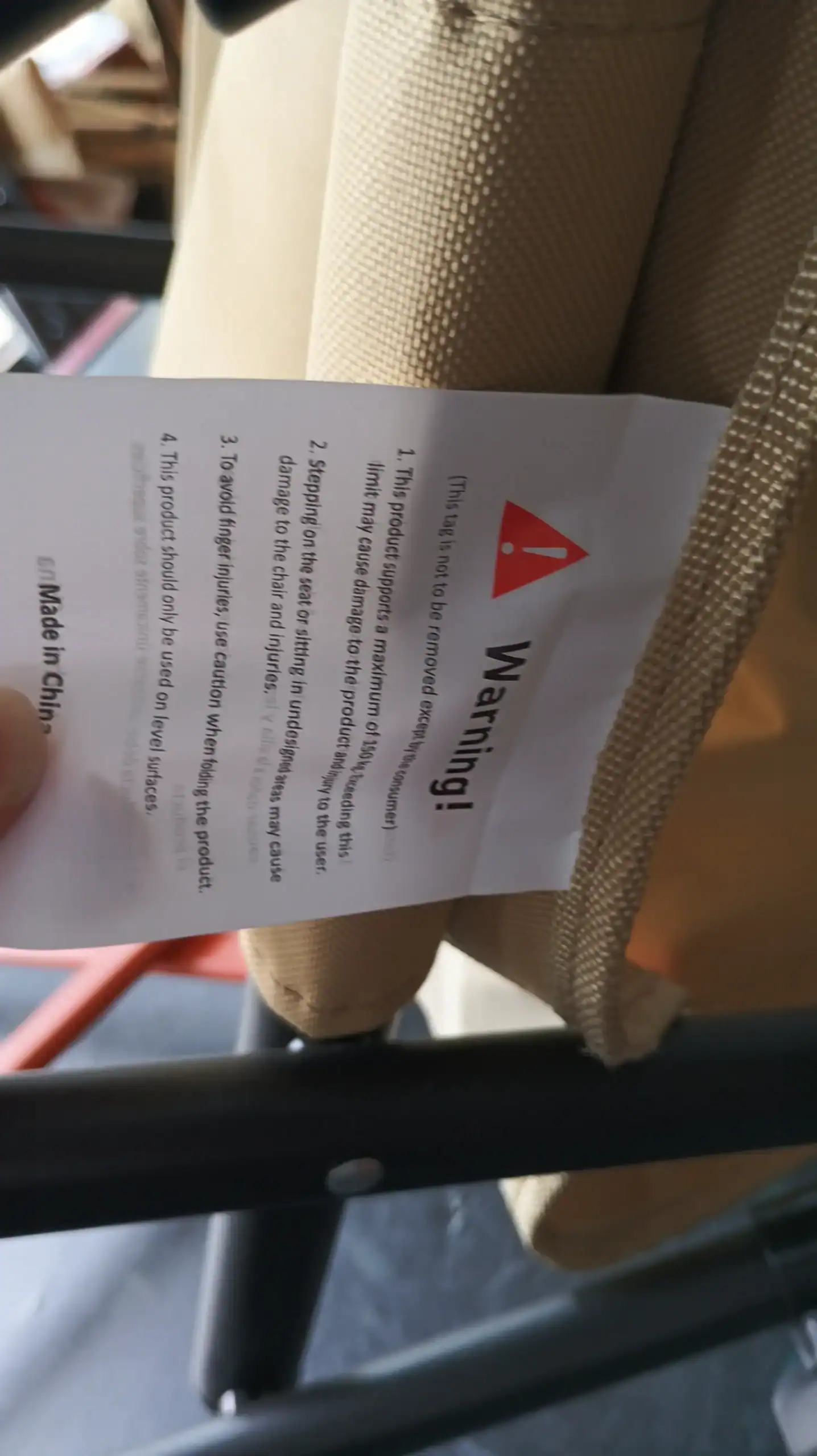
If your folding wagon is marketed as a beach cart, camping gear hauler, or garden utility vehicle for adults, the GPSD route is the default. You declare conformity under the GPSD framework and maintain a technical file showing the product meets general safety requirements. No EN 71 testing is strictly required.
The line blurs when the product could reasonably be used by a child under 14 years old. If the wagon has bright colors, small parts, or packaging that appeals to children, customs and market surveillance authorities may classify it as a toy regardless of what your marketing materials say. That triggers mandatory EN 71 compliance.
A real-world example: Decathlon sells wagons labeled for outdoor use, but many of those same models sit in toy aisles across Europe. When that happens, the retailer often demands EN 71 test reports even if the brand positioned the product as an adult utility cart. The cost of that retrofit — retesting, redesigning warning labels, possibly modifying small parts — can run into thousands of euros per SKU.
EN 71 Test Requirements for Toy Wagons
EN 71-1 and EN 71-2 tests apply if the wagon is classified as a toy for children under 14.
If your folding wagon falls under the toy classification, EN 71 becomes mandatory. The standard splits into multiple parts, but for a wagon with a fabric body and a metal frame, two sections matter most: EN 71-1 (mechanical and physical properties) and EN 71-2 (flammability).
Mechanical and physical hazards
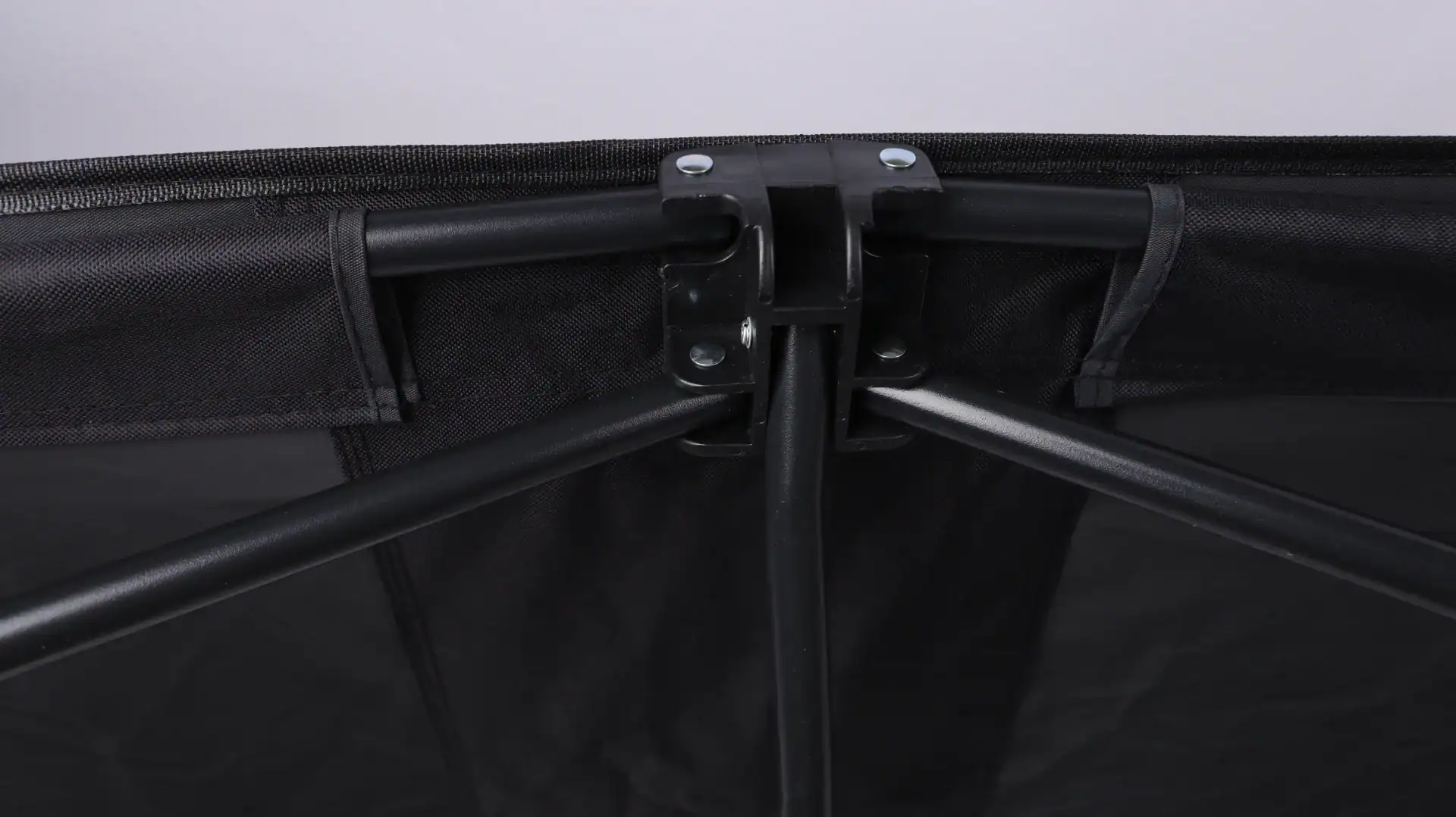
EN 71-1 focuses on what happens when a child uses the wagon in ways an adult wouldn’t. The test lab checks for sharp edges, pinch points in the folding mechanism, and stability under load. A wagon that tips when a child leans over the side at a 10-degree angle fails. Small parts — like rivets or plastic caps that detach under 50 N of force — also trigger failure.
The folding joint is where most wagons get flagged. If the hinge gap closes to under 5 mm when folded, it can trap fingers. The standard requires either a gap large enough to avoid pinching or a protective cover over the hinge. Some suppliers skip this detail because adult utility carts don’t need it.
-
- Sharp edges test: All accessible edges on the frame and fabric attachment points must pass a defined edge-radius gauge. A raw cut on a powder-coated steel tube is a common fail point.
- Stability test: The loaded wagon is placed on a 10° incline. If it tips or slides, the design needs revision — usually wider wheelbase or lower center of gravity.
Flammability of fabrics
GPSD Documentation for General-Use Wagons
Without a technical file, your wagon cannot legally enter the EU market.
If you’re bringing a folding wagon into the EU under the General Product Safety Directive (GPSD), you need two things: a technical file and an EU Declaration of Conformity (DoC). Skip either one, and customs or a retailer can reject the shipment. The technical file is the evidence package. It proves the product meets GPSD requirements for safety, materials, and construction.
What Goes Into the Technical File
The technical file for a general-use folding wagon should include: a full product description with drawings or photos, a list of materials used in the frame (powder-coated carbon steel or aluminum) and fabric (600D-900D double-layer Oxford), supplier declarations for key components like wheels and brakes, risk assessment results covering pinch points, stability, and load limits, plus test reports from an accredited lab. The file must be kept for 10 years after the last unit is placed on the market.
The EU Declaration of Conformity
The DoC is a signed statement that your wagon complies with GPSD. It lists your company name and address, a product identifier (model number), relevant standards applied (none mandatory under GPSD, but citing EN 581-1 for outdoor furniture or EN 71 where applicable strengthens it), and the signature of an authorized representative inside the EU. Without an EU-based signatory — either your own entity there or an authorized rep — customs will not accept it.
Why This Matters for Importers
Many importers skip building a proper technical file because GPSD feels looser than EN 71. That’s a mistake. A retailer like Decathlon may still ask to see your risk assessment even if you claim general use. If you can’t produce it within 48 hours, they delist you. The factory network behind Kelyland Outdoors produces folding wagons to ISO 9001 standards — that documentation streamlines your technical file because material certificates and production records already exist.

Choosing the Correct CE Route
EN 71 costs 2-3x more than GPSD but may be mandatory based on retail channel.
The cost gap between the two routes is not trivial. A GPSD compliance package — technical file, risk assessment, EU Declaration of Conformity, and basic physical testing — typically runs $2,000 to $4,000 for a folding wagon. That covers the documentation a customs broker needs to clear the container.
Full EN 71 testing through an accredited lab like TÜV or SGS starts around $8,000 and can exceed $15,000 if the wagon has multiple color variants or fabric types. Each variant requires separate mechanical and flammability tests. The timeline stretches from 3-4 weeks for GPSD to 8-12 weeks for EN 71 when you factor in sample shipping, test scheduling, and potential re-testing.
When GPSD is enough
If your folding wagon is marketed exclusively as a utility cart for adults — beach gear hauler, garden cart, camping equipment transporter — and your packaging clearly states “Not intended for children under 14 years,” GPSD compliance is legally sufficient in most EU markets. No EN 71 standard required at the regulatory level.
But here is where many importers get caught: retailers override the regulation. Decathlon, for example, may require EN 71 test reports even on adult-labeled wagons if they plan to display them in family or toy-adjacent aisles. The same applies to Amazon EU fulfillment centers when algorithms flag the product as “toy-like.” Always confirm with your buyer before committing to a route.
EN 71 becomes mandatory if any of these conditions apply: the wagon is marketed for children under 14 years; it features bright colors, cartoon graphics, or child-oriented branding; it includes small parts that could be choking hazards; or it has moving mechanisms that could pinch small fingers.
الخاتمة
The difference between GPSD and EN 71 for a folding wagon isn’t just about the standard itself. It’s about where the product will sit on the shelf and who the retailer expects to buy it. A technically compliant adult utility cart can still get blocked if the buyer’s category manager classifies it as a toy.
-
- EN 71 applies when the wagon is intended for children under 14.
- GPSD covers general-use wagons marketed for adults or utility tasks.
- Retailers like Decathlon may require EN 71 regardless of labeling.
Before you finalize your technical file, clarify which EU directive your target channel expects. Ask your sourcing partner whether their ٨. مصنع العربات القابلة للطي has existing EN 71 test data for fabric flammability and pinch-point hazards — that shortens your timeline by weeks. Review current compliance options on the product page to match your route with the right certification scope.
الأسئلة الشائعة
Is my folding wagon a toy or not?
If the wagon is intended for children under 14, it is a toy and must follow EN 71. If it is designed for general use like beach trips or hauling gear, it falls. Confirm your target user before choosing the CE route.
What tests does EN 71 require for a toy wagon?
EN 71-1 covers mechanical and physical hazards like sharp edges and small parts, while EN 71-2 addresses flammability of fabrics. These tests are mandatory if the wagon is classified as a toy. Plan for both test sets if your wagon targets children.
What documentation do I need for GPSD compliance?
You need a technical file and an EU Declaration of Conformity to prove the wagon meets general safety requirements. Without this file, your product cannot legally enter the EU market. Prepare the technical file before shipping to Europe.
Which CE route is cheaper and faster?
The GPSD route is generally cheaper and faster because it avoids the full battery of EN 71 toy-specific tests. However, if your wagon is intended for children under 14, you must use EN 71. Choose based on intended user, not just budget.

 English
 Español
 Deutsch
 Français
 Português do Brasil
 Русский
 العربية
 한국어
 日本語