 Zum Inhalt springen
customs bond required import tent is the first checkpoint buyers should lock before they approve a supplier, budget, or production slot. Every sourcing guide tells you to compare der FOB-Preis first and leave the customs bond for later. That sequence is expensive. The customs bond required for import tent programs is a classification decision that starts before sample approval, not a freight add-on to price after the purchase order is signed. A $50,000 order can generate a $10,000 customs invoice because the mass production run didn’t match the pre-production sample and the entry was classified under a higher duty rate.
Sample approval confirms build quality, fabric weight, and quality tolerance. It says nothing about the HTS line your broker will use on CBP Form 301. The customs bond cost for commercial tent shipments is calculated at 10% of the total estimated duties, taxes, and fees for the coming 12 months, not just what you paid last year. Change the canopy fabric or switch the coating, and the classification can shift enough to change the bond amount.
The CPSC flammability rules add another layer. Tent fabrics covered by CPAI-84 can trigger separate bond obligations or higher minimums that most freight guides ignore. A single-entry bond also needs its own ISF activation within 40 hours of vessel departure, which is a hidden operational failure point for first-time importers. For a seasonal tent program, that combination can stall a container at the port while storage fees erase the margin. A supplier that matches export documentation to the actual production run makes the bond predictable before your broker ever invoices it.

Why Tent Imports Need Bonds
A customs bond is a security contract, not a shipping fee.
Every commercial tent shipment entering the US with a value of $2,500 or more requires a customs bond. That includes inflatable tents, pole tents, pop-up shelters, and glamping structures. The bond is not a tax. It is a financial guarantee that CBP can collect if the importer of record fails to pay duties, fees, or penalties. Ship without one and the container sits at the port under an insufficient-bond hold.
The trigger is the entry type. Shipments valued over $2,500 require a formal entry, and every formal entry requires a bond. Tents classified under HTS 6306.22 — synthetic fiber camping tents — fall squarely into this category. The de minimis exception ($800) only covers personal, non-commercial shipments, not inventory headed for retail shelves.
CBP Form 301 Names Three Parties
The bond is documented on CBP Form 301, a contract that ties two accountable parties to one guarantor. First-time importers routinely confuse the importer of record with the freight forwarder. The importer of record holds the liability. The forwarder does not.
-
- Importer of Record (Principal): The party that owns the goods and bears full financial liability for duties, taxes, and penalties. Signs CBP Form 301 and must have an active bond on file before CBP releases the entry.
- Surety Company: A Treasury-approved insurer that guarantees payment to CBP if the principal defaults. Bond premiums run a fraction of the bond amount; coverage is underwritten in $10,000 increments up to $100,000.
- CBP: The enforcing agency. CBP does not sell bonds — it verifies the surety’s number, calculates duties, and releases the shipment once security is confirmed.
The $2,500 Threshold Is Only the Starting Point
Low-value shipments can still require a formal entry — and therefore a bond — when a Partner Government Agency has jurisdiction. Tents trigger CPSC oversight under the Flammable Fabrics Act. Camping tents must meet CPAI-84 flammability requirements. That PGA authority means the bond requirement can apply below $2,500.
Generic freight guides treat the bond as a simple value-based calculation. For tent importers, the CPSC flammable fabric classification can trigger PGA bond overlays and separate minimum bond amounts. If the supplier cannot provide a CPAI-84 test report before the vessel departs, the entry is at risk.
ISF timing is the second failure point. A single-entry bond requires separate ISF bond activation within 40 hours of cargo departure. Miss that window and the penalty chain starts. A continuous bond with the $50,000 minimum covers roughly $500,000 in annual duty and removes this operational risk for importers running multiple seasonal tent shipments.
The documentation burden lands on the supplier before the container ships. Kelyland Outdoors coordinates export paperwork and customs guidance across 17 core factories and 200+ manufacturing partners. Its partner tent factory in Ningbo produces 800,000 units per year under CE, BSCI, and ISO 9001 certifications. That documentation trail is what a customs broker needs to file CBP Form 301 accurately on the first attempt.
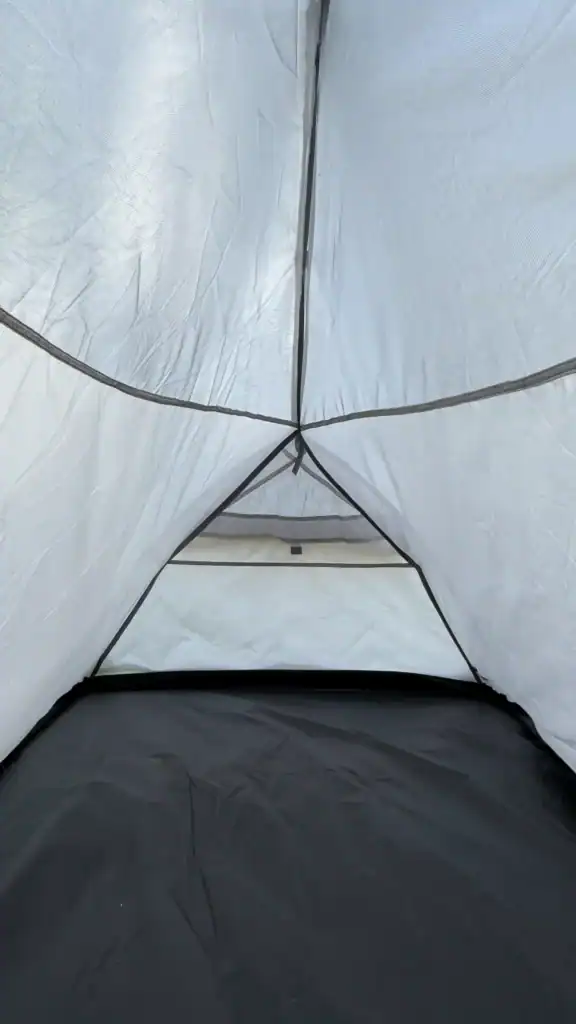
$10K Bond Mistake Cost Breakdown
A $200 bond gap on paper becomes a $10K invoice once demurrage and PGA referrals stack up.
The mistake rarely starts as a dramatic failure. A buyer sources a blended container of inflatable tents, files the entry, and waits. CBP reviews the bond amount, decides it’s insufficient, and issues a hold. The cargo is technically cleared — but the paperwork isn’t. That gap is where the money goes.
Port Storage and Demurrage
Every day past the terminal’s free-time window adds storage fees. A bond hold doesn’t pause that clock. Ten days of demurrage on a single 40HQ-Container often exceeds the annual premium on a continuous bond. The importer who under-bonded to save $300 ends up paying $3,000 in port fees before CBP even closes the file.
-
-
- Free-time window: Containers sit without charge for a limited period; after that, daily storage and demurrage apply regardless of whether CBP has released the entry.
- Bond hold compounding: CBP won’t release cargo until the bond is sufficient. Each working day spent responding to an increase notice adds another day of terminal fees.
- Operational impact: A hold that runs 10–14 days can erase the margin on the entire container, not just the bond premium.
-
Insufficient Bond Overlaps
The bond amount is 10% of duties, taxes, and fees from the previous 12 months. Most importers read that as ‘10% of what I paid last year.’ CBP applies the 10% to total estimated duties — the current-year projection. A tent program that grows from four containers to ten mid-season triggers an automatic bond increase notice. The importer who projected on last year’s numbers gets the hold.
-
-
- Single-entry bond: Calculated per shipment on entered value plus duty, and it requires separate ISF bond activation within 40 hours of vessel departure — a hidden operational failure point for first-time importers.
- Continuous bond: A $50,000 minimum covers roughly $500,000 in annual duty, with the premium often starting around $550 per year.
- Increment structure: CBP raises bond limits in $10K steps up to $100K, then $100K steps beyond. An increase notice mid-season always lands at the worst time.
-
CPSC Flammable Fabric Triggers
Tent imports carry a compliance layer most freight articles skip: CPSC flammability regulation under CPAI-84. Tent fabrics — including the coated floor and storage bag material — get evaluated for burn resistance. When a shipment falls under CPSC oversight, the entry can trigger a Partner Government Agency bond overlay. Generic commodity guides won’t tell you that, and a supplier who doesn’t handle export documentation regularly won’t either.
-
- CPAI-84 documentation: Request the tent fabric flammability test report before booking. If the factory hesitates, that’s a signal the file isn’t ready for a CBP entry.
- Liability exposure: Inflatable tents with a burn-risk classification carry higher product liability exposure than standard camping gear. Check whether your policy covers the CPSC classification.
- Supplier compliance support: Kelyland’s partner tent factory produces 800,000 units per year with CE, BSCI, and ISO 9001 certifications. The sourcing team handles export paperwork and customs guidance across 17 core factories and 200+ manufacturing partners.
| Kostenkategorie | Kostentreiber | Estimated Cost | Prävention |
|---|---|---|---|
| Bond Amount Shortfall | CBP formula now applies 10% to total estimated duties, not only duties previously paid. Under-projecting future tent import duty creates an insufficient bond. | Unexpected $10K+ increase in required bond amount; CBP entry hold until corrected. | Forecast forward annual duty using total estimated duties; confirm bond amount before vessel departure. |
| Port Storage & Demurrage | Container held at U.S. port while the importer posts additional bond coverage or corrects CBP Form 301 errors. | $300–$1,000+ per day after free time; multi-day holds easily exceed $10K in combined storage and demurrage. | Verify bond adequacy and documentation accuracy pre-shipment to avoid CBP holds and port fees. |
| CPSC Flammable Fabric Overlay | Tent fabrics classified under CPSC flammability rules (CPAI-84) may trigger Partner Government Agency bond overlays and higher minimum bond amounts. | Additional bond premium and higher security amount beyond generic freight-guide estimates. | Work with a supplier that provides real flammability certifications and export documentation for tent-specific compliance. |
| Single-Entry ISF Bond Failure | A single-entry bond requires a separate ISF bond activated within 40 hours of departure. Missing this window triggers penalties. | CBP penalties and potential shipment delay; often a hidden operational failure for first-time tent importers. | Use a continuous bond for frequent tent shipments; file ISF early and confirm activation with the surety. |
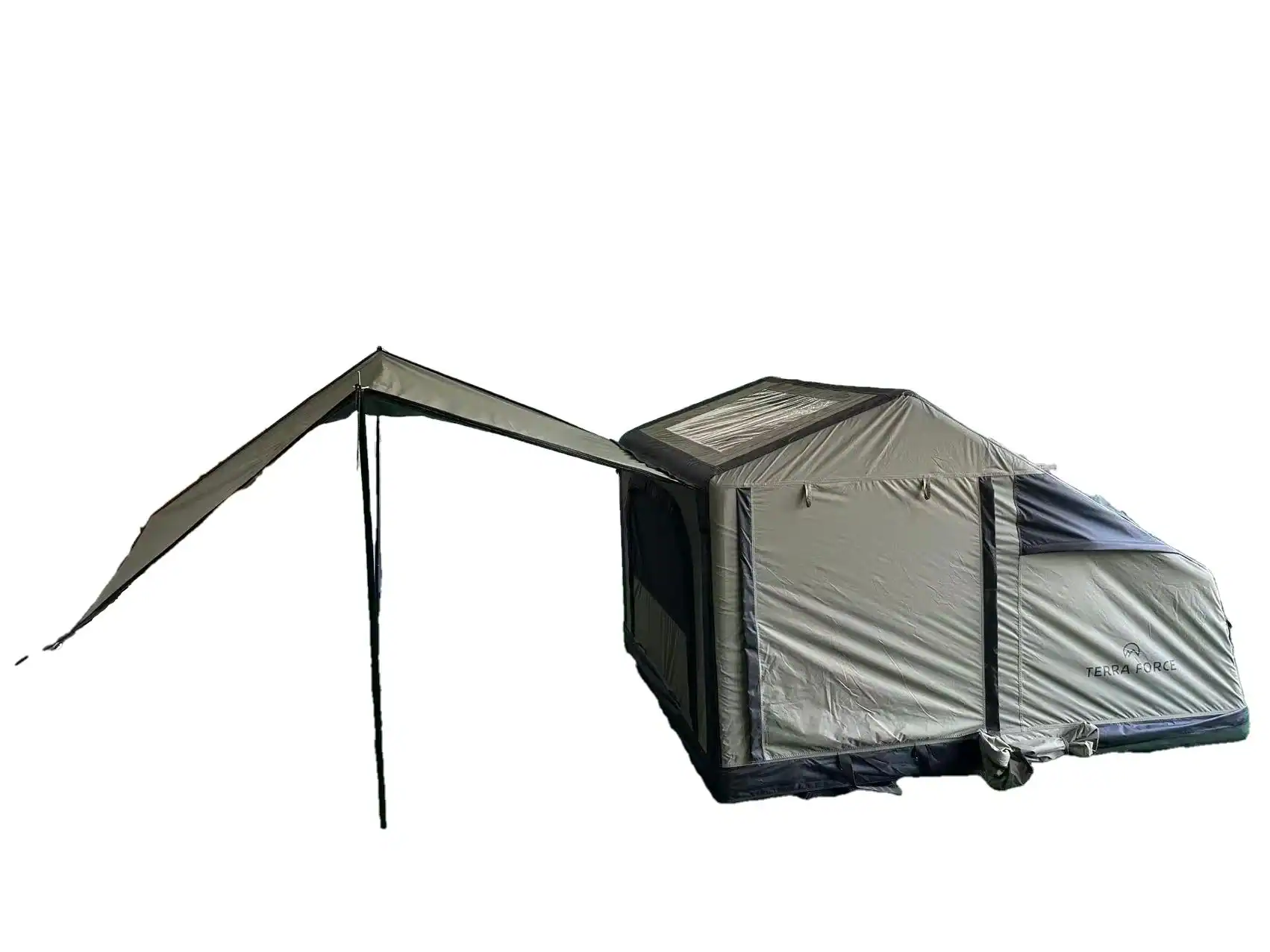
Single vs Continuous Bond Costs
A continuous bond costs a few hundred a year.
The choice between single-entry and continuous bonds comes down to one number: how many entries you will file in the next 12 months. Importers moving multiple containers of inflatable tents per season should hold a continuous bond. Importers moving a single sample shipment can file single-entry.
Continuous Bond Annual Pricing
A continuous bond carries a $50,000 minimum amount with an annual premium that typically starts around $550. That $50,000 is the coverage ceiling, not your payment. CBP requires the bond to equal 10% of duties, taxes, and fees from the prior 12 months, so a $50,000 bond covers roughly $500,000 in annual duty.
Coverage increases follow set increments: $10,000 steps up to $100,000, then $100,000 steps beyond that. Under-bond by even one increment and CBP can issue an insufficient bond notice that holds your entry. That is the $10K mistake in the title — not the premium itself, but the hold that follows it.
A continuous bond also simplifies ISF filing. One bond number covers every entry for the year. For a seasonal tent program running 30-45 day production lead times, that removes a clearance variable right when containers need to land before spring retail windows.
When Single Entry Fits
A single-entry bond covers one shipment, priced on total entered value plus duties for that container. It fits one-off sample orders and importers with very low annual duty volume. It does not fit a seasonal tent program.
Every single-entry shipment also needs a separate ISF bond activation within 40 hours of departure. Miss the window and the shipment is at risk of a hold before it reaches port. Run three tent SKUs across multiple containers and the per-shipment cost compounds quickly. The continuous bond becomes the cheaper option by the second or third filing.
-
- Continuous bond: $50,000 minimum coverage; ~$550/year premium; one bond covers all annual entries; ISF filed once.
- Single-entry bond: Priced per shipment value plus duty; separate ISF activation per shipment; best for samples and one-off orders.
Bond accuracy starts with supplier documents. If the commercial invoice and packing list don’t match the entry value your broker files, the bond is wrong before the vessel departs. Kelyland’s partner tent factory in Ningbo produces 800,000 units per year and issues export paperwork as part of the sourcing process, keeping the declared value consistent from factory floor to CBP entry.
| Merkmal | Single Entry Bond | Continuous Bond | Importer Impact |
|---|---|---|---|
| Bond Amount Basis | Total entered value plus duties for that shipment only | $50,000 minimum; covers approximately $500,000 in annual duty | Project annual duty before choosing; under-bonding triggers CBP holds |
| Premium Cost | Calculated per shipment value plus duty; repeated fees add up fast | Annual premium often starts around $550, regardless of shipment count | Frequent tent importers pay far less per landed unit with continuous coverage |
| ISF Filing Requirement | Separate ISF bond activation required within 40 hours of vessel departure | One bond covers all ISF filings for the year | Missed ISF activation is a hidden operational failure point for first-time importers |
| Renewal & Scaling | New bond purchased for every entry; no scaling benefit | Annual renewal; CBP bond increments are $10K up to $100K, then $100K increments | Bond increases apply to projected duty, not last year’s payments—avoid $10K+ surprises |
| Best Fit | One-off samples or very low annual duty exposure | Seasonal tent programs, multiple containers, or recurring inflatable tent imports | Match bond type to actual import frequency to avoid cost-prohibitive per-shipment fees |
| Compliance Risk | Each entry re-reviewed; insufficient bond notices can freeze cargo | Higher limit and forward-looking formula reduce hold risk for consistent importers | Tent fabrics under CPSC flammability rules (CPAI-84) may require PGA bond overlays beyond generic guides |
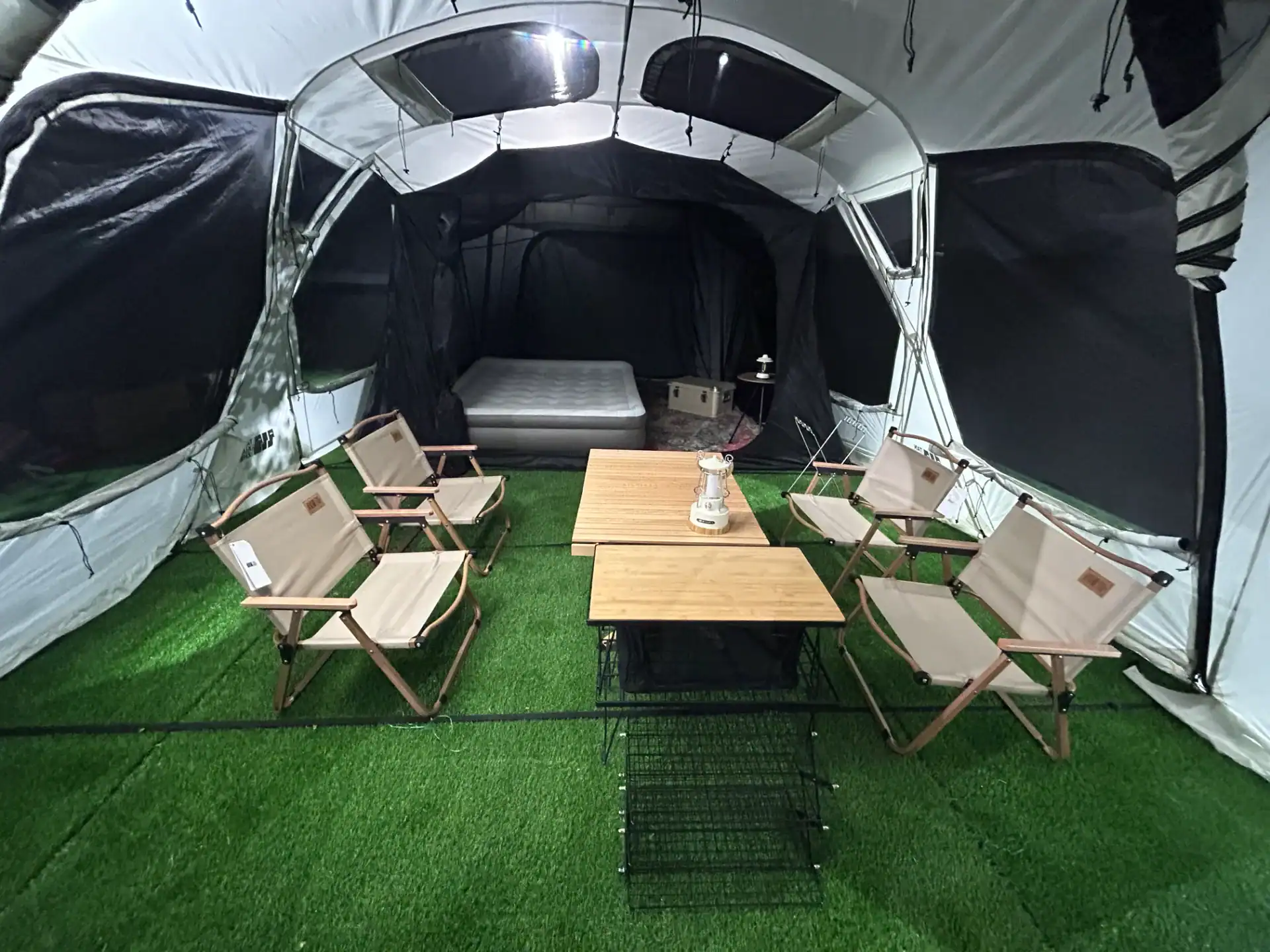
Filing Tent Import Bonds Correctly
Bond filing errors aren’t back-office noise.
Most importers treat the customs bond as a line item the broker handles in the background. For tent shipments, that assumption carries a $10K price tag. The bond amount hinges on three inputs: the HTS classification, projected annual duty, and the documents filed with CBP Form 301. Each one is a separate failure point.
HTS Classification: Inflatable vs. Pole Tents
Ein inflatable tent and a pole tent are not the same HTS line. Classification sets the duty rate, and the duty rate feeds the bond calculation. Classify an inflatable air-beam tent under the wrong subheading and the estimated duty comes out low. The bond follows that error. CBP catches it at entry, and the container sits in hold status while the surety rewrites the coverage.
CBP’s current formula sizes the bond at 10% of total estimated duties, taxes, and fees for the forward 12-month window — not what you paid last year. Importers who bond off the prior year’s actuals under-bond. The resulting insufficient bond notice triggers a hold, and every day of that hold accrues port storage and demurrage.
-
-
- Duty math: Project annual duty across all planned tent SKUs and container counts. Size the bond at least 10% above that figure. Using last year’s payments as the baseline is the classic $10K mistake.
- Increment rule: CBP moves bond amounts in $10K steps up to $100K, then in $100K steps beyond. Rounding up to the next increment is standard practice. Rounding down recreates the same hold risk.
-
Pre-Shipment Bond Checklist
Every formal tent entry needs these documents aligned before the vessel departs. A mismatch between the commercial invoice and the ISF data is one of the fastest ways to get a CBP query instead of a clearance.
-
- CBP Form 301: The bond contract naming the importer, the surety, and the coverage amount. It must be active before ISF transmits.
- ISF filing: The 10+2 Importer Security Filing transmits 24 hours before cargo loading. Single-entry bonds require a separate ISF bond activation tied to the vessel departure window — a hidden timing trap for first-time importers.
- Commercial invoice: Must state the HTS code, unit value, and country of origin exactly as declared in the ISF. Drift between the two documents triggers a hold.
- Packing list: Container count, carton dimensions, and weight per SKU must reconcile with the manifest and invoice.
- Bill of lading: The consignee name must match the importer of record on the bond. Divergent names stop clearance.
- CPSC flammability certificate: Tent fabrics fall under CPSC flammability oversight. A CPAI-84 test report should travel with the shipment; without it, a Partner Government Agency review can override the entire entry and restart the process.
Supplier Docs and ISF Timing
The supplier’s export paperwork determines whether ISF can be filed at all. If the commercial invoice and packing list arrive with classification errors, the 24-hour loading window closes and the container misses the vessel. The production timeline — Kelyland’s standard is 30-45 days — only covers manufacturing. The final week before sailing should be reserved for document verification, not last-minute corrections.
A sourcing partner with export experience removes that scramble. Kelyland Outdoors coordinates export paperwork and customs guidance across 17 core factories and 200+ manufacturing partners. The partner tent factory alone produces 800,000 units annually under ISO 9001:2015, and that certification drives documentation discipline. The commercial invoice, packing list, and test records are ready before the container is sealed — not after the ship has sailed.
Schlussfolgerung
The customs bond is the financial control point for any commercial tent shipment over $2,500, not a paperwork afterthought. Under-bonding or missing the ISF window turns a routine delivery into a CBP hold with port storage fees compounding daily. The fix is a bond amount set at 10% above projected annual duty, using forward estimates rather than last year’s paid figure.
-
- Commercial tent imports over $2,500 require a customs bond before CBP releases freight.
- A $50,000 continuous bond starts around $550 per year and covers most seasonal tent programs.
- Bond amount uses 10% of estimated annual duties, so project forward, not backward.
- CPSC flammable fabric rules (CPAI-84) can layer extra bond requirements onto tent shipments.
Benchmark your next supplier call against this: a $50,000 continuous customs bond at roughly $550 per year. For a tent program shipping multiple containers per season, single-entry bonds priced per shipment become the expensive path. Review your projected annual duty and supplier export paperwork against that number, then browse the Kelyland product pages to see how compliance-ready specifications are documented before your next order.
Häufig gestellte Fragen
Why is a customs bond needed?
A US customs bond is required by CBP as financial security that duties, taxes, and fees get paid. For tent imports, it also covers compliance with agency rules like CPSC flammability standards. Arrange your bond before booking shipment to avoid CBP holds.
What is the difference between a single-entry and continuous customs bond?
A single-entry bond covers one shipment only, while a continuous bond covers all your imports for 12 months. Continuous bonds usually carry a $50,000 minimum and are more cost-effective if you bring in. Choose continuous if you plan multiple shipments this year.
How much do customs bonds cost?
A continuous bond often starts around $550 per year, while a single-entry bond is calculated on the shipment value. In practice, single-entry costs are a small percentage of the entered value, so. Ask for a quotation before you finalize your container booking.
Is a Customs Bond mandatory for U.S. imports?
A Customs Bond is mandatory for formal entries—commercial shipments valued at $2,500 or more—and for shipments under PGA oversight. Informal entries below that value usually don’t require one, but tent imports can. Check your entry type with your customs broker before shipping.
Where can I get a Customs Bond?
You get a US customs bond from a licensed customs broker or surety company authorized by CBP. Your freight forwarder can also arrange it, but make sure they confirm the bond type and. Get a written quote before you book ocean freight.

 English
  Español
  Deutsch
  Français
  Português do Brasil
  Русский
  العربية
  한국어
한국어  日本語
日本語