 Zum Inhalt springen
Der Ankerpunkt eines aufblasbaren Zelts im Schnee ist die erste Hürde, die Käufer überstehen müssen, bevor sie einen Lieferanten freigeben, das Budget freigeben oder einen Produktionsplatz reservieren. Um ein aufblasbares Zelt im Schnee zu verankern, beobachtet man zunächst, was der Werksmitarbeiter bei der Messtechnik tatsächlich ermittelt – nicht das, was der Vertriebsmitarbeiter in der Verkaufsbesprechung verspricht. Der Mitarbeiter zieht an der Aussteckschlaufe, bis etwas reißt, und liest dann den Wert am Manometer ab. Der Käufer, der bei einem Auftrag im Wert von $50.000 auf die Schaufel setzte, hat diesen Wert nie gesehen. Die Musterabnahme vor Produktionsbeginn verlief erfolgreich, doch die Massenproduktion verwendete einen leichteren Ankerpunkt, und beim ersten Wintersturm zeigte sich der Unterschied.
Die Lücke zwischen Musterfreigabe und Serienfertigung ist genau dort, wo Zeltpannen im Winter lauern. Ein Standard-V-Stake hält in festem Schnee eine Ausreißkraft von 10–20 kg; ein eingegrabener Webbing-Deadman hält 200–300 kg und kostet unter $3 in Material. Die meisten im Handel erhältlichen “Schneestake” sind nur längere V-Stakes mit einem Marketing-Aufdruck. Die Frage “Wie man ein Zelt im Schnee verankert” ist daher falsch – die richtige Frage lautet: Hält der Ankerpunkt am Zelkgewebe die Last überhaupt aus?.
Für eine Private-Label-Käufer, verändert das die Diskussion um die Qualitäts toleranzen während der Musterabnahme. Die MOQ-Entscheidung sollte davon abhängen, ob die Ankerpunkte einen Zugtest unter Last bestehen, nicht davon, welcher Stake-Zubehör im Katalog schwerer aussieht. Eine 50-g-Webbing-Schlaufe im Zubehörset hält zehn Mal mehr als ein markenbekanntes Schneestake-Set, das für $8–15 im Einzelhandel erhältlich ist, und kostet in der Fertigung unter $2.
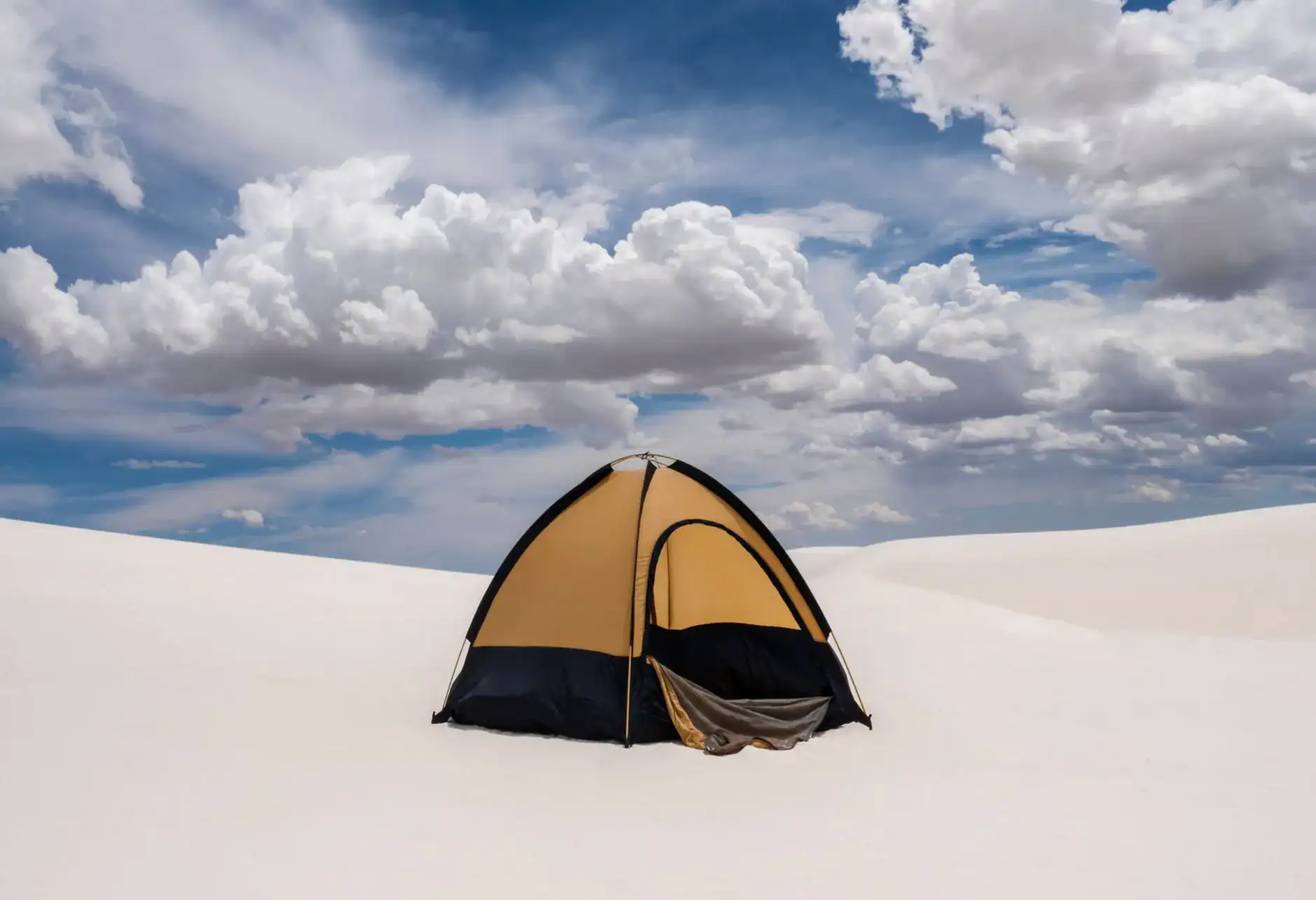
Warum normale Zeltstake im Schnee und Eis versagen
Ein Stake, der oberhalb der Schneelinie steht, ist kein Anker – er ist ein Scharnier, das auf Versagen wartet.
Ein standardmäßiger Aluminium-V-Stake, in festen Schnee geschlagen, hält lediglich eine Ausreißkraft von 10–20 kg. Derselbe Stake in trockener Erde hält 60–80 kg. Diese Differenz entscheidet darüber, ob ein Zelt einer Sturmfront standhält oder über einen gefrorenen See treibt.
Schnee klammert den Stake niemals
Boden funktioniert, weil granulare Partikel sich um den Stake Schaft verkrallen und so an jeder Oberfläche Reibung erzeugen. Schnee bietet diese mechanische Klammerwirkung nicht. Er verdichtet sich zwar, doch die Kristalle gleiten unter Last aneinander vorbei. Der eingegrabene Abschnitt eines V-Stakes hat nur seitliche Reibung gegen den lockeren Schnee – und diese Reibung bricht schnell zusammen, sobald der Wind zu ziehen beginnt.
Der sichtbare Schaft wird zum eigentlichen Problem. Die Windlast drückt auf das Zelt, die Leine zieht am Ösenauge des Herstellers, und die freiliegende Länge wirkt wie ein rotierender Arm. Der Pflock dreht sich um die Schneeoberfläche und hebt die vergrabene Spitze an. Was man im tiefen Schnee sieht, ist nicht der herausgleitende Pflock — es ist der umfallende Pflock, weil der Schnee über der vergrabenen Hälfte ihn nicht festhalten kann.
Längere Stahlpföcke und schwerere Pföcke beheben die physikalischen Grundlagen nicht
Ein 12-Zoll-Stahlpflock, der bis zur Öse vergraben ist, versagt im Schnee dennoch. Die Reibung zwischen Stahl und Eis ist ohne aggressive Grate oder eine schräge Schneidengeometrie zu gering. Längere oder schwerere Pföcke zu kaufen bedeutet, für einen größeren Hebelarm zu bezahlen, nicht für mehr Halt.
-
- Mechanische Realität: Pföcke halten nur, wenn das Medium um sie herum verdichtet ist. Schnee kann sich nicht wie Boden verzahnen, daher werden V-Pföcke zu Scharnieren statt zu Verankerungen.
- Produktionspriorität: Verstärktes Guy-Out-Gurtband an den Ankerpunkten ist wichtiger als die Pflocklänge. Kelylands Zeltfabriken fügen zusätzliche Ankerpolsterschichten an den Airbeam-Wänden hinzu, damit der Stoff bei wiederholter Windbelastung weniger reißt — der Anker versagt, bevor das Zelt versagt.
Wenn ein Lieferant ein Winterzelt-Kit mit schweren Stahlpföcken offeriert, aber ohne verstärkte Guy-Out-Schlaufen, ist die Designlogik verkehrt. Die Nähte und das Gurtband am Ankerpunkt bestimmen das Überleben im Sturm, nicht das Metall, das man in den Schnee schlägt.
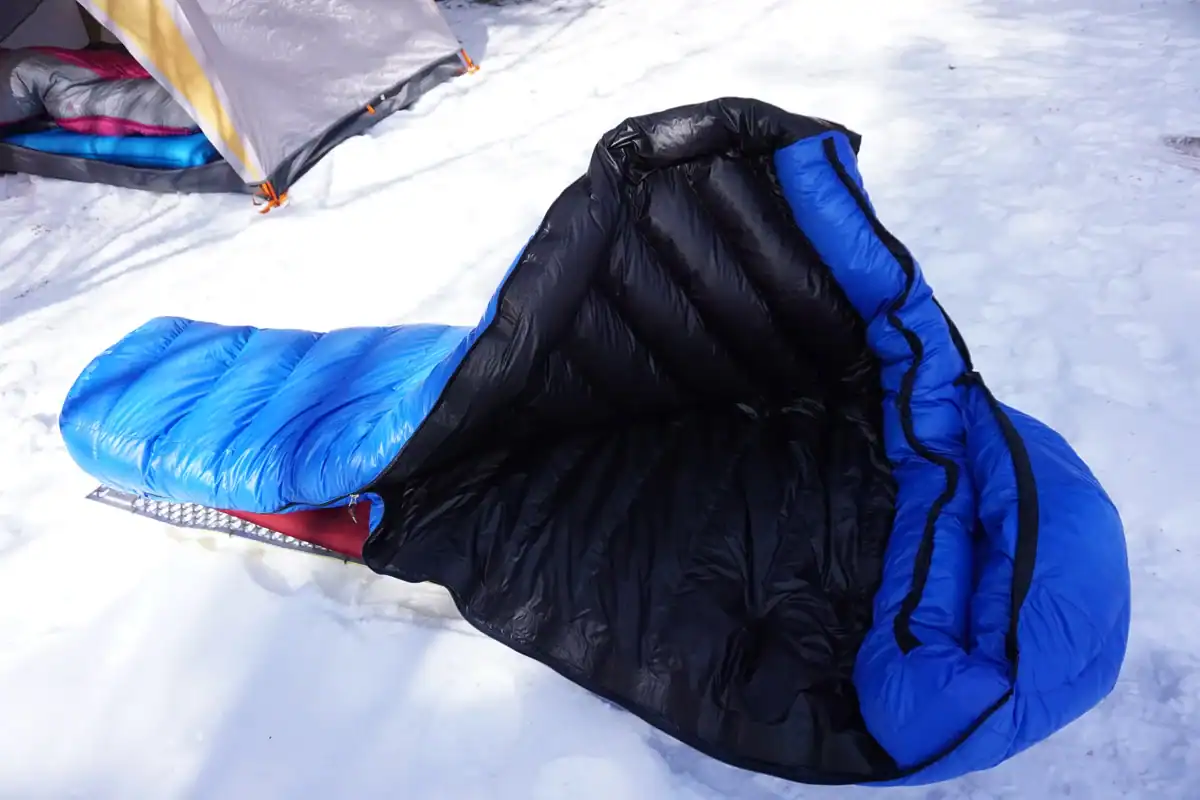
Schneeverankersysteme: Deadman, Eisschrauben und V-Stakes
Vergrabene Gurtband-Deadman-Halterungen halten 200–300 kg.
Schnee greift Pföcke nicht wie Boden. Ein Standard-Aluminium-V-Pflock, in verdichteten Schnee getrieben, hält 10–20 kg Zugkraft, während derselbe Pflock in trockenen Boden 60–80 kg hält. Wenn der Wind auf das Zelt trifft, wird der sichtbare Schaft zu einem Hebelarm und springt heraus. Ein einziges lockeres aufblasbares Zelt kann Ersatz- und Reparaturansprüche in Höhe von $2,500+ auslösen.
Deadman-Anker: Gewinner im Verhältnis Gewicht zu Haltekraft
Ein Deadman ist jedes Objekt, das senkrecht zur Zugrichtung vergraben wird. Eine Gurtbandschlaufe, ein Stuff Sack oder ein schne gefüllter Beutel in einem 6–12 Zoll tiefen Graben halten 200–300 kg bei Materialkosten von $0–3. Die Variante für die Produktion ist eine 50 g Gurtbandschlaufe mit der zugehörigen Leine in der Mitte verknotet. Um den Hals des Beutels geknotet, gleitet die einseitige Zugkraft heraus; eine zentrierte Gurtbandschlaufe verteilt die Spannung und hält die Vergrabung intakt.
Eisschraube: Wenn hartes Eis die Regeln ändert
Auf festem Gletschereis liefern alpINE Eispickel nach dem Setzen mehr als 600 kg. Diese Leistung kostet $25–40 pro Pickel und erfordert technisches Platzierungsgeschick. Für aufblasbare Glamping-Zelte auf verdichtetem Schnee sind Eispickel überdimensioniert. Expedition-Ausrüster sollten sie auf Lager haben; Verbraucher Winterzelt-Kits sollten dies nicht tun.
V-Stake: Ein Scharnier, kein Anker
Im Schnee ist eine V-Stake ein Scharnier. Selbst eine 12-Zoll-Stahlschaufel, die bis zur Öse eingegraben ist, hat einen nahezu null Greifwert, da die Reibung von Stahl auf Eis ohne Grate oder gewinkelte Geometrie zu gering ist. Bei flachem Schnee legen Sie einen Trekkingstock waagerecht und parallel zur Oberfläche und binden das Guy-Line um den Schaft ein. Das verwandelt einen Standard-Stab in einen Deadman der 200-kg-Klasse.
Ankerspezifikationen für Private-Label-Winterzelte
Der Stoffbefestigungspunkt versagt oft vor dem Stake. Verstärkte Guy-Out-Schlaufen und zusätzliche Ankerpad-Schichten an Airbeam-Wänden reduzieren das Rissrisiko, weshalb Kelyland-Ingenieure Winterzelte mit zusätzlicher Webbing-Verstärkung statt nur mit schwererem Zubehör ausstatten. Das Kelyland-Fabriknetz umfasst 17 Kernstrategie-Fabriken, die meist ISO 9001:2015-zertifiziert sind, mit standardmäßigen Produktionsvorlaufzeiten von 30–45 Tagen. Mindestbestellmengen für ausgewählte Artikel beginnen bei 50–100 Stück, sodass Platz für stichprobengleiche Feldtests vor der Großserie bleibt.
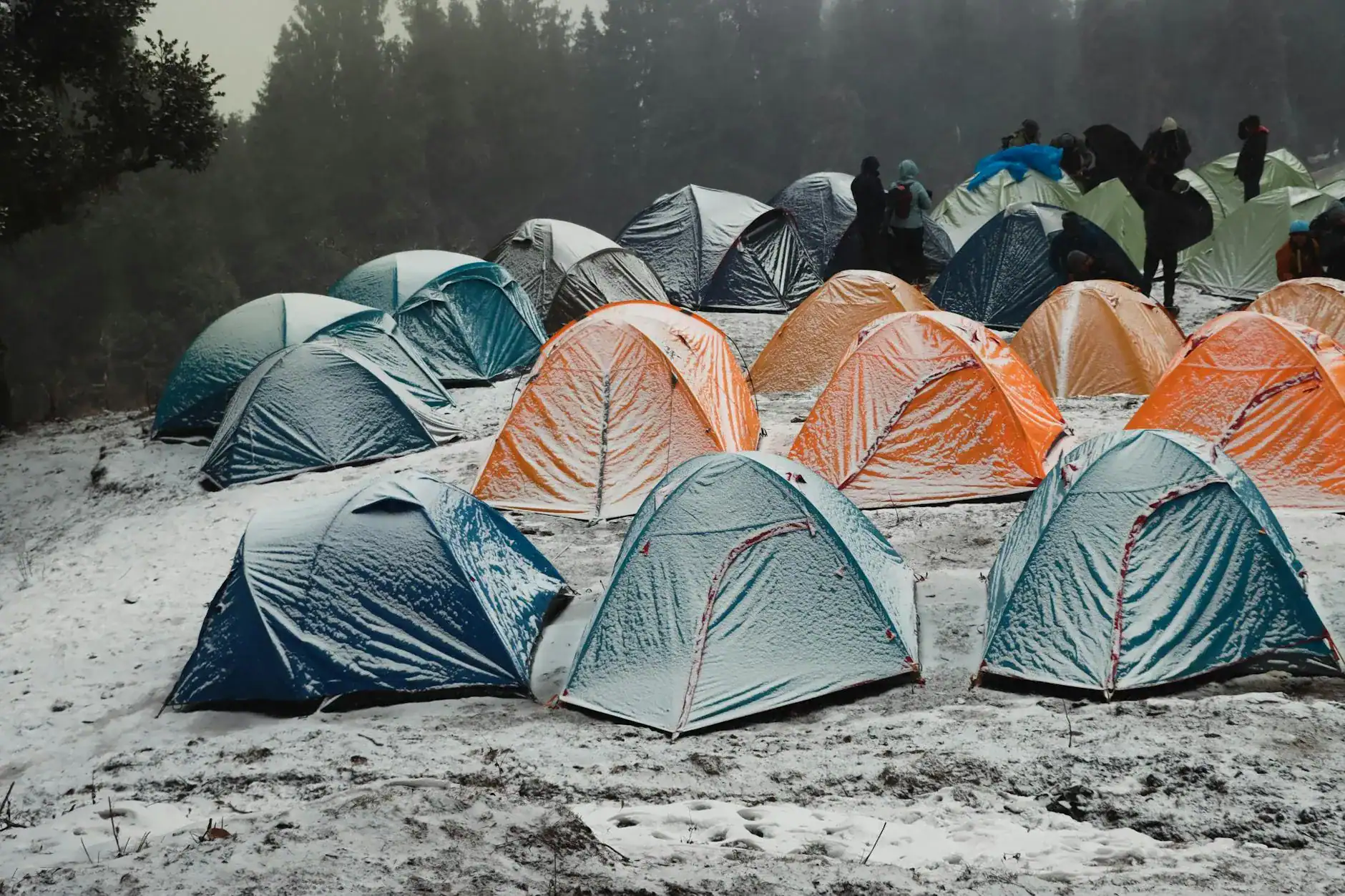
Deadman-Anker: Der Gewinner im Verhältnis zwischen Gewicht und Haltekraft
Ein vergrabener Webbing-Deadman hält 200–300 kg in kompaktem Schnee.
Schnee fehlt die mechanische Verriegelung, die Bodenhalt verleiht. Ein Standard-V-Stake in trockenem Boden hält 60–80 kg; derselbe Stake in kompaktem Schnee hält 10–20 kg. Jeder Gegenstand, der senkrecht zur Zugrichtung vergraben wird, fungiert als Deadman — eine Webbing-Schlaufe, ein Stuffsack oder ein mit Schnee gefüllter Gefrierbeutel. In einem 6–12 Zoll tiefen Graben vergraben, überträgt er die Zeltlast auf eine große Fläche verdichteten Schnees statt auf einen einzelnen Steckpunkt. Der Auszugswiderstand springt auf 200–300 kg. Materialkosten: $0–3.
Die Technik versagt auf eine vorhersehbare Weise: die Guy-Line, die um den Hals oder eine Ecke des Beutels gebunden wird. Das erzeugt einen Einzelzugpunkt, der Gegenstand rotiert im Graben und der Anker gleitet heraus. Die produktionsreife Lösung besteht darin, ein Tautline-Hitch oder Trucker’s Hitch in der Mitte zu binden. Die Spannung verteilt sich gleichmäßig, die Vergrabung behält ihre Form und das System hält.
Das Kosten-pro-Kilo-Argument
-
- 50 g Webbing-Schlaufe mit vorge nähten Schleifen: Unter $2 herzustellen, hält 200–300 kg in kompaktem Schnee und fügt einem Winterzelt-Zubehörset fast kein Gewicht hinzu.
- Marken-Schneestake-Set: Im Handel für $8–15 erhältlich, wiegt 200–400 g und bietet dennoch nur 10–20 kg Halt, da der freiliegende Schaft als Hebelarm wirkt.
Der vergrabene Anker ist nur so stark wie der Befestigungspunkt des Zeltes. Deshalb versehen Kelyland-Ingenieure Airbeam-Zelte an den Guy-Out-Punkten mit zusätzlichen Ankerpad-Schichten — eine zusätzliche Webbing-Verstärkung am Befestigungspunkt reduziert das Rissrisiko und ermöglicht es dem Deadman, die Last zu tragen. Käufer sollten diese Verstärkung bereits in der Musterfreigabephase spezifizieren, bevor sie sich auf eine Produktionscharge von 300–1.000 Stück festlegen.
Eisschraube: Wenn hartes Eis die Regeln ändert
Eispiken sind Bergsteiger-Hardware.
Ein Bergsteiger-Werkzeug, kein Camping-Ausrüstung
Glatteis ist die einzige Oberfläche, wo sonst nichts greift. Eine korrekt platzierte alpine Eispike liefert mehr als 600 kg Auszugskraft — genug, um bei Winden zu halten, die einen Deadman aus der Schneedecke reißen würden. Die Gewinde schneiden sich in das Festeis und frieren fest, weshalb Expeditionscrew darauf für hochalpine Camps und Gletscherabseilrettungen setzt.
Diese Leistung hat ihren Preis. Jede Eisschraube kostet im Einzelverkauf $25–40 und erfordert echtes Geschick bei der Platzierung: Der Winkel zur Zugrichtung muss stimmen, das Eis muss luftfrei sein und die Schraube muss vollständig eingesetzt werden. Versäumt man einen dieser Punkte, sinkt die Haltekraft auf das Niveau eines Deadman-Verankerungssystems.
Die Kostenbilanz gegenüber Consumer-Kits
Für einen kommerziellen Expeditionsausstatter, der auf Gletschereis Inflatable Tents sichern muss, ist eine Reihe von Eisschrauben ein legitimer Posten. Für eine Private-Label-Glamping-Zeltmarke ist sie in doppelter Hinsicht überdimensioniert. Ein Sechs-Schrauben-Set verteuert ein Consumer-Bundle um $150–240, und die Zielgruppe – Wochenend-Glampler, Festivalcamping-Familien, Winterurlauber mit Kindern – wird eine Eisschraube sowieso nie fachgerecht platzieren.
Bei weichem Pulverschnee verschärft sich die Lage zusätzlich. In unverschneitem Schnee findet eine Eisschraube keinen Halt; ein eingegrabener Webbing-Deadman hält bei Kosten von unter $3 eine Ausreißkraft von 200–300 kg stand. Ein Käufer, der auf Eisschrauben setzt, zahlt hier einen Aufpreis für ein Problem, das in seiner Preisklasse gar nicht existent ist.
Die passende Alternative in der Spezifikation
Die schwächste Stelle bei einem aufblasbaren Zelt für den Winter ist selten die Verankerung. Es ist die Verbindung zwischen Stoff und Gurtband, wo die Abspannleine auf den Luftbalg trifft. Deshalb konstruieren die Ingenieure von Kelyland aufblasbare Zelte mit zusätzlichen Verstärkungsschichten an den Abspannpunkten, statt schwereres Zubehör zu liefern — die Verstärkung an der Befestigungsstelle beugt einem Ausreißen vor, bevor der Hering überhaupt bewegt wird.
B2B-Käufer sollten ihre Aufmerksamkeit auf die Mustergenehmigungsphase richten und die verstärkten Schleifen Zugtests unterziehen, nicht Eisschrauben spezifizieren. Das Netzwerk von 17 strategischen Kernfabriken von Kelyland, die meisten ISO 9001:2015 zertifiziert, kann die Festigkeit der Verankerungspunkte in der Produktion validieren, bevor Sie sich zu Mindestbestellmengen verpflichten. Eine Standard-Lieferzeit von 30–45 Tagen lässt genug Spielraum für einen Schneefeldtest an Prototypen vor Serienstart.
Stock Eisschrauben seien Sie besser zurückhaltend, wenn Ihr Kunde geführte Gletschertouren oder Hochgebirgsexpeditionen anbietet. Halten Sie sie von Consumer-Glamping-Kits fern — die Haltekraft ist zwar real, aber die kommerzielle Logik funktioniert nur im Expeditionsbereich des Marktes.

V-Stake: Ein Scharnier, kein Anker
Ein V-Hering im Schnee ist ein Scharnier, kein Anker.
Fahren Sie einen Standard-V-Hering aus Aluminium in festen Schnee, und er widersteht nur 10–20 kg Auszugskraft. Derselbe Hering in trockener Erde hält 60–80 kg. Schnee bietet keine mechanische Verzahnung wie Erde: Die Flügeln des Herings haben nichts, woran sie greifen können, nur glatte Eiskristalle, die mit seitlicher Reibung zurückdrücken.
Diese Lücke verändert das Versagen des Herings. Wenn der Wind das Zelt drückt, wirkt der freie Schaft als Hebelarm. Die eingegrabene Spitze wird zur Drehachse, die Oberseite rotiert nach vorne und der Hering springt wie ein Scharnier aus dem Schnee. Aufblasbare Zelte verschlimmern die Situation: Die Luftbalg-Oberflächen fangen mehr Wind auf, sodass die Last an jedem Abspannpunkt schnell steigt.
Die 4–6 Zoll Lösung
Wenn der Schnee nur 4–6 Zoll tief ist, sind längere Heringe die falsche Antwort. Nutzen Sie das, was bereits im Set enthalten ist: einen vergrabenen Ast, einen Trekkingstock oder ein Schneeschuh, der quer und parallel zur Oberfläche liegt. Jedes dieser Mittel verteilt die Ankerkraft auf eine breite vergrabene Fläche statt auf einen einzelnen Punkt.
-
- Legen Sie das Objekt flach und senkrecht zur Zugrichtung.
- Binden Sie die Abspannleine um die Mitte, damit sich die Spannung gleichmäßig verteilt.
- Graben Sie es unter 4–6 Zoll Schnee ein und verdichten Sie den Schnee kräftig.
- Gießen Sie etwas Wasser über die Stelle und lassen Sie es zu einem festen Eisblock wieder gefrieren.
Der Benetzungsschritt ist wichtiger, als die meisten Käufer erwarten. Komprimierter Schnee hält noch einigermaßen, aber wieder gefrorener Schnee verankert den Gegenstand fest in einem Eisblock. Diese Methode funktioniert mit den standardmäßigen Leinen, die mit dem Zelt geliefert werden, sodass der Endnutzer niemals eine Aftermarket-Schneepflock benötigt.
Auf der Produktionsseite liegt die schwächste Stelle im Stoff, nicht in der Pflock. Kelyland Ingenieure airbeam Zelte mit zusätzlichen Ankerpolster-Schichten an den Abspannpunkten aus diesem Grund: Eine verstärkte Schlaufe hält der Belastung stand und leitet sie an den Anker weiter, statt zu reißen, bevor der Pflock sich überhaupt bewegt.
Die passende Alternative in der Spezifikation
Ein markiertes Schneepflock-Set wird für $8–15 angeboten und besteht dennoch nicht den Scharnier-Test. Eine 50 g Webbing-Schlaufe kostet weniger als $2 und hält 200–300 kg, wenn sie als Totmann vergraben wird. Für Private-Label-Kits spezifizieren Sie totmann-kompatible Abspannleinen und verstärkte Ankerpolder. Das ist der Unterschied zwischen einem Zelt, das einen Sturm übersteht, und einem Schaden, den Sie selbst tragen.
Ankerspezifikationen für Private-Label-Winterzelte
Ein Pflockversagen kostet Sie ein Zelt.
Die meisten Käufer, die Schneeanker kaufen, konzentrieren sich auf den Pflock. Der Pflock ist selten die schwächste Stelle. Bei einem aufblasbaren Zelt versagt zuerst die Stoffbefestigungsstelle – eine Abspannschlaufe , die unter Last reißt, verwandelt das teuerste Ankersystem in ein nutzloses Accessoire.
Verstärktes Gewebe an jedem Abspannpunkt
Die produktionsgeeignete Lösung ist eine in die Befestigungszone eingenähte Gewebeanbindung. Kelylands Zeltfabrik in Ningbo, die eine jährliche Kapazität von 800.000 Einheiten hat, baut zusätzliche Ankerpolster-Schichten an jedem Abspannpunkt ein, anstatt schwerere Zubehörteile hinzuzufügen. Das verhindert, dass die Hebelkraft das Dach zerreißt, bevor der Anker seine Aufgabe erfüllen kann.
360°-Ankerschlaufen entlang der Airbeam-Kanäle
Airbeam-Zelte biegen im Wind. Die Balkenkanäle bewegen sich. Wenn die Ankerschlaufen nur an den vier Ecken sitzen, heben sich die mittleren Abschnitte und belasten die Endpunkte ungleichmäßig. Spezifizieren Sie 360°-Ankerschlaufen entlang der vollen Länge der Airbeam-Kanäle, damit jeder vergrabene Totmann die Last über die gesamte Standfläche verteilt.
Testen Sie die Ankerpunkte, bevor Sie sich für eine MOQ entscheiden
Der OEM/ODM-Musterverfahren von Kelyland umfasst eine Mustergenehmigung vor der Massenfertigung. Dieses Zeitfenster ist entscheidend. Schicken Sie den Sample auf einen verschneiten Feldtestplatz, verspannen Sie die Zierleinen mit einem Trucker’s Hitch und prüfen Sie, was versagt. Eine Standardzeit Produktionsvorlaufzeit von 30–45 Tagen gibt Ihnen Raum, diesen Test durchzuführen und trotzdem Ihren Saison-Launchzeitraum einzuhalten.
Die Einstiegshürde macht dies praxistauglich. Kelyland arbeitet bei ausgewählten Artikeln mit MOQs von 50–100 Stück, sodass eine Winterzeltsammlung mit ordentlicher Verankerungstechnik keine massive Erstbestellung erfordert. Sie können das Design im Feld validieren und dann die Nachbestellung hochfahren, sobald die Schneedaten sprechen.
-
- Webbing-Verstärkung: Jeder Zierleinen-Ankerpunkt erhält eine zusätzliche Verankerungsauflage. Eine einzelne Bartack-Naht reicht für Winter-Spezifikationen nicht aus.
- Schleifenabstand: Ankerschlaufen verlaufen über die gesamte Länge der Airbeam-Kanäle. Lücken zwischen den Schleifen lassen die Mittelabschnitte unter Windlast anheben.
- Zugtest am Muster: Belasten Sie eine Musterzierleine während der Mustergenehmigung. Wenn die Schlaufe reißt, bevor der Erdanker hält, scheitert die Spezifikation.
Schlussfolgerung
Ein Standard-V-Pfahl hält in festgepacktem Schnee 10–20 kg. Ein eingebetteter Webbing-Erdanker hält 200–300 kg bei Materialkosten von unter $2. Diese Lücke entscheidet darüber, ob ein Zelt einen Sturm übersteht oder ob ein Schadensersatzanspruch in Höhe von $2,500 fällig wird.
-
- V-Pfähle wirken im Schnee wie Hebel und werden bei Kräften unter 20 kg herausgezogen.
- Ein eingebetteter Webbing-Erdanker hält 200–300 kg und kostet unter $2.
- Verstärkte Zierleinen-Schlaufen sind wichtiger als schwerere Pfähle.
- Legen Sie Erdanker-kompatible Zierleinen und reißgetestete Ankerschlaufen bereits vor Produktionsbeginn fest.
Bevor Sie MOQ oder Produktionsvorlaufzeit fixieren, prüfen Sie das Verankersystem in der Zeltspezifikation. Fordern Sie ein Muster an, das Webbing-Erdanker-Schlaufen, verstärkte Zierleinen-Ankerpunkte und einen Zugtestbericht enthält. Das OEM/ODM-Musterverfahren von Kelyland kann diese Verankerungspunkte innerhalb von 30–45 Tagen validieren — vor Massenfertigung und vor der Versandinspektion. Dieser Referenzwert, dass ein eingegrabener Anchor 200–300 kg hält, gibt Ihnen eine konkrete Zahl für Ihr Gespräch mit dem Zulieferer.
Häufig gestellte Fragen
Wie verankert man ein Zelt im tiefen Schnee ohne Pfähle?
Verwenden Sie eine Deadman-Anker: Graben Sie einen 15–30 cm tiefen Graben, binden Sie das Zeltleine um die Mitte einer eingegrabenen Webbing-Schlaife und lassen Sie den Schnee damit festfrieren oder verdichten. So wird der Schnee selbst zur Ankerstelle. Für die Serienfertigung empfehlen wir vorgesteppte Webbing-Schlaufen.
Können Trekkingstöcke als Schneeverankerung verwendet werden?
Ja, aber nur in flachem Schnee. Legen Sie einen Trekkingstock quer und parallel zur Oberfläche, befestigen Sie die Leine in der Mitte und vergraben Sie sie im Schnee; für den produktiven Einsatz ist ein Webbing-Deadman (Anker) empfehlenswerter. Verwenden Sie Deadman-Kits für zuverlässige Zugfestigkeit.
Welches Material ist das beste für einen Totmannanker?
Webbing-Schlaufen sind ideal für Produktionssets, da sie etwa 50 g wiegen, weniger als $2 kosten und sich mit einem kleinen Graben vergraben lassen. Aluminium-Spitze sind anfangs günstiger, versagen jedoch im Schnee. Planen Sie Deadman-Schlaufen als Standardzubehör ein.
Wie viel Gewicht kann eine Schneepflock halten?
Ein eingegrabenes Gurtband-Deadman hält eine Zugkraft von 200–300 kg in dichtem Schnee, während ein V-Pflock nur 10–20 kg zieht. Verwenden Sie Deadman-Anker bei hohen Windlasten. Setzen Sie Deadman-Anker für winterliche Standorte mit starkem Wind ein.
Welches Ankersystem sollte ich für ein inflatable Glamping-Zelt spezifizieren?
Spezialverstärkte Gurt-Spannvorrichtung sowie ein Deadman-Zubehörset; Eisschrauben sind unnötig, sofern der Untergrund festen Schnee bietet. Das bietet Kunden einen sofort einsatzbereiten Schneeverankerungsanker ohne technische Anpassungen. Fügen Sie Deadman-Sets zum Angebot für Winterinstallationen hinzu.

 English
  Español
  Deutsch
  Français
  Português do Brasil
  Русский
  العربية
  한국어
한국어  日本語
日本語