 Zum Inhalt springen
Die Bereitstellung zuverlässiger Strand- und Schirmzelte ist eine kritische operative Entscheidung, die sich direkt auf die Sicherheit der Gäste, die Langlebigkeit der Ausrüstung und potenzielle Haftungsrisiken auswirkt. Die meisten handelsüblichen Unterstände sind für den gelegentlichen Gebrauch ausgelegt, nicht für die hohen Belastungen von Vermietflotten oder Resortanlagen, wo ein Versagen der Verankerung bei starkem Wind aus einem Kapitalvermögen ein gefährliches Projektil machen kann. Ein einziger Strukturkollaps oder ein entlaufenes Zelt führt nicht nur zu einem Totalverlust der Ausrüstung, sondern setzt eine Organisation auch erheblichen reputations- und finanziellen Risiken aus.
Dieser Leitfaden bietet einen technischen Rahmen zur Bewertung von Pop-up-Unterständen auf der Grundlage von Leistungskennzahlen, nicht von Marketingaussagen. Wir analysieren die wesentlichen technischen Spezifikationen, die ein Versagen im Feld verhindern, mit Schwerpunkt auf Verankerungssystemen (Sandsäcke vs. Heringe), strukturellen Bauweisen (mit Boden vs. ohne Boden) und Materialbeständigkeit. Wir untersuchen, was UPF-50+-Bewertungen tatsächlich für den UV-Schutz bedeuten und ob feinmaschige Netze wirklich hartnäckige Insekten wie Kriebelmücken aufhalten können, um sicherzustellen, dass Ihre Beschaffungsentscheidung kommerziellen Standards entspricht.
Schutz: Was blockiert UPF 50+ tatsächlich?
Eine UPF-50+-Bewertung ist ein laborgeprüfter Standard, keine Marketingaussage. Sie bescheinigt, dass der Stoff physisch mindestens 98 % aller einfallenden UVA- und UVB-Strahlung blockiert und damit einen konsistenteren und zuverlässigeren Schutz bietet als topische Sonnenschutzmittel.
Das Verständnis von Sonnenschutzbewertungen ist entscheidend für die Bewertung Outdoor-Ausrüstung. Der Ultraviolet Protection Factor (UPF) misst, wie viel UV-Strahlung ein Stoff auf Ihre Haut gelangen lässt. Eine UPF-50+-Bewertung stellt die höchste Schutzstufe für Textilien dar und macht sie zum Maßstab für jeden Unterstand oder jede Kleidung, die für längere Sonneneinstrahlung ausgelegt ist.
Der 98%-Blockierungsstandard
Eine UPF-50+-Bewertung bedeutet, dass das Material mindestens 98 % der Sonnenstrahlen stoppt oder nur 1/50 der verfügbaren UV-Strahlung durchlässt. Diese Schutzstufe wird durch rigorose Spektralphotometertests von unabhängigen Stellen wie der Australian Radiation Protection and Nuclear Safety Agency (ARPANSA) verifiziert. Im Gegensatz zu herkömmlichen Stoffen, die nur minimalen und inkonsistenten UV-Widerstand bieten, ist UPF-50+-Material speziell für die Sicherheit entwickelt.
- Blockiert UVA & UVB: Die 98%-Blockade gilt für beide Arten von schädlichen ultravioletten Strahlen.
- Technisch konzipierter Schutz: Diese Leistung wird durch dichte Stoffwebungen, spezifische Fasertypen und manchmal spezielle Beschichtungen erreicht.
- Validierte Leistung: Die Bewertung ist nicht selbst erklärt; sie wird durch standardisierte Labortests bestätigt, um die Einhaltung sicherzustellen.
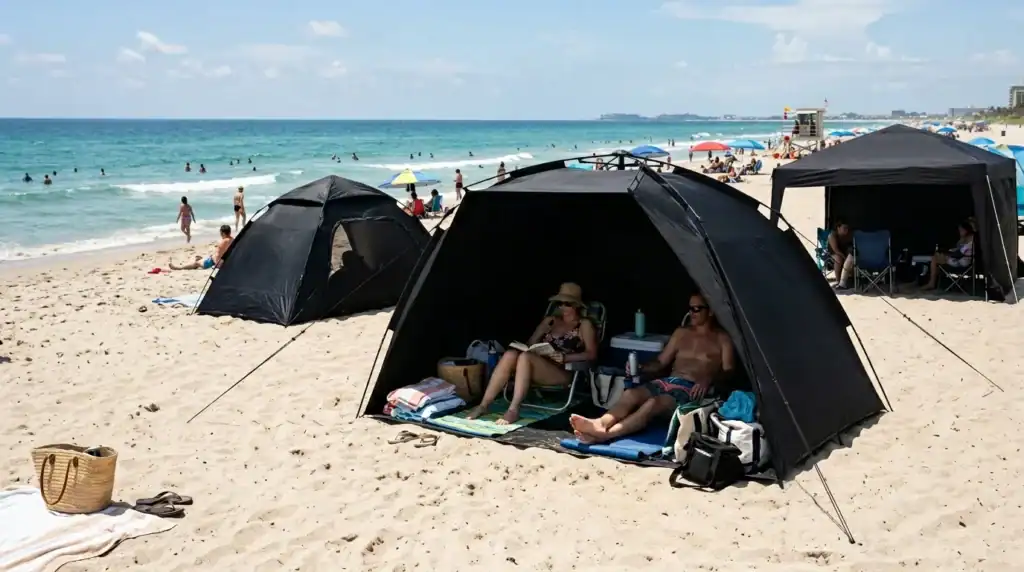
Kelyland Outdoors schwarzer Strandzelt, der einem Paar Schatten spendet, das einen sonnigen Tag am Meer genießt.
UVA- vs. UVB-Strahlen
Die Sonne emittiert zwei Hauptformen von ultravioletten Strahlen, die die Haut schädigen, und eine qualitativ hochwertige Abschirmung muss beide blockieren. Kumulative Exposition gegenüber beiden Arten erhöht die langfristigen Gesundheitsrisiken, aber sie wirken sich unterschiedlich auf die Haut aus. Umfassender UPF 50+-Schutz ist technisch so konzipiert, dass er das gesamte Spektrum solarer Bedrohungen neutralisiert.
- UVA-Strahlen (Alterung): Diese längerwelligen Strahlen dringen tief in die dickste Hautschicht ein. Sie sind hauptsächlich für vorzeitige Hautalterung, Faltenbildung und langfristige Zellschäden verantwortlich.
- UVB-Strahlen (Verbrennung): Diese kürzerwelligen Strahlen sind die Hauptursache für schmerzhafte Sonnenbrände und spielen die bedeutendste Rolle bei der Entstehung von Hautkrebs.
Gleichmäßiger Schutz vs. Sonnencreme
Obwohl Sonnencreme ein wichtiges Werkzeug ist, hat sie Einschränkungen. Ihre Wirksamkeit hängt von korrekter Anwendung, gleichmäßigem Auftragen und häufigem Nachcremen ab, besonders nach dem Schwimmen oder Schwitzen. UPF-bewerteter Stoff bietet eine physische Barriere, die zuverlässigeren und dauerhafteren Schutz für jede bedeckte Haut bietet. Aus diesem Grund empfehlen Dermatologen oft UPF-bewertete Schutzeinrichtungen und Kleidung als erste Verteidigungslinie gegen Sonnenschäden, ergänzt durch Sonnencreme auf freiliegender Haut.
- Keine Abnutzung: Der Schutz ist in den Stoff eingewebt und wird weder durch Schweiß noch mit der Zeit abgetragen.
- Beseitigt menschliche Fehler: Es beseitigt das Risiko, eine Stelle zu übersehen oder das erneute Auftragen von Sonnenschutz auf bedeckten Bereichen zu vergessen.
- Zuverlässige physikalische Barriere: Ein Unterstand bietet einen konstanten, messbaren Schutz, der nicht von der Unbeständigkeit von topischen Lotionen abhängig ist.
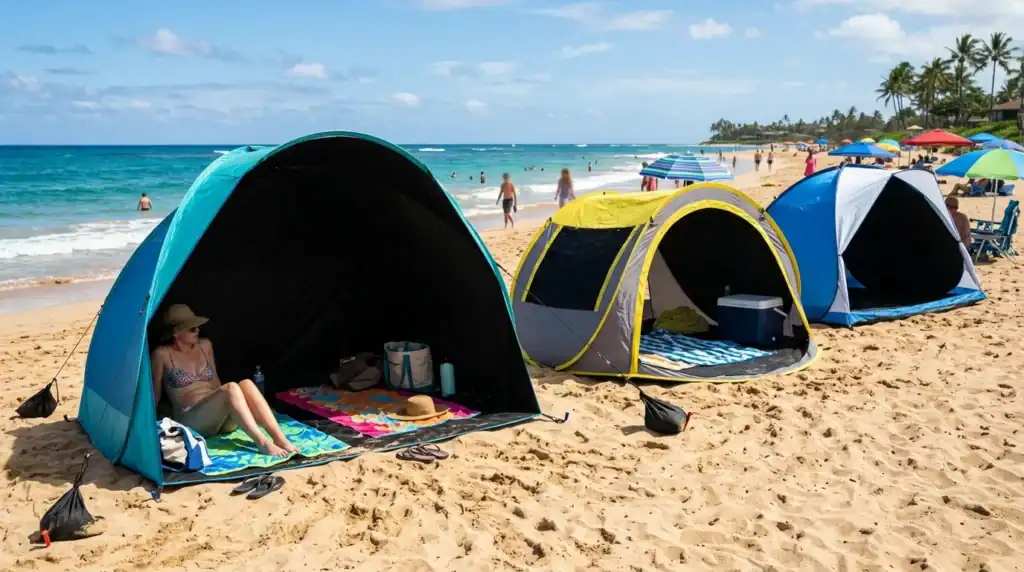
Kelyland Outdoors-artige Strandzelte, die Schatten und Komfort für die Erholung am Meer bieten
Verankerung: Sandsäcke vs. Heringe – Was hält?
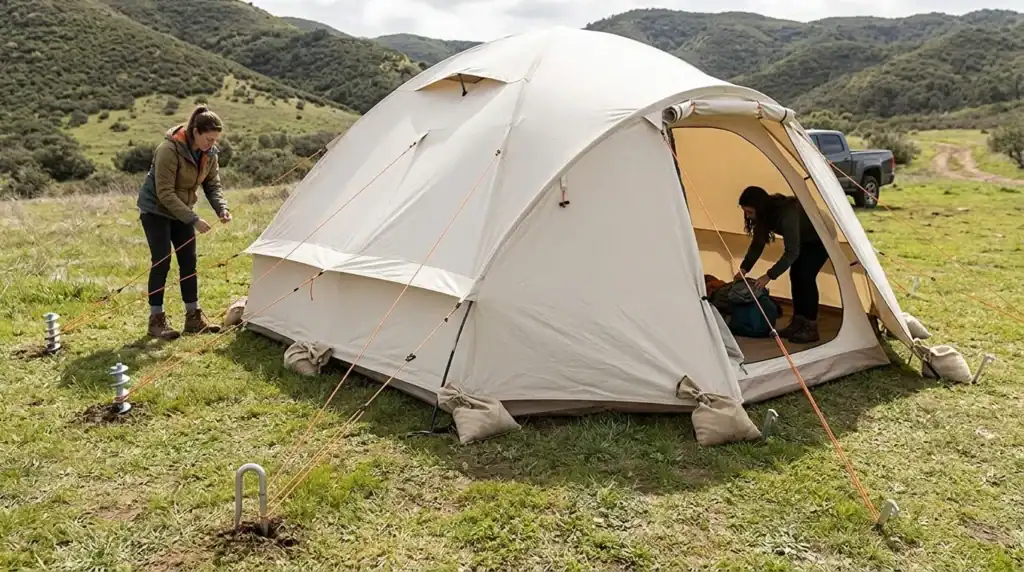
Effektives Verankern am Strand im Jahr 2026 basiert auf konstruierten Kombinationen, bei denen breitflächige Heringe an stark beanspruchten Stellen und zusätzliche Gewichte an anderen Stellen verwendet werden, um ein stabiles System zu schaffen.
Moderne Ankerdesigns für Sand
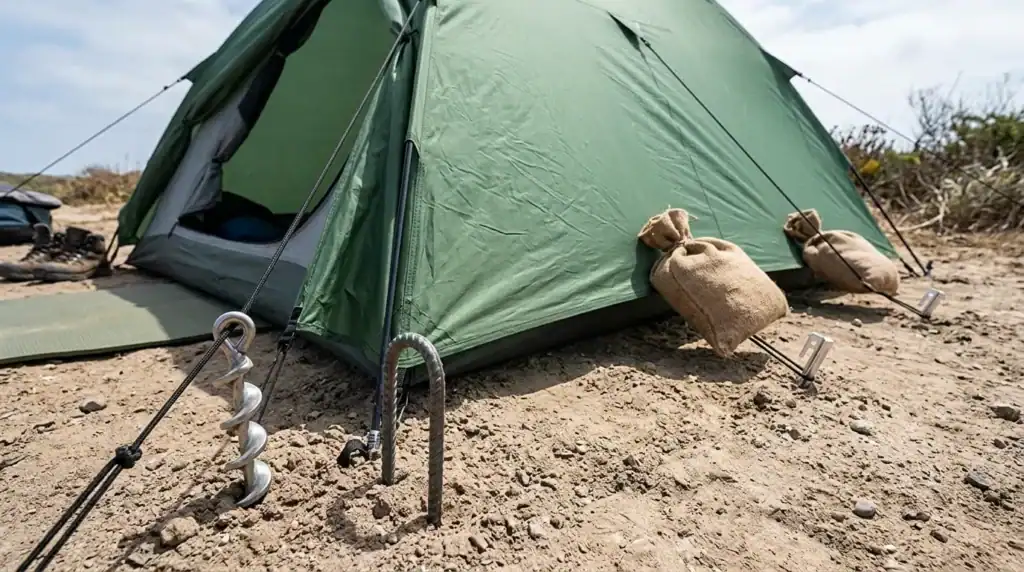
Standardmäßige, dünne Zeltpflöcke versagen in losem, trockenem Sand, weil sie nicht genug Reibung erzeugen können. Die Branche hat sich hin zu Ankern entwickelt, die auf hohe Verdrängung und große Oberfläche ausgelegt sind. Schraubhaken und große U-förmige Heringe graben sich in den Sand und nutzen sein eigenes Volumen, um Haltekraft zu erzeugen. Eine weitere effektive Option, der Stoff-Totmannanker, funktioniert wie ein vergrabener Beutel, den man mit Sand füllt. Er nutzt das Gewicht des Sandes selbst und schafft so einen extrem sicheren, aber leichten Verankerungspunkt, der herkömmliche Pflöcke weit übertrifft.
| Anker-Typ | Haltemechanismus | Optimaler Anwendungsfall |
|---|---|---|
| Schraub-/Spiralhaken | Tiefer drehender Halt und Reibung | Primäre Ecken bei starkem Wind; tiefer Sand |
| U-förmige Heringe | Widerstandsbereich mit großer Oberfläche | Allzweck in weichem oder lockerem Sand |
| Sandsäcke / Tote-Mann-Anker | Eigengewicht und verteilter Druck | Sekundärer Anker; bei schwachem Wind |
| Traditionelle dünne Heringe | Minimale Spitzenreibung | Nur verdichteter, nasser Sand; ergänzende Verwendung |
Die Rolle von Sandsäcken und traditionellen Heringen
Sandsäcke sind eine zuverlässige, gewichtsbasierte Lösung. Ihre Wirksamkeit ist einfach: Masse hält das Zelt am Boden. Sie sind eine kostengünstige und leicht verfügbare Option, besonders wenn der Boden zu hart für Heringe ist oder Sie Ihre primären Anker ergänzen müssen. Traditionelle dünne Heringe haben immer noch eine Nischenverwendung. Sie können in verdichtetem, nassem Sand nahe der Wasserlinie, wo das Substrat dicht ist, einen ordentlichen Halt erzielen. In lockerem, trockenem Sand sind sie fast nutzlos und sollten nicht als primärer Anker verwendet werden.
Entwickelte Kombinationen für Stabilität
Die robusteste Verankerungsstrategie beinhaltet einen modularen Ansatz. Sie wählen nicht einen Ankertyp; Sie bauen ein System, das auf die Bedingungen zugeschnitten ist. Diese Methode maximiert die Stabilität, indem Sie Ihre stärksten Anker dort platzieren, wo die strukturelle Belastung am höchsten ist, typischerweise an den Ecken, die dem vorherrschenden Wind zugewandt sind. Leichtere Anker können dann an weniger kritischen Punkten verwendet werden, um die Form des Zeltes zu erhalten, ohne zusätzliches Gewicht zu Ihrer Ausrüstung hinzuzufügen. Ein richtig entwickeltes System bietet weitaus mehr Sicherheit als die Abhängigkeit von einem einzigen Ankertyp.
- Verwenden Sie Schraubanker oder U-Heringe an den Zeltecken und auf der dem Wind zugewandten Seite für maximale Haltekraft.
- Ergänzen Sie mit Sandsäcken oder kleineren Heringen an weniger kritischen Punkten für eine ausgewogene, sichere Konfiguration, die die Last verteilt.
Steigern Sie Ihre Marke mit Premiumzelten

Netzqualität: Hält “No-See-Um” wirklich winzige Mücken ab?
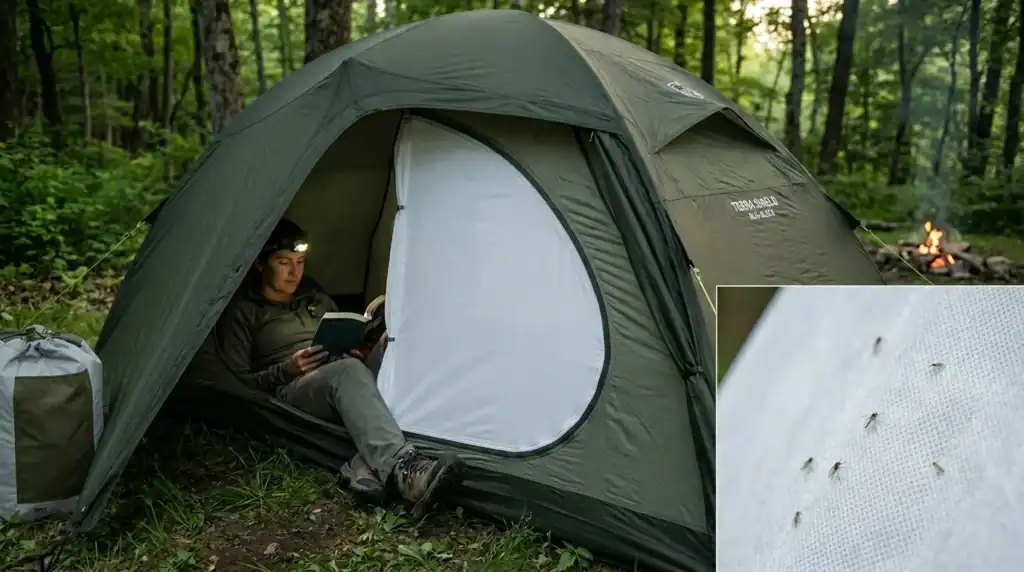
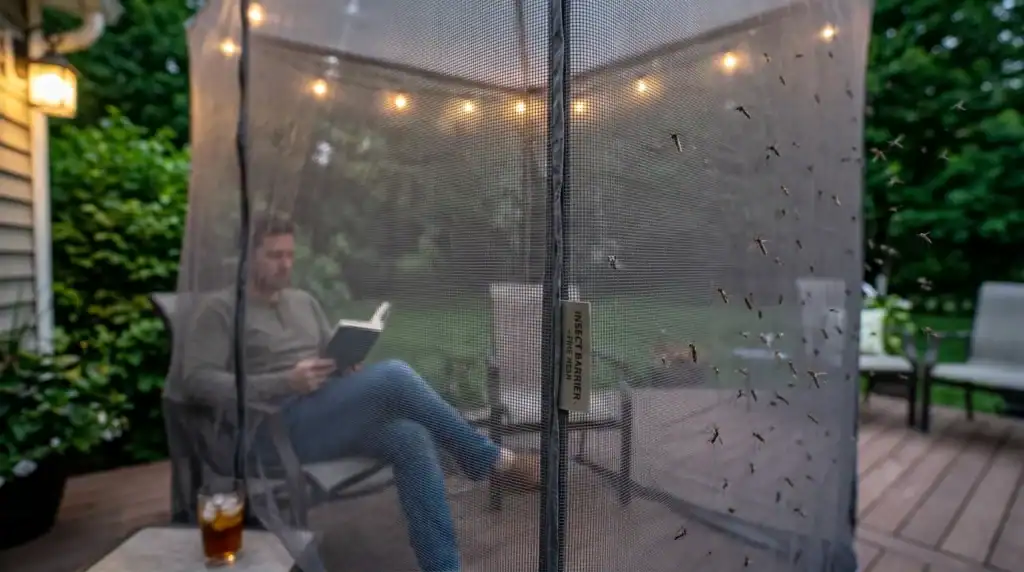
Die Wirksamkeit von No-See-Um-Gewebe ist rein mechanisch; seine dichte Webart erzeugt Öffnungen, die physisch kleiner sind als die Insekten, und bildet eine undurchdringliche Barriere, die herkömmliche Fliegengitter nicht bieten können.
Die Wissenschaft des Gewebes: Wie die Maschenweite Mücken blockiert
No-See-Um-Gewebe funktioniert, indem es eine physische Barriere schafft, die winzige Insekten wie Mücken und Gnitzen aufgrund ihrer Größe nicht durchdringen können. Das gesamte System basiert auf der Größe der Löcher – der Öffnungen – im Gitterstoff. Standard-Insektengitter, oft als 16er-Masche bezeichnet, haben Öffnungen, die einfach zu groß sind, um diese Schädlinge aufzuhalten. Effektives No-See-Um-Gewebe, typischerweise eine 20×20-Webart oder dichter, weist Öffnungen von etwa 0,0013 Quadratzoll auf. Diese enge Konstruktion macht es den kleinsten fliegenden Insekten unmöglich, einzudringen. Diese Präzisionstechnik ist der grundlegende Unterschied zwischen einem Allzweckgitter und einem, das für ein bestimmtes Schädlingsprofil entwickelt wurde.
Jenseits des Gitters: Luftstrom und Sichtbarkeit im Gleichgewicht
Eine dichtere Webart bringt einen direkten Kompromiss zwischen Insektenschutz und UmgebungsKomfort mit sich. Während sie einen überlegenen Schutz vor Schädlingen bietet, kann das dichtere Material den Luftstrom reduzieren und die Sichtbarkeit leicht beeinträchtigen. Hersteller steuern dies, indem sie die Fadendicke und Materialqualität optimieren, um klare Sichtlinien zu erhalten und etwas Durchzug zu ermöglichen. Das Ziel der aktuellen Gittertechnologie, wie unserer B3-Hochdichte-Optionen, ist es, maximalen Schutz zu bieten, ohne ein stickiges oder beengtes Gefühl zu erzeugen. Es ist ein Gleichgewicht zwischen dem Blockieren von Insekten und dem Erhalt des Open-Air-Erlebnisses, das einen Screen-Raum wünschenswert macht.
Wenn das Gitter nicht ausreicht: Ergänzende Schädlingsbekämpfung
In Umgebungen mit extrem hohen Insektenpopulationen kann selbst das beste Gitter nicht ausreichen, um einen komfortablen Raum zu schaffen. Für eine vollständige Kontrolle empfehlen wir einen zweischichtigen Ansatz. Das Gitternetz dient als passive Barriere, während aktive Systeme die Insektenzahl in der unmittelbaren Umgebung reduzieren. Die gängigsten ergänzenden Lösungen sind CO2-Fallensysteme, die beißende Insekten in der Nähe des abgeschirmten Bereichs anlocken und fangen. Die Kombination einer physischen Barriere mit einer aktiven Falle schafft eine umfassende Verteidigung, die auch dort wirksam ist, wo der Insektendruck unerbittlich hoch ist.
Struktur: Screen-Räume mit Boden vs. ohne Boden?
Die Entscheidung zwischen einem Screen-Raum mit oder ohne Boden ist ein direkter Kompromiss zwischen Gewichtseffizienz und vollständigem Umweltschutz, wobei hybride Modelle jetzt einen vielseitigen Kompromiss für sowohl ultraleichte als auch komfortorientierte Käufer bieten.
Bodenlose Designs: Maximierung von Platz und Minimierung von Gewicht
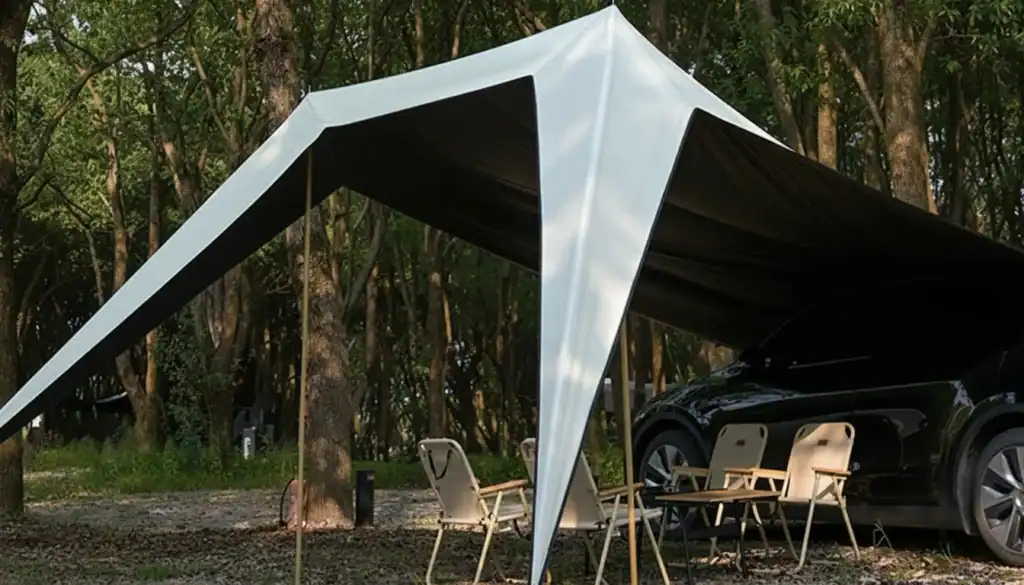
Bodenlose Screen-Räume priorisieren ein hohes Raum-zu-Gewicht-Verhältnis, was sie zur ersten Wahl für Minimalisten und alle macht, die das Packvolumen reduzieren möchten. Durch den Verzicht auf die Bodenplane bieten diese Designs einen größeren nutzbaren Innenraum, der sich perfekt zum Abdecken eines Picknicktisches oder zum Aufstellen auf unebenem Gelände eignet, wo ein eingebauter Boden unpraktisch wäre. Dieser Ansatz richtet sich direkt an gewichtsbewusste Abenteurer, die Flexibilität über eine vollständig versiegelte Umgebung schätzen.
| Designtyp | Primärer Anwendungsfall | Hauptvorteil |
|---|---|---|
| Bodenlos | Ultralight-Backpacking; Abdecken von festen Picknicktischen. | Maximales Raum-zu-Gewicht-Verhältnis und Aufbauflexibilität. |
| Integrierter Boden | Insektenreiche oder feuchte Umgebungen; Familiencamping. | Vollständig abgedichteter Schutz vor Bodeninsekten und Feuchtigkeit. |
| Hybrid (herausnehmbarer Boden) | Allzweck; an unterschiedliche Reiseanforderungen anpassbar. | Vielseitigkeit; funktioniert entweder als Unterstand mit oder ohne Boden. |
Bodenausführungen: Vollständige Einhausung für insektenreiche Bedingungen
Ein Moskitonetzraum mit integriertem Boden bietet eine vollständig abgedichtete Umgebung, die in insektenreichen Regionen oder auf feuchtem Boden unerlässlich ist. Diese Konstruktion schafft einen sauberen und kontrollierten Innenraum und bietet überlegenen Schutz für Ausrüstung und Insassen. Der Markt für Modelle mit Boden bleibt bei komfortorientierten Campern und Familien stark, die Hygiene und eine zuverlässige Barriere über absolute Gewichtseinsparungen stellen.
- Schafft eine zuverlässige Barriere gegen kriechende Insekten, Zecken und Bodenfeuchtigkeit.
- Hält Ausrüstung und Sitzbereiche sauber und trocken.
- Bietet einen kontrollierteren und komfortableren Unterstand, besonders für Familien.
Hybridmodelle: Herausnehmbare Böden für Vielseitigkeit
Neue Designs mit abnehmbaren Böden bieten eine vielseitige Lösung für verschiedene Campingstile. Diese Hybridmodelle fungieren als Kompromiss, der es den Nutzern ermöglicht, den Boden für vollständigen Schutz in rauen Umgebungen hinzuzufügen oder ihn bei Ultraleicht-Touren wegzulassen, um Gewicht zu sparen. Diese Anpassungsfähigkeit überbrückt die Kluft zwischen den beiden unterschiedlichen Käuferpersönlichkeiten und weckt das Interesse sowohl von leistungsorientierten Abenteurern als auch von komfortorientierten Campern.
- Funktioniert sowohl als Moskitonetzraum mit Boden als auch ohne Boden.
- Passt sich wechselnden Wetterbedingungen oder Reiseanforderungen an.
- Spricht sowohl gewichtsbewusste als auch komfortorientierte Marktsegmente an.
Die Top 5: Die besten Pop-up-Unterstände für 2026
Der Pop-up-Schutzmarkt 2026 ist durch schnelle Aufbaumechanismen geprägt, wobei aufblasbare Luftrahmen und Ein-Personen-Hubsysteme traditionelle Gestellkonstruktionen für mehr Haltbarkeit und Geschwindigkeit ersetzen.
Kelyland Outdoors OEM/ODM-Schutzunterstände
Für Unternehmen, die eine Eigenmarke aufbauen, ist der direkte OEM/ODM-Bezug der effizienteste Weg. Kelyland Outdoors konzentriert sich auf dieses B2B-Modell und produziert vollständig kundenspezifische Schutzunterstände, die spezifische Kundenanforderungen integrieren. Sie bauen Unterstände mit einer Reihe von Materialien, von kostengünstigem 190T-Polyester für verbraucherorientierte Modelle bis hin zu robustem 600D-Oxford für gewerbliche Anwendungen. Ihre Stärke liegt in der Integration patentierter Verschlusstechnologien und der Bereitstellung flexibler Höhenverstellsysteme, die es Marken ermöglichen, ein Produkt für ein bestimmtes Marktsegment zu spezifizieren, ohne die Komplexität der Fertigung handhaben zu müssen.
Der Rapid-Deploy Sideline Pro
Dieser Schutzunterstand ist speziell für Schnelligkeit und wiederholte Nutzung in dynamischen Umgebungen wie Sportplätzen und Veranstaltungsorten ausgelegt. Sein Kernmerkmal ist ein zentrales Hubsystem, das einrastet und einer einzelnen Person die vollständige Montage in deutlich unter 60 Sekunden ohne Werkzeug ermöglicht. Der Rahmen besteht typischerweise aus einer leichten, aber robusten Aluminiumlegierung, die Tragbarkeit mit der strukturellen Integrität balanciert, die benötigt wird, um Nebenaktivitäten und gemäßigten Wetterbedingungen standzuhalten. Es ist ein Arbeitstier-Modell für Organisationen, die Aufbauzeit und Zuverlässigkeit über Allwetterbeständigkeit stellen.
| Modelltyp | Primäre Anwendung | Schlüsseltechnologie |
|---|---|---|
| Kelyland Outdoors OEM/ODM | B2B Eigenmarke / Großhändler | Vollständige Anpassung (Stoff, Rahmen, Schlösser) |
| Rapid-Deploy Sideline Pro | Sportveranstaltungen / Feldnutzung | Zentrales Hubsystem (Geschwindigkeit) |
| Flugzeugrahmen-Strandläufer | Strand / Freizeitcamping | Aufblasbare Luftträger (Windwiderstand) |
| Allwetter-Expeditionshub | Overlanding / Langzeitnutzung | Schwerlastrahmen & verstärkter Stoff |
| Versa-Shade Kompakt | Märkte / Hinterhofveranstaltungen | Vereinfachter Rahmen (Kostengünstig) |
Der Air-Frame Beachcomber
Der Air-Frame Beachcomber verzichtet auf Metallstangen und verwendet stattdessen aufblasbare TPU-Luftschläuche. Dieses Design bietet zwei entscheidende Vorteile. Erstens entfallen starre Spannungspunkte, sodass die Schutzhütte bei Windböen nachgeben und diese absorbieren kann, anstatt zu brechen oder sich zu verbiegen. Zweitens wird das Risiko von Rost und Korrosion durch Salzwasser vermieden, eine häufige Fehlerquelle für stahlgerahmte Schutzhütten am Strand. Der Aufbau erfolgt mit einer Hochleistungspumpe, und der Abbau ist dank Schnellverschlussventilen nahezu augenblicklich. Dies macht ihn zur ersten Wahl für Küstenumgebungen und Gelegenheitsnutzer, die eine einfache und widerstandsfähige Schattenlösung suchen.
Der Allwetter-Expeditionshub
Entwickelt für Langlebigkeit statt Tragbarkeit, ist die Expedition Hub für längere Aufenthalte im Freien unter wechselnden Bedingungen konzipiert. Sie verfügt über einen Rahmen aus starkem Stahl oder dickwandigem Aluminium und schwerem Oxford-Stoff, oft mit einer PU-Beschichtung von 3000 mm+ für ernsthafte Wetterbeständigkeit. Der Fokus liegt auf struktureller Integrität und Schutz vor den Elementen, was sie zu einem zuverlässigen Basislager für Camper, Overlander und alle macht, die eine halbpermanente Unterkunft für mehrtägige Veranstaltungen benötigen. Der Nachteil ist ein höheres Gewicht und eine längere Aufbauzeit im Vergleich zu Modellen mit Sofortaufbau.
Der Versa-Shade Compact
Nicht jede Anwendung erfordert Materialien in Expeditionsqualität. Der Versa-Shade erfüllt den Bedarf an einer zuverlässigen, preisgünstigen Unterkunft für weniger anspruchsvolle Anwendungen wie Bauernmärkte, Picknicks und Zusammenkünfte im Garten. Er verwendet einen einfachen, nabenlosen Rahmen und Standard-190T-Polyestergewebe um die Kosten niedrig zu halten. Während er ausreichenden Schutz vor direkter Sonne und leichtem Regen bietet, ist er nicht für starke Winde oder heftige Regengüsse ausgelegt. Er trifft die richtige Balance zwischen Funktion und Erschwinglichkeit für Nutzer, die eine grundlegende Überkopfbedeckung benötigen, ohne die Kosten für Premiumfunktionen.
Schlussfolgerung
Die Wahl des richtigen faltbaren Sonnenschutzes hängt von einigen entscheidenden Merkmalen ab, die Sicherheit und Komfort für den Endnutzer gewährleisten. Zuverlässiger UPF-50+-Stoff, sichere Verankerungssysteme gegen Wind und hochdichtes Netzgewebe sind die Details, die ein Qualitätsprodukt ausmachen. Diese Elemente wirken zusammen, um ein zuverlässiges und angenehmes Erlebnis zu bieten, vom Strand bis zum Campingplatz.
Wenn Sie Sonnenschutzsysteme beschaffen, die diese Leistungskriterien erfüllen, kann unser Team Ihnen helfen, eine Produktlinie mit den richtigen Materialien und Funktionen zu individualisieren. Kontaktieren Sie uns, um unsere Fertigungskapazitäten zu besprechen oder einen detaillierten B2B-Katalog anzufordern.
Häufig gestellte Fragen
Kann man sich auch sonnenverbrennen, wenn man in einem Strandzelt sitzt?
Ja, es ist möglich, sich in einem Strandzelt. Während die meisten modernen Zelte einen hohen UPF-50+-Schutz bieten, der über 98 % der direkten UV-Strahlen blockiert, kann eine beträchtliche Menge UV-Strahlung Sie dennoch durch indirekte Quellen erreichen. Sand und Wasser sind stark reflektierend – Sand reflektiert bis zu 15 % und Wasser bis zu 25 % der UV-Strahlen – die unter die Zeltplane springen und auf Ihre Haut gelangen können. Für einen umfassenden Schutz verwenden Sie das Zelt am besten in Kombination mit Sonnencreme und Schutzkleidung.
Wie verhindere ich, dass mein faltbares Strandzelt wegfliegt?
Um Ihr Pop-up-Zelt effektiv zu sichern, verwenden Sie eine Mehrpunkt-Verankerungsstrategie. Füllen Sie zuerst die eingebauten Sandsäcke vollständig; feuchter Sand erhöht das Gewicht. Zweitens verwenden Sie die mitgelieferten Heringe, die Sie in einem 45-Grad-Winkel vom Zelt weg einstecken, um maximalen Halt zu erzielen. Bei sehr weichem Sand sollten Sie auf längere, breitere Sandspezialheringe umsteigen. Verwenden Sie schließlich, falls Ihr Zelt Abspannleinen hat, diese für zusätzliche Stabilität. Versuchen Sie immer, die Hauptöffnung des Zeltes vom vorherrschenden Wind abgewandt zu positionieren, um zu verhindern, dass es sich wie ein Fallschirm mit Luft füllt.
Hält das Netzgewebe effektiv winzige Insekten wie Gnitzen fern?
Dies hängt vollständig von der Maschenweite ab. Standard-Mückennetze sind oft nicht fein genug, um Gnitzen (auch bekannt als Mücken oder Sandfliegen) abzuhalten. Um diese Insekten zu stoppen, benötigen Sie ein Zelt, das ausdrücklich über “Gnitzen-sicheres Netz” verfügt, das eine viel feinere Webart und kleinere Löcher hat. Wenn die Produktspezifikationen diese spezielle Netzart nicht erwähnen, kann man davon ausgehen, dass es nur vor größeren Insekten wie Mücken und Fliegen schützt.
Ist es in einem silberbeschichteten Strandzelt deutlich kühler?
Ja, eine silberbeschichtete Auskleidung macht den Innenraum spürbar kühler. Diese Beschichtung ist darauf ausgelegt, sowohl UV-Strahlen als auch Infrarotstrahlung zu reflektieren, die den Anteil des Sonnenlichts ausmacht, der Wärme erzeugt. Indem ein wesentlicher Teil dieser Wärmeenergie reflektiert wird, kann die Innentemperatur mehrere Grad niedriger sein als in einem unbeschichteten Zelt. Dieser Effekt wird jedoch am besten in Kombination mit guter Belüftung erzielt. Ein Zelt mit großen Netzeinsätzen, die für Querlüftung sorgen, fühlt sich unabhängig von der Beschichtung immer kühler an als ein geschlossenes.
Wie einfach lässt sich ein großes Pop-Up-Mückenschutz-Zelt zusammenfalten?
Obwohl sie für Bequemlichkeit ausgelegt sind, hat das Zusammenfalten eines großen Pop-Up-Mückenschutz-Zelts eine gewisse Lernkurve. Der Vorgang besteht normalerweise darin, den flexiblen Rahmen zu einer Acht zu verdrehen und dann zu konzentrischen Kreisen zusammenzulegen. Bei den ersten Versuchen ist es nicht immer intuitiv. Der beste Ansatz ist, sich das Anleitungsvideo des Herstellers anzusehen, da gedruckte Diagramme verwirrend sein können. Es wird dringend empfohlen, zu Hause zu üben, bevor man an einen windigen Strand geht. Ist der Vorgang erst einmal gemeistert, geht er schnell, erfordert aber anfangs oft Geduld.
Kann ich einen Campingstuhl hineinstellen, ohne den Boden zu zerreißen?
Ja, aber Sie sollten Vorsichtsmaßnahmen treffen, um den Zeltboden zu schützen. Die Böden bestehen aus leichtem Material und können durch die schmalen Füße eines Campingstuhl, beschädigt werden, die das Gewicht auf kleine Punkte konzentrieren. Am besten legen Sie eine strapazierfähige Matte, ein dickes Handtuch oder eine kleine Plane unter den Stuhl, um den Druck zu verteilen und Abrieb oder Risse zu vermeiden. Alternativ können Sie spezielle breite “Sandfüße” kaufen, die an die Stuhlbeine angebracht werden, um ein Einsinken zu verhindern.

 English
  Español
  Deutsch
  Français
  Português do Brasil
  Русский
  العربية
  한국어
한국어  日本語
日本語