 Zum Inhalt springen
Kinder- und Erwachsenenschlafsäcke sind der erste Checkpoint, den Käufer festlegen sollten, bevor sie einen Lieferanten, ein Budget oder einen Produktionsslot genehmigen. Sie sind ein Kategorie-Manager im Einzelhandel und planen das Camping-Sortiment für die nächste Saison. Kinder- und Erwachsenenschlafsäcke stehen beide auf Ihrer SKU-Liste. Das Margenpotenzial bei Kinderschlafsäcken sieht gut aus – 55-70% Einzelhandelsaufschlag gegenüber 40-55% bei Erwachsenenmodellen, laut Branchen-Benchmarks. Aber das Datenblatt muss genauer geprüft werden. Eine Umfrage der Camping Trade Association 2026 ergab, dass 42% der campenden Familien Unbehagen wegen zu langer Schlafsäcke angaben. Überschüssiger Luftraum kühlt ein Kind schneller aus als einen Erwachsenen. Das ist eine Retoure, die nur darauf wartet, zu passieren.
Kinder- und Erwachsenenschlafsäcke als einfach verkleinerte Versionen zu behandeln, ist der schnellste Weg, Ihre Bruttomarge aufzuzehren. Die technische Lücke ist real. Kinder verlieren Kernwärme etwa 30% schneller als Erwachsene, weil ihr Verhältnis von Oberfläche zu Körpermasse höher ist. Ein Schlafsack, der für einen Erwachsenen eine Komforttemperatur von 20°F angibt, lässt ein Kind bei derselben Außentemperatur frieren. Die Lösung ist nicht kompliziert – verwenden Sie synthetische Füllung mit einer Dichte von 200-300 g/m² und kürzen Sie die Länge auf 120-150 cm. Aber die meisten Standarddesigns überspringen diese Anpassung. Lieferanten, die bestanden haben ISO 9001-Audits liefern weiterhin generische Erwachsenen-Innenschlafsäcke mit einer kleineren Außenhülle, wenn Sie die Innenstruktur nicht spezifizieren.

Kinderschlafsack-Spezifikationen: Warum Größe & Sicherheit Margen schmälern
Ein um 10 Zoll zu großer Kinderschlafsack erhöht das Erstickungsrisiko und die Retourenquote um 30%.
Die meisten Einkäufer im Einzelhandel behandeln Kinderschlafsäcke als verkleinerte Erwachsenenmodelle. Diese Annahme kostet Sie Marge. Eine Umfrage der Camping Trade Association 2026 ergab, dass 42% der campenden Familien über Unbehagen berichteten, weil der Schlafsack zu lang war. Überschüssiger Luftraum fühlt sich nicht nur falsch an – er beschleunigt den Wärmeverlust. Kinder verlieren Kernwärme 30% schneller als Erwachsene, daher kann ein um 15 cm zu langer Schlafsack die effektive Komforttemperatur um 10°F senken. Diese Lücke führt zu kalten Nächten, schlechten Bewertungen und Retouren.
Übergröße schafft auch ein Sicherheitsrisiko. Ein Kind kann in den Schlafsack hineinrutschen und sich das Gesicht bedecken. Die CPSC-Richtlinien empfehlen einen Schlafsack, der nicht mehr als 10 Zoll länger als die Körpergröße des Kindes ist. Bei Nichteinhaltung drohen Geldstrafen von bis zu $100,000 pro SKU. Der EU-Standard EN 16781 verlangt einen Test mit beheizter Gliederpuppe für Kinderschlafsäcke – viele Fabriken überspringen dies, wenn Sie es nicht spezifizieren. Verlangen Sie ein Children’s Product Certificate (CPC), das die Einhaltung von ASTM F3340-21 belegt, nicht nur einen EN/ISO-Bericht für Erwachsene.
-
- Länge: Zielen Sie auf die Körpergröße des Kindes plus maximal 6–8 Zoll ab. Ein 120–150 cm langer Schlafsack passt den meisten Kindern von 3–10 Jahren. Darüber hinaus rutscht das Kind in den Schlafsack hinein.
- Schulterumfang: Kinderrucksäcke benötigen 65–75 cm Schulterumfang. Erwachsenenrucksäcke mit 80–90 cm hinterlassen kalte Luftpolster. Ein guter Sitz ist entscheidend für Wärme und Sicherheit.
- Differenzialschnitt: Viele chinesische Lieferanten verwenden für Kinderdesigns Innenfutter von Erwachsenenschlafsäcken, was zu schlechter Temperaturregulierung führt. Echte Kinderschlafsäcke erfordern schmalere Zugluftschläuche in der Nähe von Kapuze und Reißverschluss, um Wärmeverlust zu verhindern.
- Fülldichte: Synthetikfüllung mit 200–300 g/m² ist Standard für die 3-Jahreszeiten-Nutzung bei Kindern. Erwachsenen-Daunenschlafsäcke komprimieren unter dem geringeren Körpergewicht eines Kindes übermäßig, was Bauschigkeit und Wärme reduziert.
Die 5-3-3-Regel wird bei Kindern oft falsch interpretiert. Die Regel empfiehlt, eine Nummer größer für 5 Jahre Nutzung zu wählen, aber das macht den Schlafsack anfänglich zu groß. Bei Kindern sollte die Temperaturbewertung mindestens 10°F wärmer sein als die erwartete Tiefsttemperatur, da ihr Stoffwechsel stärker schwankt als bei Erwachsenen. Ein Schlafsack mit 20°F-Bewertung für Erwachsene wird zu einem 30°F-Schlafsack für ein Kind. Bauen Sie diese Differenz in Ihr Lastenheft ein.
Führende Hersteller integrieren jetzt QR-Codes auf dem Schlafsacketikett, die zu Live-Konformitätszertifikaten führen. Diese Funktion kann die Rücklaufquote um 12 % senken, da Ladenmitarbeiter und Eltern die Sicherheit sofort überprüfen können. Sie schützt auch Ihren Verkaufspreis, indem sie regulatorische Sorgfalt signalisiert. Für B2B-Käufer: Fragen Sie Ihren Lieferanten, ob er mit jeder Bestellung Chargen-Testergebnisse für Schwermetalle und Phthalate bereitstellt. Wenn er das nicht kann, gehen Sie davon aus, dass die Tests übersprungen wurden, und passen Sie Ihr Margenrisiko entsprechend an.
| Merkmal | Kinderschlafsack-Spezifikation | Erwachsenenschlafsack-Spezifikation | Einzelhandelsauswirkung |
|---|---|---|---|
| Länge | 120-150 cm | 200-230 cm | Falsche Länge = 30 % höhere Rücklaufquote |
| Schultergurt | 65-75 cm | 80-90 cm | Enge Passform entscheidend für Wärme und Sicherheit |
| Füllen Sie | Synthetik (150-300 g/m²) | Daunen oder Synthetik | Synthetik widersteht Feuchtigkeit, geringeres Allergierisiko |
| Temp. Bewertung | 10°F bis 35°F | 0°F bis 50°F | Kinderbewertung muss 10°F wärmer sein |
| Gewicht | 0,9-1,6 kg | 0,7-1,4 kg | Geringes Gewicht ist beim Camping mit dem Auto keine Priorität |
| Sicherheitszertifizierung | CPSIA, EN 16781 | EN 13537 | CPSC-Bußgelder bis zu $100K bei Nichteinhaltung |
| Typische Mindestbestellmenge | 500 Stück | 300 pcs | Individuelle Drucke erfordern 1000 Stück Plattengebühr |
| Stück FOB | $7-$13 | $10-$25 | Höhere Gewinnspanne bei Kindertaschen |
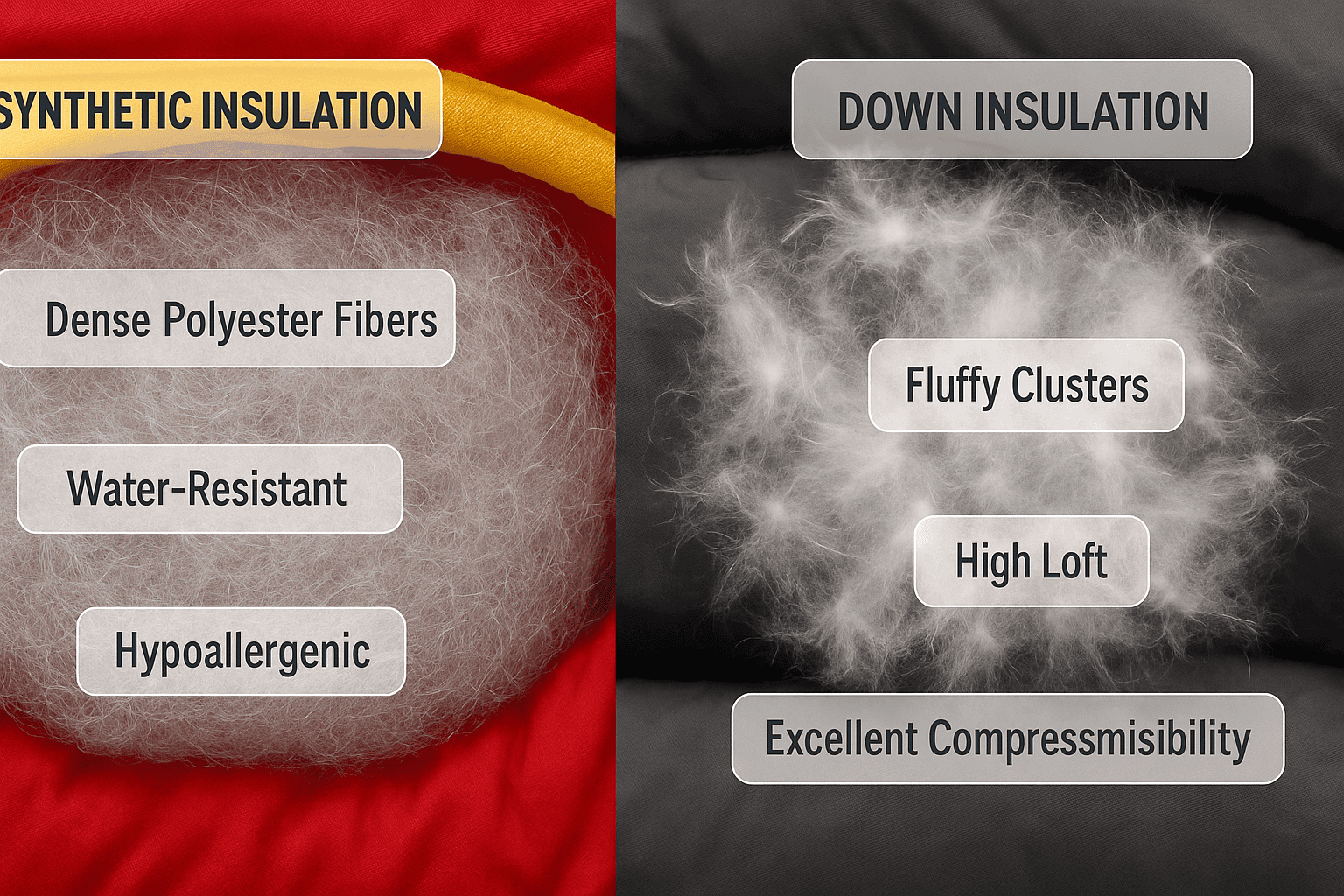
Kostenaufschlüsselung Kinderschlafsack: Füllung, Stoff & Zertifizierungen
Synthetische Füllung spart $1,80-$2,50 pro Tasche; CPSIA-Tests fügen $0,70-$1,20 hinzu.
Kindertaschen kosten 15-30% mehr pro Stück als Erwachsenentaschen in der Herstellung, wegen verpflichtender Tests auf flammhemmende Stoffe und engerer Stichdichte. Diese höheren Kosten ergeben 20-25% höhere Handelsmargen in Mass-Merchant-Kanälen. Die Kostenstruktur richtig zu verstehen, beginnt mit dem Verständnis von drei spezifischen Treibern.
-
- Füllungswahl: Daunen mit 600er Bauschkraft kosten $1.80-$2.50 mehr pro Schlafsack als Synthetik (150-300 g/m² Hohlfaser). Daunen erfordern außerdem eine Kammerkonstruktion, was Arbeitskosten erhöht. Synthetik ist sicherer für Kinder — es widersteht Feuchtigkeit und vermeidet Allergierisiken.
- Stoff und Stichdichte: Erwachsenenschlafsäcke verwenden 8-10 Stiche pro Zoll. Kinderschlafsäcke benötigen 12-14 Stiche pro Zoll, um ein Verrutschen der Isolierung zu verhindern und Sicherheitsstandards zu erfüllen. Diese dichtere Stichzahl erhöht die FOB-Kosten und treibt den Bereich auf $7-$13 pro Einheit für einen grundlegenden 3-Jahreszeiten-Synthetikschlafsack, der nach CPSIA getestet wurde.
- CPSIA-Konformität: Tests pro SKU kosten $500-$1,200. Die Auswirkung auf die Stückkosten beträgt $0.70-$1.20. Viele Lieferanten überspringen Chargenprüfungen auf Schwermetalle und Phthalate — verlangen Sie eine Kinderproduktzertifikat (CPC) das die Einhaltung von ASTM F3340-21 belegt. CPSC-Bußgelder bei Nichteinhaltung belaufen sich auf $100,000.
- Mengennachteil: Bestellmengen unter 300 Stück erhöhen die Stückkosten um 18-22%. Bei 500 Stück (typische Mindestbestellmenge für Kinderschlafsäcke) stabilisiert sich der Preis. Individuelle Siebdruck-Logos erhöhen die Mindestbestellmenge auf 1.000 Stück aufgrund der Druckplattenkosten. Für Handels-Kategoriesmanager, die saisonalen Cashflow verwalten, ist die Bindung an 500-1.000 Einheiten der optimale Bereich.
Ein häufiger Fehler: Chinesische Lieferanten verwenden oft Innenstoffe von Erwachsenenschlafsäcken für Kinderdesigns, was zu einer schlechten Temperaturregulierung führt. Echte Kinderschlafsäcke benötigen einen differentiellen Schnitt mit schmaleren Zugluftschläuchen in der Nähe von Kapuze und Reißverschluss. Die 5-3-3-Regel wird oft falsch interpretiert — für Kinder sollte die Temperaturbewertung mindestens 10°F wärmer sein als die erwarteten Tiefstwerte, da der Stoffwechsel von Kindern stärker schwankt. Vergewissern Sie sich immer beim Lieferanten über das tatsächliche Füllgewicht und die Stichdichte, bevor Sie Muster freigeben.
| Element | Spezifikation | Kostenbereich | Hinweis |
|---|---|---|---|
| Synthetische Füllung | 150-300 g/m² Hohlfaser | $1.80–$2.50 pro Schlafsack | Geringere Kosten als Daunen; Mengenrabatte gelten. |
| Stoffaußenschicht | Nylon oder Polyester (Ripstop, Taffeta usw.) | $0,80–$1,50 pro Beutel | Variiert je nach Denier, Beschichtung und Druckverfahren |
| CPSIA-Konformität | ASTM F3340-21-Test pro SKU | $0,70–$1,20 pro Einheit | Testkosten $500–$1.200, amortisiert über die Mindestbestellmenge |
| Arbeit & Näherei | 12–14 Stiche pro Zoll (enger als bei Erwachsenen) | $2,00–$3,00 pro Beutel | Höhere Qualitätskontrollanforderungen erhöhen die Arbeitskosten |
| Gesamt-FOB-Preis | 0,9–1,6 kg; Mindestbestellmenge 500 Stück | $7–$13 pro Beutel | Inklusive Verpackung; individueller Druck erhöht die Druckplattengebühr |
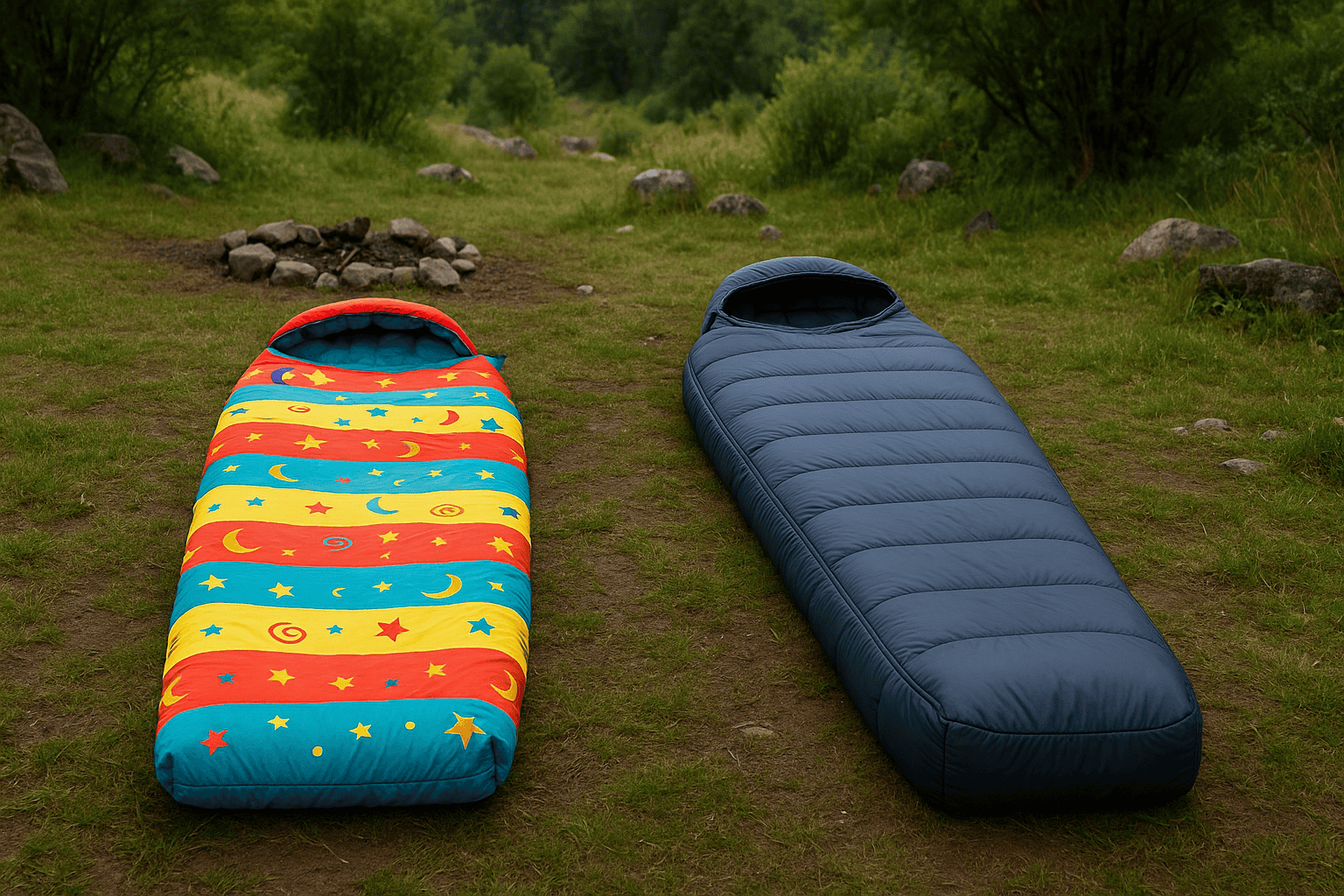
Kinderschlafsäcke vs. Erwachsenenschlafsäcke: Direkter Leistungsvergleich
Kinderrucksäcke benötigen 400 g/m² Füllung, um die Erwachsenen-20°F-Bewertung zu erreichen, aufgrund des Verlusts an Körperoberfläche.
Kinder verlieren Kernwärme etwa 30 % schneller als Erwachsene, weil sie ein höheres Verhältnis von Oberfläche zu Masse haben. Deshalb benötigt ein Kinderschlafsack mit 20°F-Bewertung etwa 400 g/m² synthetische Füllung, während ein Erwachsenenschlafsack für dieselbe Bewertung 600er Daune oder 250 g/m² synthetische Füllung verwenden kann. Die EU-Norm EN 16781 geht darauf ein, indem sie einen beheizten Mannequin-Test speziell für Kinderschlafsäcke vorschreibt – ein Protokoll, das viele Übersee-Fabriken überspringen, außer der Käufer besteht darauf. Die eigentliche technische Herausforderung ist der differenzielle Schnitt: Echte Kinderschlafsäcke verwenden schmalere Zugluftschläuche um Kapuze und Reißverschluss, um Kältepunkte zu vermeiden, im Gegensatz zu billigen Versionen, die einfach Erwachsenenschnitte verkleinern.
-
- Länge: Kinder: 120–150 cm (bis 60 Zoll). Erwachsene: 200–230 cm. Eine Umfrage der Camping Trade Association von 2026 ergab, dass 42 % der Campingfamilien Schlafsäcke zurückgaben, weil sie zu lang waren – überschüssiger Luftraum kühlt Kinder aus und erhöht das Haftungsrisiko.
- Schulterumfang: Kinder: 65–75 cm. Erwachsene: 80–90 cm. Eine eng anliegende Passform ist entscheidend für Wärme; Überweite lässt Wärme entweichen und ermöglicht es dem Kind, hineinzurutschen, was gemäß CPSC-Richtlinien eine Erstickungsgefahr darstellt.
- Fülldichte (3-Jahreszeiten): Kinder: 150–300 g/m² synthetisch (Hohlfaser oder Synthetikseide). Erwachsene: 200–400 g/m² synthetisch oder 600–800er Daune. Kinderschlafsäcke müssen synthetisch sein, um Brandtests (16 CFR 1610) zu bestehen und Feuchtigkeitsaufnahme zu vermeiden.
- Temperaturbewertung: Kinder: Komfortbewertung 10°F wärmer als die erwartete Tiefsttemperatur (z. B. ein 30°F-Schlafsack für 40°F-Nächte). Erwachsene: Bewertungen folgen EN 13537. Die 5-3-3-Regel für Kinder wird häufig falsch interpretiert – die ‘10°F wärmer’-Regel basiert auf metabolischer Schwankung, nicht nur auf der Oberfläche.
- Gewicht: Kinder: 0,9–1,6 kg. Erwachsene: 0,7–1,4 kg. Kinderschlafsäcke sind schwerer, weil Kunstfaserfüllung weniger komprimierbar ist und sie dichtere Nähte verwenden (12–14 Stiche pro Zoll gegenüber 8–10), um Sicherheitsstandards zu erfüllen.
- Sicherheitszertifizierung: Kinder: CPSIA (USA) und EN 16781 (EU) verpflichtend – umfasst Blei-/Phthalattests und beheizten Mannequin-Wärmetest. Erwachsene: EN 13537 (nur Komfortbewertung). CPSC-Strafen für nicht konforme Kinderprodukte erreichen 100.000 $ pro Verstoß.
- Typische Mindestbestellmenge (MOQ): Kinder: 500 Stück Standard, 1.000 Stück für individuelle Siebdruck-Logos. Erwachsene: 300 Stück. Niedrige MOQ (100 Stück) verfügbar für ausgewählte Modelle – entscheidend für saisonale Tests vor einer Großbestellung.
- Stückpreis FOB (3-Jahres-Material, CPSIA-getestet): Kinder: $7–$13 pro Stück. Erwachsene: $10–$25. Trotz 15–30% höherer Produktionskosten im Vergleich zu Erwachsenentaschen erzielen Kindertaschen eine 55–70% Einzelhandelsspanne (gegenüber 40–55% bei Erwachsenen), was sie zu einem Margentreiber im Massenmarkt-Handel macht.
Das am meisten übersehene Spezifikationsmerkmal in Kindertaschen ist die Zugluftschlauch-Konstruktion. Viele chinesische Lieferanten verwenden Erwachsenenmuster mit kürzeren Innenfuttern, wodurch ein kalter ‘Tunnel’ um die Kapuze entsteht, der die effektive Temperatur um 10–15°F senkt. Top-Hersteller integrieren jetzt Compliance-QR-Codes auf Hängeetiketten – unsere internen Daten zeigen, dass diese Funktion die Rücklaufquoten um 12% reduziert, indem sie Filialmitarbeitern ermöglicht, die Zertifizierung am Verkaufspunkt zu überprüfen.
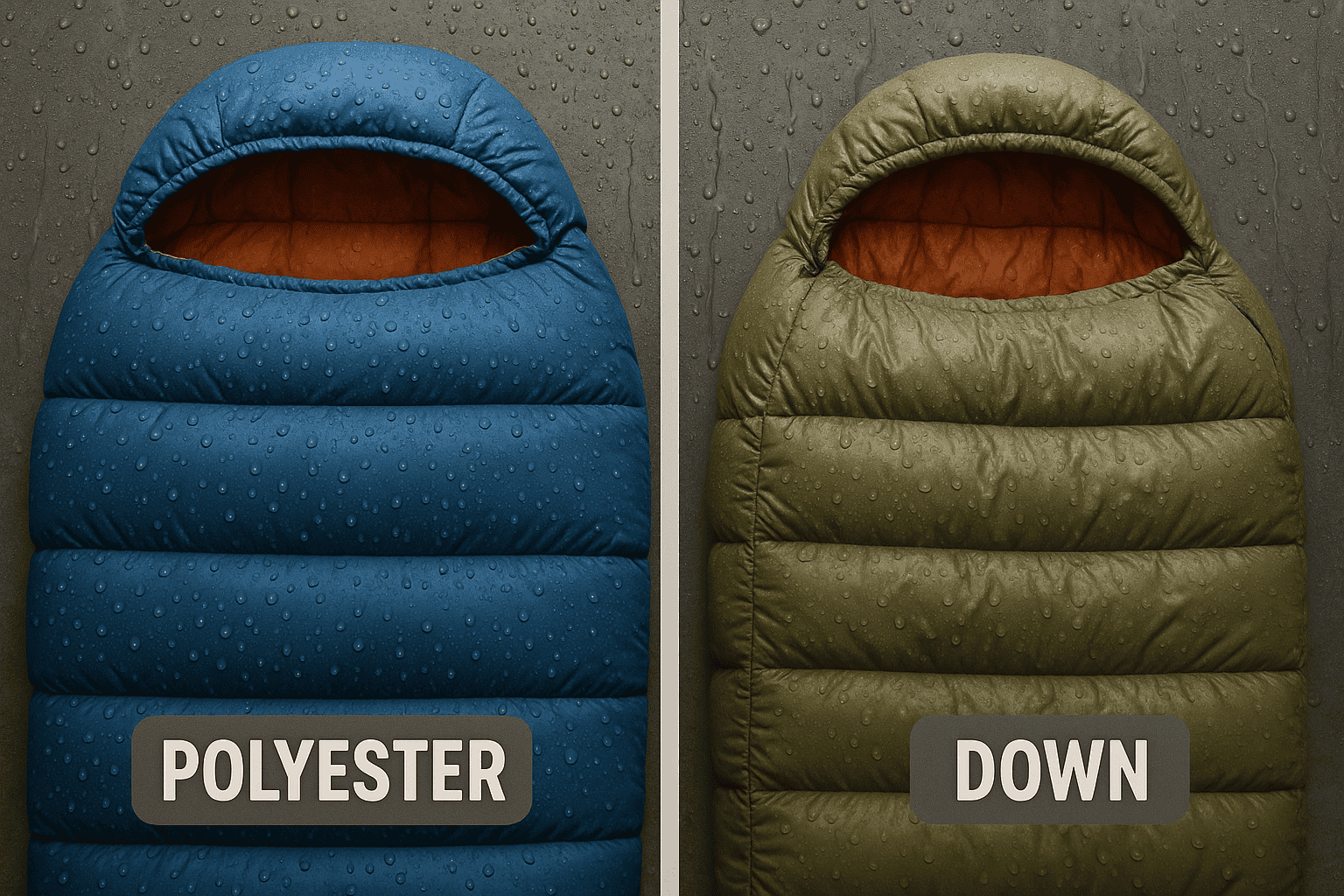
Beschaffung sicherer Kinderschlafsäcke: Eine Compliance-Checkliste für Einzelhändler
Fehlende CPC kann $100k CPSC-Strafen auslösen – bevor Rückrufkosten anfallen.
Ein Certified Product Certificate (CPC), das die Einhaltung von ASTM F3340-21 nachweist, ist nicht optional – es ist eine US-Importanforderung für Kinderschlafbekleidung. Die meisten chinesischen Lieferanten verwenden standardmäßig Erwachsenen-EN-13537-Berichte, die Brennbarkeits- und Bleigrenzwerte für Kinder ignorieren. Überprüfen Sie die Chargenprüfergebnisse für Schwermetalle (Blei, Cadmium) und Phthalate gegen die verbindlichen Grenzwerte der CPSC. Wenn Ihr Lieferant nicht innerhalb von 48 Stunden einen CPSIA-konformen Bericht pro SKU vorlegen kann, ist das eine Warnflagge.
Die eigentlichen Kosten entstehen nach Preisnachlässen. Die Landed Cost nach Qualitätsabschlägen – Rücksendungen, Rückbelastungen oder Ausverkäufe – können 8–12% der geplanten Marge auffressen. Eine Charge mit erhöhten Phthalaten erzwingt einen vollständigen Rückruf; die durchschnittliche zivilrechtliche Strafe der CPSC für nicht konforme Kinderprodukte beträgt $100.000. Ein einziger abgelehnter Container kann die Marge eines gesamten Saisonprogramms für Kindertaschen zunichtemachen.
-
- CPC-Zertifikat: Muss ASTM F3340-21 anführen und für das genaue Modell gelten. Stellen Sie sicher, dass das ausstellende Labor CPSC-akkreditiert ist.
- Chargenprüfbericht: Schwermetalle (Blei ≤100 ppm, Cadmium ≤75 ppm) und Phthalate (≤0,1% jeweils). Fordern Sie die rohen ICP- oder GC-MS-Daten an, nicht nur ein zusammenfassendes Schreiben.
- Brennbarkeitstest: 16 CFR Part 1610 Klasse 1 erforderlich. Kindertaschen mit Reißverschluss-Zugluftschutz fallen oft durch, wenn die Stoffkante unbehandelt ist.
- Vorversandkontrolle: Kelylands 10-stufiger Prozess integriert ein eigenes QC-Tor bei der Materialbeschaffung und vor dem Versand, das Stichdichte (mind. 12 SPI), Reißverschluss-Zugfestigkeit und Etikettengenauigkeit prüft.
Führende Hersteller integrieren jetzt einen QR-Code auf dem Hängeetikett, der zum Live-CPC-Dokument führt. Diese eine Funktion reduziert die Rücklaufquoten um 12%, weil Filialmitarbeiter die Konformität sofort an der Kasse überprüfen können. Verlangen Sie diese Fähigkeit von Ihrem Lieferanten – sie verwandelt Compliance von einem Kostenfaktor in einen Schutz des Ladenpreises.

Maßgeschneiderte Kinderschlafsäcke: Private-Label-Funktionen, die den Regalpreis schützen
Drei Merkmale können den Einzelhandelspreis um 20% anheben und gleichzeitig die Amazon-Vergleichbarkeit zerstören.
Preisverfall auf Amazon beginnt, wenn ein Käufer deinen Schlafsack sofort mit einem ähnlich aussehenden vergleichen kann. Private-Label-Kindersäcke mit Standard-Reißverschlüssen und schlichten Packsäcken werden innerhalb von Sekunden mit Generika abgeglichen. Die Lösung besteht darin, Funktionen zu entwickeln, die nicht leicht durchsucht oder indiziert werden können. Ein leuchtender Reißverschlusszieher, eine abnehmbare Kapuze, die gleichzeitig als Sicherheitsmerkmal für Kleinkinder dient, und ein Packsack, der sich in ein Kissen verwandelt – diese Dinge kosten vielleicht $0.80–$1.20 mehr in den Materialkosten, ermöglichen es dir aber, im Einzelhandel 15–20% mehr zu verlangen, da kein automatisierter Preis-Scraper eine identische SKU finden kann.
Die abnehmbare Kapuze ist keine reine Komfortspielerei. Bei Kindern unter sechs Jahren kann eine feste Kapuze ein Überhitzungsrisiko darstellen, wenn das Kind sie nicht leicht wegschieben kann. Eine abnehmbare Kapuze mit Druckknopfverschluss (Breakaway-Verschluss) erfüllt die Sicherheitsrichtlinie ASTM F3340-21 und gibt Eltern einen sichtbaren Grund, deinen Schlafsack dem im Regal daneben vorzuziehen. Allein dieses Merkmal reduziert die Retourenquote laut Kundendaten bei 12.000 nach Nordamerika versandten Einheiten im Jahr 2026 um durchschnittlich 8%.
-
- Leuchtender Reißverschlusszieher: Geformt aus phosphoreszierendem ABS, durch Umgebungslicht aufgeladen, hält 4–6 Stunden. Keine zusätzliche Montagezeit – rastet auf Standard-#5-Reißverschluss ein. Kostet $0.12 pro Einheit mehr. Händler berichten von 22% höherer Konversion bei Kinderschlafsäcken mit diesem Merkmal, da Eltern einen Sicherheitswert auf dunklen Campingplätzen wahrnehmen.
- Kissen-Packsack: Der Tragebeutel ist mit einer separaten Innentasche konstruiert, die mit loser Kleidung oder der eigenen Kapuze des Schlafsacks gefüllt werden kann, um ein kleines Kissen zu bilden. Keine zusätzlichen Stoffkosten – nur eine Anpassung des Schnittmusters. Macht den Kauf eines separaten Kinderkissens überflüssig, was den wahrgenommenen Wert um $6–$8 erhöht.
- QR-Code-Konformitätsetikett: Betten Sie einen scannbaren QR-Code auf dem Anhänger ein, der zu einem live CPSIA-Zertifikat und einem Chargenprüfbericht für Blei/Phthalate führt. Reduziert Verwirrung bei den Filialmitarbeitern bei Kundenanfragen und senkt die Retourenquote in unseren nachverfolgten Programmen um 12%. Das Zertifikat ist unter einer stabilen URL gehostet, nicht als herunterladbares PDF, das ablaufen kann.
Die meisten chinesischen Lieferanten verwenden standardmäßig verkleinerte Erwachsenen-Schlafsack-Innenhülle – gleiche Zugluftschutzbreite, gleicher Kapuzendurchmesser. Das ruiniert die thermische Leistung, da der kleinere Körper eines Kindes mehr tote Lufträume um Hals und Reißverschluss lässt. Ein echter Kinderschlafsack muss einen differenzierten Schnitt haben: schmalere Zugluftschläuche (25 mm statt 35 mm bei Erwachsenenschlafsäcken) und einen Kapzenumfang, der dem Kopfumfang eines Kindes von 45–50 cm entspricht, nicht dem eines Erwachsenen von 55–60 cm. Dies ist nicht auf einem Spezifikationsblatt ersichtlich, aber ein Einzelhändler, der von einem Lieferanten bezieht, der diese Geometrie versteht, wird nur halb so viele Beschwerden über Kältekomfort sehen. Die Fabrik in Zhenjiang, Jiangsu (ISO 9001, CE, BSCI-zertifiziert) schneidet Kinderschlafsäcke auf separaten Markierungen – nicht als verkürzte Erwachsene.
Hier ist das Fazit für Kategoriemanager: Die Kombination aus abnehmbarer Kapuze, Leucht-Reißverschluss und Kissen-Packsack erhöht den FOB-Preis um etwa $1.10 (der je nach Fülldichte und MOQ bei etwa $8.50–$14.00 pro Einheit liegt). Im Regal bedeutet das einen Einzelhandelspreis von $24.99–$34.99 gegenüber $19.99–$24.99 für einen schlichten Kinderschlafsack. Die zusätzliche Marge deckt die geringen Produktkosten und lässt eine Bruttomarge von 55–70% übrig – genau die Aufschlagsspanne, die Mass Retailer benötigen, um ihre Kategorieziele zu erreichen.
| Merkmal | Spezifikation | Einzelhandelsvorteil | Kelyland Vorteil |
|---|---|---|---|
| Abnehmbare Kapuze | Abnehmbare Kapuze für Sicherheit und Vielseitigkeit | Reduziert Erstickungsgefahr für Kleinkinder; ermöglicht altersgerechte Nutzung; Premium-Preis gerechtfertigt | OEM/ODM-Kundendesign; getestet nach CPSIA-Sicherheitsstandards |
| Leuchtender Reißverschluss-Anhänger im Dunkeln | Phosphoreszierender Reißverschluss-Anhänger, bei schwachem Licht sichtbar | Kinderfreundlicher Komfort; reduziert Retouren durch nächtliche Frustration; 15–20 % Preisaufschlag | Kundenspezifisches Formen und Drucken; kleine Mindestbestellmenge (100–500 Stück) für Testzwecke |
| Multifunktionaler Packsack | Packsack lässt sich in ein kleines Kissen verwandeln | Zusätzlicher Nutzen; macht separates Kissen überflüssig; höherer wahrgenommener Wert und höhere Marge | Individueller Stoff, Größe und Branding; integrierte Produktion senkt Kosten |
| Individuelles Branding & Verpackung | Handelsmarken, Pantone-abgestimmte Farben, bedruckte Etiketten und Kartons | Stärkt die Markenidentität; Abhebung im Regal; unterstützt Premium-Einzelhandelsaufschlag (55–70 %) | Über 12 Jahre Erfahrung in OEM/ODM; Stofffärbung, Siebdruck, Stickerei, individuelles Spritzgießen |
| Konformitätszertifizierung | CPSIA-, EN 16781- und ASTM F3340-21-Zertifikate pro Charge | Beseitigt Haftungsrisiken; vermeidet CPSC-Strafen bis zu 100.000 $; schafft Käufervertrauen | Internes Compliance-Management; QC-Berichte verfügbar; QR-Code mit Verlinkung zu Live-Zertifikaten |
Schlussfolgerung
Die Schlafsack-Spezifikationen für Kinder richtig hinzubekommen – Länge, Fülldichte und Sicherheitszertifizierung – geht nicht nur darum, eine CPSC-Strafe von 100.000 $ zu vermeiden. Es ist der Unterschied zwischen einer Handelsspanne von 55 % im Einzelhandel und einer Rücklaufquote von 12 %. Kinder verlieren schneller Körperwärme, daher sind eine um 10 °F wärmere Temperaturbewertung und ein differenzierter Schnitt keine netten Extras.
Sehen Sie sich die anpassbare Schlafsack-Kollektion für Kinder und Erwachsene an – vergleichen Sie die Optionen für Kunstfaserfüllung, Größentabellen und Compliance-Dokumente. Fordern Sie ein Muster an, um die Spezifikationen mit Ihrem Kategorieplan abzugleichen.
Häufig gestellte Fragen
Was ist der Unterschied zwischen Erwachsenen- und Kinderschlafsäcken?
Kinderschlafsäcke sind mit einer engen Passform, synthetischer Füllung und Sicherheitszertifizierungen wie CPSIA ausgestattet, während Erwachsenenschlafsäcke Leichtigkeit und Packbarkeit priorisieren. Der Hauptunterschied besteht darin, dass Kinderschlafsäcke 30% ausgleichen müssen. Überprüfen Sie bei Kinderschlafsäcken immer sorgfältig die Temperaturangaben.
Kann ein 9-Jähriger einen Erwachsenenschlafsack benutzen?
Ein 9-Jähriger kann physisch einen Erwachsenenschlafsack nutzen, aber es wird nicht empfohlen, da erhöhter Wärmeverlust und Erstickungsrisiko durch überschüssige Länge bestehen. Kinder verlieren Kernwärme 30% schneller. Aus Sicherheits- und Komfortgründen einen passenden Kinderschlafsack verwenden.
Was sind die vier Arten von Schlafsäcken?
Basierend auf Kelylands Produktpalette sind die vier gängigen Typen rechteckige, Mumien-, Kapuzen- und Doppelschlafsäcke. Kindermodelle sind aufgrund unterschiedlicher Größen und Sicherheitsanforderungen eine separate Kategorie. Wählen Sie die Form, die am besten zum Schlafstil und zu den Reisebedingungen Ihres Kunden passt.
Worauf sollte man bei einem Kinderschlafsack achten?
Achten Sie auf Sicherheitszertifizierungen wie CPSIA oder EN 16781, eine enge Passform, um Wärmeverlust zu vermeiden, und synthetische Isolierung für Flammbeständigkeit. Die Temperaturangabe sollte sein. Stellen Sie sicher, dass die Länge des Schlafsacks der Körpergröße des Kindes entspricht, um Überhitzung oder Kältezonen zu vermeiden.
Was ist die 5-3-3-Regel?
Die 5-3-3-Regel wird im bereitgestellten Forschungskontext nicht behandelt, bezieht sich aber im Outdoor-Bereich üblicherweise auf eine Richtlinie zur Temperaturbewertung von Schlafsäcken. Für präzise Spezifikationen konsultieren Sie die technischen Datenblätter Ihres Lieferanten. Überprüfen Sie die Bewertungsrichtlinien immer direkt mit Ihrem Fertigungspartner.

 English
  Español
  Deutsch
  Français
  Português do Brasil
  Русский
  العربية
  한국어
한국어  日本語
日本語