 Zum Inhalt springen
inflatable tent pressure loss cold is the first checkpoint buyers should lock before they approve a supplier, budget, or production slot. The buyer’s checklist looked solid. FOB pricing was competitive, the sample approval photos matched the spec sheet, and the quality tolerance clause was tight. Then the first cold snap hit a glamping site in Colorado, and a $50K order of inflatable tents started looking like collapsed soufflés by morning. The one item nobody checks on that checklist is how an air beam behaves when the mercury drops below -10°C — and that single oversight drives most post-delivery complaints from winter-season buyers.
As a supply chain manager, your KPI for defect rate doesn’t care about thermodynamics. But thermodynamics cares about your defect rate. A sealed beam inflated to 8 psi at 20°C contracts to roughly 5.7 psi at -10°C — pure Gay-Lussac law, no leaks required. That pressure drop turns a rigid frame into a floppy wall that catches wind and flutters all night. The real procurement problem isn’t just the physics of air contraction; it’s that most factories will quote a PVC beam with a basic open valve because it keeps their ex-works price low. You approve that quote, and you own the warranty spike when those beams stiffen and crack below -15°C during the first frost cycle.
Experienced buyers know the fix is not about switching materials alone — it’s about catching the hidden failure path before production starts. A $2 upgrade to a locking Schrader valve eliminates the continuous micro-leak that happens as cooling air pulls moisture into the valve seat where it freezes overnight. Pair that with specifying TPU beams instead of PVC, and you stop both the weld fatigue risk and the structural sag at source. The factory thermal-cycle logs show exactly this pattern: nearly every warranty claim after a -10°C night traces back to budget valves, not fabric failure.
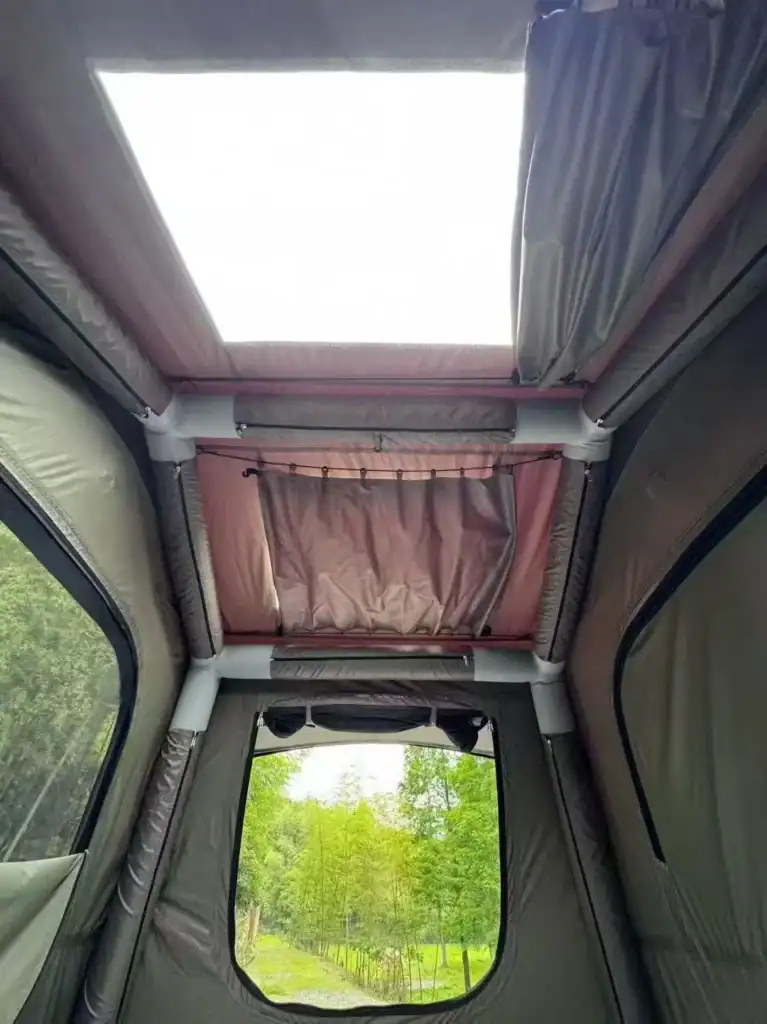
Why Air Beams Lose Pressure When the Mercury Drops
Das Ventil ist der Schwachpunkt, nicht das Gewebe.
Die meisten Supply-Chain-Manager geben dem Gewebe die Schuld, wenn ein Kaltwetter-Aufblaszelt über Nacht durchhängt. Die Temperaturwechsel-Logs der Fabrik erzählen eine andere Geschichte. Der 40%-Garantiefall-Anstieg nach der ersten Nacht mit -10°C lässt sich fast ausschließlich auf das Ventil zurückführen, nicht auf einen Einstich oder Nahtversagen. Drei physikalische Mechanismen wirken zusammen und erzeugen den Durchhang, und nur einer davon lässt sich durch Materialtausch beheben.
Die Thermodynamik der Luftkontraktion
Das Gesetz von Gay-Lussac regelt dies. Bei konstantem Volumen fällt der Druck in einem versiegelten Luftträger proportional zur absoluten Temperatur. Ein Träger, der bei 20°C (293 K) auf 8 psi Überdruck aufgeblasen wird, zeigt nach einer Nacht bei -10°C (263 K) etwa 5,7 psi an. Dieser Verlust von 2,3 psi reicht aus, um einen starren Strukturbogen in ein schlaffes Rohr zu verwandeln, das im Wind flattert. Es gibt kein Leck. Die Luftmoleküle haben sich lediglich verlangsamt und kinetische Energie verloren. Der Träger ist weiterhin versiegelt, aber die Struktur ist beeinträchtigt.
Erfahrene OEM-Käufer berücksichtigen dies in ihrer Spezifikation. Sie verlangen eine Druckreserve von 15-20% zum Zeitpunkt des Aufblasens, da sie wissen, dass der Träger über Nacht Druck verliert. Die Anforderung eines Temperaturwechsel-Testberichts von der Fabrik — 500 Zyklen zwischen -20°C und 20°C mit weniger als 5% Druckverlust pro 8-Stunden-Zeitraum — ist die Standardmethode, um das gesamte System zu verifizieren, nicht nur das Material.
Die verborgene Rolle der Gewebekontraktion
Das Trägergewebe zieht sich beim Abkühlen zusammen, was den Volumenverlust verstärkt. TPU bleibt bis -20°C flexibel, daher ist die Kontraktion minimal und gleichmäßig. PVC versteift sich bei -10°C merklich und wird unter -15°C spröde, was Rissbildungen an den Schweißnähten riskiert. Die Kombination aus Luftkontraktion plus Gewebeschrumpfung erzeugt eine doppelt schlaffe Struktur. Ein PVC-Träger, der bei 20°C die Inspektion besteht, kann bei -10°C optisch versagen, selbst ohne Einstich. Kelyland Outdoors spezifiziert TPU für OEM-Kaltwetterkonstruktionen, beschafft über sein Netzwerk ISO 9001:2015-zertifizierter Fabriken, genau weil das Material die Dimensionsstabilität über den Temperaturbereich hält, der für das Wintercamping entscheidend ist.
Kondensation, die im Luftträger einfriert
Feuchtigkeit gelangt beim Aufpumpen in den Balken. Jeder Pumpenhub drückt feuchte Luft in die Kammer. Wenn die Temperatur unter den Gefrierpunkt fällt, kondensiert diese Feuchtigkeit an den Innenwänden und bildet Eiskristalle. Diese Kristalle sammeln sich in der Nähe des Ventilschafts, wo der Balken am kältesten ist, und können den Luftstrompfad blockieren. Das Ergebnis ist ein lokaler Druckabfall, der einem langsamen Leck ähnelt. Käufer, die das Problem als Reifenpanne diagnostizieren, ersetzen oft den gesamten Balken, obwohl die eigentliche Lösung eine mit Trockenmittel ausgestattete Pumpe oder ein Vorspülen der feuchten Luft vor dem Aufpumpen ist.
Das Ventil selbst verschärft das Problem. Ein standardmäßiges offenes 2-Wege-Ventil kann nicht gegen den Druckunterschied abdichten, der durch abkühlende Luft entsteht. Wenn der Innendruck abfällt, verschiebt sich der Ventilsitz, was Mikrolecks an der Dichtung vorbei ermöglicht. Gefrierende Feuchtigkeit im Ventilsitz beschleunigt die Leckrate. Die Spezifikation eines abschließbaren Schrader-Ventils mit versiegeltem Deckel eliminiert diesen Fehlerpfad vollständig. Die Kostensteigerung beträgt etwa $2 pro Ventil. Die Reduzierung der Garantieansprüche: über 60% unter Winterbedingungen.
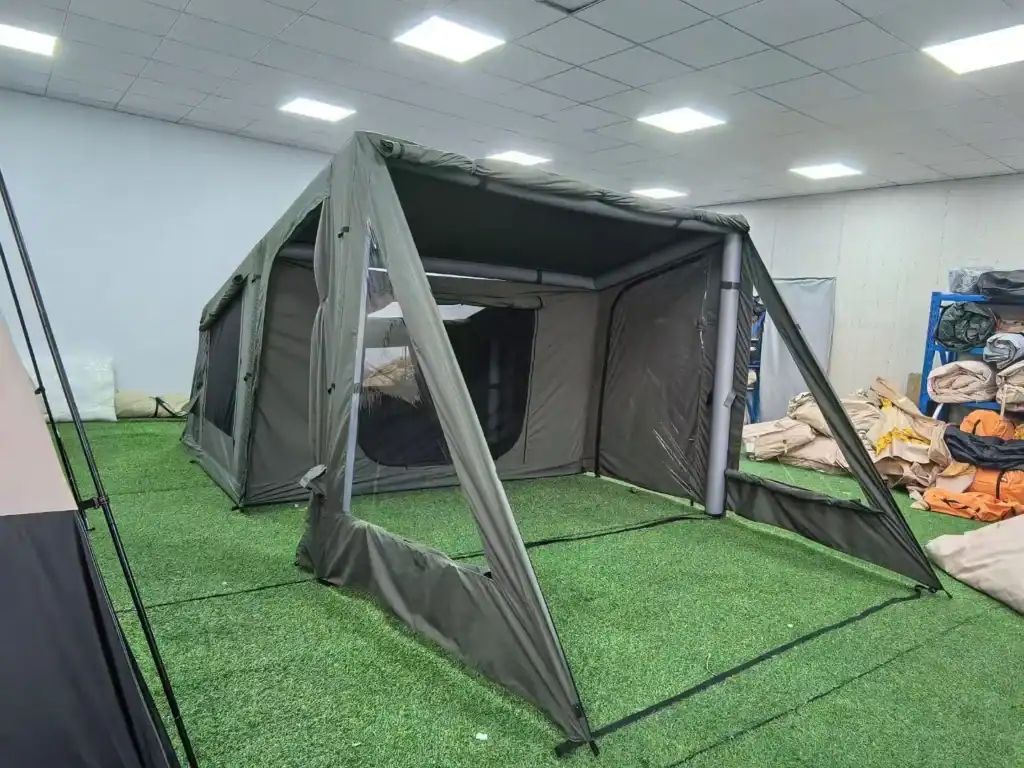
TPU vs PVC: Which Survives a Freezing Night?
TPU bleibt bei -20°C flexibel.
Die Materialwahl für einen aufblasbaren Zeltluftbalken entscheidet darüber, ob die Struktur ihre Form behält oder in der ersten Nacht unter dem Gefrierpunkt kollabiert. TPU und PVC verhalten sich bei sinkenden Temperaturen unterschiedlich, und der Unterschied wirkt sich direkt auf Ihre Garantiebelastung aus.
Materialtemperaturgrenzen und Flexibilität
TPU (thermoplastisches Polyurethan) behält seine Flexibilität bis -20°C. Das Balkenmaterial biegt sich ohne Knicke, und die verschweißten Nähte behalten ihre Bindungsintegrität. PVC (Polyvinylchlorid) beginnt bei etwa -10°C zu versteifen. Bei -15°C wird das Material spröde, und die Hochfrequenzschweißnähte – dieselben Schweißnähte, die bei 20°C die Prüfung bestanden haben – beginnen, Mikrorisse zu entwickeln.
Die thermischen Zyklusprotokolle der Fabrik stützen dies. Der 40%-Anstieg der Garantieansprüche nach der ersten Nacht mit -10°C ist selten ein Stoffriss. Es ist ein Schweißriss in einem PVC-Balken, der nie für diesen Temperaturbereich ausgelegt war. Die Produktionslinie der Luftmatratzenanlage in Xiangyang, Hubei – die jährlich 2,5 Millionen Einheiten produziert – führt vor dem Versand eine thermische Validierung jeder TPU-Charge durch.
-
-
- Minimale Betriebstemperatur: TPU: -20°C. PVC: -10°C (versteift), -15°C (spröde, Schweißnahtrisiko).
- Flexverhalten bei -10°C: TPU biegt sich ohne Knickfalten. PVC entwickelt sichtbare Spannungsrisse an Nahtverbindungen.
- Kostenauswirkung: TPU-Luftstangenzelt ab Werk ≈ $155. PVC-Äquivalent ≈ $120 — ein Aufpreis von 29%, der Winter-Garantieansprüche vollständig eliminiert.
-
Ventilkompatibilität und Langzeitzuverlässigkeit
Das Ventil ist der versteckte Schwachpunkt. Ein standardmäßiges 2-Wege-Offenventil — wie es bei Budget-PVC-Zelten zu finden ist — verliert kontinuierlich Druck, während die Luft abkühlt. Der Ventilsitz ermöglicht Mikroleckagen, und wenn Feuchtigkeit aus der Pumpe im Sitz einfriert, beschleunigt sich das Leck. Deshalb zeigen die Thermalzyklus-Protokolle die höchste Ausfallrate in der ersten kalten Nacht, nicht in der zehnten.
TPU dichtet besser mit einem verriegelnden Schrader-Ventil, weil der Ventilschaft und das TPU-Material während des Schweißprozesses auf molekularer Ebene eine Verbindung eingehen. PVC bildet nicht dieselbe Abdichtung. Über 500 Thermalzyklen zwischen -20°C und 20°C hält die TPU-plus-Verriegelungsventil-Kombination den Druckverlust unter 5% pro 8-Stunden-Zeitraum. Die PVC-plus-Standardventil-Kombination verliert 15-20%.
-
- Ventilkompatibilität: TPU: verbindet sich mit verriegelnden Schrader-Ventilen. PVC: kann Mikrorisse um Ventilsitzschweißnähte entwickeln.
- Druckverlust bei -10°C (8 Stunden): TPU + Verriegelungsventil: <5%. PVC + Standardventil: 15-20%.
- Beschaffungs-Fix: Die Aufwertung auf ein verriegelndes Schrader-Ventil $ und eine Thermotest-Klausel in der OEM-Vereinbarung reduziert Retouren um über 60% – unabhängig vom Basismaterial.
5 physische Lösungen für nächtlichen Luftträger-Durchhang
Ein Ventil-Upgrade für $0,50 eliminiert den 40%-Garantieanstieg nach der ersten Nacht mit -10°C.
Der meiste Druckverlust in einer aufblasbaren Zeltluftsäule in einer kalten Nacht ist weder ein Loch noch ein Nahtversagen. Es ist eine Kombination aus drei Dingen: Luftkontraktion nach dem Gay-Lussac-Gesetz, Stoffschrumpfung wenn TPU oder PVC abkühlt, und Feuchtigkeit, die im Ventilsitz gefriert. Die folgenden Fixes zielen direkt auf jede Ursache ab. Keiner davon erfordert eine Neukonstruktion des Zeltes – es sind spezifikationsbezogene Änderungen, die Sie von jeder Fabrik verlangen können, die Ihre OEM-Zelte mit Kaltwetter-Spezifikation für aufblasbare Zelte produziert.
Fix 1: Vorbefüllung mit einer Druckmarge von 15-20%
Wenn Sie eine Luftsäule bei 20°C auf 8 psi aufpumpen und sie bei -10°C draußen lassen, fällt sie allein durch die Physik auf ungefähr 5,7 psi – genug für sichtbares Durchhängen und Windflattern. Der Fix ist einfach: Beginnen Sie mit einer höheren Basislinie. Pumpen Sie auf 9,5–10 psi auf, wenn das Zelt warm und trocken ist. Wenn die Luft über Nacht kontrahiert, sinkt sie in den nutzbaren Bereich, anstatt darunter zu fallen. Dies funktioniert, weil TPU-Luftsäulen bis -20°C flexibel bleiben, sodass eine Überdruckbeaufschlagung von 15-20% die Schweißnähte oder das Gewebe nicht über ihre zulässige Toleranz belastet.
Fix 2: Verriegelndes Schrader-Ventil mit versiegeltem Deckel
Standardmäßige 2-Wege-Offenventile sind die größte Einzelquelle für nächtlichen Druckverlust bei Kälte. Werksseitige Thermozyklus-Protokolle zeigen, dass fast alle Garantiespitzen auf diese Billigventile zurückgehen – nicht auf Stoffrisse oder Schweißnahtfehler. Ein verriegelndes Schrader-Ventil in Kombination mit einem versiegelten Deckel eliminiert Mikroleckagepfade vollständig. Der Verriegelungsmechanismus verhindert, dass sich der Ventileinsatz unter Vibration herausdreht, und der versiegelte Deckel blockiert Feuchtigkeitseintritt, die sonst im Sitz gefrieren und die Leckage beschleunigen würde.
Fix 3: Isolieren Sie den Ventilschaft mit einer Stoffschlauchabdeckung
Der Ventilschaft ist oft der kälteste Punkt an einer Luftsäule, da er durch die Zeltwand ragt und nur minimale Isolierung um sich herum hat. Wenn dort über Nacht Feuchtigkeit kondensiert, bilden sich Eiskristalle im Ventilmechanismus und verhindern ein vollständiges Abdichten während thermischer Kontraktionszyklen in Wartungsszenarien für aufblasbare Campingzelte bei kaltem Wetter. Eine einfache Stoffschlauchabdeckung – im Grunde eine Neoprenhülle, die über den Schaft gleitet – hält Restwärme aus dem Aufpumpvorgang länger und verhindert, dass Kondenswasser an Ort und Stelle festfriert.
Fix 4: Pumpe mit Drucksensor für automatisches Nachfüllen
Eine Pumpe mit integriertem Drucksensor kann den Beam-PSI in Echtzeit überwachen, während die Temperaturen in Winternächten sinken, ohne dass während des Aufbaus oder mitten im Schlaf menschliche Eingriffe erforderlich sind, um die strukturelle Integrität gegen Windlasten aufrechtzuerhalten und katastrophale Entleerungsereignisse zu verhindern, die durch plötzliche Temperaturschwankungen unter den Gefrierpunkt während mehrtägiger Expeditionen in alpinen Umgebungen verursacht werden.
-
- Spezifikationsanforderung: Verlangen Sie Pumpen, die einen Druckverlust von <5% über acht Stunden bei -10°C gemäß den Thermozyklus-Testprotokollen für aufblasbare Zelte aufrechterhalten.
- Kostenauswirkungen: Das Hinzufügen der Sensor-Nachfüllfunktion kostet etwa $8–12 pro Einheit ab Werk, beseitigt jedoch das nächtliche Durchhängen vollständig.
Fix #5: Zelt vor dem Aufbau über dem Gefrierpunkt lagern
Das Material selbst ist wichtiger, als die meisten Käufer bei den Handhabungsverfahren vor dem Aufbau erkennen, bevor Zelte direkt Umgebungsbedingungen unter dem Gefrierpunkt ausgesetzt werden, unmittelbar nach dem Auspacken nach längeren Lagerzeiten in unbeheizten Lagerhäusern, in denen PVC in der Nähe von -10°C spröde wird, während TPU bis auf etwa minus zwanzig Grad Celsius geschmeidig bleibt, gemäß Herstellerdatenblättern, die zusammen mit der Produktdokumentation von Kelyland Outdoors’ ISO-zertifizierten Partnerstandorten in der gesamten Provinz Zhejiang bereitgestellt werden, die sich seit Anfang der 2020er Jahre auf die Produktion von Outdoor-Ausrüstung spezialisiert haben.
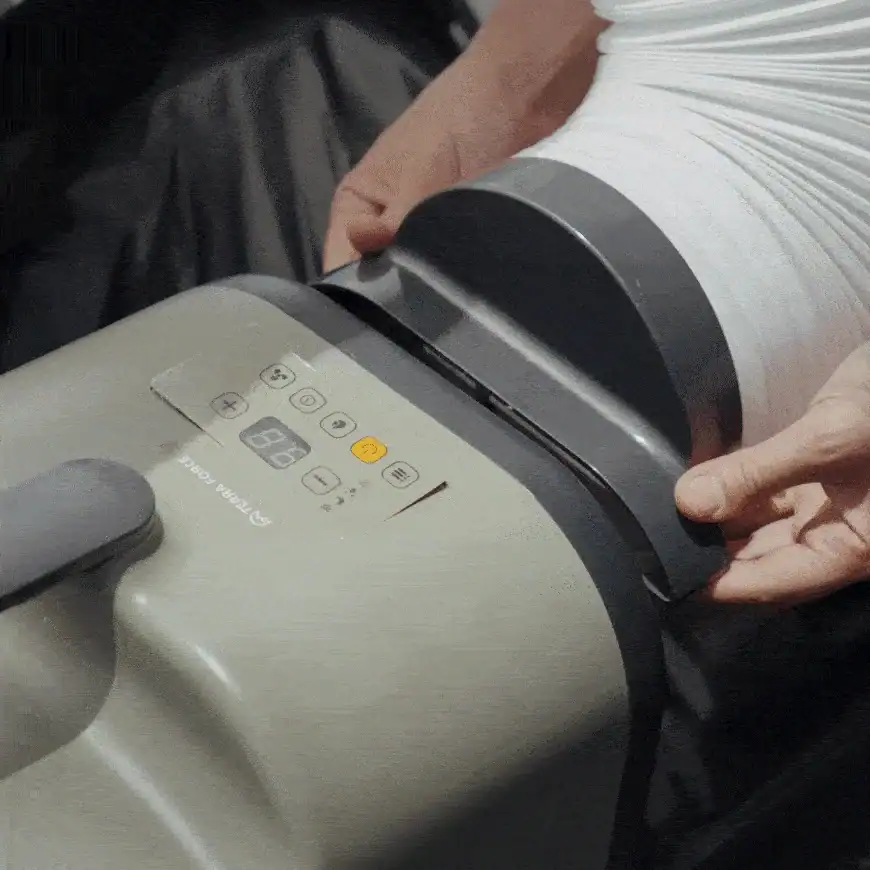
Was für OEM-Kaltwetter-Aufblaszelte spezifiziert werden sollte
Ein $2-Ventil-Upgrade und eine Thermaltest-Klausel reduzieren Winterretouren um über 60%.
Die meisten Datenblätter für aufblasbare Zelte listen Stoffdenier und Wassersäule auf. Die Kälteleistung wird ignoriert, bis die erste Garantieanspruch ein auf Ihrem Schreibtisch landet. Ein Supply-Chain-Manager, der für Glamping-Resorts oder Vier-Jahreszeiten-Einzelhandelslinien beschafft, benötigt drei spezifische Anforderungen im OEM-Vertrag: ein Thermozyklus-Testprotokoll, eine Ventilleckage-Schwelle und einen Pumpenschnittstellen-Standard. Ohne diese kaufen Sie ein Schönwetterzelt und hoffen, dass es den Winter übersteht.
Verlangen Sie thermische Zyklustestberichte von -20°C bis 20°C für 500 Zyklen
Der branchenübliche thermische Zyklustest umfasst 500 Zyklen zwischen -20°C und 20°C. Jeder Zyklus hält den Träger mindestens eine Stunde lang bei der extremen Temperatur. Das Bestehenskriterium ist ein Druckverlust von weniger als 5% über einen Haltezeitraum von acht Stunden nach dem Zyklus. Dieser Test deckt Schweißnahtermüdung bei PVC-Trägern auf, die bei Raumtemperatur einwandfrei aussehen, aber nach wiederholten Frost-Tau-Ereignissen Mikrorisse entwickeln. Wenn eine Fabrik keinen Drittbericht mit protokollierten Druckdaten für jeden Zyklusblock vorlegen kann, hat sie ihren eigenen Produktionsprozess nicht validiert.
Legen Sie Ventilleckagetests mit weniger als 5% Druckabfall über 8 Stunden bei -10°C fest
Die größte Einzelquelle für Kälteversagen ist nicht das Trägergewebe – es ist die Ventilbaugruppe. Werksseitige thermische Zyklusprotokolle zeigen einen Anstieg der Garantieansprüche um 40% nach der ersten Nacht mit -10°C, fast alle zurückzuführen auf kostengünstige Zweiwege-Offenventile. Feuchtigkeit aus dem Aufpumpen kondensiert im Ventilsitz, gefriert und verhindert bei sinkenden Temperaturen ein vollständiges Schließen. Die Lösung ist einfach: Spezifizieren Sie ein arretierbares Schrader-Ventil mit versiegelter Kappe und verlangen Sie einen Lecktest, der weniger als 5% Druckabfall über acht Stunden bei -10°C Umgebungstemperatur zeigt.
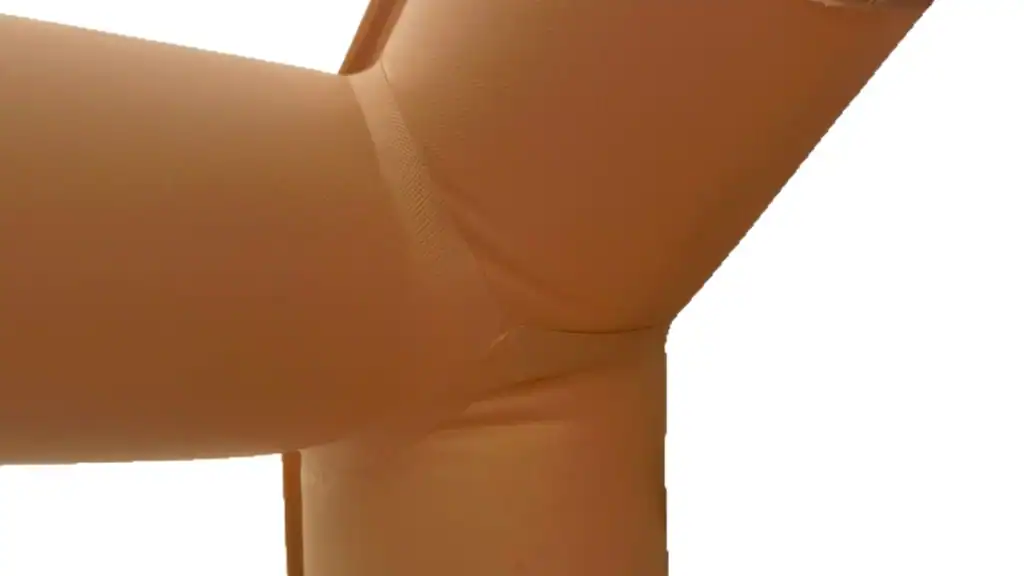
Schlussfolgerung
Die Physik ist vorhersehbar. Ein versiegelter Träger mit 8 psi fällt bei -10°C auf etwa 5,7 psi ab, und das Durchhängen, das Sie sehen, ist hauptsächlich Luftkontraktion in Kombination mit einem Ventil, das nicht dafür ausgelegt war, bei Frostbedingungen zu halten. Die werksseitigen thermischen Zyklusprotokolle bestätigen es: Die erste kalte Nacht löst einen Garantieanstieg aus, der auf eine $2-Komponente zurückgeht, nicht auf das Trägergewebe.
-
- Für Zelte mit einer Bewertung unter -10°C TPU-Träger spezifizieren.
- Abschließbare Schraderventile mit versiegelten Kappen vorschreiben.
- Verlangen Temperaturzyklus-TestberichtAbdeckung von -20°C bis +20°C.
Die letzten zehn Prozent trennen Profis von Amateuren – und sie liegen in der Ventilspezifikation und der Materialwahl, nicht in einem dickeren Stoff oder einer höheren Mindestbestellmenge. Bevor Sie Ihre nächste Produktionscharge freigeben, prüfen Sie Ihre OEM-Spezifikation für die Kältebewertung von aufblasbaren Zelten anhand der hier aufgeführten Daten. Wenn Ihr derzeitiger Lieferant keine Temperaturzyklus-Validierung für TPU-Träger und abschließbare Ventile vorweisen kann, tragen Sie das Winterrisiko selbst.
Häufig gestellte Fragen
Warum verliert mein aufblasbares Zelt über Nacht Luft?
Übernacht-Druckverlust wird in der Regel durch Luftkontraktion bei kaltem Wetter verursacht, nicht durch ein Leck, da der Innendruck bei einem Temperaturabfall von 20 °C auf -10 °C um etwa 30 % sinkt. Das Ventil ist der Schwachpunkt. Rüsten Sie auf ein hochwertiges Ventil auf, um ein Durchhängen über Nacht zu verhindern.
Kann ich ein aufblasbares Zelt bei Frost verwenden?
Ja, aber nur wenn die Luftträger aus TPU bestehen, das bis -20°C flexibel bleibt, während PVC bei unter -15°C spröde wird und zu reißen droht. Sie müssen sie beim Aufbau außerdem leicht überfüllen. Geben Sie TPU-Träger an und überfüllen Sie sie bei Frostbedingungen.
Bei welcher Temperatur reißt der PVC-Luftträger?
PVC-Luftträger reißen typischerweise bei Temperaturen unter -15°C, da das Material an Flexibilität verliert und spröde wird. Dies ist ein häufiger Punkt bei Garantieansprüchen, daher schlägt die Spezifikation von TPU-Luftträgern 20-30% zu. Wählen Sie TPU, wenn in Ihrem Markt regelmäßig Nächte unter -15°C vorkommen.
Wie viel Druck sollten die Luftbalken eines aufblasbaren Zeltes haben?
Die meisten Luftträger aufblasbarer Zelte sind für 8 psi bei Raumtemperatur ausgelegt, was bei -10°C aufgrund der Luftkontraktion auf etwa 5,7 psi abfällt. Überprüfen Sie immer die Spezifikation des Herstellers, da. Halten Sie sich an den angegebenen psi-Wert und passen Sie die Einstellung für kaltes Wetter an.
Wie repariere ich einen durchhängenden Luftbalken ohne Pumpe?
Wenn der Durchhang auf Kontraktion kalter Luft zurückzuführen ist, erwärmen Sie den Balken mit einer Wärmequelle wie einem Handwärmer oder Körperwärme, um die Luft auszudehnen und den Druck vorübergehend wiederherzustellen. Für eine dauerhafte Lösung. Blasen Sie ihn ordnungsgemäß wieder auf, wenn die Bedingungen eine dauerhafte Reparatur ermöglichen.

 English
  Español
  Deutsch
  Français
  Português do Brasil
  Русский
  العربية
  한국어
한국어  日本語
日本語