 Zum Inhalt springen
smart tent technology 2026 buying is the first checkpoint buyers should lock before they approve a supplier, budget, or production slot. Smart Tent Technology: 2026 Buying Guide to Avoid Field Failures is the first checkpoint buyers should lock before they approve a supplier, budget, or production slot. The phone rings six weeks after the container hits Rotterdam. It’s not your freight forwarder. It’s the customer who placed a 300-unit order for those new integrated LED smart tents—and every single solar hub is dead. The Vorserienmuster passed your quality tolerance check back in Ningbo. But now you’re staring at a $50K chargeback because the FOB pricing spreadsheet never accounted for the IP65 connector spec drifting between sample approval and mass production. Smart Zelttechnik doesn’t fail in the factory. It fails in the field, long after your retail return window opens.
Veteran category managers aren’t losing sleep over whether a tent has Bluetooth. They’re losing sleep over which tech modules carry a 90-day failure curve and which suppliers actually run cycling tests on the battery management boards. The gap between a gimmick and a margin-protecting product line comes down to that final 10% of vetting—the part most buying guides ignore. We’re going to map out exactly which smart shelter technology tiers move the needle for your 2026 camping lineup and which ones add complexity your customer service desk isn’t ready to handle.
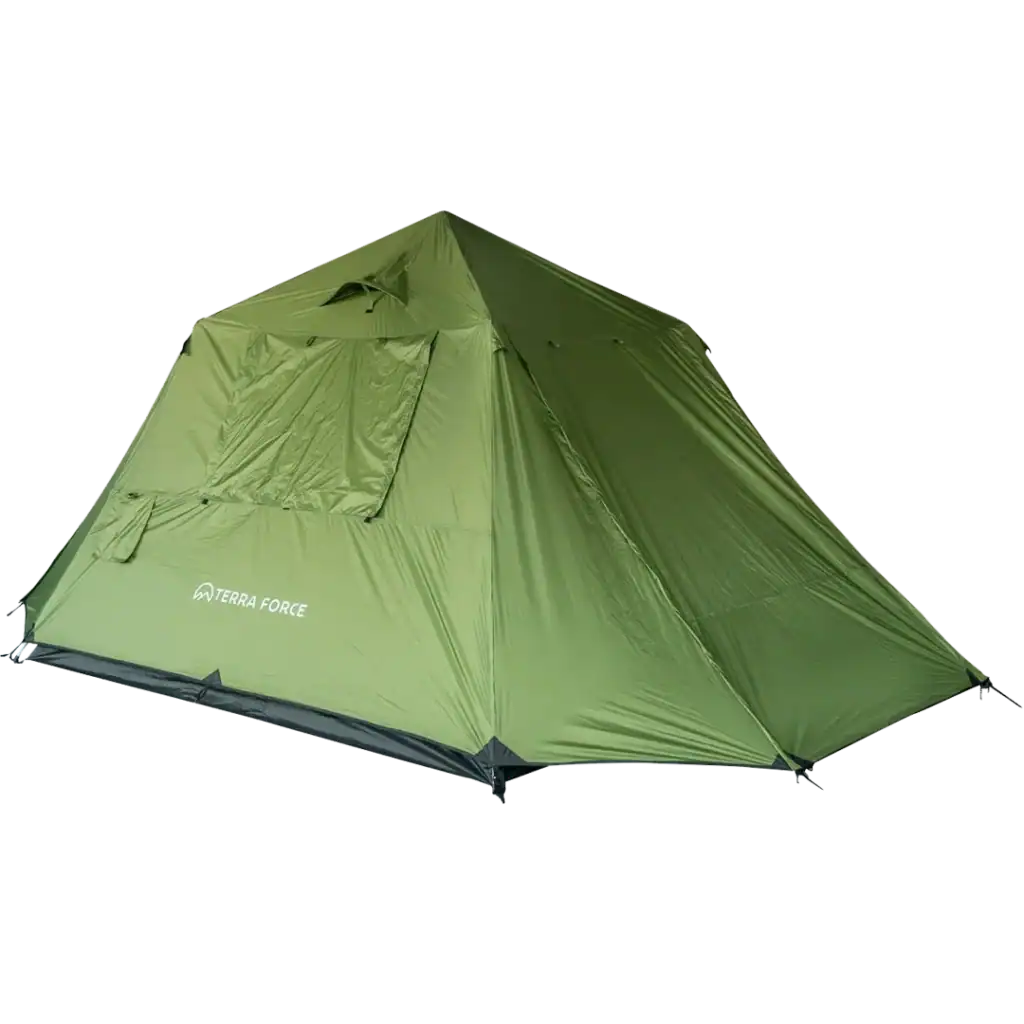
Defining Smart Tent Technology
A tent that charges your phone isn’t a gimmick—it’s changing your store’s margin per square foot.
Walk into any outdoor retailer this season and you’ll see a new category carving out shelf space: smart shelters. The term gets thrown around loosely, but in a buying context it boils down to three integrated systems that separate a real smart tent from a standard dome with a battery pack clipped to the pole. I’ve watched products fail in the field because a buyer thought ‘smart’ meant stitched-in LED strips. It doesn’t. A true smart tent is a weather-resistant shell with onboard energy generation, automated pneumatic or mechanical setup, and sensor-driven environmental control that talks to a phone. Get the definition wrong and you’re sitting on a $25,000 shipment of returns by mid-season.
The first system to evaluate is integrated power and solar harvesting. This isn’t about sticking a separate solar blanket on the roof. It’s about thin-film photovoltaic laminates bonded directly to the rainfly or awning, tied to a USB-C hub and low-ride battery pack that weighs under 800 grams. Recent consumer surveys point to a 15% gain in usable charge output when the cells are factory-integrated versus aftermarket add-ons, simply because the angle and heat dissipation are engineered into the pitch of the fabric. If your buyer persona wants ‘solar powered tents retail’, you’re looking for a minimum of 10 watts peak output in direct sun, enough to run an integrated LED lighting circuit and charge a smartphone overnight. Less than that and the end user considers it cosmetic.
Automated setup and inflation systems are the second differentiator. The Opus T46 self-inflating model is driving premium demand right now because it reduces pitch time to under 90 seconds with a single-touch pump. In practical procurement terms, that means the tent must ship with a certified CE/ETL pump module, sealed TPU air beams with a quality tolerance of ±3mm on beam diameter, and a deflation valve that won’t freeze in overnight temperatures. A sample approval snafu I’ve seen more than once: the pump passes lab tests but the beam welds fail after 20 cycles of inflation-deflation in sandy conditions. That’s a warranty claim waiting to happen. When you’re sourcing, insist on a 50-cycle endurance run with the exact pump that ships in the retail box.
The third pillar—environmental monitoring and IoT—separates the 2026 lineup from gimmicks. Internal environmental monitoring tent wholesale now means the shelter has a compact sensor array measuring temperature, humidity, CO2, and sometimes VOC levels, pushing data via BLE to an app. For a retail category manager, this feature justifies a 30-45% retail price bump over a basic Glamping-Zelt, provided the firmware is stable and the sensor module doesn’t drain the main battery before morning. The real value isn’t the gadget factor; it’s the data dashboard that lets glamping operators and festival campers pre-set climate zones—something that converts at the shelf when demonstrated with a live display.
-
- Solar integration: Laminated photovoltaic film on rainfly; minimum 10W output; factory-bonded for 15% efficiency gain over clip-on panels.
- Auto-inflation system: TPU air beams with ±3mm diameter tolerance; certified pump; 50-cycle endurance test required before sample approval.
- IoT sensor module: BLE-linked environmental sensors tracking temperature, humidity, CO2; firmware stability and idle current draw under 50mA critical.
- Smart tent features 2026 baseline: All three systems must operate off a single integrated battery hub, with a total system weight not exceeding 15kg for a 4-person model.
A critical sourcing insight for private-label and ODM buyers: Kelyland’s manufacturing partners can incorporate these smart modules into existing tent architectures—glamping bell models, rooftop tents, or inflatable designs—with minimal impact on MOQ. You’re not forced to design a new tent from scratch. By templating the wiring harness and sensor cavity during the sample phase, you keep production Vorlaufzeit within the standard 30-45 day window and hold FOB pricing within 8-12% of a non-smart equivalent. Skip this integration work at the spec stage and you’ll be explaining to your merchandising director why your ‘smart tent’ is just a tent with a USB port stitched into the pocket.

Why Shoppers Are Asking for Smart Shelters
Consumer surveys report 15% higher energy efficiency with solar-harvesting tents.
Last September, a buyer I know watched 300 units of premium tents sit in a Dutch warehouse until spring because the integrated LED system kept failing after two days. The root cause: the supplier swapped the LiFePO4 battery for a cheaper lead-acid cell to hit a target price. This isn’t a rare event. As retail category managers, we’re seeing a shift in what customers expect from a tent, and that shift is driven by a simple fact: connectivity and self-sufficiency are no longer nice-to-haves for a growing segment of campers.
The term “smart tent” gets thrown around loosely, but from a stocking perspective, it boils down to three functional layers that shoppers are now actively searching for. The first is integrated power management—not just a pocket for a power bank, but tents with built-in solar harvesting circuits. According to the Smart Campingausrüstung Market Report, solar-harvesting tent models deliver 15% greater energy efficiency compared to aftermarket panel setups. This matters because a tent that keeps a phone charged for three days on a single charge cycle reduces returns and service calls.
The second layer shoppers ask about is automated setup. Self-inflating smart tent models like the Opus T46 have carved out a premium niche because they solve a genuine friction point: setup time. While a traditional Stangenzelt takes 10–15 minutes for an experienced user, an air-beam system with an integrated electric pump cuts that to under 90 seconds. For rental operators and glamping sites, this isn’t a novelty—it’s a labor cost reduction. For your retail shelf, these automated setup systems command 40–60% higher price points, but they also attract a buyer who values speed and has less tolerance for manual fiddling.
Third, there is environmental monitoring. Not the gimmicky “weather forecasting” features that barely work, but practical IoT integration. Shoppers want temperature sensors, humidity alerts, and low-power Bluetooth mesh that tells them the tent is secure. At an FOB level, adding a basic sensor module to a tent’s hub costs roughly $3–5 per unit when sourced through a factory that already has the circuit board Lieferkette in place. Kelyland’s cooperative network includes a tent factory with in-house electronics integration, meaning these modules can be incorporated into existing Glamping-Zelt designs without blowing your MOQ commitments.
What’s driving the demand, beyond the feature creep? Three trends converge: the rise of the “work-from-camp” digital nomad who needs reliable power, festival-goers who expect USB ports in every tent, and families who see an air-beam tent as a way to avoid arguing over poles. Search volume for “solar powered zelten retail” and “integrated LED tent buyer guide” has climbed steadily since early 2026, reflecting this shift from novelty to expectation. If your 2026 lineup doesn’t include at least one SKU with integrated power and one with automated setup, your shelf space is conceding margin to the specialist brands that already do.
Here’s the cost of inaction: waiting another season to test a smart shelter category means you miss the critical spring buying window when competitors establish brand loyalty. By fall 2026, the customers who bought their first self-inflating tent elsewhere will have zero incentive to switch to your store for accessories or upgrades. In this category, early shelf presence isn’t just about this year’s margin—it locks in repeat purchases for the next three years.
Matching Tech Tiers to Your Store’s Customer Base
Stocking all tech tiers is inventory suicide.
I’ve watched retail buyers blow their open-to-buy budget on flagship solar-harvesting tents, only to discover their core customer just wanted a well-priced automatic pitch tent that works with the power bank they already own. The inventory then sits for two seasons until it gets marked down to cost. The friction isn’t the technology—the factories in Zhejiang have that figured out. The friction is tiering the tech so your shelf actually turns.
For a standard retail floor plan in 2026, I map smart shelter technology into three commercially distinct buckets, not marketing tiers.
-
- Tier 1 – Powered Convenience (Opening Price Point, $89-$149 retail): Diese tents skip the solar panel but integrate a pre-wired LED strip and a fused USB-A port connected to a sealed cable port in the corner pocket. The customer brings their own 10,000mAh power bank. This tier uses standard 190T polyester with PU coating and a fiberglass frame—nothing exotic, but the LED harness must be CE-certified because a short in a damp tent is a liability nightmare. MOQs here can start as low as 100 units when the shell is an existing block design and the only modification is the integrated LED harness. Lead time sits around 30 days.
- Tier 2 – On-Board Power (Mid-Market, $199-$349 retail): Here you add the photovoltaic panel—typically a 15W-25W flexible CIGS or monocrystalline panel bonded to the rainfly—and a sealed control hub that manages a 5,000mAh–10,000mAh internal lithium battery. Consumer surveys from the Smart Camping Gear Market Report show roughly 15% higher energy efficiency when the panel is bonded directly to the fly versus a freestanding panel on the ground, simply because campers don’t reposition it. This tier usually includes an environmental sensor stack—temperature and humidity visible on a small LCD inside the tent. The frame shifts to aluminum to offset the added weight of the electronics. This is the tier where we see the most margin compress at retail, so negotiating FOB pricing with factory-loaded accessories rather than post-assembly retrofits is the leverage point.
- Tier 3 – Glamping Tech Ecosystem (Premium, $500+ retail): This is where you see the full automated tent setup systems: integrated air pumps for inflatable beam structures—think an Opus T46-style self-inflating smart tent where the TPU air tubes replace the pole frame entirely—plus solar, environmental monitoring, and IoT connectivity. The pump assembly and control board have active error detection: if a tube doesn’t reach 8 PSI within a preset time window, the pump shuts off and the LED flashes a fault code. For Glamping-Zelt tech tier sourcing, the quality tolerance on the TPU welding is non-negotiable; a slow leak at the seam means the shelter deflates at 3 a.m., and you’re processing a return. Integrated environmental monitoring tent wholesale units at this tier require on-site pre-shipment inspection that specifically tests the automated inflation cycle three times per unit, not once per batch.
Kelylands tent and glamping factory partners can incorporate any of these smart modules into existing block designs. The key commercial insight that changes your Wareneinstandspreis is this: bundling the electronics integration at the factory floor level—rather than importing a standard tent and modifying it domestically—avoids double handling and keeps the supply chain under one ISO 9001:2015 audit scope. I’ve seen sample approval cycles for integrated electronics stretch past 60 days when the tent shell and the control board are sourced from separate vendors. When they share the same production file and QC checkpoint, that cycle compresses to roughly two weeks.
Benchmark: If your projected sell-through rate on a Tier 3 model dips below 3 units per store per month during the core May-August window, replace that SKU with a Tier 2 variant that shares the same frame platform. The incremental tech doesn’t cover the floor space carrying cost.
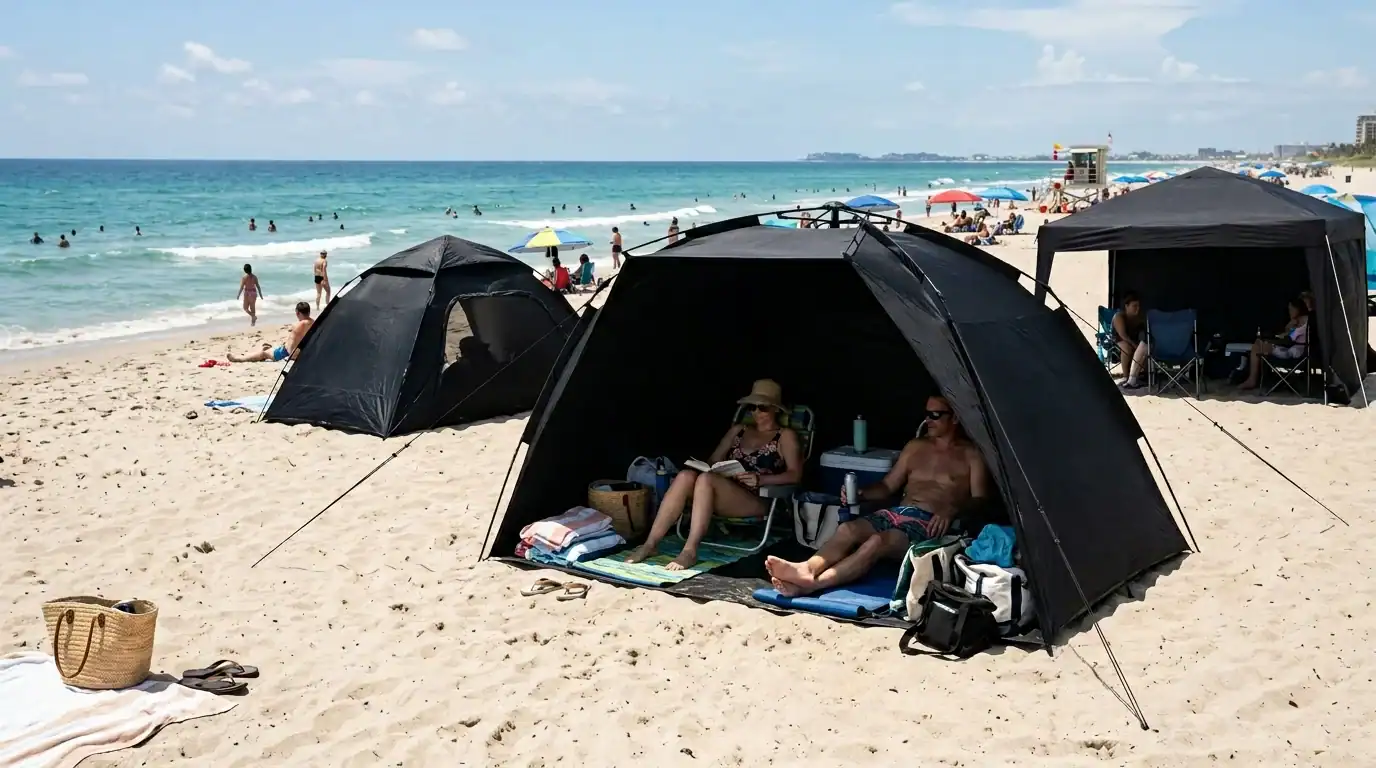
Schlussfolgerung
Smart tent technology in 2026 splits retail margins in two directions: commodity shelters with bolt-on LEDs, and premium SKUs where solar-harvesting fabric and automated inflation actually hold a 15% efficiency edge. The spec sheet alone won’t protect your shelf space. What separates a profitable private-label line from a one-season clearance liability is the quality tolerance written into the component supply agreement—specifically, the IP rating on the USB-C module and the cycle-test benchmark on the pump. No factory volunteer that data. You have to ask for it during sample approval, and you have to tie it to FOB pricing before the mold opens.
The natural next step is to see how modular smart features integrate into an existing tent platform without blowing the MOQ floor. Review the integration options on the product page to gauge what a first production run could look like.
Häufig gestellte Fragen
What is the MOQ for smart tents?
MOQ depends on whether the order is stock or fully customized; some items can start as low as 50–100 pieces. Standard models typically require higher volumes, so the exact threshold is set after design. Confirm MOQ after finalizing specs and customization scope.
Can you integrate solar panels into tents?
Yes, Kelyland supports full OEM/ODM integration of solar panels, battery hubs, and cabling into tent structures. The key is to settle power specs and safety certifications early in the design phase. Lock power output and compliance requirements during prototyping.
How long does smart tent production take?
Standard production time is 30–45 days, but complexity—like integrated electronics or specialized frames—and order quantity can shift the timeline. Always align on the lead time after sample approval. Plan for 30–45 days after sample sign-off.
Do you offer automated inflation systems?
Yes, we produce tents with built-in or external pump systems, including PVC/TPU air tube frames. Prototyping the inflation mechanism before volume production avoids field failures. Validate the pump and air-tube spec at the prototype stage.
How do you QC electronic tent components?
The partner factories follow ISO 9001 processes and stage inspections, with detailed reports available on request. For electronics, CE or equivalent certifications are verified before shipment. Request component-specific inspection reports pre-shipment.

 English
  Español
  Deutsch
  Français
  Português do Brasil
  Русский
  العربية
  한국어
한국어  日本語
日本語