 Ir al contenido
pvc vs pu wagon fabric is the first checkpoint buyers should lock before they approve a supplier, budget, or production slot. The operator at the coating line knows the difference between PVC and PU wagon fabric before the roll ever reaches the cutting table. They see it in how the film lays down on the 600D polyester base, in the tackiness of the finish, in the smell of the solvent. The buyer on a sales call only sees a swatch under fluorescent lighting—and maybe a quote that hides the real spec. That gap in perception is exactly how a $50,000 order goes sideways when the pre-production sample passes sample approval but the mass production run fails the waterproofing test after three months on a retailer’s shelf.
Here’s what the lab data actually separates. PU coatings feel more fabric-like, and premium brands usually prefer that hand feel, but PU loses cabeza hidrostática after 2-3 years if the wagon sits in humid storage—hydrolysis breaks down the polymer chain. PVC holds up better against moisture intrusion and resists plasticizer migration, yet it turns stiff below -10°C, which matters for tailgate season in northern markets. Some factories layer a thin PVC inner film with a PU outer print layer to get the aesthetics of one and the water resistance of the other, but that hybrid approach changes the fabric weight and the price per yard. The benchmark you should write down before your next llamada con el proveedor: for a 600D Oxford wagon body, demand a coated cabeza hidrostática of at least 3000mm for PVC and 1500mm for PU, and ask for the 500-hour QUV aging report to confirm UV stability—if the factory hesitates on either number, treat that as a red flag.
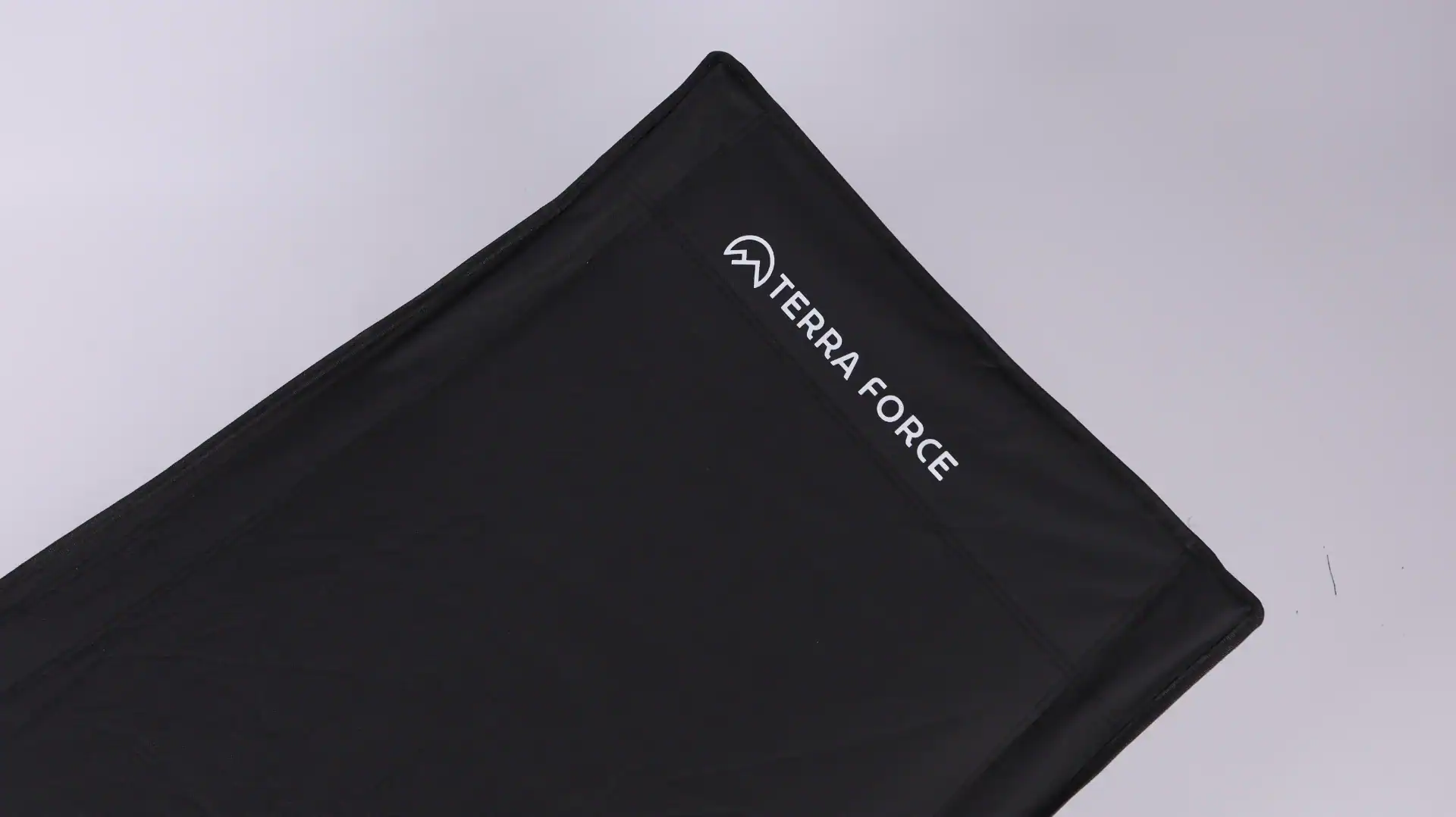
Coating Chemistry and How It Fails
Silver-coated PU photographs better.
Mayoría wagon fabric decisions get made at sample approval: a swatch, a water-beading photo, a price. That misses the two failure modes that cost retailers in year one. Hydrolysis in PU and plasticizer migration in PVC are chemical processes, not manufacturing defects, so no pre-shipment inspection catches them. If your supplier cannot explain how they test for either, treat that as a quality tolerance problem, not a paperwork gap.
Hydrolysis Risk in PU Coatings
PU coatings are the reason many premium wagons feel more fabric-like and take vibrant prints cleanly. The weakness is hydrolysis. Under humid heat, water molecules break the polyurethane chain, and the coating loses its original hydrostatic head over time. That is why a PU-coated wagon stored damp in a stuff sack can show wet-through on the side panels months before the rest of the wagon wears out.
The most common spec in this category is silver-coated PU on 600D Oxford. It passes UV photo tests at lower cost than a full PVC laminate, which is why Amazon FBA beach wagon sellers default to it. The trade-off shows up when the wagon is folded away wet. A damp stuff sack creates a hot, humid pocket that accelerates hydrolysis — the exact condition that leads to delamination and leaks.
- Trigger: Wet storage in a stuff sack, high-humidity warehouses, and repeated salt-moisture exposure.
- Señal de alerta: Supplier cannot show hydrolysis-resistance data or a humidity-aging test for PU-coated Oxford.
- Water resistance: Higher than PU in humid storage; PVC holds its barrier properties longer.
- Trade-off: Stiffens below -10°C, and plasticizer migration can cause surface tack and crease-line cracking.
- Choose PU if: Your line is beach wagons, buyers accept a dry-before-storage instruction, and print quality drives the purchase.
- Choose PVC if: The wagon will face cold tailgate use, humid storage, or repeated wet loading, and fewer waterproofing returns matter more than hand feel.
Plasticizer Migration in PVC Coatings
PVC-coated Oxford takes the opposite trade-off. The coating is inherently waterproof, which is why PVC is common on wagon floors and heavy-duty side walls. But PVC gets flexibility from plasticizers, and those plasticizers do not stay put. Plasticizer migration is why PVC-coated Oxford feels different after a hot season: the surface turns slightly tacky, the fabric stiffens, and fold lines start to crack.
Cold weather makes the cracking visible. A PVC-coated wagon that folds easily in a 25°C warehouse gets stiff below -10°C. Load it into a tailgate on a cold morning, and the crease at the fold point is exactly where the coating cracks. That is the January return customers blame on cheap materials, even though the fabric passed factory QC.
There is a middle route. Some factories inside Kelyland’s 17-factory strategic network — most of them ISO 9001:2015 certified — laminate a thin PVC inner film for waterproofing and print the outer face in PU. You get the surface feel consumers like and the water resistance PVC is known for. It costs more than straight silver-coated PU, which is why most suppliers only offer it on request.
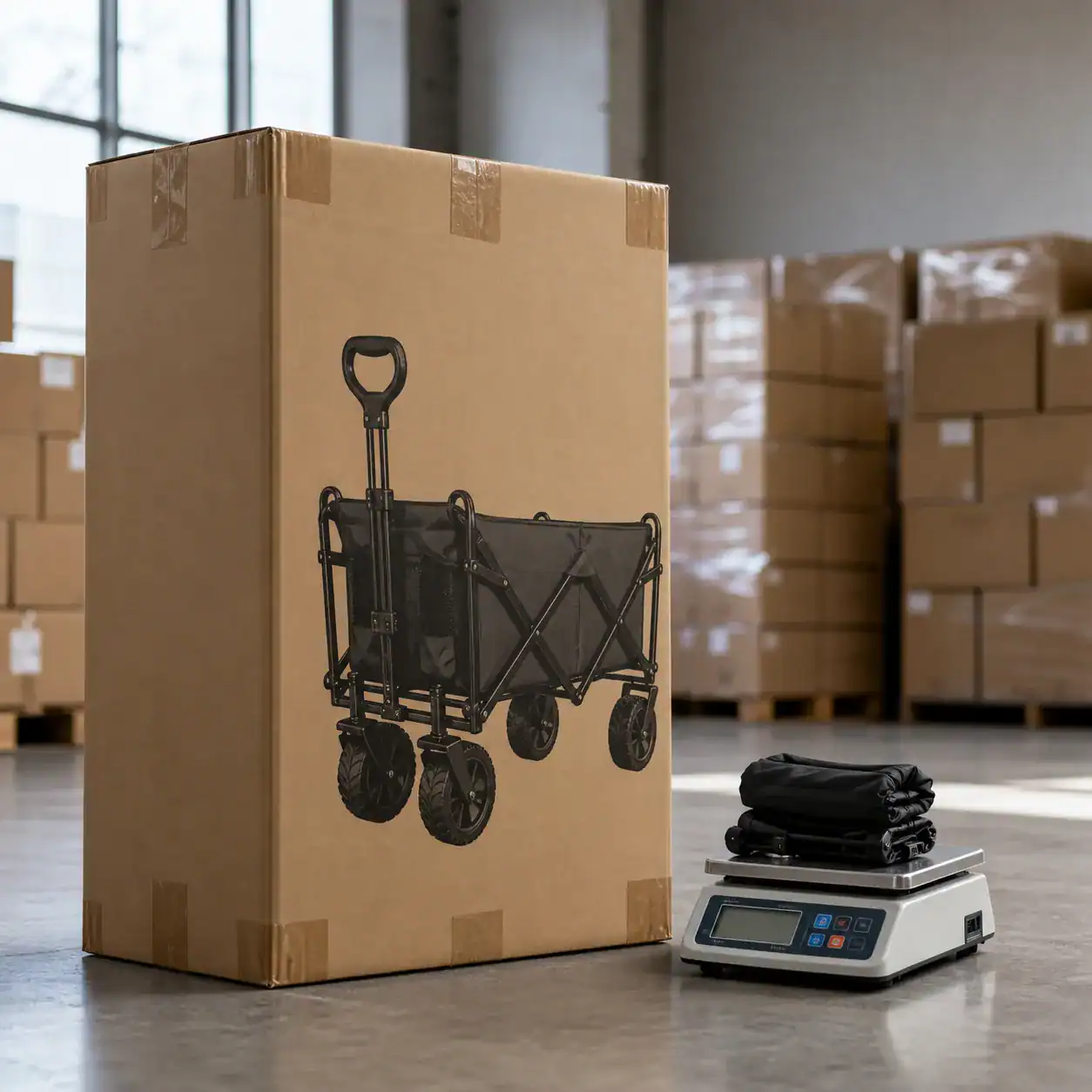
Waterproofing and UV Test Benchmarks
Waterproofing numbers tell you how a fabric passes QC.
A 600D polyester wagon fabric ships with a coating spec on the certificate, but that number only matters if it holds up after a season of beach sand, parking-lot sun, and damp garage storage. For private-label programs, two lab metrics separate a sellable wagon from a return magnet: hydrostatic head and QUV aging. Here is how PVC and PU coatings compare on both — and where each one lies about its performance.
Hydrostatic Head Values by Coating
Hydrostatic head measures the water pressure a fabric resists before leaking through. For PU-coated Oxford, the typical spec ranges from 1,000 mm to 3,000 mm depending on coating thickness and base fabric. PVC-coated Oxford starts around 3,000 mm and can exceed 10,000 mm, which is why PVC dominates heavy-duty outdoor applications like truck tarps and roof-top tents.
But the initial number is only half the story. PU’s molecular structure contains ester bonds that hydrolyze — they break down when exposed to moisture and heat over time. Store a PU-coated wagon folded damp in a stuff sack for a few months and hydrostatic head drops measurably. Industry experience puts the visible failure at 2-3 years in humid environments. The fabric will look fine until a rainy tailgate exposes the delamination.
- Fresh PU coating: 1,500-3,000 mm hydrostatic head on standard 600D Oxford. Passes a bucket test and an initial QC inspection.
- Aged PU coating: After repeated humid storage cycles, head values can fall below 1,000 mm, leading to wet seams and fabric-face leakage on the second season.
- PVC coating: Initial head values of 5,000-10,000 mm on the same base fabric. Resistance to hydrolysis keeps values stable for a longer service life.
- Hybrid construction: Some factories apply a thin PVC inner film with a PU outer print layer to get the fabric feel of PU and the water resistance of PVC.
- PVC después de 500 horas: Desgaste cromático mínimo y sin agrietamiento superficial cuando se formula con estabilizadores UV. Especificación habitual en carritos vendidos en Australia y el suroeste de EE. UU.
- PU después de 500 horas: Decoloración visible y microfisuras, especialmente en colores oscuros. Aceptable para carritos de playa comercializados como artículos desechables de temporada.
- PU recubierto de plata: Supera la prueba fotoenvejecimiento después de 500 horas porque la capa de plata oculta el desvanecimiento. Falla si se almacena húmedo: el recubrimiento se separa en cuestión de semanas.
- Hybrid construction: La capa interior de PVC mantiene la impermeabilidad mientras la capa exterior de PU soporta la impresión. El daño por UV se limita a la capa estética.
- Choose PVC if: Su canal incluye venta minorista masiva, mercados costeros o climas con alta humedad e intensa radiación solar. Solo la resistencia a la hidrólisis justifica el peso añadido.
- Choose PU if: Está lanzando un carrito de playa Amazon FBA con un precio competitivo y puede enviarlo con una tarjeta de instrucciones para secarlo antes del almacenamiento.
- Solicite a su proveedor: Un informe QUV de 500 horas y certificados de cabeza hidrostática para ambos tejidos recubiertos antes de aprobar las muestras. Generar estos datos toma dos semanas, pero le ahorra una temporada de devoluciones.
500-Hour QUV Aging Results
QUV accelerated weathering machines simulate years of sunlight, rain, and humidity in a few hundred hours. A 500-hour QUV test is the industry benchmark for comparing UV stability between coatings. The results split cleanly along chemistry lines.
PVC formulations with UV stabilizers hold color and flexibility well through 500 hours. The coating layer resists chalking, which is that white powder you see on cheap vinyl products. PU, by comparison, degrades faster under UV. Prolonged exposure breaks the polymer bonds, causing color fade and surface cracking on the printed layer. The degradation accelerates if the wagon fabric includes silver coating, which reflects heat but separates from the base fabric after extended UV exposure.
Para directores de marca que gestionan programas minoristas estacionales, la decisión recae en la posición. El Oxford con recubrimiento de PVC añade peso y se siente menos textil, pero resiste el almacenamiento y los rayos UV. El Oxford con recubrimiento de PU tiene un tacto premium y se fotografía bien, pero asume que el cliente secará el carrito antes de guardarlo, y muchos no lo harán.
Choosing a Coating by Use Case
Elija el recubrimiento según la peor condición de almacenamiento, no la mejor foto de playa.
Las flotas de playa deben utilizar PVC. Los programas de tailgate para clima frío deben utilizar PU. Si necesita ambos, especifique el híbrido con interior de PVC y exterior de PU antes de aprobar las muestras, ya que esa es la única construcción que resiste ambos entornos.
Resistencia a la abrasión de sal y arena de playa
Un carrito de playa pasa su vida rodeado de arena húmeda, salpicaduras de sal y troncos húmedos. En la tela de poliéster 600D del carrito, el recubrimiento es la única capa entre el agua y la tela base. La arena se introduce en el carrito durante la carga, y los residuos de sal permanecen cuando el carrito se seca. El recubrimiento en los pasos de rueda y las esquinas inferiores soporta el mayor desgaste.
Los recubrimientos de PU se sienten más suaves y parecidos a la tela, por eso las marcas premium los especifican. Pero el PU se degrada por hidrólisis cuando permanece húmedo. Dos o tres temporadas de almacenamiento húmedo pueden eliminar la mayor parte de su cabeza hidrostática impermeabilidad — y la superficie de la tela puede seguir pareciendo bien mientras la protección contra el agua ha desaparecido.
- Resistencia a la abrasión: La lámina de PVC forma una barrera más gruesa y resistente, y soporta mejor la arena que la delgada lámina de PU, que se desgasta en los puntos de presión.
- Almacenamiento en ambiente húmedo: El PVC no sufre hidrólisis. Las cadenas de PU se degradan con calor y humedad, reduciendo la resistencia al agua antes de que el daño sea visible.
- Atajos FBA: Para carritos de playa de Amazon FBA, el PU con recubrimiento plateado es común porque supera las pruebas UV fotográficas de packshot a menor costo — pero falla cuando los clientes lo almacenan húmedo en la bolsa de almacenamiento.
- Flexibilidad en frío: El PU mantiene su funcionamiento bajo cero. La película de PVC se rigidiza y agrieta en los pliegues.
- Tensión por doblez: El plegado repetido en el mismo punto sumado al frío causa el fallo del recubrimiento en el PVC.
- Choose PVC if: Los entornos de playa, agua o almacenamiento húmedo son los dominantes. Acepte que la tela se vuelve rígida por debajo de -10°C.
- Choose PU if: El uso en climas fríos para tailgate y una sensación premium al tacto son más importantes que la durabilidad en almacenamiento húmedo. O bien, solicite la película híbrida de PVC/PU.
- Fije las especificaciones por escrito: Solicite el grosor del recubrimiento junto con los resultados de pruebas de hidrólisis y resistencia al agrietamiento por frío durante la aprobación de la muestra. Un proveedor que dude al presentar especificaciones por escrito luego discutirán la devolución.
Durabilidad para tailgate en clima frío
El tailgate es un modo de fallo diferente. Un carrito plegado en un garaje frío toda la noche, luego abierto de golpe en un estacionamiento, somete a estrés extremo los pliegues. Los recubrimientos de PVC se endurecen por debajo de -10 °C y se agrietan a lo largo de esas líneas. La grieta comienza pequeña; el agua penetra en el siguiente uso y deslamina el recubrimiento de la tela.
La tela del carrito se dobla siempre en el mismo lugar, lo que convierte las arrugas en puntos de tensión permanentes. El PU permanece más flexible a temperaturas bajo cero y soporta el ciclo de plegado/desplegado sin agrietarse. Esa es la razón principal por la que los programas para climas fríos prefieren el PU a pesar de su menor comportamiento ante almacenamiento húmedo.
Las fábricas que conocen este equilibrio a veces utilizan una construcción híbrida: una fina película interior de PVC para la resistencia al agua más una capa exterior de PU para la impresión y la sensación al tacto. La fábrica de carriolas plegables en la red de socios de Kelyland —una operación certificada en ISO 9001 en Jinhua, Zhejiang— fabrica con Oxford doble capa de 600D a 900D con recubrimientos de plata, PU o PVC, y puede especificar la película híbrida bajo petición. Las especificaciones personalizadas de recubrimiento forman parte del paso la aprobación de la muestra y los lotes comienzan alrededor de 50-100 unidades.

Conclusión
La elección del recubrimiento de la tela determina si una carriola plegable supera la temporada sin problemas o se convierte en una queja posterior a la entrega. El PU ofrece una sensación premium al tacto y pasa las verificaciones UV fotográficas a menor costo, pero el almacenamiento en almacenes húmedos desencadena hidrólisis que degrada la cabeza hidrostática después de 2-3 años. El PVC mantiene su barrera de agua por más tiempo, sin embargo se rigidiza por debajo de -10°C, lo cual debilita la durabilidad en uso de cola de camión en climas fríos.
- Los recubrimientos de PU se sienten similares a tela, pero pierden cabeza hidrostática después de 2-3 años en almacenamiento húmedo debido a la hidrólisis.
- El PVC resiste el agua por más tiempo pero se vuelve rígido por debajo de -10°C, por lo que no es adecuado para uso en clima frío en cola de camión.
- Una película interna fina de PVC con capa exterior de PU combina la estética del poliuretano con la resistencia al agua del policloruro de vinilo.
- El PU con revestimiento plateado supera las pruebas foto-UV para carretillas de playa, pero falla si se almacena húmedo en su bolsa de almacenamiento.
Antes de cerrar la especificación de una carretilla para 2026, solicite a su fábrica el informe de prueba de prueba hidrostática y el registro de envejecimiento de 500 horas QUV: los nombres del recubrimiento por sí solos no predicen el comportamiento en un almacén húmedo o un estacionamiento junto a la playa. Ajuste el recubrimiento a la temporada minorista a la que apunta su programa y solicite pruebas de almacenamiento húmedo si su embalaje sella la humedad. El equipo de abastecimiento de Kelyland puede ayudarle a comparar las opciones actuales de tejido con su ventana de devolución esperada.
Preguntas frecuentes
¿Qué recubrimiento de tela para carreta es más impermeable?
El tejido para toldos recubierto de PVC generalmente proporciona valores de columna de agua más altos que el PU con el mismo peso de tejido, por lo que es la vía más fácil para garantizar una especificación de impermeabilidad. El PU puede igualarlo. Solicite los datos de la prueba de columna de agua e hidrólisis antes de finalizar la especificación.
¿Qué causa la falla de la tela de PU en los vagones?
El revestimiento de PU falla principalmente por hidrólisis: el calor y la humedad rompen el enlace del polímero, causando delaminación y descamación. El riesgo es mayor cuando los vagones se almacenan mojados o en almacenes húmedos, no solo. Si su mercado es húmedo, exija un grado de PU resistente a la hidrólisis.
How does PVC coating hold up in UV testing?
PVC-coated fabric usually holds up better than PU in 500-hour QUV aging tests because the thicker film and plasticizer system resist UV degradation longer. But a poor PVC formulation can chalk and. Request the 500-hour QUV report for the exact PVC formulation.
Which fabric coating is best for beach wagons?
PVC-coated fabric is the stronger choice for beach use because its heavier film resists saltwater and sand abrasion better than PU. PU may be lighter and more flexible, but sand. Specify sealed seams and a heavier PVC film for beach wagon SKUs.
What wagon fabric works best in cold weather?
PVC-coated fabric is more dependable in cold-weather tailgate use because PU tends to stiffen and crack after repeated folding in freezing temperatures. A plasticizer-rich PVC formulation retains flexibility where a standard PU coating will. Verify cold-flex performance at your target low temperature.

 English
  Español
  Deutsch
  Français
  Português do Brasil
  Русский
  العربية
  한국어
한국어  日本語
日本語