 Ir al contenido
Toda fábrica de carpas digna de ese nombre tiene un certificado ISO colgado en la pared. Pero auditoría de cumplimiento de la fábrica de tiendas para el mercado de la UE vive en un mundo distinto — el mundo de los resultados medibles, no de los documentos enmarcados. La brecha entre lo que promete la ficha técnica y lo que realmente se carga en el contenedor es donde la mayoría de los importadores resultan perjudicados, y rara vez es el equipo de ventas de la fábrica quien induce a error. A menudo, se trata de una cadena acumulativa de pequeñas sustituciones — un plastificante diferente aquí, una menor densidad de hilo allí — que solo se evidencia cuando aduanas o un Organismo Notificado comienza a hacer preguntas.
Este caso comenzó con una marca británica de outdoor que ya había aprobado una muestra preproducción de una carpa inflable para 4 personas. La muestra se veía bien, se armada correctamente y el precio FOB estaba cerrado. Luego intervino el equipo de auditoría de Kelyland. Los tubos inflables de PVC de la fábrica estaban formulados con ftalato de dioctilo (DOP), un plastificante prohibido en el Anexo XVII del REACH para artículos destinados a entrar en contacto prolongado con la piel. Ese único detalle material habría detenido el envío en la frontera holandesa, costado al cliente toda la primera temporada y generado una investigación aduanera que permanece en el historial de cumplimiento de la empresa durante años.
La solución no requirió cambiar de fábrica. Requería un equipo de sourcing capaz de encontrar localmente un plastificante sin ftalatos en dos semanas, reteste para el cumplimiento del REACH y obtener documentación CE actualizada antes de iniciar la producción en masa. Para eso sirve una auditoría de cumplimiento previa a la producción: detectar los fallos que ninguna inspección visual, ninguna aprobación de muestra y ninguna visita a la fábrica revelarán jamás. Saltarse ese paso ahorra quizás dos semanas al inicio. El desenlace posterior — el riesgo de un retención aduanera, un recall forzoso o un proveedor que no puede producir el expediente técnico — supone un coste mucho mayor.
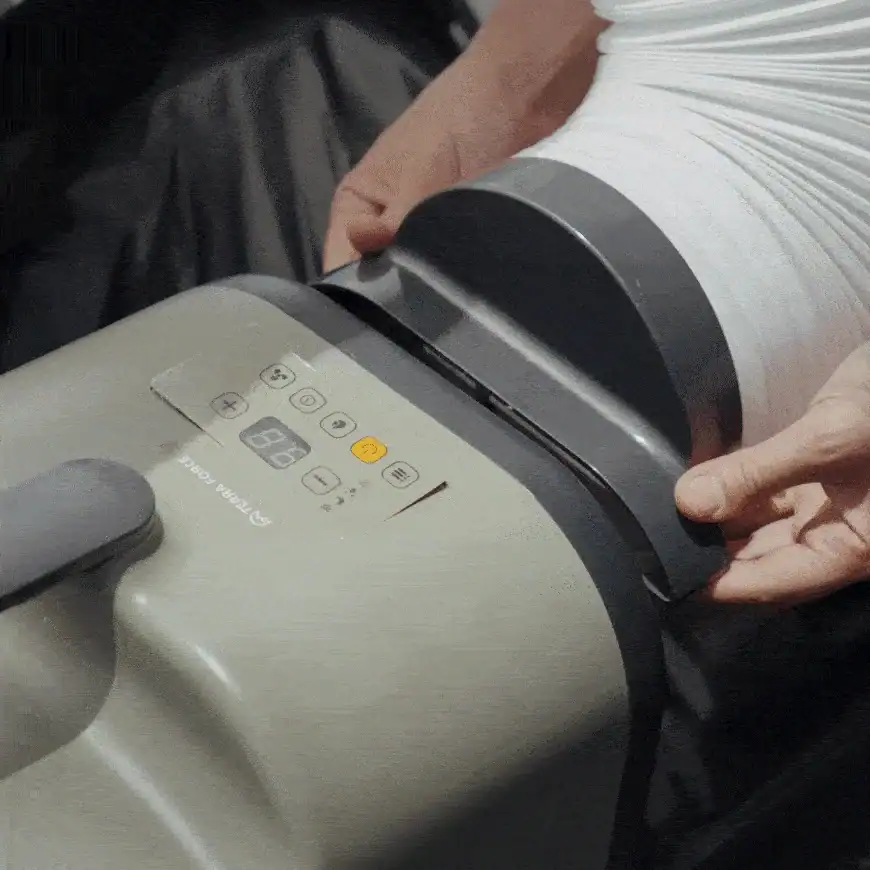
El desafío del cliente: Entrar al mercado de la UE de forma segura
Los certificados CE archivados no garantizan lo que realmente va dentro del contenedor.
Una marca británica de artículos para exteriores estaba preparando el lanzamiento de una gama de tiendas inflables bajo su propia marca en toda la UE. Habían comprado durante años a fábricas chinas, pero era la primera vez que una línea de productos llevaría el marcado CE y entraría bajo el cumplimiento de las normas REACH. La tensión era simple: un incumplimiento en la fábrica se convierte en un problema en la aduana, y una ventana de lanzamiento estacional no espera a que los papeles estén listos.
Antecedentes de la marca: productos sólidos, riesgo desconocido del fabricante
El equipo de desarrollo de producto de la marca había diseñado un concepto sólido de tienda inflable con un plan claro de comercialización. Su director de cadena de suministro ya había visitado dos fábricas en China y había regresado con muestras impecables y certificados impresionantes. La brecha era la confianza. Las auditorías a las fábricas en papel no revelan si la línea de producción realmente utiliza los materiales enumerados en el expediente técnico, por lo que el cliente comenzó a buscar un socio que pudiera verificar la auditoría de una fábrica china para equipamiento de exterior con una evaluación presencial.
Lo que diferenciaba el modelo de Kelyland era su red de fábricas existente. Kelyland trabaja con 17 fábricas estratégicas principales y más de 200 socios de fabricación, la mayoría certificados según ISO 9001:2015, en categorías de productos que incluyen tiendas inflables y estructuras de viga de aire. Esto brindaba al cliente una ventaja práctica: las auditorías podían organizarse sin empezar desde cero con un proveedor.
Por qué un único socio de suministro superó a una relación directa con la fábrica
El cliente necesitaba a alguien que entendiera tanto los requisitos de cumplimiento europeos como las operaciones de las fábricas chinas. Una relación directa con una fábrica puede parecer más económica, pero deja al comprador interpretando los requisitos CE, persiguiendo informes de prueba y negociando correcciones con un proveedor que controla el calendario de producción. El rol de Kelyland es representar los intereses de la marca en la planta y asegurar que la auditoría de cumplimiento previa a la producción del equipamiento de camping esté integrada en el plan de entrada del comprador al mercado.
-
- Riesgo documental: Los archivos CE e ISO demuestran que una fábrica puede producir bienes conformes. No demuestran que el lote específico cumpla con los límites de REACH para ftalatos restringidos en las vigas de aire de PVC.
- Riesgo de material: Las sustituciones de plastificantes en compuestos de PVC son invisibles en una tienda hinchable terminada. Solo el análisis de la formulación real puede detectarlo.
- Riesgo de plazo: Una auditoría preproducción detecta problemas antes de que el depósito del cliente se bloquee para una fecha de producción. Arreglar un ret aduanero más tarde cuesta toda una temporada.
Su equipo interno de aprovisionamiento tenía una frase clara para definir el objetivo: cero riesgo aduanero. Eso significaba sorpresas técnicas nulas, ausencia de sustancias restringidas en los materiales y ninguna sustitución silenciosa en el taller. Una auditoría de cumplimiento de tiendas antes de la producción masiva era el único modo de blindar los tres aspectos. La marca eligió a Kelyland porque su modelo de servicio se alineaba con ese objetivo.

El proceso de auditoría: Revisión documental e inspección in situ
Un certificado CE por sí solo no desbloquea la aduana.
La fábrica de Ningbo exhibía en la recepción certificados ISO 9001:2015, CE y BSCI, todos vigentes. Pero para una tienda hinchable que ingresa a la UE, estar vigente no equivale a ser correcto. El equipo de auditoría de Kelyland pasó la mañana revisando el expediente técnico para confirmar que dichos documentos cubrían realmente la línea de productos.
Paso 1: Verificación de certificados CE e ISO existentes
La declaración CE hacía referencia a la norma general para tiendas de campaña, pero el producto era una tienda hinchable con vigas de aire de PVC. Esa incompatibilidad es la primera señal de alarma en cualquier auditoría a una fábrica de tiendas de la UE. Analizamos los números de norma, la declaración de alcance y el organismo emisor. Además, el Organismo Notificado exigía informes de ensayo de inflamabilidad para el tejido exterior, documentos que el expediente técnico de la fábrica no incluía. Un certificado con el logotipo correcto pero con un alcance erróneo no tiene valor alguno en aduanas.
Paso 2: Evaluación in situ de líneas de producción y almacenamiento de materiales
En el taller de producción en Zhejiang, la auditoría cubrió las líneas de costura, las estaciones de soldadura de vigas inflables y el área de almacenamiento de materias primas. Los registros de producción mostraban una capacidad neta de 800.000 tiendas por año, y las estaciones de soldadura manejaban bien la lámina de PVC. Sin embargo, la prueba de resistencia de costuras cambió el plan.
-
- Inspección visual: Las costuras de la tienda de muestra pasaron las inspecciones visuales; la tensión y la separación del hilo se veían uniformes en el taller.
- Prueba de resistencia de costuras según EN 14960: La misma costura falló al alcanzar el límite de tensión establecido por la norma. El calibre del hilo era demasiado ligero para la funda de la viga inflable de PVC.
- Solución: Se cambió a un hilo de mayor grosor y se modificó el tipo de aguja en la línea de ensamblaje; tras la nueva prueba, el producto pasó.
El almacenamiento de materiales añadió otra capa de riesgo. La lámina de PVC para las vigas inflables se guardaba en un almacén sin climatización. El calor y la exposición a los rayos UV envejecen la lámina, lo cual altera la resistencia de las costuras y puede modificar las lecturas de ftalatos con el tiempo. La auditoría detectó este problema, y la fábrica trasladó los rollos a una zona cubierta y sombreada antes de la siguiente tanda de producción.
Paso 3: prueba de materiales para sustancias sujetas a REACH
Los ensayos de laboratorio reforzaron el caso. Enviamos muestras de la viga inflable de PVC a un laboratorio acreditado para analizar el panel de sustancias restringidas del Anexo XVII de REACH. El informe dio positivo en ftalato de dioctilo (DOP) en el compuesto original. El DOP está prohibido para esta aplicación según la normativa de la UE, lo que planteó una disyuntiva inmediata: cambiar el material o afrontar el rechazo en aduanas más adelante.
El equipo de Kelyland consiguió un plastificante sin ftalatos de un proveedor local en dos semanas. Ese cambio mantuvo la planificación de producción intacta. El compuesto actualizado se sometió a nueva prueba y pasó, y los informes de laboratorio se incorporaron al expediente técnico de la certificación CE. La auditoría fue el momento en que el riesgo se hizo evidente; solo con documentos no se habría detectado.
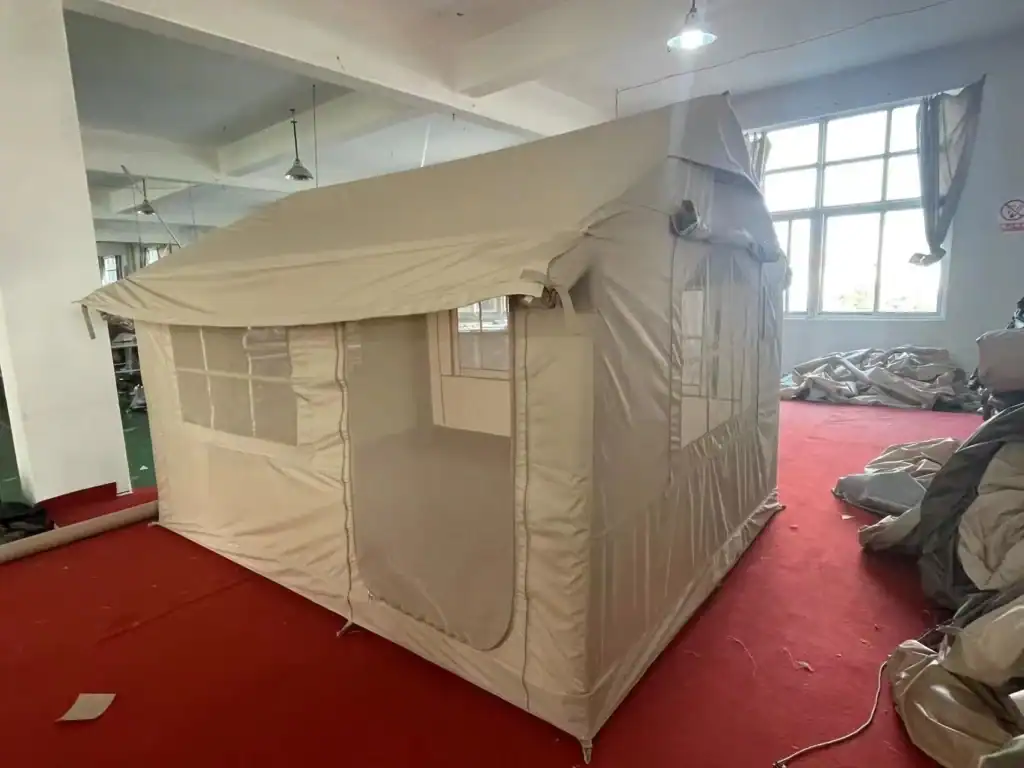
Hallazgo principal: Problema con el plastificante de los tubos inflables de PVC
El plastificante de un compuesto de PVC es invisible en la tienda terminada.
La bandera roja surgió durante la fase de revisión de documentos, no en el piso de fábrica. La hoja de formulación del compuesto de viga de aire de PVC indicaba ftalato de dioctilo (DOP) como plastificante. El DOP está restringido según el Anexo XVII de REACH. Para una marca de outdoor del Reino Unido que pone tiendas inflables a la venta minorista en la UE, ese único elemento podría detener el despacho aduanero de todo el contenedor.
Cómo identificamos un ftalato restringido
El equipo de auditoría no se detuvo solo en la lista de materiales. La ficha técnica solo indicaba ‘película de PVC’; sin detalles del compuesto. El proceso de abastecimiento de Kelyland verifica las materias primas a nivel de formulación, no solo en las rollos de producto terminado. Esa capa adicional es la razón por la que se detectó el DOP. Una especificación de tienda terminada nunca le indica qué plastificante hay dentro de la viga de aire.
El DOP es una trampa común en el compuesto de PVC chino. Las fábricas rara vez lo usan por mala fe: la fórmula del compuesto se estableció hace años y ningún comprador ha solicitado nunca el desglose del plastificante. Por eso las pruebas de plastificantes REACH para tiendas de camping son tan críticas. La sustancia restringida es invisible para cualquier auditoría que solo revise el producto final.
Cambio a una alternativa libre de ftalatos
El equipo de Kelyland obtuvo un plastificante libre de ftalatos de un proveedor local en dos semanas. El reemplazo debía hacer más que eliminar la sustancia restringida: tenía que mantener la misma flexibilidad, soldabilidad y comportamiento a baja temperatura que exige el proceso de soldadura por alta frecuencia de la viga de aire. Cambiar el plastificante de un PVC puede alterar la rigidez de toda la viga.
El nuevo compuesto se validó en la propia línea de producción de la fábrica: la planta de tiendas inflables de Zhejiang, una de las 17 fábricas estratégicas centrales de la red de Kelyland y certificada según CE e ISO 9001:2015. Las pruebas sobre equipamiento real de soldadura son importantes. Un compuesto que se comporta bien en una muestra de laboratorio puede fallar bajo ciclos continuos de producción.
El cambio provocó cero retrasos en la producción porque la alternativa era local y la readecuación tomó días, no semanas. La viga de aire mantuvo su forma, flexibilidad e integridad de la soldadura. Sin cambios en la tela exterior, la marca o las dimensiones empaquetadas. Solo un compuesto que superaría el control aduanero de la UE sin una segunda mirada. El calendario de lanzamiento resistió el contacto con la realidad.

Logro del cumplimiento total de CE y REACH
La fábrica contaba con un certificado CE.
La fase de certificación es donde la mayoría de las auditorías de cumplimiento fracasan en silencio. La fábrica contaba con certificados CE. Pero cuando el Organismo Notificado abrió el expediente técnico de la tienda inflable, faltaba el informe de prueba de inflamabilidad de la tela exterior. Un único documento ausente detuvo todo el proceso.
-
- Informe de prueba de inflamabilidad de la tela exterior: El Organismo Notificado se negó a continuar sin evidencia acreditada. Esa fue la laguna que estancó el expediente original.
- Declaraciones REACH para el compuesto del haz neumático: Una vez que el PVC basado en DOP se reemplazó por un plastificante libre de ftalatos, todas las declaraciones de materiales debieron emitirse y verificarse de nuevo.
- Resultados de resistencia de costura EN 14960: El cambio de aguja e hilo realizado durante la fase de auditoría debía reflejarse en documentación de prueba actualizada para las estructuras inflables.
- Planos finales y evaluación de riesgos: Los planos de producción, ajustados a la configuración de la muestra aprobada, junto con la evaluación de riesgos del producto, completaron el expediente.
Trabajar con un Organismo Notificado para obtener informes de prueba actualizados
A Organismo notificado no acepta la palabra de la fábrica ni su propio equipo de pruebas interno como prueba válida. Requiere resultados trazables procedentes de un laboratorio acreditado. Kelyland coordinó con un laboratorio acreditado en Ningbo para realizar las pruebas de inflamabilidad y presentó los resultados actualizados para su revisión. El certificado solo se reemitio tras recibir dicha evidencia.
Los informes actualizados también debían reflejar la nueva realidad material. Tras el cambio por parte de la fábrica del compuesto PVC original, que utilizaba ftalato de dioctilo (DOP), una sustancia restringida según el Anexo XVII del reglamento REACH, por un plastificante libre de ftalatos, se reimprimieron las declaraciones REACH. Un certificado CE vinculado a la fórmula antigua carece de validez cuando los haces neumáticos ahora usan un compuesto diferente.
Compilación del expediente técnico
En ficha técnica es el conjunto de documentos que acredita que el producto cumple con los requisitos de la UE y que las autoridades aduaneras o de vigilancia del mercado pueden solicitar tras el arribo del contenedor. Para este pedido, incluía los certificados CE actualizados, las declaraciones de materiales sin ftalatos, el informe de inflamabilidad, los planos de fabricación definitivos y los registros de trazabilidad por lote. Las 17 fábricas estratégicas clave de Kelyland operan bajo ISO 9001:2015, por lo que esos registros estaban estructurados y eran consultables, en lugar de estar dispersos.
Esa distinción determina si puede importar tiendas inflables a la UE sin incidencias o ve cómo el despacho de aduanas de las tiendas chinas se detiene por completo. Un proveedor que entrega un certificado CE sin informes de ensayo ni declaraciones de materiales correspondientes solo está entregando un ornamento. Solicite la documentación antes de la producción en masa, no después de que el contenedor atraque.

Resultados: Entrada fluida por aduanas y éxito en el mercado
La gama de tiendas inflables superó la aduana de la UE sin ninguna incidencia: a tiempo y con toda la documentación que requerían los reguladores.
Tras enviar los informes de ensayo actualizados al organismo notificado, se embarcó el primer lote de producción para el lanzamiento en la UE. El despacho de aduanas se realizó sin ningún tipo de incidencia. Para una marca que accede a un nuevo mercado, ese es el resultado real: no son los certificados, sino el hecho de que ningún oficial de fronteras detuvo el envío ni solicitó otra ronda de ensayos.
Cero incidencias en el envío, seguido de una venta inicial positiva
El compuesto de PVC libre de ftalatos y las costuras remendadas no fueron soluciones solo en papel. Las mercancías llegaron a tiempo para la ventana de lanzamiento de primavera. Ningún contenedor fue marcado para muestreo REACH y no se recibieron reclamaciones por resistencia de costuras desde el canal de distribución. Los compradores minoristas vieron un producto que cumplía lo prometido en la ficha técnica: una tienda inflable que se instalaba correctamente, mantenía la presión y resistía el uso real.
El registro de auditoría tenía peso. Los certificados de materiales, los resultados de inflamabilidad del laboratorio acreditado de Ningbo y los registros de producción estaban todos registrados bajo el sistema de calidad ISO 9001:2015 de la fábrica. Esa documentación proporcionó al organismo notificado lo necesario para aprobarla y le dio al gestor de cadena de suministro de la marca un expediente listo para cualquier inspección aleatoria.
Conclusiones clave para el sourcing de tiendas con marca privada
-
- Pruebe el plastificante antes de la producción, no durante el despacho de aduanas: El compuesto de PVC original de la fábrica utilizaba DOP, un ftalato prohibido en el Anexo XVII del reglamento REACH. El reemplazo se consiguió a nivel local en dos semanas, pero solo porque la auditoría lo detectó antes de que la línea de producción se pusiera en marcha.
- La resistencia de las costuras supera las verificaciones visuales de puntada: Las muestras parecían correctas a simple vista, pero no superaban la norma EN 14960 prueba de resistencia de costurasingeniería. Un cambio de aguja e hilo antes de la producción en masa evitó un fallo que se habría manifestado como haces de aire desgarrados durante el inflado.
- Alinear las pruebas de inflamabilidad más temprano: El Organismo Notificado requería informes de inflamabilidad de la tela exterior que la fábrica no tenía. Coordinar dicha prueba con un laboratorio acreditado de Ningbo durante la aprobación de las muestras evita un cuello de botella documental al final.
- La red de proveedores decide la rapidez con que se resuelven los problemas: La red de fábricas asociadas de Kelyland y los sistemas de calidad ISO 9001:2015 permitieron aprobar, rastrear y documentar el nuevo plastificante a tiempo para un plazo de producción estándar de 30–45 días.
Para cualquier marca que planea importar tiendas inflables al mercado de la UE, esta es la prueba real: la auditoría genera un expediente que resiste el escrutinio aduanero o no lo genera. Saltarse una auditoría de cumplimiento previa a la producción y la primera vez que se entera de una sustancia prohibida es cuando un despachante de aduanas detiene un contenedor cargado. Con la producción ya cerrada y la ventana de lanzamiento que se desvanece, ese coste se mide en semanas de demora portuaria, fechas de venta perdida y penalizaciones minoristas, no en el precio de un informe de prueba.
Conclusión
Para una tienda inflable que entra en Europa, una auditoría de cumplimiento previa a la producción marca la diferencia entre un lanzamiento sin problemas y un contenedor detenido en aduanas. La auditoría detectó un plastificante DOP restringido por REACH en la Vigas de aire de PVC y un fallo de resistencia de costura según EN 14960 antes de iniciar la producción en masa. La fábrica cambió a una alternativa sin ftalatos, actualizó su expediente técnico y envió el producto sin ningún reten aduanero.
-
- Reemplace cualquier plastificante de ftalato de dioctilo (DOP) en las vigas de aire de PVC antes de producir tiendas inflables para el mercado de la UE.
- Las pruebas de resistencia de costura EN 14960 pueden fallar incluso cuando la costura parece correcta.
- Una sustitución de plastificante de dos semanas mantuvo el calendario de producción intacto.
- La documentación CE y REACH debe incluir informes de pruebas de inflamabilidad de la tela exterior.
Antes de confirmar un pedido de tienda inflable para Europa, verifique que su proveedor pueda generar la misma evidencia: un informe de prueba de plastificante REACH actualizado, resultados de resistencia de costura EN 14960 y un informe de inflamabilidad emitido por un laboratorio acreditado. Consulte la página del producto de colchones inflables en Kelyland Outdoors para ver cómo se gestionan estas verificaciones previas a la producción antes de cerrar su próximo pedido.
Preguntas frecuentes
¿Por qué necesita una fábrica de tiendas de campaña una auditoría de cumplimiento normativo de la UE?
Una auditoría de cumplimiento de la UE verifica que la producción real y los materiales de la fábrica cumplen con los requisitos CE y REACH, y no solo el papeleo. Esto es especialmente importante para las tiendas con vigas de aire de PVC, ya que sustancias ocultas como los ftalatos restringidos pueden estar presentes. Audite líneas de producción reales, no solo archivos de certificación.
¿Qué se revisa durante una auditoría en una fábrica de carpas?
La auditoría revisa los documentos CE e ISO vigentes, las líneas de producción, el almacenamiento de materiales y las pruebas de laboratorio sobre sustancias restringidas conforme al reglamento REACH. El área de mayor riesgo es el plastificante del compuesto de PVC, que es invisible en el producto terminado. Exija informes de prueba a nivel de material antes de aprobar la producción.
¿Cómo paso el REACH para tiendas importadas?
Utilice un organismo notificado para probar los materiales de la carpa terminada y compilar un expediente técnico completo con informes de prueba actualizados. Si se detecta un ftalato restringido, cambie a una alternativa ecológica y libre de ftalatos a través de la cadena de proveedores de la fábrica. Actualice el expediente técnico antes del envío.
¿Qué sucede si la aduana encuentra ftalatos en una tienda de campaña?
El envío puede ser retenido o rechazado porque un certificado CE por sí solo no desbloquea la aduana. El caso de estudio muestra que, tras solucionar el problema del plastificante en las vigas de aire de PVC y lograr el cumplimiento total de CE y REACH. Corrija las sustancias restringidas antes de iniciar la producción.
¿Puede una fábrica china superar una auditoría de cumplimiento de tiendas de campaña para la UE?
Sí, siempre que la fábrica trabaje con proveedores verificados y esté dispuesta a ajustar los materiales cuando se detecten sustancias restringidas. En el caso de estudio, la fábrica cambió a una alternativa de PVC sin ftalatos y funcionó. Confirma que el proveedor pueda cambiar los materiales antes de realizar el pedido.

 English
  Español
  Deutsch
  Français
  Português do Brasil
  Русский
  العربية
  한국어
한국어  日本語
日本語