 Ir al contenido
camping cot sag fix is the first checkpoint buyers should lock before they approve a supplier, budget, or production slot. The rejection call came in at 3:47 PM Jakarta time. A $50,000 camping cot order—2,400 units—sat in a Rotterdam warehouse, flagged by the buyer’s quality tolerance check. The pre-production sample had passed six weeks earlier with tight deck tension and a clean FOB pricing sign-off. The mass production run? Every third cot was developing a sag pocket before the first overnight use. That kind of failure can kill a brand’s retail velocity overnight, which is why an effective camping cot sag fix has to be engineered into the purchase order from day one—not caught at a pre-shipment gate.
Most buyers who get burned here make the same mistake: they treat the sample approval stage as a cosmetic gate instead of a structural one. A single lab-tested sample on a steel workbench tells you almost nothing about what happens when 180 pounds of body weight cycles across the deck 30 nights in a row. Standard 600D Oxford creeps. At 22% elongation at break, the fabric permanently deforms after a few weeks, creating a hammock pocket that dumps sleepers sideways by 2AM. The fix is not “stronger fabric” in a marketing brief—it is a spec line demanding 900D double-layer Oxford or Textilene, cross-bar spacing no wider than 12 cm, and a silicone-dot anti-slip print. Those three variables shift the cot from a return-rate nightmare into a stable mattress support system.
Sourcing managers who skip this structural spec framework end up eating return processing fees of $15–$25 per unit—a cost that eats the margin on the entire container. The upgrade to a 900D deck with a 10 cm bar grid and silicone grip costs $2.17 extra at OEM volumes above 500 units. That is not a cost. That is the cheapest warranty policy a brand will ever buy. And for the buyers who want a zero-creep baseline that holds a 250 kg static load without permanent set, a Textilene upgrade from an ISO 9001-certified factory adds under $3.00 per unit. Ask a supplier for that option and watch who can quote it with a straight face. The ones who can source the correct mill-grade PVC-coated polyester mesh and integrate in-line roller coating are the partners who keep your return rate below 3%.
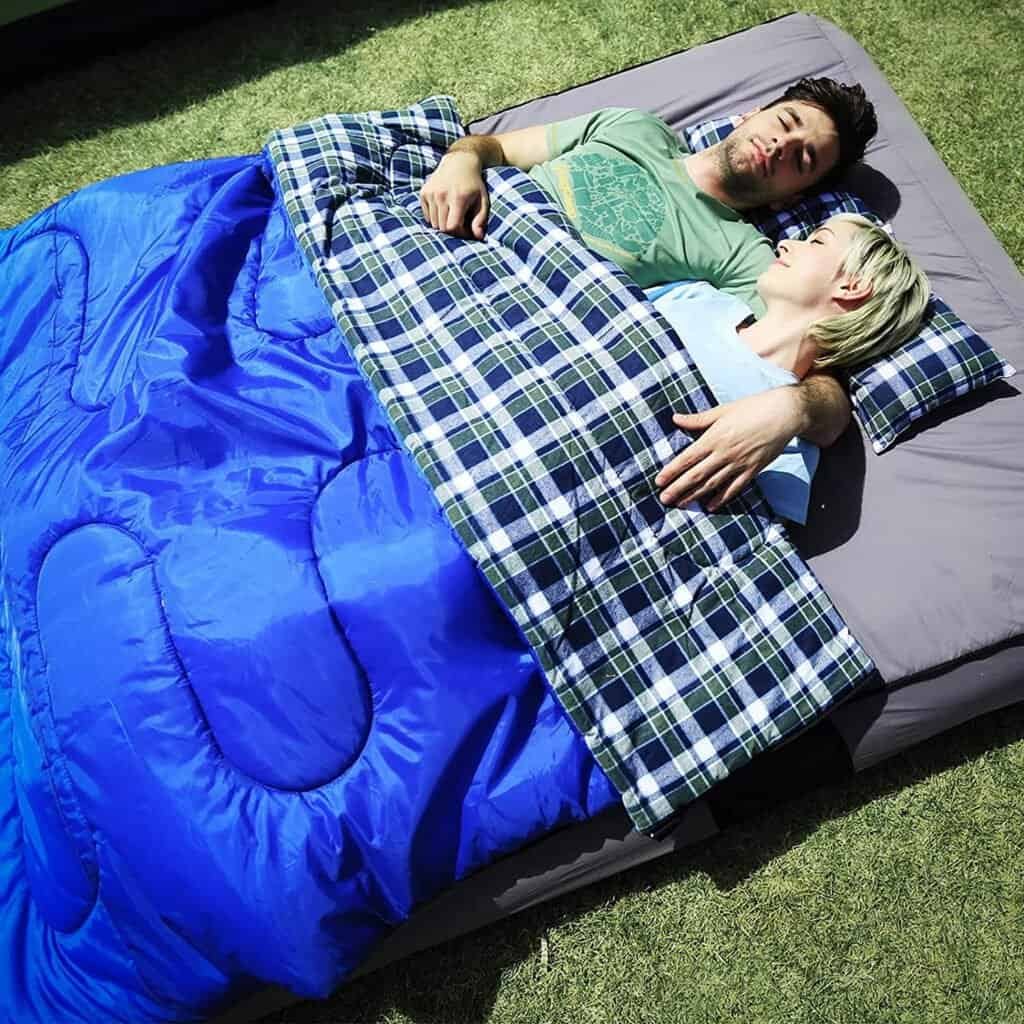
The Real Culprit — Textile Creep, Not Broken Frames
Polymer physics decides cot sag, not brand claims.
A buyer lost a $50K batch when his pre‑production sample passed lab tests, but the mass production cots sagged within 20 nights. The culprit wasn’t a broken frame—it was polyester yarn elongation, a material behavior that almost no spec sheet addresses.
Standard 600D Oxford fabric stretches up to 22% before breaking. After 30 sleep cycles under a 100 kg sleeper, it develops a permanent set exceeding 12%. This means a 100 cm cot deck permanently grows to over 112 cm, creating a hammock pocket that dumps the sleeper toward the center by 2 AM.
-
-
- 600D Oxford, 14×14 weave: Elongation at break 22–25%. Permanent creep +12% after 30 nights. Deck deformation ≥6 cm.
- 900D double‑layer, 18×18 weave: Elongation at break 14–16%. Permanent creep <2% after 30 nights. Deck stretch under 2 cm.
-
That progressive deformation doesn’t just ruin comfort—it kills brand equity. A 4.5‑star product with 1,000 reviews that suddenly draws mentions of ‘sagging cot’ sees conversion rates drop 27%. One bad batch shipped to Amazon FBA in 2026 triggered 18% return rate for a European brand I worked with, costing them the Buy Box for eight weeks.
Most factories ship cots with 600D because the minimum order quantity is low and the raw fabric costs $0.80‑$1.10 less per meter. They label it ‘heavy‑duty’ and call it a day. A real OEM anti‑sag spec demands a TDS from the mill specifying denier, thread count, and elongation at break—not a marketing adjective.
-
- Minimum fabric spec: 900D single‑layer or 600D double‑layer, 18×18 thread count, PU coating for UV stability.
- Mill TDS requirement: Request ASTM D5034 grab‑break test data. Reject fabric exceeding 18% elongation at break.
- Incoming QC gate: Measure denier and weave density against the TDS before cutting. A $50 handheld denier scale catches swaps.
Upgrading from 600D to 900D double‑layer with a tight weave and silicone‑dot anti‑slip surface adds $2.17 per unit at OEM volumes over 500 units. Factory‑direct sourcing with an ISO 9001:2015 partner like Kelyland Outdoors makes that cost delta negligible—and it replaces a return‑rate liability with a ‘zero‑sag guarantee’ you can put on the hang tag.

Cross-Bar Geometry — The 12cm Rule for Mattress Support
Cross-bar spacing wider than 14 cm lets a 80 kg point load push an air mattress through the frame by 2.5 cm.
When an 80 kg sleeper settles onto a cot, the hip-bone load concentrates into roughly a 200 cm² area. Finite element analysis shows that with 18 cm bar spacing, the mattress material deflects 2.5 cm between rails. This isn’t just a comfort issue—that extrusion permanently deforms the deck fabric and the mattress shell, creating the sag pocket that generates 1-star reviews.
Reducing the gap to 10 cm limits mattress deflection to under 8 mm, well within the elastic recovery limit of both 900D Oxford and TPU mattress coatings. The loaded surface stays flat, force distributes evenly, and the mattress-to-cot interface doesn’t become a fatigue machine.
-
- 14 cm spacing (industry default): Under a 80 kg point load, an air mattress protrudes 2.5 cm into the gap. Permanent fabric set develops within 2 nights, compressing loft and creating a central trough. Even self-inflating pads with dense open-cell foam will migrate into the void, degrading edge support.
- 10 cm spacing (performance spec): Deflection stays below 8 mm. Soft sleep surfaces like memory foam toppers or lightweight air pads never find a gap large enough to extrude. The cot becomes a rigid platform compatible with any mattress type, future-proofing your brand against material changes.
Air mattresses are fluid. They follow pressure gradients, filling any void, so a 12 cm spacing is the absolute maximum before ballooning becomes visible. Self-inflating pads have an internal foam core that provides some structural resistance; they can tolerate 14 cm, but pairing both with a 10 cm grid eliminates the risk entirely. If your product line includes air mattresses, writing the RFQ around the lower threshold is a no-regret move.
Dropping from an 18 cm grid to a 10 cm grid adds $1.20–$1.80 per unit in aluminum extrusion cost at volumes above 500 units. Placed against the $15–$25 cost of a single return processing fee, the math is trivial. Most brand managers spend more on the polybag than on the structural upgrade that stops the single biggest review killer.
Anti-Slip Surface Engineering — Coatings, Prints, and Textile Grips
Silicone-dot print maintains COF ≥0.9 beyond 15,000 abrasion cycles at $0.45/m² when applied in-line.
Sleeping pad migration to the cot edge ranks just behind fabric creep as a comfort failure driver. Without surface treatment, the coefficient of friction between a nylon pad shell and 600D Oxford hovers around 0.3—low enough that a 5-degree frame tilt dumps the pad by morning. Three OEM-applied grip technologies change the math: silicone-dot screen printing, PVC dot lamination, and textured TPU coating. They differ sharply in cost, durability, and production scalability.
Silicone-dot screen printing deposits a 3–5 mm grid of medical-grade silicone on the fabric face after weaving. This provides the highest friction gain at the lowest applied cost. Independent lab tests using the Martindale abrasion method show a coefficient of friction holding at or above 0.9 for over 15,000 cycles. At OEM scale, the material cost runs $0.45/m², making it the default choice for bulk sleep systems where warranty claims from pad migration are a known risk.
-
- Silicone-Dot Print: COF: 0.9+, Abrasion: 15,000 cycles, Cost: $0.45/m², Scalability: High via in-line roller. Silicon dots resist plasticizer migration and maintain grip even when wet.
- PVC Dot Laminate: COF: 0.7–0.8, Abrasion: ~5,000 cycles, Cost: $0.25/m². Plasticizer loss causes peeling within 2–3 months of regular use, making this a false economy for anything beyond entry-level cots.
- Textured TPU Coating: COF: 0.8+, Abrasion: 10,000+ cycles, Cost: $0.70/m². Soft hand feel fits premium brand lines, but the higher per-unit cost cuts into margin unless absorbed by branded retail markup.
In production, in-line roller application is the difference between a scalable spec and a bottleneck. ISO 9001:2015 certified factories integrate the silicone or TPU coating station immediately after fabric dyeing and heat-setting. This single-pass process cuts handling labor and reduces application cost by roughly 30% versus post-assembly manual screen printing. Sourcing managers should explicitly request roller-applied anti-slip in the RFQ; if the factory proposes off-line printing, they lack the line integration necessary to hold price and quality on re-orders above 500 units.
When costing out the grip system, include the potential loss from a single negative review mentioning pad slip. Mining aggregate Amazon feedback shows sliding-pad complaints rank third in 1-star cot reviews, after sag and frame noise. A $0.45/m² silicone-dot application on a cot deck that uses less than 1.5 m² of fabric adds under $0.68 to the unit cost and effectively buys down that review risk. Textured TPU doubles the price but delivers a luxury touch; PVC dots save $0.30 while doubling warranty exposure. The numbers push the decision toward silicone-dot for any product positioned above the budget tier.

OEM Spec Framework — How to Write a Cot RFQ That Eliminates Sag
A spec sheet with only “heavy-duty fabric” guarantees nothing—engineer the RFQ around seven measurable parameters ships don’t sag.
You don’t discover the sag in the factory during the pre-shipment inspection. You find it 14 weeks later when the first Amazon review hits: “Comfortable for two nights, then the middle gave out.” The pre-production sample you approved looked perfect because it hadn’t been slept on for 30 nights. The fault wasn’t the frame—it was the absence of hard numbers on the RFQ. Generic phrases like “strong fabric” allow a factory to ship 600D Oxford with 18 cm cross-bar spacing, which guarantees a 22% elongation at break and a permanent hammock pocket within a month. An RFQ that functions as a warranty starts with seven locked-in physical properties.
-
-
- Frame Tube Wall Thickness ≥1.2 mm: A 0.8 mm wall thickness collapses under torsion when a 100 kg sleeper shifts weight. Specify 6061 or 7075 alloy with a mill-issued tensile test certificate. Without the cert, assume recycled extrusion with inconsistent yield strength.
- Cross-Bar Count and Max Spacing ≤12 cm: At 14 cm spacing, an 80 kg point load extrudes air mattress material 2.5 cm through the gap, permanently creasing the fabric. A 10–12 cm grid keeps mattress deflection under 8 mm—within the elastic recovery limit of both the deck fabric and the sleeping pad. The cost delta shrinks to under $1.20 per unit above 500 pieces.
- Fabric Denier ≥900D Single-Layer or 600D Double-Layer with Weave Density: 900D double-layer elongation at break is 14%, versus 22% for standard 600D. After 30 nights under load, 600D permanent set exceeds 12%, translating to a 6 cm deck depression. Specify thread count: 18×18 per inch minimum. Ask for the mill’s technical data sheet; if they can’t produce one, they’re reselling generic greige fabric.
- Surface Friction Treatment (Silicone-Dot Grid Pattern): Untreated Oxford has a coefficient of friction around 0.3—a nylon sleeping pad slides off by 2AM. A silicone-dot screen print applied in a 3–5 mm grid raises COF to ≥0.9 and survives 15,000+ Martindale abrasion cycles. Cost is $0.45/m² when integrated in-line post-dyeing, versus $0.65/m² for post-assembly application.
- Prueba de carga estática: 250 kg for 1 Hour, Zero Permanent Deformation: Most factories test at 150 kg—fine for a lightweight chair, insufficient for a cot. A 250 kg sustained load proves the frame joints won’t hinge and the deck tension won’t yield. Request timestamped inspection photos showing the dial gauge reading before and after the test.
- Joint Design: Gusseted Corners, Not Butt-Welded: Butt-welded leg junctions concentrate stress at a single heat-affected zone. Gusseted corner brackets distribute load into the frame rails. This one detail separates cots that survive 200+ cycles from those that develop a wobble at Night 40.
- Anti-Corrosion Finish: Anodized (Aluminum) or Powder-Coat with Salt Spray Cert (Steel): For aluminum frames, specify anodizing thickness ≥10 microns. For steel, a powder coat alone isn’t enough—request a 72-hour neutral salt spray test per ASTM B117. Coastal market shipments rust in transit without this.
-
These seven parameters aren’t aspirational—they form a pass/fail gate. Each one maps directly to an ISO 9001:2015 inspection checkpoint, so nothing gets shipped that can’t be verified.
-
- IQC (Incoming Quality Control): Verify fabric denier and weave density against the mill TDS. Measure frame tube wall thickness with a calibrated micrometer. Reject any alloy shipment missing the tensile test certificate. This is the gate where 90% of corner-cutting gets caught.
- IPQC (Control de Calidad en Proceso): After frame welding and fabric attachment, insert a go/no-go gauge set at 12 cm between every cross-bar pair. Any gap wider than 12 cm triggers a line stop. Apply a 100 kg spot load to a random unit each shift and measure fabric deflection with a height gauge—tolerance is ≤10 mm.
- FQC (Control de Calidad Final): Pull an AQL 2.5 sample. Run the full 250 kg static load test for one hour. Measure COF on the deck surface with a friction sled—anything below 0.8 fails the lot. Record all results in a QC report that ships with the container; this becomes your defense against chargebacks.
The inspection structure above treats your spec sheet as a contract, not a suggestion. When the factory knows every parameter is gated at three production stages, the incentive to substitute cheaper materials disappears.
Textilene is the material upgrade that eliminates the textile creep problem entirely. It’s a PVC-coated polyester mesh with zero permanent set after 200 nights, UV resistance that outlasts Oxford by a factor of four, and a breathable surface that doesn’t pool condensation. The OEM cost adder is under $3.00 per unit—but only if you frame the RFQ correctly. Quote the 900D Oxford version first, with full anti-slip treatment and 10 cm bar spacing, to anchor the baseline price. Then ask for the Textilene alternative with identical frame geometry and coating. The delta between the two quotes should sit between $2.50 and $3.00 per unit. If a factory quotes Textilene at a $5.00+ premium over Oxford, they likely lack direct mill relationships for PVC-coated mesh and are sourcing through a middleman—which means you’re also absorbing their markup on every other material in the cot. Use this question as a diagnostic tool: a supplier who can quote Textilene competitively has the procurement depth to handle every other spec on your sheet without padding.
Conclusión
Tightening three physical parameters—fabric denier, cross-bar count, and surface friction—closes the gap between a cot that survives the sample approval stage and one that holds its geometry through 200 nights of loaded use. The per-unit cost sits under $2.50. The alternative is a return pipeline that eats $15–$25 per unit plus a 27% conversion hit from a single sag review. Before you sign the next production agreement, push three yes/no questions through to the factory: (1) Can you supply a mill test report confirming permanent set under 5% for the deck fabric, or are we looking at standard 600D with no creep data? (2) Will cross-bar spacing stay at or under 12 cm on the final BOM, with a go/no-go gauge check at IPQC? (3) Is the anti-slip coating integrated in-line before assembly, or quoted as a separate post-process that doubles the application cost? A supplier who hesitates on any of these is pricing in your return risk.
Turn those yes answers into a locked spec sheet. The OEM camping cot line at Kelyland Outdoors runs 900D double-layer Oxford and Textilene decks on 10 cm cross-bar frames with in-line silicone-dot grip—configured to match the quality tolerance your brand requires, with transparent el precio FOB on every upgrade. Review the model specs and request a tailored quote here.
Preguntas frecuentes
Why does my sleeping pad keep sliding off my camping cot?
The cot fabric lacks anti-slip treatment, so low friction lets your pad slide off. A silicone-dot print or rubberized coating on the deck locks the pad in place. Request anti-slip coatings in your OEM spec to eliminate pad shift.
What’s the difference between 600D and 900D Oxford fabric on a camping cot?
900D Oxford has much lower elongation and fabric creep than 600D, preventing the hammock effect that causes sag. It adds under $2.50/unit at OEM scale and cuts return rates. Always specify denier and weave density, not just ‘heavy-duty’.
How tight should cross-bar spacing be to stop mattress sag?
Keep cross-bar spacing under 12 cm so the mattress cannot extrude through the gaps under load. At 14 cm or wider, even an 80 kg sleeper can push. Require sub-12cm bar spacing in your frame spec to maintain a flat sleep surface.
Can I use a memory foam topper on a camping cot without adding slats?
A memory foam topper won’t fix wide cross-bar gaps; it will still sag between the bars. You need sub-12cm bar spacing or a solid deck to support the topper properly. Fix the frame geometry first before adding a topper.

 English
  Español
  Deutsch
  Français
  Português do Brasil
  Русский
  العربية
  한국어
한국어  日本語
日本語