 Ir al contenido
Every sourcing manual for a custom inflatable tent TPU blend project has the same first rule: approve the pre-production sample before the factory cuts fabric. That rule just cost a Sydney-based online brand $52,000 last season. The sample tent arrived with crisp welds, Pantone-matched olive beams, and held pressure for 72 hours straight. Mass production landed six months later with seam creep on 40% of units, beam coloration that drifted two shades too light, and a valve fit so inconsistent that the return rate on Amazon FBA hit 18%. The sample didn’t fail. The quality tolerance plan did.
The real problem sits upstream. TPU blends tinted during extrusion shift color gamut noticeably between prototype batches and 500-unit production runs, especially on translucent beam formulations where deep saturation requires a laminated oxford backing. The FOB pricing difference between a passable weld and one that survives 18 months of UV exposure often comes down to a $0.40 per-meter material upgrade on the beam tube stock. If the purchase agreement doesn’t lock a quality tolerance band for welded seam consistency and a minimum pressure retention benchmark—say, less than 2% pressure loss over 48 hours under 35°C testing—no sample approval process catches the drift until the container is already on the water. A workable benchmark: demand that the TPU beam supplier provides a batch-specific tensile test report showing weld strength above 4.5 N/mm² and a color deviation within Delta E 1.5 of the approved Pantone chip. If the factory hesitates, walk. That single data point does more to protect a $50K order than any shipment sample ever will.
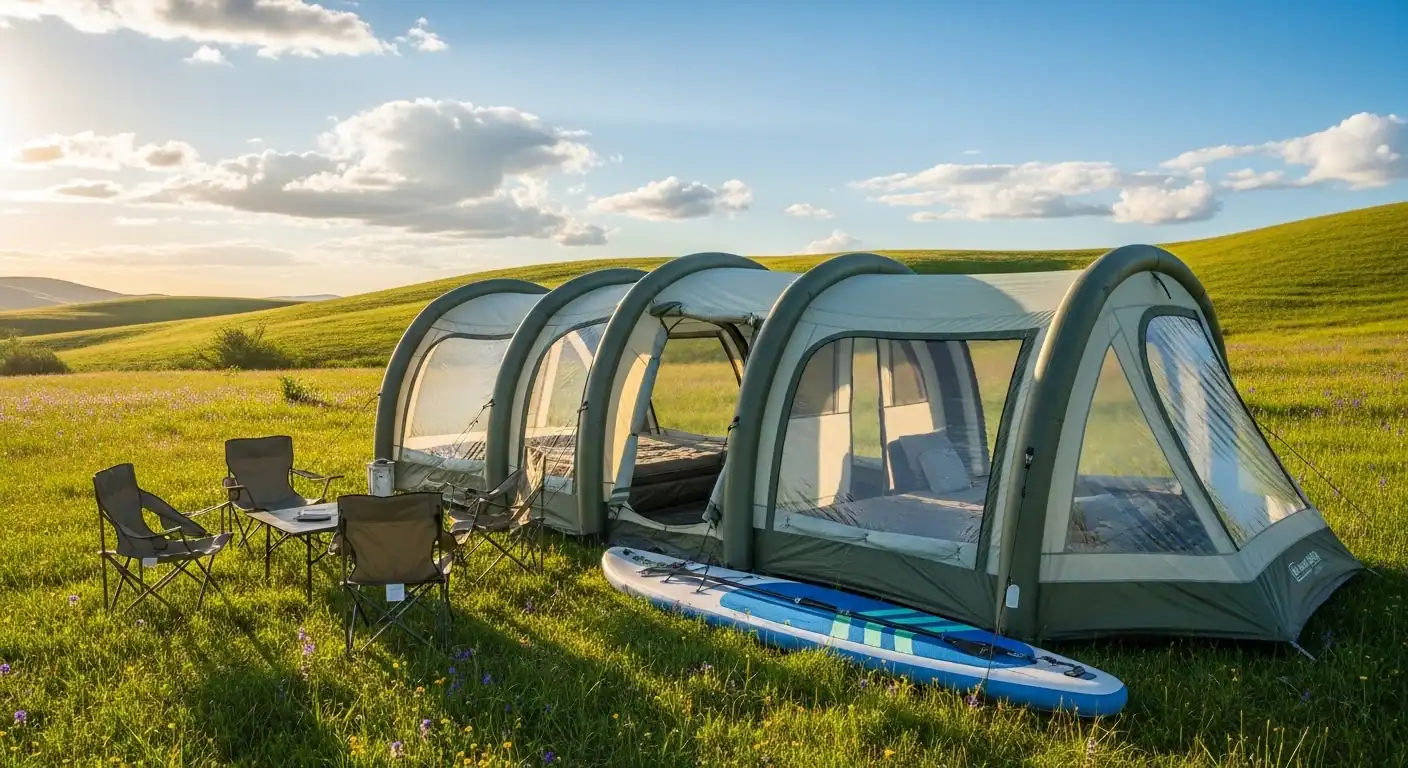
Designing Your Private-Label Inflatable Tent with TPU
El TPU de una sola capa con respaldo de Oxford es como se logra un azul marino verdadero, no con vigas de TPU completo.
El año pasado, una marca DTC realizó un pedido de $50,000 tiendas inflables después de que las muestras de preproducción se vieran perfectas. Cuando llegó el envío al por mayor, sus tiendas “azul marino profundo” aparecieron como un turquesa desvaído bajo la luz del día. El problema se debió a una estructura de TPU completo que dispersaba la luz como vidrio esmerilado, causando que la saturación del color se rompiera al aire libre. Este error podría haberse evitado optando por un TPU de una sola capa con respaldo de tela Oxford teñida, una construcción que no solo ofrece colores más ricos sino que también reduce el costo por unidad en un 12–18%.
-
-
- TPU de una sola capa/Oxford: Una película de TPU laminada sobre tela Oxford teñida o impresa. El color proviene de la tela base, ofreciendo opacidad y tonos ricos. Todos los colores Pantone son alcanzables, incluidos el azul marino profundo y el gris carbón. Costo adicional: línea base. La prima por la tela base Oxford generalmente varía de $1.20 a $1.80 por tienda, pero esto puede compensarse usando material preteñido. Las vigas de aire permanecen semitransparentes, mientras que el cuerpo principal de la tienda es opaco.
- Estructura de vigas de TPU completo: La estructura completa consiste en vigas y paneles de TPU soldados, sin respaldo de tela. Esto logra una apariencia ultraligera y futurista, aunque las opciones de color se limitan a tonos translúcidos. El TPU puede colorearse durante el proceso de extrusión para igualar los estándares Pantone, pero los tonos más oscuros se ven más apagados bajo luz brillante debido a la falta de respaldo opaco. Esto es adecuado para blanco, neón o estéticas técnicas específicas de la marca, pero no es ideal para marcas de lujo que requieren precisión de color exacta.
-
El punto clave es: No confíe en el color de las muestras de preproducción bajo iluminación interior. Siempre exija que las fotos se tomen con luz natural del mediodía, especialmente si la paleta de su marca incluye tonos oscuros. Un problema complicado que encontré durante la auditoría fue que las fábricas a menudo usan almohadillas inflables estándar recubiertas de plata como accesorios, y el color plateado reflejaría la luz dentro de la tienda inflable, difuminando aún más los colores – esto podría resolverse exigiendo el uso de postes de tienda oscuros o un revestimiento interno.
-
- Limitación de Igualación Pantone: La coloración por extrusión de TPU puede lograr una igualación precisa de los códigos Pantone C, pero su translucidez hace que la percepción del color dependa de la luz ambiental y el fondo. Para marcas con una tolerancia Delta E de menos de 2.0, los tonos oscuros deben usar respaldo de Oxford opaco; de lo contrario, el color se desviará más de 4.0 Delta E bajo diferentes condiciones de visualización.
- Solución de color oscuro: Para lograr un color azul marino realmente oscuro o negro, se requiere que la fábrica utilice tela de poliéster-algodón teñida u Oxford oscuro como respaldo laminado para el TPU. Esto aumentará el costo en $1.20 a $1.80 por tienda (precio FOB Ningbo), pero garantiza la precisión del color, al igual que las capas intermedias de cuero TPU utilizadas en los asientos de automóviles.
- Verificación previa a la producción: Durante la prueba de preproducción de 50 unidades, pruebe el color de la tienda terminada en condiciones nubladas y de luz solar directa. Si hay una desviación de color, ajuste la concentración del tinte del respaldo en lugar de la proporción de TPU. Esto es más barato y rápido que volver a preparar un compuesto de TPU personalizado.
En cuanto al presupuesto: Para cualquier proyecto de tienda inflable de comercialización privada, se debe tener en cuenta el costo de los nuevos insertos de molde de aluminio para personalizar la geometría del marco, que asciende a $150 – $300 por la tarifa de herramientas. Además, hay un cargo extra de $1.20 – $1.80 por tienda por el respaldo oscuro. Estos costos deben incluirse en el precio FOB y luego compararse con los precios minoristas esperados en el mercado objetivo. Si estos costos representan menos del 3% del precio de venta, entonces va por buen camino.
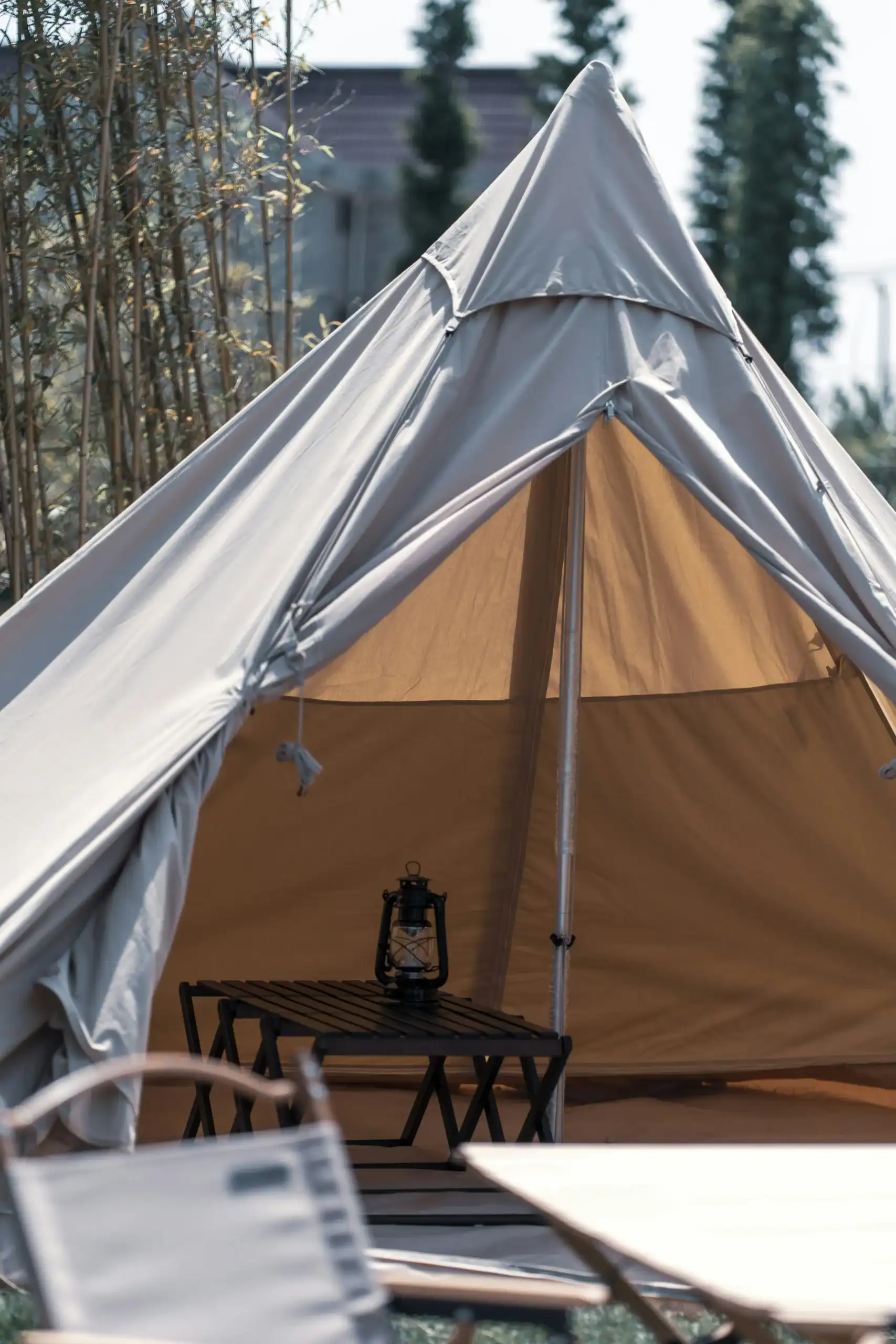
Custom Air Beam Configuration
Más válvulas no significan un armado más rápido—una vinculación de cámaras más inteligente lo logra.
Cada guía de abastecimiento le dice que exija un sistema de un solo punto de inflado para una ‘verdadera experiencia de armado rápido’. Ese consejo está anticuado y es peligroso. He visto un pedido de $50K convertirse en una pesadilla de servicio al cliente porque una marca insistió en una sola válvula para una tienda geodésica de 6 brazos. El usuario necesitaba una bomba de alta presión para superar las restrictivas válvulas unidireccionales internas, y el armado tomó más tiempo que una tienda barata con postes. La métrica real no es la cantidad de válvulas—es el diseño del colector. Un sistema de 2 o 3 puntos bien diseñado con válvulas de retención internas de alto flujo y baja resistencia se arma en menos de 90 segundos. Un sistema de un solo punto mal diseñado requiere un compresor.
Para una marca de comercio electrónico, esta distinción es su margen. Los sistemas de un solo punto crean un eslabón débil: si una válvula de retención interna falla cerrada, toda la tienda se convierte en chatarra. Los sistemas de múltiples puntos que utilizan colectores independientes y accesibles externamente permiten al usuario aislar e inflar segmentos incluso si una válvula se atasca. En términos de producción, la diferencia de costo entre un colector de un solo punto y un colector de triple punto es de aproximadamente $0.85 en componentes de TPU para una tienda de 4 personas. El costo real está en el diseño del molde para las carcasas de válvulas integradas—pero eso es un cambio de inserto único de $200-$400, no una penalización por unidad.
-
-
- Riesgo del sistema de 1 punto: Una sola delaminación capilar en el asiento de la válvula de retención interna hace que toda la estructura sea no inflable. La reparación en el campo es imposible. Las reclamaciones de garantía se disparan.
- Sistema de 2 puntos óptimo: Conecte los hemisferios izquierdo/derecho de forma independiente. Si un lado tiene fugas, el otro mantiene la estructura el tiempo suficiente para terminar el trayecto. El tiempo de inflado se reduce porque el aire no atraviesa un colector central restrictivo.
-
Los diámetros personalizados de las vigas son donde las marcas de etiqueta privada pueden crear una silueta reconocible sin superar los presupuestos de herramientas. Las vigas estándar de fábrica miden de 120 mm a 180 mm de diámetro para tiendas de 4 a 6 personas. Una viga de 220 mm en el arco frontal le da a la tienda una postura ‘musculosa’ distintiva que se reconoce al instante en una cuadrícula de listados de Amazon: diferenciación sin gastar un solo centavo en el costo de tela por unidad, porque se usa el mismo ancho plano de TPU, solo con un desplazamiento más amplio de la soldadura. La fábrica ajusta la plantilla de soldadura de alta frecuencia ampliando la separación de los electrodos. Eso es un cambio de configuración de 30 minutos, no un molde nuevo.
La geometría curva es una fuente común de parálisis. Los compradores piensan que una entrada arqueada requiere una herramienta de moldeo por soplado de $20,000. Falso. La viga de TPU se fabrica a partir de láminas planas que se sueldan en tubos. La curva
-
- Insertos de viga recta: Perfil de aluminio estándar, artículo en stock. Costo: $0, ya que forma parte de la biblioteca estándar de la fábrica.
- Insertos de viga arqueada (45°): Perfil de aluminio personalizado mecanizado por CNC con canales de calefacción integrados. Costo: $180-$300 por inserto. Plazo de entrega: 5-7 días para la fabricación.
- Barrido complejo en 3D: Curvatura multieje que requiere una plantilla de aluminio segmentada con abrazaderas ajustables. Costo: $400-$600. Solo se justifica para modelos de tiendas emblemáticos con volúmenes esperados superiores a 500 unidades.
La lógica de seguridad de múltiples cámaras ha evolucionado significativamente para 2026. El enfoque anterior a 2026 era ‘añadir más deflectores internos’, lo que reducía el volumen interior y hacía que la tienda se sintiera apretada. La mejor práctica de 2026 son cámaras paralelas independientes con válvulas de cruce externas accesibles para el usuario. Esta es la especificación crítica: cada cámara debe tener su propia válvula de alivio de presión ajustada a 3.5 PSI. Si una cámara se sobrepresuriza bajo el sol directo, se ventila sin derribar las cámaras adyacentes. La válvula de cruce entre cámaras es un tubo de TPU de conexión rápida que el usuario puede pellizcar para cerrar con una pinza deslizante integrada si detecta una fuga.
Te daré un punto de referencia para que lo anotes. En tu próxima llamada con un proveedor al evaluar una especificación de tienda inflable, pregunta esto: ‘¿Cuál es la retención sostenida de presión a las 24 horas con una carga de 1 kg aplicada al ápice?’ La respuesta debe ser al menos el 85% de la presión inicial cargada. Si el proveedor no puede darle ese número, no ha realizado pruebas de carga cíclica en sus soldaduras, y le está vendiendo una tienda que se hundirá notablemente por la mañana. El protocolo de control de calidad interno de la fábrica de Ningbo para ensamblajes de vigas de TPU es monitoreo de presión estática durante 24 horas con un registro de manómetro digital. Solicite ese registro para su muestra de preproducción. Es un dato de 15 segundos que separa a un proveedor que entiende la inflación estructural de uno que simplemente pega tubos.
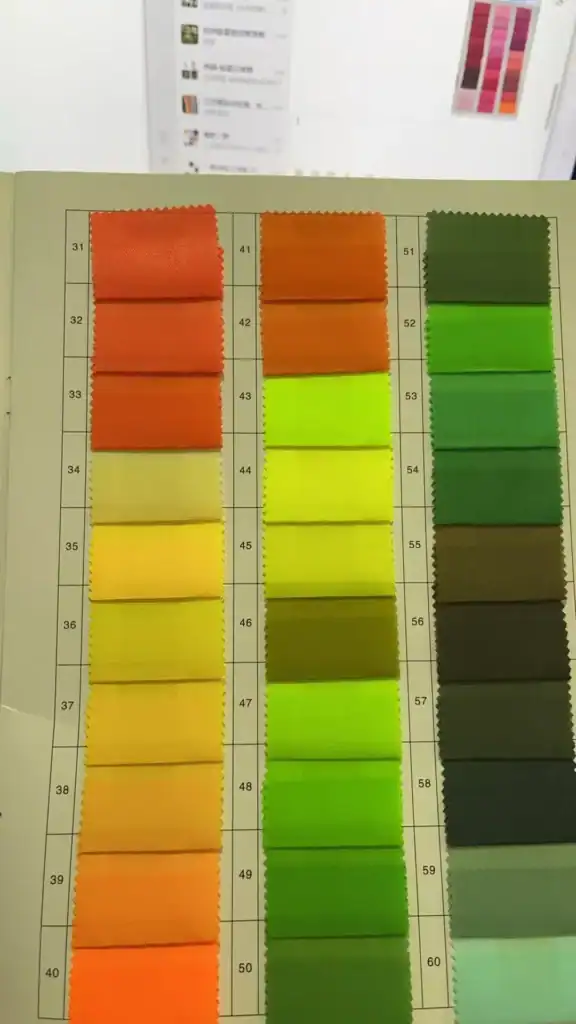
Branding and Packaging Customization
Ignorar el cumplimiento del embalaje resultará en que su inventario de FBA sea rechazado y cause miles de dólares en tarifas de almacenamiento por cada lote de mercancía.
En el campo de batalla de Amazon Logistics (FBA), el embalaje no es simplemente una caja protectora; es su vendedor silencioso. Para las tiendas inflables, esto se vuelve aún más desafiante: el volumen plegado cae en la categoría de artículos de gran tamaño. Si el embalaje se colapsa durante el transporte, tiene bordes afilados o carece de las marcas de cumplimiento adecuadas, el producto será devuelto o destruido. Hemos sido testigos de compradores que, por pasar por alto la marca UKCA, causaron que un gabinete completo de tiendas fuera retenido en aduanas durante seis semanas, incurriendo en un costo adicional de $8.500.
El logotipo de la marca es su herramienta diferenciadora única que no se puede replicar en su listado. Hay dos métodos principales: logotipo en relieve soldado de TPU y serigrafía en tela Oxford. El primero crea un relieve tridimensional en la superficie de la bolsa de aire, con una sensación premium y una impermeabilidad completa, pero requiere un juego de moldes de aluminio (aproximadamente $300 de costo único), y es adecuado para esquemas de colores claros – porque el TPU semi-transparente profundo no puede presentar colores oscuros. Si desea un relieve blanco sobre un fondo azul marino profundo, primero debe adherir una tela Oxford de color a la base de TPU, lo que aumentará el costo de cada tienda en $1.20 a $1.80.
-
-
- Marca de soldadura de TPU: Relieve de 1.5-3 mm, durabilidad superior a 5 años sin desprenderse, adecuado para series de marcas de alta gama. La tarifa del molde es de $250-$350, y la tarifa de procesamiento por pieza es de aproximadamente $1.50. Debe combinarse con un respaldo de tela Oxford para lograr un color de fondo oscuro; de lo contrario, solo se puede ver en TPU de color claro.
- Serigrafía: Adecuada para componentes de tela Oxford (como bolsas exteriores de carpas, cortinas), con un costo bajo que va de $0.20 a $0.50 por pieza. Sin embargo, tiene poca resistencia a la abrasión y puede decolorarse o pelarse después de 1-2 años de uso en exteriores. Es adecuada para artículos promocionales de corto plazo o etiquetado interno.
-
El empaque listo para venta minorista para artículos de gran tamaño de FBA significa que las cajas de exhibición deben pasar una prueba de caída de seis lados desde 1.5 metros, y los artículos internos deben asegurarse con espuma EPE o cartón corrugado para evitar que las válvulas de aire se deformen. La configuración estándar incluye una caja exterior de color con el logotipo de la marca y la imagen del producto, bolsas divisorias internas para los accesorios y una tarjeta de instrucciones clara de inflado/desinflado. Este tipo de empaque aumenta el costo en aproximadamente $3.5 – $5.0 en comparación con las cajas de papel kraft regulares, pero la tasa de devolución puede reducirse en al menos un 30%.
La etiqueta de cumplimiento es un requisito esencial, no opcional. Las carpas inflables exportadas al Reino Unido deben tener la marca UKCA, mientras que en la UE necesitan la marca CE, en los EE. UU. necesitan el GCC (Certificado General de Conformidad) y deben cumplir con el estándar de seguridad de juguetes ASTM F963-17 (ya que las carpas pueden considerarse juguetes infantiles). Cada carpa debe tener una etiqueta permanente cosida o impresa en una posición prominente, que incluya: el país de origen (Hecho en China), la composición de la tela, las instrucciones de cuidado, las advertencias (como “Mantener alejado de llamas abiertas”, “No es un dispositivo de salvamento”) y un código de trazabilidad del lote. La omisión de cualquiera de estos elementos podría resultar en la eliminación completa del ASIN de los estantes.
-
- UKCA en el Reino Unido: Será obligatorio a partir del 1 de enero de 2025, cubriendo todo el mercado de las Islas Británicas. Se requieren documentos técnicos e información sobre la parte responsable en el Reino Unido.
- CE de la UE: Según la Directiva de Equipos de Protección Personal (UE) 2016/425 o la Directiva General de Seguridad de Productos, generalmente se requiere un informe de prueba de terceros.
- GCC de los EE. UU.: Debe basarse en pruebas de laboratorio aprobadas por la CPSC y emitir un certificado de producto infantil (CPC) de acuerdo con ASTM F963. Incluso si la carpa no es específicamente para niños, puede clasificarse como un producto infantil.
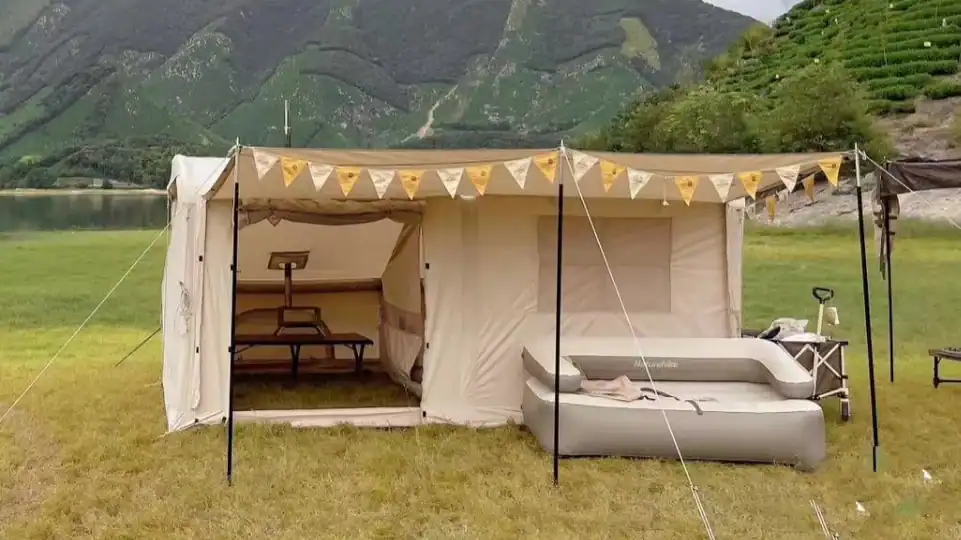
El Cronograma de la Muestra a la Producción en Masa
La muestra mantuvo 8 PSI durante 48 horas; la producción en masa tuvo fugas en 12.
La temporada pasada vi a un comprador descargar un envío de 50 unidades en Savannah, GA. La muestra de preproducción había pasado todas las pruebas: las costuras soldadas estaban impecables, la válvula asentada al ras, la presión de los tubos firme. Pero el primer contenedor tuvo un 30% de fugas. El lote de extrusión para los tubos de TPU cambió ligeramente; la resistencia de la soldadura se desplomó y nadie lo detectó. Ese es un error de $50K que una inspección de $200 habría prevenido.
La muestra no es solo una aprobación de diseño; es su referencia física de referencia para la producción en masa. La política de muestra pagada de Kelyland reembolsa el costo de la muestra cuando su pedido supera los $3,000, y las muestras de bajo costo a menudo se pueden enviar gratis si usted cubre los gastos de mensajería. Use esa muestra para fijar un registro de aprobación: fotos, datos de prueba de presión y secciones transversales de las costuras a las que pueda referirse durante la inspección previa al envío.
-
- Consistencia de la soldadura de costuras: Repasa con un peine de púa fina cada unión de viga. Una soldadura de alta frecuencia bien hecha sobre TPU deja un cordón uniforme y translúcido con cero deslaminación al tirar a 90 grados. Si ves zonas opacas o una línea de fusión irregular, la temperatura del troquel de soldadura o el tiempo de permanencia fueron incorrectos: una señal clara de que la tirada en masa tendrá el mismo defecto.
- Ajuste de la válvula: La válvula de inflado no es solo una tapa; es un componente de TPU moldeado. Comprueba la interfaz entre el vástago de la válvula y la viga a 5-6 PSI. Una mota de rebaba o una junta tórica ligeramente subdimensionada provocarán una fuga lenta que solo aparece después del segundo uso del cliente. Solicita una prueba de retención de la válvula a tracción: la válvula no debe girarse ni salirse con 15 kg de fuerza axial.
- Retención de presión de la viga: Infla la tienda hasta la presión de trabajo recomendada, normalmente 5-8 PSI para tiendas familiares. Marca la lectura del manómetro después de 5 minutos y vuelve a comprobarla a las 12 y 24 horas. Es posible lograr una tolerancia de calidad de menos de 0,5 PSI de caída en 24 horas. Si la viga pierde más de 1 PSI en 8 horas, rechaza el lote: no sobrevivirá a una noche ventosa.
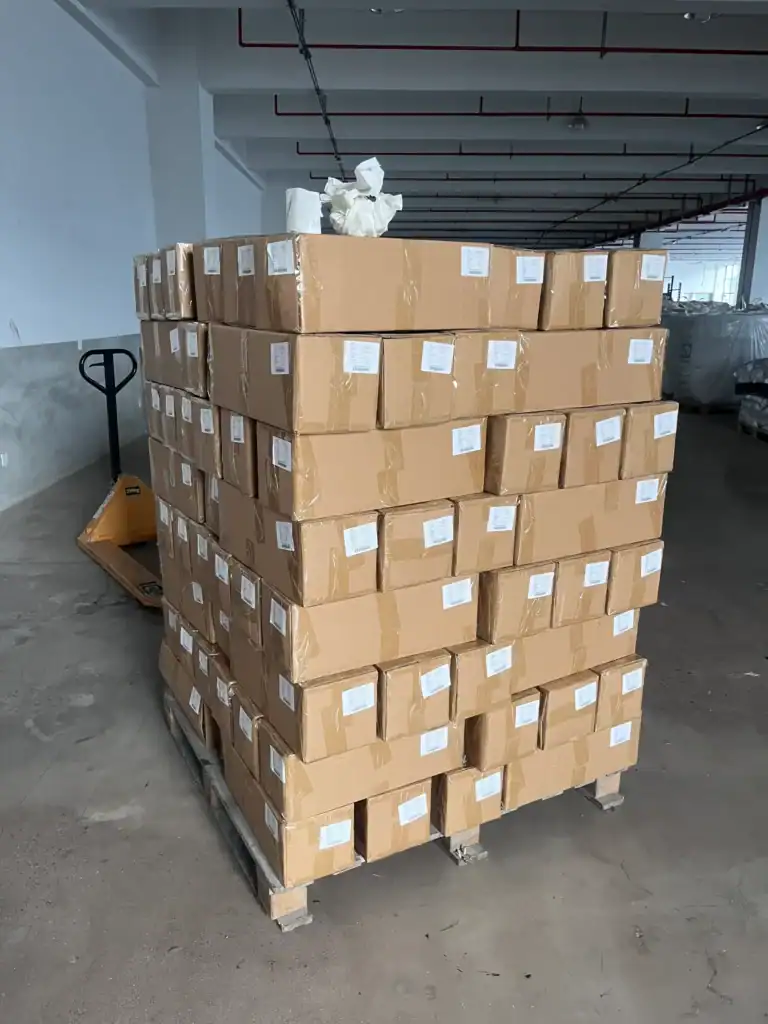
Una vez que tu compuesto de TPU personalizado está definido —por ejemplo, un translúcido con tinte Pantone específico y pared de 0,5 mm—, los pedidos recurrentes siguen un ritmo predecible. El plazo estándar ronda los 30-45 días. Pero si cambias el compuesto (diferente dureza Shore, nuevo masterbatch de color o un respaldo laminado para tonos oscuros), prevé 40-45 días. Ese plazo incluye la adquisición de material nuevo y una prueba de producción previa obligatoria de 50 unidades para confirmar que la extrusión modificada no degrada el rendimiento de la soldadura. Si omites esa prueba de validación, repetirás el escenario de Savannah.
Conclusión
$150 a $300 en insertos de molde de aluminio nuevos te permite tener una geometría de viga de aire personalizada: una silueta que ningún competidor puede replicar sin el mismo utillaje. Combínalo con una mezcla de TPU con coincidencia Pantone y el costo FOB se fija antes de tu primer pedido. El 10% final del que nadie habla: solicita un gráfico de caída de presión de 6 horas durante la aprobación de muestras, porque la consistencia de las costuras y el ajuste de la válvula que superan una inspección visual de dos minutos a menudo fallan en la ventana de retención nocturna —y esa es la brecha de tolerancia de calidad donde nacen las devoluciones.
Define las especificaciones de la geometría de tu viga y las dimensiones del embalaje antes de que se ajuste la ventana de producción. La fábrica de Ningbo ejecuta lotes de validación de 50 unidades, una cantidad manejable para probar la demanda real del mercado sin comprometer inventario en exceso.
Preguntas frecuentes
¿Cuál es el pedido mínimo (MOQ) para tiendas de campaña de TPU personalizadas?
El MOQ personalizado de tiendas inflables de TPU generalmente comienza en torno a las 100 unidades, lo que puede negociarse a la baja para diseños de vigas simples o pedidos de prueba. Las estructuras complejas de múltiples cámaras suelen elevar el mínimo debido a. Asegura la geometría de tus vigas antes de confirmar el MOQ final.
¿Cuánto tiempo tardan las muestras de TPU?
Las muestras de TPU pagadas generalmente se envían de 7 a 10 días después de la aprobación del diseño, y la tarifa se acredita a su pedido al por mayor. Los compuestos personalizados pueden agregar de 5 a 7 días para la preparación del material. Solicite un plazo de entrega de muestras que incluya su mezcla de TPU personalizada.
¿Puedo hacer coincidir el color de TPU con mi marca?
Puede igualar los colores Pantone en TPU de una sola capa con respaldo de Oxford; los rollos de TPU completo tienen una gama más estrecha y translúcida. El azul marino intenso y tonos saturados similares son más difíciles de lograr sin la capa de tela. Siempre revise una muestra de laboratorio antes de aprobar la producción.
¿Qué certificaciones de seguridad necesitan estas carpas?
Se requieren marcados UKCA (Reino Unido), CE (UE) y GCC (EE. UU.) para tiendas inflables, que cubren la inflamabilidad de la tela y la retención de presión de las vigas. La certificación depende de tu mercado objetivo. Confirma tu mercado objetivo con antelación para evitar costos de reetiquetado.
¿Cuál es el plazo de entrega para pedidos recurrentes?
Los pedidos de reposición con compuestos de TPU personalizados suelen tardar entre 40 y 45 días, asumiendo que su mezcla no se mantiene como artículo de stock. Mantener un stock de seguridad de su compuesto puede reducir esto a 30 días. Analice las opciones de almacenamiento del compuesto si prevé un reabastecimiento constante.

 English
  Español
  Deutsch
  Français
  Português do Brasil
  Русский
  العربية
  한국어
한국어  日本語
日本語