 Ir al contenido

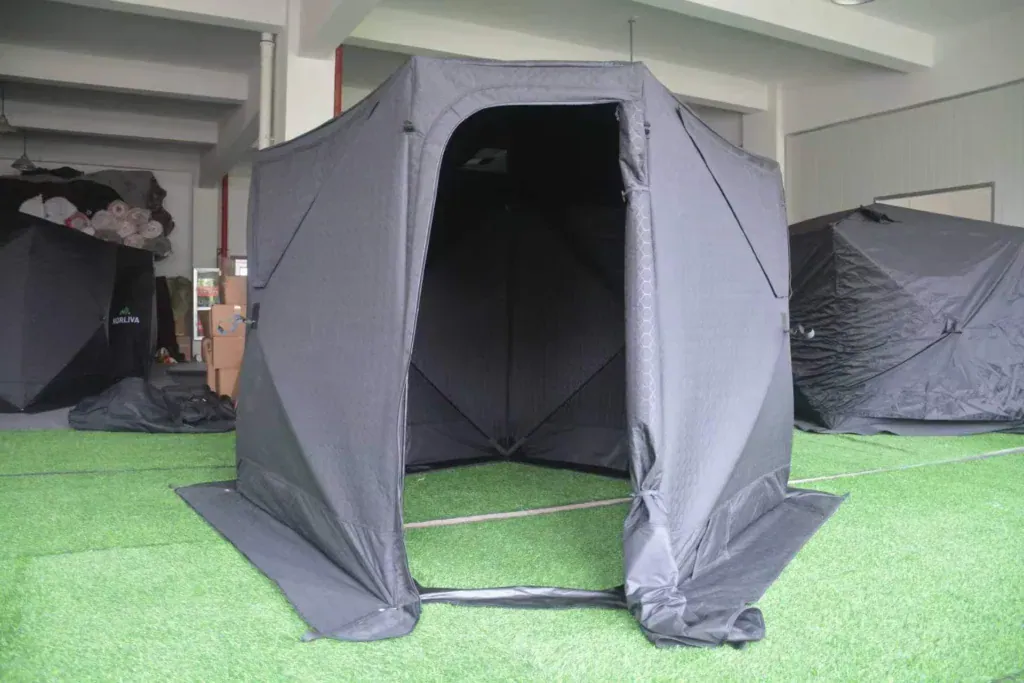
El expediente técnico de la UE para tiendas inflables: evitar retrasos aduaneros es el primer punto de control que los compradores deben consolidar antes de aprobar un proveedor, presupuestar o reservar una plaza de producción. Dos tiendas inflables una junto a la otra —mismo tamaño, mismo sistema de válvula, mismo peso de tejido PVC. Una supera los controles aduaneros de la UE en tres días. La otra permanece seis semanas en un almacén de Róterdam mientras el importador se esforzaba por encontrar un organismo notificado dispuesto a emitir un informe de ensayo EN 14960 a posteriori. La diferencia no está en el producto en sí. Está en el expediente técnico que lo respalda.
Si está sourcingizando productos de marca blanca tiendas hinchables desde China para canales en línea europeos, el requisito del expediente técnico de la UE para tiendas inflables es donde la mayoría de los importadores principiantes encuentran un obstáculo. Pagan por muestras de tejido y asumen que el trabajo está hecho. Pero los organismos notificados examinan el conjunto completo —costuras soldadas, retención de la válvula, estabilidad del elemento inflable bajo carga—, no solo el certificado del material. Un comprador con el que trabajé perdió un pedido de $50 000 porque la muestra previa a la producción aprobó la prueba de retardo de la llama, pero el lote de producción en masa utilizó un lote diferente de adhesivo que falló resistencia de la costura en los ensayos por un amplio margen.
Los puntos de referencia que necesita consultar en su próxima llamada con el proveedor son sencillos: EN 14960 para la seguridad de estructuras y juegos inflables, además de EN 13573 para el desempeño tienda de campaña general. Un expediente completo debe incluir una evaluación de riesgos que cubra los peligros de colapso y asfixia, planos con especificaciones de materiales, listas de componentes rastreables por lote y una Declaración de Conformidad firmada por su Responsable de la UE. La mayoría de las fábricas pueden suministrar certificados de componentes si trabajan con molinos certificados bajo la norma ISO 9001, pero rara vez coordinarán los ensayos de ensamblaje completo a menos que usted lo especifique por escrito durante la aprobación de las muestras.
Paso 1: Identificar las directivas y normas de la UE aplicables
La mayoría de los rechazos ocurren porque se eligió la norma equivocada.
Every article tells you to “identify the right EU directives.” That advice is useless without context. An inflatable tent sits at the intersection of two regulatory frameworks: the General Product Safety Directive (GPSD) and specific harmonized standards for structural safety. Pick the wrong one, and your technical file gets rejected before the notified body even opens it.
General Product Safety Directive (GPSD) — the baseline
The GPSD (2001/95/EC) is the umbrella directive covering any consumer product placed on the EU market without a sector-specific regulation. It requires that your inflatable tent be safe under normal and reasonably foreseeable use. This means documenting materials, construction, labeling, and any known hazards. The GPSD alone won’t satisfy a customs inspector — they want to see a harmonized standard referenced in your Declaration of Conformity.
EN 13573:2012 for camping tents
EN 13573:2012 is the European standard specifically for tiendas de campaña. It covers flame retardancy, stability under wind load, seam strength, and labeling requirements. If your inflatable tent is marketed as a camping shelter — not an amusement structure — this is your primary standard. The test protocol includes a wind-load simulation at 28 m/s and a flame-spread test on fabric samples. Most Chinese factories producing camping tents can supply test reports against this standard if they work with EU-notified bodies.
EN 14960:2019 for inflatable amusement equipment — when it applies
EN 14960:2019 targets inflatable play equipment like bouncy castles and obstacle courses. If your tent is designed primarily as a play structure with enclosed bouncing areas or climbing elements, this standard applies instead of EN 13573. The difference matters because EN 14960 requires impact attenuation testing on floor surfaces and stricter anchorage requirements. A tienda de campaña with an integrated jumping mat could fall under both standards — consult your notified body early to avoid duplicate testing.
Paso 2: Realizar una evaluación de riesgos
Notified bodies test the whole tent, not just the fabric.
A risk assessment for tiendas hinchables must go beyond theoretical hazards. Customs officials and notified bodies will check whether you have documented each modo de fallo with a specific mitigation measure. The file must show you understand how the product behaves under real-world conditions, not just at the factory bench.
Hazards That Matter Most for Inflatable Tents
-
- Collapse: Air beam sudden deflation due to seam failure or valve leakage. Mitigation: Use welded seams (not stitched) and specify a minimum burst pressure of 2.5 bar for the fabric. The assembly must pass a 24-hour retention test at 80% rated pressure.
- Suffocation: Child entrapment inside deflated fabric or unventilated air pockets. Mitigation: Incorporate permanent ventilation openings with a minimum area of 100 cm² per opening. Add warning labels in multiple languages as required by EN 14960.
- Sharp edges: Burrs on injection-molded valves or rough zipper pulls. Mitigation: Specify a minimum radius of 0.5 mm on all rigid parts. Request a 100% visual inspection at the factory — Kelyland Outdoors includes this step in its pre-shipment inspection protocol.
- Chemical exposure: Aditivos retardantes de llama que migran a la piel. Mitigación: Utilice únicamente retardantes de llama a base de fósforo o libres de halógenos, conformes con el Reglamento REACH. Solicite la ficha de datos de seguridad (MSDS) y un informe de migración emitido por un tercero para cada lote de tejido.
Las medidas de mitigación que superan una auditoría
La mayoría de los importadores por primera vez asumen que protocolo de prueba un certificado es suficiente. No lo es. Los organismos notificados requieren una prueba de ensamblaje completa que cubra la 14. vigüeta de aire estabilidad, la resistencia de las costuras soldadas y el sistema de válvulas bajo presión. El expediente técnico debe incluir una ‘Lista de Componentes Críticos’ con trazabilidad por lote para cada parte estructural.
Kelyland Outdoors gestiona esto mediante su proceso en múltiples etapas control de calidad : cada tienda hinchable se inspecciona durante el suministro del material, durante la producción y nuevamente antes del envío. Las fábricas asociadas están certificadas según ISO 9001:2015, y la fábrica de tiendas de campaña y lonas en Ningbo produce 800.000 unidades al año con aprobaciones CE y BSCI. Una evaluación de riesgos documentada debe referirse a estos controles de producción.
Paso 3: Compilar la documentación de diseño y fabricación
¿Falta la trazabilidad por lotes?
El expediente técnico debe contener cada plano, especificación de material, e instrucción de ensamblaje que defina cómo se construye la tienda. Los agentes aduaneros y los organismos notificados utilizan estos documentos para verificar que la unidad de producción coincida con la muestra evaluada. Una sola discrepancia, como un proveedor de válvulas diferente o un cambio en el cinta de costura — puede generar un retén.
Planos: Qué incluir
Presente un juego completo de planos técnicos 2D con dimensiones, tolerancias e indicaciones para cada componente crítico. Para tiendas hinchables, the drawing must show the air beam layout, internal baffle structure, valve positions, and seam types. Indicate the fabric orientation and the weld pattern. Notified bodies will check that the structural design matches the load calculations in your risk assessment.
Material specifications: Traceability is everything
Include a bill of materials that lists each raw material by its supplier, grade, and batch number. For the fabric, specify the denier, weave type, coating (e.g., PU or PVC), and flame‑retardant additive used. A factory like Kelyland Outdoors, which works with ISO 9001:2015 certified partners, can provide mill certificates and lot numbers for every roll of fabric and every air tube. This traceability is what the EU expects.
-
- Fabric spec sheet: Required data: weight (gsm), tensile strength (warp/weft), tear strength, UV resistance, flame spread index, coating type and thickness.
- 9. Integridad de la soldadura de la viga de aire materials: Specify the PVC or TPU grade, wall thickness, valve type, and weld strength. Include the test report for burst pressure and air retention (e.g., 72‑hour pressure drop test).
- Critical Component List: A separate register that maps each item (valve, cinta de costura, zipper, guy line) to its batch number and supplier. This is the #1 document that rejected files lack.
Assembly instructions: The link between design and production
Provide a step‑by‑step assembly sequence that covers welding parameters, seam sealing, valve installation, and quality checks. Include the temperature and pressure settings for the high‑frequency welding machines. If the tent uses drop‑stitch beams, document the thread count and the inflation pressure specified in the design. The assembly instructions must be version‑controlled and dated to match the production run.
One thing that catches many first‑time importers: the assembly instructions must also describe how the tent is folded, packed, and labeled. The EU requires that storage and setup instructions are part of the technical file, especially for inflatable products where incorrect inflation can cause collapse.
Paso 4: Obtener informes de ensayo de un organismo notificado
Test the full assembly, not just the fabric swatch.
This is where most first-time importers get burned. They send a fabric swatch for a flame test, get a pass, and assume the tent is good to go. The notified body testing an tienda hinchable under EN 14960 or EN 13573 will reject that approach. They require a complete assembly test: the inflated structure with all seams, valves, and anchor points operating as they would in the field.
What the notified body actually tests
-
- Flame retardancy: The entire assembled tent must meet EN 13573 Section 5.2 or EN 14960 Section 6.3 burn-rate requirements. A standalone fabric test misses how stitching, zippers, and coated panels interact during combustion.
- Resistencia de las costuras: Welded and stitched seams are tested to minimum tensile loads (typically 200 N per 50 mm width). Air beam welds face additional burst-pressure cycles. A single weak seam at a valve junction can drop the whole structure.
- Resistencia UV: After 500 hours of accelerated UV exposure per ISO 4892-2, the fabric must retain at least 80% of its original tear strength. If your supplier uses standard PVC without UV stabilizers, this test will fail by hour 300.
Paso 5: Redactar la Declaración de Conformidad (DoC)
A DoC signed without batch traceability is legally worthless in an EU market audit.
The Declaration of Conformity (DoC) is the single document that formally states your tienda hinchable meets all applicable EU requirements. Customs authorities and market surveillance bodies ask for this first. If it’s missing or incorrect, your shipment stops.
What goes on the DoC
-
- Product ID: Unique model number, batch code, and commercial name. Generic descriptions like “Inflatable Tent” get rejected. Use the exact identifier from your technical file.
- Directive references: List every applicable directive: GPSR (2001/95/EC), EN 14960:2019 for inflatable amusement equipment, and EN 13573:2012 if classified as a camping tent. Include the full title and year.
- Manufacturer or EU Rep: Full legal name and registered address of the manufacturer or your EU Responsible Person. No PO boxes. No trading names.
- Signatory details: Name, job title, and signature of the authorized representative. This must be someone with legal authority to bind the company — not a sales agent or logistics clerk.
Batch traceability — the part most importers skip
Every production batch needs its own line on the DoC or an attached traceability sheet linking to the Critical Component List mentioned earlier. If a notified body asks which batch of fabric went into which tent and you can’t answer, that’s a non-conformance finding.
Errores comunes que causan el rechazo
A missing assembly-level test is the single fastest path to file rejection by an EU notified body.
The most common rejection reason seen when reviewing technical files for inflatable tents is straightforward: the importer submitted component tests only — fabric swatch flame retardancy, a separate PVC tensile strength sheet — but no test report covering the fully assembled tent with inflated air beams under load. Notified bodies interpreting EN 14960:2019 require evidence that the complete structure, including welded seams, valve system, and beam-to-beam connectors, holds pressure and resists collapse. A stack of material certificates does not satisfy that requirement.
Here is what actually gets flagged during review. First, the 14. vigüeta de aire stability test is missing or was performed on a single beam in isolation rather than on the full tent frame inflated simultaneously. Second, the seam strength report covers flat fabric seams but not the heat-welded or RF-welded joints that connect beams to the canopy — those joints face different stress vectors in a real setup. Third, the valve system was never tested for cyclic air loss over a simulated 24-hour use period.
Inconsistent labeling between sample and production units
Labeling mismatches are another fast-track to rejection. The technical file lists one model number and material composition on the Declaration of Conformity (DoC), but the physical unit submitted for testing carries a different model code or omits the required markings entirely. For inflatable tents sold under CE marking, every unit must display the manufacturer’s name or registered trademark, the product type or batch number, and the year of manufacture — all legible and permanent.
We have seen files rejected because the DoC referenced ‘Model AT-2000’ while the tent tag read ‘AT-2000-V2’, or because care labels listed polyester content when the actual fabric was an Oxford blend with a PU coating. These discrepancies force re-testing or resubmission cycles that add weeks to the timeline. The fix is simple: before shipping samples to a notified body, cross-check every label against the technical documentation line by line.
How to avoid both mistakes on your next file
Conclusión
A complete EU technical file for an inflatable tent is the single document that separates a smooth market entry from a customs hold or recall notice. It is not optional paperwork—it is the legal proof that your product meets the safety requirements of the GPSR and the relevant harmonized standards.
-
- EN 14960 requires full assembly testing, not just fabric-level tests.
- The technical file must include a Critical Component List with batch traceability.
- Risk assessment must cover collapse, suffocation, and sharp-edge hazards.
- The Declaration of Conformity needs a named EU Responsible Person as signatory.
Now take that checklist and run it against your current supplier’s documentation. Ask them directly if they can provide an EN 14960 test report for the assembled tent—not just the fabric swatch—and whether they can trace each air beam valve to its production batch number. If they hesitate on either point, you have found the gap that will stall your shipment at customs. Review Kelyland Outdoors’ inflatable tent specifications to see how pre-certified materials and notified body coordination simplify this entire process.
Preguntas frecuentes
How to get a quote for How to Build an EU Technical File for Inflatable Tents?
The exact answer depends on the product specification, quantity, and order setup. The safest approach is to confirm the commercial terms only after the final requirement sheet is locked. Final terms should be confirmed against the exact product specification and order conditions.
¿Puedo solicitar muestras primero?
La respuesta exacta depende de la especificación del producto, la cantidad y la configuración del pedido. El enfoque más seguro es confirmar las condiciones comerciales solo después de que se fije la hoja de requisitos final. La disponibilidad de muestras debe confirmarse según el stock actual y el plan de envío.

 English
 Español
 Deutsch
 Français
 Português do Brasil
 Русский
 العربية
 한국어
 日本語