 Ir al contenido
La importación de refugios especializados a menudo falla entre la aprobación de la muestra y la producción en masa, no durante el diseño. Un pedido de 50.000 dólares de cubiertas de caza con marca llegó a un almacén de Denver a tiempo. La muestra de preproducción había pasado las verificaciones de tolerancia de calidad: tela Oxford de 600D, costuras dobles, un marco que sobrevivió a una prueba de niebla salina de 48 horas. prueba de niebla salina.. El precio FOB estaba fijado. Entonces se abrieron las puertas del contenedor. La tela a granel era un poliéster más ligero y elástico sin tratamiento ignífugo. El 70% de las unidades se hundieron bajo una carga de nieve ligera, y el informe de prueba faltante provocó una retención aduanera que añadió 12.000 dólares en contracargos y demoras antes de vender una sola unidad.
Esa brecha, entre la muestra firmada y el producto enviado, es lo que devora los márgenes del costo de llegada. En Kelyland Outdoors, cada lote de producción está vinculado a un informe de prueba ASTM F1955 a nivel de lote y una inspección previa al envío. Su red de 17 fábricas certificadas ISO 9001 registra los números de lote de tela contra la orden de compra, haciendo casi imposible un cambio de material silencioso. El resto de esta guía detalla las divisiones exactas de códigos SA, los cinco documentos que su agente de aduanas no puede omitir y el cálculo real de flete que convierte un diseño de contenedor plegable en un ahorro del 60% en flete marítimo por unidad. Úsela para mantener su próximo contenedor de refugio rentable, no estacionado en el puerto.
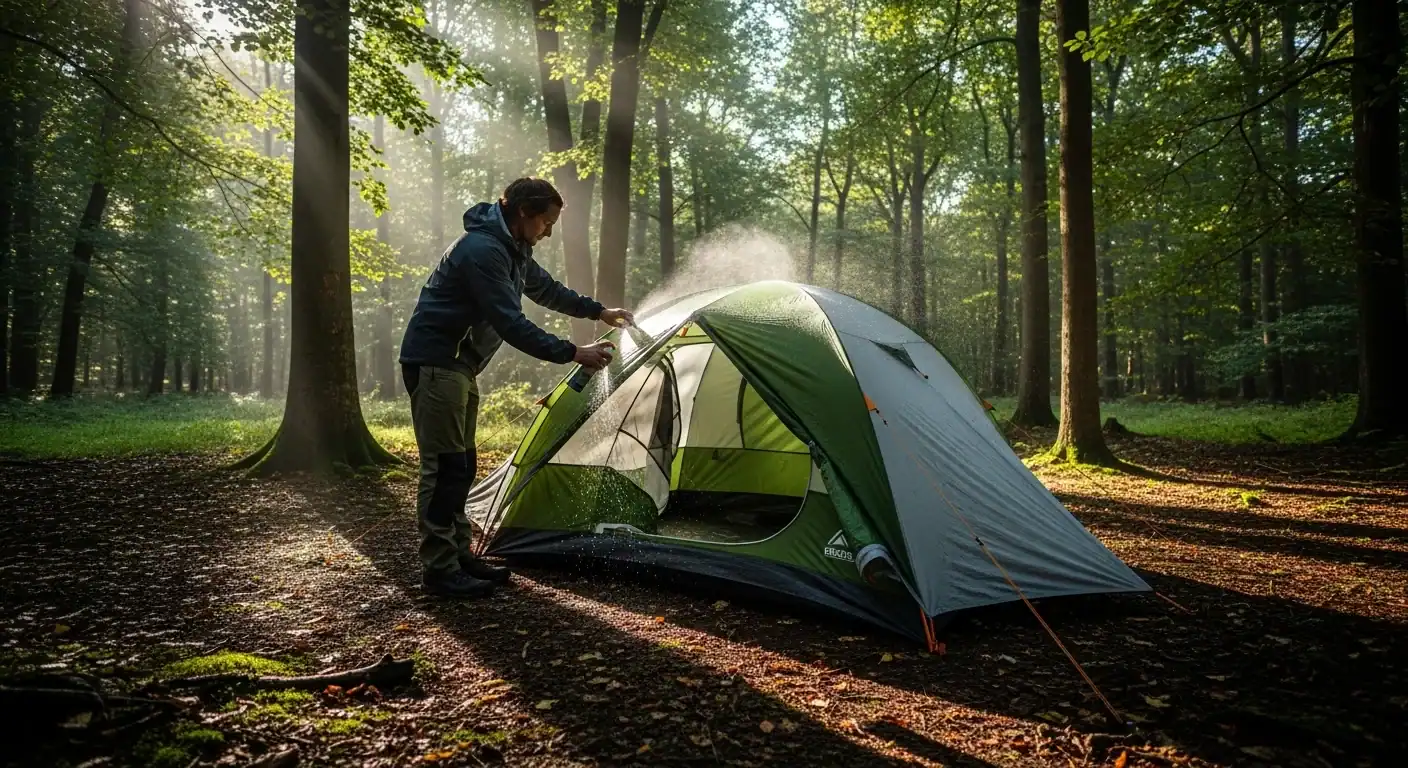
Trampas de códigos SA que destruyen los márgenes de importación de refugios
Un código SA asignado por la fábrica no es una defensa aduanera.
Vi a un gerente de marca perder $14,000 en derechos retroactivos el año pasado porque dejó que la fábrica eligiera el código SA. El envío pasó la aduana inicialmente. Seis meses después, una auditoría posterior al ingreso reclasificó sus escondites de caza emergentes de 3926.90 a 6306.22. La diferencia en la tasa arancelaria—5.3% frente a 9.9%—se aplicó retroactivamente en tres contenedores, más una multa por clasificación inexacta. Sin defecto de producto. Sin queja de calidad. Daño puramente burocrático.
La trampa de clasificación funciona así. La aduana examina el carácter esencial del refugio. Si el cuerpo estructural es tela textil cosida sobre un armazón plegable, cae en la partida 6306—tiendas de campaña. Si la cubierta es lámina de plástico donde el polímero le da al artículo su función impermeable, cae bajo 3926—artículos de plástico. La prueba proviene directamente de la Resolución Aduanera NY 805471, emitida en 1995 y aún citada por los oficiales de CBP hoy. Esa resolución estableció que los escondites de caza temporales con cubierta de tela recubierta de polietileno pertenecen al capítulo de plásticos, mientras que aquellos hechos con paneles textiles tejidos van a textiles. Mismo uso final, mismo cliente, dos resultados arancelarios completamente diferentes.
Las subpartidas específicas importan. 6306.22.9030 cubre tiendas de campaña de fibras sintéticas y tiene un arancel ad valorem del 9.9% para EE. UU. 3926.90.9890 para estructuras de plástico tiene un 5.3%. En un pedido FOB de $50,000, esa diferencia de 4.6 puntos porcentuales equivale a $2,300 en derechos adicionales. Escale eso en cuatro envíos estacionales por año y tendrá una fuga de margen de cinco cifras que ninguna negociación con la fábrica recuperará.
-
- Refugios con predominio textil: Los paneles de tela soportan la carga estructural y determinan la resistencia a la intemperie. Clasificar bajo 6306.22 o 6306.90. Espere un arancel del 9.9% más posibles requisitos de pruebas de inflamabilidad según 16 CFR Parte 1632.
- Refugios con predominio de lámina plástica: La película de polietileno o PVC forma la barrera climática principal, a menudo soldada por calor en lugar de cosida. Clasificar bajo 3926.90. Arancel más bajo del 5.3%, pero requiere un desglose claro de la composición del material en la factura comercial.
- Unidades modulares con armazón metálico: Estructuras rígidas de aluminio o acero con ensamblaje atornillado. Caen bajo 9406.90 como edificios prefabricados. Estructura arancelaria completamente diferente y a menudo sujetas a diferentes consultas de alcance antidumping.
La clasificación proactiva significa obtener una resolución vinculante antes de que se embarque tu primer contenedor, no después de que llegue un Formulario CBP 28. Envía una muestra, muestras de tela y un desglose detallado de la construcción a la División Nacional de Especialistas en Productos Básicos. El tiempo de procesamiento de 4 a 6 semanas es un seguro barato contra una penalización del 30% sobre los aranceles pagados de menos, más intereses. Combina esa resolución con una declaración de cumplimiento de la tela firmada por el fabricante que confirme que la composición del material a nivel de lote coincide con la muestra presentada. Este paquete de dos documentos detiene el 95% de los retrasos en las inspecciones antes de que comiencen.
Un matiz que incluso los importadores experimentados pasan por alto: las tiendas de caza textiles a menudo están sujetas a estándares de inflamabilidad más estrictos que los refugios para pesca en hielo, aunque ambos productos se ven casi idénticos dentro de un contenedor de carga. Un oficial de CBP sin conocimiento del producto optará por la categoría de mayor tasa a menos que tu documentación evite la confusión. Adjunta un memorando de clasificación arancelaria de una página a cada envío, citando el número de resolución vinculante e incluyendo fotos del producto con las indicaciones de material visibles. Facilita la decisión del oficial y despejarán tu carga rápidamente.
Costo de llegada real de un contenedor de 20 pies para cubiertas de caza
El precio FOB rara vez supera el 45% de lo que realmente pagas para llevar ese contenedor a tu almacén.
La mayoría de los gerentes de marca se obsesionan con el precio FOB China durante la negociación. He visto a compradores pasar tres semanas regateando $8 del costo unitario, solo para perder $4,200 en un solo contenedor porque nadie verificó la clasificación arancelaria contra la composición de la tela. El precio unitario importa. Las decisiones estructurales integradas en el diseño importan más.
Un contenedor estándar de 20 pies contiene aproximadamente de 180 a 220 tiendas de caza plegables, dependiendo de las dimensiones empacadas de cada unidad colapsada. El precio FOB para una tienda básica de carcasa de poliéster con armazón de acero oscila entre $45 y $85 por unidad de fábricas certificadas ISO 9001 en Zhejiang o Jiangsu. Aumenta eso a tela Oxford 600D con recubrimiento opaco y un armazón tipo hub, y el FOB sube a $95 a $140. Estos son números reales extraídos de tiradas de producción reales de 2026-2026, no estimaciones de catálogo.
-
-
- Flete Marítimo (20’GP, Shanghái a Los Ángeles): Las tasas spot a principios de 2026 oscilan entre $2,800 y $4,200. A 200 unidades por contenedor, eso es de $14 a $21 por unidad solo en flete. Consolida en un 40’HQ con refugios plegables estilo contenedor que se anidan planos, y puedes cargar de 380 a 420 unidades, reduciendo el flete marítimo por unidad por debajo de $10.
- Seguro Marítimo: Normalmente del 0.3% al 0.5% del valor declarado de la carga. En un envío FOB de $25,000, espera de $75 a $125. Salta esta partida y un solo contenedor perdido por la borda elimina tu margen en toda la tirada de producción.
- Presentación de Seguridad del Importador (ISF): La presentación en sí cuesta de $35 a $75 a través de un agente de aduanas. El riesgo real es el incumplimiento: el ISF debe transmitirse a CBP al menos 24 horas antes del embarque. Si no se cumple ese plazo, las sanciones comienzan en $5,000 por infracción. Un error de presentación de $50 puede convertirse en una multa de $5,000 porque el transitario de la fábrica presentó el ISF 22 horas antes del embarque en lugar de 24.
-
Ahora la partida que separa a los profesionales de los aficionados: la divergencia de tipos arancelarios. Según la Resolución Aduanera NY 805471, una cortina portátil de caza cubierta de tela clasificada como tienda de campaña de fibra sintética bajo HTS 6306.22.9030 incurre en un 9.91% ad valorem. Esa misma cortina, si está diseñada con una carcasa textil recubierta de plástico que cumple con el umbral de material para clasificarse bajo 3926.90.9890, baja al 5.31% ad valorem. En un contenedor de $25,000, la diferencia es de $1,150. Multiplique eso por cuatro contenedores por temporada y habrá entregado $4,600 a Aduanas porque nadie revisó la especificación del material antes de emitir la orden de compra.
La mayor palanca de costos individual es la geometría de diseño. Los refugios rígidos y completamente ensamblados consumen metros cúbicos de aire vacío dentro de un contenedor. Una cortina plegable tipo contenedor —el tipo que se colapsa en un disco plano o un paquete rectangular de menos de 8 pulgadas de grosor— puede lograr un 60% más de unidades por contenedor de 40 pies de alto en comparación con una cortina tradicional con postes preinstalados. El punto de referencia de importador de LYROE Group para 2026 muestra que el flete marítimo por unidad baja de aproximadamente $600 a $250 en refugios de gran formato cuando el diseño prioriza la apilabilidad. Eso no es un ahorro marginal. Es la diferencia entre un índice de costo de importación del 32% y uno del 41%.
-
- Postes doblados al llegar: Una fábrica que utiliza tubos de acero de 16 mm con un grosor de pared de 0.8 mm en lugar del especificado de 1.0 mm ahorra $0.40 por poste. Apile 200 cortinas en un contenedor, y el peso de las unidades superiores deforma lentamente los marcos inferiores durante la travesía oceánica de 18 días. Descubre el daño cuando su comprador minorista abre el primer palé. El flete aéreo de reemplazo para 50 unidades elimina la ganancia total del contenedor.
- Tela rasgada en los puntos de pliegue: Los refugios plegables mal diseñados concentran el estrés en los puntos de bisagra donde la tela rodea las uniones del marco. Una diferencia de 0.3 mm en el margen de costura en estas uniones, combinada con poliéster de baja calidad que carece de un tejido de refuerzo, produce desgarros de tela en el 8% al 12% de las unidades después de tres ciclos de montaje. Esa tasa de fallos desencadena un cobro al minorista, no un correo educado.
- Disparidad de volumen: Cortinas de caza vs. Refugios de pesca en hielo: Los refugios de pesca en hielo suelen tener un volumen empaquetado mayor debido a la tela aislante y los marcos integrados en el piso. Un contenedor de 20 pies que contiene 200 cortinas de caza estándar puede albergar solo de 110 a 130 unidades equivalentes de pesca en hielo. Si su proveedor cotiza un contenedor combinado sin calcular el desplazamiento cúbico por SKU, su costo de flete por unidad será un 50% más alto de lo que predijo su hoja de cálculo. Exija un plan de empaque a nivel de caja antes de firmar el acuerdo de producción.
El verdadero asesino de las importaciones no es la revisión arancelaria que le escribes a la Aduana. Es la estadía. Un solo error documental el día de llegada —un código HTS que no coincide entre la factura comercial y el ISF, una declaración de conformidad textil sin firmar— desencadena una retención aduanera. El almacenamiento portuario cuesta entre 300 y 500 dólares por día. Una retención de tres días que consume 1.200 dólares en estadías y gastos de inspección puede eliminar todos los ahorros de flete que ingeniaste con ese diseño plegable inteligente. Las fábricas que verifican todos los documentos de embarque 48 horas antes de la hora estimada de llegada del buque cierran esta ventana de exposición. Las que no lo hacen te dejan con la factura de almacenamiento.
| Componente de coste | Costo estimado (USD) | Notas |
|---|---|---|
| FOB China (50 unidades × 85 USD/unidad) | $4,250 | Cortina enrollable con marca personalizada, tela Oxford 600D, marco de acero recubierto de polvo |
| Flete Marítimo (20’GP, Ningbo → LA/LB) | 2.800–3.600 USD | Tránsito de 15 a 22 días; el diseño plegable carga 45–55 unidades frente a 25–30 rígidas; tarifa variable por temporada |
| Seguro Marítimo (0.3%–0.5% del valor CIF) | 25–40 USD | Cobertura contra todo riesgo; obligatorio para transacciones con carta de crédito |
| Arancel de importación de EE. UU. (SA 6306.22.9030 @ 9.91%) | $421 | Aplica a refugios textiles de fibra sintética; clasificar erróneamente como 3926.90 y arriesgar una penalización del 30% en una auditoría. |
| Gestión aduanera + Presentación ISF + MPF | $175–$350 | ISF ($35–$75); ingreso del agente aduanal ($90–$150); Tarifa de Procesamiento de Mercancías (0.3464% FOB, mínimo $31, máximo $615) |
| Acarreo y entrega de última milla (Puerto → Almacén) | $450–$850 | Depende de la distancia desde el puerto; las tarifas de división de chasis a menudo están ocultas en las cotizaciones de los transportistas. |
| Costo total de importación (50 unidades) | $8,121–$9,511 | Costo unitario puesto en destino: $162–$190; el riesgo de demora añade $300/día si los documentos llegan tarde |
| Referencia de costo unitario puesto en destino | $162–$190 | En venta al público $299–$349, el margen bruto se mantiene en 45–54%; las unidades ensambladas rígidas llegan a $240+ cada una |
Los 5 documentos que todo agente de aduanas necesita antes del envío
Perder un documento equivale a $300–500/día en demora—cada día que tu contenedor esté parado.
¿Por qué la muestra de preproducción pasa la inspección mientras que el envío es marcado? El problema está en el papeleo, no en el producto. Un oficial de aduanas nunca abre cada caja. Primero abren la carpeta de documentos. Si el desglose de la tela en la factura no coincide con el informe de laboratorio, el contenedor pasa a inspección secundaria. He visto un pedido de $50K de escondites de caza tipo pop‑up detenido en Long Beach durante 11 días porque la factura comercial decía “poliéster” mientras que el informe de prueba indicaba “poliéster con recubrimiento de PU“—dos códigos SA diferentes.
Estos son los cinco documentos que tu agente necesita antes de que el buque zarpe. Cualquier vacío, y estarás financiando almacenamiento portuario en lugar de mover inventario.
-
- 1. Factura comercial (con desglose de composición de la tela): Esta no es una factura genérica. Para refugios textiles, la factura debe indicar la composición exacta de la tela en porcentaje—ej., “Cubierta: 100% Poliéster 300D Oxford con recubrimiento de PU.” Si omite esto, el agente aduanal asigna el código HS con el arancel más alto del rango. Ese arancel del 9.9% sobre 6306.22.9030 golpea fuerte cuando una tasa del 5.3% bajo el código 3926.90.9890 era legalmente correcta. Incluya el valor FOB por unidad, la moneda y los Incoterms. Sin redondeo. Sin abreviaturas.
- 2. Lista de Empaque (con detalle a nivel de caja): Enumere las dimensiones, el peso bruto, el peso neto y el contenido de cada caja. Si una caja contiene SKU mixtos—por ejemplo, postes de repuesto empaquetados con cubos de refugio—desglóselo. Los oficiales de aduanas usan la lista de empaque para seleccionar muestras de inspección. Las descripciones vagas los invitan a abrir cajas al azar, y los costos de reempaque se le facturan a usted.
- 3. Conocimiento de Embarque (B/L) o Guía Aérea: El B/L es su documento de propiedad. Verifique que el nombre del consignatario coincida exactamente con su fianza de importación—incluyendo “LLC” o “Inc.” Una discrepancia entre el consignatario del B/L y el declarante ISF provoca una retención de CBP. Para embarques FCL, exija un B/L limpio sin anotaciones en el recibo del cargador sobre carga dañada.
- 4. Certificado de Origen: Este documento determina si sus refugios califican para tasas arancelarias preferenciales bajo acuerdos comerciales. Para importaciones estadounidenses desde China, el certificado confirma el país de fabricación. CBP coteja esto con las direcciones de las fábricas. Si el certificado dice Ningbo pero la factura comercial enumera una empresa comercial de Hong Kong, espere preguntas.
- 5. Informes de Pruebas de Seguridad contra Incendios y Cumplimiento: Aquí es donde la mayoría de los envíos descarrilan. Exija un informe de prueba ASTM F1955 a nivel de lote, no un certificado genérico de fábrica. Muchas fábricas sustituyen el poliéster no ignífugo para ahorrar $0.50 por yarda. Las pruebas de laboratorio independientes muestran una tasa de fallos del 17% en lotes no certificados. Combine el informe de prueba con una declaración de cumplimiento de tela firmada por la fábrica. Para envíos a la UE, asegúrese de que se adjunte la certificación de resistencia a la llama compatible con REACH; ese tratamiento cuesta $1.20–$1.80 por refugio y evita el rechazo aduanero directo.
El verdadero asesino de márgenes no es la tasa arancelaria. Es la sobrestadía. Un solo error en un documento el día de llegada desencadena cargos de almacenamiento portuario de $300–$500 por día. Un envío de ciegos de caza textil que revisé acumuló $4,200 en sobrestadía porque el agente pasó cuatro días solicitando una declaración corregida de composición de la tela. Verifique cada documento 48 horas antes de la ETA del buque. Ese margen de dos días suena trivial hasta que calcula lo que 10 días adicionales de almacenamiento portuario hacen a su costo unitario final.
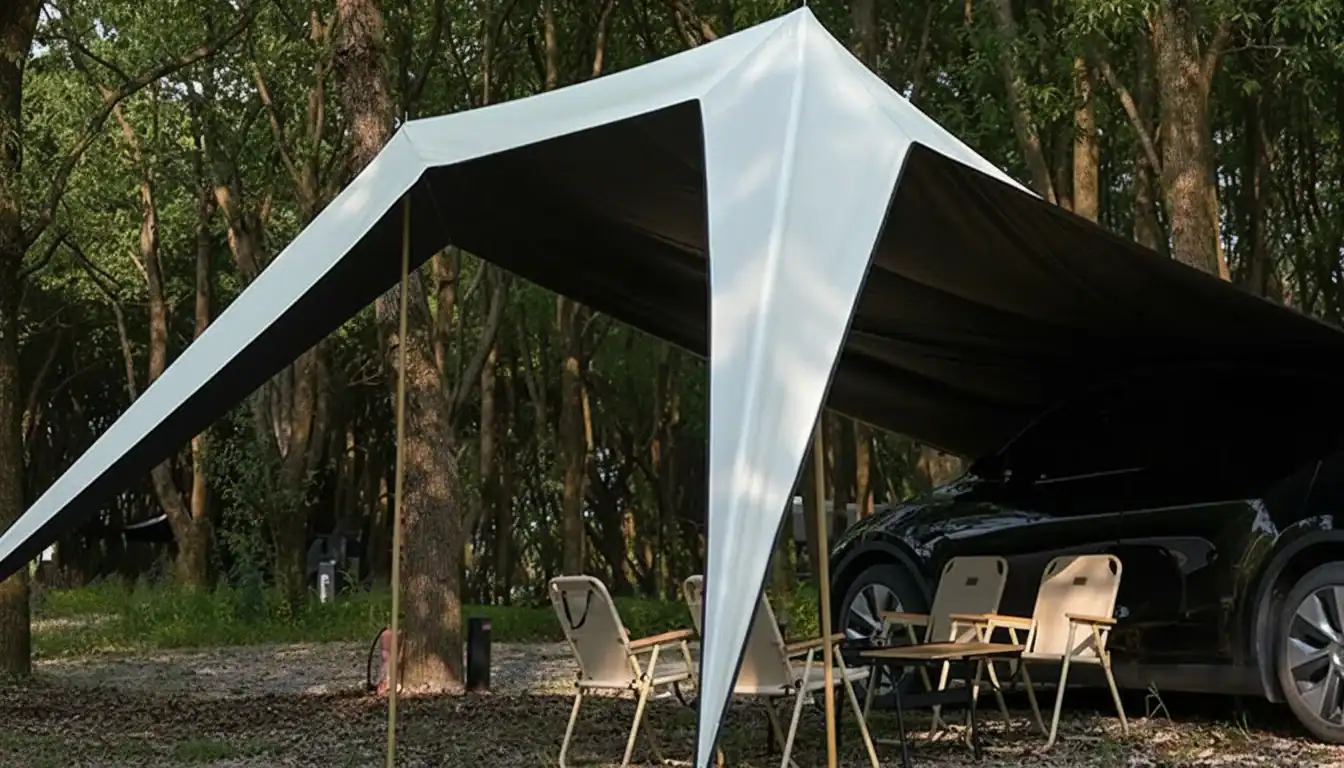
Cómo evaluar una fábrica de refugios antes de su primer contenedor
Un certificado ISO válido no significa capacidad.
He recorrido fábricas en Ningbo, Jinhua y Shaoxing donde el Certificado ISO 9001:2015 certificado colgaba prominentemente en el lobby—y la planta de producción contaba una historia completamente diferente. El certificado era real, pero la declaración de alcance mencionaba ‘corte y costura textil’ mientras la fábrica soldaba marcos de refugios de acero. Ese vacío no es un tecnicismo. Significa que el sistema de gestión de calidad nunca fue auditado contra los procesos realmente utilizados para fabricar su producto.
-
- Verifique la declaración de alcance: Solicite el PDF completo ISO 9001:2015 del certificado—no una foto. Verifique el alcance del registro en la página uno. Debe enumerar explícitamente ‘fabricación de metales con soldadura’ o ‘ensamblaje de refugios para exteriores’, no una categoría genérica. Coteje el organismo de certificación con la base de datos IAF CertSearch. Los emisores no acreditados son comunes en provincias no reguladas.
- Empareje la fábrica con la categoría de producto: El certificado ISO de una fábrica de carpas no cubre la soldadura de refugios con estructura de acero. La red de Kelyland divide la producción en 17 fábricas especializadas: las mesas y sillas de camping pasan por una instalación con certificación ISO diferente a la de las carpas de glamping. Si una fábrica afirma manejar tanto el corte textil como la soldadura estructural bajo un solo certificado, exija el informe de auditoría de vigilancia que demuestre que ambos procesos fueron muestreados.
- Verifique las fechas de caducidad y vigilancia: Los certificados ISO 9001:2015 requieren auditorías de vigilancia anuales. Un certificado emitido en 2022 sin sellos de vigilancia para 2023 o 2026 está técnicamente suspendido. Ha habido tres casos en 2026 donde compradores descubrieron durante la inspección previa al embarque que el certificado había caducado 18 meses antes.
El control de calidad de soldadura en sitio diferencia los refugios que sobreviven cinco temporadas de caza de aquellos que colapsan con la primera ráfaga de viento. El estándar que la mayoría de las fábricas afirman es ‘soldador calificado en plantilla’, lo cual no significa nada. El estándar que necesita es el cumplimiento de AWS D1.1 para uniones de tubos de acero estructural. Específicamente, exija pruebas de macroataque en una soldadura de muestra por cada 50 unidades. Esto secciona transversalmente el cordón de soldadura para verificar que la profundidad de penetración alcanza al menos 1.0 mm en el metal base en tuberías de pared de 0.8 mm a 1.2 mm. Los talleres que dudan en el macroataque están ocultando defectos de solapamiento en frío: metal de soldadura que se asienta en la superficie sin fusionarse. Las uniones con solapamiento en frío fallan bajo carga cíclica. Una prueba de fatiga de 50,000 ciclos en una unión de esquina revela la diferencia entre un filete adecuado y un cordón cosmético dentro de los primeros 3,000 ciclos.

Las pruebas de resistencia a la tracción de la tela siguen un patrón similar de afirmaciones superficiales frente a verificación real. Cuando una fábrica dice ‘tela Oxford 600D, resistencia a la rotura de 350N’, pregunte si ese número provino de la ficha técnica del proveedor de tela cruda o de un probador de tracción interno sobre la tela terminada y recubierta. Los recubrimientos de PU y PVC cambian la curva tensión-deformación de la tela base. Una tela Oxford 600D cruda a 350N puede caer a 280N después del recubrimiento si la temperatura de curado degradó el hilo. Insista en resultados de prueba de agarre ASTM D5034 realizados en el lote exacto de tela recubierta que se usa para su lote de producción. La tolerancia aquí es estricta: una desviación de ±10% de la línea base de muestra aprobada desencadena el rechazo en cualquier operación de abastecimiento seria. A precios FOB de aproximadamente $85 a $220 por unidad de refugio según el tamaño, asumir un contenedor de tela fuera de especificaciones significa una cancelación de $15,000 a $40,000 antes de siquiera pagar aranceles.
Las pruebas de tracción previas al embarque en los armazones de refugios ensamblados son donde la mayoría de las listas de verificación de control de calidad de fábrica se desmoronan. Un procedimiento estándar: seleccione tres unidades aleatorias del lote de productos terminados según Nivel II de AQL (ISO 2859-1), monte cada refugio y aplique una carga estática de 1.5 veces la capacidad de peso nominal en el punto estructural más débil (generalmente el cubo del techo o una unión en el medio del tramo) durante 30 minutos. Mida la deformación permanente con un indicador de cuadrante. Cualquier deformación superior a 3 mm después de retirar la carga es un fallo. Esta prueba detecta las fallas que la inspección visual no ve: remaches ligeramente sobredimensionados, pernos mal apretados o tuberías que pasaron la verificación dimensional pero se obtuvieron de un grado de acero de menor calidad que el especificado. He rechazado pallets enteros en el almacén de Ningbo porque la prueba de tracción reveló una deflexión de 5 mm en la unión del alero que no era visible durante la inspección en línea anterior.
Expectativas de documentación completa para el diseño de refugios OEM la colaboración va más allá de la orden de compra. Antes de cortar un solo tubo o panel de tela, su archivo de fábrica debe contener: (1) un formulario de aprobación de muestra firmado con la foto de la muestra de preproducción, hoja de medidas y muestras de material adjuntas; (2) un paquete técnico que enumere cada componente: diámetro del tubo, espesor de pared, grado de acero, peso de la tela, tipo de recubrimiento, densidad de puntadas en SPI, marca y modelo de cremallera, y acabado del herraje; (3) una matriz de tolerancia de calidad que defina las desviaciones aceptables para cada dimensión (estándar en marcos de refugios es ±3 mm para longitud de tubo, ±1° para ángulos de curvatura); y (4) un archivo de certificados de material a nivel de lote que coincida con cada lote de materia prima con la ejecución de producción. Las fábricas que se resisten a crear esta documentación antes de que llegue el depósito están indicando que planean resolver la calidad después. Las operaciones que envían según especificaciones cada vez construyen el rastro documental antes de que comience la línea de producción.
El punto de referencia a anotar para su próxima llamada de proveedor: cualquier fábrica de refugios que cotice por debajo de $72 FOB por unidad para un refugio tipo cúpula estándar de 2 personas con tela Oxford 150D y tubo de acero de 16 mm casi con certeza está usando tela no certificada o saltando el tratamiento posterior a la soldadura. Con los costos de material actuales de 2026, el piso para un refugio conforme, documentado y probado según ASTM es de $78 a $85 FOB Ningbo para cantidades mínimas de pedido de 300 unidades. Por debajo de ese número, los dólares faltantes salen del puesto de soldadura o del baño de recubrimiento, y no verá las consecuencias hasta que su cliente presente un reclamo de garantía.

Conclusión
El proceso de importación de refugios recompensa la precisión. El código HS 6306.22.9030 frente a una clasificación de marco metálico puede significar un arancel del 9.9% o del 5.3%—en un contenedor completo, eso es un cambio de cuatro cifras. Combinar el código correcto con un informe de retardancia de llama ASTM F1955 a nivel de lote bloquea la sustitución de tela de $0.50/yarda por parte de la fábrica que los inspectores aduaneros están entrenados para buscar. Los profesionales saben que el verdadero asesino de márgenes no es la tasa arancelaria; es la demora a $300–$500 por día cuando una discrepancia documental retiene el contenedor en el puerto. El 10% superior de los importadores verifica todos los documentos de envío 48 horas antes de la llegada del buque. Ese hábito por sí solo separa los lanzamientos que llegan a los estantes del tercer trimestre de aquellos que se quedan atrapados en un almacén aduanero.
Para los gerentes de marca que desean que la parte documental esté resuelta antes de que zarpe el barco, el equipo de exportación de Kelyland realiza esa verificación previa exacta en cada envío, detectando errores de clasificación, declaraciones de cumplimiento de tejidos faltantes y brechas de tolerancia de cantidad mientras aún hay tiempo para corregirlos. Revise la página del producto de tienda de campaña para ver configuraciones de refugio, especificaciones de materiales y flujos de trabajo de documentación OEM que convierten la previsión de costos landed en una ecuación cerrada, no en una apuesta.
Preguntas frecuentes
¿Cuál es el código HS para las tiendas de caza emergentes?
Las carpas de caza emergentes cubiertas de tela se clasifican en el código SA 6306.22, mientras que las unidades modulares con estructura metálica corresponden al 9406.90. La clasificación incorrecta puede provocar retenciones aduaneras y hasta un 30% de derechos adicionales. Siempre confirme la composición del material antes de presentar su declaración.
¿Cómo presento la Declaración de Seguridad del Importador (ISF) para refugios de campaña?
Usted o su agente de aduanas deben presentar el ISF al menos 24 horas antes de que el buque cargue en China. Requiere 10 elementos de datos, incluidos el fabricante, el vendedor y la ubicación de estiba del contenedor. Presente la declaración con anticipación para evitar multas y demoras en la carga.
¿Qué documentos se necesitan para el despacho aduanero de tiendas de campaña especiales de China?
Su corredor necesita una factura comercial, lista de empaque, conocimiento de embarque y certificado de origen. Para los refugios, también incluya un informe de prueba de retardancia de llama de la tela para evitar el rechazo. Un documento faltante puede costar $300–500/día en demora.
¿Puedo importar una muestra de puesto de caza sin pagar los aranceles completos?
Sí, si marca el envío como muestra comercial y mantiene su valor por debajo del umbral de minimis de su país, los aranceles a menudo se eximen. Para muestras de mayor valor: a. Siempre etiquete el envío como ‘muestra sin valor comercial’ y confirme su umbral local.
¿Cuánto tiempo se tarda en despachar un contenedor de refugios de China en la aduana?
El despacho de rutina toma de 1 a 3 días después de la llegada si todos los documentos están en orden. Un examen físico o la falta de certificación pueden agregar de 5 a 7 días. Planifique una semana de margen para manejar inspecciones aleatorias.

 English
  Español
  Deutsch
  Français
  Português do Brasil
  Русский
  العربية
  한국어
한국어  日本語
日本語