 跳到内容
跳到内容 
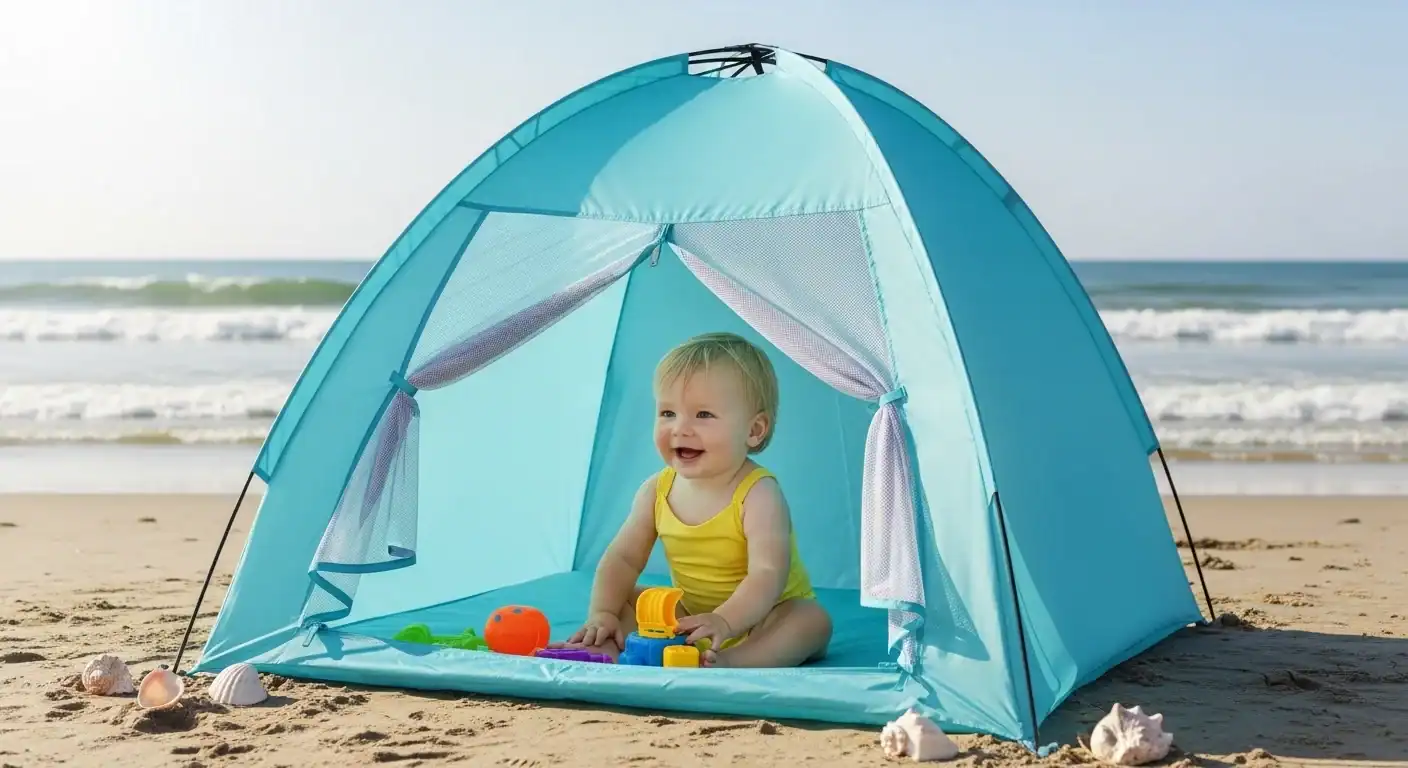
pop up tent sand jam is the first checkpoint buyers should lock before they approve a supplier, budget, or production slot. Every beach pop-up tent guide tells buyers to just shake out the sand and try again. That advice is wrong, and it’s why a buyer burned through a $50K order last season because the pre-production sample folded fine in the warehouse but jammed solid after three hours on a Costa Rican beach. The real problem isn’t sand in the fabric — it’s sand migrating into a 2.5 mm hub lock clearance and blocking the pawl. If the side poles are pulled first like most instructions show, that pawl locks out and the frame turns into a bird cage.
The physics here is straightforward. Beach sand grains above 1 mm stop the pawl dead, and forced folding bends fiberglass poles at the stress point where white creases show up before a crack. A jammed hub lock becomes a $15-$30 frame repair or a full return — and for a category manager tracking return rates under 3%, that math hurts margins fast. The fix starts with lifting the center hub cap before collapsing, then crossing your hands in an X before folding into thirds to hit that packed target of 45 cm. Dry silicone spray on fiberglass joints prevents sand crust from re-forming; water accelerates fraying, so leave it dry.
If you’re sourcing pop-up tents for your retail line, benchmark your supplier against this failure pattern. Ask for a hub lock cycling test report — not just sample approval photos — and check if their quality tolerance includes dry-brush inspection before shipment. The factories I work with through Kelyland’s network run ISO 9001-certified lines with Quantités minimales de commande (QMC) starting at 50-100 pieces, which lets you validate sand-resistant hub design before committing to seasonal volume.

How to Diagnose a Sand-Jammed Hub Lock
Sand grains larger than 1 mm in a 2.5 mm clearance stop the pawl cold.
A beach tente pop-up that folds halfway and stops is not broken. The hub lock pawl is jammed by sand. Forcing it bends fiberglass poles and cracks the hub collar — exactly the kind of frame failure that spikes return rates for retail buyers.
3 Physical Symptoms
The frame folds halfway but won’t collapse flat. The fabric bunches at the center because the poles won’t rotate into the folded position. The carry bag won’t close — you’re left with a half-folded tent that’s wider than the storage sleeve. Each symptom traces to sand blocking the pawl inside the hub lock.
Hub Pawl Inspection
Do not pull the side poles apart to inspect. That locks the pawl deeper into the jam position and turns the frame into a bird-cage shape that’s impossible to collapse without tools. Instead, lift the center hub cap first to release tension on all four pole legs.
Use a blunt toothpick or a dry stiff brush to probe around each hub collar where sand crust forms. Brush outward from the pawl slot — never push sand deeper into the mechanism. A 2-minute inspection at this stage saves a $15–$30 frame repair later.
Dry Brush Removal Only
Never use water on a sand-jammed hub lock. Moisture seeps between fiberglass strands and accelerates fraying when you flex the pole during folding. A wet fiberglass pole develops white creases after 3–4 cycles, then splinters under load.
The dry-only method works: brush around each hub collar, sweep debris from pawl slots with a stiff bristle brush, then shake each pole section over dry sand before attempting to fold again.
5 Step-by-Step Beach Fold Fixes
Five mechanical steps.
Step 1: Push-Top Cap First
Lift the center hub cap before touching any side pole. This releases pawl tension inside the hub lock. Most folding videos fast-forward past this step. If you pull the side poles first, the pawl locks out and the frame becomes a rigid bird cage you cannot collapse.
Step 2: Cross-Hands X Collapse
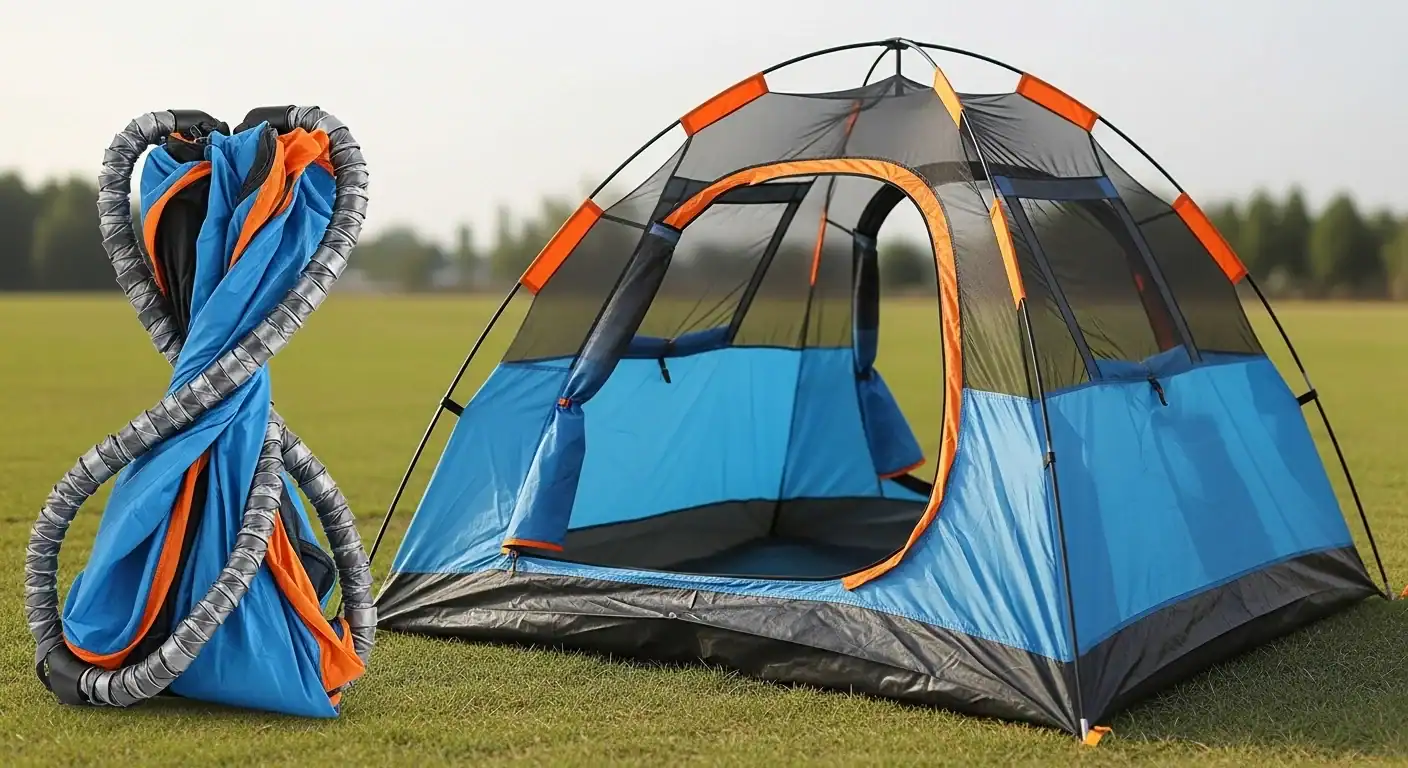
Cross your hands over the frame in an X shape. Bring opposite poles together toward each other. This creates a figure-eight fold without stressing individual side poles. The motion distributes force evenly across all four hub joints.
Step 3: Fold Into Thirds
Fold the collapsed figure-eight frame into three equal sections. Use your body weight in the middle to hold the shape flat. The packed target is 45 cm — if your folded bundle exceeds that, re-check for sand blocking a hub joint.
Step 4: Shake Out Sand
Shake each section individually over dry sand or a tarp. Stroke fabric panels with your palm to dislodge trapped grains from seams and pole sleeves. Re-brush each hub collar with a dry stiff brush before closing the carry bag.
Step 5: Dry Silicone Spray
How to Prevent Frame Damage on the Beach
A 45 cm packed target is the first sign your frame survived the beach trip.
Beach sand doesn’t just jam hub locks. It grinds into pole joints, abrades fabric seams, and accelerates corrosion on steel frames. Most buyers think about sand ingress only when the tent won’t fold. The real cost is cumulative frame fatigue that shows up mid-season as a return spike.
Groundsheet Footprint: Your First Line of Defense
The cheapest fix isn’t a better hub lock — it’s a larger groundsheet footprint. Lay a tarp or footprint that extends at least 30 cm beyond the tent perimeter on all sides. This keeps dry surface sand from migrating under the floor and into the pole hubs when people walk around the tent. Place the footprint before you open the tent, not after. If you unfold onto bare sand, you’ve already lost half the battle.
Never Lean on Poles
Leaning on a pop-up frame while adjusting gear or removing shoes is the fastest way to bend a hub collar. A bent collar reduces pawl clearance from 2.5 mm to under 1 mm in one incident. Once that clearance shrinks, even clean sand grains will lock the mechanism. Train yourself and your customers: hands off poles during setup and takedown.
Quick Freshwater Rinse + 24-Hour Dry
Salt residue from beach air and sweat crystallizes inside pole joints overnight. That crust acts like fine grit in a bearing race — it accelerates fraying on fiberglass poles and scratches aluminum anodizing. After every beach trip, rinse the entire frame with freshwater from a hose or shower bag. Then let it dry for at least 24 hours in open shade before storage. Storing damp guarantees mildew on fabric and rust on steel components within two weeks.
Conclusion
A sand-jammed hub lock isn’t a product failure — it’s a physics problem with a mechanical fix. The 2.5 mm pawl clearance is the tolerance that separates a packed tent from a bird cage. Getting the fold sequence right keeps your return rate below that 3% threshold.
-
- Push the top cap first, cross hands in an X, fold into thirds.
- Use dry silicone spray on fiberglass poles, never water.
- A large groundsheet footprint prevents sand ingress at the source.
Si vous approvisionnez tentes pop-up for a retail line, ask for a hub lock cycling test report and a custom fold diagram for your hang tag. Compare sand-resistant hub lock clearances and frame les spécifications des matériaux against Kelyland’s ISO-certified production network — where MOQs start at just 50 pieces and lead times run 30 to 45 days. That benchmark gives you something concrete to reference on your next supplier call.
Questions fréquemment posées
Q: How do I fix a pop-up tent frame? A: First brush sand from hub locks with a dry stiff brush; inspect for bent poles, loose joints, or cracked connectors. Rep?
La réponse exacte dépend de la spécification du produit, de la quantité et de la configuration de la commande. L'approche la plus sûre consiste à confirmer les conditions commerciales uniquement après que la fiche d'exigences finale est. Le choix final doit être adapté au cas d'utilisation réel et à l'objectif de performance.
Q: How to fold a pop up beach tent? A: Lift the center hub cap first, push the top down, cross hands in an X, then fold into thirds. Never pull side poles first?
La réponse exacte dépend de la spécification du produit, de la quantité et de la configuration de la commande. L'approche la plus sûre est de confirmer les conditions commerciales uniquement après le verrouillage de la fiche d'exigences finale. Les conditions finales doivent être confirmées en fonction de la spécification exacte du produit et des conditions de commande.

 English
  Español
  Deutsch
  Français
  Português do Brasil
  Русский
  العربية
  한국어
한국어  日本語
日本語