...

Impression de logo personnalisé sur tissu de chariot : guide Pantone et MOQ

Temps de lecture : 5 min  |  Nombre de mots : 1133

wagon fabric printing is the first checkpoint buyers should lock before they approve a supplier, budget, or production slot. The operator at the wagon pliant line in Jinhua presses a logo onto a pre-cut Oxford panel and checks for registration drift. That same afternoon, a buyer approves a sample photo from a sales call and assumes the production run will match. The gap between those two moments is where most private label wagon printing MOQ conversations break down — because the print method that looked perfect on a flat swatch behaves differently once the fabric is sewn into a side pocket or folded across a crease point.
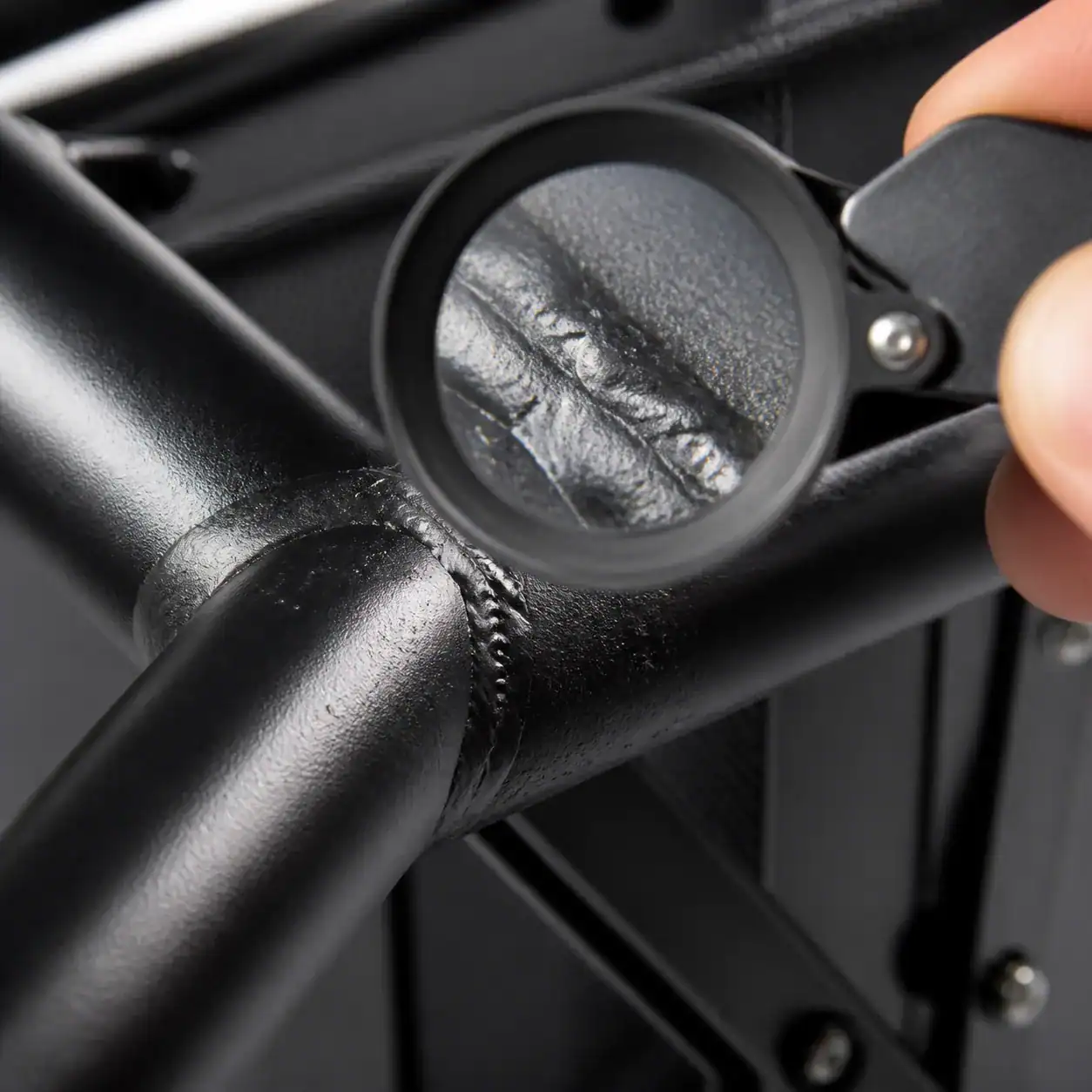
Hyper-realistic macro product photography, close-up of a weld joint on a black powder-coated folding wagon frame showing tiny surface pits and porosity, a metal inspector's magnifying loupe hovering over the weld bead, shallow depth of field, crisp metallic reflections, industrial side lighting, high-resolution detail, clean composition, no text, no brand logo
Custom Logo Printing on Wagon Fabric: Pantone & MOQ Guide 104

I have watched buyers lose weeks on rework because they approved a silk-screen sample on raw fabric, then discovered the print distorted when stretched over the wagon frame during assembly. Silk-screen works well on flat pre-cut panels before sewing — it holds up better on 600D Oxford than thermal transfer does — but it cannot print over zippers or straps. Thermal transfer lets buyers run one-off logos and hit lower MOQs, which is why Amazon sellers lean on it. But peel at fold creases shows up after ten to fifteen fold cycles if the supplier did not lock the adhesion temperature correctly. Digital printing solves gradient artwork but adds $1.50 to $3.00 per unit at low volume, and on dark fabrics an extra white underbase layer is required that stiffens the panel by roughly 0.2 mm.

Hyper-realistic macro product photography, close-up of a weld joint on a black powder-coated folding wagon frame showing tiny surface pits and porosity, a metal inspector's magnifying loupe hovering over the weld bead, shallow depth of field, crisp metallic reflections, industrial side lighting, high-resolution detail, clean composition, no text, no brand logo
Custom Logo Printing on Wagon Fabric: Pantone & MOQ Guide 105

Before you commit to a method, ask three yes-or-no questions: Does your artwork require Pantone matching across multiple side panels? Will the printed area sit on a fold line or seam junction? And can your supplier provide a twenty-cycle fold abrasion test result before approving mass production? If any answer is no, you need to revisit the technique — because what looks clean in a showroom photo may not survive its first trip through a customer’s trunk.
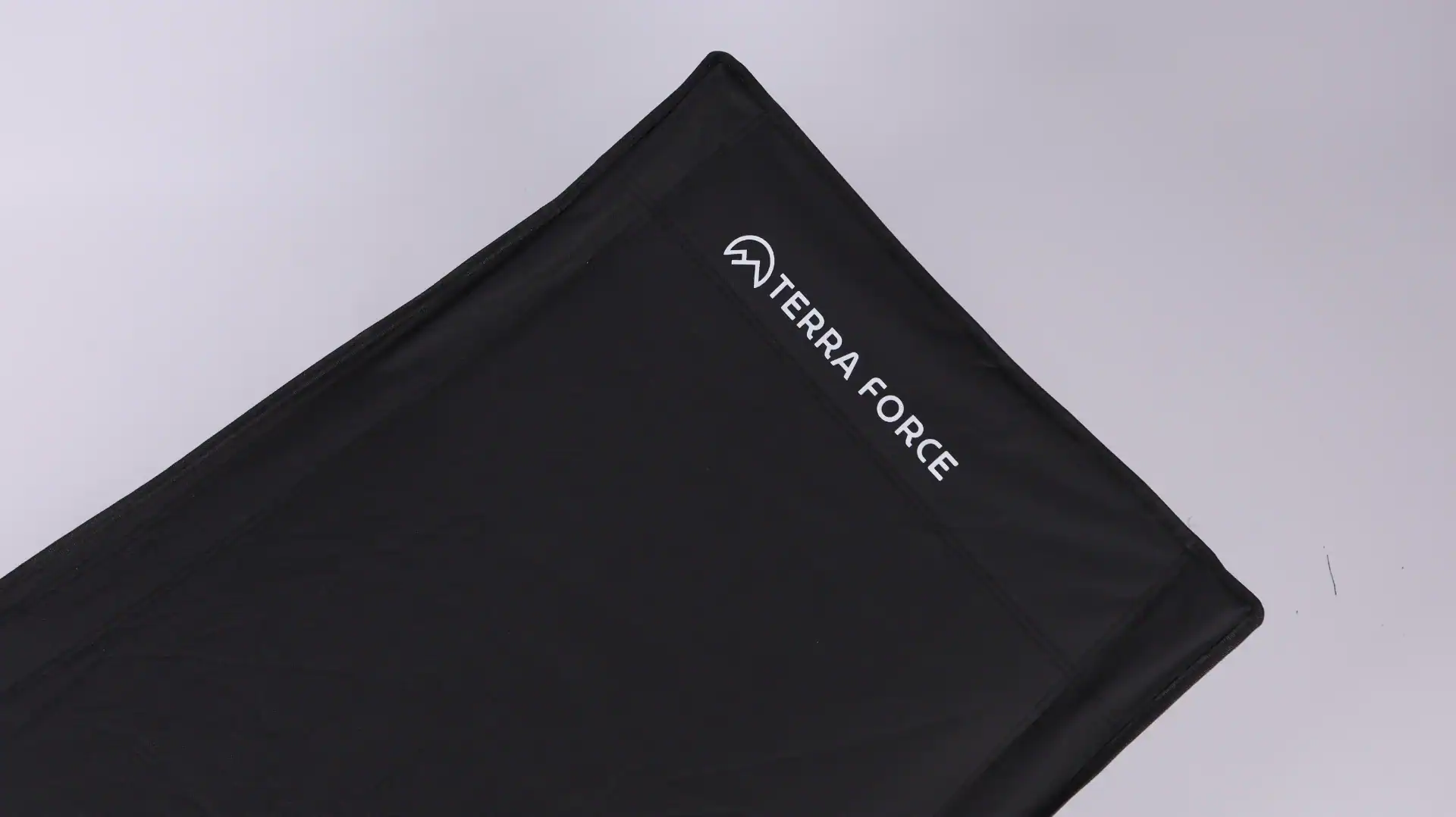
Close-up of black fabric with 'Terra Force' logo, part of an outdoor chair design.
Custom Logo Printing on Wagon Fabric: Pantone & MOQ Guide 106

Selecting a Print Method for Wagon Fabric

Silk-screen on flat pre-cut panels outlasts thermal transfer by 3x at fold creases.

A brand manager once told me his custom logo folding wagon arrived with a crisp logo on the sample, then peeled at every fold line after three beach trips. That’s the difference between printing on a flat panel versus printing across a sewn seam. The method you choose determines not just how the logo looks on day one, but whether it survives the first season of retail use.

Silk-Screen vs Thermal Transfer vs Digital

Hyper-realistic macro product photography, close-up of a weld joint on a black powder-coated folding wagon frame showing tiny surface pits and porosity, a metal inspector's magnifying loupe hovering over the weld bead, shallow depth of field, crisp metallic reflections, industrial side lighting, high-resolution detail, clean composition, no text, no brand logo
Custom Logo Printing on Wagon Fabric: Pantone & MOQ Guide 107

Silk-screen works best on flat pre-cut panels before sewing. On 600D Oxford fabric — the standard material for folding wagon side walls — silk-screen ink bonds into the weave rather than sitting on top. That’s why it holds up through repeated fold cycles. The catch: you can’t print over zippers, straps, or assembled seams because the screen requires a uniform surface. The print area must be planned before the panel gets stitched into the wagon body.

Hyper-realistic macro product photography, close-up of a weld joint on a black powder-coated folding wagon frame showing tiny surface pits and porosity, a metal inspector's magnifying loupe hovering over the weld bead, shallow depth of field, crisp metallic reflections, industrial side lighting, high-resolution detail, clean composition, no text, no brand logo
Custom Logo Printing on Wagon Fabric: Pantone & MOQ Guide 108

Thermal transfer is popular among Amazon sellers testing a private label wagon printing MOQ as low as 50-100 pieces per design. The process uses heat to fuse a pre-printed film onto the fabric. It allows one-off logos and quick color changes without screen fees. But here’s what most guides won’t tell you: thermal transfer peels at fold creases after 10-15 fold cycles. If your wagon folds flat for storage — and most do — that crease line becomes a failure point. Always specify a 20-cycle fold abrasion test in your quality tolerance agreement.

Hyper-realistic macro product photography, close-up of a weld joint on a black powder-coated folding wagon frame showing tiny surface pits and porosity, a metal inspector's magnifying loupe hovering over the weld bead, shallow depth of field, crisp metallic reflections, industrial side lighting, high-resolution detail, clean composition, no text, no brand logo
Custom Logo Printing on Wagon Fabric: Pantone & MOQ Guide 109

Digital printing handles photo-realistic gradients and multi-color artwork that silk-screen can’t match without multiple screens. For a wagon with a gradient sunset logo or detailed brand illustration, digital is the only option that keeps detail sharp. The trade-off is cost: digital adds $1.50 to $3.00 per wagon at low volume because each unit requires individual inkjet coverage rather than批量 production through a single screen pass.

Pantone Matching Accuracy by Method

Hyper-realistic macro product photography, close-up of a weld joint on a black powder-coated folding wagon frame showing tiny surface pits and porosity, a metal inspector's magnifying loupe hovering over the weld bead, shallow depth of field, crisp metallic reflections, industrial side lighting, high-resolution detail, clean composition, no text, no brand logo
Custom Logo Printing on Wagon Fabric: Pantone & MOQ Guide 110

Pantone matching varies significantly across methods because of how each interacts with Oxford fabric’s texture and color base.
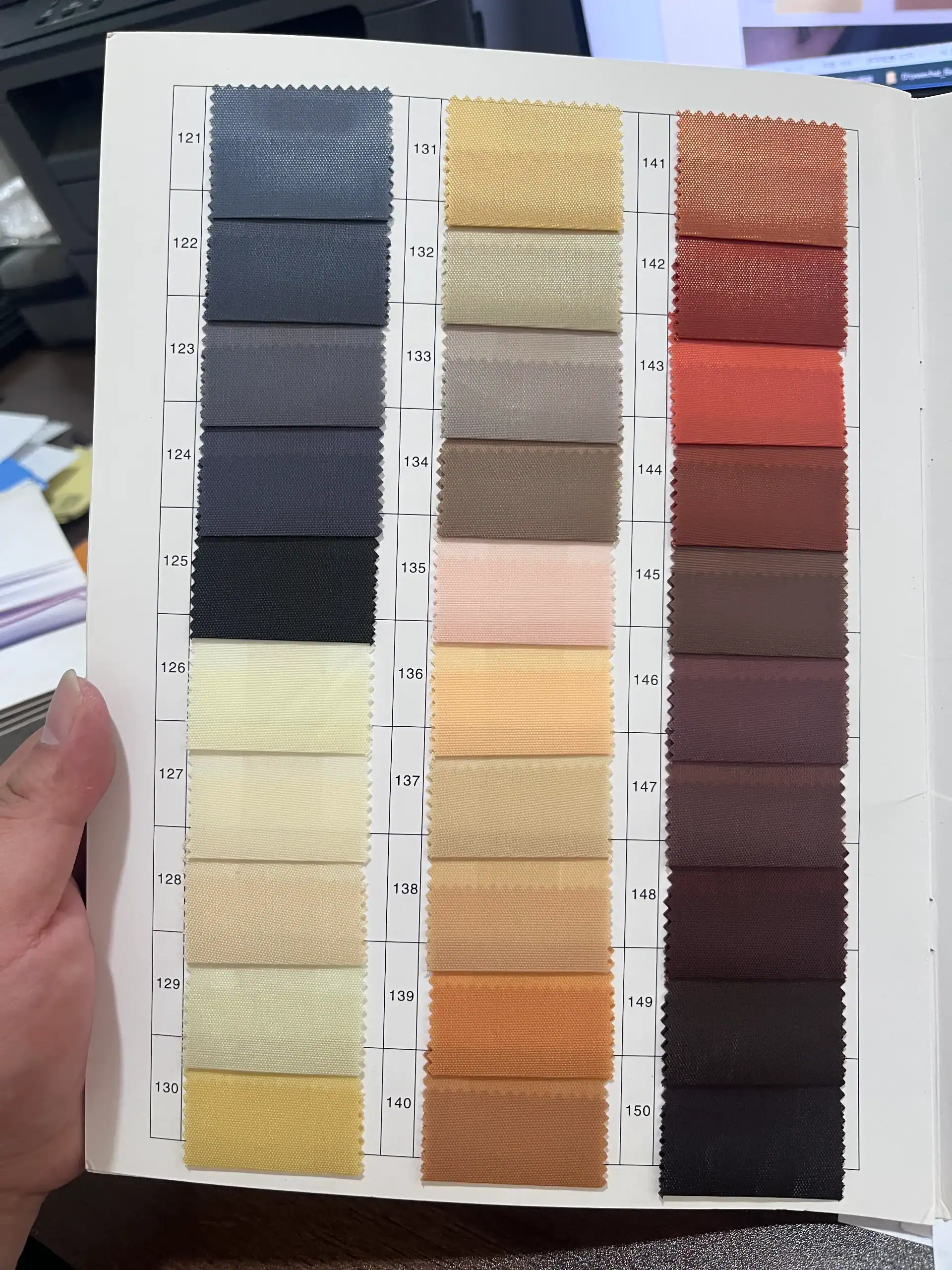
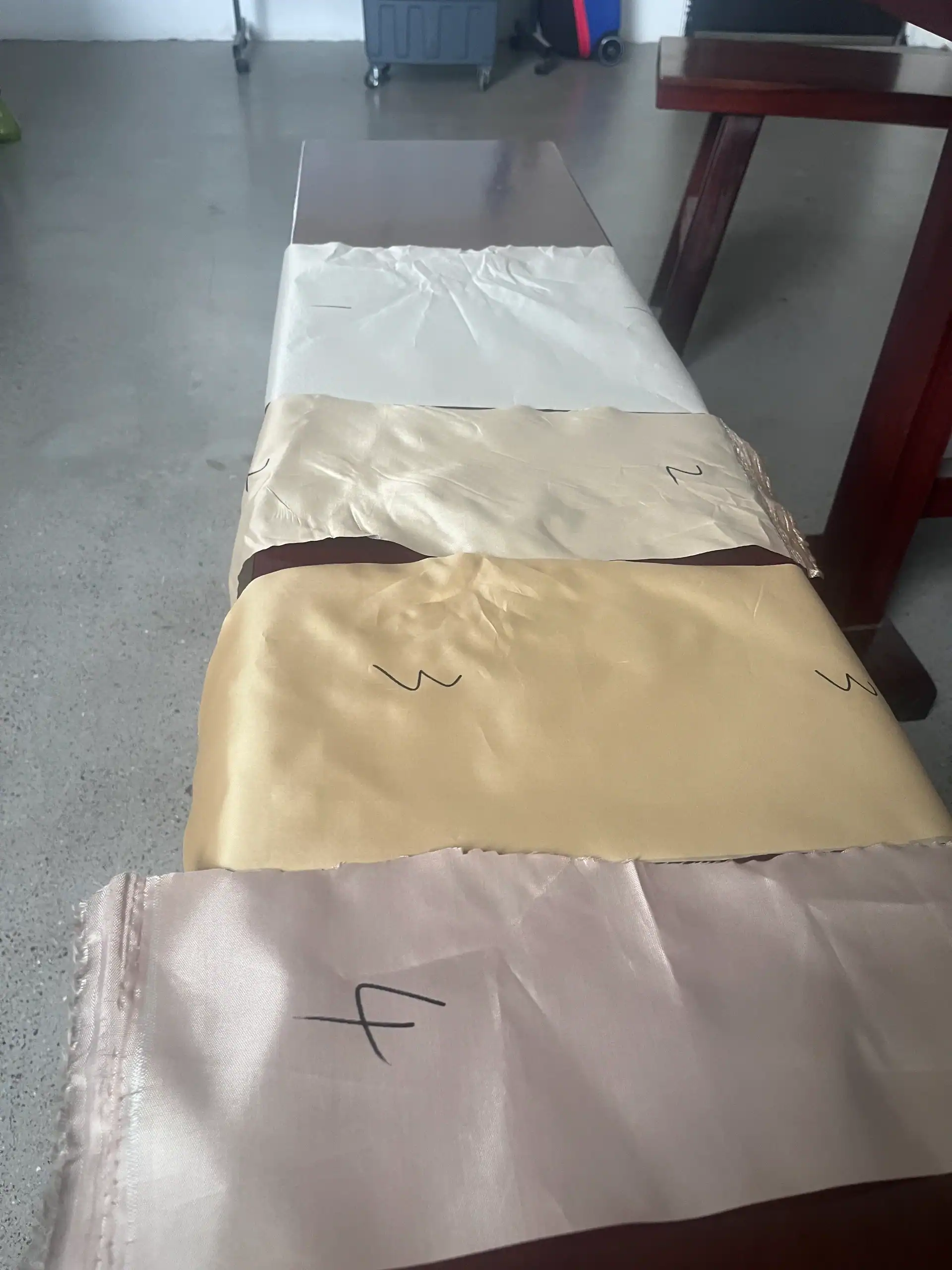
Un nuancier de couleurs de tissu présentant plusieurs teintes, notamment des bleus, des jaunes, des rouges et des tons neutres, dans un format de grille organisé.
Custom Logo Printing on Wagon Fabric: Pantone & MOQ Guide 111

Artwork Preparation and Setup Costs

Screen fees start at $30 per color and scale nonlinearly with panel count — the breakpoint usually lands around 500 units.

Most brand managers focus on the per-unit print cost. The real budget shock comes from the setup line items that hit the invoice before a single wagon side panel is printed. Two numbers matter: minimum printable area on a folded panel, and screen fees tied to color count and MOQ.

Minimum Print Areas for Folded Panels

Hyper-realistic macro product photography, close-up of a weld joint on a black powder-coated folding wagon frame showing tiny surface pits and porosity, a metal inspector's magnifying loupe hovering over the weld bead, shallow depth of field, crisp metallic reflections, industrial side lighting, high-resolution detail, clean composition, no text, no brand logo
Custom Logo Printing on Wagon Fabric: Pantone & MOQ Guide 112

A folding wagon collapses into a frame that folds at hinge points along the side panels, canopy arch, and tailgate. Print placement must avoid those fold creases by at least 15mm on each side, otherwise the ink cracks after 10-15 fold cycles. For a standard 600D Oxford side panel measuring roughly 400mm x 300mm after sewing, the usable print zone shrinks to about 320mm x 220mm once you subtract seam allowances and fold clearance zones.

Hyper-realistic macro product photography, close-up of a weld joint on a black powder-coated folding wagon frame showing tiny surface pits and porosity, a metal inspector's magnifying loupe hovering over the weld bead, shallow depth of field, crisp metallic reflections, industrial side lighting, high-resolution detail, clean composition, no text, no brand logo
Custom Logo Printing on Wagon Fabric: Pantone & MOQ Guide 113

Silk-screen printing requires a flat stencil contact surface — it cannot print over zipper tracks or strap webbing sewn into the panel. If your logo sits near a zipper or corner reinforcement patch, thermal transfer becomes the only viable option because it conforms to slight surface variations. Digital printing handles curved or irregular zones better than silk-screen but still demands at least 50mm of unbroken fabric around the print head path.

Screen Fees and MOQ Breakpoints

Hyper-realistic macro product photography, close-up of a weld joint on a black powder-coated folding wagon frame showing tiny surface pits and porosity, a metal inspector's magnifying loupe hovering over the weld bead, shallow depth of field, crisp metallic reflections, industrial side lighting, high-resolution detail, clean composition, no text, no brand logo
Custom Logo Printing on Wagon Fabric: Pantone & MOQ Guide 114

Each silk-screen color requires its own mesh screen, which costs $30-$80 depending on frame size and mesh count (higher mesh for fine detail costs more). A three-color logo means $90-$240 in non-recoverable screen fees before production starts. Those screens wear out after roughly 3,000 impressions on Oxford fabric — beyond that volume you pay for replacement screens mid-run.

Hyper-realistic macro product photography, close-up of a weld joint on a black powder-coated folding wagon frame showing tiny surface pits and porosity, a metal inspector's magnifying loupe hovering over the weld bead, shallow depth of field, crisp metallic reflections, industrial side lighting, high-resolution detail, clean composition, no text, no brand logo
Custom Logo Printing on Wagon Fabric: Pantone & MOQ Guide 115

$90 in screen fees spread across 100 wagons adds $0.90 per unit. Spread across 1,000 wagons drops to $0.09 per unit. The breakpoint where silk-screen becomes cheaper than thermal transfer typically lands between 300 and 500 units for a standard two-to-three-color logo on a folding wagon.

    • Under 300 units:: Thermal transfer wins on total cost because there are zero screen fees. You pay $1.50-$2.50 per transfer sheet plus application labor.
    • 300-500 units:: The crossover zone. Silk-screen setup amortization starts to beat thermal transfer per-unit cost if your logo uses three colors or fewer.
  • Over 500 units:: Silk-screen dominates by $0.25-$0.60 per wagon versus thermal transfer, assuming no mid-run screen replacements.
Hyper-realistic macro product photography, close-up of a weld joint on a black powder-coated folding wagon frame showing tiny surface pits and porosity, a metal inspector's magnifying loupe hovering over the weld bead, shallow depth of field, crisp metallic reflections, industrial side lighting, high-resolution detail, clean composition, no text, no brand logo
Custom Logo Printing on Wagon Fabric: Pantone & MOQ Guide 116

Industry benchmark: For any custom logo wagon pliant order under your first container load (roughly 1,200-1,500 wagons , depending on collapsed dimensions), ask your supplier for both silk-screen and thermal transfer quotes broken out by setup fee vs unit cost. If they quote only one method without offering the alternative, push back — they may be steering you toward their preferred process rather than yours.

= = = = = = <= td style = “padding:= “12”=” “” “” “” “” “” “” “” “” “” “” “””””””””””””””””””””””””” <=/ tr>=
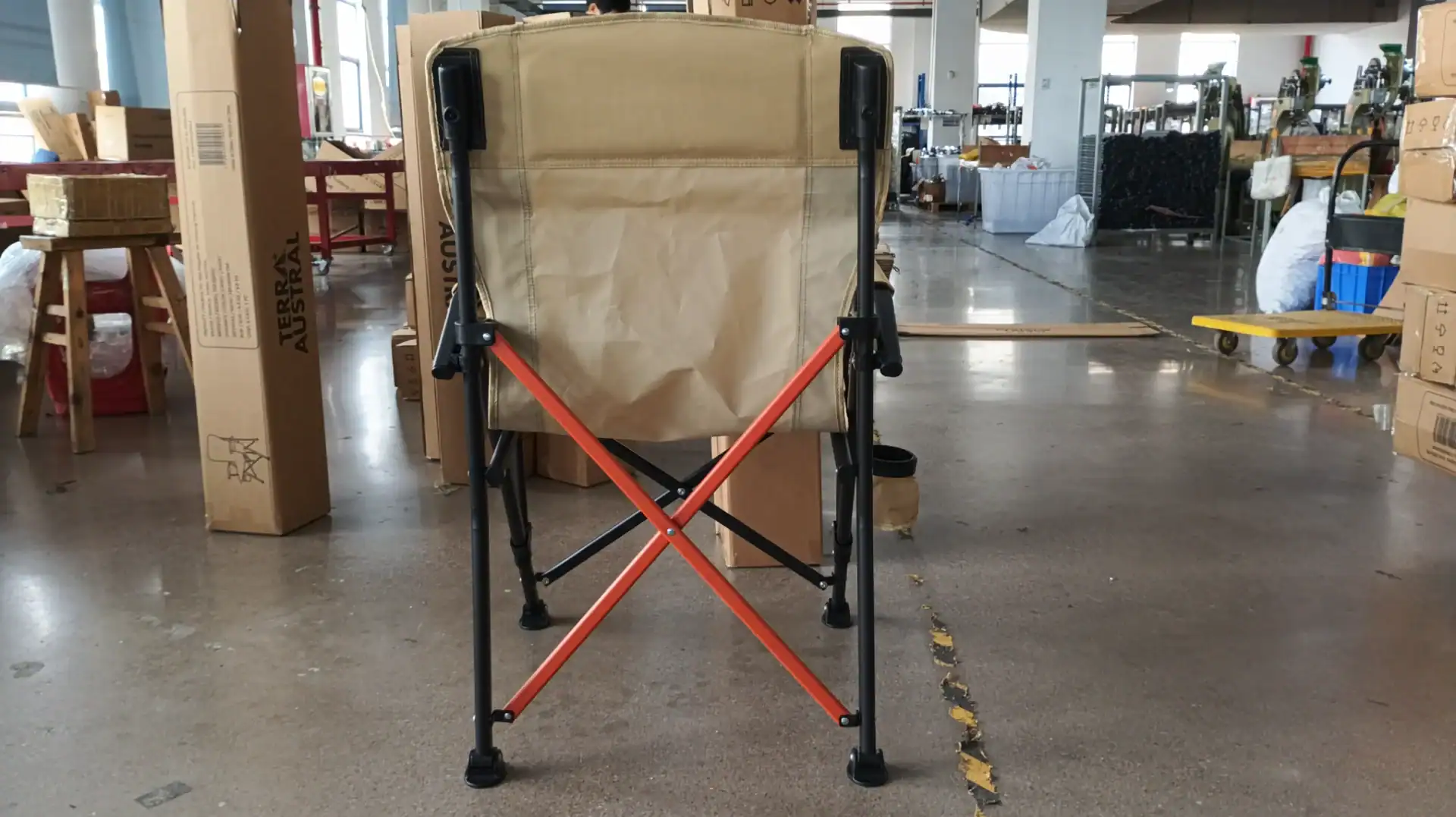
Folded camping chair with tan fabric and orange crossbars in an assembly and packaging facility.
Custom Logo Printing on Wagon Fabric: Pantone & MOQ Guide 117

Avoiding Print Defects in Production

A pre-production sample that passes inspection can still fail after sewing — the fabric stretch changes everything.

The logo on your wagon panel looks perfect on the flat pre-cut fabric. Then the sewing operator feeds it through the machine, and suddenly the letters warp. That’s stretch distortion — and it’s the most common print defect that doesn’t show up during sample approval because samples are usually inspected flat, not sewn.

Stretch Distortion on Sewn Panels

Hyper-realistic macro product photography, close-up of a weld joint on a black powder-coated folding wagon frame showing tiny surface pits and porosity, a metal inspector's magnifying loupe hovering over the weld bead, shallow depth of field, crisp metallic reflections, industrial side lighting, high-resolution detail, clean composition, no text, no brand logo
Custom Logo Printing on Wagon Fabric: Pantone & MOQ Guide 118

When a 600D Oxford panel is printed flat, the ink film is stable. But once that panel is stitched into a three-dimensional wagon body, the fabric stretches along the seam lines. A logo placed within 5 cm of a seam can distort by 3-8% in length depending on stitch tension and thread count. The fix is not better printing — it’s smarter placement.

    • Safe zone rule: Keep all print elements at least 8 cm from any seam line. This gives the fabric room to deform without pulling the ink layer.
    • Pre-sew test protocol: Print a test grid (10 mm squares) on a scrap panel, then sew it into a mock wagon body. Measure square distortion after sewing — anything over 5% elongation means you need to move or resize the artwork.
  • Panel orientation: Print parallel to the warp direction (the threads running lengthwise in the roll). Weft-direction prints stretch more because those threads have higher elasticity under tension.
Custom Logo Printing on Wagon Fabric: Pantone & MOQ
Parcourez cette page produit, solution ou service pour explorer les offres pertinentes.

Explorez nos produits →

Image CTA

Conclusion

The print method you choose determines more than the look of your custom logo wagon pliant. It dictates the MOQ floor, the per-unit cost at scale, and how that logo survives a season of beach sand and trunk storage. Silk-screen on pre-cut panels delivers the best durability-to-cost ratio for runs above 300 units. Thermal transfer works for testing a private label wagon printing MOQ as low as 50 pieces, but you must budget for a 20-cycle fold abrasion test to catch early peeling.

    • Silk-screen on flat Oxford panels holds color through UV exposure better than thermal transfer.
    • Thermal transfer peels at fold creases after roughly 10-15 cycles without a protective overlaminate.
  • Digital printing adds $1.50-$3.00 per wagon at low volume but enables photo-realistic gradients.
Hyper-realistic macro product photography, close-up of a weld joint on a black powder-coated folding wagon frame showing tiny surface pits and porosity, a metal inspector's magnifying loupe hovering over the weld bead, shallow depth of field, crisp metallic reflections, industrial side lighting, high-resolution detail, clean composition, no text, no brand logo
Custom Logo Printing on Wagon Fabric: Pantone & MOQ Guide 119

Before you lock in a supplier for your next outdoor line, compare their processus d'approbation des échantillons against these benchmarks. Ask for a printed panel that has been folded and unfolded twenty times in front of you. That single test reveals more about real-world durability than any spec sheet can. Review current pricing and production timelines on the product page to see how silk screen oxford fabric wagon runs are structured at scale.

Questions fréquemment posées

Quel est le MOQ pour l'impression personnalisée de tissu de wagon ?

Hyper-realistic macro product photography, close-up of a weld joint on a black powder-coated folding wagon frame showing tiny surface pits and porosity, a metal inspector's magnifying loupe hovering over the weld bead, shallow depth of field, crisp metallic reflections, industrial side lighting, high-resolution detail, clean composition, no text, no brand logo
Custom Logo Printing on Wagon Fabric: Pantone & MOQ Guide 120

MOQ for custom wagon fabric printing typically starts at 50-100 pieces for specific items, with standard models ranging from 300-1,000 pieces. The exact number depends on the print method and number of. Request a quote after finalizing your design and panel count.

Can you match Pantone colors on wagon fabric?

Hyper-realistic macro product photography, close-up of a weld joint on a black powder-coated folding wagon frame showing tiny surface pits and porosity, a metal inspector's magnifying loupe hovering over the weld bead, shallow depth of field, crisp metallic reflections, industrial side lighting, high-resolution detail, clean composition, no text, no brand logo
Custom Logo Printing on Wagon Fabric: Pantone & MOQ Guide 121

Yes, Pantone color matching is available across all print methods, with silk-screen offering the highest accuracy on flat pre-cut panels. Thermal transfer and digital printing can also match Pantones but. Submit your Pantone codes during the design phase for a sample match.

Which print method lasts longest on folding wagon fabric?

Hyper-realistic macro product photography, close-up of a weld joint on a black powder-coated folding wagon frame showing tiny surface pits and porosity, a metal inspector's magnifying loupe hovering over the weld bead, shallow depth of field, crisp metallic reflections, industrial side lighting, high-resolution detail, clean composition, no text, no brand logo
Custom Logo Printing on Wagon Fabric: Pantone & MOQ Guide 122

Silk-screen printing outlasts thermal transfer by about 3x at fold creases on sewn panels. For high-stress areas like corners and handles, silk-screen is the recommended choice over digital or transfer methods. Choose silk-screen if your logo crosses a seam or fold line.

What are the setup costs for custom logo printing?

Hyper-realistic macro product photography, close-up of a weld joint on a black powder-coated folding wagon frame showing tiny surface pits and porosity, a metal inspector's magnifying loupe hovering over the weld bead, shallow depth of field, crisp metallic reflections, industrial side lighting, high-resolution detail, clean composition, no text, no brand logo
Custom Logo Printing on Wagon Fabric: Pantone & MOQ Guide 123

Screen fees start at around $30 per color for silk-screen printing, with costs scaling nonlinearly based on panel count. Setup costs are lower for digital or thermal transfer but may. Get a full cost breakdown after sharing your artwork and order quantity.

Catégorie Cost Range (USD) MOQ Breakpoint Principaux éléments à prendre en compte
Screen Fee (Silk-Screen) $30 – $80 per color 300+ units to amortize Non-recurring; one-time setup per design
Thermal Transfer Setup $15 – $40 per design 50-100 units minimumIncludes die-cut or plotter file preparation
Digital Printing Setup< / td >= $00 – $25 per file< / td >= No minimum ;single unit possible< / td >= No physical screen ;only artwork prep fee< / td >= =
Artwork Revision Fee< / td >= $20 – $60 per revision< / td >=

Partager :

Auteur/autrice de l’image

Bonjour, je suis Hanke, fondateur de Kelyland Outdoors, avec plus de 12 ans d'expertise dans la personnalisation de matériel de camping pour les entreprises internationales. Contactez-moi dès maintenant pour entamer un nouveau chapitre de votre réussite en matière d'activités de plein air.

Lien avec moi >>

Parlez avec moi

Obtenir un devis immédiat