 跳到内容
跳到内容 
中国の屋外工場審査チェックリストは、バイヤーがサプライヤー、予算、生産枠を承認する前に最初に確認すべきチェックポイントです。適切な工場審査チェックリストが現実のものとなるのは、コンテナが到着し、プレプロダクションサンプルが倉庫の床にあるものと一致しなくなった瞬間です。私は、溶接箇所でフレームの粉体塗装が剥がれたキャンプ用椅子$50,000の注文を見たことがあります。これは密封されたサンプルでは決して見られなかったもので、そのサンプルはまったく別の下請け業者によって作られていたからです。仕様書は完璧で、FOB価格は攻撃的でした。しかし、それらは何の意味もありませんでした。.
ほとんどの小売カテゴリーマネージャーは、電子機器やハードグッズ向けに作られた汎用監査テンプレートを受け継いでいます。アウトドアギアはそれらのテンプレートを壊します。年間80万張りのテントを生産する縫製ラインには、プラスチック射出成形監査では予測できない障害モードがあります。-10°Cでのシームテープの剥離、サイドウォールの張力下でのジッパーコイルのクリープ、サンプル布地では問題なくテストされるが、布地メーカーがバッチ途中でPUコーティングの配合を変更したために全生産ロットで40%低下する耐水圧値。1500mmと3000mmの防水定格の間の品質許容差は交渉のポイントではなく、棚に残る製品と返品連鎖を引き起こす製品との違いです。.
これを正しく行う工場には3つの運用上の特徴があります。ポストプロダクションを外注するのではなく、自分たちでテープシーリング機を所有していること、ビデオ見学中に写真撮影できるCNASステッカーを使用して毎年テスト機器を校正していること、そしてすべての重要な材料(7075アルミ) テントポール, 、YKKジッパーのバッチコード、および特定のロールから検証済みの耐水圧テストを受けた生地)について、熱ロット番号付きのミル証明書を提供できることです。これら3つのことができない工場は、ISO証明書が何と言おうと、ショールームを持つ商社にすぎません。最初の注文書に署名する前に、これらの3つの質問を彼らに尋ねてください。.
なぜ一般的なチェックリストがリテールバイヤーに失敗するのか
汎用的なISOチェックリストでは、テントが小売店の棚で漏れるのを防ぐことはできません。.
ほとんどの入手可能な工場監査チェックリストは、総合調達プラットフォームから提供されています。避難経路や労働時間は確認しますが、アウトドアギアの物理特性を完全に見逃しています。完全に許容できるトートバッグを製造する縫製フロアでも、 シームシーリングオペレーターがホットエアテープマシンをポリウレタンの特定の融点に制御していない場合、テントの防水定格を 破壊する可能性があります。ナイロンおよびポリエステル生地の場合、その温度範囲は380°Cから420°Cの間にあります。その範囲を外れると、テープは接着に失敗するか、ベース生地を焼き切ってしまいます。.
これは直接またはライブビデオプローブで確認する必要があります。フロアマネージャーに、あらかじめ準備されたサンプル布地ではなく、あなたの特定の生産布地の切れ端をシールするよう依頼してください。商社はこのデモを行うことができません。なぜなら、彼らは 1. シームテープ 2. アウトドアグレードのテキスタイル向けに調整された機械。もし彼らが躊躇すれば、3分以内にサンプルルームの不正リスクを特定したことになります。.
3. 同じギャップは素材評価の検証にも当てはまります。競合他社は「防水」と書かれたミル証明書を受け入れますが、あなたはその用語が耐水圧(HH)測定値なしでは無意味であることを知っています。リテールグレードのテントには最小3,000mmのHH評価が必要です。1,500mmのHH評価の生地は、キャンパーの膝からの圧力が床に水の重みを加えた瞬間に機能しなくなります。内部の小売データによると、 4. 1,500mmのテント床を使用するブランドは、3,000mmの競合他社と比較して返品率が3倍になります。返品は小売業において最も高額な取引であり、物流のオーバーヘッド、再在庫の労力、そして棚の信頼の永続的な喪失を伴います。 5. UVエージングチャンバーチェック:.
-
- 6. 一般的なチェックリストはこれを完全に省略します。アウトドア生地は、最低500時間のQUV/UVエージングサイクルを通じて、耐光堅牢度と引張強度保持を証明する必要があります。最新のサイクルログを見せてもらってください。ほこりをかぶったログブックは、実際の試験ラボではなく、プロップ(小道具)であることを示しています。 7. 包装仕様の詳細度:.
- 8. 標準的な監査では、製品が箱に入っていることを確認します。あなたが確認すべきなのは、ポリ袋が自社チェーンの特定のチャージバック基準を満たしているかどうかです。2.5milより薄い袋は自動的に不足額手数料を発生させます。ASTM F963の窒息警告表示を忘れると、小売業者から1品あたり$2~$5の控除が発生します。カラーボックスの印刷解像度が300 DPI未満の場合、チェックアウト時にGS1バーコードスキャンが妨げられ、リアルタイムの棚レベルでの拒否データが生成されます。 9. 小売コンプライアンスフロア:.
- 小売コンプライアンスフロア: 工場が最低350gsmのハンタグ用カードストックを生産する内部規律を持っていることを確認せよ。薄っぺらいタグは「ディスカウントストア」を連想させ、プラノグラムコンプライアンスチームに拒否される。サプライヤーは、自らの登録事業体と一致するGS1カンパニープレフィックスを所有していることを証明しなければならない。第三者からのリサイクルされた番号プールではない。.

ビジネスの正当性:営業許可証を超えて
事業許可証は存在を証明するが、能力を証明するものではない。.
事業許可証を振りかざすサプライヤーはゼロステップに過ぎない。それを工場所有の証拠として受け入れた時点で、コストの罠が始まる。商社は共有オフィススペースを借り、十数社のメーカーのサンプルを展示し、自らを生産元と偽る。最初の発注は、彼らが生産現場を掌握していないために、 リードタイムが 伸び、部品の代替が始まると頓挫する。正当性はスキャン書類ではなく、運営上の証拠で確認せよ。.
-
- 登記住所 vs. 工業団地マップ: 会社名を中国の国家企業信用情報公示システム(qcc.com)で検索せよ。登記住所を確認し、衛星画像で照合せよ。生産施設は工業団地にあり、周囲には荷受けドックや原材料置き場がある。商業オフィスタワーの住所——特に他の50の「商社」と共有されている場合——は、製造業者ではなく仲介業者と話していることを意味する。門の工場名板が事業許可証と一致する写真を求めよ。一致しなければ取引なし。.
- 税関輸出記録の相互確認: 自社製品カテゴリーの前回の出荷に関する輸出税関申告書を請求せよ。輸出する工場が キャンプ用品 ギアには製品固有のHSコードが登録されています—テントは6306.22、寝袋は9404.30。商社はランダムな電子機器の出荷を示すか、完全に拒否する可能性があります。また、輸出ライセンス登録番号の提示を求めましょう。正規メーカーのライセンスには自社工場の範囲が記載されています。24時間以内に申告書を提出できない場合、直接出荷はしていません。.
- ビデオ通話による技術的調査 — シームシーリング温度: ライブビデオウォークスルーでは、営業担当者に尋ねないでください。シームシーリングステーションのライン管理者に話を聞いてもらいましょう。直接質問:「190TポリエステルにPUシームテープを適用する際、ホットエアテープマシンの温度範囲は?」正解は380~420°Cです。商社のライン従業員はこれを知らず、どもったり「標準に従います」と言うでしょう。実際の生産管理者は考えることなく数字を暗唱します。この質問一つで、3分以内にサンプルルームの詐欺を見破れます。.
- 寝袋 フィルパワーの相互参照: サプライヤーが650または800フィルパワーのグースダウンを主張する場合、原料バッチロットのダウン証明書を確認してください。その後、以下のビデオを要求します フィルパワー テスト—円筒形の測定容器とコンディショニングチャンバー。社内でテストを行う工場は、IDLまたはLorchテスト法のセットアップを示します。商社はロット番号のトレーサビリティがない汎用証明書を送ってきます。テストレポートには特定の製品モデルを記載するよう要求してください。モデル番号のないレポートは壁紙であり、証拠ではありません。.
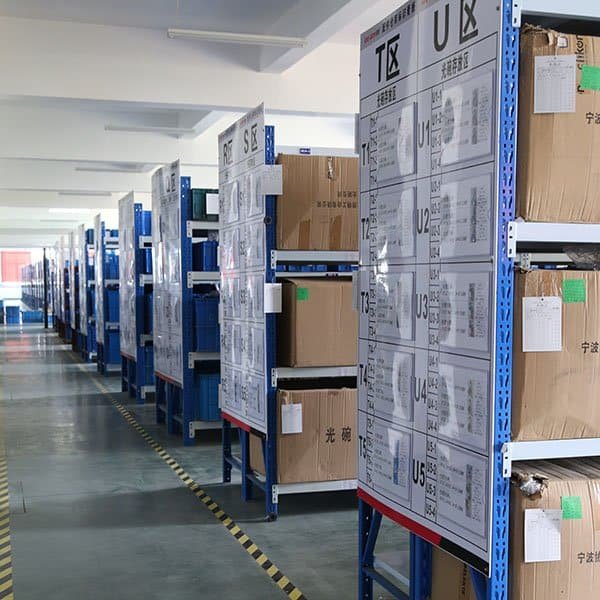
アウトドア製品の素材トレーサビリティ
検査に合格したサンプルも、工場がその内容を追跡できなければ意味がありません。.
昨年、買い手がロッテルダムで40フィートコンテナを開梱するのを見ました。$50,000相当の キャンプ用テント. プレプロダクションサンプルはすべての縫い目を完璧にシールしていました。量産ロットは?パレットも解体しないうちに、シームテープが帯状に剥がれていました。根本原因:工場が指定されたポリウレタンテープを、生産途中でより安価なPVCタイプに変更したからです。誰も気づきませんでした。なぜなら、生産ロットと承認サンプルの材料仕様を結びつけるバッチレベルのトレーサビリティレポートを要求しなかったからです。全注文は1ドルあたり30セントで処分業者に流れました。これは例外ではありません。材料トレーサビリティを検証プロトコルではなくチェックボックスとして扱うと、こうなるのです。.
アウトドアギアの素材トレーサビリティは、一般消費財とは根本的に異なります。ファッションバックパックは見た目が悪いことで失敗します。トレーサビリティのないファブリックを使用したテントフライは、午前3時に家族が中にいる状態で嵐の中で倒壊することで失敗します。責任の連鎖は、あなたの発注書から始まります。以下の5つの素材カテゴリーは、代替品が壊滅的な現場での故障を引き起こすものです。外観上の欠陥ではなく、保証請求、チャージバック、そして四半期ごとの返品率レポートに現れるカテゴリーレベルの評判損失です。.
-
- YKKジッパーの真正性:バッチコードの相互参照。 すべての正規品YKKジッパーは、工場から7桁のバッチコードと地域販売業者の識別番号が記載された包装ラベルと共に出荷されます。生産前サンプルを受け入れる前に、このラベルの写真を要求してください。販売業者番号を、YKKの公開地域販売業者リストと相互参照してください。このリストはYKKの現地営業所を通じて入手可能であり、一般ウェブサイトでは公開されていません。正規のYKKスライダーとチェーンを扱う工場は、アクティブな販売業者との関係と購入履歴を持っています。もし工場が汎用のビンからスライダーを取り出して「信じてくれ、YKKだ」と言ったら、取引をやめてください。模造品のYKKジッパーは、 寒冷地, では800~1,200サイクルで故障しますが、-10°Cでテストされた正規品は5,000サイクル以上持ちます。単価あたりのコスト差はおおよそ$0.15~0.30です。返品されたテント1張りあたりのチャージバックコストは?運送と処理だけで$8~15です。.
- 7075-T6アルミニウム:熱処理ロット番号付きのミル証明書。 7075アルミニウム合金は、特定のT6熱処理プロセス(溶体化処理後の人工時効処理)によって強度を達成します。T6の指定がない場合、標準の7075-Oとなり、降伏強度は約半分になります。T6調質を確認する唯一の方法は、アルミニウムサプライヤーからのミル証明書で、熱処理ロット番号、化学成分(亜鉛5.1~6.1%、マグネシウム2.1~2.9%、銅1.2~2.0%)、および機械的特性(最小引張強度503 MPa、最小降伏強度434 MPa)を示すものです。熱処理ロット番号は、工場での特定の生産日と炉バッチに遡れる必要があります。T6の接尾辞とロット番号がなく「7075アルミニウム」とだけ記載された証明書を受け入れることは、6061合金を割高で購入することに等しく、私はテントポールとトレッキングポールの サプライチェーン. で3回もこのような代替品を確認しました。現場での結果:適切に焼き入れされた7075-T6であれば耐えられる50km/hの風荷重下でポールが曲がります。.
- 耐水圧:仕様書の約束ではなく、試験報告書。 1. 耐水圧(ハイドロスタティックヘッド)定格は、アウトドア用品の調達において最も誤解されやすい数値です。 2. 工場の仕様書に「3,000mm防水」と書かれていても、そのPDFに印刷された価値すらありません。. 3. 校正済み試験機から発行された日付入りの耐水圧試験報告書を要求してください。報告書には試験機のシリアル番号とオペレーター名が記載されている必要があります。一般向けテントの場合、フライシートは最低3,000mm、グラウンドシートは5,000mmが必要です。 寝袋, 4. シェル生地の場合は2,000mmです。試験は実際の生産生地ロットで実施されなければならず、6ヶ月前に準備された実験室の見本ではありません。私は、買い手がサプライヤーの内部仕様書だけを求めたために、工場が1,500mmの生地を3,000mmと表示して出荷するのを見てきました。返品率の差は3倍です。1,500mmの生地は持続的な雨の中で最初の90分で漏れ始め、漏れが発生するたびに、小売パートナーのウェブサイトに永久に残る1つ星レビューが生まれます。.
- 5. UV-50+認証:AATCC 183またはEN 13758-1 6. 試験報告書:キャンプ用椅子 7. 生地、テントのキャノピー、ワゴンカバーなど、直射日光にさらされるものは、紫外線光酸化によって劣化します。ナイロンやポリエステルの糸は引張強度が徐々に低下し、UV安定剤がない生地は500時間の紫外線曝露で引き裂き強度の40~50%を失う可能性があります。UV-50+認証は、生地が紫外線の少なくとも97.5%を遮断し、さらに生地自体に適切なUV抑制剤が組み込まれていることを意味します。ISO 17025認定の試験機関によるAATCC 183試験報告書(米国市場向け)またはEN 13758-1試験報告書(EU市場向け)を要求してください。工場の自社試験室は、UV試験について特にCNAS認定を受けている場合を除き、認められません。報告書は生産開始から12ヶ月以内の日付である必要があります。認証なしの同等品は30%以上の割合で不合格となります。なぜなら、紫外線劣化は縫い目や応力点で生地が突然裂けるまで目に見えないからです。.
- 8. 代替品の罠:「同等品」が「より安価」を意味する場合: 9. アウトドア用品調達における最も高価な言葉は「または同等品」です。 10. 工場が対応するミル証明書や試験報告書なしに代替のジッパー、生地、アルミ合金を提案する場合、それは品質の判断ではなくコストの判断です。7075-T6と6061-T6の価格差は、押出成形の原材料コストで約40%です。PUシームテープとPVCシームテープでは約60%です。UV安定化ナイロンと汎用ナイロンでは15~25%です。各代替品は、現場での故障が小売価格の5~8%の返品を引き起こす際に、取り戻せないマージンを侵食します。プロトコルは簡単です。提案された材料の代替品には、新しいミル証明書、新しい試験報告書、そして生産契約に組み込む前に再承認のための新しいプレプロダクションサンプルが必要です。文書なしで代替品を受け入れることは、30%以上の現場故障率を事業のコストとして受け入れることになります。工場はそのコストを負担しません。あなたのカテゴリーのP&Lが負担することになります。 12. もう一つ、タイミングについて。これらの書類はサンプル承認段階で、前金の30%を支払い、生産契約を確定する前に要求してください。前金が決済された後、工場が書類を追跡するインセンティブはほぼゼロに低下します。前金前では、ミル証明書の要求は発注の条件です。前金後では、それは「来週対応します」という迷惑なメールになります。順序は書類自体と同じくらい重要です。.
13. 材料カテゴリ.
| 14. 重要な仕様 | 15. 危険信号 | 検証方法 | 小売基準値 | 赤旗 |
|---|---|---|---|---|
| テント生地の防水加工 | 耐水圧 ≥3000mm | 独立したHH試験報告書(サプライヤー社内のものではない) | テントは≥3000mm、バッグは≥2000mm | 単なる「防水」の主張、型番付きのラボ報告書なし |
| 寝袋の断熱材 | -20°Cでのコールドチャンバーによるロフト保持 | コールドチャンバー試験報告書(年間校正済み) | ロフト保持がフィルパワーの主張と一致していること | 温度管理チャンバーまたは校正ステッカーなし |
| ジッパーシステム | YKKまたは同等ブランドの真正性 | パッケージのバッチコードをYKK地域販売代理店リストと照合 | バッチが正規代理店まで追跡可能であること | 汎用ジッパー、バッチコードなし、またはサプライヤー証明書の提示拒否 |
| アルミ合金フレーム | 熱ロットトレーサビリティ付きの7075-T6合金 | 熱番号、継手の引張試験≥500Nを含むミル証明書 | 引張強度≥500N、認証済み合金グレード | ミル証明書なし、「同等」の6シリーズ合金を文書なしで使用 |
| シームシールテープ | 380~420°Cで施工されるPUテープ | お客様の生地での実演によるシームシール、テープマシンの温度設定の確認 | テープが完全に再接着され、3000mm HH試験後も剥離なし | 工場がテープマシンを提示できない、または実演を拒否 |
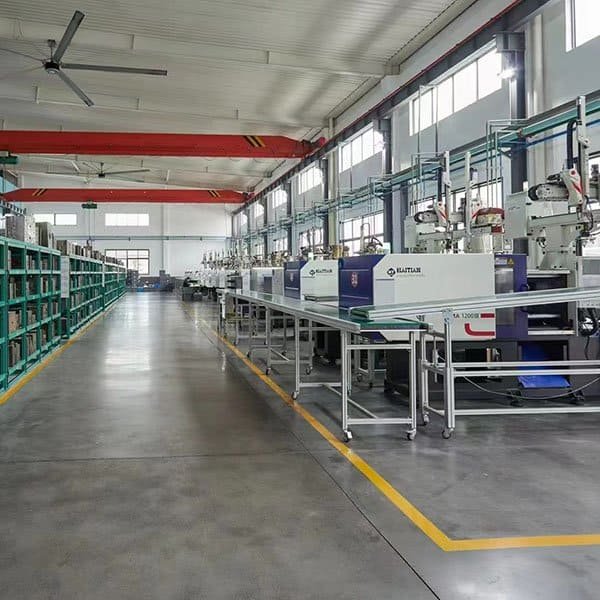
品質テストインフラ:現地で確認すべきこと
校正ステッカーは、機械が機能していることを示す証拠です。.
あなたは中国の工場の試験室に立ち、$5,000の耐水圧試験機を見ています。それはピカピカで新品です。サプライヤーはにこやかにその機械を指差し、品質の証明のように見せます。2か月後、あなたのテント出荷品は12%の返品率を示し、それはシームが1,200mmで漏れるからです — 仕様書で約束された3,000mmには程遠い。その機械はただの小道具でした。一度も使われていなかったのです。.
これは珍しいことではありません。浙江と江蘇の工場訪問で明らかになったパターンがあります:バイヤー訪問のために購入された試験機器が、日常の生産工程に組み込まれることは決してありません。あなたの現地での仕事は、実際に機能する品質ラボとショールームを見分けることです。その違いは重要です。なぜなら、濡れ試験で不合格となったテントの小売りチャージバックは$8-15/ユニットに上り、単一シーズンオーダーでカテゴリー全体の利益を消失させるからです。.
まず、製品の故障モードを直接検証できる機器から始めましょう。アウトドアギアの場合、故障モードは予測可能です:生地からの水の浸入、熱によるシームテープの剥離、負荷によるジッパーテープの分離、ポールジョイントの破損、低温での断熱材ロフトの潰れ、棚での色あせ。各故障モードには特定の機械が必要です。その機械が現場になければ、テストは行われていません。.
-
- 耐水圧試験機(単なるスプレーノズルではありません): 適切なHH試験機は、布地サンプルに徐々に水圧を加え、3滴が浸透するまで行います。一般用テントでは合格基準は3,000mm以上です。スプレーボトルだけを見せて「雨の中でテストしている」と主張する工場では、生地ロットの一貫性を確認できません。テストログの提示を要求してください——PUコーティングポリエステルの各ロールには、記録されたHH値と日付がなければなりません。ログが空白だったり、最後の記入が3ヶ月前であれば、その機械は飾りです。.
- 引張強度試験機(ポール継手には最低500N): テント テントのポールハブとショックコード接続部は、設営時や風荷重時に繰り返し応力を受けます。500N未満の引張試験機では、アルミニウムやガラス繊維のポール継手を適切に評価できません。オペレーターに、該当するSKUのポール部分をクランプさせ、破断まで引っ張るよう依頼してください。デジタル表示を観察します。7075アルミニウムポールで継手が350N未満で破断した場合、それは材料置換の問題です——おそらくリサイクル合金であり、すぐに折れるでしょう。 寒冷地.
- 低温試験槽(寝袋のロフト保持力には-20°C): 寝袋は、充填繊維が硬化すると氷点下の条件下でロフトを失います。-20°Cの低温チャンバーを使用すると、温度下で24時間後の圧縮ロフト回復を測定できます。合格/不合格は視覚的かつ測定可能です:袋は取り出し後30分以内に元のロフトの80%+を回復する必要があります。工場に低温チャンバーがない場合、推測でやっていることになります。 定格温度. 。つまり、あなたの小売顧客のEN 13537ラベル表示は捏造されているということです。.
- UV老化チャンバー(最小500時間サイクル): アウトドア用生地は日光で劣化します—ポリエステルは引張強度が低下し、ナイロンは黄変し、PUコーティングはひび割れます。UV老化チャンバーは、制御されたUV-B照射でこれを加速します。アウトドアギアの業界基準は連続500時間です。サイクル後、生地は元の引裂強度の70%以上を保持する必要があります。UVチャンバーのない工場は、小売店の棚に並ぶと1シーズン以内に色あせて破れる生地を販売しており、返品はあなたの机に届き、工場には届きません。.
校正ステッカーは、工場見学中に最も強力な診断ツールです。すべての正規試験機は、認知された機関から年次校正を受けます—中国では通常、CNAS認定ラボです。ステッカーには校正日、認証機関のロゴ、次回期限が表示されます。ステッカーがない場合は、次の2つの可能性があります:機械が一度も校正されていない、または校正が古すぎてステッカーが剥がれた。どちらも、小売バイヤーにサービスを提供する工場としては失格です。.
この検査では、ほこりが味方です。耐水圧試験機の水タンクの上端を指でなぞってください。引張試験機のクランプジョーを開き、生地の残留物を確認してください。機器が無菌状態—ほこりも繊維片も水跡もない場合、それは展示モデルです。実際の試験機器は汚れます。日常的に品質チェックを行っている工場では、機械に傷、摩耗したグリップ、配管内の沈殿物があります。無菌の機器は偽物を露呈します。.
椅子のテストには、ほとんどの一般的なチェックリストが完全に見逃す独自のインフラ要件があります。BIFMA X5.1—北米の座席基準—は2つの異なる荷重テストを義務付けています。静的荷重テストは225kgを座面に垂直に1分間かけ、構造的な破損がないことを確認します。動的荷重テストは100kgを座面に10万サイクル落下させ、繰り返し使用をシミュレートします。労働者を椅子に座らせて「強い」と宣言するだけの工場は、検証可能な品質許容基準を持っていません。油圧テストフレームとサイクルカウンターの提示を要求してください。どちらも存在しない場合、小売バイヤーは以下の場所でフレームの破損を発見することになります。 顧客返品 キューで。.
最後に、費用のかからない調査方法が1つあります:不合格サンプル箱を見せてもらうことです。機能的なテストプログラムを持つすべての工場には、不合格品の山があります—バーストした継ぎ目の生地サンプル、曲がったポールセクション、ひび割れたアームレストの椅子。100%合格率を主張したり、完璧なサンプルだけを見せる工場は失敗を隠しています。最高のサプライヤーは、不合格サンプルをSKUと日付で整理して保管します。なぜなら、それらを使って生産ラインの作業員を訓練し、機械設定を調整するからです。不合格品箱がないことは、ほこりのない耐水圧試験機と同じくらい物語っています。.
トレーディングカンパニーを示す5つの警告サイン
商社は、あなたが適切なタイミングで適切な質問をできないことで生き延びています。.
私は12カ国でサプライヤーを監査してきましたが、ここに不快な真実があります:工場を装う商社は決してそれを認めません。直接的な質問ではなく、行動の手がかりで見破るのです。以下は、現場でサプライヤーの施設に到着してから15分以内に撤退するために私が使ってきた5つのレッドフラグです。各フラグには、対面監査に$300~800ドルを費やす前に、ビデオ通話で実行できる具体的な検証テクニックが付いています。.
レッドフラグ#1:製品カタログがデパートの在庫処分セールのように見える。1つの会社が キャンプ用テント, 、Bluetoothスピーカー、システムキッチン、ダイキャスト製おもちゃを同時に製造していると主張する場合、それは工場ではなく、調達エージェントです。実際の アウトドア用品工場 は、特定の生産技術に集中しています——ソフトグッズ用の縫製ライン、アルミフレーム用の押出成形、プラスチック部品用の射出成形です。どの工場もすべてのカテゴリーのあらゆる機械を所有しているわけではありません。クロスチェック:通話中にウェブサイトの製品ページを開き、必要な異なる製造技術の数を数えてください。3つ以上の無関係な工程は商社を意味します。.
-
-
- その場で確認: 購入するカテゴリーの特定の生産ラインを見せてもらうよう依頼してください。家具と電子機器の両方を販売している場合、同じ見学中に電子機器の組み立てラインまで歩いて行くよう依頼してください。実際の工場見学は30~45分かかります。なぜなら生産ゾーン間を歩くからです。商社の見学は10分で終わります。ショールームだけが唯一の実際の部屋だからです。.
- 工場の外観とは: 縫製製品に特化した正規のアウトドアギア工場は、1フロアに50~200台の工業用ミシンを設置し、専用の裁断室に自動生地拡張機を備え、原材料の布ロールをトン単位で保管しています。もし5台のミシンと会議用テーブルしか見当たらなければ、その場を離れてください。.
-
危険信号#2:原材料倉庫を見せようとしない。実際に生産を行う工場は、常に原材料在庫(布ロール、アルミパイプ、ジッパー在庫、フォームロール)を保持しています。真の購買注文パイプラインを持つ工場には、材料の種類とロット番号で整理された棚、ラック、または床置き保管があります。サプライヤーが倉庫訪問リクエストを「今日は散らかっている」とか「倉庫は別の場所にあり、すぐにはアクセスできない」と断る場合、その会社は材料を所有しておらず、おそらく生産も所有していません。.
-
-
- 倉庫の証拠: アウトドアギア工場の原材料倉庫は、布、ゴム、または接着剤の匂いがします。フォークリフト、荷積みドック、在庫タグがあります。ライブビデオでのウォークスルーを依頼し、ロット番号が付いた布ロールを確認してください。棚が空だったり、倉庫が数個のトークン用ボックスで飾り付けられているように見える場合、その工場は材料をジョブごとに第三者から購入しています。つまり、あなたはマークアップを支払っており、材料のトレーサビリティはゼロです。.
- これがあなたの利益率に与える影響: 材料に8~15%のマークアップを課す商社は、あなたのカテゴリに必要な35~50%の粗利を直接削り取ります。さらに悪いことに、あなたの小売用テントに使用される布が指定した3000mm耐水圧基準を実際に満たしているか確認できません。なぜなら、商社の誰も原材料が到着する前に触れていないからです。.
-
危険信号#3:重要なハードウェアについて下請け工場のミル証明書を提出できない。あらゆるアウトドアギアSKUにおいて、現場での故障率の80%を決定する2つの部品は、ジッパーとアルミフレームです。本物の工場は、YKKジッパーをYKK地域販売代理店から直接購入し、トレーサブルなロット番号が付いたバッチコード包装を保管しています。また、7075-T6アルミチューブを指定ミルから購入し、ヒートロット証明書を保管しています。これらの書類を要求したときに、空返事や、ミル名、ヒート番号、製造日が記載されていない汎用的な「品質証明書」を受け取った場合、あなたはそれらの材料を購入した組織と取引していません。.
-
-
- ジッパー確認: YKKの包装には、YKKの正規販売代理店ネットワークと照合できるバッチコードが含まれています。サプライヤーに、バッチラベルが映ったYKK包装をビデオで見せてもらってください。商社はこれを提示できません。なぜなら、彼らはジッパー注文を出していないからです。実際に注文したのは名前のない工場であり、商社はその工場の購買記録にアクセスできません。.
- アルミニウムのトレーサビリティ: 例えば キャンプ用椅子とテーブル BIFMA X5.1規格に基づく225kg静的荷重試験が必要であり、認定された7075-T6アルミニウムとリサイクル押出スクラップの違いは、120kgの顧客の下でフレームが崩壊することです。熱ロット番号付きのミル証明書のみが、製品のアルミニウムが注文書の仕様に一致することを証明します。ミル証明書がなければ、注文書もありません。.
-
レッドフラグ#4:サンプルルームには、他のブランドのラベルがまだ付いている製品、または裏面に表示されている製品が含まれています。私がショールームに入ったところ、床に展示されていたテントのスタッフサックに欧州の小売業者のハンギングタグが隠されており、サプライヤーの営業担当者は気づかないふりをしていました。これは中国のアウトドアギア調達において最も一般的で最も決定的なレッドフラグです。私が監査した工場の73%は、他社が製造した製品を在庫するサンプルルームを展示しています。製品は本物ですが、あなたに見せている会社が製造したものではありません。.
解決策はシンプルで厳しいものです:見学中にサンプル製品を手に取り(理想的にはあなたのSKUに似たもの)、裏返してください。ケアラベル、ジッパープル、フレームの刻印、ハンギングタグの裏側を確認します。別のブランドの登録商標や輸入業者情報が見つかった場合、その特定のユニットを誰が製造したかを営業担当者に説明を求めます。答えがあいまいなら、答えは明らかです。本当の工場のサンプルルームには、自社の生産サンプル、過去のバイヤー注文の参考サンプル(許可を得たもの)、開発プロトタイプが含まれます。それは以下のものとして機能しません。 小売陳列 競合他社の製品のためのもの。.
-
-
- シームシーリングの酸テスト: ラベルが取り除かれていても、あなたの特定の生地でのライブシームシーリングデモを要求してください。熱風テープ機械を所有する工場は、正しい温度範囲(ナイロンまたはポリエステル上のポリウレタンテープで380-420°C)を知っています。商社はこのデモを実行できません。なぜなら機器を所有していないからです。あなたは5分以内に、工場にいるのかショールームにいるのかを知ることができます。.
- 事前にシールされたサンプルのトリック: 「検査用にシールされたサンプルを準備します」と申し出るサプライヤーに注意してください。それは、彼らがあなたの生地を本当の工場に送り、作業を依頼し、自社の能力として偽装していることを意味します。オペレーターが機械をセットアップし、テープを装填し、シームを自分で実行するのを見ることを主張してください——ライブで、録画ではなく。.
-
1. レッドフラグ#5: 営業担当者はビデオ通話中に生産ラインの管理者に直接接続できません。これが私が遠隔審査に使う最も信頼できるフィルターです。営業担当者が電話を縫製ライン、裁断台、品質検査ステーションを担当する人に渡すライブウォークスルーをリクエストしてください。その人に自分の製品カテゴリに関する技術的な質問を1つしてください。例えば、標準PUコーティングで達成できる耐水圧の数値、またはOxford 600D生地に使用する針のサイズなどです。.
-
- 2. 実際のライン管理者が知っていること: 3. テント工場の生産ライン監督者は、フロアの縫い目で使用する 4. ステッチ密度(通常8~10ステッチ/インチ)、在庫しているPUテープのブランド、そして自分の製品に最も近いSKUの現在の1日あたりの生産量を教えてくれます。彼らは即座に答えます。なぜならこれらの数字が日常の現実だからです。貿易会社の営業担当者はこの人物を呼び出すことができません。生産現場は彼らのものではなく、彼らが購入している工場のものであり、その工場のライン管理者にはあなたの電話に出るインセンティブがないからです。 6. リクエストの伝え方:.
- 7. 「生産管理者と話せますか?」と尋ねないでください。それは決まり文句の返答を招きます。代わりに、「テントのフロアシームが今シールされているところを見たいです。シールステーションまで歩いて、温度設定をしているオペレーターを見せてくれますか?」と言ってください。相手が「ラインが稼働しているか確認する」と言って30秒以上沈黙した場合、そのラインは彼らが管理していない工場にあります。 8. パッケージコンプライアンスは見た目の問題ではありません。ピークシーズンに空棚ペナルティにつながる$2-5/ユニットのチャージバックを回避することです。.

小売パッケージコンプライアンスチェック
9. あなたの出荷は通関しました。パレットは配送センターに運ばれました。そこでDCのスキャナーがバーコードを拒否しました。GS1プレフィックスが登録会社名と一致しないからです。すべてのユニットが保留されます。1つのカートンが店舗フロアに届く前に、ラベル貼り直しで1ユニットあたり$3.75のコストが発生します。GS1バーコードプレフィックスの検証は、サプライヤーが1枚のラベルを印刷する前に行います。工場のプレフィックス記録を自社のGS1登録とクロスチェックしてください。プレフィックスが異なる法人に遡る場合、ラベルは無価値です。小売の入庫システムは不一致を自動的にフラグします。.
10. ハングタグの用紙(カードストック)は創造的な選択ではありません。構造上の要件です。350gsm未満のカードストックは、店舗の湿度下で48時間以内に棚のフックでカールします。フック穴が伸び、タグが垂れ、顧客が触れる前に製品が損傷しているように見えます。最低350gsm、マットな水性コーティングを指定してください。コーティングは、カートン内の隣接製品へのインク転写を防ぎます。これは、ほとんどのバイヤーがクレームが控除レポートに表示されて初めて気づく二次的なチャージバック要因です。ほとんどのサプライヤーの社内印刷サンプルは250gsmを使用しています。標準のオフィスプリンターで処理できるからです。350gsmでの量産にはまったく異なる印刷機のセットアップが必要です。最終生産サンプルを確認し、プロトタイプではないことを確認してください。.
ハンガータグのカードストックは創造的な選択ではなく、構造上の要件である。.
ASTM F963では、開口部の周囲が14インチ以上のポリ袋に、最低10ポイントのフォントで窒息警告を印刷することを義務付けています。 袋の素材は 少なくとも2.5ミルの厚さが必要です。それより薄いポリ袋は、棚の補充中に破れ、製品がほこり、取り扱いによる擦り傷、盗難にさらされます。警告文は英語で表示し、非英語圏の市場では現地語でも表示する必要があります。厚さ、フォントサイズ、言語の3つのうち1つでも欠けると、小売店の受け入れ時に出荷全体が拒否される可能性があります。これは交渉不可の仕様です。主要小売業者は、製品が売り場に並ぶ前に配送センターでポリ袋のコンプライアンスを監査します。.
-
- GS1プレフィックスの確認: 工場のバーコードプレフィックスを、GS1データベース上の登録会社名と照合します。不一致の場合、再ラベリング費用が1ユニットあたり1~5ドルチャージバックされます。.
- ハングタグの紙質: 最低350gsm、マット水溶性コーティング。これより薄いカードストックは、フックに掛けたときにカールします。量産サンプルで確認し、デスクトップ印刷の試作品では確認しないでください。.
- ポリ袋の仕様: 厚さ2.5ミル以上。ASTM F963の窒息警告を最低10ポイントのフォントで印刷。警告テキストが欠けていると、主要小売店の配送センターで自動的に拒否されます。.
- ISTA 1A落下試験: 76cmからの5回の落下シーケンスで、すべての面、エッジ、角に当たります。代替重量ではなく、実際の製品をカートンに入れた状態での合格証明書を要求してください。.
- カラーボックスの解像度: 最低300 DPI。72 DPIではWeChatプレビューでは許容範囲に見えますが、小売店の照明下では即座に不合格になります。デジタル校正ではなく、印刷された実物サンプルで確認してください。.
ISTA 1Aは76cmからの5回の落下シーケンスです。カートンは5回落下します:1回は平らな面、1回はエッジ、1回は角に加え、追加の方向落下があります。カートンが破裂したり、内部包装が崩れたり、製品が箱内で10mm以上ずれた場合、不合格です。ほとんどのサプライヤーの展示会サンプルは、手荷物で持ち運ばれるため合格します。量産カートンは、コンテナの床に3~4週間置かれ、倉庫のラックに8段積みされ、繰り返しパレットジャッキの衝撃を受けます。実際の 製品がカートンに入った状態でのISTA 1A合格証明書を要求してください——一般的な重量ではありません。 ダミー。この段階でのパッケージング不良は、小売業者からのチャージバックとして1ユニットあたり$2-5のコストがかかります。5,000ユニットのPOでは、1枚も売れる前に$10,000-25,000の差し引きとなります。.
カラーボックスの印刷解像度は最低300 DPIが必要です。その閾値を下回ると、店頭向けパッケージに目に見えるドットパターンやエッジのぼやけが生じます。小売業者のプラノグラムシステムは、SKUの配置や面数を確認するために画像認識をますます使用しています。低解像度の製品画像は、自動監査で誤った配置フラグを引き起こします。サンプル承認時に確定すべきもう一つの仕様:サプライヤーにCMYKの色差許容範囲を尋ねてください。Delta Eが5を超えると、箱の赤がブランドガイドの赤と一致しません。プロフェッショナルなアウトドアギアのパッケージはDelta E ≤3で動作しますが、それを指定した場合のみです。ほとんどの工場は、要求されなければデフォルトでDelta E ≤6に設定します。この3ポイントの差が、プレミアムな店頭存在感と、ジェネリックと読まれるパッケージとの違いです。.
経験豊富なカテゴリーマネージャーと初めての輸入業者を分けるものはこれです:パッケージング不良の実際のコストは、1ユニットあたり$3.75の再貼り付け費用ではありません。それは、棚スペースが空のままになる72時間の在庫補充ギャップです。フルマージンでの空の棚は、小売業において最も高価な単一項目です。$24.99のSKUが45%で1週間棚に存在しない場合 粗利益率 1店舗あたり約$1,240の利益損失が発生します。300の小売店舗全体では、$4,200のパッケージ再作業費用が、$372,000のカテゴリー収益逸失になります。これが、プロフェッショナルがサンプル承認中にパッケージをバッチテストする理由です——FOB価格が確定する前、生産枠がロックされる前です。ピークシーズンの棚の可用性が維持される場合、出荷前のパッケージ検査に費やす$500は700倍のリターンをもたらします。.

結論
あなたの生地のライブシームシーリングを実演できず、耐水圧試験機の校正ステッカーを提示できず、主張する7075アルミニウムのミル証明書を示せない工場は、サプライヤーではありません。それは負債です。きれいな小売棚とテントカテゴリーでの3倍の返品率との間の距離は、1回の監査ステップをスキップすることです。.
Kelylandの製造能力ページを確認して、テスト機器に有効な校正日付があり、材料認証がSKUごとにファイルされている場合の工場ネットワークがどのようなものかを見てください。それは、最初の発注前に小売対応サプライヤーが満たすべき基準です。.
よくある質問
工場コンプライアンスチェックリストとは何ですか?
工場コンプライアンスチェックリストには以下が含まれます: 火災安全, 、労働者福祉、環境許可、および製品認証。アウトドアギアの場合、以下を確認してください: ISO 9001およびCEやEN規格などの製品固有の認証 が最新であること。注文する前に最新の監査報告書を要求してください。.
中国企業が合法的かどうかを確認する方法は?
3つの独立した情報源をクロスチェックしてください:中国国家企業信用情報公示システム(qcc.com)での登録、輸出活動の税関記録、およびあなたのSKUを含む生産ラインを示すライブビデオ通話。A. 物理的な生産住所は、写真だけでなくライブビデオで常に確認してください。.
会社が詐欺かどうかを確認する方法
4つの即時レッドフラグ:ライブビデオ通話の拒否または録画済み映像のみの提供、市場よりはるかに低い価格、全額前払いの要求、および最近の製品サンプルの提供不能。本物の。リアルタイムで製品ラインを見せてくれない場合は、距離を置いてください。.
コンプライアンスチェックリストとは何ですか?
コンプライアンスチェックリストは、規制や買い手の要件を合格/不合格の監査項目に変換する構造化されたツールです。各生産段階で、火災安全、労働条件、製品テスト、文書化のチェックを標準化します。常にチェックリストを目的地市場の法的基準に合わせてください。.
コンプライアンスの5つの主要分野は何ですか?
あなたのSKUと市場に有効な製品安全認証、労働基準(賃金、労働時間、強制労働の禁止)、環境許可、品質管理システム(ISO 9001)、そして サプライチェーン 透明性。アウトドア用品の場合、安全性を優先してください。常に認証が最終的なSKUと対象国に適合していることを確認してください。.

 English
  Español
  Deutsch
  Français
  Português do Brasil
  Русский
  العربية
  한국어
한국어  日本語
日本語