 跳到内容
跳到内容 
pvc vs pu wagon fabric is the first checkpoint buyers should lock before they approve a supplier, budget, or production slot. The operator at the coating line knows the difference between PVC and PU wagon fabric before the roll ever reaches the cutting table. They see it in how the film lays down on the 600D polyester base, in the tackiness of the finish, in the smell of the solvent. The buyer on a sales call only sees a swatch under fluorescent lighting—and maybe a quote that hides the real spec. That gap in perception is exactly how a $50,000 order goes sideways when the pre-production sample passes sample approval but the mass production run fails the waterproofing test after three months on a retailer’s shelf.
Here’s what the lab data actually separates. PU coatings feel more fabric-like, and premium brands usually prefer that hand feel, but PU loses 静水圧ヘッド after 2-3 years if the wagon sits in humid storage—hydrolysis breaks down the polymer chain. PVC holds up better against moisture intrusion and resists plasticizer migration, yet it turns stiff below -10°C, which matters for tailgate season in northern markets. Some factories layer a thin PVC inner film with a PU outer print layer to get the aesthetics of one and the water resistance of the other, but that hybrid approach changes the fabric weight and the price per yard. The benchmark you should write down before your next サプライヤーコール: for a 600D Oxford wagon body, demand a coated 静水圧ヘッド of at least 3000mm for PVC and 1500mm for PU, and ask for the 500-hour QUV aging report to confirm UV stability—if the factory hesitates on either number, treat that as a red flag.
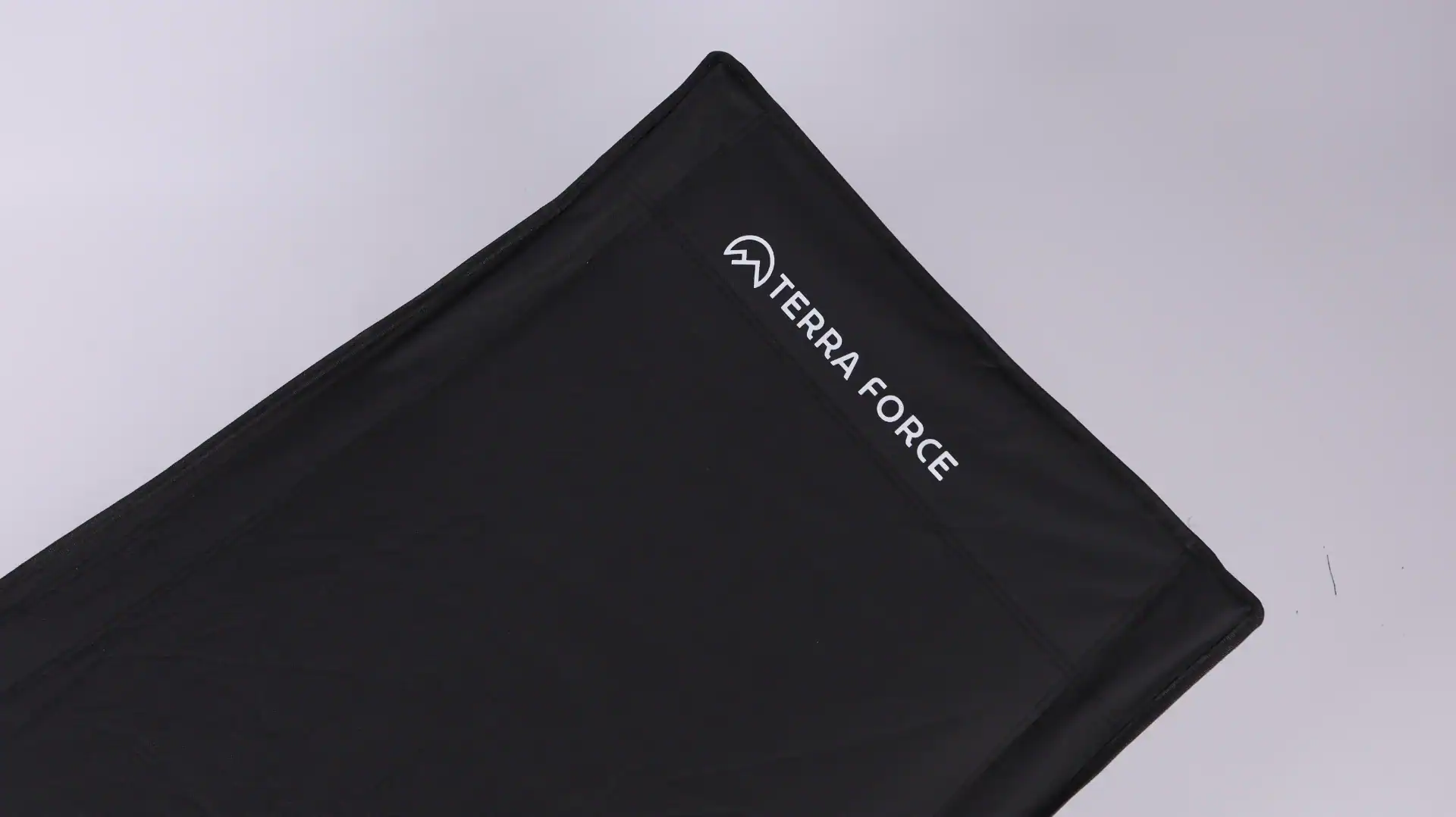
Coating Chemistry and How It Fails
Silver-coated PU photographs better.
ほとんどの場合 wagon fabric decisions get made at sample approval: a swatch, a water-beading photo, a price. That misses the two failure modes that cost retailers in year one. Hydrolysis in PU and plasticizer migration in PVC are chemical processes, not manufacturing defects, so no pre-shipment inspection catches them. If your supplier cannot explain how they test for either, treat that as a quality tolerance problem, not a paperwork gap.
Hydrolysis Risk in PU Coatings
PU coatings are the reason many premium wagons feel more fabric-like and take vibrant prints cleanly. The weakness is hydrolysis. Under humid heat, water molecules break the polyurethane chain, and the coating loses its original hydrostatic head over time. That is why a PU-coated wagon stored damp in a stuff sack can show wet-through on the side panels months before the rest of the wagon wears out.
The most common spec in this category is silver-coated PU on 600D Oxford. It passes UV photo tests at lower cost than a full PVC laminate, which is why Amazon FBA beach wagon sellers default to it. The trade-off shows up when the wagon is folded away wet. A damp stuff sack creates a hot, humid pocket that accelerates hydrolysis — the exact condition that leads to delamination and leaks.
- Trigger: Wet storage in a stuff sack, high-humidity warehouses, and repeated salt-moisture exposure.
- 危険信号: Supplier cannot show hydrolysis-resistance data or a humidity-aging test for PU-coated Oxford.
- Water resistance: Higher than PU in humid storage; PVC holds its barrier properties longer.
- Trade-off: Stiffens below -10°C, and plasticizer migration can cause surface tack and crease-line cracking.
- Choose PU if: Your line is beach wagons, buyers accept a dry-before-storage instruction, and print quality drives the purchase.
- Choose PVC if: The wagon will face cold tailgate use, humid storage, or repeated wet loading, and fewer waterproofing returns matter more than hand feel.
Plasticizer Migration in PVC Coatings
PVC-coated Oxford takes the opposite trade-off. The coating is inherently waterproof, which is why PVC is common on wagon floors and heavy-duty side walls. But PVC gets flexibility from plasticizers, and those plasticizers do not stay put. Plasticizer migration is why PVC-coated Oxford feels different after a hot season: the surface turns slightly tacky, the fabric stiffens, and fold lines start to crack.
Cold weather makes the cracking visible. A PVC-coated wagon that folds easily in a 25°C warehouse gets stiff below -10°C. Load it into a tailgate on a cold morning, and the crease at the fold point is exactly where the coating cracks. That is the January return customers blame on cheap materials, even though the fabric passed factory QC.
There is a middle route. Some factories inside Kelyland’s 17-factory strategic network — most of them ISO 9001:2015 certified — laminate a thin PVC inner film for waterproofing and print the outer face in PU. You get the surface feel consumers like and the water resistance PVC is known for. It costs more than straight silver-coated PU, which is why most suppliers only offer it on request.
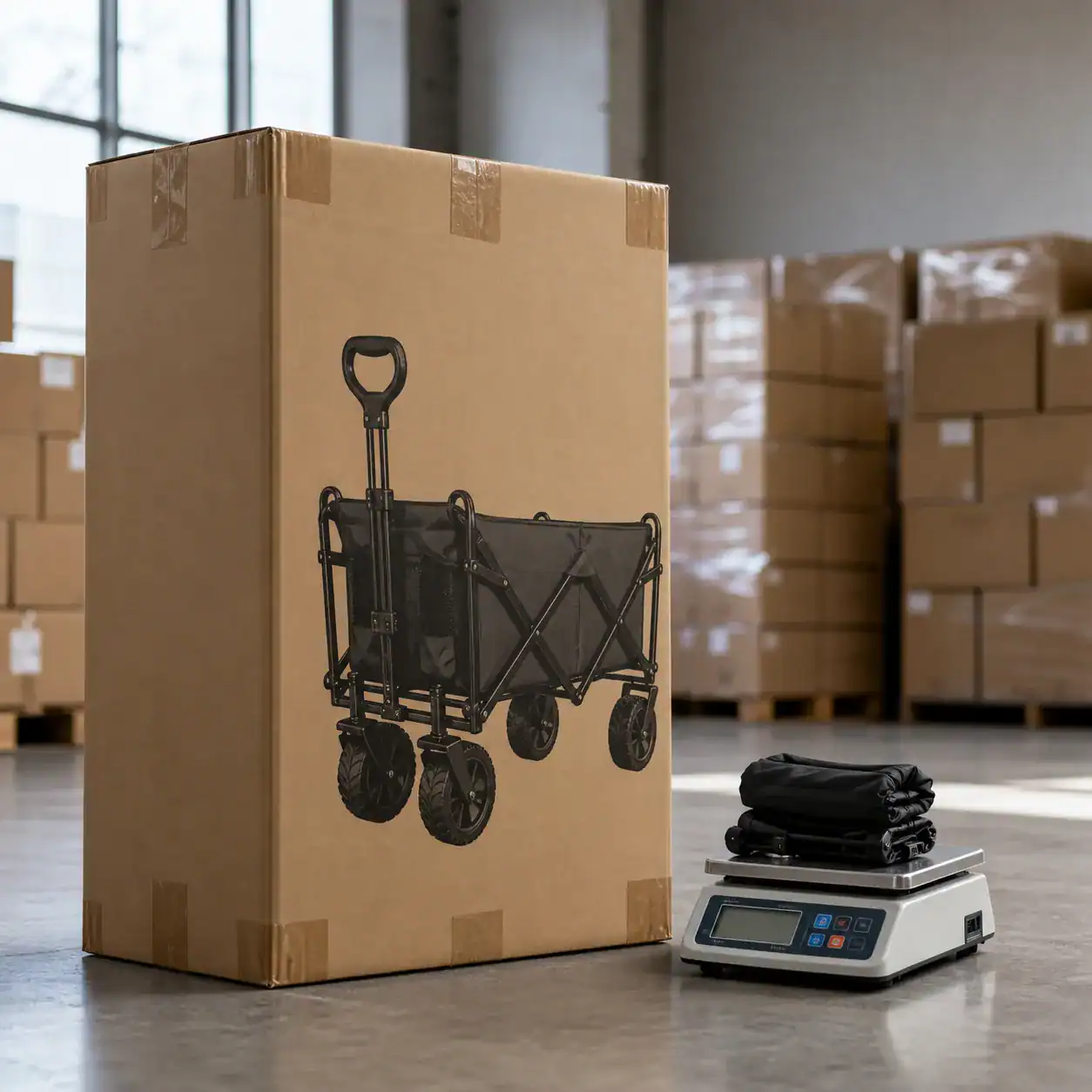
Waterproofing and UV Test Benchmarks
Waterproofing numbers tell you how a fabric passes QC.
A 600D polyester wagon fabric ships with a coating spec on the certificate, but that number only matters if it holds up after a season of beach sand, parking-lot sun, and damp garage storage. For private-label programs, two lab metrics separate a sellable wagon from a return magnet: hydrostatic head and QUV aging. Here is how PVC and PU coatings compare on both — and where each one lies about its performance.
Hydrostatic Head Values by Coating
Hydrostatic head measures the water pressure a fabric resists before leaking through. For PU-coated Oxford, the typical spec ranges from 1,000 mm to 3,000 mm depending on coating thickness and base fabric. PVC-coated Oxford starts around 3,000 mm and can exceed 10,000 mm, which is why PVC dominates heavy-duty outdoor applications like truck tarps and roof-top tents.
But the initial number is only half the story. PU’s molecular structure contains ester bonds that hydrolyze — they break down when exposed to moisture and heat over time. Store a PU-coated wagon folded damp in a stuff sack for a few months and hydrostatic head drops measurably. Industry experience puts the visible failure at 2-3 years in humid environments. The fabric will look fine until a rainy tailgate exposes the delamination.
- Fresh PU coating: 1,500-3,000 mm hydrostatic head on standard 600D Oxford. Passes a bucket test and an initial QC inspection.
- Aged PU coating: After repeated humid storage cycles, head values can fall below 1,000 mm, leading to wet seams and fabric-face leakage on the second season.
- PVC coating: Initial head values of 5,000-10,000 mm on the same base fabric. Resistance to hydrolysis keeps values stable for a longer service life.
- Hybrid construction: Some factories apply a thin PVC inner film with a PU outer print layer to get the fabric feel of PU and the water resistance of PVC.
- 500時間後のPVC: UV安定剤を配合した場合、変色は最小限で表面のひび割れも生じません。オーストラリアや米南西部で販売されるワゴンに一般的な仕様です。.
- 500時間後のPU: 濃色の製品を中心に目に見える褪せや微細なき裂が生じます。使い捨ての季節品として販売されるビーチワゴンには許容範囲です。.
- シルバーコーティングPU: 銀層が褪色を隠すため、500時間の光テストは合格します。ただし湿った状態で保管すると数週間でコーティングが剥離するため不合格となります。.
- Hybrid construction: PVCのインナー層が防水性を維持し、PUのアウター層がプリント対応を担当します。UVによる損傷は外観層に限定されます。.
- Choose PVC if: マス Retail、海岸市場、または高温多湿で日差しが強い気候を扱うチャネルであれば、加水分解耐性 alone が追加重量に見合う価値があります。.
- Choose PU if: 競争力のある価格帯でAmazon FBAのビーチワゴンを発売し、乾燥後収納の案内カードを同梱できる場合です。.
- 供給業者に以下の資料を依頼してください。 両コーティング生地について、サンプル承認前に500時間Q UV試験レポートおよび静水圧頭試験証明書を取得してください。データ作成に2週間要しますが、それにより1シーズンの返品を防ぐことができます。.
500-Hour QUV Aging Results
QUV accelerated weathering machines simulate years of sunlight, rain, and humidity in a few hundred hours. A 500-hour QUV test is the industry benchmark for comparing UV stability between coatings. The results split cleanly along chemistry lines.
PVC formulations with UV stabilizers hold color and flexibility well through 500 hours. The coating layer resists chalking, which is that white powder you see on cheap vinyl products. PU, by comparison, degrades faster under UV. Prolonged exposure breaks the polymer bonds, causing color fade and surface cracking on the printed layer. The degradation accelerates if the wagon fabric includes silver coating, which reflects heat but separates from the base fabric after extended UV exposure.
季節商材の小売プログラムを展開するブランドマネージャーにとって、選択は「位置づけ」にかかります。PVCコーティングオックスフォードは重量が増し生地感が劣りますが、保管状態やUVに強いです。一方、PUコーティングオックスフォードは高級感があり写真映えしますが、顧客が収納前に必ず乾燥させることを前提としており、実際には多くの顧客がそうしません。.
Choosing a Coating by Use Case
最高のビーチでの写真ではなく、最も過酷な保管条件を基準にコーティングを選択してください。.
ビーチ向けフロートはPVC、寒冷地のテールゲート向けプログラムはPUを採用すべきです。両方必要であれば、サンプル承認前にPVCインナー/PUアウターハイブリッドの仕様を指定してください。これが両環境に耐える唯一の構造です。.
海水と砂による摩耗
ベーチワゴンは湿った砂、塩分スプレー、湿気の中で使用されます。600Dポリエステル生地では、コーティング層が防水の最後のカギとなります。砂は積み込み時に筐体にこすりつけられ、乾燥後は塩分が残ります。コーティング面が最も強い影響を受けます ホイールハウス や底部隅.
PUコーティングは柔らかく生地的な手触りで、プレミアムブランドがよく採用します。しかし湿気中に放置すると加水分解で劣化します。2~3シーズン湿気た状態で保管すると、PUコーティングワゴンのほとんどの 静水圧ヘッド 撥水性を失い — 表面は見えているように見えても防水性能はなくなっています。.
- 耐摩耗性: PVCフィルムは厚くて丈夫なバリアを形成し、圧力点で摩耗しやすい薄いPUフィルムより砂に対して優れています。.
- 湿気保管: PVCは加水分解しません。PUは高温多湿で鎖が切断され、可視ダメージ前に撥水性が低下します。.
- FBA向けショートカット: Amazon FBAビーチワゴンでは、銀コーティングPUがよく使われます。低コストでUV撮影テストを通過しますが、湿った状態でおもり袋に保管すると失敗します。.
- 1. 耐寒性: 2. PUは氷点下でも機能を維持します。PVCフィルムは折れ目で硬くなり、ひびが入ります。.
- 3. 折り目应力: 4. 同じ場所で繰り返し折りたたむことと低温は、PVCのコーティング不良を引き起こします。.
- Choose PVC if: 7. 寒冷地でのタイルゲーティングとプレミアムな手触りが、湿気による保管耐久性よりも重要視される場合、あるいはハイブリッドPVC/PUフィルムをご希望の場合にご検討ください。.
- Choose PU if: 8. 仕様書で確定させる:.
- 9. コーティング厚さ、加水分解試験、および耐寒亀裂試験の結果を請求してください。紙面の仕様 hesitates するサプライヤーは、後で返品問題で揉め始めます。 10. PVC vs PU コート ワゴン生地:防水・UVデータ 。. 11. 生地のコーティング選択は、折りたたみワゴンがシーズンを無事に乗り越えるか、配送後のクレームになるかを決定します。PUはプレミアムな手触りを実現し、低コストでPhotographicなUVチェックに合格しますが、湿度の高い倉庫保管では加水分解により2〜3年後に静水圧耐性が低下します。PVCは水をより長期間保持しますが、-10°C以下で硬くなり、寒冷地のタイルゲーティング耐久性を損ないます。.
寒冷地トールゲート耐久性
トールゲートは異なる破壊モードです。冷たいガレージで一晩折りたたんだワゴンを駐車場で一気に開くと、折り目に過大なストレスがかかります。PVCコーティングは-10°C以下で硬くなり、折り目沿いにひび割れます。ひびは小さく始まりますが、次回使用で水が入りコーティングが生地から剥がれます。.
ワゴン生地は毎回同じ場所で折れるため、折り目が増すほど永久的なストレスポイントになります。PUは凍結温度でも柔軟性を保ち、折りたたみ/開閉サイクルでひび割れに耐えます。これが寒冷地プログラムが濡れ保管性能が劣ってもPUを好む主な理由です。.
5. このトレードオフを理解している工場では、時にハイブリッド構造を採用しています。防水性用の薄いPVCインナーフィルムと、プリント性や手触り用のPUアウターレイヤーを組み合わせたものです。Kelylandのパナーネットワークにある浙江金華のISO 9001認定工場は、600D〜900Dの二層オックスフォード布にシルバー、PU、またはPVCコーティングを施しており、ご要望に応じてハイブリッドフィルム仕様も可能です。カスタムコーティング仕様は工程の一部となり、最小注文数は約50〜100個から開始できます。 。 6. ビーチ、水域、または湿度の高い保管環境が主な使用シーンです。-10°C以下では生地が硬くなることを理解してください。.

結論
13. PVCはより長く水を保持しますが、-10°C以下で硬くなるため、寒冷地でのタイルゲーティング利用には不向きです。.
- PUコーティングは生地のような手触りですが、湿気のある環境で2〜3年保管すると加水分解により耐水圧性能が低下します。.
- PVCは長期間の耐水性に優れますが、-10°C以下で硬くなり低温環境での車中泊用途には不向きです。.
- PU外層と薄いPVCインナーフィルムが組み合わせられ、PUの美観とPVCの耐水性を兼ね備えています。.
- 銀コーティングPUはビーチ用ワゴンのUV光検査には合格しますが、湿った状態でStuff Sack(収納バッグ)に格納されると失敗します。.
2026年のワゴン仕様を確定する前に、製造元に対し静水圧ヘッド試験報告書と500時間QUV老化試験記録を依頼してください。コーティング名だけでは、湿気の多い倉庫やビーチの駐車場での挙動を予測することはできません。コーティングはプログラムが対象とする小売シーズンに合わせて選定し、包装内に湿気が閉じ込められる場合は湿潤保存試験を要求してください。Kelylandの調達チームは、您当前的な fabric オプションをご要望のリターンウィンドウと比較するお手伝いをいたします。.
よくある質問
ワゴンのファブリックコーティングはどちらの方がより防水性がありますか?
PVCコーティングされた幌布は、一般的に同じ生地重量のPUよりも高い耐水圧値を実現するため、保証付きの防水仕様を確保するにはより簡単な方法です。PUも同等の性能を実現できます。仕様を最終決定する前に、耐水圧試験と加水分解試験のデータを要求してください。.
PUワゴン生地が劣化する原因は何ですか?
PUコーティングは主に加水分解によって劣化します。熱と湿気がポリマー結合を破壊し、剥離やフレーキングを引き起こします。リスクが最も高いのは、ワゴンが濡れた状態または湿気の多い倉庫で保管される場合であり、それだけではありません。市場が高湿度の場合は、耐加水分解性のPUグレードを要求してください。.
How does PVC coating hold up in UV testing?
PVC-coated fabric usually holds up better than PU in 500-hour QUV aging tests because the thicker film and plasticizer system resist UV degradation longer. But a poor PVC formulation can chalk and. Request the 500-hour QUV report for the exact PVC formulation.
Which fabric coating is best for beach wagons?
PVC-coated fabric is the stronger choice for beach use because its heavier film resists saltwater and sand abrasion better than PU. PU may be lighter and more flexible, but sand. Specify sealed seams and a heavier PVC film for beach wagon SKUs.
What wagon fabric works best in cold weather?
PVC-coated fabric is more dependable in cold-weather tailgate use because PU tends to stiffen and crack after repeated folding in freezing temperatures. A plasticizer-rich PVC formulation retains flexibility where a standard PU coating will. Verify cold-flex performance at your target low temperature.

 English
  Español
  Deutsch
  Français
  Português do Brasil
  Русский
  العربية
  한국어
한국어  日本語
日本語