 콘텐츠로 건너뛰기
고무 텐트 정착 러시아 겨울 구매자가 공급업체, 예산, 또는 생산 일정을 승인하기 전에 반드시 확인해야 할 첫 번째 관문입니다. 시베리아 장비상에게 고무 텐트 두 대가 도착했습니다. 동일한 바닥 계획, 동일한 팽창 높이, 동일합니다 TPU 튜브 사양 서류상으로. 하나는 다른 것보다 30% 더 비쌉니다. 차이는 원단이나 블로워에 있는 것이 아니라 그 텐트가 아래의 얼어붙은 땅과 어떻게 상호작용하느냐에 있습니다. 더 저렴한 제품은 주변을 따라 균등한 간격으로 배치된 8개의 표준 스테이크 루프를 사용합니다. 더 비싼 제품은 12개의 강화 앵커 포인트를 갖추고 있으며, 눈 쌓임 하중과 가로풍 전단력을 상쇄하기 위해 측마다 2개의 추가 포인트가 특별히 배치되어 있습니다. 이 기하학적 변화가 80km/h의 돌풍이 몰아칠 때 구조물이 서 있을 수 있게 합니다.
러시아 겨울 조건용 고무 텐트를 조달하는 모든 사람에게 현실은 다음과 같습니다: 대부분의 공장에서는 에어 프레임이 압력을 유지할 때까지 테스트한 후 작업을 완료했다고 말합니다. 정착 하드웨어는 사후 검토처럼 처리되어 — 마지막 순간에 일반 스테이크 가방을 던지는 것입니다. $50K 주문은 사전 생산 샘플은 완벽하게 일치했지만 대량 생산 런에서 강화 웨빙 루프를 표준 단일 스티치 패치로 교체하면서 실패했습니다. 구매자는 야쿠티아의 얼어붙은 호수에서 3개의 텐트가 중간 태풍 동안 들어 올려질 때까지 이를 발견하지 못했습니다. 북극 등급 장비를 위한 공급업체를 평가할 때 데이터 시트의 어떤 팽창 튜브 사양보다 -30C에서의 앵커 포인트 위치와 재료 유연성이 더 중요합니다.
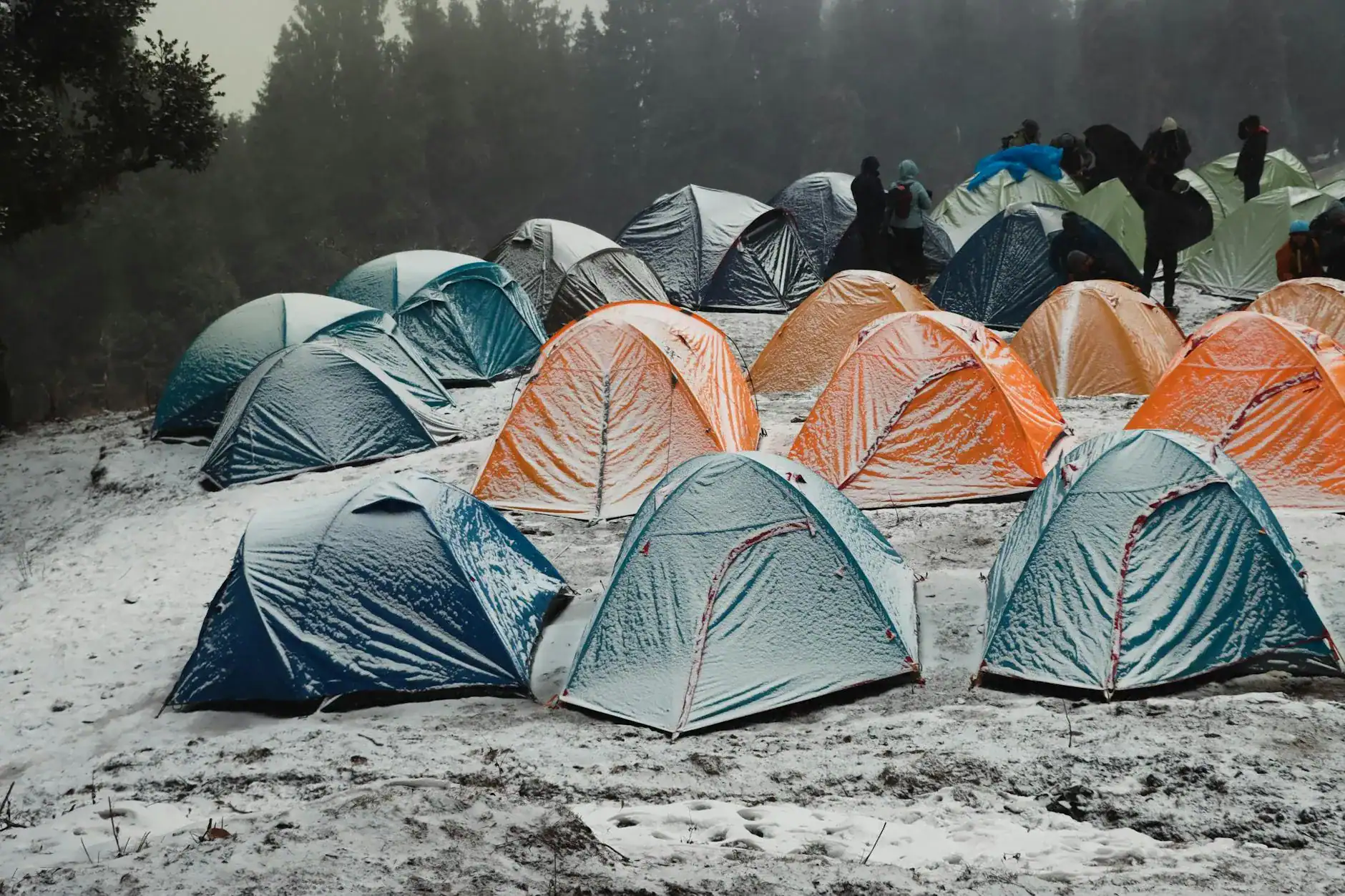
왜 정착 실패가 겨울 텐트 손상의 주요 원인인 #1
겨울용 인플레이터블 텐트 붕괴 원인의 약 70%는 원단이나 프레임 결함이 아니라 앵커 실패입니다.
4m × 6m 인플레이터블 텐트에 50 kg/m²의 눈 하중이 가해지면 약 1,200kg의 수직력이 발생합니다. 이 무게만으로는 에어ビーム이 무너지지 않습니다 — 해당ビーム은 그 임계값 이상의 정하중을 견디도록 설계되었습니다. 실제로 문제가 시작되는 것은 바람이 같은 구조물에 측면으로 작용할 때입니다. 시속 80km의 돌풍은 약 0.5 kN/m²의 측압을 가합니다. 여기에 눈 무게가 더해지면 텐트는 짓눌리지 않고 미끄러지거나, 한쪽이 들려 앵커 포인트가 뽑혀 나갑니다.
눈 눈쌓임 역학이 하중 분포를 변화시킵니다
인플레이터블 돔이나 터널형 텐트에는 눈이 고르게 내리지 않습니다. 상풍 측에는 눈이 쌓여 몇 시간 안에 국소 하중이 두 배로 불어날 수 있습니다. 단일ridge 선을 가진 터널 텐트는 상풍 측 벽면에 눈이 쌓여 비대칭 하중을 만들어 전체 구조에 비틀림력을 가합니다. 에어비임은 버틸지 몰라도 바닥 앵커 패치는 설계 당시 예상하지 못한 집중 응력을 받습니다 — 특히 하드포인트 형상이 변형을 단일 솔기에 가중시킬 경우 더욱 그렇습니다.
사례 연구: 시베리아 아웃피터, 한 폭풍에 12개 텐트 손실
2026년 초, 바이칼 호 근처에서 운영하던 아웃피터는 겨울 탐험대를 위해 14개의 인플레이터블 터널 텐트를 설치했습니다. 예보는 40cm의 눈과 시속 60km미만의 바람을 예고했습니다. 그러나 실제로 닥친 것은 65cm의 젖은 눈과 3시간 동안 시속 85km에 달하는 돌풍이었습니다. 12개의 텐트가 붕괴되었고, 사후 분석 결과 에어비임 failure는 전혀 없었습니다 — 모든 에어튜브는 압력을 유지했습니다. 실패 연쇄 과정은 일관되게 나타났습니다: 눈 눈쌓임으로 한쪽이 과부하되고, 텐트가 점진적으로 이동하며, -32°C에서 PVC 재질의 유연성을 잃은 바닥 원단에서 스테이크 루프가 찢어졌고, 결국 전체 구조가 전복되었습니다.
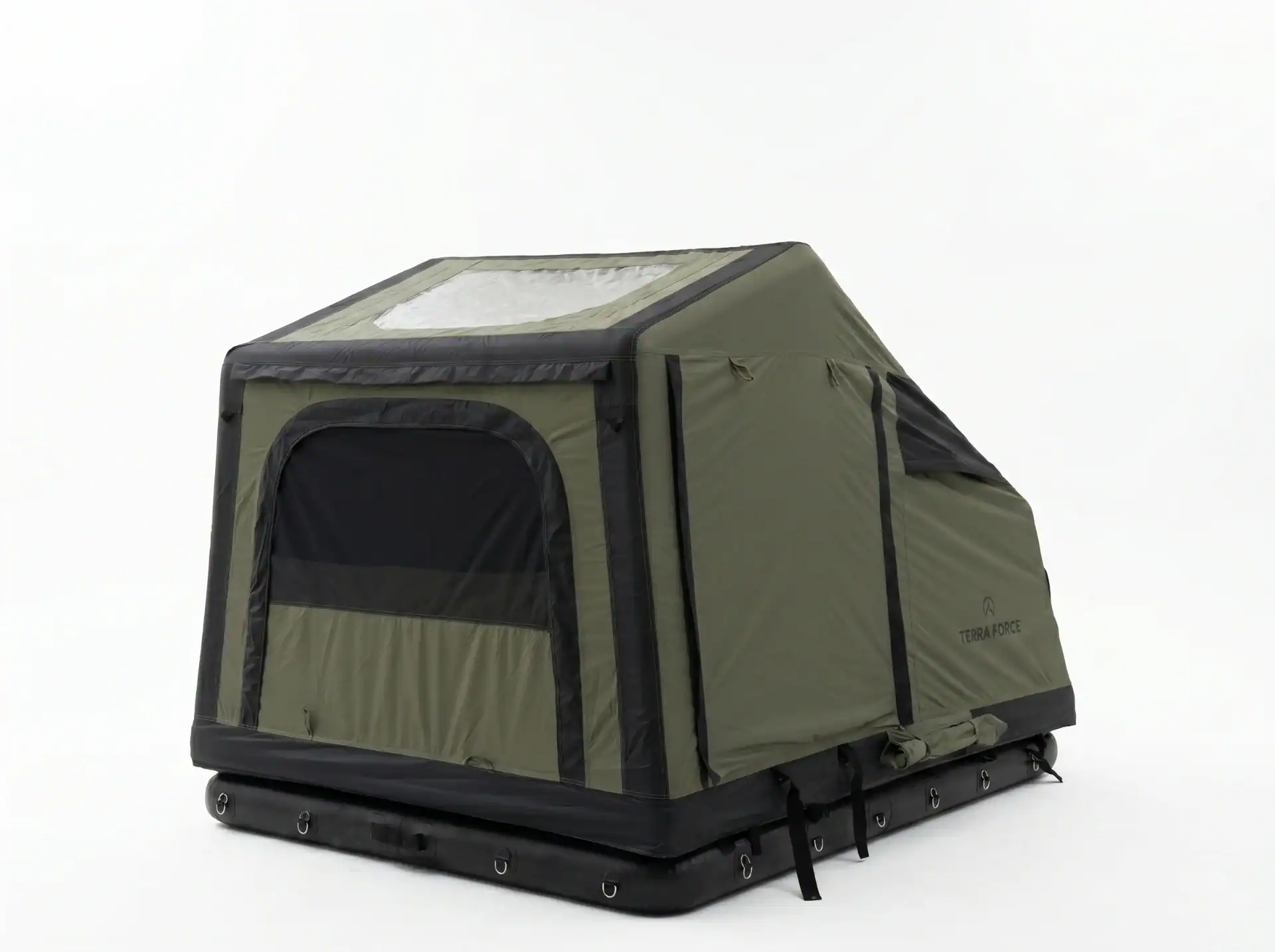
러시아 겨울을 위한 중요한 바람 및 눈 하중 사양
시베리아 겨울 조건에 필요한 최소 눈 하중은 50 kg/m²입니다.
고객이 텐트가 무너졌다고 전화할 때, 근본 원인은 거의 항상 인플레이터블 프레임이 아닙니다. 먼저 앵커링이 실패하고, 이후 구조가 비틀리며 솔기에서 찢어집니다. 러시아 겨울을 위해서는 데이터시트의 어떤 숫자보다 눈 하중과 풍속 두 가지 숫자가 더 중요합니다.
최소 눈 하중: 50 kg/m²
러시아 임시 구조물 건축 코드는 최소 1제곱미터당 50kg의 눈 하중을 권장합니다. SI 단위를 선호하는 엔지니어들에게 이는 약 490파스칼에 해당합니다. 3시즌용 표준 텐트(30 kg/m² 등급)는 젖고 무거운 눈 아래 6시간 후 변형됩니다. 인플레이터블 아치는 버틸지 몰라도 지붕 패널은 처지고 물이 고이며, 원단이 앵커 패치에서 분리됩니다.
시베리아나 캄차카에서 수주일 동안 계속 설치 상태를 유지해야 하는 인플레이션 텐트의 경우, 공장 측에서 정적 하중 테스트 동영상을 제출해야 합니다. 지붕 패널 전체에 정격 하중의 1.5배 중량(모래주머니나 물 주머니 형태)을 분 Distributing시켜 테스트하며, 샘플 승인 단계에서 해당 영상을 제공하지 않을 경우 계약을 취소합니다.
풍속 등급: 80km/h가 최소 기준인 이유
일반적인 도모형 텐트는 순풍 60km/h 수준에서 구조적 한계에 부딪힙니다. 이를 초과하는 돌풍은 구조물에 진동을 유발하며, 한 곳의 고정점이 풀리면 1분도 채 되지 않아 8개 코너 전체로 파국이 번집니다. 러시아 겨울 작전 환경—벌판, 얼어붙은 호수 표면, 노출된 능선—을 고려할 때 최소 풍속 등급을 80km/h로 설정합니다.
모든 SKU마다 풍동 시험 보고서를 요구한다는 뜻은 아닙니다. 다만 공급업체가 자체 도모형 또는 터널형 텐트의 공기역학적 항력을 설계 단계에서 검토했는지 반드시 확인해야 합니다. 터널 타입 인플레이션 텐트는 도모형보다 측면 표면적이 넓어 바람을 받는 방식이 다르며, 이에 맞는 별도의 가이라인 기하학 설계가 필요합니다.
공급업체 데이터시트와 현장 현실 비교 방법
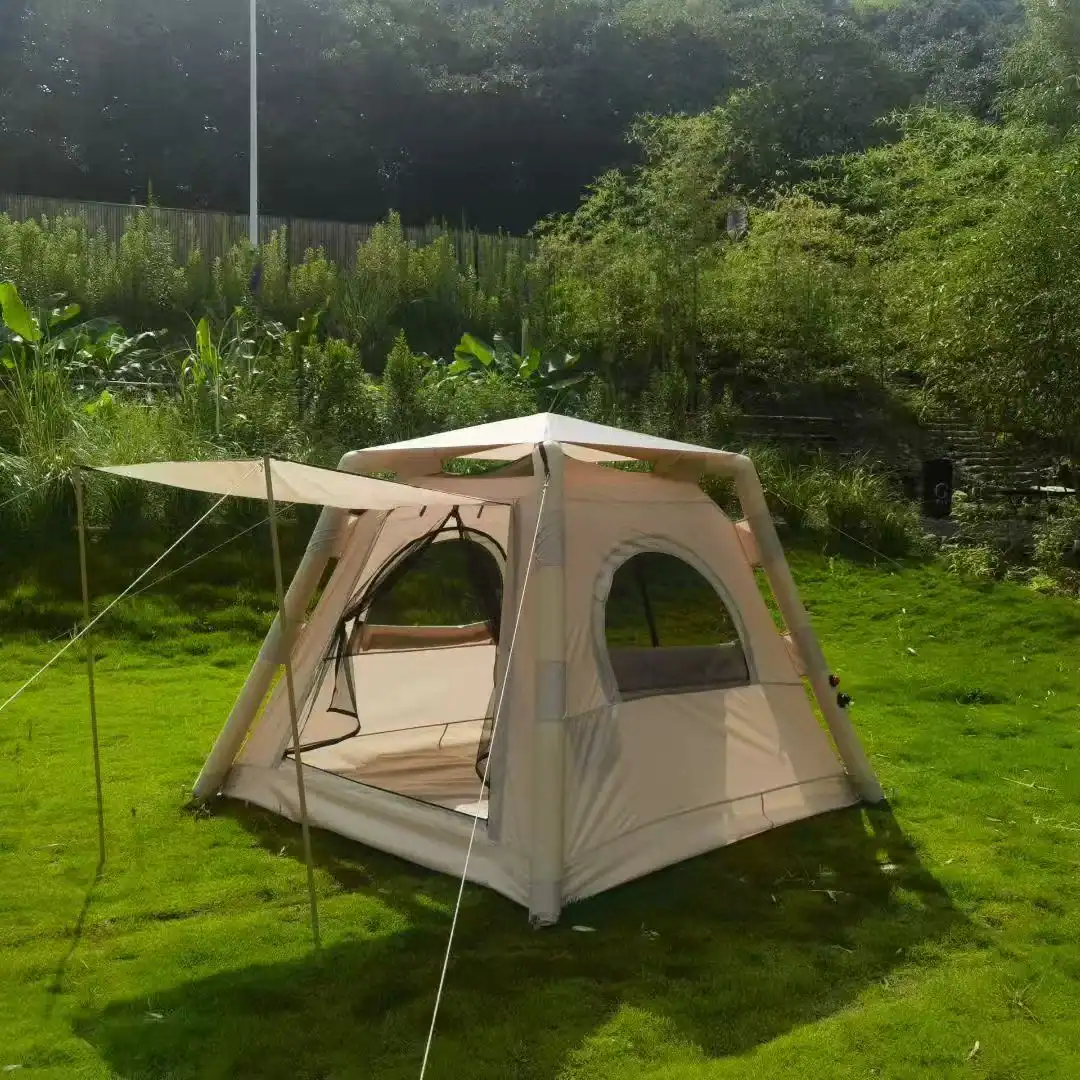
정착 시스템 비교: 얼어붙은 땅에서 어떤 것이 작동합니까?
대부분의 중국 공장들은 인플레이션 프레임 테스트만 실시할 뿐, 지면 고정(앵커링)은 텐트가 날아갈 때야 비로소 문제가 됩니다.
얼어붙은 지반은 모든 고정 시스템의 조건을 바꿉니다. 여름철 토양에서 잘 작동하는 일반 8인치 알루미늄 파일은 지면이 30cm 이상 깊이까지 완전히 얼면 소용이 없습니다. 선택지는 세 가지 방식으로, 각각 특정 사용 사례에 맞춰 적용됩니다.
스노우 파일: 영구동토층 위 다져진 눈 고정 최적
길이 300~600mm의 긴 스노우 파일은 영구동토층이나 단단히 다져진 지반 위에 최소 40cm 두께의 다져진 눈이 있을 때 효과적입니다. 이는 수직 저항보다 측면 마찰력을 주로 의존합니다. 알루미늄 또는 경화 강철 재질을 사용해야 하며, 일반 나일론 파일은 지속 강풍의 측면 하중으로 휘어질 수 있습니다.
-
- 길이 규칙: 텐트 스팬이 4m일 경우 최소 400mm 패이크 사용. 짧을 경우 눈 이동 하중에서 빠져나갈 수 있습니다.
- 각도 규칙: 텐트 밖으로 45도 각도로 박아야 하며, 수직으로 박지 마십시오. 수직 패이크는 돌풍 리프트 하중에 의해 전단 파괴됩니다.
데드맨 앵커(Deadman Anchors): 심한 눈밭에서의 유일한 선택
얼어붙은 지반을 확인할 수 없고 수 미터의 파우더 눈만 있는 환경에서는 데드맨 앵커가 유일한 신뢰할 수 있는 고정 방법입니다. 모래주머니, 눈을 채운 PVC 튜브, 전용 데드맨백을 갯줄 방향과 90도 각도를 이루도록 최소 60cm 깊이로 매몰하십시오. 지반 마찰력이 아닌 매몰物 위의 눈 대략 무게에 의해 유지력이 발생합니다.
아이스크류( Screw-in Anchors): 높은 유지력, 제한된 적용 조건
등산용 풀스레드 튜브형 스크류인 아이스크류는 앵커 포인트당 유지력이 가장 높아 단단한 얼음에서 1,000kg을 초과하기도 합니다. 그러나 최소 15cm 두께의 노출 얼음이나 매우 단단히 얼어붙은 지반이 필요합니다. 동결 깊이가 일정하지 않은 혼합 조건에서는 스크류 앵커가 고정 없이 회전할 수 있습니다.
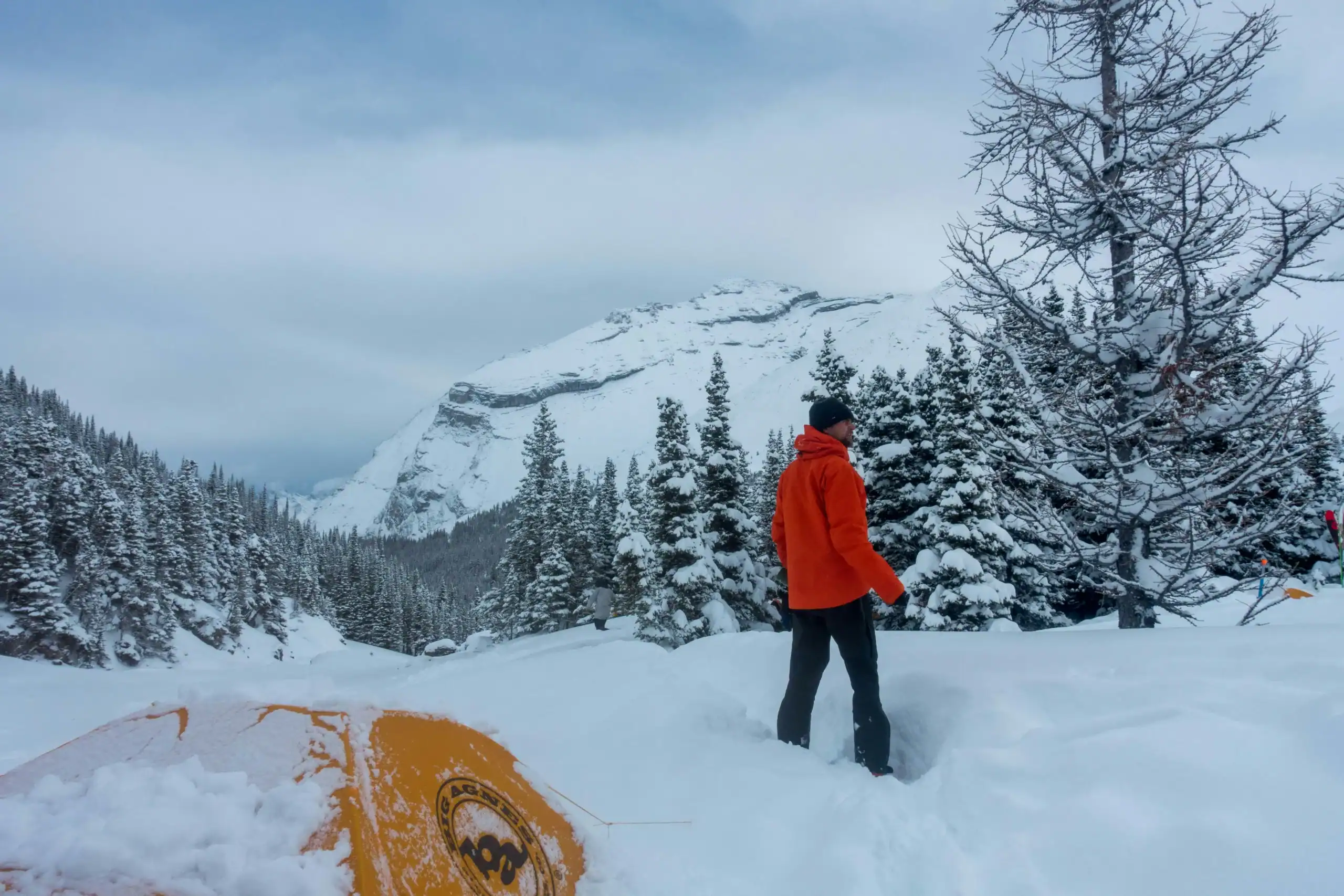
공장 감사 중 정착 하드웨어 품질 검증
공장 현장 점검 시 대부분의 경우 하드웨어 항목은 생략됩니다.
텐트 공장 안으로 들어서면 누출 압력 테스트를 받는 팽창식 프레임, 빛으로 확인하는 씰링 이음매, 기계로 시험하는 원단 인장 강도 등을 볼 수 있습니다. 하지만 당신이 요청하지 않는 한 테스트되는 것은 앵커링 하드웨어가 아닙니다. 패이크, 웹bing 루프, 보관 가방 등은 종종 저가의 부속품으로 취급됩니다. 러시아의 겨울 기온에서는 이 하드웨어 하나가 텐트가 그 자리에 고정될 것인가, 아니면 $50K 수량이 얼어붙은 호수 위를 끌려다닐 것인가를 가르는 핵심 요소가 됩니다.
스테이크 소재: 아연도금 강철 vs. 알루미늄 합금
중국 공장 대부분은 무게가 가볍고 FOB 가격 단위당 저렴하기 때문에 알루미늄 합금 스테이크를 기본으로 사용합니다. 이는 여름 자동차 캠프링에는 적합합니다. 그러나 러시아의 겨울처럼 스테이크가 얼어붙은 지면이나 다져진 눈 속으로 강하게 박히는 환경에서는 알루미늄이 반복 충격에 휩어집니다. 아연도금 강철 스테이크는 이런 충격에 견디지만, 아연 도금이 얇으면 부식 위험이 있습니다. 스테이크 일괄 구매 시 72시간 염수 분무 시험 결과로 아연 도금이 한 시즌만 버티는지, 다섯 시즌을 버티는지 알 수 있습니다. 만약 공급업체가 염수 분무 시험 보고서를 제시하지 못한다면, 도금이 2년 차에 손상될 것으로 간주해야 합니다.
웨빙 인장 강도: 500kg 기준선
스테이크 루프를 텐트 본체와 연결하는 웨빙 스트랩은 강풍과 눈 쌓임으로 인한 하중을 완전히 견뎌냅니다. 겨울 등급 인플레이터블 텐트 업계 표준은 25mm 폴리에스터 웨빙 기준으로 최소 500kg의 파단 강도입니다. 시 공장 감사, 현재 생산 물량에서 샘플 스트랩을 끌어보며 인장 시험 기계가 어떻게 작동하는지 확인 요청하십시오 — 사전에 잘라둔 시연용 조각이 아니라 현장 생산품을 사용해야 합니다. 어떤 스티치 줄이 가장 먼저 파열되는지 주의 깊게 관찰하십시오. 400kg에 도달하기도 전에 실이 끊어진다면, 해당 공급업체가 3계절용 쉘터용으로 설계된 표준 실 카운트를 사용 중입니다.
보관 가방 설계: Mud, Salt, and Frozen Hardware
“가장 많은 구매자가 창고에 녹 냄새가 나서야 알아차리는 것이 있습니다.”라고 Kelyland Outdoors의 Hanke Chen은 말합니다. “현장이 끝난 후泥물과 소금물이 묻은 스테이크를 건조도 시키지 않은 채로 보관 가방에 그대로 넣는 경우가 많은데, 이렇게 하면 밀봉된 나일론 주머니 내부에서 부식이 가속화됩니다.” 이 문제를 해결하는 방법은 간단하지만 거의 명시되지 않습니다: 스테이크 가방 설계 시 메시 배수 패널을 포함하여 수분이 금속 표면에 고이는 대신 빠져나갈 수 있도록 해야 합니다. Kelyland의 파트너 공장들은 샘플 승인 단계에서 이를 표준 커스터마이제이션 옵션으로 제공합니다.
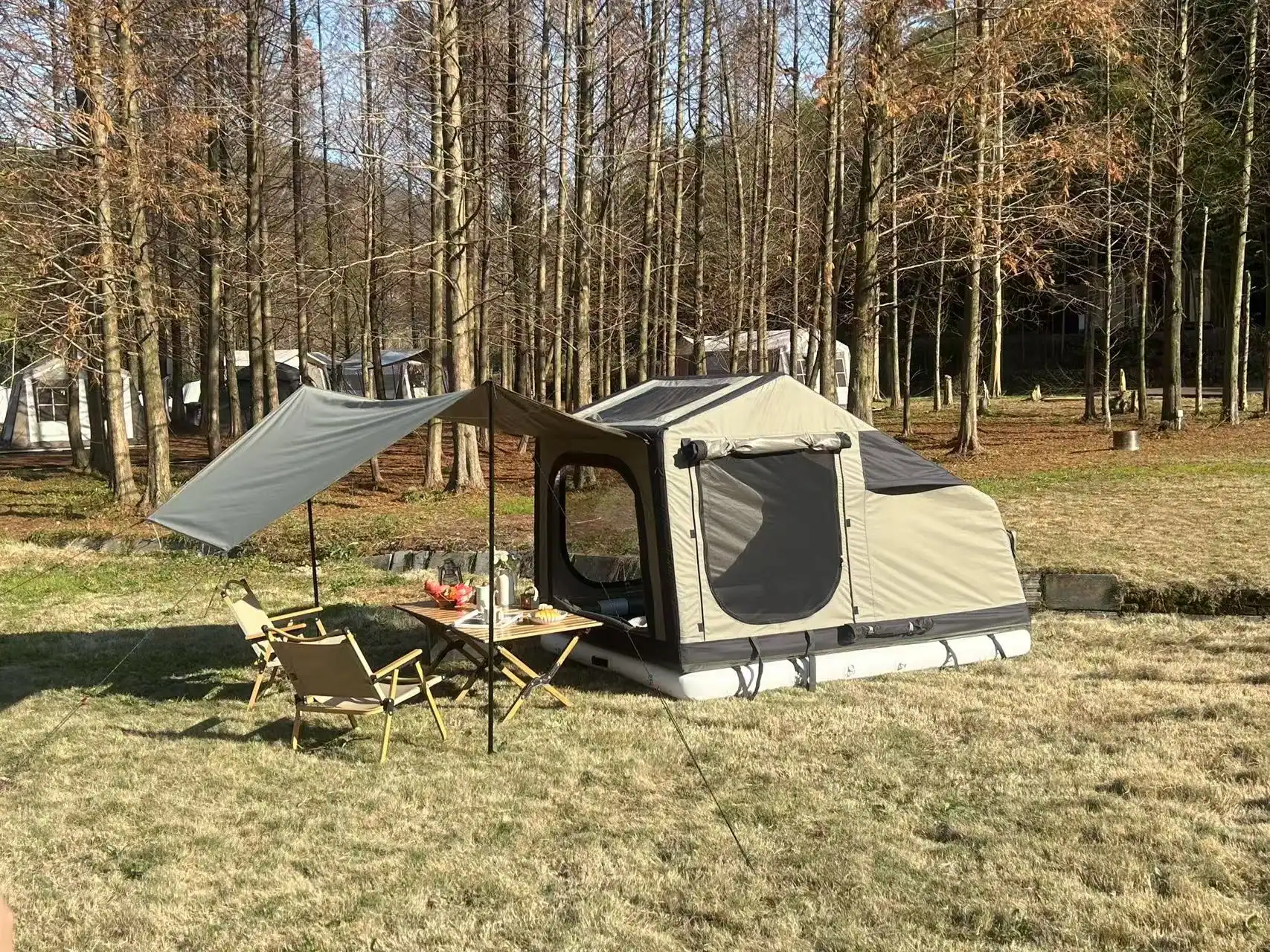
500개 대량 주문 전 테스트 요구사항
50 kg/m² 정하중 시험은 자료집에서는 결코 확인할 수 없는 구조적 결함을 발견합니다.
공장으로부터 정하중 시험 영상 요청
500개 주문을 확정하기 전에, 공급업체에게 루프 패널 위쪽의 눈 무게를 모사한 정하중 시험 영상을 촬영해 달라고 요청하십시오. 50 kg/m² 하중 — 이는 대략 50cm의 새 하얀 눈 무게에 해당합니다 — 은 팽창된 구조물 전체에 고르게 적용되어야 합니다. 대부분의 중국 공장들은 인플레이터블 프레임만 시험하고, 테ント 날아간다고 불만이 들어올 때까지 anchoring은 뒷전으로 밀립니다. 재단 시작 전에 스텝 루프를 한쪽에 2개씩 추가 보강된 것을 표준으로 명시해두는 것이 중요합니다. ISO 9001:2015 인증을 받은 파트너 공장을 운영 중인 Kelyland Outdoors는 사전 생산 샘플 승인 과정의 일환으로 이 시험 영상 제공을 도와드릴 수 있습니다.
돔형 대 터널형의 풍동 실험 데이터 또는 CFD 보고서
풍동 실험 데이터 — 또는 최소한 전산유체역학(CFD) 시뮬레이션 보고서 —를 통해 tents이 강풍 하에서 어떻게 거동하는지 예측할 수 있습니다. 돔형 구조는 터널형과 크게 다릅니다. 돔형은 바람을 표면 주위로 흘려보내지만, 터널형은 측풍을 받아 잘 고정되지 않으면 들릴 수 있습니다. 인플레이터블 텐트의 풍속 등급 — 이상적으로는 80km/h 이상 — 을 요청하십시오. 공급업체가 CFD 데이터를 제공하는 것을 망설인다면, 일반적으로 시뮬레이션을 수행하지 않았음을 의미합니다. Kelyland 네트워크에는 돔형과 터널형 인플레이터블 텐트를 모두 생산하는 공장들이 포함되어 있어, 귀하의 풍하중 요구사항에 적합한 형상을 제공할 수 있습니다.
반사 마커가 있는 integrale guy line 장력 조절 시스템
폭설에서는 시야가 거의 제로가 됩니다. 일반적인 가이 라인은 보이지 않습니다. 텐트에는 웹빙에 직접 반사 마커가 봉합된 integral 가이라인 장력 조절 시스템이 기본으로 포함되어야 합니다. 이를 통해 팀은 어둠 속에서 방향 감각을 잃지 않고 앵커를 설치할 수 있습니다. 장력 조절 시스템은 빠른 해제가 가능해야 합니다 — 얼어붙은 손으로는 매듭을 묶기가 어렵습니다. Kelyland는 25mm~38mm 폴리에스터 웹빙의 스테이크 아웃 스트랩을 맞춤 제작할 수 있으며, 영하 모델 제품 라인업에 명시된 대로 TPU 오버레이로 스트레스 영역을 강화합니다.
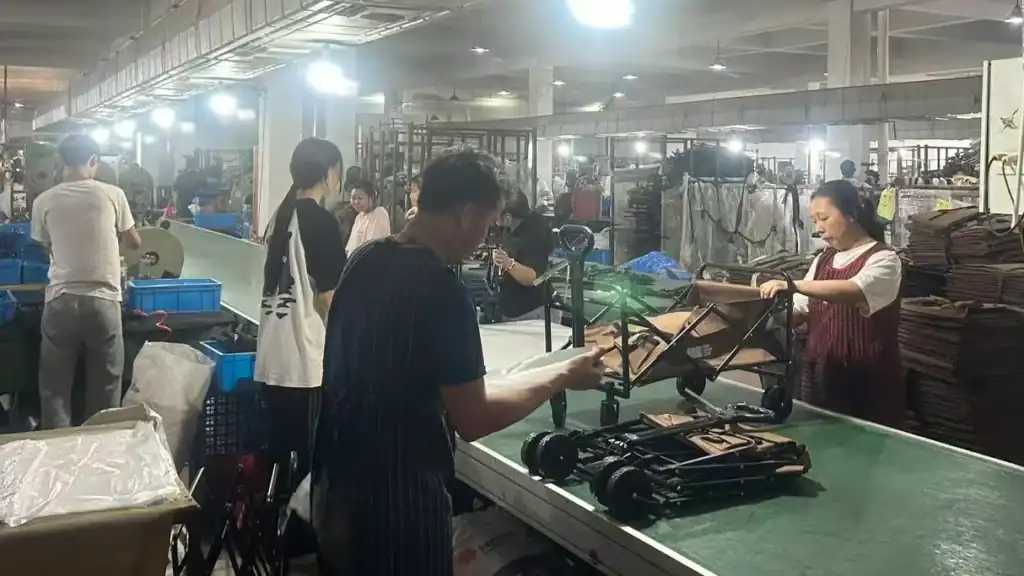
Kelyland Outdoors가 정착 성능을 테스트하는 방법
대부분의 공장은 인플레이터블 튜브만 테스트합니다.
한 시베리아 아웃필터 업체는 작년 한 폭풍으로12개의 텐트를 잃었습니다. 인플레이터블 프레임은 버텼습니다. 그러나 앵커 포인트들이 바닥 원단에서 찢겨 나갔습니다. 겨울용 텐트 결함에 대해 고객이 문의할 때 반복적으로 발견되는 패턴입니다. 대부분의 중국 공장들은 에어 프레임 압력과 이음 용접만 테스트하고 일을 끝낸다고 말합니다. 고정부품은 잘해야 시각 검사를 받습니다.
물리적 테스트를 위한 협력 공장 능력
Kelyland가 닝보와 협력하는 텐트 공장은 웹빙과 앵커 패치를 검증된 파단 강도까지 당길 수 있는 내부 인장 시험기를 보유하고 있습니다. 또한 -40°C까지 조건을 시뮬레이션하는 냉동 챔버도 운영합니다. 이는 중요합니다. 상온에서는 합격한 스테이크 루프라도 바닥 적층에 잘못된 PVC 배합이 사용된 경우 -30°C에서 취성 파괴될 수 있기 때문입니다.
-
- 인장 시험 표준: 웹빙 루프는 생산 승인 전에 최소 500kg의 파단 강도까지 당겨집니다.
- 한랭 챔버 테스트 절차: 앵커 패치 어셈블리는 -40°C에서 4시간 동안 조건을 맞춘 후, 재질 유연성 검증을 위해 굽힘 테스트를 반복합니다.
맞춤형 보강 옵션 제공
표준 모델은 스테이크 스트랩에 25mm 폴리에스터 웹빙을 사용합니다. 러시안 겨울 환경처럼 얼어붙은 땅과 반복되는 동결-융해 사이클이 앵커 고정 부위에 과중한 스트레스를 가할 때는, 38mm 웹빙으로 업그레이드하면 스티치 라인의 접촉 면적이 약 60%만큼 늘어납니다. 이는 고장 발생 특점인 국소적인 원단 마모를 감소시킵니다.
결론
앵커링 결함은 공장 쇼룸에서는 드러나지 않습니다. 시베리아 폭풍이 시속 80km의 강풍을 텐트의 풍향면에 가하고, 텐트 구조가 그 힘을 바닥 패치 솔기에 집중시킬 때 비로소 문제점이 표면화됩니다. 바로 이때 $50K 규모 주문은 불법 청구로 번집니다. 올바른 앵커 시스템 지정, 하드포인트 위치 검증, 그리고 영하 환경 재사용을 위한 TPU 복합 바닥재 요구사항은 선택적 업그레이드가 아닙니다. 이는 러시아 겨울 조건용으로 설계된 모든 에어리스 텐트의 최소 필수 사양입니다.
-
- 최소 제하 중량 규격은 50kg/㎡이며, 정하중 테스트 영상으로 확인해야 합니다.
- 풍속 등급은 최소 시속 80km 이상이어야 하며, 일반 텐트는 시속 60km에서 파손됩니다.
- 보강형 스테이크 루프(25mm→38mm 웹빙) 요청 및 측면별 최소 8개 앵커 포인트 적용.
대량 생산 착수 전에 공급업체를 대상으로 3단계 체크리스트를 수행하십시오. 먼저 정하중 테스트 영상을 요청해 보세요. 지붕 패널에 적설 하중을 모사했는지 확인합니다. 둘째, 돔형과 터널형의 풍동 시험 데이터 또는 CFD 보고서를 요구하십시오. 셋째, 앵커 포인트 위치 배치가 기존 금형 레이아웃 내에서 최적화되어 바닥 패치 솔기에 응력이 집중되지 않도록 했는지 확인합니다. 이 중 어느 항목에서도 공급업체가 주저하거나 회피한다면 단호히 포기하십시오. 명확한 증빙 자료를 제시하는 공장이라면 그들의 에어리스 텐트 제품군 사양서 및 맞춤 보강 옵션 과 관련된 사항을 엔지니어링 팀과 직접 논의하십시오.
자주 묻는 질문
러시아 겨울용 텐트에 필요한 눈 하중 등급은 무엇인가요?
시베리아 조건에서는 최소 50 kg/m²의 제설 하중 사양이 필요합니다. 이 등급은 중량 적설과 drift에 의한 지붕 붕괴를 방지합니다. 주문 전에 공장 시험 보고서에서 이 사양을 반드시 확인하세요.
겨울용 인플라테이션 텐트는 어떤 풍속에 견딜 수 있어야 하나요?
최소 등급 풍속은 러시아 겨울철의 안정적인 성능을 위해 80km/h입니다. 표준 텐트는 더 약한 고정 장치 통합으로 인해 60km/h에서 종종 실패합니다. 특정 텐트 모양의 풍동 데이터가 있는 경우 요청하십시오.
얼어붙은 지면에 가장 적합한 앵커 타입은 무엇인가요?
아이스 스크류나 스크류식 앵커는 동토(冻土)에서 최대 고정력을 제공합니다. 표층만 얼고 영구 동토가 없는 깊은 눈 덮인 현장에서는 모래주머니를 묻는 데드맨 앵커가 더 실용적입니다. 사이트의 동결 깊이와 적설 조건에 맞는 앵커 타입을 선택하십시오.
대형 인플레터블 텐트에는 몇 개의 스테이크 포인트가 필요할까요?
4미터 이상의 대형 텐트는 측면당 최소 8개의 스테이크 포인트가 필요합니다. 이는 바람과 눈 하중을 구조물에 고르게 분산시킵니다. 공장 검수 시 각 포인트의 웹빙 루프 보강 상태를 확인하십시오.
켈랜드에서 겨울용으로 앵커링 하드웨어를 커스터마이징해 줄 수 있나요?
설계 단계에서 선호하는 스테이크 재질과 테스트 요구사항을 명시하세요.

 English
  Español
  Deutsch
  Français
  Português do Brasil
  Русский
  العربية
  한국어
한국어  日本語
日本語