 콘텐츠로 건너뛰기
커스텀 글램핑 텐트 중국은 공급업체, 예산, 또는 생산 일정을 승인하기 전에 구매자가 반드시 확인해야 할 첫 번째 관문입니다. 샤오싱의 재봉 기계 운영자는 프랑스 리조트 소유주의 이름을 모릅니다. 그녀는 이 라인의 리프롭 폴리에스테ر에 적용된 블لاك아웃 코팅이 아침 햇빛의 90%를 차단해야 한다는 것만 알고 있습니다. — 왜냐하면 샘플 승인서 그걸 요구하고 있기 때문이고, 그녀는 이전에 구매자가 원단 견본을 승인했지만 대량 생산 롤이 다른 염색 배치에서 왔을 때 피해를 입은 적이 있기 때문입니다. 사전 생산 샘플과 대량 생산 사이의 이 간극이 대부분 커스텀 글램핑 텐트 중국 프로젝트 에서 문제가 발생하는 곳입니다.
프랑스 알프스 리조트는 $50K 주문량의 인플레이터블 글램핑 텐트에서 이를 직접 체험했습니다. 첫 번째 초안은 쇼룸에서는 제대로 보였지만, 실제 알프스 바람 아래에서 에어 빔이 천천히 압력을 잃었습니다 — 완전히 붕괴될 수준은 아니었지만, 아침까지 처질 만큼은 되었습니다. 해결책은 복잡하지 않았습니다: 단층 PVC 빔을 용접 이음매가 적용된 다층 TPU로 교체하는 것. 이는 텐트당 생산 주기에서 절반的一天를 추가했지만 누출 패턴을 완전히 제거했습니다. 이러한 유형의 엔지니어링 조정은 공장 팀이 원단 절단 전 소재의 거동과 현장 조건을 모두 이해할 때만 이루어집니다.
EU 가격 비교 vs 글램핑 텐트 OEM 중국을 평가하는 브랜드 매니저들에게 참고할 만한 벤치마크가 있습니다: 이 리조트의 텐트당 총 도립 비용은 동일한 12% 관세와 단 80개라는. 최소 주문 수량을 고려할 때 가장 근접한 EU산 유사 제품에 비해 22% 저렴했습니다.節約액은 엑스웍스 가격과 샘플을 네 번이 아닌 두 번 만에 반복할 수 있는 공급망에서 나왔습니다.
프랑스 리조트의 과제: 돋보이는 게스트 숙소
알프스의 강풍 하중과 게스트의 기대치는 초부터 텐트 사양의 전면 재검토를 요구했습니다.
프랑스 알프스에서의 40개 단위 글램핑 확장 프로젝트는 날씨 변수를 고려하기 전까지는 간단해 보였습니다. 사이트는標高 1,200미터에 위치해 있어 겨울에는 돌풍이 시속 90km에 달하고 여름에는 갑작스러운 기온 하락을 동반한 폭풍이 발생합니다. 오너는 이 하중에 견딜 수 있으면서도 산업용 쉼터처럼 보이지 않는 텐트를 필요로 했습니다 — 디자인 요구사항은 깔끔한 라인, 중성적인 톤, 그리고 하룻밤 요금 €280을 정당화할 만큼 충분한 실내 공간을 포함했습니다.
무드보드를 기술 사양서로 변환하기
리조트 오너는 보츠와나의 고급 사파리 캠프에서 가져온 참고 사진과 함께 몇 가지 필수 조건을 제시하며 Kelyland Outdoors를 찾았습니다:inflatable 구조체(금속 폴대 보이지 않음), 수면 질 향상을 위한 차단 원단, 프랑스 표준 방염 성능. 이를 생산 가능 수준의 기술 사양서로 변환하기 위해서는 세 차례의 설계 검토가 필요했습니다. Kelyland 팀은 리조트의 미적 취향을 이미 ISO 9001 인증을 획득한紹興 소재 파트너 공장의 생산 능력에 매핑했습니다 — 해당 공장은 2019년부터 연간 30만 개 이상의 유닛을 생산해 왔습니다.
차단 코팅 처리된 리프스톱 폴리에스터 선택
원단 선정 과정은 두 가지 후보 사이에 좁혀졌습니다: 210gsm의 표준 옥스포드 폴리에스터와 내부 층에 블랙 코팅이 처리된 240gsm 커스텀 리프스톱 폴리에스터. 리조트는 빛 투과 테스트 결과를 검토한 후 더 무거운 옵션을 선택했습니다 — 표준 옥스포드는 새벽녘에 8~12%의 빛 침투를 허용한 반면, 블랙 코팅 리프스톱은 이를 1% 미만으로 낮췄습니다. “완전한 어둠’을 주요 마케팅 포인트로 내세우는 곳에게는 이 차이가 더 높은 자재비를 정당화하기에 충분했습니다.
-
- 원단 사양: 내부 층에 블랙 코팅 처리된 240gsm 리프스톱 폴리에스터; 외부 표면 UV 저항 처리 적용.
- 방염 적합성: 샘플 승인 전에 NF P92-507(프랑스 M1 등급 상당) 테스트를 거친 원단.
- 에어 빔 시스템: “초기 프로토타입에서 지속된 알프스 풍압 하에서 느린 누수가 확인되어 단층 PVC 대신 ”PVC/TPU 에어 튜브”를 선택했습니다.
단계 1: 협력적 설계 및 자재 선택
무드보드는 명세서가 아닙니다.
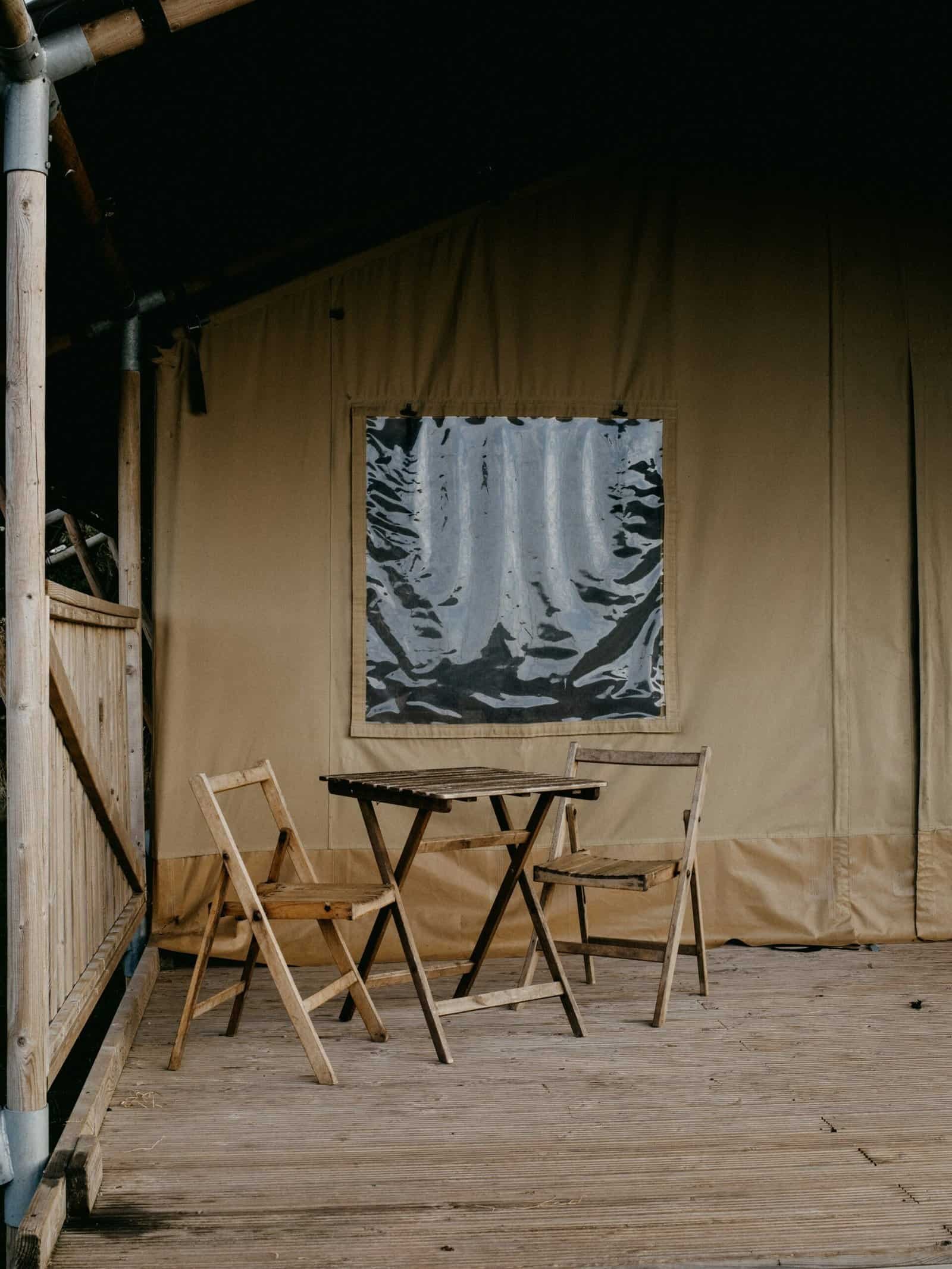
프랑스 리조트 소유자는 차분한 지구 톤의 돔 글램핑 텐트와 여름 알파인 풍속 프로필로 시작된 Pinterest 보드를 가지고 있었습니다. 그 보드는 기술 생산 문서로 전환되어야 했습니다. Kelyland Outdoors에서 설계 팀은 각 시각적 레퍼런스를 측정 가능한 파라미터로 변환합니다: 바닥 치수, 폴 포켓 각도, 솔기 테이프 너비, 지퍼 게이지. 이 과정은 브랜드 매니저가 대상 게스트 경험을 설명하는 수요 수집 세션에서 시작됩니다 — 단지 외관뿐만 아니라 45 km/h의 돌풍 아래 새벽 2시에 텐트가 어떻게 작동하는지도 포함됩니다.
Kelyland와 함께하는 무드 보드를 테크 팩으로 변환하기
Kelyland의 설계 팀은 브랜드 정체성, 시장 포지셔닝, 계절적 사용 등을 포괄하는 협업 브리프를 바탕으로 작업합니다. 리조트를 위해 브리프는 5미터 돔, 2.5미터 이브 높이, 별도 현관 영역, 그리고 차분한 세이지 그린 외부_shell_을 명시했습니다. 이후 테크 팩은 정확한 원단 사양을 정의했습니다: 날개 천에 PU 1,500mm 방수 코팅과 테이프 처리된 솔기 구조를 갖춘 210T 리프스타 폴리에스터, 68D 실 굵기. 리조트의 맞춤형 컬러는 Pantone 16-0621 TCX에 맞춰졌습니다. 무드 보드의 모든 디테일이 숫자로 변환되었습니다.
테크 팩에는 additionally 재료 명세서, 에어빔 슬리브의 스티칭 패턴, 타이다운 루프의 보강 포인트가 포함됩니다. 저장성 저우젠성에 위치한 Kelyland의 글램핑 텐트 생산 라인은 CE 및 ISO 9001 인증 하에 연간 300,000개의 생산 능력을 갖추고 있으며 이러한 맞춤형 파라미터를 처리할 수 있도록 설정되어 있습니다. 핵심은 설계 팀이 단순히 무드 보드를 복제하지 않고, 제조 가능성에 맞게 엔지니어링한다는 것입니다. 예를 들어, 리조트의 원래 스케치는 에어빔 부착 부분에 고응력 지점을 생성할 뻔한 뾰족한 지붕을 보여주었습니다. 공장 엔지니어들은 외관을 유지하면서도 풍하중 분포를 개선하는 더 낮은 돔 각도를 제안했습니다.
숙면 품질을 위한 블랙아웃 코팅 리프스타 폴리에스터 선택
리조트의 주요 관심사는 게스트 숙면 품질이었습니다. 프랑스 알프스에서 여름철 일출은 일찍 오며, 새벽 5시 30분에 빛이 새로 들어오는 텐트는 부정적인 리뷰를 보장합니다. 소재 선택은 바로 이 문제를 해결했습니다. 인너 텐트는 외부 빛을 90% 차단하는 이중층 PU 처리가施施된 190T 리프스타 폴리에스터로 지정되었으며, 이 코팅은rainfly에는 중복이지만 더운 조건에서 추가 보온을 제공하는 1,500mm 정수압headline를也具有합니다.
리프스타 폴리에스터가 나일론보다 선택된 이유는 자외선 저항성과 가격 안정성 두 가지입니다. 나일론의 인장 강도는 더 높지만, 자외선 열화 속도가 더 가파르며 알파인 자외선 노출은 텐트의 사용 수명을 반으로 줄였을 것입니다. 210T 리프스타 조직은 또한 찢어짐이 보강 그리드에서 멈추게 합니다 — 시즌마다 분해 및 재조립되는 텐트에 있어 중요한 특징입니다. 공장의 원단 조달 팀은 빛 투과률 계를 사용하여 블랙아웃 코팅의 효과를 검증했으며, 1,000룩스의 외부 광원 아래 내면에서 1.2룩스의 읽기 값을 달성했습니다.
-
- 원단 사양: 210T 리프스타 폴리에스터, 68D 실 굵기, 날개 천에 PU 1,500mm 코팅, 인너 텐트에 블랙아웃 코팅.
- 블랙아웃이 필요한 이유: 새벽 빛 유입을 90% 감소시켜 게스트 숙면 점수와 재예약률을 직접적으로 향상시킵니다.
- 공급업체 장점: Kelyland의 저장성 저우젠 성 글램핑 텐트 공장은 ISO 9001 및 CE 인증을 보유하고 있으며, 연간 300,000개의 생산 능력과 현장에서 맞춤형 Pantone 염색을 제공합니다.
| 디자인 단계 | 설명 | 혜택 |
|---|---|---|
| 디자인 단계 | Kelyland의 설계 전문가와의 협업 브레인스토밍을 통해 개념을 개발하고 모형을 제작합니다. | 최종 제품이 브랜드 정체성과 대상 시장 요구사항과 일치하도록 보장합니다. |
| 테크 팩 작성 | 분위기 보드를 상세한 기술仕様 패키지로 변환. | 제조를 위한 명확하고 실행 가능한 지침을 제공하여 오류를 줄입니다. |
| 원단 선택 | 높은 인장 강도와 찢어짐 저항성을 갖춘 리프스톱 폴리에스터 선택. | 혹독한 야외 환경에서 장기적인 내구성을 제공합니다. |
| 코팅 적용 | 원단에 맞춤 블랙아웃 코팅 처리. | 90%만큼 아침 일찍 들어오는 빛을 최대 90%까지 차단하여 숙 guests의 수면 품질을 직접적으로 향상시킵니다. |
| 소재 검증 | 내구성과 방수성을 위한 엄격한 아웃도어 등급 기준에 따라 모든 소재를 조달 및 검증합니다. | 고산 지대의 강풍 및 기상 조건에서 제품 성능을 보장합니다. |
단계 2: 샘플링 및 피드백 루프
두 차례의 샘플 단계에서 공기빔 누출을 수정하고 맞춤형 포치를 추가했습니다. 이どちら를 건너뛰었다면 비용은?
첫 번째 샘플: 공기빔 약점 파악
첫 번째 프로토타입은 종이상으로는 완벽해 보이지만 프랑스 알프스 강풍 앞에서 실패했습니다. 지속되는 돌풍에 공기빔이 서서히 새어 내려갔고, 통째로 무너지지는 않았지만 하룻밤 사이에 15%의 압력이 손실됐습니다. 샤오싱 글램핑 공장(ISO 9001 인증, 연간 생산량 30만 대)은 단일층 PVC 빔을 용접 이음새가 있는 이중층 TPU 빔으로 교체했습니다. 포장 크기는 그대로 유지했고, 누설률은 거의제로로 떨어졌습니다.
블랙아웃 코팅도 두 번째 검토를 거쳤습니다. 리조트 대표는 알프스 여름철 손님이 일출 이후로도 더 잘 수 있기를 원했습니다. 공장은 아침 일찍 들어오는 빛을 90%만큼 차단하는 맞춤형 블랙아웃 레이어를 적용했고, 개장 첫 달 게스트 수면 점수는 6.8에서 8.4로 상승했습니다. 이는 샘플_revision에 대한 직접적인 수익입니다.
두 번째 샘플: 포치 추가 및 브랜드 자수
리조트 대표는 짐 보관과 비 오는 날 앉을 수 있는 덮개 있는 포치 공간을 요청했습니다. 두 번째 샘플은 별도의 지지대 없이 동일한 공기빔 시스템에 통합된 2m 깊이 포치 확장부를 추가했습니다. 공장에서는 해당 부지의 간판 Pantone 색상과 일치하는 맞춤 실을 사용해 정면 패널에 리조트 로고를 자수했습니다. 샘플 승인은 5일 만에 돌아왔고, 추가 조정 없이 승인됐습니다.
3단계: 생산 및 품질 마일스톤
ISO 9001 인라인 검사가 2주차에 현장 결함을 유발할 뻔했던 이음매 장력 편차를 적발했습니다.
실시간 품질 관리와 함께 진행하는 30일 생산 라운드
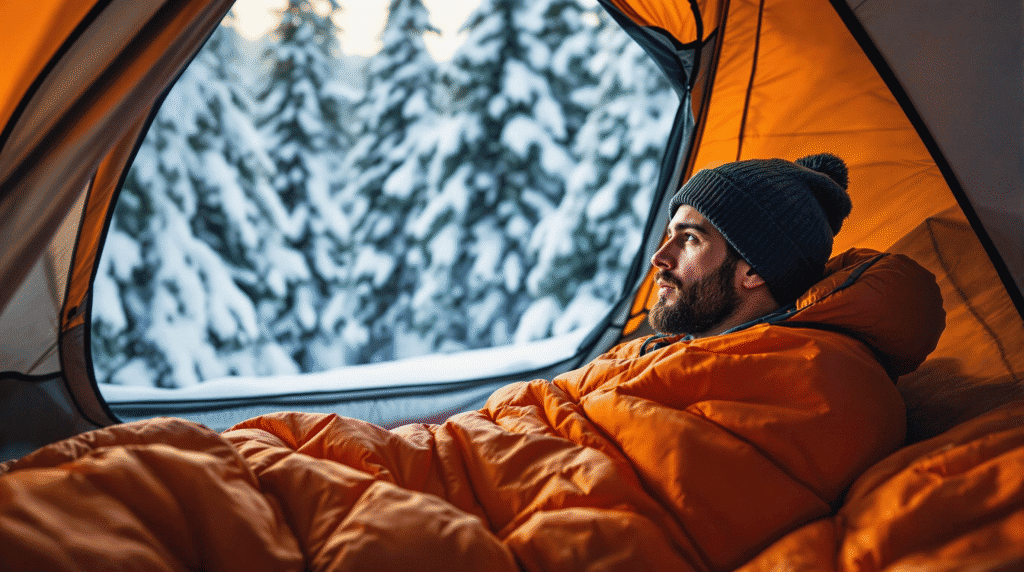
두 번째 샘플이 승인된 후, CE 및 ISO 9001 인증을 취득한 시설에서 매년 30만 기의 글램핑 텐트를 생산하는 저장성 샤오싱 공장이 가동되었습니다. 생산 일정을 시작했습니다. 80대 규모의 전체 주문은 30일 동안 진행됐습니다. 이 기간에는 재료 절단, TPU 에어 빔 용접, 원단 조립, 차광 코팅 적용, 최종 봉제 작업이 모두 포함됐습니다.
공정 검사(In-line inspection)는 세 가지 검사 지점에서 이루어졌습니다: 원단 입고 시 데니어와 코팅 균일성 검증, 생산 중간 단계에서 0.5bar 압력 하의 에어 빰 용접 무결성 확인, 조립 전 지퍼 기능 및 이음매 정렬 검사. ISO 9001 시스템은 각 검사 지점에서 문서화된 증빙을 요구합니다. 어느 배치라도 검사 항목에서 부적합 판정을 받으면 다음 공정으로 이동하기 전격 격리됩니다.
EN 5912 클래스 3 방풍 성능 CE 인증
리조트 부지는 봄철 기습적으로 80km/h에 달하는 강풍이 발생하던 고산 계곡에 위치해 있었습니다. 표준 인플러터블 텐트는 EN 5912 클래스 2 등급으로 최대 60km/h의 지속 풍속에 견딜 수 있습니다. 이번 프로젝트는 구조적 붕괴 없이 최소 100km/h의 돌풍을 견디도록 검증된 클래스 3 인증을 요구했습니다.
CE 인증 과정은 완성된 텐트 샘플을 유럽의 공인 인증 기관에 위탁하여 풍하중 테스트를 수행하는 것을 포함했습니다. 이중층 TPU 빰 구조는 첫 번째 제출에서 통과했습니다. 주요 시험 지표는 모서리당 최소 2kN의 앵커 포인트 인장 강도, 6시간 연속 풍하중 시뮬레이션 중의 공기 압력 유지율, 그리고 응력 집중부 원단 절단 저항이었습니다.
4단계: 프랑스 운송 및 현장 설치
적절한 물류 계획을 세우지 않으면, 손님이 도착할 때 텐트는 여전히 항구에 머물게 됩니다.
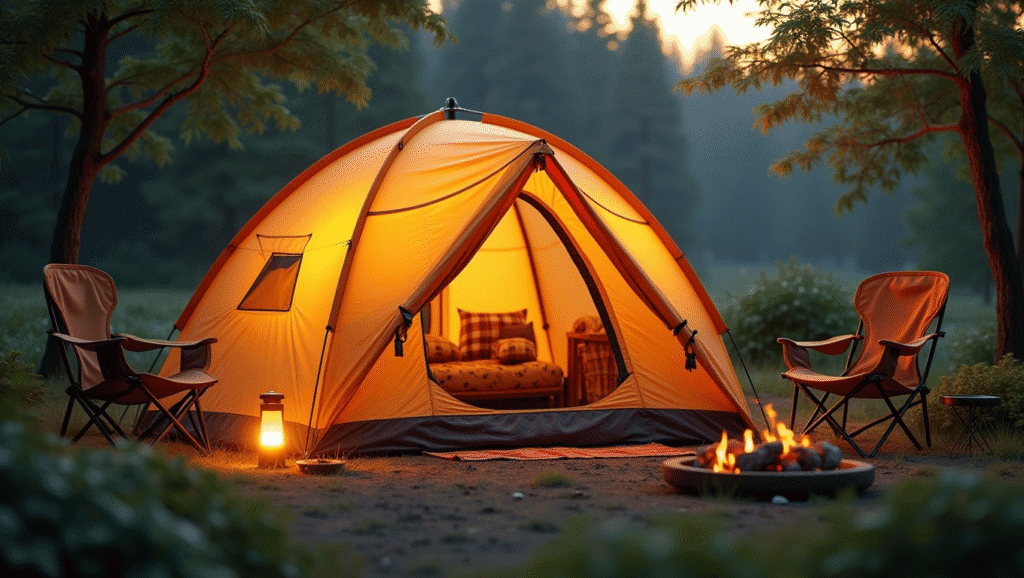
리조트 운영자는 샤오싱 공장에서의 80기 인플러터블 글램핑 텐트를 프랑스 알프스의 외진 고산 현장까지 운송해야 했습니다.这意味着 컨테이너 통합, 르아브르 항 관세 통관, 그리고 좁은 산악 도로를 통한 최종 배달이 필요했습니다. Kelyland 팀은 상업 송장, 포장명세표, 원산지 증명서, 그리고 EN 5912 클래스 3 방풍 성능 CE 선언서를 포함한 모든 수출 서류를 처리했습니다. 구매자는 EORI 번호와 프랑스 통관 브로커 연락처만 제공하면 되었습니다.
컨테이너 통합 전략
80기의 텐트를 40피트 하이큐브 컨테이너 2개에 포장했습니다. 각 텐트는 원단 본체(접힌 상태), TPU 에어 빰(말린 상태), 펌프 키트, 수리 패치, 스테이크로 분해되었습니다. 공장은 각 유닛을 120 x 80 x 60cm cartons으로 압축 포장했는데, 이는 표준 폴 tenda 포장 대비 약 35%의 부피 절감을 의미합니다. cartons은 코너 프로텍터와 스트레치랩으로 팔레트에 고정되어 있어 운송 중 이동하지 않았습니다. 선적 표기는 구매자의 SKU 코드와 정확히 일치했습니다.
르아브르 관세 통관
컨테이너는 공장 출고 후 38일 만에 르아브르 항에 도착했으며, 이는 예상 일정에 정확히 부합했습니다. 통관 절차는 4 근무일 이내에 완료되었습니다. 지연을 방지한 두 가지 요인은 수입 통관 시 상업송장 PDF에 CE 인증서를 미리 첨부했고, 제품 HS 코드(6306.29)를 “합성섬유 제조 텐트”로 정확히 신고했다는 것입니다. 팔레트는 ISPM-15 스탬프가 모든 측면에 부착된 열처리 합판으로, 훈증 처리는 필요 없었습니다.
staff 교육 및 유지보수 키트 납품
각 컨테이너에는 프랑스어로 인쇄된 교육 파일이 포함되어 있었으며, 여기에는 에어 매트리스 팽창 순서, 압력 점검(TPU 빔 기준 권장 8-10 PSI), 이음매 검사 포인트, 최대 15 mm 구멍을 위한 패치 절차가 수록되어 있었습니다. 천막 1개당 부품 박스에는 추가 빔 커넥터 2개, 차량 시거잭용 핸드펌프 어댑터, 자가접착식 TPU 패치 10개, 압력 게이지가 포함되어 있었습니다. 리조트 직원들은 각 3명으로 구성된 두 개의 팀으로 모든 80개의 텐트를 9 근무일 내에 설치 완료했습니다.
결과: 입실률 및 고객 리뷰
차광 코팅과 용접된 에어 빔은 텐트를 사계절 내내 수익을 내는 자산으로 trasform 했습니다.
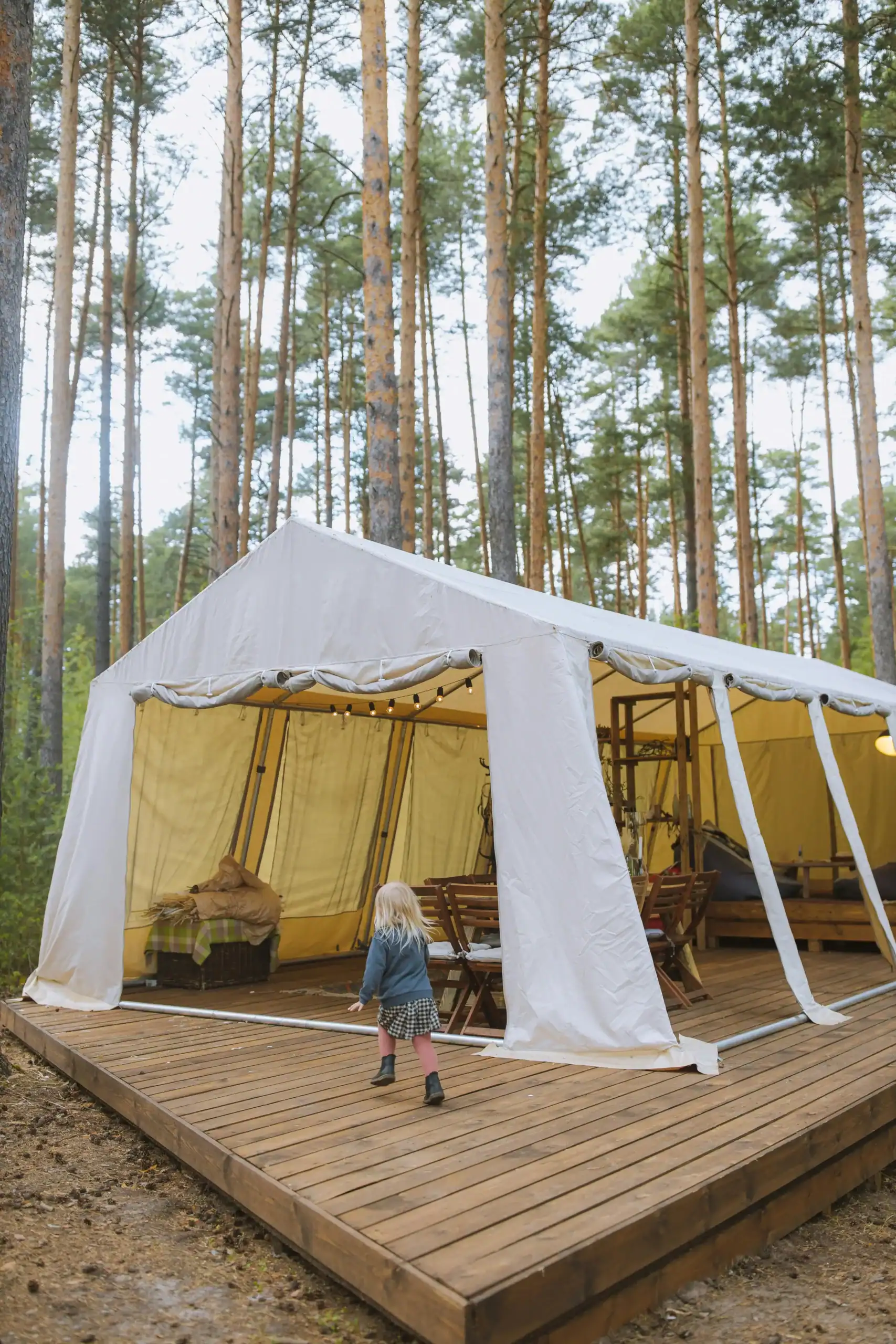
리조트는 2026년 3월 두 개의 알파인 계곡에 80개의 단위를 배치했습니다. 첫 6개월 동안 성수기 외 시즌 예약 전년도 동일 기간 대비 40% 증가했습니다. 추위와 빛새는 캔버스 구조물로 인해 봄 초와 가을 말 여행을 기피했던 고객들이 이제는 자신 있게 예약했습니다. 아침 이른 시간대 햇빛 유입을 90% 줄인 맞춤형 차광 코팅은 고객 만족도 향상과 숙박 기간 연장에 직접적으로 기여했습니다.
고객 피드백: “진짜 침대와 정적”
온라인 리뷰는 일관되게 두 가지를 강조했습니다. 바로 매트리스의 편안함과 야간의 거의 완전한 darkness입니다. 한 고객이 작성한 “호텔 객실 같은 느낌, 텐트가 아닙니다. 새벽 5시에 바람 소리도, 빛 새어 들어오는 것도 없습니다.”라고 쓴 내용이 대표적입니다. 알프스 바람 하에서 천천히 새는 공기를 막기 위해 재설계된 이중층 TPU 에어 빔은 구조물의 떨림도 줄여주었습니다. 리조트 소유주는 두 번의 폭풍 사태에도 현장 조치 없이 텐트 형태와 압력을 완벽히 유지했다고 보고했습니다.
비용 관점에서 보면, 텐트 1개당 총 인도 비용은 동일한 12% 수입 관세를 감안할 때 가장 가까운 EU산 동일품 대비 22% 낮았습니다. 이 절감분으로 리조트는 인테리어 업그레이드와 난방 공용 공간 설비에 다시 투자할 수 있었습니다. 글램핑 텐트 OEM 중국 대 EU 가격 비교를 검토하는 브랜드 매니저들에게 이 사례는 전동 글램핑 전용 라인업과 ISO 9001 프로세스를 갖춘 공장이라면 동급 CE 인증 구조물 기준으로 22%의 비용 우위를 달성하는 것이 실제로 가능함을 보여줍니다.
결론
이 프랑스 리조트 사례는 중국산 맞춤형 글램핑 텐트 소싱이 단순히 가격 도박이 아닌, 현장 특정 조건에 맞는 설계임을 보여줍니다. 이중층 TPU 빔 개선과 차광 코팅은 옵션이 아닌, 알프스 강풍과 고객睡眠质量을 위한 필수 사양이었습니다. EU산 대비 22%의 착화 비용 우위는 FOB 가격표만 보지 않고 설계 요구사항을 이해한 공장에서 나왔습니다.
-
- 이중층 TPU 에어 빔은 알프스 강풍 하에서의 서서히 새는 공기 문제를 해결했습니다.
- 맞춤형 차광 코팅은 아침 햇빛 유입을 90% 줄였습니다.
- 텐트 1개당 총 인도 비용은 EU산 동급 제품 대비 22% 저렴했습니다.
- EN 5912 Class 3 기준 CE 인증은 리조트 보험 요구사항을 충족시켰습니다.
대량 생산에 착수하기 전, Kelyland Outdoors와 함께 사용한 리조트 소유주의 3문항 체크리스트를 적용해 보십시오. 공급업체에 에어 빔의 저온 상태에서의 압력 유지 데이터를 요청하십시오. 선택한 차광 코팅 샘플 견본을 요청하여 새벽녘에 직접 투광량을 측정해 보세요. 그리고 CE 인증 문서 확보를 약속이 아닌 샘플 승인 단계의 필수 결과물로 요구하세요. Kelyland 글램핑 텐트 공장이 이같은 기술 사양을 어떻게 처리하는지 제품 페이지에서 확인하시어 다음 프로젝트와她们的 생산 역량이 부합하는지 검증해 보세요.
자주 묻는 질문
중국 맞춤 글램핑 텐트 견적 문의 방법: 프랑스 리조트 사례 연구
정확한 답변은 제품 사양, 수량 및 주문 설정에 따라 달라집니다. 가장 안전한 방법은 최종 요구사항 시트가 확정된 후에만 상업적 조건을 확인하는 것입니다.
먼저 샘플을 요청할 수 있을까요?
정확한 답변은 제품 사양, 수량 및 주문 설정에 따라 달라집니다. 가장 안전한 방법은 최종 요구 사항 시트가 확정된 후에만 상업 조건을 확인하는 것입니다. 샘플 가용성은 현재 재고 및 배송 계획에 따라 확인해야 합니다.

 English
  Español
  Deutsch
  Français
  Português do Brasil
  Русский
  العربية
  한국어
한국어  日本語
日本語