 Ir para o conteúdo
A Lista de Verificação de Auditoria de Fábrica de Exterior da China é o primeiro ponto de verificação que os compradores devem garantir antes de aprovarem um fornecedor, orçamento ou lote de produção. Uma lista de verificação adequada de auditoria de fábrica torna-se real no momento em que um contêiner chega e a amostra de pré-produção já não corresponde ao que está no chão do armazém. Já vi um pedido de $50.000 cadeiras de campismo chegar com o revestimento em pó da estrutura a descascar nos pontos de soldadura—algo que a amostra selada nunca mostrou porque essa amostra foi fabricada por um subcontratante totalmente diferente. A folha de especificações era perfeita. O preço FOB era agressivo. Nada disso importou.
A maioria dos gestores de categorias de retalho herda modelos de auditoria genéricos criados para eletrónica ou bens duros. O equipamento de exterior quebra esses modelos. Uma linha de costura que produz 800.000 tendas anualmente tem modos de falha que uma auditoria de moldagem por injeção de plástico nunca antecipa: delaminação da fita de costura a -10°C, fluência da bobina do zíper sob tensão lateral, classificações de coluna de água que testam bem na amostra de tecido mas caem 40% ao longo de uma produção completa porque a fábrica de tecido mudou a fórmula do revestimento de PU a meio do lote. A tolerância de qualidade entre uma classificação de impermeabilidade de 1500mm e 3000mm não é um ponto de negociação—é a diferença entre um produto que fica na prateleira e um que desencadeia uma cascata de devoluções.
As fábricas que acertam isto partilham três marcas operacionais: possuem as suas próprias máquinas de selagem de fita em vez de subcontratar o pós-processamento, calibram os seus equipamentos de teste anualmente com um autocolante CNAS que pode fotografar durante uma visita em vídeo, e podem produzir certificados de fábrica com números de lote térmico para cada material crítico—alumínio 7075 hastes de tenda, códigos de lote de zíper YKK, e tecido com um teste de coluna de água verificado desse rolo específico. As fábricas que não conseguem fazer estas três coisas são empresas comerciais com um showroom, independentemente do que o seu certificado ISO diz. Antes de assinar uma única ordem de compra, faça-lhes estas três perguntas.
Por que Listas de Verificação Genéricas Falham com Compradores de Varejo
Uma lista de verificação ISO genérica não impedirá uma tenda de vazar numa prateleira de retalho.
A maioria das listas de verificação de auditoria de fábrica disponíveis vêm de plataformas de aprovisionamento generalistas. Verificam saídas de incêndio e horas de trabalho, mas ignoram completamente a física do equipamento de exterior. Um chão de costura que faz sacos de compras perfeitamente aceitáveis pode destruir a classificação de impermeabilidade de uma tenda se o operador de selagem de costuras não estiver a controlar a máquina de fita de ar quente para o ponto de fusão específico do poliuretano. Para tecidos de nylon e poliéster, essa faixa de temperatura situa-se entre 380°C e 420°C. Fora desse intervalo, a fita ou não adere ou queima diretamente o tecido base.
Tem de verificar isto pessoalmente ou através de uma sonda de vídeo ao vivo. Peça ao gestor do chão de fábrica para selar um pedaço do seu tecido de produção específico, não uma amostra pré-preparada. Uma empresa comercial não consegue encenar esta demonstração porque não possui uma fita de costura máquina calibrada para tecidos de uso externo. Se hesitarem, você acabou de identificar um risco de fraude em sala de amostras em menos de três minutos.
A mesma lacuna se aplica à verificação de classificação de materiais. Seus concorrentes aceitam um certificado de fábrica que diz ‘impermeável’, mas você sabe que esse termo não tem significado sem uma medição de coluna d'água (HH). As tendas de varejo exigem uma classificação HH mínima de 3.000mm. Tecidos com classificação de 1.500mm HH falham no momento em que a pressão do joelho de um campista aplica peso de água contra o chão. Dados internos de varejo mostram que marcas que usam pisos de tenda de 1.500mm geram taxas de devolução três vezes maiores que os concorrentes com 3.000mm. Uma devolução é a transação mais cara no varejo, consumindo custos logísticos, mão de obra de reabastecimento e confiança permanente nas prateleiras.
-
- Verificação da Câmara de Envelhecimento UV: Listas de verificação genéricas ignoram isso completamente. Tecidos para uso externo devem comprovar resistência à cor e retenção de resistência à tração por no mínimo 500 horas de ciclos QUV/UV. Peça para ver o registro do ciclo mais recente. Um livro de registro empoeirado indica um adereço, não um laboratório de testes em funcionamento.
- Granularidade das Especificações de Embalagem: Auditorias padrão confirmam que um produto vai em uma caixa. Você precisa confirmar que o saco plástico atende aos limites específicos de estorno da sua cadeia. Um saco mais fino que 2,5 mil desencadeia uma taxa automática de deficiência. Esquecer a impressão de aviso de sufocamento ASTM F963 adiciona $2–$5 por unidade em deduções do varejista. A resolução de impressão da caixa colorida abaixo de 300 DPI bloqueia a leitura de códigos de barras GS1 no checkout, gerando dados de rejeição em nível de prateleira em tempo real.
- Piso de Conformidade de Varejo: Verifique se a fábrica possui a disciplina interna para produzir cartão de etiqueta com um mínimo de 350 g/m². Uma etiqueta frágil grita ‘loja de desconto’ e é rejeitada pelas equipes de conformidade com o planograma. Seu fornecedor deve provar que possui o Prefixo da Empresa GS1 correspondente à sua entidade comercial registrada, e não um conjunto reciclado de números de terceiros.

Legitimidade do Negócio: Além das Licenças Comerciais
Uma licença comercial prova existência, não capacidade.
Um fornecedor que exibe uma licença comercial é o passo zero. A armadilha de custos se instala quando você aceita isso como prova de que eles possuem uma fábrica. Empresas de trading alugam espaço de escritório compartilhado, exibem amostras de uma dúzia de fabricantes e se passam pela fonte. Seu primeiro pedido de compra morre na videira quando os prazos de entrega se estendem e as substituições de componentes começam, porque eles não controlam nenhum chão de fábrica. Verifique a legitimidade com provas operacionais, não com documentos digitalizados.
-
- Endereço Registrado vs. Mapas da Zona Industrial: Pesquise o nome da empresa no Sistema Nacional de Informação de Crédito Empresarial da China (qcc.com). Observe o endereço registrado. Cruze-o com a visão de satélite. Uma instalação de produção está situada em um parque industrial, rodeada por docas de carga e pátios de matéria-prima. Um endereço de torre de escritórios comerciais—especialmente um compartilhado por outras 50 “entidades de trading”—significa que você está falando com um intermediário, não com um fabricante. Peça uma foto da placa da fábrica no portão correspondente à licença comercial. Sem correspondência, sem negócio.
- Verificação Cruzada de Registros de Exportação Aduaneira: Solicite a declaração de exportação aduaneira do último embarque na sua categoria de produto. Uma fábrica exportando acampamento engrenagens terão códigos HS específicos do produto registrados—6306.22 para barracas, 9404.30 para sacos de dormir. Uma empresa comercial pode mostrar um embarque eletrônico aleatório ou recusar totalmente. Também peça para ver o número de registro de licença de exportação; uma licença de fabricante genuíno listará o escopo de sua própria fábrica. Se não conseguirem produzir uma declaração em 24 horas, eles não enviam diretamente.
- Sonda Técnica por Videochamada — Temperatura de Selagem de Costuras: Em uma demonstração ao vivo por vídeo, não pergunte ao vendedor. Peça para falar com o gerente de linha na estação de selagem de costuras. Pergunte diretamente: “Qual faixa de temperatura vocês utilizam na máquina de fita de ar quente para fita de PU em poliéster 190T?” A resposta correta é 380–420°C. Um funcionário de empresa comercial na linha não saberá isso; ele gaguejará ou dirá “seguimos o padrão”. Um gerente de produção real recita o número sem pensar. Esta única pergunta expõe fraudes de sala de amostras em menos de três minutos.
- Saco de dormir Referência Cruzada de Poder de Enchimento: Se um fornecedor alegar pena de ganso com poder de enchimento de 650 ou 800, peça para ver o certificado de penas do lote de matéria-prima. Em seguida, solicite um vídeo do teste de poder de enchimento —o cilindro de medição e a câmara de condicionamento. Uma fábrica testando internamente mostrará a configuração do método de teste IDL ou Lorch. Uma empresa comercial enviará um certificado genérico sem rastreabilidade de número de lote. Exija que o relatório de teste liste seu modelo de produto específico; um relatório sem número de modelo é papel de parede, não evidência.
Rastreabilidade de Materiais para Produtos para Atividades ao Ar Livre
Uma amostra que passa na inspeção não significa nada se a fábrica não puder rastrear o que foi usado nela.
No ano passado, vi um comprador desembalar um contêiner de 40 pés em Roterdã. $50,000 em barracas de camping. A amostra de pré-produção havia selado perfeitamente todas as costuras. A produção em massa? A fita de costura descascando em tiras antes mesmo de os paletes serem desmontados. Causa raiz: a fábrica substituiu a fita de poliuretano especificada por uma variante de PVC mais barata no meio da produção. Ninguém percebeu porque ninguém exigiu um relatório de rastreabilidade em nível de lote vinculando o lote de produção à especificação de material da amostra aprovada. Todo o pedido foi para liquidatários a 30 centavos por dólar. Isso não é um caso isolado. Isso é o que acontece quando se trata a rastreabilidade de materiais como uma caixa de seleção em vez de um protocolo de verificação.
A rastreabilidade de materiais para equipamentos de exterior é fundamentalmente diferente dos bens de consumo gerais. Uma mochila da moda falha por ter má aparência. Uma tenda com tecido não rastreável falha ao desabar numa tempestade às 3 da manhã com uma família lá dentro. A cadeia de responsabilidade começa na sua ordem de compra. As cinco categorias de materiais abaixo são aquelas onde substituições causam falhas catastróficas em campo — não defeitos cosméticos, mas pedidos de garantia, estornos e danos à reputação a nível de categoria que aparecem no seu relatório trimestral de taxa de devolução.
-
- Autenticidade do zíper YKK: Referência cruzada do código de lote.: Cada zíper YKK genuíno sai da fábrica com uma etiqueta de embalagem com um código de lote de 7 dígitos e o número de identificação do distribuidor regional. Solicite uma fotografia desta etiqueta antes de aceitar qualquer amostra de pré-produção. Verifique o número do distribuidor na lista de distribuidores regionais publicada pela YKK — disponível através dos escritórios locais de vendas da YKK, não no seu site público. Uma fábrica que utiliza cursores e corrente YKK legítimos terá uma relação de distribuidor ativa e um histórico de compras. Se eles retirarem cursores de um contentor genérico e disserem “confie em mim, é YKK”, saia. Os zíperes YKK contrafeitos falham dentro de 800-1.200 ciclos em tempo frio, versus 5.000+ ciclos para o produto autêntico testado a -10°C. A diferença de custo por unidade é aproximadamente $0,15-0,30. O custo de estorno por tenda devolvida? $8-15 apenas em frete e processamento.
- Alumínio 7075-T6: Certificados de fundição com números de lote térmico.: A liga de alumínio 7075 atinge a sua resistência através de um processo específico de tratamento térmico T6 — tratamento térmico de solução seguido de envelhecimento artificial. Sem a designação T6, tem o padrão 7075-O, que tem aproximadamente metade da resistência ao escoamento. A única forma de verificar o revenimento T6 é um certificado de fundição do fornecedor de alumínio que mostre o número do lote térmico, a composição química (zinco a 5,1-6,1%, magnésio a 2,1-2,9%, cobre a 1,2-2,0%) e as propriedades mecânicas (resistência à tração mínima de 503 MPa, resistência ao escoamento mínima de 434 MPa). Os números de lote térmico devem rastrear até uma data de produção específica e um lote de forno na fundição. Aceitar um certificado que apenas lista ‘alumínio 7075’ sem o sufixo T6 e número de lote é comprar liga 6061 a um preço premium — uma substituição que já apanhei três vezes em postes de tenda e bastões de caminhada cadeias de abastecimento. Consequência em campo: postes dobrados sob cargas de vento de 50 km/h onde o 7075-T6 devidamente revenido aguentaria.
- Carga hidrostática: Relatórios de teste, não promessas em ficha técnica.: 1. A classificação de coluna d'água é o número mais mal interpretado na aquisição de equipamentos para atividades ao ar livre. 2. Uma ficha técnica de fábrica que afirma 'impermeável a 3.000mm' vale menos que o PDF em que está impressa. Exija um relatório de teste de coluna d'água datado, de uma máquina calibrada — identificável pelo número de série da máquina e pelo nome do operador no relatório. Para tendas de varejo, o mínimo no piso é 3.000mm no tecido do toldo e 5.000mm na lona do chão. Para. 3. , 2.000mm no tecido do casco. O teste deve ser realizado no lote de tecido de produção real, não em uma amostra de laboratório preparada há seis meses. Já vi fábricas enviarem tecido de 1.500mm rotulado como 3.000mm porque o comprador pediu apenas a ficha técnica interna do fornecedor. A diferença na taxa de devolução é de 3x — tecido de 1.500mm começa a vazar nos primeiros 90 minutos de chuva contínua, e cada vazamento gera uma avaliação de uma estrela que fica permanentemente no site do seu parceiro de varejo. sacos de dormir, 4. Certificação UV-50+: relatórios de teste AATCC 183 ou EN 13758-1.
- 5. Tecido de cadeira de campismo, toldos de tenda e coberturas de carrinho expostos à luz solar direta degradam-se por foto-oxidação UV. O fio de nylon ou poliéster perde resistência à tração progressivamente — um tecido sem estabilizadores UV pode perder 40-50% da sua resistência ao rasgo em 500 horas de exposição UV. A certificação UV-50+ significa que o tecido bloqueia pelo menos 97,5% da radiação UV e, por extensão, o próprio tecido incorpora inibidores UV adequados. Solicite um relatório de teste AATCC 183 (mercado dos EUA) ou EN 13758-1 (mercado da UE) de um laboratório acreditado ISO 17025 — não da própria sala de testes da fábrica, a menos que possua acreditação CNAS especificamente para testes UV. O relatório deve ter data dentro de 12 meses do seu lote de produção. Substitutos equivalentes sem certificação falham a taxas de 30% ou mais, pois a degradação UV é invisível até que o tecido rasgue espontaneamente numa costura ou ponto de tensão. 6. A armadilha do substituto: Quando 'equivalente' significa 'mais barato'. 7. A frase mais cara na aquisição de equipamentos para atividades ao ar livre é 'ou equivalente'. Uma fábrica que propõe um zíper, tecido ou liga de alumínio substituto sem um certificado de fábrica ou relatório de teste correspondente está tomando uma decisão de custo, não de qualidade. A diferença de preço entre 7075-T6 e 6061-T6 é de aproximadamente 40% no custo da extrusão bruta. Entre fita de costura de PU e fita de costura de PVC, cerca de 60%. Entre nylon estabilizado contra UV e nylon genérico, 15-25%. Cada substituição corrói uma margem que você não consegue recuperar quando falhas de campo geram devoluções a 5-8% do preço de varejo por unidade. O protocolo é simples: qualquer proposta de substituição de material exige um novo certificado de fábrica, um novo relatório de teste e uma nova amostra de pré-produção para reaprovação antes que a substituição seja fixada no contrato de produção. Aceitar substitutos sem documentação é aceitar uma taxa de falha em campo de 30%+ como um custo de fazer negócios. A fábrica não absorverá esse custo — o seu P&L da categoria o fará.
- 8. Mais uma coisa sobre prazos. Solicite esses documentos durante a fase de aprovação de amostras, antes de emitir o depósito de 30% e de o contrato de produção ser fechado. Após o depósito ser compensado, o incentivo da fábrica para buscar documentação cai para perto de zero. Antes do depósito, o pedido de certificado de fábrica é uma condição do pedido. Depois, é um e-mail irritante que responderão na próxima semana. A sequência é tão importante quanto os próprios documentos. 9. Categoria de Material 10. Especificação Crítica 11. Impermeabilização de Tecido para Tenda.
Mais uma coisa sobre o timing. Solicite esses documentos durante a fase de aprovação da amostra, antes de emitir o depósito de 30% e o acordo de produção travar. Após o depósito ser compensado, o incentivo da fábrica para buscar documentação cai para perto de zero. Antes do depósito, a solicitação do certificado da fábrica é uma condição do pedido. Depois, é um e-mail irritante que eles responderão na próxima semana. A sequência é tão importante quanto os próprios documentos.
| Categoria de Material | Especificação Crítica | Método de verificação | Limiar de Varejo | Sinal de Alerta |
|---|---|---|---|---|
| Impermeabilização do Tecido da Tenda | Coluna d'Água ≥3000mm | Relatório de teste HH independente (não interno do fornecedor) | ≥3000mm para barracas; ≥2000mm para mochilas | Apenas alegações de ‘impermeável’, sem relatório de laboratório com número de modelo |
| Isolamento do Saco de Dormir | Retenção de loft em câmara fria a -20°C | Relatório de teste em câmara fria (calibrada anualmente) | Retenção de loft consistente com a alegação de poder de enchimento | Ausência de câmara de temperatura controlada ou adesivo de calibração |
| Sistemas de Zíper | Autenticidade da marca YKK ou equivalente | Verificar códigos de lote da embalagem nas listas de distribuidores regionais da YKK | Lote rastreável até o distribuidor autorizado | Zíperes genéricos, sem códigos de lote ou recusa em apresentar certificado do fornecedor |
| Estruturas de Liga de Alumínio | Liga 7075-T6 com rastreabilidade do lote de calor | Certificado de fábrica com número de calor, teste de tração ≥500N para juntas | Resistência à tração ≥500N; grau de liga certificado | Sem certificado de fábrica, liga ‘equivalente’ da série 6 usada sem documentação |
| Fita de vedação de costura | Fita de PU aplicada a 380–420°C | Demonstração ao vivo de vedação de costura NO SEU tecido, verifique as configurações de temperatura da máquina de fita | Fita totalmente religada, sem levantamento após teste HH de 3000mm | Fábrica não pode mostrar a máquina de fita ou recusa demonstração ao vivo |
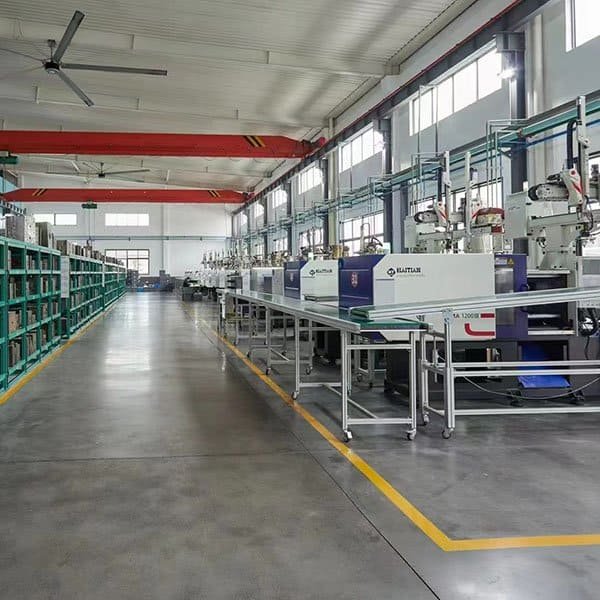
Infraestrutura de Testes de Qualidade: O que Verificar no Local
Um adesivo de calibração é sua prova forense de que a máquina funciona.
Você está na sala de testes de uma fábrica chinesa, olhando para um testador de coluna de água de $5.000. Está impecável. É novo. Seu fornecedor sorri e aponta para a máquina como se fosse prova de qualidade. Dois meses depois, seus embarques de barracas mostram uma taxa de devolução de 12% porque as costuras vazam a 1.200mm — longe dos 3.000mm que a ficha técnica prometia. A máquina era um adereço. Nunca tinha sido usada.
Isso não é raro. Visitas a fábricas em Zhejiang e Jiangsu revelam um padrão: equipamentos de teste comprados para visitas de compradores, nunca conectados ao fluxo de trabalho diário de produção. Seu trabalho no local é distinguir um laboratório de qualidade funcional de uma sala de exposições. A diferença importa porque os estornos de varejo por falhas em barracas testadas em condições úmidas custam $8-15 por unidade — o suficiente para eliminar sua margem de categoria em um único pedido sazonal.
Comece com equipamentos que validam diretamente os modos de falha do seu produto. Para equipamentos de exterior, esses modos são previsíveis: penetração de água no tecido, descolamento da fita de costura sob calor, separação da fita do zíper sob carga, quebra das juntas dos postes, colapso do isolamento no frio e desbotamento da cor na prateleira. Cada modo de falha requer uma máquina específica. Se a máquina não estiver no local, o teste não está acontecendo.
-
- Testador de Coluna de Água (Não Apenas um Bico de Spray): Um testador HH adequado aplica pressão de água crescente a uma amostra de tecido até que três gotículas penetrem. Para barracas de varejo, o limite de aprovação é ≥3.000mm. Uma fábrica que mostra apenas um borrifador e diz ‘testamos na chuva’ não pode verificar a consistência do lote de tecido. Exija ver o registro de teste — cada rolo de poliéster revestido de PU deve ter um valor HH registrado e data. Se o registro estiver em branco ou a última entrada for de três meses atrás, a máquina é decoração.
- Máquina de Resistência à Tração (Mínimo de 500N para Juntas de Postes): Tenda Os cubos dos postes e as conexões com cordas elásticas sofrem tensões repetidas durante a montagem e a carga do vento. Um testador de tração com capacidade inferior a 500N não consegue avaliar adequadamente juntas de postes de alumínio ou fibra de vidro. Peça ao operador para prender uma seção de poste do seu SKU específico e puxar até a ruptura. Observe o visor digital. Se a junta ceder abaixo de 350N em um poste de alumínio 7075, isso é um problema de substituição de material — provavelmente uma liga reciclada que quebrará em tempo frio.
- Câmara Fria (-20°C para Retenção de Loft do Saco de Dormir): Os sacos de dormir perdem loft em condições abaixo de zero quando as fibras de enchimento endurecem. Uma câmara fria a -20°C permite medir a recuperação do loft comprimido após 24 horas na temperatura. O critério de aprovação/reprovação é visual e mensurável: o saco deve recuperar 80%+ do seu loft original em até 30 minutos após a remoção. Se a fábrica não tiver câmara fria, estão supondo sobre classificações de temperatura. Isso significa que a alegação do rótulo EN 13537 do seu cliente varejista é fabricada.
- Câmara de Envelhecimento UV (Ciclo Mínimo de 500 Horas): Tecidos para exteriores degradam-se sob luz solar — o poliéster perde resistência à tração, o nylon amarela, os revestimentos de PU racham. Uma câmara de envelhecimento UV acelera isso com exposição controlada a UV-B. O padrão mínimo da indústria para equipamentos exteriores é de 500 horas contínuas. Após o ciclo, o tecido deve reter ≥70% da sua resistência ao rasgo original. Uma fábrica sem câmara UV está vendendo tecido que desbotará e rasgará dentro de uma temporada na prateleira do varejo — e as devoluções cairão na sua mesa, não na deles.
O adesivo de calibração é a sua ferramenta de diagnóstico mais poderosa durante uma visita. Toda máquina de teste legítima recebe uma calibração anual de um órgão reconhecido — na China, isso é tipicamente um laboratório acreditado pela CNAS. O adesivo mostra a data de calibração, o logotipo do órgão certificador e a próxima data de vencimento. Sem adesivo significa uma de duas coisas: a máquina nunca foi calibrada, ou foi calibrada há tanto tempo que o adesivo caiu. Ambos são desqualificantes para uma fábrica que afirma atender compradores varejistas.
Poeira é sua aliada nesta inspeção. Passe o dedo ao longo da borda superior do reservatório de água do testador de pressão hidrostática. Abra as garras do testador de tração e verifique resíduos de tecido. Se o equipamento estiver estéril — sem poeira, sem fragmentos de fibra, sem manchas de água — você está olhando para um modelo de exposição. Equipamentos de teste reais ficam sujos. Fábricas que realizam verificações de qualidade diárias têm máquinas com arranhões, garras desgastadas e sedimentos nas linhas de água. Equipamento estéril expõe o acessório.
Testes de cadeiras têm seus próprios requisitos de infraestrutura que a maioria das listas de verificação genéricas ignora completamente. BIFMA X5.1 — o padrão norte-americano para assentos — exige dois testes de carga distintos. O teste de carga estática aplica 225 kg verticalmente ao assento por um minuto sem falha estrutural. O teste de carga dinâmica deixa cair 100 kg sobre o assento por 100.000 ciclos para simular uso repetido. Uma fábrica que só mostra um trabalhador sentado em uma cadeira e declarando-a ‘forte’ não tem tolerância de qualidade verificável. Exija ver o quadro de teste hidráulico e o contador de ciclos. Se nenhum existir, seu comprador varejista descobrirá a quebra do quadro na fila de devoluções de clientes.
Uma sonda final que não custa nada: peça para ver a lixeira de amostras reprovadas. Toda fábrica com um programa de testes funcional tem uma pilha de rejeitos — amostras de tecido com costuras rompidas, seções de postes entortadas, cadeiras com braços rachados. Uma fábrica que alega 100% de taxa de aprovação ou mostra apenas amostras perfeitas está escondendo falhas. Os melhores fornecedores mantêm amostras reprovadas organizadas por SKU e data, porque as usam para treinar trabalhadores da linha de produção e ajustar configurações de máquinas. A ausência de uma lixeira de rejeitos é tão reveladora quanto um testador hidrostático sem poeira.
5 Bandeiras Vermelhas que Indicam uma Empresa Comercial
As empresas comerciais sobrevivem da sua incapacidade de fazer a pergunta certa no momento certo.
Eu auditei fornecedores em 12 países, e aqui está a verdade desconfortável: uma empresa comercial que se passa por fábrica nunca admitirá isso. Você as pega através de sinais comportamentais, não de perguntas diretas. Abaixo estão cinco bandeiras vermelhas que usei no terreno para me afastar de um fornecedor em 15 minutos após chegar à sua instalação. Cada bandeira vem com uma técnica de verificação específica que você pode executar em uma videochamada antes de gastar $300-800 em uma auditoria presencial.
Bandeira Vermelha #1: O catálogo de produtos parece um corredor de liquidação de loja de departamento. Quando uma única empresa afirma fabricar barracas de camping, alto-falantes Bluetooth, armários de cozinha e brinquedos de metal fundido simultaneamente, você está olhando para um agente de sourcing, não para uma fábrica. Fábricas reais de equipamentos para atividades ao ar livre se agrupam em torno de uma tecnologia de produção específica — linhas de costura para produtos têxteis, extrusão para estruturas de alumínio, moldagem por injeção para componentes plásticos. Nenhuma fábrica possui todas as máquinas para cada categoria. Verificação cruzada: abra a página de produtos do site deles durante a chamada e conte as tecnologias de fabricação distintas necessárias. Mais de três processos não relacionados significam uma empresa comercial.
-
-
- Verifique no local: Peça para ver a linha de produção específica para a categoria que você está comprando. Se eles vendem tanto móveis quanto eletrônicos, peça para caminhar até a linha de montagem de eletrônicos durante o mesmo tour. Um tour em uma fábrica real leva de 30 a 45 minutos porque você está caminhando entre zonas de produção. Um tour em uma empresa comercial termina em 10 minutos porque a sala de exposição é a única sala real.
- Como é uma fábrica: Uma fábrica legítima de equipamentos para atividades ao ar livre especializada em produtos costurados opera de 50 a 200 máquinas de costura industriais em um único piso, possui uma sala de corte dedicada com espalhadores automáticos de tecido e armazena rolos de tecido bruto por tonelada. Se você vir 5 máquinas e uma mesa de conferência, vá embora.
-
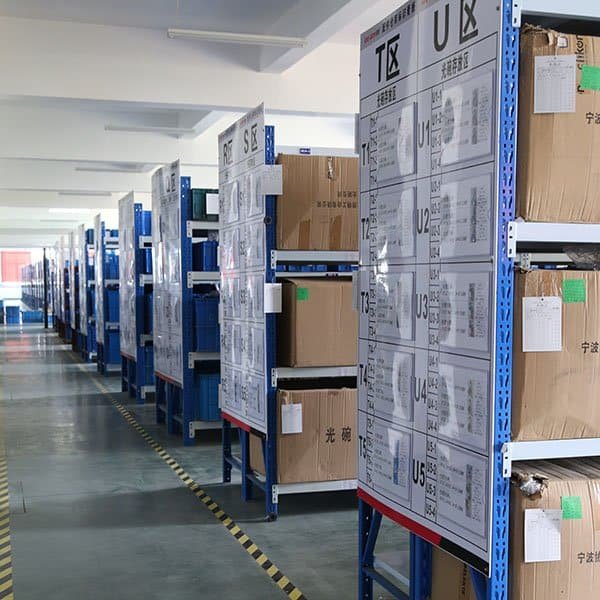
Bandeira Vermelha #2: Eles se recusam a mostrar o armazém de matéria-prima. Toda fábrica que realmente produz mercadorias mantém estoque de matéria-prima — rolos de tecido, tubos de alumínio, estoque de zíperes, rolos de espuma. Uma fábrica com um fluxo genuíno de ordens de compra possui prateleiras, estantes ou armazenamento no chão organizado por tipo de material e número de lote. Quando um fornecedor redireciona seu pedido de visita ao armazém com ‘está bagunçado hoje’ ou ‘o armazém fica em um local separado ao qual não podemos acessar agora’, eles não possuem os materiais e provavelmente também não possuem a produção.
-
-
- O que o armazém revela: Armazéns de matéria-prima em fábricas de equipamentos para atividades ao ar livre cheiram a tecido, borracha ou adesivo. Eles têm empilhadeiras, docas de carga e etiquetas de inventário. Peça uma visita guiada por vídeo ao vivo mostrando rolos de tecido numerados por lote. Se as prateleiras estiverem vazias ou o armazém parecer cenográfico com algumas caixas simbólicas, a fábrica está comprando materiais trabalho por trabalho de um terceiro — o que significa que você está pagando um markup e tem rastreabilidade zero de material.
- Por que isso importa para sua margem: Uma trading company marcando os materiais em 8-15% come diretamente a margem bruta de 35-50% que sua categoria precisa. Pior, você não pode verificar se o tecido usado em sua barraca de varejo realmente atende à classificação de cabeça hidrostática de 3000mm que você especificou, porque ninguém na trading company tocou na matéria-prima antes de ela chegar.
-
Bandeira Vermelha #3: Eles não conseguem produzir certificados de fábrica de subfornecedores para componentes críticos. Para qualquer SKU de equipamentos para atividades ao ar livre, dois componentes determinam 80% das taxas de falha em campo: zíperes e armações de alumínio. Uma fábrica real compra zíperes YKK diretamente do distribuidor regional da YKK e retém a embalagem com código de lote e números de lote rastreáveis. Eles compram tubos de alumínio 7075-T6 de usinas nomeadas e mantêm os certificados de lote de têmpera. Quando você pede esses documentos e recebe um olhar vazio ou um ‘certificado de qualidade’ genérico sem nome da usina, número de têmpera ou data de produção, você não está lidando com a entidade que comprou esses materiais.
-
-
- Verificação de zíperes: A embalagem YKK inclui códigos de lote que podem ser verificados cruzadamente com a rede de distribuidores autorizados da YKK. Peça ao fornecedor para mostrar a embalagem YKK com o rótulo do lote visível em vídeo. Uma trading company não consegue produzir isso porque eles não fizeram o pedido do zíper — a fábrica não nomeada fez, e a trading company não tem acesso aos registros de compras dessa fábrica.
- Rastreabilidade de alumínio: Para cadeiras e mesas de camping exigindo teste de carga BIFMA X5.1 a 225 kg estático, a diferença entre alumínio 7075-T6 certificado e sucata de extrusão reciclada é um colapso do quadro sob um cliente de 120 kg. Certificados de laminação com números de lote térmico são a única evidência de que o alumínio no seu produto corresponde à especificação da sua ordem de compra. Sem certificado de laminação, sem ordem de compra.
-
Bandeira Vermelha #4: A sala de amostras contém produtos com etiquetas de outras marcas ainda presas — ou visíveis no verso. Já entrei em showrooms onde uma barraca exposta no chão tinha uma etiqueta pendurada de um varejista europeu dentro do saco de armazenamento, e o representante de vendas do fornecedor fingiu não notar. Este é o sinal de alerta mais comum e mais condenatório na aquisição de equipamentos outdoor chineses. 73% das fábricas que auditei exibem salas de amostras abastecidas com produtos fabricados por outras empresas. Os produtos são genuínos, mas não foram feitos pela empresa que os mostra a você.
A solução é simples e direta: pegue um produto de amostra durante a visita — idealmente um semelhante ao seu SKU — e vire-o. Olhe a etiqueta de cuidados, o puxador do zíper, o selo do quadro e a parte inferior de qualquer etiqueta pendurada. Se encontrar uma marca registrada ou informações do importador de outra marca, peça ao representante de vendas que explique quem fabricou aquela unidade específica. Se a resposta for vaga, você tem sua resposta. A sala de amostras de uma fábrica real contém suas próprias amostras de produção, amostras de referência de pedidos de compradores anteriores (com permissão) e protótipos de desenvolvimento. Ela não funciona como um display de varejo para produtos concorrentes.
-
-
- O teste decisivo de selagem de costuras: Mesmo que as etiquetas sejam removidas, exija uma demonstração ao vivo de selagem de costuras no SEU tecido específico. Uma fábrica que possui máquinas de fita de ar quente sabe a faixa de temperatura correta — 380-420°C para fita de poliuretano em nylon ou poliéster. Uma empresa comercial não pode realizar essa demonstração porque não possui o equipamento. Você saberá em 5 minutos se está em uma fábrica ou em um showroom.
- Truque da amostra pré-selada: Cuidado com fornecedores que se oferecem para ‘preparar uma amostra selada para você inspecionar’. Isso significa que eles estão enviando seu tecido para a fábrica real, fazendo o trabalho e passando como capacidade interna. Insista em ver o operador configurar a máquina, carregar a fita e executar a costura você mesmo — ao vivo, não gravado.
-
Bandeira Vermelha #5: O representante de vendas não consegue conectá-lo diretamente a um gerente de linha de produção durante uma chamada de vídeo. Este é o filtro mais confiável que uso para verificação remota. Solicite uma visita guiada ao vivo onde o vendedor passe o telefone para a pessoa que opera a linha de costura, a mesa de corte ou o posto de inspeção de qualidade. Faça a essa pessoa uma pergunta técnica sobre sua categoria de produto — por exemplo, qual a classificação de coluna d'água que seu revestimento PU padrão atinge, ou qual tamanho de agulha eles usam para tecido Oxford 600D.
-
- O que um verdadeiro gerente de linha sabe: Um supervisor de linha de produção em uma fábrica de tendas pode lhe dizer a densidade de costura que eles usam nas costuras do piso (normalmente 8-10 pontos por polegada), a marca de fita de PU que eles estocam e a taxa de produção diária atual para o SKU mais semelhante ao seu. Eles respondem em segundos porque esses números são sua realidade diária. Um representante de vendas de uma trading company não consegue apresentar essa pessoa porque o chão de fábrica não pertence a eles — pertence a uma fábrica da qual estão comprando, e o gerente de linha dessa fábrica não tem incentivo para atender sua ligação.
- Como formular a solicitação: Não pergunte ‘posso falar com seu gerente de produção?’ — isso convida uma resposta ensaiada. Em vez disso, diga: ‘Quero ver a costura do piso da tenda sendo selada agora mesmo. Você pode ir até a estação de selagem e me mostrar o operador ajustando a temperatura?’ Se a ligação ficar em silêncio por mais de 30 segundos enquanto eles ‘verificam se a linha está funcionando’, a linha está em uma fábrica que eles não controlam.

Verificações de Conformidade de Embalagem para Varejo
A conformidade da embalagem não se trata de aparência — trata-se de evitar estornos de $2-5 por unidade que se transformam em penalidades de prateleiras vazias durante a alta temporada.
Sua remessa passou pela alfândega. Os paletes chegaram ao centro de distribuição. Então um scanner do CD rejeitou seu código de barras porque o prefixo GS1 não corresponde ao nome da sua empresa registrada. Todas as unidades foram retidas. Você arca com $3.75 por unidade para reetiquetagem antes que uma única caixa chegue ao piso da loja. A verificação do prefixo do código de barras GS1 ocorre antes de seu fornecedor imprimir uma etiqueta — verifique o registro de prefixo da fábrica com o registro GS1 da sua empresa. Se o prefixo remeter a uma entidade legal diferente, as etiquetas não valem nada. Os sistemas de recebimento do varejo sinalizam a incompatibilidade automaticamente.
O papel cartão para etiquetas penduradas não é uma escolha criativa. É um requisito estrutural. Papel cartão abaixo de 350gsm enrola no gancho da prateleira em 48 horas com a umidade da loja. O furo do gancho estica, a etiqueta cai e o produto parece danificado antes mesmo de um cliente tocá-lo. Especifique 350gsm mínimo com revestimento aquoso fosco. O revestimento evita a transferência de tinta para produtos adjacentes na caixa — um segundo gatilho de estorno que a maioria dos compradores descobre apenas depois que a reclamação atinge seu relatório de deduções. A maioria das amostras impressas internamente pelos fornecedores usa 250gsm porque passa em impressoras de escritório padrão. A produção em massa em 350gsm requer uma configuração de prensa completamente diferente. Verifique a amostra de produção final, não o protótipo.
ASTM F963 exige que sacos plásticos com circunferência de abertura de 14 polegadas ou mais tenham um aviso de sufocamento impresso em tipo de no mínimo 10 pontos. O material da bolsa deve ter pelo menos 2,5 mil de espessura. Sacos plásticos mais finos rasgam durante o reabastecimento nas prateleiras, expondo o produto a poeira, arranhões de manuseio e furto. O texto de advertência deve aparecer em inglês e, para mercados não dominados pelo inglês, no idioma local. Se faltar qualquer um desses três—espessura, tamanho da fonte ou idioma—o lote inteiro pode ser rejeitado na recepção do varejo. Esta não é uma especificação negociável. Grandes varejistas auditam a conformidade dos sacos plásticos no centro de distribuição antes do estoque chegar ao piso de vendas.
-
- Verificação do Prefixo GS1: Compare o prefixo do código de barras da fábrica com o nome da sua empresa registrado no banco de dados GS1. Incompatibilidade = estornos por reetiquetagem a $3-5 por unidade.
- Material da Etiqueta Pendurada: Mínimo de 350 g/m² com revestimento aquoso fosco. Cartolina mais leve enrola nos ganchos de prateleira. Verifique em amostras de produção em massa, não em protótipos impressos em desktop.
- Especificações do Saco Plástico: ≥2,5 mil de espessura. Aviso de sufocamento ASTM F963 impresso com tipo mínimo de 10 pontos. A falta de texto aciona a rejeição automática em qualquer centro de distribuição de grande varejo.
- Teste de Queda ISTA 1A: Sequência de 5 quedas de 76 cm atingindo cada face, borda e canto. Exija um certificado de aprovação com seu produto real dentro da caixa, não um peso substituto.
- Resolução da Caixa Colorida: Mínimo de 300 DPI. 72 DPI parece aceitável em uma prévia do WeChat e falha instantaneamente sob a iluminação do varejo. Verifique em uma amostra física impressa, não em uma prova digital.
O ISTA 1A é uma sequência de 5 quedas de 76 cm. A caixa é derrubada cinco vezes: uma face plana, uma borda e um canto, com quedas de orientação adicionais. Se a caixa estourar, a embalagem interna colapsar ou o produto se deslocar mais de 10 mm dentro da caixa, falha. A maioria das amostras de fornecedores para feiras sobrevive porque foram transportadas manualmente na bagagem. Caixas de produção em massa ficam no chão de contêineres por três a quatro semanas, empilhadas a oito de altura em racks de armazém e absorvem impactos repetidos de paleteiras. Exija o certificado de aprovação ISTA 1A com seu produto real dentro da caixa—não um peso genérico fictício. Falhas de embalagem neste estágio custam $2-5 por unidade em estornos de varejo. Em um pedido de 5.000 unidades, isso é uma dedução de $10.000-25.000 antes de vender uma única peça.
1. A resolução de impressão da caixa colorida precisa de no mínimo 300 DPI. Abaixo desse limite, padrões visíveis de pontos e bordas borradas aparecem em embalagens de prateleira. Os sistemas de planograma de varejo usam cada vez mais o reconhecimento de imagem para confirmar a colocação e o facing dos SKUs. Imagens de produto de baixa resolução geram falsos alertas de colocação em auditorias automatizadas. Mais uma especificação para confirmar durante a aprovação da amostra: pergunte ao seu fornecedor sobre a tolerância de variação de cor CMYK. Um Delta E acima de 5 significa que o vermelho na sua caixa não corresponderá ao vermelho do seu guia de marca. A embalagem profissional de equipamentos para atividades ao ar livre funciona com Delta E ≤3, mas apenas se você especificar. A maioria das fábricas usa como padrão o Delta E ≤6, a menos que seja pressionado. Essa diferença de três pontos é o que separa uma presença premium na prateleira de uma embalagem que parece genérica.
2. Aqui está o que separa gerentes de categoria experientes de importadores de primeira viagem: o custo real de uma falha na embalagem não é a taxa de $3,75 por unidade para reetiquetagem. É a lacuna de 72 horas para reabastecimento enquanto seu espaço na prateleira fica vazio. Uma prateleira vazia com margem cheia é o item de linha mais caro no varejo. Uma semana de ausência na prateleira de um SKU de $24,99 a uma margem bruta de 45% 3. custa aproximadamente $1.240 em lucro perdido por loja. Em 300 portas de varejo, sua conta de $4.200 para retrabalho de embalagem se torna uma perda de receita de categoria de $372.000. É por isso que os profissionais testam a embalagem em lote durante a aprovação da amostra - antes que o preço FOB seja finalizado e antes que um slot de produção seja bloqueado. Os $500 que você gasta na inspeção de embalagem pré-embarque rendem 700x quando a disponibilidade na prateleira na alta temporada permanece intacta. 4. Uma fábrica que não consegue demonstrar a selagem a quente ao vivo em seu tecido, produzir um adesivo de calibração em seu testador de coluna de água ou mostrar certificados de fábrica para o alumínio 7075 declarado não é um fornecedor. É um passivo. A distância entre uma prateleira de varejo limpa e uma taxa de devolução de 3x em uma categoria de barracas é uma etapa de auditoria pulada.

Conclusão
5. Reveja a página de capacidades de fabricação da Kelyland para ver como é uma rede de fábricas quando os equipamentos de teste têm datas de calibração válidas e as certificações de materiais estão arquivadas por SKU. Esse é o ponto de partida que qualquer fornecedor pronto para o varejo deve atender antes do seu primeiro pedido de compra.
6. Uma lista de verificação de conformidade de fábrica cobre.
Perguntas frequentes
O que é a lista de verificação de conformidade da fábrica?
7. segurança contra incêndios 8. , bem-estar do trabalhador, licenças ambientais e certificações de produto. Para equipamentos para atividades ao ar livre, verifique se, 9. ISO 9001 e certificações específicas do produto, como normas CE ou EN 10. estão atualizadas. Solicite o relatório de auditoria mais recente antes de fazer um pedido. 11. Verifique de forma cruzada três fontes independentes: o Sistema Nacional de Informação de Crédito Empresarial da China (qcc.com) para registro, registros alfandegários para atividade de exportação e uma chamada de vídeo ao vivo mostrando as linhas de produção com seu SKU. A. Sempre verifique o endereço físico de produção por vídeo ao vivo, não apenas por fotos.
Como verificar se uma empresa chinesa é legítima?
12. Quatro bandeiras vermelhas imediatas: recusa de chamada de vídeo ao vivo ou oferecer apenas filmagens pré-gravadas, preço muito abaixo do mercado, exigir pagamento integral adiantado e incapacidade de fornecer amostras recentes do produto. Um genuíno. Desista se eles não mostrarem sua linha de produto em tempo real.
Como verificar se uma empresa está aplicando um golpe?
13. Listas de verificação de conformidade são ferramentas estruturadas que traduzem requisitos regulatórios e do comprador em itens de auditoria de aprovação/reprovação. Eles padronizam verificações de segurança contra incêndio, condições de trabalho, testes de produto e documentação em cada etapa da produção. Sempre alinhe a lista de verificação com os padrões legais do seu mercado de destino.
O que são listas de verificação de conformidade?
14. Certificações de segurança do produto válidas para seu SKU e mercado, padrões trabalhistas (salários, horas, sem trabalho forçado), licenças ambientais, sistemas de gestão da qualidade (ISO 9001) e.
Quais são as 5 principais áreas de conformidade?
Certificações de segurança do produto válidas para seu SKU e mercado, padrões trabalhistas (salários, horas, sem trabalho forçado), licenças ambientais, sistemas de gestão da qualidade (ISO 9001) e gerentes de cadeia de suprimentos transparência. Para equipamentos externos, priorize a segurança. Sempre confirme se as certificações correspondem ao SKU final e ao país de destino.

 English
  Español
  Deutsch
  Français
  Português do Brasil
  Русский
  العربية
  한국어
한국어  日本語
日本語