 跳到内容
跳到内容 
Спрос на угольные грили в Северной Америке вырос на 8% в 2026 году, тогда как газовые плиты продвинулись лишь на 3.5%. Эта двухскоростная реальность заставляет любого категорийного менеджера розницы, который смотрит на планограмму угольной и газовой походной плиты — и на заказ на $50K, в котором нельзя ошибиться, — задаться жёстким вопросом. Один покупатель, с которым я работал, узнал об этом, когда его предсерийный образец газовой плиты показал чистые 10,000 BTU на этапе утверждения образца, а затем в массовом производстве отгрузили устройства, которые едва дотягивали до 7,500 BTU, потому что спецификация регулятора сместилась при подборе материалов. Возвраты из розницы уничтожили его сезонную маржу.
Что упускается в большинстве дискуссий о типах топлива, так это расчёты выше по цепочке поставок, которые на самом деле определяют прибыльность полки. Газ доминирует с 65% продаж походных кухонь в ЕС, и оптовая наценка объясняет почему: модели начального уровня стоят $20–$35 FOB, угольные — $15–$25. Но угольный SKU в комплекте с топливом и инструментами удваивает размер корзины и поднимает смешанную маржу до 42% по сравнению с отдельной газовой плитой на 35%. Этот разрыв ещё больше увеличивается, если учесть допуски по качеству — угольные грили механически проще, а значит, меньше претензий по дефектам после отгрузки, съедающих вашу прибыль. Дело не в том, какой тип топлива лучше. Дело в том, какая структура маржи подходит вашей категорийной стратегии и действительно ли поставщик имеет сертификаты, подтверждающие заявленную себестоимость.
Пропустите этот аудит поставок — и стоимость бездействия быстро растёт. Ритейлер, который по умолчанию выбирает только газ для полок ЕС, не проверив наличие возможности сертификации EN1860 для угля, оставляет €5,000–€10,000 на каждый SKU в виде дублирующих лабораторных испытаний, если ему когда-либо понадобится развернуться. Североамериканский покупатель, игнорирующий возможность двухтопливного режима — пропан плюс бутан в одном SKU, — закрывает себе доступ к сегменту рынка, растущему на 6.5% CAGR до 2030 года, в то время как конкуренты одним продуктом привлекают покупателей, которым нужна продукция, соответствующая запретам на открытый огонь. Это руководство излагает цифры, сертификаты и решения по цепочке поставок, которые отделяют категорию походных плит, оборачивающуюся три раза за сезон, от той, что собирает пыль на складе.
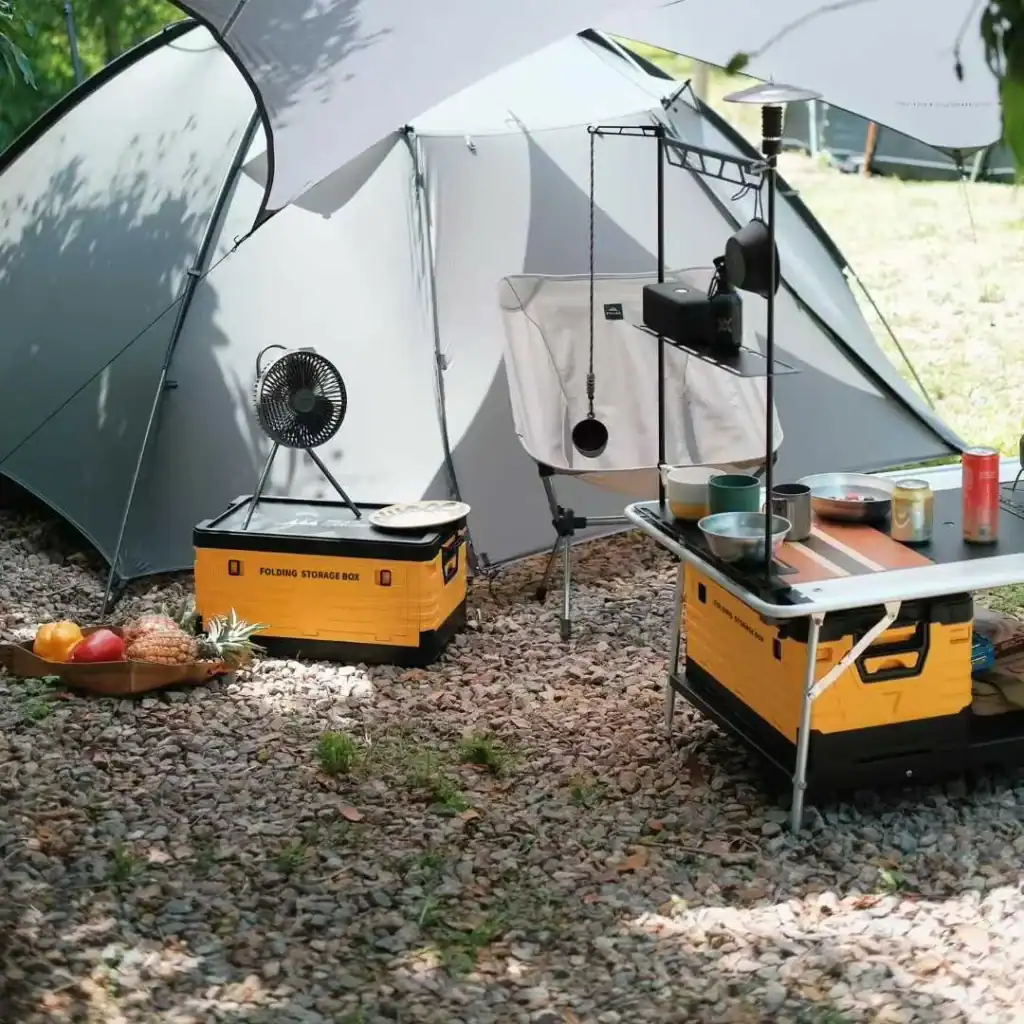
Состояние продаж походных плит: уголь против газа в 2026 году
Разделение на газ и уголь не о приготовлении пищи — оно о том, кто приходит в магазин.
Рынок походных плит в 2026 году разделился по демографическим линиям, которые большинство категорийных менеджеров упускают из виду. Газ доминирует в Европе. Уголь удерживает Северную Америку. Но настоящая история лежит глубже: кто покупает какое топливо и что ещё кладёт в свою корзину.
Кто покупает уголь, а кто тянется к газу
Газовые плиты заняли 65% продаж походных кухонь в ЕС в 2026 году. Профиль покупателя смещён в сторону автопутешественников и семей, которые ценят скорость и предсказуемость. Эти клиенты готовят завтрак ровно за 4 минуты и собираются до того, как дети начинают капризничать. Они покупают удобство, а не ритуал.
Уголь рассказывает другую историю. Спрос в Северной Америке вырос на 8% в годовом исчислении в 2026 году, в то время как газовые плиты подросли лишь на 3,5%. Покупатель угля часто является традиционалистом выходного дня — тем, кто воспринимает процесс разжигания огня как часть поездки, а не как препятствие для неё. Они подолгу задерживаются на кемпинге. Они покупают больше аксессуаров, потому что ритуал приготовления пищи требует их: стартеры для розжига, термостойкие перчатки, чугунные решётки.
Данные розничных POS-терминалов подтверждают эту закономерность. Когда угольные грили стоят рядом с мешками кускового угля и наборами инструментов, размер корзины покупки удваивается. Для газа этот эффект не срабатывает. Покупатель газа берёт плиту, баллон с топливом и идёт к кассе. Без стартера. Без перчаток. Без щепы. Отсюда разворачивается история маржи.
Дополнительные продажи: как тип топлива меняет экономику
Угольные аксессуарные наборы повышают стоимость транзакции на 20%, поднимая общую маржу до 42% по сравнению с 35% для газа в отдельности. Этот разрыв в 7 пунктов имеет значение в масштабе. Для полки с 200 SKU угольная сторона приносит больше валовой прибыли на квадратный фут — даже без учёта цикла пополнения расходных материалов.
Расходные материалы — это тихий мультипликатор. Уголь требует повторных покупок топлива. Кусковой уголь, брикеты, средства для розжига — всё это возвращает покупателей в магазин 3–4 раза за сезон. Заправка газовых баллонов происходит реже, и многие ритейлеры отмечают более низкий уровень дополнительных продаж премиальных газовых аксессуаров, таких как грили с плоской поверхностью или ветрозащитные экраны.
Противопожарные запреты в Калифорнии, Австралии и части Южной Европы внесли свою непредсказуемость: интерес к двухтопливным устройствам растёт. Рынок походных плит прогнозирует CAGR 6,5% до 2030 года, и устройства, переключающиеся между пропаном и бутаном, завоёвывают место на полках в регионах, где местные ограничения меняются в середине сезона. Покупатели, которые закупают один двухтопливный SKU, снижают риск затоваривания, когда запрет на огонь вводится в июле.
Опытных категорийных менеджеров от новичков отличает то, как они читают покупательскую корзину. Газ продаёт плиты. Уголь продаёт плиты плюс топливо, инструменты и повторный визит. Оба формата должны быть на полке. Но соотношение полностью зависит от того, тяготеет ли трафик магазина к аудитории шестиминутного завтрака или к публике медленного субботнего дня.
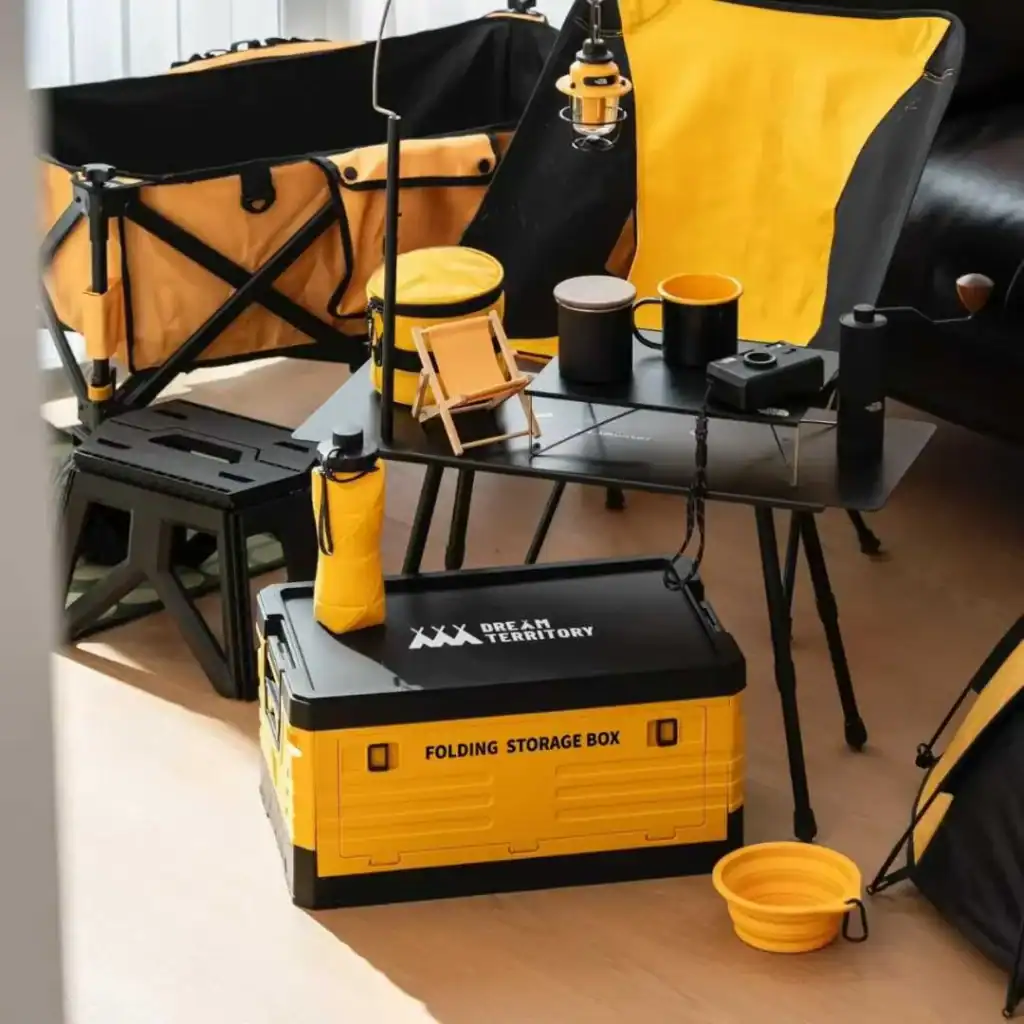
Производительность продукта и предпочтения конечных пользователей
Газ выигрывает по скорости.
Закупщик из сети магазинов на Среднем Западе обнаружил это разделение случайно. Они выставили одинаково выглядящие портативные плиты — одну газовую, одну угольную — в 40 магазинах. Угольные устройства продавались медленнее. Но магазины, продававшие уголь, также реализовывали дополнительно на $12,40 больше топлива, зажигалок и грильных инструментов за одну транзакцию. Газовые устройства продавались быстрее как самостоятельные товары, но приносили почти ноль дополнительной выручки. Эта закономерность формирует историю о марже, которую мы разберём позже. А пока она говорит вам об одном: предпочтение вашего клиента по типу топлива определяет всю структуру прибыли на вашей полке с кемпинговой кухней.
Контроль нагрева меняет то, кто что покупает
Газовые плиты дают пользователю регулятор. Поворачиваешь его — и пламя реагирует мгновенно. Этот простой интерфейс объясняет, почему 65% продаж кемпинговых кухонь в ЕС приходится на газ. Семьи, автопутешественники и все, кто готовит в зоне запрета на огонь, тяготеют к газу. Им нужен предсказуемый нагрев для блинов, кофе и тушёной консервированной еды. Уголь не предлагает ничего из этой точности. Ты разжигаешь его, ждёшь 15–20 минут до белого пепла и управляешь жаром, перемещая угли. Результат неравномерный. Но он даёт дымную корочку на мясе, которую газ не может воспроизвести.
В Северной Америке спрос на уголь вырос на 8% в годовом исчислении в 2026 году, тогда как газ показал лишь 3,5%. Причина выходит за рамки вкуса. Отдыхающие на выходных воспринимают ритуал разведения огня как часть поездки. В основном это мужчины, владельцы пикапов, которые заботятся о долговечности больше, чем о весе. Чугунный угольный гриль весом 50 фунтов их не смущает. Европейская семья в компактном универсале никогда бы к нему не притронулась.
Скорость установки и соответствие стилю кемпинга
Портативность — это не одно измерение. Туристу, который проходит 10 миль, нужна титановая газовая горелка на 200 грамм, которая накручивается на баллончик 100 г. Установка занимает 90 секунд. Оператору глэмпинга, обустраивающему постоянную кухонную палатку, это совершенно не интересно. Им нужна двухконфорочная газовая плита с подключением к 5-кг пропановому баллону через шланг, плюс отдельная угольная гриль-станция для вечерних барбекю.
Для планирования розничного ассортимента разделяйте SKU по стилю кемпинга, а не по типу топлива. Автокемпинг составляет большинство продаж походных плит как в ЕС, так и в Северной Америке. Эти покупатели терпимо относятся к более тяжёлому снаряжению и более длительной установке. Бэкпекеры остаются нишевым сегментом, но платят премиальные цены — компактные газовые плиты начального уровня оптом стоят $20–$35, а ультралёгкие модели могут превышать $80. У угля нет истории для бэкпекеров. Он принадлежит пересечению аудитории базового лагеря и домашнего барбекю.
-
- Выбирайте уголь для своего ассортимента, если: ваша клиентская база тяготеет к североамериканским любителям уикенда, таилгейтерам и покупателям из пересечения с домашним барбекю. Такой товар продаётся медленнее, но частота продаж расходников — кускового угля, средств розжига, принадлежностей для гриля — повышает общую маржу до 42% при продаже с аксессуарами в наборе.
- Выбирайте газ для своего ассортимента, если: ваш рынок — это семейные автомобильные туристы, розничные продавцы из ЕС,, или любой, кто работает в условиях запрета на открытый огонь. Газ оборачивается быстрее. Маржа по отдельному товару составляет около 35%, но объёмы продаж и скорость оборота запасов с лихвой это компенсируют. Двухтопливные системы, работающие и на пропане, и на бутане, также позволяют продавать один SKU в нескольких регионах без повторной сертификации.
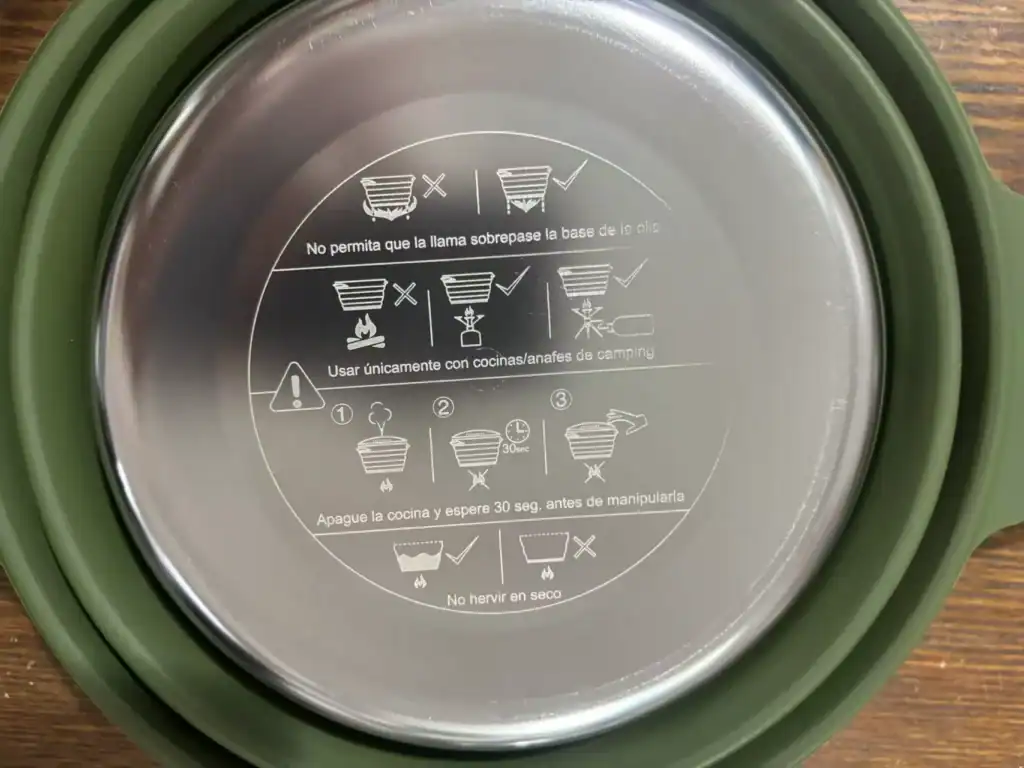
Нормативно-правовая среда и экспортные сертификаты
Отсутствие одного сертификата превращает контейнер в складской убыток.
Партия угольных грилей прибывает в Роттердам без документации EN1860. Таможня обращает на это внимание. Контейнер стоит три недели, пока вы платите демередж. К моменту завершения лабораторных испытаний ваше сезонное окно закрылось. Те €5 000–€10 000 на SKU, которые вы думали сэкономить, отказавшись от сертифицированных поставок? Потеряны на оплате за простой и упущенных продажах. Регуляторный аспект закупки походных плит отличает категорийных менеджеров, которые спят спокойно, от тех, кто нет.
EN1860 и LFGB: привратники угольных грилей для розничной торговли ЕС
EN1860 — это не необязательная бумажная формальность. Это гармонизированный европейский стандарт, охватывающий конструкцию, материалы и безопасность горения для приборов на твёрдом топливе. Ритейлеры, закупающие угольные грили без соответствия EN1860, рискуют получить отказ таможни в любом порту ЕС. Стандарт проверяет структурную целостность при нагреве, пороговые значения выделения угарного газа и пределы температуры поверхности во время работы. Гриль, который деформируется при 400°C, не проходит. Ручка, температура которой на поверхности касания превышает 55°C, не проходит. Это бинарные критерии «годен/не годен» — серой зоны не существует.
LFGB (Lebensmittel- und Futtermittelgesetzbuch) добавляет ещё один уровень, специфичный для Германии и рынков, применяющих её нормативы. Этот регламент регулирует материалы, контактирующие с пищей. Решётки гриля, полки для подогрева и любые поверхности для приготовления пищи должны проходить тесты на миграцию, доказывающие, что при температурах приготовления в пищу не выделяются вредные вещества. Хромированная решётка, которая отлично выглядит в спецификации, может не пройти LFGB, если покрытие содержит шестивалентный хром выше предела миграции. Ритейлеры с поставками в Германию не могут пропустить эту сертификацию. Точка.
База поставщиков угольных грилей усложняет ситуацию. Многие небольшие мастерские производят грили приличного вида, но не имеют никаких сертификатов. Они демпингуют по ценам FOB на 15–20% и обещают “то же качество”. О чём они умалчивают: ритейлер берёт на себя все расходы на лабораторные испытания и риски по срокам. Фабрика, уже имеющая EN1860 и LFGB — например, предприятие в Цзиньхуа, работающее с 2009 года с годовым объёмом 800 000 единиц — заложила расходы на сертификацию в свой производственный процесс. Документация поддерживается в актуальном состоянии благодаря ежегодным аудитам. Для ритейлера это означает отсутствие первоначальных лабораторных сборов и задержки в 6–8 недель на тестирование перед растаможкой первой партии.
Сертификация CE для газовых плит: проблема модульного соответствия требованиям
Газовые плиты подпадают под действие Регламента по газовым приборам (GAR) в ЕС, который требует маркировки CE. Объём сертификации шире, чем ожидает большинство покупателей. Он охватывает не только горелочный узел. Он охватывает всю топливную систему: шланги, регуляторы, клапаны и любой встроенный механизм розжига. Плита, поставляемая с несертифицированным регулятором, приводит к отклонению всей партии. Таможенники проверяют полное устройство, а не список комплектующих.
Протокол испытаний включает стабильность пламени в условиях ветра, герметичность от утечек газа после 1000 циклов подключения и время срабатывания теплового отсекателя. Частая точка отказа: соединение шланга ослабевает после многократной сборки и разборки в полевых условиях. Плиты, прошедшие сертификацию CE, проходят циклические испытания, воспроизводящие годы использования. Те, что её пропускают, начинают пропускать газ в течение нескольких месяцев — и ответственность ложится на ритейлера.
Двухтопливные системы добавляют сложности. Плита, предназначенная для работы как на пропане, так и на бутане, требует отдельного сертификационного подтверждения для каждого типа топлива. Размеры жиклёров различаются. Рабочие давления различаются. Характеристики стабильности пламени различаются. Фабрика, которая уже сертифицировала двухтопливную платформу — например, партнёрское предприятие по производству газовых плит с годовым объёмом 1 000 000 единиц, имеющее сертификат CE и поддержку двух видов топлива — устраняет дублирующие расходы на испытания. Один комплект документов о соответствии покрывает обе топливные конфигурации. Ритейлеры, продающие на рынках с неоднородной доступностью топлива (Южная Европа в основном на бутане, Северная Европа склоняется к пропану), могут держать один SKU для нескольких регионов. Это упрощает планирование запасов и снижает накладные расходы на соответствие требованиям на единицу товара.
Сертификационная документация должна следовать вместе с продуктом. Действительная декларация соответствия CE содержит указание нотифицированного органа, проводившего оценку, конкретных пунктов GAR, которым соответствует продукция, и законного представителя производителя в ЕС. Если поставщик передаёт вам общий одностраничный документ “CE сертифицировано” без идентификационного номера нотифицированного органа, считайте его несертифицированным. Запросите полное техническое досье. Легитимная фабрика может предоставить его в течение 48 часов.
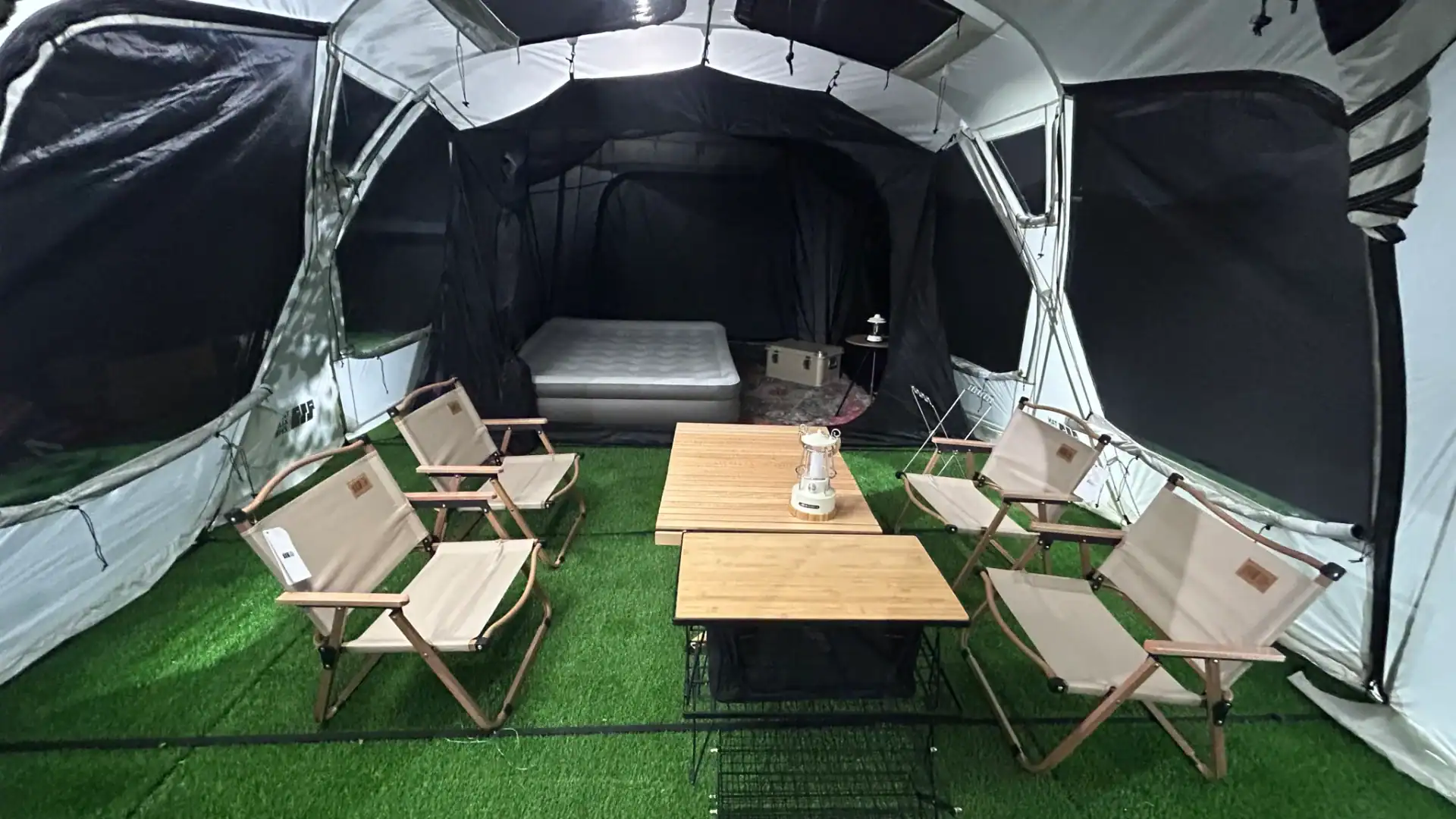
Вопросы управления запасами и цепочки поставок
A 15-day lead time gap separates charcoal from gas — but the real inventory advantage sits in the container-sharing math.
The standard production window sits at 30–45 days for both fuel types. Most factory quotes confirm that range, and technically, it holds. The on-the-ground reality splits differently. Charcoal grills coming from a partner factory running since 2009 with 800,000 units of annual output move through a mature production rhythm. Steel stamping, welding, and powder-coating lines run on predictable cycles shaped over 17 years of continuous operation. Gas stoves, with their integrated fuel systems, regulators, and burner assemblies, add complexity at every assembly stage. A CE-certified gas stove facility producing 1 million units per year still runs tighter quality-control gates — not stretching the quoted lead time, but making the window less forgiving when a seasonal spike hits.
Where the 15-Day Gap Actually Hurts
Charcoal grill production absorbs late-stage design changes without blowing the delivery date. A logo revision or handle swap gets resolved on the factory floor — not in a back-and-forth email chain stretching across three time zones. Gas stoves don’t offer the same forgiveness. A burner assembly tweak cascades through the supply chain: new flame-test protocols, revised CE documentation, updated user manuals translated into four languages. If your holiday shelf-placement cycle requires a hard commit by August 1, charcoal orders can slide to mid-August. Gas orders cannot. Write that gap into your seasonal planning calendar now, before a supplier quote smooths over the difference.
Order Minimums and Container Strategy
Charcoal grills carry lower minimums — 50 to 100 units for a new design. Gas stoves start at 300 to 1,000 units. On paper, charcoal wins on financial exposure. The decision tightens once you factor in what else fits in the same container. Both fuel-type units can share a 40-foot container with camp cookware from the same supply network. A retailer ordering 200 charcoal grills backfills the remaining cubic space with stainless steel cookware sets, layering 30% more sellable SKUs into the shipment without a separate logistics line item. Gas stoves consume more volume per unit, compressing the room left for add-on products.
-
- Charcoal + cookware bundle margin: 42% overall margin when grills ship alongside fuel accessories and tools that lift transaction value by 20%. The basket-size increase converts directly to per-square-foot shelf profitability.
- Gas stove standalone margin: 35% — but dual-mode units (propane + butane) open multi-region sales without separate SKUs, expanding total addressable market across EU and North American retail channels in a single production run.
- Container optimization: Charcoal (50–100 minimum) leaves more cubic room for accessory cross-selling. Gas (300–1,000 minimum) anchors higher unit value but consumes freight space. Both share container space with cookware — the margin play is in the mix ratio, not the fuel choice.
The inventory question isn’t which fuel type to stock. It’s which fuel type anchors the container. Charcoal’s smaller per-unit footprint and lower minimum make it the natural base load for a mixed shipment. Gas stoves, especially premium dual-mode models at $80–$120 wholesale, serve as the margin multipliers once the container volume is committed. Build your order around the charcoal baseline, layer in gas for the higher-end shelf placement, and fill the remaining cubic space with cookware that accelerates inventory turns beyond what standalone fuel-type SKUs deliver alone.

Анализ маржи: какая категория приносит больше прибыли на квадратный фут
Gas wins on unit profit, charcoal wins on basket size.
The margin conversation around camp stoves gets stuck on unit cost. That’s a mistake. A $22 charcoal grill and a $30 gas stove have different profit architectures entirely—and the real money isn’t in the stove. It’s in the repeat consumables and accessories that ride alongside the initial purchase.
Entry-Level vs. Premium: Cost Structures Side by Side
Entry-level charcoal units land between $15 and $25 wholesale. Gas stoves start at $20 and climb to $35 for basic single-burner models. Premium gas systems—dual-burner, integrated ignition, hard-case designs—hit $80 to $120. On unit margin alone, premium gas delivers more dollars per transaction. No debate there.
But unit margin tells half the story. Charcoal grill buyers don’t stop at the grill. They buy charcoal, lighter fluid, grill tools, and cleaning brushes—often in the same trip. Retail POS data confirms the basket size doubles when fuel and tools are co-marketed. That accessory lift pushes a charcoal SKU’s effective margin to roughly 42%, versus a standalone gas stove at around 35%. The gas buyer grabs a canister and walks out. The charcoal buyer builds a kit.
Inventory Turnover and Seasonal Windows
Gas stoves dominate EU camping kitchen sales at 65% of category volume. That’s steady, predictable demand. Charcoal demand in North America grew 8% year-over-year in 2026, outpacing gas at 3.5%. Different regions, different velocity.
For inventory planning, charcoal grills carry a structural advantage: the partner factory producing 800,000 units annually supports MOQs as low as 50–100 for new designs. Gas stoves typically require 300–1,000 units. If you’re testing a new market or launching a seasonal promo, the lower threshold on charcoal lets you run leaner inventory with less cash tied up in slow-moving SKUs. Both categories share container space with cookware, so freight efficiency stays intact.
-
- Stock charcoal-heavy if: your retail footprint is North American, your merchandising strategy bundles consumables, and you want faster inventory turns on lower per-SKU volume. The accessory attachment rate is your margin multiplier.
- Stock gas-heavy if: your core market is the EU where gas holds 65% category share, your customers value speed and fire-ban compliance, and you’re willing to commit to 300+ units per SKU for steadier, higher unit-margin sales.
- Carry dual-mode gas: if you serve regions with fire restrictions. A propane-butane compatible stove expands your addressable geography without doubling SKU count. The gas stove factory producing 1M units per year can build these systems with Сертификация CE in place.
Заключение
The gap between a 42% bundled margin on charcoal grills and a 35% standalone margin on gas stoves is where category profitability gets decided. Regional demand swings—8% YoY charcoal growth in North America versus 65% gas dominance in the EU—plus certification costs and MOQ flexibility shape which SKUs earn their shelf space. Stocking decisions that ignore the EN1860/LFGB and CE certification baseline tend to surface as margin erosion in the second season.
-
- Charcoal accessory bundles lift transaction value 20%, pushing overall margin to 42% vs. 35% standalone gas.
- EN1860/LFGB certification eliminates €5,000–€10,000 in EU third-party lab testing per charcoal SKU.
- MOQs start at 50–100 for charcoal designs and 300–1,000 for gas; both can share a container with cookware.
- Dual-mode gas stoves (propane+butane) meet fire-ban regulations and widen multi-region retail appeal.
Your next supplier call should start with a certification benchmark. Ask for EN1860 documentation for any charcoal grill headed to the EU or CE certification for gas stoves with dual-mode fuel systems. Kelyland Outdoors’ partner factories hold these certifications as standard—eliminating the need for re-certification and keeping landed costs predictable. Review the certified camp kitchen range to confirm specs, lead times, and MOQ terms before you commit to a seasonal plan.
Часто задаваемые вопросы
Какой тип топлива безопаснее для семейного кемпинга и соответствует правилам запрета на разведение огня?
Газовые плиты безопаснее для семейного кемпинга и соответствуют большинству правил запрета на огонь, поскольку они мгновенно отключаются и не оставляют открытых углей. Древесный уголь часто ограничивается во время запретов на сжигание из-за остаточного тепла и. Всегда уточняйте правила местного пожарного округа перед запасом.
How do I decide between charcoal and gas for my store’s target demographic?
Выбирайте древесный уголь, если ваши клиенты — энтузиасты, ценящие вкус и медленное приготовление, и газ, если это семьи, ориентированные на удобство и быстрые блюда. Разница здесь не столько в способе готовки, сколько в. Согласуйте тип топлива с вашим основным профилем клиента и размером корзины покупок.
Каковы типичные минимальные объемы заказа (MOQ) для походных плит под частной маркой из Китая?
MOQ начинаются от 50–100 штук для небольших партий под частной маркой, при этом стандартные модели обычно требуют 300–1,000 штук. Доступны варианты с низким MOQ для пробных заказов, которые увеличиваются с ростом глубины кастомизации. Подтвердите MOQ после окончательного уточнения спецификаций и требований к упаковке.
Требуют ли угольные грили большего обслуживания и послепродажной поддержки для розничных продавцов?
Да, угольные грили, как правило, порождают больше запросов в службу поддержки по поводу чистки золы, ржавчины и управления температурой. Понятные руководства пользователя и прочные покрытия помогают снизить послепродажную нагрузку. Заранее предусмотрите простые инструкции по уходу и наличие запасных частей.
Могу ли я продавать одну позицию SKU, которая работает и с пропаном, и с бутаном?
Двухтопливные печи технически возможны, но требуют дополнительной инженерии и сертификации, что часто повышает стоимость единицы товара. Большинство поставщиков предлагают отдельные, оптимизированные по стоимости SKU для каждого типа топлива. Обсудите возможность многотопливной конструкции напрямую с вашим партнером по закупкам.

 English
  Español
  Deutsch
  Français
  Português do Brasil
  Русский
  العربية
  한국어
한국어  日本語
日本語